
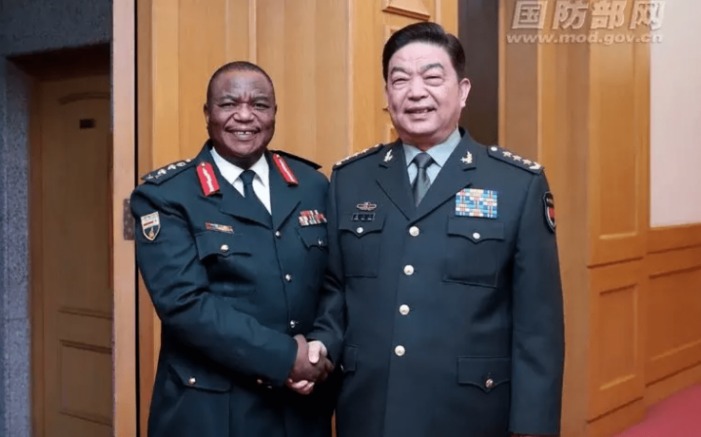
Historical Background of Mnangagwa in Zimbabwe
Emmerson Mnangagwa, a prominent figure in Zimbabwe’s political landscape, has a complex and influential history rooted in the country’s struggle for independence and subsequent development. Born in 1942, Mnangagwa played a significant role in the liberation movement against colonial rule, becoming a key advisor and leader within the ruling ZANU-PF party. His political career was marked by his involvement in shaping Zimbabwe’s policies and leadership, culminating in his rise to the presidency following Robert Mugabe’s resignation in 2017. Understanding Mnangagwa’s background provides insight into Zimbabwe’s ongoing political transformation and national identity.
Early Life and Political Ascent
Emmerson Mnangagwa, a prominent figure in Zimbabwe’s political landscape, has a background deeply intertwined with the country’s tumultuous history. Born in 1942 in Midlands Province, Mnangagwa’s early life was marked by his involvement in nationalist movements seeking independence from colonial rule. His commitment to Zimbabwe’s liberation led him to join the Zimbabwe African National Liberation Army (ZANLA) during the 1960s, where he gained substantial experience in leadership and military strategy.
Throughout the years, Mnangagwa’s political career steadily advanced as he became an influential member of the Zimbabwe African National Union (ZANU), the dominant liberation movement. His rise to power was characterized by his loyalty to Robert Mugabe, with whom he collaborated closely during the fight for independence. After independence was achieved in 1980, Mnangagwa held various significant government positions, notably as Minister of State Security and Minister of Justice, which solidified his reputation as a key political operator. His early political ascent was driven by his strategic alliances and his perceived commitment to Zimbabwe’s sovereignty and stability.
- Born in 1942 in Midlands Province, Zimbabwe
- Joined the liberation struggle in the 1960s, aligning with ZANLA
- Held key leadership roles within ZANU and the post-independence government
- Close ally of Robert Mugabe, contributing to his political influence
- Served as Minister of Security and Minister of Justice before later becoming Vice President and then President
Roles in Zimbabwean Government
Emmerson Mnangagwa is a prominent political figure in Zimbabwe with a significant historical background rooted in the country’s struggle for independence and subsequent governance. Born in 1942, Mnangagwa played a vital role in Zimbabwe’s liberation movement, joining the Zimbabwe African National Liberation Army (ZANLA) during the fight against colonial rule. His involvement in politics grew as he became a key member of ZANU-PF, the dominant political party in Zimbabwe.
Throughout his career, Mnangagwa has held several important roles within the Zimbabwean government. He served as Minister of State Security, Minister of Justice, and Vice President, demonstrating his influence in shaping national policies. In November 2017, following the resignation of Robert Mugabe, Mnangagwa became the President of Zimbabwe, assuming leadership amid political upheaval. His role in government has been central to maintaining stability and implementing economic reforms, although his tenure has also faced criticism related to governance and human rights issues.
Rise to Power within ZANU-PF
Emmerson Mnangagwa, a prominent figure in Zimbabwean politics, has a complex historical background rooted in the country’s struggle for independence and subsequent political developments. Born in 1942, Mnangagwa became actively involved in the liberation movement against colonial rule and joined ZANU-PF, the ruling party, during its fight for independence from British colonial rule in the 1960s and 1970s. His early political career was marked by his dedication to the Zimbabwe African National Union (ZANU), where he held various positions and gained recognition for his strategic and organizational skills.
Within ZANU-PF, Mnangagwa rose steadily through the ranks, becoming a key figure in the party’s leadership. His rise was characterized by his involvement in military and political strategies, especially during the guerilla warfare phase against the Rhodesian government. After Zimbabwe gained independence in 1980, Mnangagwa held several ministerial positions, including Minister of State Security and Minister of Justice. His influence continued to grow, and he became a vital player in shaping the country’s political landscape.
- In the 1990s and early 2000s, Mnangagwa consolidated power within ZANU-PF, positioning himself as a core ally of then-President Robert Mugabe.
- He served as Vice President from 2014, strengthening his authority and preparing for eventual leadership.
- Mnangagwa was known for his hardline stance and loyalty to Mugabe, which initially helped him ascend the political hierarchy.
- During Mugabe’s later years, internal tensions within ZANU-PF grew, with factions vying for control, eventually leading to Mnangagwa’s rise to the presidency in 2017 after Mugabe’s resignation.
Political Career and Leadership
Emmerson Mnangagwa’s political career is marked by his prominent leadership in Zimbabwe, where he has played a significant role in shaping the nation’s recent history. Rising through the ranks of the ZANU-PF party and serving in various governmental positions, Mnangagwa has exemplified a strategic and resilient approach to governance. His leadership is often characterized by efforts to stabilize the country, foster economic development, and navigate complex political landscapes.
Position as Vice President
Emmerson Mnangagwa has played a significant role in Zimbabwe’s political landscape, advancing through various key positions before becoming the country’s Vice President. His leadership qualities have been recognized for their strategic vision and experience in governance. Serving as Vice President, Mnangagwa has been instrumental in shaping national policies and fostering political stability within Zimbabwe.
Assumption of Presidency
Emmerson Mnangagwa’s political career has been marked by significant leadership roles within Zimbabwe’s government, culminating in his assumption of the presidency. Having served in various ministerial positions, including as Vice President, Mnangagwa has been a prominent figure in shaping Zimbabwe’s political landscape. His rise to the presidency was preceded by a tumultuous period of political transition, following the resignation of Robert Mugabe. Mnangagwa’s leadership has focused on economic reforms and attempts to foster stability within the country. His assumption of the presidency in 2017 marked a new chapter for Zimbabwe, with efforts directed toward revitalizing the national economy and improving international relations. Throughout his tenure, Mnangagwa has emphasized a vision of renewal and progress, aiming to consolidate his authority and implement policies aimed at national development.
Major Policies and Initiatives
Emmerson Mnangagwa has played a significant role in Zimbabwe’s political landscape, emerging as a prominent leader committed to guiding the nation’s future. His political career spans several decades, during which he has served in various key positions, including Vice President and Minister of Security, before becoming the President of Zimbabwe. Mnangagwa’s leadership is characterized by a focus on economic revival and political stability, aiming to address longstanding issues within the country.
Throughout his tenure, Mnangagwa has championed major policies and initiatives aimed at transforming Zimbabwe’s economy and governance structures. One of his primary initiatives has been to attract foreign investment through reforms to improve the ease of doing business, stabilize currency issues, and promote economic growth. He has also prioritized land reform policies with a cautious approach, seeking to balance land redistribution with productivity and investor confidence. Additionally, Mnangagwa has undertaken efforts to combat corruption and enhance transparency within government institutions, striving to rebuild trust among citizens and the international community.
Economic Strategies and Challenges
economic strategies and challenges in Zimbabwe under Mnangagwa’s leadership play a crucial role in shaping the nation’s future. As the country navigates complex economic reforms, inflation, and foreign investment issues, understanding these strategies provides insight into Zimbabwe’s efforts to achieve sustainable growth and stability. Examining the policies and obstacles faced offers a comprehensive view of the nation’s economic trajectory during this pivotal period.
Economic Reforms Under Mnangagwa
Economic strategies and challenges under Mnangagwa in Zimbabwe have been at the forefront of the country’s efforts to stabilize and grow its economy. Since taking office, Mnangagwa has initiated a series of economic reforms aimed at attracting foreign investment, improving infrastructure, and enhancing agricultural productivity. These reforms include currency stabilization measures, efforts to combat corruption, and legislative changes to create a more conducive environment for business development.
However, Zimbabwe continues to face significant challenges such as hyperinflation, unemployment, and a debt crisis. The country struggles with inconsistent policy implementation and limited access to international funding, which hamper its economic progress. Mnangagwa’s government has also sought to address land reform issues and promote industrialization, but progress remains slow due to political and economic uncertainties.
Despite these hurdles, Zimbabwe’s economic reforms under Mnangagwa are geared towards creating a more resilient economy that can withstand external shocks. The country’s recovery trajectory depends heavily on improving governance, stabilizing the macroeconomic environment, and fostering confidence among local and international investors. Continued commitment to comprehensive reforms will be essential for Zimbabwe to achieve sustainable economic growth and development.
Addressing Hyperinflation and Currency Issues
Addressing hyperinflation and currency issues in Zimbabwe requires comprehensive economic strategies aimed at stabilizing the financial system and restoring investor confidence. Implementing prudent monetary policies, such as tightening money supply and reinforcing currency support, can help control runaway inflation rates. Additionally, introducing a credible and stable currency, possibly through dollarization or a new national currency backed by reserves, can mitigate currency devaluation. Structural reforms to improve fiscal discipline, reduce public debt, and promote diversified economic growth are essential for sustainable recovery. Strengthening institutions and promoting transparency in financial management can also enhance credibility and attract foreign investment. Effective collaboration with international financial institutions provides technical and financial support necessary for these reforms. Overall, Zimbabwe’s path to economic stability hinges on disciplined policy execution and restoring trust in its monetary system.
Foreign Investment and Economic Recovery Efforts
President Mnangagwa’s administration in Zimbabwe faces a complex landscape of economic strategies and challenges aimed at stabilizing and revitalizing the nation’s economy. Key initiatives include implementing reforms to attract foreign investment, diversify industries, and foster sustainable growth. However, the country continues to confront significant obstacles such as inflation, currency instability, and infrastructural deficits that hinder economic progress.
Foreign investment remains a critical component of Zimbabwe’s economic recovery efforts. The government has introduced policy measures to create a more conducive environment for international investors, including easing regulatory constraints and offering incentives. Despite these efforts, skepticism persists due to concerns over political stability, legal protections, and economic transparency, which influence investment inflows.
To support economic recovery, Zimbabwe has embarked on a series of reforms focused on improving governance, enhancing fiscal discipline, and expanding access to finance for local businesses. International organizations and neighboring countries have also provided support through grants, loans, and technical assistance. While these efforts are incremental, they are essential steps toward restoring economic confidence, increasing employment, and ultimately achieving sustainable development in the country.
Diplomatic Relations and International Stance
Diplomatic relations and international stance play a crucial role in shaping a nation’s global presence and influence. For Mnangagwa’s Zimbabwe, these aspects are vital in establishing strategic partnerships, fostering economic growth, and addressing regional and global challenges. Understanding Zimbabwe’s diplomatic approach provides insight into its efforts to navigate the complex landscape of international politics and strengthen its position on the world stage.
Relations with Neighboring Countries
Emmerson Mnangagwa’s leadership has significantly influenced Zimbabwe’s diplomatic relations and international stance. His administration aims to foster stronger ties with neighboring countries and the global community to promote economic growth and regional stability.
Zimbabwe’s foreign policy under Mnangagwa emphasizes re-engagement with international organizations and neighboring nations. This approach seeks to improve Zimbabwe’s diplomatic image and attract foreign investment, while addressing regional issues collaboratively.
- Strengthening diplomatic ties with South Africa, Botswana, Zambia, and other regional neighbors to promote economic integration and security cooperation.
- Engaging with international partners such as China, Russia, and Western countries to diversify Zimbabwe’s diplomatic outreach and economic partnerships.
- Promoting diplomatic dialogue to resolve outstanding disputes and improve mutual understanding with neighboring countries.
- Participation in regional organizations like the Southern African Development Community (SADC) to support collective development goals.
Engagement with Global Powers
Mnangagwa’s approach to diplomatic relations and international stance emphasizes reinforcing Zimbabwe’s sovereignty while engaging constructively with global powers. His administration seeks to foster strategic partnerships that promote economic development, stability, and regional integration. Zimbabwe under Mnangagwa has aimed to improve diplomatic ties, particularly with neighboring countries and major global players, to attract investment and support for national initiatives.
Engagement with global powers such as China, Russia, the United States, and the European Union reflects Zimbabwe’s pragmatic foreign policy under Mnangagwa. Efforts are made to balance relationships, leveraging aid, trade, and diplomatic cooperation. Zimbabwe’s international stance continues to evolve, prioritizing economic recovery and political stability while navigating challenges related to sanctions, governance, and regional diplomacy.
Participation in Regional and International Organizations
Emmerson Mnangagwa’s Zimbabwe has actively pursued diplomatic relations aimed at strengthening economic and political ties both regionally and globally. The country’s international stance is centered on promoting sovereignty, economic development, and regional stability while navigating complex relationships with major powers and neighboring nations. Zimbabwe participates in various regional organizations such as the African Union and the Southern African Development Community, leveraging these platforms to address common challenges and support regional integration. Additionally, Zimbabwe maintains active involvement in international organizations like the United Nations, advocating for issues pertinent to its national interests and contributing to peacekeeping and international development efforts. Through these engagements, Zimbabwe under Mnangagwa seeks to enhance its diplomatic influence, attract foreign investment, and foster cooperative relationships that support its national agenda.
Domestic Politics and Governance
Domestic politics and governance in Zimbabwe play a crucial role in shaping the country’s current political landscape and development trajectory. Under the leadership of Mnangagwa, Zimbabwe has experienced significant shifts in governance practices, national policies, and political stability. Understanding the complexities of Zimbabwe’s internal political dynamics offers insight into the challenges and opportunities the nation faces as it seeks to establish a more sustainable and inclusive future.
Political Stability and Security
Emmerson Mnangagwa has played a significant role in shaping Zimbabwe’s domestic politics and governance, especially following his rise to the presidency. His leadership has been marked by efforts to stabilize the political landscape, address economic challenges, and maintain security within the country. Ensuring political stability remains a priority for Mnangagwa’s administration, as it influences investor confidence and the nation’s overall development trajectory.
- Mnangagwa’s government emphasizes reforms aimed at strengthening institutions and promoting transparency in governance.
- Efforts to combat corruption and improve economic policies are central to maintaining stability and security.
- The political landscape continues to be influenced by historical divisions and the legacy of former leadership, requiring ongoing reconciliation processes.
- Security remains a key focus, with measures implemented to prevent unrest and ensure the safety of citizens amidst economic and political challenges.
- While there have been reluctances towards opposition forces, the government seeks to balance stability with political inclusiveness.
Human Rights and Civil Liberties
Emmerson Mnangagwa, the President of Zimbabwe, has been a central figure in the country’s domestic politics and governance since he assumed power. His administration faces ongoing challenges related to political stability, economic reform, and the safeguarding of human rights and civil liberties. While Mnangagwa has pledged to improve the country’s governance structures, critics argue that political repression and limited freedom of speech persist, affecting democratic practices.
In terms of human rights, Zimbabwe under Mnangagwa has seen a tense environment where opposition voices and civil society organizations sometimes encounter restrictions or harassment. Efforts towards improving transparency and accountability are ongoing, but concerns about electoral fairness and the suppression of dissent remain. Civil liberties such as freedom of expression, assembly, and press freedom are vital issues that continue to influence Zimbabwe’s political landscape.
Overall, Mnangagwa’s leadership in Zimbabwe is marked by efforts to modernize governance and foster stability, while navigating complex issues related to human rights and civil liberties. The future of these aspects depends significantly on ongoing political reforms and the commitment to uphold democratic principles within the country.
Election Processes and Democratic Reforms
Emmerson Mnangagwa’s rise to leadership in Zimbabwe has significantly influenced the country’s domestic politics and governance. Under his administration, efforts have been made to promote political stability, foster economic reforms, and strengthen state institutions. However, challenges such as political polarization, corruption, and governance issues persist, affecting the country’s democratic landscape.
The election processes in Zimbabwe, notably during Mnangagwa’s tenure, have been subject to scrutiny and debate. While the government claims to uphold democratic principles, critics highlight concerns over electoral transparency, fairness, and the dominance of incumbent party structures. Electoral reforms have been proposed and, at times, implemented to enhance legitimacy, but concerns about misuse of power and voter intimidation remain prevalent.
Democratic reforms in Zimbabwe have been a focus of both international and domestic efforts to improve governance and ensure greater political participation. Reforms aimed at increasing civil liberties, enhancing the independence of the judiciary, and promoting media freedom are ongoing. Mnangagwa’s government has signaled commitments to reforms; however, implementing these changes consistently and effectively continues to be a major challenge in strengthening Zimbabwe’s democracy.
Social and Cultural Impact
Mnangagwa’s leadership in Zimbabwe has significantly influenced the country’s social and cultural landscape. His policies and political actions have shaped national identity, community relationships, and cultural expressions. Understanding the social and cultural impact of Mnangagwa’s tenure is essential to grasp the broader transformations occurring within Zimbabwe today.
Healthcare and Education Policies
Emmerson Mnangagwa’s leadership in Zimbabwe has significantly influenced the country’s social and cultural landscape, as well as its healthcare and education policies. His administration has aimed to foster national unity and rebrand Zimbabwe’s international image, impacting societal attitudes and cultural identity.
- Social cohesion efforts under Mnangagwa have focused on healing divisions from past political conflicts and promoting national pride.
- Cultural initiatives include revitalizing Zimbabwean heritage and promoting traditional arts and language to strengthen cultural identity.
- Healthcare policies have prioritized improving access to medical services, with investments in hospitals, clinics, and health infrastructure to combat diseases such as HIV/AIDS and malaria.
- Reforms have aimed to reduce healthcare disparities and enhance the quality of care, although challenges remain in resource allocation and staffing.
- Educational policies under Mnangagwa’s government seek to increase enrollment rates, especially in rural areas, and improve school infrastructure.
- Efforts include curriculum reform to align education with economic needs and initiatives to increase access to secondary and tertiary education.
Social Development Programs
Mnangagwa Zimbabwe has initiated various social development programs aimed at fostering social cohesion, reducing inequality, and promoting cultural preservation. These programs focus on improving education, healthcare, and community engagement to empower citizens and support sustainable growth. By emphasizing inclusive development, the government seeks to strengthen national identity and unity among diverse cultural groups within Zimbabwe.
Impact on Women and Minority Groups
Emmerson Mnangagwa’s leadership in Zimbabwe has had a significant impact on the social and cultural fabric of the nation, particularly concerning women and minority groups. His rise to power marked a shift towards efforts aimed at national reform, which have influenced social dynamics and perceptions of inclusion. However, challenges remain in achieving true equality and representation for marginalized communities.
Challenges and Criticisms
The challenges and criticisms faced by Mnangagwa in Zimbabwe highlight the complex political and economic landscape of the country. As a key figure in Zimbabwe’s leadership, Mnangagwa has encountered scrutiny over issues such as governance, economic stability, and human rights. Understanding these challenges is essential to grasp the nuances of Zimbabwe’s ongoing efforts toward national development and democratic progress.
Economic Difficulties and Public Dissatisfaction
Mnangagwa’s leadership in Zimbabwe has faced numerous challenges and criticisms, particularly concerning economic difficulties and public dissatisfaction. The country has struggled with persistent economic instability, including high inflation, unemployment, and shortages of basic goods, which have undermined public confidence. Critics argue that despite promises of reform and recovery, the government has been unable to implement effective policies to stabilize the economy or foster sustainable growth. Public frustration has grown due to perceived corruption, lack of transparency, and failure to adequately address the needs of ordinary citizens. These issues have fueled protests and widespread discontent, illustrating the complex and ongoing struggles faced by Mnangagwa’s administration in transforming Zimbabwe’s economic and political landscape.
Critiques Regarding Political Repression
Critiques of Mnangagwa’s regime in Zimbabwe often focus on ongoing political repression, which has raised concerns both domestically and internationally. Critics argue that despite promises of reform and economic recovery, the government continues to suppress dissent through violence, intimidation, and restrictive laws. Political opponents, activists, and journalists frequently face harassment, arbitrary arrests, and restrictions on freedom of speech, undermining democratic principles.
Many observers contend that these actions are aimed at consolidating power and silencing opposition voices, which damages the country’s political legitimacy. The Zimbabwean government has been accused of using state institutions to intimidate opponents and control the political narrative, inhibiting free and fair elections. Critics also highlight that the continued repression hampers national development, as it discourages political participation and fosters an environment of fear and uncertainty.
Furthermore, international human rights organizations have criticized Mnangagwa’s administration for not doing enough to address past abuses or to improve the human rights situation. Such critiques underscore concerns that political repression persists as a significant obstacle to genuine democratic progress in Zimbabwe under Mnangagwa’s leadership.
Environmental and Land Use Issues
Environmental and land use issues have become significant challenges in Zimbabwe under Mnangagwa’s leadership, affecting sustainable development and social stability. These problems often stem from policies that prioritize economic growth over environmental protection, leading to contentious land reform programs and resource exploitation.
- Deforestation and habitat destruction due to illegal logging and agriculture expansion, threatening biodiversity and ecosystem balance.
- Unsustainable land reform practices that have resulted in land degradation, soil erosion, and reduced agricultural productivity.
- Increased pressure on natural resources, such as water and minerals, driven by a need to stimulate economic growth, often without adequate environmental safeguards.
- Conflicts over land rights and usage, especially between commercial farmers and indigenous communities, leading to social tension and legal disputes.
- Challenges in enforcing environmental regulations, partly due to limited institutional capacity and corruption, allowing illegal activities to persist.
- Climate change impacts, such as droughts and floods, exacerbating land use issues and threatening food security in the region.
Future Outlook for Zimbabwe under Mnangagwa
Under President Emmerson Mnangagwa’s leadership, Zimbabwe’s future outlook is characterized by a focus on economic reforms, regional integration, and efforts to attract foreign investment. While challenges such as political stability and economic recovery persist, initiatives aimed at revitalizing key sectors like agriculture and mining offer potential for growth. The country’s trajectory under Mnangagwa is being shaped by a combination of government policies and international cooperation, promising a cautiously optimistic outlook for Zimbabwe’s development.
Prospects for Economic Growth
The future outlook for Zimbabwe under President Mnangagwa presents a cautiously optimistic scenario for economic growth, fueled by a combination of political stability efforts and targeted reforms. Mnangagwa’s administration has initiated measures to attract foreign investment, improve infrastructure, and stabilize the macroeconomic environment, which are essential for sustainable development. Despite facing persistent challenges such as inflation, currency volatility, and economic structural issues, the government’s focus on revival strategies offers hope for a gradual recovery.
Prospects for economic growth in Zimbabwe are generally promising if ongoing reforms are effectively implemented and external support is leveraged. Agriculture, mining, and tourism sectors are seen as major drivers of growth, given their historical significance and potential. Additionally, renewed efforts to normalize international relations and access to financial markets could lead to increased investor confidence. However, achieving substantial progress will depend on consistent policy implementation, political stability, and addressing internal challenges such as land reform disputes and social inequalities.
Political Stability and Reforms
Under Mnangagwa’s leadership, Zimbabwe’s future outlook is shaped by a focus on political stability and ongoing reforms aimed at economic recovery. While challenges persist, including lingering economic hardships and political tensions, efforts to strengthen governance and attract investment are central to the government’s strategy. Mnangagwa has emphasized the importance of stability to foster confidence among citizens and international partners, which is critical for implementing reforms that can stimulate growth. Continued reforms in transparency, anti-corruption measures, and policy consistency are expected to play a pivotal role in shaping a more stable and prosperous Zimbabwe in the coming years.
Regional and Global Integration
The future outlook for Zimbabwe under Mnangagwa’s leadership appears cautiously optimistic, with a focus on regional and global integration as key drivers of economic revival and stability. Efforts to strengthen diplomatic ties within Southern Africa and beyond aim to attract foreign investment, enhance trade partnerships, and promote regional cooperation. Zimbabwe is increasingly participating in regional blocs such as the Southern African Development Community (SADC) and the African Union (AU), which facilitate collaborative development projects and economic integration. Globally, Mnangagwa’s government seeks to improve relations with major economic powers to bolster trade, secure infrastructural investments, and foster economic diversification. While challenges persist, including economic reforms and political stability, the emphasis on regional and global engagement could position Zimbabwe as a more integrated and resilient economy in the years ahead.

0 Comments