
Geographical and Climate Overview
The Maldives and Mauritius are two island nations renowned for their unique geographical features and diverse climates. Situated in different parts of the Indian Ocean, each destination offers distinct landscapes and weather patterns that attract travelers seeking natural beauty and tropical experiences. Understanding their geographical and climate characteristics provides insight into what makes these islands exceptional destinations.
Maldives Geography and Climate
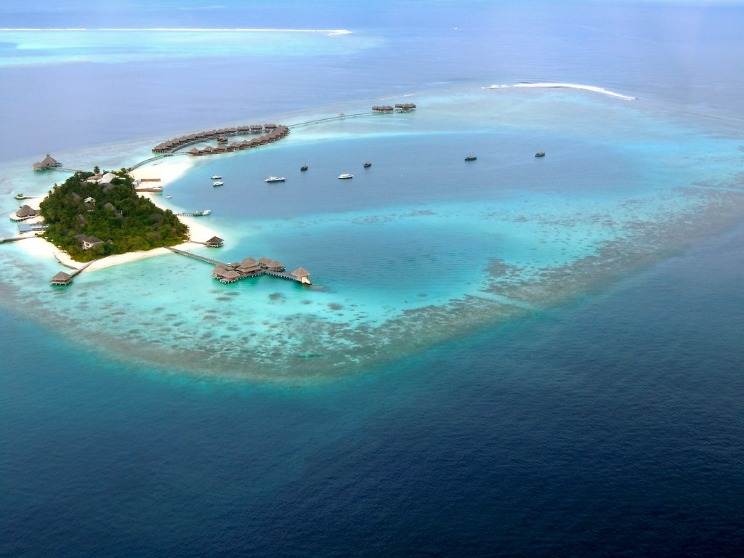
The Maldives is a tropical paradise renowned for its unique geography and warm climate, making it a popular destination for travelers seeking pristine beaches and clear blue waters. Its geographical layout consists of approximately 1,200 coral islands grouped into 26 atolls, spread over roughly 90,000 square kilometers in the Indian Ocean. The islands are low-lying, with an average elevation of just 1.5 meters above sea level, which makes the Maldives particularly vulnerable to rising sea levels caused by climate change. The climate is tropical monsoon with distinct wet and dry seasons, characterized by warm temperatures year-round, averaging 30°C (86°F), and humidity levels that are relatively high.
- The Maldives experiences a dry season from November to April, characterized by prevailing northeastern monsoon winds, less rainfall, and abundant sunshine.
- The wet season occurs from May to October, influenced by the southwestern monsoon winds, bringing heavy rains and occasional storms.
- Temperature fluctuations are minimal, but the humidity and rainfall vary significantly between seasons.
Mauritius Geography and Climate
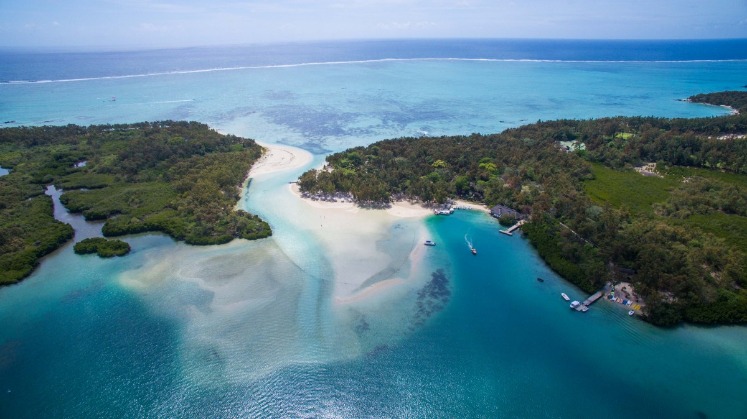
Mauritius is an island nation located in the Indian Ocean, known for its diverse geography and tropical climate. The island features mountainous regions, volcanic peaks, lush forests, and beautiful beaches, making it a popular destination for nature lovers and tourists alike. Its central plateau is surrounded by a coral reef, providing calm lagoons and vibrant marine life.
The climate of Mauritius is typically tropical, characterized by warm temperatures and high humidity throughout the year. It experiences a distinct wet season from November to April, with heavy rainfall and occasional cyclones, while the dry season from May to October offers pleasant, sunny weather. Its climate supports a rich biodiversity and outdoor activities such as snorkeling, diving, and hiking, attracting visitors seeking a warm, scenic environment.
Impact of Climate on Tourism
The Maldives and Mauritius are both renowned island destinations, each offering unique geographical and climatic features that influence their tourism industries. The Maldives is situated in the Indian Ocean, consisting of over 1,000 coral islands characterized by atolls, white sandy beaches, and clear turquoise waters. Its tropical climate features warm temperatures year-round, with a distinct dry season from November to April and a wet monsoon season from May to October. In contrast, Mauritius, located in the southwestern Indian Ocean near Madagascar, is a volcanic island known for its lush landscapes, mountain ranges, and extensive coastal plains. It experiences a humid tropical climate with warm temperatures throughout the year, influenced by trade winds and marked by a wet season from January to March and a drier period from June to September.
The climatic conditions of these islands significantly impact their tourism activities and seasons. The Maldives’ dry season attracts tourists seeking sun, snorkeling, and diving opportunities, making it the peak tourist period. Conversely, the rainy season can reduce tourism flow and affect marine activities. Mauritius benefits from its more diverse climate, allowing for year-round tourism, though the wetter months may see slight declines in visitor numbers. Both destinations rely heavily on their favorable climates to promote beach tourism, water sports, and eco-tourism, but their seasonal variations necessitate tailored marketing and activity planning to maximize visitor engagement throughout the year.
Tourism and Attractions
Tourism plays a vital role in showcasing the unique beauty and cultural richness of different destinations around the world. Two popular island paradises, the Maldives and Mauritius, attract travelers with their stunning landscapes, luxurious resorts, and diverse attractions. Both destinations offer unforgettable experiences, from pristine beaches and vibrant marine life to lush landscapes and cultural heritage, making them ideal choices for holidaymakers seeking relaxation and adventure.
Maldives Key Tourist Attractions
The Maldives is renowned for its stunning overwater bungalows, crystal-clear turquoise waters, and vibrant coral reefs, making it a top destination for luxury travelers and honeymooners. Key attractions include Malé, the capital city with its historical sites and bustling markets, and the numerous private islands featuring world-class resorts. The Maldives also offers excellent opportunities for snorkeling and diving, allowing visitors to explore colorful marine life and coral formations.
In comparison, Mauritius boasts diverse attractions such as pristine beaches, lush rainforests, and vibrant cultural diversity. Popular tourist spots include Le Morne Brabant, a UNESCO World Heritage site, the capital Port Louis with its bustling markets, and the scenic Chamarel Seven Colored Earths. The island also offers various adventure activities like hiking, water sports, and wildlife tours, making it an ideal destination for those seeking both relaxation and exploration.
Mauritius Key Tourist Attractions
When comparing the Maldives and Mauritius as tourist destinations, both offer unique attractions that cater to different interests. Mauritius is renowned for its diverse landscapes, lush forests, and vibrant culture, making it a captivating destination for travelers seeking a mix of natural beauty and cultural experiences. Key tourist attractions include the Black River Gorges National Park, Chamarel Colored Earth, and the historic Aapravasi Ghat, which is a UNESCO World Heritage Site. The island also boasts beautiful beaches and coral reefs perfect for snorkeling and diving.
Popular Activities in Both Destinations
The Maldives and Mauritius are two popular tropical destinations known for their stunning beaches, vibrant marine life, and luxurious resorts. Both locations offer a variety of attractions and activities that cater to travelers seeking relaxation, adventure, and cultural experiences.
- Maldives:
- Snorkeling and Scuba Diving among colorful coral reefs and diverse marine species.
- Overwater bungalows offering unique luxury accommodation experiences.
- Island hopping expeditions to explore different atolls and uninhabited islands.
- Enjoying sunset cruises and dolphin watching excursions.
- Relaxing on pristine beaches with powdery white sand.
- Mauritius:
- Exploring botanical gardens like Pamplemousses Garden with exotic plants and giant lilies.
- Visiting historic sites such as Aapravasi Ghat and Le Morne Brabant.
- Engaging in water sports like surfing, kayaking, and deep-sea fishing.
- Hiking through lush volcanic landscapes and national parks.
- Enjoying vibrant local markets and Creole cuisine.
Luxury and Accommodations
When comparing luxury and accommodations in the Maldives and Mauritius, travelers are treated to a world of exquisite comfort and breathtaking scenery. Both destinations offer unique experiences with stunning resorts, overwater villas, and world-class amenities that cater to those seeking relaxation and indulgence. Whether it’s the crystal-clear waters of the Maldives or the lush landscapes of Mauritius, each location promises an unforgettable stay catered to the most discerning guests.
Maldives Resorts and Overwater Villas
When choosing between the Maldives and Mauritius for luxury stays, both destinations offer unparalleled accommodations but with distinct experiences. The Maldives is renowned for its overwater villas, offering direct access to turquoise waters and private pools that epitomize exclusivity and tranquility. In contrast, Mauritius features luxurious resorts set amidst lush landscapes and pristine beaches, providing a rich blend of elegance and natural beauty. Both locations boast world-class amenities, spas, and fine dining, ensuring an opulent stay whether you prefer the iconic overwater living of the Maldives or the diverse luxury resorts of Mauritius.
Mauritius Hotels and Resorts
When comparing luxury and accommodations in Mauritius to the Maldives, travelers will find that Mauritius offers a diverse range of exquisite hotels and resorts set amidst lush landscapes and pristine beaches. Many of these properties boast spacious rooms, world-class amenities, and personalized services that ensure a memorable stay. The island’s luxurious resorts often feature upscale restaurants, spa facilities, and beautiful grounds that blend seamlessly with the natural environment. In contrast, the Maldives is renowned for its overwater villas and private island resorts, which provide an ultra-exclusive experience with direct access to turquoise lagoons and vibrant coral reefs. Both destinations excel in offering high-end accommodations, but Mauritius’s resorts tend to emphasize lush greenery and cultural experiences, while the Maldives focuses on seclusion and oceanic luxury.
Unique Experiences in Each Location
Both the Maldives and Mauritius offer unparalleled luxury and accommodations, each providing unique experiences that cater to discerning travelers seeking exclusivity and comfort. In the Maldives, overwater bungalows and private villas surrounded by crystal-clear waters create a surreal, tranquil environment perfect for relaxation and romance. Resorts here often feature world-class spas, private pools, and personalized butler services, ensuring an indulgent stay. Mauritius, on the other hand, boasts luxury beachfront resorts nestled amidst lush greenery and volcanic landscapes. Visitors can enjoy opulent suites with panoramic ocean views, gourmet dining, and a range of cultural activities that showcase the island’s rich heritage. Each destination offers its own distinctive charm, from the Maldives’ serene atolls to Mauritius’s vibrant cultural tapestry, making both exceptional choices for a luxurious escape.
Cultural and Historical Aspects
The cultural and historical aspects of a region significantly influence its language, shaping communication, traditions, and identities. When comparing the Maldives and Mauritius, understanding their unique cultural heritages provides deeper insights into their linguistic landscapes. These aspects reflect their diverse histories, colonial influences, and societal values, making language a vital window into their rich cultural tapestries.
Maldivian Culture and Heritage
The Maldives boasts a rich cultural heritage deeply rooted in Islamic traditions, reflected in its architecture, festivals, and daily life. The islands have preserved their unique language, Dhivehi, and traditional music and dance forms like Bodu Beru, showcasing their vibrant cultural identity. Historically, the Maldives was an important hub for Indian Ocean trade, influencing its art and customs. In contrast, Mauritius has a diverse cultural tapestry shaped by its history of colonization by the Dutch, French, and British, alongside its African, Indian, and Chinese communities. This melting pot is evident in its language, cuisine, and festivals, such as Diwali and Creole celebrations. Both nations are proud of their heritage, with the Maldives emphasizing its Islamic traditions and maritime history, while Mauritius celebrates multiculturalism and its colonial past. Overall, each country’s unique cultural and historical aspects offer a distinctive insight into their identities and heritage.
Mauritian Culture and Heritage
Mauritian culture and heritage are a vibrant tapestry influenced by a diverse blend of African, Indian, Chinese, and European traditions. This unique fusion is reflected in its languages, festivals, music, dance, and cuisine, creating a rich cultural landscape that welcomes visitors from around the world. Mauritius celebrates numerous cultural festivals such as Diwali, Chinese New Year, and the Sega Festival, showcasing its multicultural identity. The island’s heritage is also preserved through historic sites like Aapravasi Ghat, a UNESCO World Heritage site that highlights its history as a hub for indentured laborers. Overall, Mauritius prides itself on its harmonious coexistence of different cultures, fostering a sense of community and continuity that is deeply embedded in its national identity.
Influence of Historical Factors on Tourism
The cultural and historical aspects of the Maldives and Mauritius significantly influence their tourism industries, shaping the experiences that attract visitors. In the Maldives, a rich Islamic heritage combined with centuries of maritime history creates a unique cultural landscape characterized by traditional boat building, Islamic art, and local customs. These elements offer tourists a glimpse into the islands’ spiritual and historical roots, enhancing the appeal of cultural tours and heritage sites. Conversely, Mauritius boasts a diverse cultural background due to its history of colonization by the Dutch, French, and British, as well as the vibrant traditions of its various ethnic communities. This melting pot results in a rich cultural tapestry reflected in local music, dance, cuisine, and festivals, which are central to attracting international tourists. The historical factors that shaped each destination—such as maritime trade routes for the Maldives and colonial legacies for Mauritius—continue to influence their tourism appeal, offering visitors unique opportunities to explore their heritage and understand their cultural evolution. Ultimately, these historical influences not only enrich the visitor experience but also help sustain the cultural identity of both island nations amidst modern tourism development.
Cost and Budget Considerations
When comparing destinations like the Maldives and Mauritius, understanding the cost and budget considerations is essential for travelers planning their perfect getaway. Factors such as accommodation, activities, transportation, and dining can significantly influence the overall expenses. By evaluating these elements, travelers can choose the destination that best aligns with their financial plans while still offering a memorable experience.
Maldives Travel Expenses
When comparing the cost and budget considerations for travel to the Maldives versus Mauritius, travelers should keep in mind that the Maldives typically demands a higher budget due to its luxury resorts and remote island locations. Accommodation costs in the Maldives can be quite steep, especially for overwater villas and private island retreats, and these expenses often represent the majority of the travel budget. In contrast, Mauritius offers a wider range of budget-friendly options, including mid-range hotels, guesthouses, and affordable dining choices, making it more accessible for travelers with varying budgets. Additionally, the Maldives often incurs higher transportation costs, such as seaplane or speedboat transfers, which can add to overall expenses. Mauritius, with its more developed infrastructure, usually involves lower transportation costs. Therefore, travelers aiming for a luxury experience might find the Maldives more aligned with their budget, whereas those seeking a more affordable yet equally beautiful tropical destination might prefer Mauritius.
Mauritius Travel Expenses
When comparing the travel expenses between the Maldives and Mauritius, budget considerations play a significant role in planning your trip. Both destinations offer luxurious experiences, but their costs can vary widely depending on your choices.
- Accommodation: Mauritius generally offers more affordable options, including guesthouses and mid-range hotels, while the Maldives is known for high-end resorts that can be costly.
- Flights: Flight expenses to both destinations depend on your departure location, but Mauritius often has slightly cheaper flight options due to its popularity as a long-haul destination.
- Dining: Mauritius provides a variety of dining options that suit different budgets, whereas dining in the Maldives, especially within resorts, tends to be more expensive.
- Activities: Excursions and activities such as diving, snorkeling, and island tours can vary in price, with Maldives often charging premium prices for water-based activities.
- Transportation: Local transport costs in Mauritius are generally lower, including bus and taxi services, compared to the private transfers or boat trips often required in the Maldives.
Choosing between the Maldives and Mauritius largely depends on your budget and the type of experience you seek. Mauritius may be more suitable for travelers looking for affordability and diverse cultural experiences, while the Maldives caters to those willing to spend more on exclusive luxury and privacy.
Value for Money and Budget Options
When comparing Maldives and Mauritius in terms of cost and budget considerations, it’s essential to evaluate the overall expenses including accommodation, dining, activities, and transportation. Maldives tends to be more expensive, especially for luxury resorts and overwater villas, which often come with higher price tags. Mauritius offers a wider range of budget-friendly options, from guesthouses to mid-range hotels, making it more accessible for travelers with limited budgets.
In terms of value for money, Mauritius generally provides a better balance, offering diverse experiences, cultural attractions, and natural beauty at a more affordable price point. The Maldives, while more costly, delivers exclusive luxury experiences and pristine private islands that can justify the premium for those seeking ultimate indulgence.
For travelers considering budget options, Mauritius presents a variety of affordable accommodations and activities without compromising the experience. Maldives also has some budget-friendly resorts and guesthouses, but these are comparatively limited. Overall, choosing between Maldives and Mauritius depends on financial considerations, with Mauritius being the more economical choice for most travelers seeking a great vacation at a lower cost.
Activities and Adventure Sports
Activities and adventure sports offer thrilling experiences and unforgettable memories for travelers seeking excitement. When comparing the Maldives and Mauritius, both destinations provide a unique blend of adventurous pursuits, from water sports to land-based adventures. Whether you crave diving into vibrant coral reefs or exploring lush terrain, these incredible locations cater to adrenaline enthusiasts and nature lovers alike.
Water Sports in the Maldives
The Maldives is renowned for its vibrant water sports and adventure activities that attract thrill-seekers from around the world. Visitors can indulge in snorkeling amongst colorful coral reefs, scuba diving to explore diverse marine life, and surfing on some of the world’s best waves. Other popular activities include jet skiing, parasailing, and flyboarding, offering exhilarating experiences amidst stunning turquoise waters. These water-based adventures are perfect for those looking to combine relaxation with adrenaline-pumping fun, making the Maldives a top destination for aquatic sports.
Land-based Activities in Mauritius
While the Maldives is renowned for its pristine beaches and water-based activities, Mauritius offers a diverse range of land-based activities and adventure sports that cater to thrill-seekers and nature enthusiasts alike.
In Mauritius, visitors can indulge in various activities such as hiking through lush mountains like Le Morne Brabant and Black River Gorges, exploring scenic trails and waterfalls. The island also offers exciting opportunities for zip-lining, quad biking, and ATV adventures amidst its tropical landscapes. Rock climbing and canyoning are popular in certain regions, providing adrenaline-pumping experiences close to nature.
For those interested in marine and land-based sports, Mauritius features excellent opportunities for deep-sea fishing, snorkeling, and diving. Additionally, golf enthusiasts can enjoy several world-class golf courses set against stunning backdrops. The island’s warm climate and diverse terrain make it an ideal destination for outdoor activities, contrasting with the Maldives’ focus on marine-based pursuits.
Eco-tourism and Conservation Efforts
Both Maldives and Mauritius offer unique opportunities for activities and adventure sports, eco-tourism, and conservation efforts, attracting travelers with diverse interests. The Maldives is renowned for its incredible underwater experiences like snorkeling, scuba diving, and water sports such as jet skiing and paddleboarding, set amidst pristine coral reefs teeming with marine life. Mauritius, on the other hand, provides adventure activities including hiking through lush forests, mountain biking, and exploring volcanic landscapes, along with fantastic snorkeling and diving sites. In terms of eco-tourism, Maldives emphasizes sustainable tourism practices by protecting its fragile coral ecosystems and promoting eco-friendly resorts. Mauritius invests heavily in conservation efforts to preserve endemic species and natural habitats, exemplified by its national parks and marine protected areas. Both destinations are committed to balancing tourism growth with environmental sustainability, making them ideal choices for eco-conscious travelers seeking adventure and natural beauty.
Accessibility and Transportation
Accessibility and transportation are vital components that influence travel experiences and the overall convenience of visiting a destination. When comparing the Maldives and Mauritius, understanding the transportation options and accessibility features available in each island paradise can help travelers plan their trips more effectively. Both locations offer unique transportation methods, but their accessibility standards vary, shaping how visitors explore and enjoy these beautiful destinations.
Getting to the Maldives
Reaching the Maldives typically involves taking a flight to Malé, the capital city, from major hubs around the world. Most international travelers arrive via transfer flights from major Asian or Middle Eastern airports. Once in Malé, travelers often take a speedboat or seaplane to reach the specific islands, which can be challenging for those with mobility issues due to limited accessible transportation options.
In contrast, Mauritius offers more accessible transportation options for travelers with mobility concerns. The island has well-developed infrastructure, including modern airports with facilities for passengers with disabilities, accessible taxis, and rental cars. Visitors can easily navigate the island through accessible roads, making it more convenient for all travelers to explore the scenic attractions and beaches.
Mauritius Accessibility
Accessibility and transportation in Mauritius are well-developed to accommodate both residents and visitors, ensuring ease of movement across the island. The country offers a reliable network of roads, buses, and taxis that facilitate easy travel within urban and rural areas. For tourists, numerous airports, ports, and transportation services are available to explore the scenic highlights and cultural sites. Mauritius has also made strides in improving accessibility for people with disabilities, with many public spaces, hotels, and transportation options becoming more inclusive. Compared to the Maldives, Mauritius provides a more extensive and accessible transportation infrastructure, making it easier for travelers to navigate and enjoy their stay on the island.
Intra-destination Transportation
Both Maldives and Mauritius offer unique transportation options to enhance accessibility for visitors, though their intra-destination transportation systems differ significantly. In Maldives, transportation within islands mainly relies on speedboats, dhonis, and seaplanes, which are essential for reaching resorts spread across numerous atolls. These methods provide scenic and efficient travel but can be challenging for travelers with mobility concerns. Conversely, Mauritius has a more developed land transportation network, including buses, taxis, and rental cars, making it easier for tourists to explore the island comfortably and independently. The island’s infrastructure supports accessibility for all visitors, including those with disabilities. Overall, Mauritius tends to offer more accessible intra-destination transportation options, while Maldives excels in providing unique, scenic travel experiences tailored to island-hopping and luxury getaways.
Environmental Sustainability
Environmental sustainability is essential for preserving the natural beauty and resources of island nations like the Maldives and Mauritius. Both destinations rely heavily on their pristine beaches, vibrant marine life, and lush landscapes to attract tourists and support their economies. As climate change and environmental challenges threaten these ecosystems, understanding how each country approaches sustainability is crucial for their long-term development and conservation efforts.
Maldives Environmental Initiatives
The Maldives has implemented a range of environmental initiatives aimed at preserving its delicate ecosystem and promoting sustainable tourism. These efforts include establishing marine protected areas, promoting eco-friendly resorts, and advancing renewable energy projects such as solar power to reduce reliance on imported fossil fuels. Additionally, the Maldives actively participates in coral reef conservation programs and waste management reforms to minimize environmental impact, demonstrating a strong commitment to environmental sustainability. In comparison with Mauritius, which also prioritizes environmental conservation through programs like reforestation, marine biodiversity preservation, and renewable energy efforts, the Maldives’s initiatives are particularly focused on protecting its unique atoll ecosystem and promoting sustainable tourism practices.
Mauritius Environmental Efforts
Both Maldives and Mauritius are renowned for their stunning natural environments, but their approaches to environmental sustainability differ significantly due to their unique geographic and economic contexts. Mauritius has implemented a range of initiatives aimed at protecting its terrestrial and marine ecosystems, such as establishing protected areas, promoting eco-tourism, and encouraging renewable energy use. The country actively participates in international environmental agreements to combat climate change and preserve biodiversity.
In contrast, Maldives faces critical environmental challenges due to rising sea levels and climate change, which threaten its low-lying islands. The Maldives has prioritized sustainable development by investing in renewable energy projects, coral reef conservation, and waste management programs. Efforts are also underway to promote awareness and community involvement in environmental preservation. Both nations recognize the importance of sustainable practices to maintain their natural beauty and support their economies, though their strategies are shaped by their distinct environmental pressures.
Challenges and Future Prospects for Sustainable Tourism
Environmental sustainability is crucial for the long-term success of tourism industries, especially in island destinations like the Maldives and Mauritius. Both countries rely heavily on natural beauty and marine resources to attract visitors, making it essential to balance economic growth with ecological preservation. Challenges such as coral reef degradation, over-tourism, pollution, and climate change threaten the sustainability of these pristine environments.
The Maldives faces significant challenges related to rising sea levels and coral bleaching, which directly impact its coral reefs and biodiversity. Mauritius, on the other hand, contends with deforestation, water scarcity, and coastal erosion due to increased tourist activity. Both nations need to adopt sustainable practices that minimize environmental impact, such as eco-friendly infrastructure, waste management, and marine conservation efforts.
Future prospects for sustainable tourism in these destinations hinge on implementing innovative solutions. Emphasizing eco-tourism, promoting local community involvement, and adopting renewable energy sources can help reduce ecological footprints. Additionally, fostering awareness among tourists about responsible travel behaviors is vital. Both the Maldives and Mauritius have the potential to lead by example in sustainable tourism if they prioritize environmental preservation while continuing to attract visitors.



0 Comments