
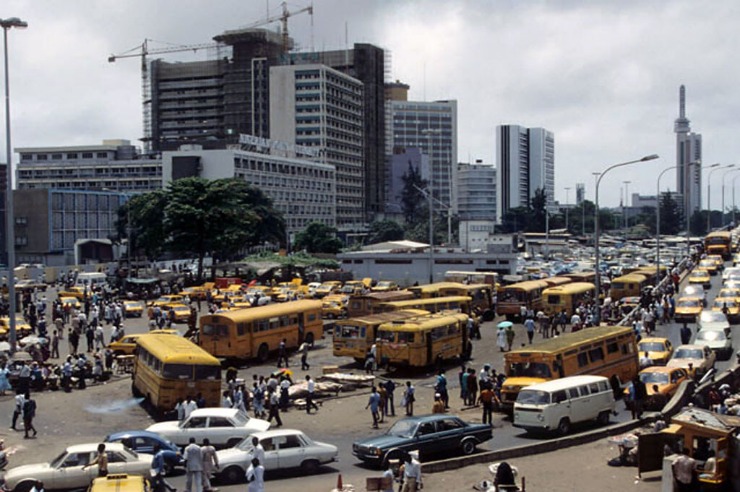
Geography and Climate of Lagos
Lagos, a bustling metropolis and Nigeria’s economic hub, is situated along the southeastern coast of West Africa. Its geographical location grants it a strategic position with access to the Atlantic Ocean, contributing to its importance as a major port city. The climate of Lagos is tropical, characterized by warm temperatures year-round and distinct wet and dry seasons. The city’s geography and climate play a significant role in shaping its vibrant culture, diverse economy, and urban development.
Location and Topography
Lagos, Nigeria, is a prominent city located along the southwestern coast of the country, bordered by the Atlantic Ocean. Its geographical position makes it one of Africa’s most important economic and cultural centers. The city is situated on a narrow strip of land, comprising a mainland and several offshore islands, which together form the Lagos Lagoon.
The topography of Lagos is relatively flat, characterized by low-lying coastal plains and sandy beaches. The city’s elevation varies between sea level and a few meters above sea level, making it susceptible to flooding during heavy rains and high tides. The Lagos Lagoon, a large inland waterbody, dominates the landscape and plays a crucial role in transportation and commerce within the region. Overall, Lagos’s geography and topography contribute significantly to its vibrant urban environment and its strategic importance in Nigeria and West Africa.
Climate and Weather Patterns
Lagos, Nigeria, is a vibrant coastal city situated along the Atlantic Ocean, known for its diverse geography and lively urban landscape. The city features a mix of lagoons, creeks, and beaches, making it a dynamic environment with a mixture of natural and man-made features. Lagos is characterized by its flat topography, with some areas slightly elevated from sea level, contributing to its coastal charm.
The climate of Lagos is classified as tropical, with a distinct dry and wet season. It experiences high temperatures throughout the year, averaging around 27 to 31 degrees Celsius (81 to 88 degrees Fahrenheit). The wet season typically occurs from April to October, bringing heavy rains and increased humidity, while the dry season lasts from November to March, characterized by less rainfall and slightly cooler temperatures. Weather patterns are strongly influenced by the Atlantic Ocean, leading to warm, moist air masses that result in frequent rainfall and thunderstorms during the rainy months.
Lagos’s weather patterns are shaped by its proximity to the coast, resulting in warm temperatures year-round and high humidity levels. The city often experiences tropical storms and heavy downpours during the rainy season, which can cause flooding and other weather-related challenges. Overall, Lagos’s climate is conducive to lush vegetation but also demands effective management of weather-related risks to sustain its vibrant economy and population.
History and Cultural Heritage
Lagos, Nigeria, is a vibrant city rich in history and cultural heritage that reflects a blend of ancient traditions and modern development. As one of Africa’s most bustling metropolises, Lagos boasts a diverse cultural landscape shaped by its historical significance as a trading hub and its vibrant communities. From historical landmarks to traditional festivals, the city’s heritage offers a captivating glimpse into Nigeria’s past and its dynamic cultural identity.
Historical Background
Lagos, Nigeria, boasts a rich and diverse history that dates back centuries, deeply rooted in trade, migration, and cultural exchange. Originally a small Yoruba settlement known as Eko, it evolved over centuries into one of West Africa’s most significant commercial hubs. The arrival of Portuguese explorers in the 15th century marked the beginning of Lagos’ involvement in regional trade networks, especially in gold, ivory, and slaves. During the 19th century, it became a British colony, which influenced its infrastructure, legal systems, and cultural landscape. Lagos’s historical background reflects a blend of indigenous traditions and colonial legacy, shaping its vibrant and dynamic cultural heritage today.
Traditions and Cultural Festivals
Lagos, Nigeria, is a vibrant city rich in history and cultural heritage. As one of the oldest ports on the West African coast, Lagos has evolved through centuries of trade, colonization, and independence, shaping its diverse cultural landscape. The city’s history is reflected in landmarks such as the National Museum and the historic Tinubu Square, which preserve its colonial and indigenous past.
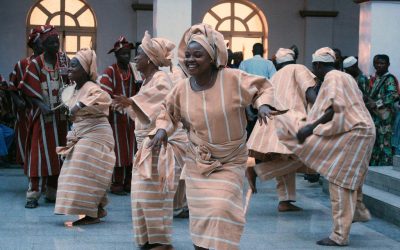
Lagos boasts a vibrant array of traditions that are deeply rooted in its ethnic diversity, including Yoruba, Igbo, and Diaspora communities. These traditions manifest in everyday life through music, dance, art, and social customs that have been passed down across generations. The Yoruba religion and festivals, like the Osun-Osogbo Festival, exemplify the spiritual and cultural practices that continue to thrive in the city.
Cultural festivals in Lagos are spectacular displays of its rich heritage. The Lagos Carnival, Carnival Calabar, and the Eyo Festival are notable events that attract locals and tourists alike. The Eyo Festival, in particular, is unique to Lagos and features masqueraders dressed in white who perform traditional dances and processions, symbolizing the city’s historical origins and social unity.
Overall, Lagos stands as a testament to Nigeria’s diverse history and cultural vibrancy, celebrating its past while embracing modernity through festivals, traditions, and cultural expressions that continue to define its identity.
Historical Landmarks
Lagos, Nigeria, is a city rich in history and cultural heritage, serving as a vibrant hub of commerce, culture, and tradition. It has evolved from a small fishing village into one of Africa’s most bustling metropolitan areas, reflecting a blend of diverse cultures and historical influences. The city’s historical landmarks offer a glimpse into its dynamic past and cultural significance.
One of the most iconic landmarks in Lagos is the National Museum, which houses an impressive collection of artifacts that showcase Nigeria’s rich cultural history, including Artefacts from the Nok culture, Benin Bronzes, and Yoruba sculptures. Another important site is the Tinubu Square, a historic area named after Bola Tinubu, which symbolizes Lagos’ colonial history and the city’s role in trade and commerce during the colonial era.
Freedom Park, formerly a colonial prison, now serves as a memorial and cultural center that celebrates Nigeria’s history and promotes arts and culture. The Lekki Conservation Centre offers a natural escape while also highlighting Lagos’s environmental heritage. These landmarks are vital in understanding Lagos’s identity, history, and its continuous journey of cultural preservation and development.
Economy and Industry
Lagos, Nigeria’s bustling economic hub, plays a vital role in the nation’s economy and industrial development. Known for its vibrant business environment, diverse industries, and growing financial sector, Lagos attracts entrepreneurs and investors from around the world. The city’s dynamic economy is driven by trade, commerce, manufacturing, and technology, making it a key center for economic growth in West Africa.
Major Economic Sectors
Lagos, Nigeria, is a vital economic hub characterized by diverse sectors contributing significantly to the country’s overall economy. Its strategic location and bustling port make it a major center for trade and commerce in West Africa. The economy of Lagos is mainly driven by various industrial and service sectors that foster growth and development.
The major economic sectors in Lagos include manufacturing, finance, telecommunications, and services. The manufacturing sector produces a wide range of goods, from textiles and food products to electronics and construction materials, supporting both local consumption and export activities. The financial sector in Lagos is highly developed, hosting numerous banks, insurance companies, and financial institutions that facilitate investments and economic transactions.
The telecommunications industry has seen remarkable growth, with Lagos serving as the headquarters for many telecom companies, enabling improved connectivity and communication services. Additionally, the service sector, including hospitality, real estate, entertainment, and retail, plays a crucial role in providing employment opportunities and enhancing the city’s livability. Together, these sectors make Lagos a dynamic economic powerhouse pivotal to Nigeria’s national growth and development.
Trade and Commerce
Lagos, Nigeria’s commercial hub, is a vibrant center of economy and industry that drives the nation’s overall development. The city boasts a diverse industrial sector, including manufacturing, construction, petroleum, and telecommunications, which contribute significantly to its economic growth. Trade and commerce thrive in Lagos, with bustling markets, ports, and business districts facilitating both local and international transactions. The Lagos Free Trade Zone and Lekki Free Trade Zone have further enhanced the city’s position as a key player in regional and global trade. As a result, Lagos continues to attract investments, boost employment, and foster entrepreneurship, making it a pivotal economic and industrial powerhouse in Nigeria.
Emerging Industries
Lagos, Nigeria’s economic hub, plays a vital role in the country’s overall development, boasting a vibrant mix of traditional industries and emerging sectors. With its strategic location and bustling commercial activities, Lagos is a key driver of Nigeria’s economy, contributing significantly to GDP and employment. The city has seen rapid growth in sectors such as finance, telecommunications, and trade, establishing itself as West Africa’s financial center.
In recent years, Lagos has emerged as a hub for innovative industries, including technology startups, fintech, and creative arts. The Lagos Innovation District and the YabaTech hub are examples of the city’s push towards becoming an African tech hub. Additionally, sectors like entertainment, fashion, and digital media are experiencing exponential growth, attracting local and international investment.
Efforts to diversify Lagos’s economy are evident in the development of emerging industries such as renewable energy, agriculture technology, and e-commerce. These industries are not only creating new job opportunities but also positioning Lagos as a leader in sustainable development and digital transformation in Nigeria and beyond.
Demographics and Population
Lagos, Nigeria, is one of the most populous and rapidly growing cities in Africa. Its demographics feature a diverse mix of ethnic groups, cultures, and languages, reflecting its status as a major economic hub. The city’s population continues to expand due to rural-urban migration and high birth rates, making it a vibrant but challenging environment for urban planning and development.
Population Size and Growth
Lagos, Nigeria, is one of the most populous cities in Africa, characterized by rapid demographic changes and a diverse population. The city has experienced significant population growth over the past few decades due to migration from rural areas and natural population increase. This growth has transformed Lagos into a bustling urban center with a dynamic demographic profile. The population size of Lagos is estimated to be over 14 million residents, making it one of the largest cities on the continent. The ever-increasing population presents both opportunities and challenges, including the need for adequate infrastructure, housing, and services to accommodate the expanding urban community. The demographic composition of Lagos is highly diverse, with multiple ethnic groups and a mix of cultures, which contributes to the city’s vibrant social fabric.
Ethnic Composition
Lagos, Nigeria, is a vibrant city characterized by its diverse demographics and dynamic population growth. It is one of the most populous cities in Africa, with an estimated population exceeding 14 million residents, though some sources suggest it could be much higher due to unregistered inhabitants. The city attracts people from various regions of Nigeria and across Africa, contributing to its rich ethnic mosaic. Lagos is home to numerous ethnic groups, with the Yoruba being the dominant group, alongside significant communities of Igbo, Hausa, and other minority groups. This diverse ethnic composition fosters a unique cultural landscape, reflected in the city’s languages, traditions, and culinary arts. The population of Lagos continues to grow rapidly due to urbanization and migration, making it a melting pot of cultures and an economic hub in West Africa.
Languages Spoken
Lagos, Nigeria, is a vibrant and densely populated city known for its diverse demographics. The population of Lagos is estimated to exceed 14 million residents, making it one of the largest cities in Africa. The city is a melting pot of ethnic groups, including Yoruba, Igbo, Hausa, and many others, reflecting Nigeria’s rich cultural tapestry.
The primary language spoken in Lagos is Yoruba, but due to its cosmopolitan nature, English is widely used as the official language for business, education, and government functions. Additionally, many residents speak various indigenous languages and pidgin English, which serves as a lingua franca among diverse communities. This linguistic diversity contributes to Lagos’s dynamic and lively cultural scene.
Tourism and Attractions
Lagos, Nigeria, is a vibrant city renowned for its dynamic culture, bustling markets, and stunning attractions. As one of Africa’s most popular tourist destinations, Lagos offers a unique blend of modern urban life and rich historical heritage. Visitors can explore beautiful beaches, lively neighborhoods, and diverse cultural sites that showcase the city’s expressive spirit. Whether seeking adventure, relaxation, or cultural immersion, Lagos provides an unforgettable experience for travelers from around the world.
Popular Tourist Destinations
Lagos, Nigeria, is a vibrant city renowned for its dynamic culture, bustling markets, and diverse attractions that draw tourists from around the world. Visitors can immerse themselves in the lively atmosphere, explore historical sites, and enjoy scenic views of the Atlantic Ocean.
- National Museum Lagos – Showcases Nigeria’s rich cultural heritage and history.
- Lekki Conservation Centre – A vast nature reserve perfect for eco-tourism and wildlife viewing.
- Nike Art Gallery – Highlights Nigerian art and craftsmanship in a vibrant gallery space.
- Tarkwa Bay Beach – A popular beach destination ideal for relaxation and water sports.
- Freedom Park Lagos – A historical park that offers cultural displays, concerts, and events.
Nightlife and Entertainment
Lagos, Nigeria, is a vibrant city renowned for its diverse tourism and attractions, offering a blend of cultural, historical, and modern experiences. Visitors can explore its bustling markets, historic sites like the National Museum and Lekki Conservation Centre, and enjoy beautiful beaches such as Tarkwa Bay and Elegushi Beach. The city’s lively atmosphere provides a unique opportunity to immerse oneself in Nigerian culture and hospitality.
The nightlife in Lagos is legendary, with an array of lively bars, nightclubs, and lounges that pulse with music and energy until dawn. Popular spots like Victoria Island and Ikeja host top-tier venues featuring live performances, DJ sets, and traditional Nigerian music genres. The city’s nightlife scene is a reflection of its lively spirit, making it an exciting destination for night owls and entertainment seekers alike.
For entertainment, Lagos offers a variety of attractions including cinemas showcasing Nigerian Nollywood films, cultural festivals, art galleries, and theater performances. The city also hosts numerous events and concerts throughout the year, celebrating its rich arts and music scene. Whether it’s exploring contemporary art or enjoying live performances, Lagos provides countless opportunities for memorable entertainment experiences.
Markets and Shopping Districts
Lagos, Nigeria, is a vibrant city renowned for its diverse tourism and attractions, dynamic markets, and bustling shopping districts. Visitors can explore the iconic Lekki Conservation Centre, offering an oasis of nature and wildlife, or enjoy the vibrant nightlife along Victoria Island. The city’s beaches, such as Tarkwa Bay and Elegushi Beach, provide relaxing escapes with scenic views and water activities. Its rich history is showcased in museums like the Lekki Arts and Culture Village, highlighting Nigeria’s cultural heritage. Lagos is also famous for its markets, including the bustling Balogun Market and Lekki Market, where visitors can find everything from handcrafted goods to clothing and souvenirs. The city’s shopping districts, particularly in Victoria Island and Ikeja, feature modern malls like The Palms and Alade Market, offering international brands and local crafts. Whether exploring historical sites or enjoying the lively markets, Lagos offers a unique and vibrant experience for every traveler.
Transportation Infrastructure
Lagos, Nigeria, is a bustling metropolis that serves as a key economic hub in Africa. Its transportation infrastructure is vital for supporting the city’s rapid population growth and commercial activities. From road networks to water transportation and emerging rail systems, Lagos continuously strives to improve connectivity and ease of movement for residents and visitors alike.
Road Networks and Traffic
Lagos, Nigeria, is a bustling metropolis with a rapidly expanding transportation infrastructure that plays a crucial role in the city’s economy and daily life. The road network in Lagos is extensive but often congested due to the high volume of vehicles, which leads to significant traffic jams during peak hours. To address these challenges, various initiatives have been introduced, including the development of new roads, flyovers, and bypasses to ease traffic flow. Additionally, efforts are underway to improve public transportation systems, such as the Bus Rapid Transit (BRT) system, to reduce the dependence on private vehicles. Despite these improvements, traffic congestion remains a major issue, highlighting the need for sustainable urban planning and investment in infrastructure to support Lagos’s continued growth. Overall, transportation infrastructure and road networks are vital for ensuring efficient mobility and economic stability in Lagos, Nigeria.
Public Transportation Systems
Lagos, Nigeria, is experiencing rapid growth, which has highlighted the importance of robust transportation infrastructure and efficient public transportation systems. The city faces significant challenges due to increasing population density, leading to traffic congestion and overburdened roads.
To address these issues, Lagos has developed a variety of transportation initiatives, including expanding road networks, constructing modern bus terminals, and improving traffic management systems. The introduction of the Bus Rapid Transit (BRT) system has been a notable step toward providing affordable and reliable public transport options for residents.
Additionally, efforts are underway to develop rail transport projects, such as the Lagos Rail Mass Transit, aimed at reducing road congestion and facilitating seamless movement across the city. These infrastructure investments are vital for supporting economic growth and improving the overall quality of life for Lagos residents.
Despite progress, challenges remain in ensuring equal access to public transportation and maintaining infrastructure quality. Continued investment and strategic planning are essential for Lagos to build a sustainable transportation future that meets the needs of its burgeoning population.
Ports and Maritime Facilities
Lagos, Nigeria, boasts a vibrant transportation infrastructure that plays a crucial role in the economic development of the region. The city is connected through an extensive network of roads, bridges, and flyovers that facilitate the movement of people and goods within the urban area and to neighboring states. The Lagos Bus Rapid Transit (BRT) system is a notable initiative aimed at reducing traffic congestion and improving public transportation efficiency.
The ports and maritime facilities in Lagos are among the busiest in West Africa, serving as vital gateways for international trade. The Lagos Port Complex, operated by the Nigerian Ports Authority, handles a significant volume of containerized cargo, bulk goods, and passenger vessels. Its strategic location on the Atlantic coast allows for efficient maritime transit and distribution across Nigeria and neighboring countries. Additionally, the Tin Can Island Port and the Apapa Port are key facilities that contribute to Lagos’s status as a major maritime hub.
Efforts are ongoing to modernize and expand these maritime facilities to accommodate increasing maritime traffic and to foster economic growth. The development of new terminals, improved logistics infrastructure, and better connectivity with inland transportation networks are essential components of Lagos’s strategy to enhance its transportation infrastructure, ports, and maritime facilities, thereby supporting Nigeria’s broader economic ambitions.
Education and Healthcare
Lagos, Nigeria, is a vibrant city that plays a crucial role in the country’s education and healthcare systems. With its growing population, there is an increasing demand for quality educational institutions and accessible healthcare services. Efforts are ongoing to improve these sectors to ensure a healthier, more educated population that can contribute to the city’s development and overall progress.
Educational Institutions
Lagos, Nigeria, is a bustling metropolis that places significant emphasis on education and healthcare to support its growing population. The city is home to numerous educational institutions ranging from primary schools to universities, providing opportunities for quality learning and skill development. Notable institutions include the University of Lagos, Lagos State University, and several private colleges that cater to diverse academic interests. In terms of healthcare, Lagos has a mix of public and private hospitals, clinics, and specialized medical centers, aim to deliver accessible and efficient healthcare services. Efforts are continually made to improve healthcare infrastructure and ensure the wellbeing of its residents, reflecting Lagos’s commitment to fostering a healthy and educated society.
Healthcare Facilities
Lagos, Nigeria, is a bustling metropolis that faces ongoing challenges and opportunities in the areas of education and healthcare. The city is home to several reputable educational institutions and healthcare facilities, which play a vital role in serving its diverse population.
Education in Lagos is characterized by a mix of public and private institutions ranging from primary schools to universities. The city has made significant investments to improve access to quality education, although disparities still exist between different areas. Notable higher institutions include the University of Lagos and Lagos State University, which attract students from across Nigeria and beyond.
Healthcare facilities in Lagos are numerous and varied, including government hospitals, private clinics, and specialty health centers. Despite the presence of modern medical facilities, many residents face challenges related to healthcare accessibility, affordability, and quality of service. Efforts are ongoing to modernize healthcare infrastructure and expand coverage within the city.
- Education Facilities in Lagos:
- Primary and secondary schools run by both government and private entities
- Prominent universities such as the University of Lagos and Lagos State University
- Technical colleges and vocational training centers
- International schools offering curricula like British, American, and others
- Healthcare Facilities in Lagos:
- Public hospitals such as Lagos University Teaching Hospital and General Hospitals
- Private clinics and hospitals providing specialized care
- Pharmacies and diagnostic centers supporting primary healthcare
- Initiatives to improve healthcare delivery, including health programs and infrastructure upgrades
Challenges Facing Lagos
Lagos, Nigeria’s most populous city, is a vibrant economic and cultural hub. However, it faces numerous challenges that threaten its growth and sustainability. Rapid urbanization, traffic congestion, inadequate infrastructure, and environmental issues are some of the major hurdles the city must overcome. Addressing these challenges is crucial for ensuring a better quality of life for its residents and maintaining Lagos’s position as a key center of commerce and innovation.
Urbanization and Overpopulation
Lagos, Nigeria, is one of the fastest-growing cities in the world, facing numerous challenges due to rapid urbanization and overpopulation. The increasing population has led to infrastructural strain, resulting in inadequate roads, electricity, and water supply, which hampers the quality of life for residents. Overcrowding in residential areas causes pressure on housing, leading to the proliferation of informal settlements and slums. Additionally, traffic congestion has become a major issue, slowing down daily commutes and increasing pollution levels. The surge in population also strains public services such as healthcare, education, and sanitation systems, making it difficult for authorities to meet the needs of their citizens. Environmental degradation, including flooding and waste management problems, are exacerbated by unplanned urban expansion. Addressing these challenges requires comprehensive urban planning, investment in infrastructure, and sustainable development strategies to improve living conditions and ensure the city’s future growth remains manageable.
Environmental Issues
Lagos, Nigeria, faces numerous environmental challenges that threaten its growth and sustainability. Rapid urbanization has led to increased pressure on the city’s infrastructure, resulting in widespread pollution and waste management issues. The dense population contributes to air pollution from vehicle emissions and industrial activities, which adversely affect residents’ health. Additionally, inadequate drainage systems often cause frequent flooding during rainy seasons, damaging properties and disrupting daily life. Coastal erosion and rising sea levels pose long-term risks to the city’s shoreline and ecosystems. Addressing these challenges requires comprehensive urban planning, improved waste management practices, and policies focused on sustainable development to ensure a healthier environment for Lagos’s inhabitants.
Traffic Congestion and Pollution
Lagos, Nigeria, one of Africa’s largest and most vibrant cities, faces significant challenges related to traffic congestion and pollution. The rapid population growth and urbanization have exacerbated these issues, affecting the quality of life of its residents and the city’s overall sustainability.
- Traffic Congestion: The city’s road infrastructure has not kept pace with the increasing number of vehicles, leading to severe traffic jams, especially during peak hours. This results in longer commutes, increased fuel consumption, and higher emissions.
- Environmental Pollution: Industrial activities, vehicular emissions, and improper waste disposal contribute heavily to air and water pollution in Lagos. Airborne pollutants cause health problems such as respiratory issues, while contaminated water sources affect public health.
- Limited Public Transportation: The inadequate and poorly organized public transportation system forces many residents to rely on personal vehicles, further worsening traffic and pollution.
- Urban Planning Challenges: Rapid urban growth has outstripped the city’s planning capabilities, leading to informal settlements and unregulated development that strain existing infrastructure and resources.
- Government and Policy Gaps: Insufficient implementation of environmental regulations and traffic management policies hinder effective solutions to these pressing issues.
Addressing these challenges requires comprehensive urban planning, investment in sustainable transport infrastructure, stricter environmental regulations, and public awareness campaigns to create a cleaner and more accessible Lagos.
Future Development and Urban Planning
Lagos, Nigeria, is a rapidly growing city experiencing significant challenges and opportunities in future development and urban planning. As one of Africa’s most bustling metropolises, Lagos faces the need for sustainable growth, efficient infrastructure, and smart city initiatives to accommodate its expanding population. Strategic planning now is crucial to ensure the city becomes more livable, environmentally friendly, and economically resilient in the years to come.
City Expansion Projects
Future development and urban planning in Lagos, Nigeria, are crucial for addressing the city’s rapid growth and expanding population. Strategic city expansion projects aim to improve infrastructure, transportation, housing, and public services to create a sustainable and livable environment for residents.
- Implementation of smart city initiatives to leverage technology for better governance and resource management.
- Development of new urban centers and districts to decongest the existing city core and promote balanced growth.
- Expansion of transport infrastructure, including rail, road, and waterways, to enhance connectivity and reduce traffic congestion.
- Investment in affordable housing projects to accommodate the increasing population and reduce informal settlements.
- Environmental sustainability measures, such as green spaces, waste management, and flood control systems, integrated into urban planning.
- Public-private partnerships to finance and execute large-scale city expansion and modernization projects.
- Adoption of inclusive planning policies that consider the needs of all residents, including marginalized communities.
Smart City Initiatives
Future development and urban planning in Lagos, Nigeria, are increasingly focused on transforming the city into a smart city to accommodate its rapidly growing population and economic significance. Urban planners are prioritizing sustainable infrastructure, integrated transportation networks, and eco-friendly solutions to reduce congestion and pollution. Smart city initiatives in Lagos include the deployment of IoT technology for better traffic management, improved waste management systems, and enhanced public safety services. Additionally, there is an emphasis on digital connectivity, enabling residents and businesses to access essential services efficiently. These efforts aim to create a more livable, resilient, and innovative urban environment that supports Lagos’s continued growth while addressing its unique challenges.
Sustainable Development Goals
Future development and urban planning in Lagos, Nigeria, are critical to addressing the city’s rapid population growth and infrastructural challenges. Emphasizing sustainable development goals (SDGs) can help ensure that growth is inclusive, resilient, and environmentally friendly. Strategic planning initiatives aim to improve public transportation, waste management, and access to basic services, fostering a healthier urban environment. Embracing green infrastructure and renewable energy sources will reduce carbon emissions and promote sustainability. Collaboration between government, private sector, and communities is essential to create smart, sustainable urban spaces that enhance the quality of life for all residents of Lagos.


0 Comments