
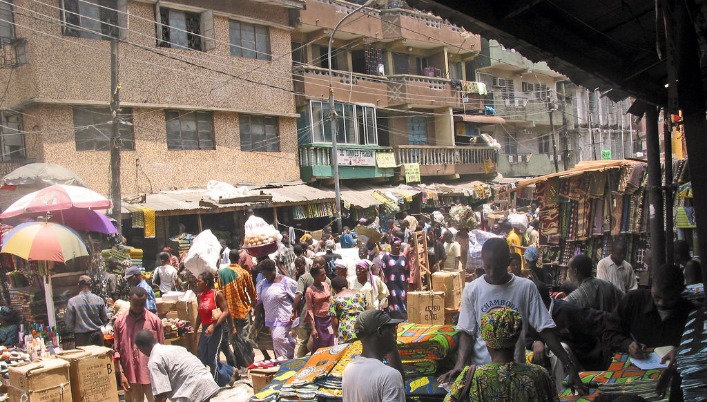
Geography and Climate of Lagos
Lagos, Nigeria, is a vibrant coastal city renowned for its diverse geography and tropical climate. Situated along the Atlantic Ocean, it features expansive beaches, bustling urban areas, and numerous islands. The city’s climate is characterized by high temperatures and heavy rainfall, creating a humid environment that supports lush greenery and vibrant ecosystems. Understanding the geography and climate of Lagos provides insight into its dynamic culture, economy, and way of life.
Location and Topography
Lagos, Nigeria, is a vibrant coastal city located in the southwestern part of the country. It is situated along the Atlantic Ocean, featuring a strategic position that connects Nigeria to global maritime trade routes. The city is characterized by its sprawling urban landscape and numerous waterways, including lagoons, creeks, and islands.
The topography of Lagos is predominantly flat, with some areas featuring gentle undulations. The terrain is built on a series of low-lying coastal plains that are subject to tidal influences. Lagos is also dotted with several islands, such as Victoria Island and Ikoyi, which contribute to its complex geography. The region’s elevation varies from sea level to a few meters above, making it susceptible to flooding during heavy rains and high tides.
The climate of Lagos is classified as tropical, marked by high temperatures and humidity throughout the year. It experiences a distinct rainy season from April to October, characterized by heavy rainfall and thunderstorms, and a dry season from November to March with less frequent rainfall. The warm and humid climate supports lush vegetation around the city, although regular rainfall also poses challenges such as flooding and erosion. Overall, Lagos’s geographical location and climate influence its economic activities, infrastructure development, and urban growth.
Climate and Weather Patterns
Lagos, Nigeria, is located along the coast of the Atlantic Ocean, in the southwestern part of the country. It features a diverse geographical landscape that includes a mix of lagoons, mangroves, and sandy beaches, making it a vibrant and dynamic environment. The city is characterized by a relatively flat terrain with some low-lying areas prone to flooding during heavy rains.
The climate of Lagos is tropical, with a distinct wet and dry season. It generally experiences high temperatures throughout the year, averaging around 25 to 30 degrees Celsius. The city has a humid climate due to its proximity to the Atlantic Ocean, which influences its weather patterns. The rainy season lasts from April to October, bringing heavy showers and thunderstorms, while the dry season extends from November to March, characterized by less rainfall and relatively cooler temperatures.
Weather patterns in Lagos are influenced by the West African Monsoon and the Atlantic Ocean’s maritime influence. During the rainy season, the city experiences frequent, heavy rainfall and high humidity, often accompanied by thunderstorms. In the dry season, the harmattan wind from the Sahara can bring dusty conditions and reduce visibility. Overall, Lagos’s climate is warm year-round, with seasonal variations that significantly impact daily life, agriculture, and commerce in the region.
History and Cultural Heritage
Lagos, Nigeria, is a city rich in history and cultural heritage that reflects its vibrant past and diverse influences. From its origins as a small fishing village to becoming a bustling metropolis, Lagos has evolved into a center of commerce, culture, and tradition. Its historical sites, festivals, and diverse communities showcase the city’s unique identity and enduring legacy. Exploring Lagos offers a fascinating glimpse into Nigeria’s cultural mosaic and historical development.
Historical Background
Lagos, Nigeria, boasts a rich history and vibrant cultural heritage that date back centuries. Originally a small fishing village, it evolved through trade and colonial influence into a bustling metropolis. The city was a major port during the transatlantic slave trade, which significantly shaped its development and multicultural identity. In the 19th century, Lagos became a center for commerce and a hub for Nigerian independence movements. Its historical sites, such as the National Museum and the centuries-old Oyo Palace, reflect a diverse blend of indigenous traditions and colonial legacies. Today, Lagos is renowned for its dynamic culture, blending traditional festivals, music, and art with modern innovation, making it a focal point of Nigeria’s historical and cultural narrative.
Major Cultural Festivals
Lagos, Nigeria, boasts a rich history and vibrant cultural heritage that reflects its diverse population and historical significance as a major city in West Africa. Originally a small fishing village, Lagos transformed into a bustling seaport and economic hub, influencing its cultural evolution and historical development over centuries.
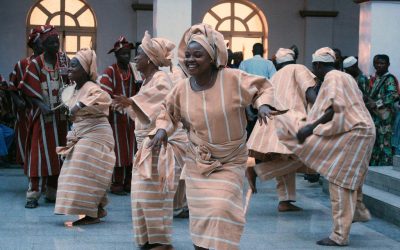
The cultural heritage of Lagos is characterized by a blend of traditional Nigerian customs, colonial influences, and modern innovations. This melting pot is evident in its music, dance, art, and language, with Yoruba, Igbo, and Hausa among the prominent ethnic groups shaping its cultural landscape. Historic sites, markets, and shrines within the city serve as living testimonies to its storied past and cultural resilience.
Major cultural festivals in Lagos showcase its vibrant traditions and community spirit. The Lagos Carnival, also known as the Argungu Fish Festival, celebrates local music, dance, and fishing traditions, attracting visitors from around the world. The Eyo Festival, an important Yoruba event, features traditional masquerades and processions that trace back centuries and are recognized as a symbol of Lagos’ cultural identity. Additionally, the Lagos Carnival and various religious festivals, such as Christian and Islamic celebrations, highlight the city’s diverse cultural fabric and communal harmony.
Traditional Art and Crafts
Lagos, Nigeria, is a city rich in history and cultural heritage, reflecting a diverse tapestry of traditions, customs, and historical influences. As a major economic and cultural hub, Lagos boasts a vibrant history rooted in its origins as a small Yoruba settlement before evolving into a bustling port city. Its historical sites and museums preserve the legacy of its colonial past and indigenous culture, offering insights into the city’s development over centuries.
Traditional art and crafts are deeply embedded in Lagos’s cultural identity, showcasing the creativity and craftsmanship of its people. Artistic expressions such as beadwork, weaving, pottery, and wood carving are prevalent, often carrying symbolic meanings and traditional stories. Lagos is also known for its lively music and dance scenes, which complement its visual arts and crafts, creating a dynamic cultural landscape that celebrates its diverse heritage.
Economy and Industry
Lagos, Nigeria’s most vibrant city, serves as a major economic and industrial hub in West Africa. Its diverse economy spans finance, manufacturing, telecommunications, and commerce, driving rapid urban growth and development. As a center for trade and innovation, Lagos plays a crucial role in shaping the economic landscape of Nigeria and the region.
Financial Sector and Banking
Lagos, Nigeria, serves as a vital economic and industrial hub in West Africa, contributing significantly to the country’s overall growth. The city boasts a diverse economy, with key sectors including manufacturing, commerce, and technology driving its development. Its bustling ports facilitate international trade, bolstering industry and export activities.
The financial sector in Lagos is highly dynamic, featuring a robust network of banks, insurance companies, and financial institutions that support businesses and individuals alike. Lagos is home to Nigeria’s primary stock exchange, fostering investment and economic expansion. The banking industry is characterized by both traditional banks and innovative fintech firms, which enhance financial inclusion and streamline cashless transactions across the city.
Overall, Lagos’s economic resilience and thriving industry and financial sectors position it as a leading financial center in Africa, promising ongoing growth and investment opportunities for the future.
Trade and Commerce
Lagos, Nigeria, is a major economic hub in Africa, renowned for its vibrant economy and diverse industries. The city drives the nation’s economy through its bustling port, which handles a significant portion of Nigeria’s import and export activities, making trade and commerce vital to its growth. Lagos boasts a thriving financial sector, with numerous banks, financial institutions, and the Nigeria Stock Exchange contributing to its status as a business capital. The city also has a burgeoning entertainment, technology, and manufacturing industry, attracting investments and entrepreneurs from across the globe. Overall, Lagos plays a crucial role in Nigeria’s economy and continues to expand as a center of commerce and industrial development.
Manufacturing and Industrial Zones
Lagos, Nigeria, is a key economic hub in West Africa, known for its vibrant economy and diverse industrial landscape. The city hosts a variety of manufacturing industries, including textiles, food processing, pharmaceuticals, and chemicals, which contribute significantly to its economic growth. Industrial zones in Lagos are strategically located to facilitate trade and attract investments, with areas such as the Apapa Industrial Area and the Lagos Free Trade Zone playing vital roles. These zones offer infrastructure, incentives, and streamlined regulations that encourage both local and foreign companies to operate efficiently. As a major port city, Lagos also benefits from its proximity to maritime trade routes, boosting its import and export activities. Overall, Lagos’s dynamic economy and well-developed industrial zones position it as a leading industrial center in Nigeria and the broader West African region.
Population and Demographics
Lagos, Nigeria, is a bustling metropolis with a rapidly growing population that reflects its status as a major economic and cultural hub in Africa. The city is characterized by diverse demographics, including a mix of ethnic groups, age ranges, and socio-economic backgrounds. Understanding the population and demographic trends in Lagos is essential for addressing urban development, infrastructure needs, and social services in this vibrant city.
Population Size and Growth
Lagos, Nigeria, is one of the most densely populated cities in Africa, experiencing rapid population growth over the past few decades. The city’s population size has expanded significantly due to rural-to-urban migration, natural growth, and its status as an economic hub. As of recent estimates, Lagos’s population exceeds 14 million residents, making it the largest city in Nigeria and one of the largest in Africa. The population growth rate remains high, driven by factors such as employment opportunities, better living standards, and overall urbanization trends. This rapid demographic change presents both opportunities for economic development and challenges related to infrastructure, housing, and service delivery. Managing Lagos’s population growth is crucial for sustainable development and improving the quality of life for its residents.
Ethnic Composition
Lagos, Nigeria, is home to a diverse and vibrant population, making it one of the most populous cities in Africa. Its demographics are characterized by rapid growth driven by both high birth rates and significant migration from rural areas and other parts of Nigeria. This influx contributes to the city’s dynamic social fabric and economic activities.
The ethnic composition of Lagos is highly diverse, with the Yoruba being the predominant ethnic group. However, the city also hosts significant communities of Igbo, Hausa, and other Nigerian ethnic groups, reflecting Nigeria’s overall multicultural landscape. This mix of ethnicities fosters a variety of cultural practices, languages, and traditions within the city.
The population of Lagos is predominantly young, with a large percentage of residents under the age of 30, which influences the city’s vibrant youth culture and entrepreneurial spirit. The city’s demographic trends continue to evolve rapidly, making it a focal point for demographic studies and urban development in Nigeria.
Languages Spoken
Lagos, Nigeria, is one of the most populous cities in Africa, with a diverse and rapidly growing population. The city attracts people from all over Nigeria and neighboring countries, contributing to its dynamic demographic makeup. Lagos has a young population, with a significant portion under the age of 30, reflecting its status as an economic and cultural hub.
The population of Lagos is estimated to be over 14 million residents, though some sources suggest it may be much higher due to informal settlements and unregistered inhabitants. The city continues to experience exponential growth, driven by rural-urban migration and high birth rates.
In terms of languages spoken, Lagos is a multilingual city. The most widely spoken language is Yoruba, as many residents belong to the Yoruba ethnic group. English is the official language and is commonly used in government, business, and education. Additionally, there are numerous other languages spoken by various ethnic communities, including Igbo, Hausa, and various pidgin languages, which serve as lingua francas for communication among diverse groups.
Transportation and Infrastructure
Lagos, Nigeria, is a bustling metropolis known for its vibrant culture and economic significance. Its transportation and infrastructure systems play a crucial role in supporting the city’s rapid growth and connecting millions of residents and visitors. Efficient transportation networks and modern infrastructure are essential for enhancing mobility, promoting trade, and ensuring sustainable development in this dynamic urban environment.

Road Network and Traffic Conditions
Lagos, Nigeria, is a bustling city with a complex transportation and infrastructure system that plays a crucial role in the daily lives of its residents. The city’s road network is extensive but often faces challenges due to high traffic congestion, limited road space, and ongoing infrastructural developments.
- The road network in Lagos comprises primary, secondary, and tertiary roads, connecting key commercial, residential, and industrial areas.
- Major roads such as Ikoyi-Lekki Link Bridge, Lagos-Ibadan Expressway, and Oshodi-Apapa Expressway serve as vital arteries for commuters and freight movement.
- Traffic conditions are heavily congested during peak hours, particularly in central Lagos and around key entry and exit points of the city.
- The city faces frequent traffic jams, leading to delays and increased transportation costs for residents and businesses.
- Public transportation options include buses, danfos (minibuses), motorbikes, and the Lagos Bus Rapid Transit (BRT) system, which helps ease some traffic burdens.
- Ongoing infrastructural projects aim to improve traffic flow, road quality, and connectivity, including new flyovers, ring roads, and expanded BRT lines.
- Despite these efforts, traffic management remains a significant challenge due to rapid urbanization and population growth.
Public Transportation Systems
Lagos, Nigeria, has experienced significant development in its transportation and infrastructure sectors, reflecting its status as a major economic hub in West Africa. The city faces unique challenges due to its high population density and rapid urbanization, which have prompted efforts to improve public transportation systems. Lagos Rail Mass Transit (LRMT) is a notable project aimed at alleviating traffic congestion by providing efficient and reliable rail services across the city. Additionally, the Bus Rapid Transit (BRT) system has been expanded to offer a faster and more affordable alternative to personal vehicles, reducing travel time for commuters. Despite these advancements, Lagos still struggles with issues such as traffic congestion, poorly maintained roads, and inadequate infrastructure in some areas. The government continues to invest in upgrading transport networks, including road expansion and the development of waterways, to enhance connectivity within the city and promote sustainable urban growth. Overall, Lagos’s focus on strengthening its public transportation systems is crucial for supporting its economic activities and improving the quality of life for its residents.
Ports and Maritime Activities
Lagos, Nigeria, serves as a vital hub for transportation and maritime activities in West Africa. Its extensive port facilities, including the Lagos Port Complex and Tin Can Island Port, facilitate a significant portion of Nigeria’s import and export activities, making the city a crucial maritime gateway. The city’s transportation infrastructure includes a dense network of roads, bridges, and rail lines that connect various parts of Lagos and promote regional trade and mobility.
Efforts to expand and modernize port facilities have been ongoing to accommodate increasing maritime traffic and enhance efficiency. The Lagos State Government continues to invest in improving roads and public transport systems, such as bus rapid transit (BRT) corridors, to address congestion and improve accessibility. Additionally, maritime activities extend to fishing, ferry services, and freight operations, supporting both local livelihoods and national economic growth.
Overall, Lagos’s strategic position along the Atlantic Ocean, combined with its developed port and transport infrastructure, makes it a key maritime and logistical center in Nigeria and the wider West African region.
Education and Healthcare
Lagos, Nigeria, is a vibrant metropolis that faces significant challenges and opportunities in the realms of education and healthcare. As one of Africa’s largest cities, Lagos is home to diverse populations seeking quality educational institutions and accessible healthcare services. Efforts are ongoing to improve these sectors to ensure a healthier, more educated populace that can contribute to the city’s growth and development.
Educational Institutions
Lagos, Nigeria, is a vibrant city known for its dynamic educational and healthcare sectors. The city hosts a range of educational institutions, from primary and secondary schools to prestigious universities such as the University of Lagos and Lagos State University. These institutions play a vital role in shaping the future of Nigeria by providing quality education and fostering innovation. Healthcare in Lagos has seen significant improvements with numerous hospitals, clinics, and specialized medical centers offering both public and private services. The city faces challenges related to accessibility and infrastructure, but ongoing efforts aim to improve healthcare delivery and ensure the well-being of its residents. Overall, Lagos continues to make strides in advancing education and healthcare, reflecting its status as a major economic and cultural hub in Nigeria.
Healthcare Facilities and Services
Lagos, Nigeria, is a major metropolis with a rapidly growing population that demands robust education and healthcare systems. The city hosts numerous educational institutions ranging from primary schools to universities, such as the University of Lagos, which attract students from across the country and beyond. Healthcare facilities in Lagos are extensive, including public hospitals, private clinics, and specialized medical centers, designed to serve its diverse population. These facilities vary in quality and capacity, with ongoing efforts to improve healthcare delivery, accessibility, and affordability. Despite challenges like overcrowding and resource limitations, Lagos continues to invest in upgrading its healthcare infrastructure and expanding educational opportunities to support the well-being and development of its residents.
Tourism and Landmarks
Lagos, Nigeria, is a vibrant city renowned for its rich cultural heritage and diverse attractions. As a bustling metropolis, it offers a variety of landmarks that reflect its history, artistry, and dynamic spirit. Visitors to Lagos can explore iconic sites that showcase the city’s unique identity and lively atmosphere. From historic neighborhoods to modern entertainment hubs, Lagos provides an exciting destination for tourists seeking both tradition and modernity.
Popular Tourist Destinations
Lagos, Nigeria, is a vibrant city known for its bustling streets, rich cultural heritage, and diverse attractions that draw tourists from around the world. The city offers a unique blend of modernity and tradition, making it a popular destination for travelers seeking an authentic Nigerian experience.
One of the most iconic landmarks in Lagos is the National Museum, which showcases Nigeria’s history, art, and cultural artifacts. Visitors can explore ancient sculptures, traditional masks, and historical exhibits that highlight the country’s rich heritage. Another prominent landmark is the Lekki Conservation Centre, a serene sanctuary offering walking safaris amid lush mangroves and wildlife, perfect for nature lovers.
Lagos Island and Victoria Island are renowned for their vibrant nightlife, shopping malls, and luxurious restaurants, providing a cosmopolitan atmosphere for tourists. The Nike Art Gallery is also a notable destination, showcasing contemporary and traditional Nigerian art. Additionally, the beaches along Tarkwa Bay and Elegushi Beach offer relaxing spots for visitors to unwind and enjoy the Atlantic Ocean.
Overall, Lagos is a city of contrasts, with historic sites, modern attractions, and natural beauty that make it a compelling destination for travelers seeking diverse experiences in Nigeria.
Historical Monuments
Lagos, Nigeria, is a vibrant city renowned for its rich cultural heritage and historic landmarks that attract travelers from around the world. The city boasts a blend of modern attractions and ancient sites, offering a unique experience for tourists. One of the most famous landmarks is the African Shrine, which celebrates Nigeria’s musical heritage and hosts concerts and cultural events. Additionally, the National Museum Lagos houses an extensive collection of Nigerian art, artifacts, and historical exhibits that showcase the country’s diverse history. The Lekki Conservation Centre provides insight into Nigeria’s natural environment with its lush greenery and canopy walkways. Historical monuments such as the Tinubu Square and the historic Lagos Island relics reveal the city’s colonial past and its development over centuries. Overall, Lagos combines cultural richness, historical significance, and scenic beauty, making it a compelling destination for tourists interested in exploring Nigeria’s history and landmarks.
Beaches and Natural Attractions
Lagos, Nigeria, is a vibrant destination known for its diverse tourism and stunning natural attractions. The city is dotted with iconic landmarks such as the National Museum, Lekki Conservation Centre, and the African Shrine, offering visitors a glimpse into Nigeria’s rich cultural heritage. Its picturesque beaches, including Tarkwa Bay, Elegushi Beach, and Alpha Beach, provide perfect spots for relaxation and water activities. Additionally, Lagos boasts lush parks and natural reserves, like the Lekki Biodiversity Centre, where visitors can enjoy the beauty of Nigeria’s tropical flora and fauna. Whether exploring historic sites or basking on sandy shores, Lagos offers a unique blend of urban excitement and natural serenity for travelers.
Challenges and Urban Development
Urban development in Lagos, Nigeria, presents a complex array of challenges that impact its growth and sustainability. As one of Africa’s fastest-growing cities, Lagos faces issues such as rapid population expansion, traffic congestion, inadequate infrastructure, and environmental concerns. Addressing these challenges is crucial for creating a resilient and livable city that can support its residents and foster economic prosperity.
Urbanization and Housing
Urban development and housing in Lagos, Nigeria, face numerous challenges stemming from rapid urbanization and population growth. As one of Africa’s largest cities, Lagos is experiencing exponential expansion, which puts considerable pressure on infrastructure, housing, and public services. The influx of people seeking opportunities often results in informal settlements and inadequate living conditions, severely impacting residents’ quality of life.
Challenges associated with urbanization and housing in Lagos include:
- Overcrowding in informal settlements with limited access to clean water and sanitation
- Inadequate affordable housing to meet the demands of the growing population
- Traffic congestion and poor transportation infrastructure
- Environmental issues such as flooding, pollution, and waste management problems
- Weak urban planning and regulatory enforcement leading to unregulated building expansion
- High costs of land and construction, making formal housing unaffordable for many residents
Addressing these challenges requires comprehensive urban planning, investment in infrastructure, and policies that promote sustainable development to improve living conditions and support Lagos’s continued growth.
Environmental Issues
Lagos, Nigeria, faces significant challenges related to urban development and environmental issues as it continues to grow rapidly. The city experiences high population density, which strains infrastructure, transportation systems, and public services, leading to congestion and increased pollution. Rapid urbanization often results in unplanned settlements and inadequate waste management, further exacerbating environmental degradation. Pollution from industrial activities, vehicle emissions, and improper waste disposal has severely impacted air and water quality in Lagos. Flooding is also a major concern due to poor drainage systems and climate change, causing damage to homes and disrupting daily life. Addressing these issues requires sustainable urban planning, investment in infrastructure, and effective environmental policies to ensure a resilient and healthy city for its residents.
Security and Crime
Lagos, Nigeria faces significant challenges in urban development, security, and crime that impact its growth and quality of life. Rapid population growth and urbanization have put immense pressure on infrastructure, housing, and public services, often leading to overcrowding and inadequate facilities. Security remains a concern, with issues such as theft, kidnapping, and communal conflicts affecting residents and businesses alike. Crime rates can hinder economic development and discourage investment, while efforts to improve law enforcement and community policing are ongoing. Addressing these challenges requires coordinated efforts to upgrade urban infrastructure, enhance security measures, and promote sustainable development initiatives that can accommodate Lagos’s expanding population effectively.


0 Comments