
Overview of Kenya’s Wildlife
Kenya is renowned for its diverse and vibrant wildlife, making it a premier destination for nature enthusiasts and wildlife conservationists. The country boasts a remarkable array of animals, including the majestic elephants, powerful lions, graceful giraffes, and numerous species of antelopes and birds. These creatures thrive in Kenya’s varied habitats, from bustling savannahs to lush forests and arid plains, contributing to the rich tapestry of Africa’s wildlife heritage.
Rich Biodiversity
Kenya is renowned for its incredible wildlife and rich biodiversity, making it one of the most sought-after destinations for nature lovers and animal enthusiasts. The country’s diverse ecosystems, including savannahs, forests, lakes, and mountains, support a wide variety of flora and fauna. From majestic lions and elephants roaming the plains of Maasai Mara to rare species like the endearing Rothschild’s giraffe, Kenya offers a spectacular display of animal life. Its protected areas and national parks play a crucial role in conserving this biodiversity, allowing visitors to witness the beauty and complexity of nature firsthand. Overall, Kenya’s wildlife diversity not only highlights the country’s ecological wealth but also underscores its importance as a global conservation hotspot.
Conservation Areas and Reserves
Kenya is renowned for its rich and diverse wildlife, making it a premier destination for animal enthusiasts and nature lovers. The country boasts a variety of ecosystems, including savannas, forests, mountains, and wetlands, which support an incredible array of species ranging from the iconic Big Five to numerous bird and marine life. Kenya’s conservation efforts are centered around its numerous protected areas, national parks, and reserves that play a vital role in preserving its unique biodiversity.
Some of the most famous conservation areas in Kenya include Maasai Mara National Reserve, Amboseli National Park, Tsavo National Parks, and Samburu National Reserve. These areas provide safe habitats for wildlife and are crucial for attracting tourism, which funds ongoing conservation projects. Kenya has also established community conservancies that involve local communities in wildlife management, ensuring sustainable coexistence and protecting species from poaching and illegal activities.
Overall, Kenya’s commitment to conservation is exemplified through its extensive network of protected areas that not only safeguard its natural heritage but also support ongoing research, eco-tourism, and education initiatives. This dedication helps maintain the balance between development and wildlife preservation, ensuring that future generations can continue to enjoy the beauty and diversity of Kenya’s wildlife.
Unique Ecosystems
Kenya is renowned for its rich and diverse wildlife, which is a cornerstone of its natural heritage and a major attraction for tourists from around the world. The country is home to a wide variety of animals including the iconic African elephants, lions, giraffes, zebras, and rhinoceroses, all of which thrive in its various national parks and reserves. These animals play a crucial role in maintaining the ecological balance and are part of Kenya’s vibrant ecosystems.
Kenya boasts some of the most Unique Ecosystems in Africa, each supporting different species and habitats. The savannahs of Maasai Mara are famous for their spectacular migrations and predator-prey interactions. The Great Rift Valley features lakes such as Nakuru and Naivasha, teeming with flamingos, pelicans, and other birdlife. The coastal regions and marine parks offer coral reefs and mangroves that support diverse marine species, including dolphins and sea turtles. Additionally, the dense forests of Kakamega and the Aberdare Range provide habitat for various primates, birds, and unique flora, highlighting the ecological richness that makes Kenya a truly exceptional destination for wildlife enthusiasts.
Major Animal Species in Kenya
Kenya is renowned for its rich biodiversity and diverse wildlife. The country is home to some of the world’s most iconic animal species, which thrive in its vast savannas, forests, and wetlands. From majestic elephants to graceful giraffes, Kenya’s major animal species play a vital role in the nation’s ecological balance and attract visitors from around the globe seeking an authentic safari experience.
Big Five: Lion, Elephant, Buffalo, Leopard, Rhino
Kenya is renowned for its rich biodiversity and is home to some of the world’s most iconic animal species, especially the Big Five. The Big Five refers to five of Africa’s most prized wildlife species: lion, elephant, buffalo, leopard, and rhinoceros. These animals are a major attraction for tourists and symbolize the wilderness of Kenya’s national parks and reserves.
The lion is often called the “king of the jungle” and is a prominent predator on the African savannah. Kenyan parks such as Maasai Mara and Amboseli are famous for their large lion populations. The elephant, known for its intelligence and gentle demeanor, roams in large herds across areas like Tsavo and Samburu. The African buffalo is a robust animal that forms massive herds and plays a vital role in the ecosystem.
The leopard, a skillful and elusive predator, is frequently spotted stalking prey in the treetops or on the plains. The rhinoceros, both black and white species, face threats from poaching but remain a symbol of Kenya’s conservation efforts. Preserves like Ol Pejeta and Lewa Wildlife Conservancy work tirelessly to protect these majestic animals. Kenya’s commitment to wildlife conservation ensures that these incredible species continue to thrive and draw visitors from around the world.
Endangered Species
Kenya is renowned for its diverse wildlife and rich biodiversity, hosting many major animal species that thrive across its savannas and national parks. Among these, the elephant and rhino are iconic, playing a vital role in the ecosystem. Lions, leopards, and cheetahs are the well-known big cats that attract numerous wildlife enthusiasts. Giraffes, zebras, and wildebeests are also prominent, contributing to the unique landscape of Kenya’s wildlife. However, several species face threats and are classified as endangered due to poaching and habitat loss. The rhinoceros, both black and white, and the African elephant are critically endangered, requiring ongoing conservation efforts. Other endangered species include the sitatunga, forest elephants, and the Grevy’s zebra. Protecting these animals is essential for maintaining Kenya’s ecological balance and ensuring future generations can enjoy their majestic presence.
Bird Species and Their Habitats
Kenya is renowned for its rich biodiversity, hosting a wide variety of animal species across its diverse habitats. Major animal species include the majestic elephants, lions, leopards, rhinoceroses, and buffaloes, which are commonly found in protected areas like the Maasai Mara and Amboseli National Park. These species play a crucial role in maintaining ecological balance and attracting tourists from around the world.
Bird species in Kenya are equally diverse, employing various habitats such as grasslands, wetlands, forests, and savannahs. Some notable bird species include the vibrant lilac-breasted roller, the majestic African fish eagle, the numbat-colored hornbill, and the endemic Kenya yellow white-eye. Wetlands and lakes like Lake Naivasha and Lake Victoria provide vital habitats for waterfowl and migratory birds, supporting a thriving avian community. Forested regions, including the Kakamega Forest, host numerous forest-dwelling bird species, enriching Kenya’s birdlife and contributing to its ecological richness.
National Parks and Game Reserves
Kenya is renowned for its stunning National Parks and Game Reserves, which serve as vital sanctuaries for diverse wildlife species. These protected areas play a crucial role in conserving Kenya’s rich natural heritage and offering unforgettable experiences for nature enthusiasts and tourists. From the majestic lions prowling the savannah to the graceful giraffes and vibrant birdlife, Kenya’s parks are a haven for animal lovers and a testament to the country’s commitment to preserving its unique ecosystems.
Maasai Mara National Reserve
Kenya is renowned for its stunning landscapes and rich wildlife, making it a top destination for nature enthusiasts. The country is home to numerous National Parks and Game Reserves, which protect diverse animal species and provide opportunities for eco-tourism.
The Maasai Mara National Reserve is one of Kenya’s most famous wildlife sanctuaries. Located in the southwestern part of the country, it is part of the Serengeti ecosystem and is renowned for its incredible populations of lions, elephants, giraffes, zebras, and cheetahs. The reserve is especially famous for the Great Migration, when millions of wildebeests, zebras, and gazelles move across the plains in search of fresh grazing grounds.
Protecting these habitats ensures the survival of Kenya’s unique animal species and offers visitors the chance to witness breathtaking wildlife encounters. Conservation efforts in these parks and reserves are vital for preserving Kenya’s natural beauty and its reputation as a premier wildlife destination.
Amboseli National Park
Kenya is renowned for its diverse wildlife and stunning landscapes, making it a premier destination for nature lovers. National Parks and Game Reserves play a vital role in conserving the country’s rich biodiversity and offering visitors the chance to observe animals in their natural habitats. Amboseli National Park, located south of Mount Kilimanjaro, is one of Kenya’s most famous parks, known for its large elephant herds and stunning views of the mountains. The park’s expansive savannahs provide an ideal environment for a wide variety of wildlife including lions, cheetahs, zebras, and giraffes. Visiting Amboseli allows travelers to experience the beauty of Kenya’s animal species and contribute to conservation efforts that help protect these remarkable creatures for future generations.
Tsavo National Parks
Kenya is renowned for its stunning National Parks and Game Reserves, which serve as vital habitats for a diverse range of wildlife. Among these, Tsavo National Parks stand out as some of the largest and most famous protected areas in the country, offering a unique opportunity to experience Kenya’s rich biodiversity.
- Tsavo National Parks are split into two main sections: Tsavo East and Tsavo West, each featuring different landscapes and animal populations.
- These parks are home to iconic animals such as elephants, lions, buffaloes, and rhinoceroses, providing excellent safari experiences.
- The parks are known for their breathtaking scenery, including savannahs, mountain ranges, and waterfalls like Lugard Falls and the Yatta Plateau.
- Visitors can enjoy game drives, bird watching, and guided tours to observe Kenya’s wildlife in their natural habitats.
- Tsavo National Parks play a crucial role in wildlife conservation efforts and are vital for preserving Kenya’s natural heritage.
Safari Tourism and Wildlife Experiences
Kenya is renowned for its breathtaking safari tourism and incredible wildlife experiences, offering visitors a chance to witness some of Africa’s most iconic animals in their natural habitat. From the rolling savannahs to lush national parks, travelers can immerse themselves in the vibrant ecosystems that support a diverse array of wildlife, including lions, elephants, giraffes, and zebras. Kenya’s commitment to conservation and sustainable tourism makes it a top destination for adventure seekers and nature lovers alike.
Guided Safari Tours
Kenya is renowned for its exceptional safari tourism and wildlife experiences, offering visitors the chance to witness some of the most iconic animals in their natural habitat. Guided safari tours provide an immersive adventure, allowing travelers to observe lions, elephants, giraffes, zebras, and countless other species in the vast landscapes of the Kenyan savannahs and national parks.
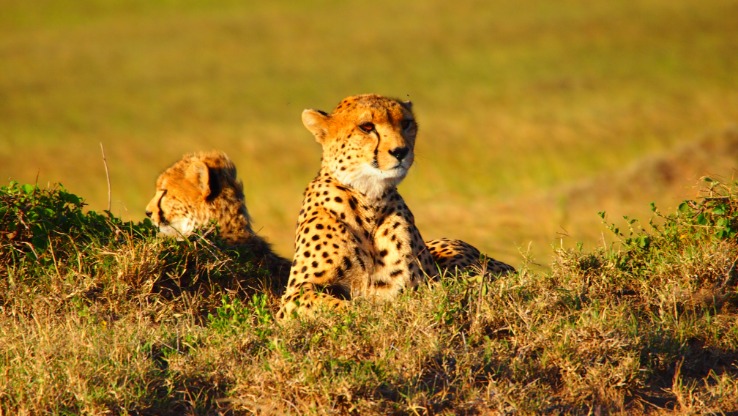
These tours are led by experienced guides who share their knowledge about the flora and fauna, ensuring a safe and enriching experience. Whether exploring the Maasai Mara, Amboseli, or Tsavo National Parks, travelers can enjoy unforgettable safaris that showcase Kenya’s rich biodiversity and the majestic creatures that call it home.
Kenya’s commitment to conservation and sustainable tourism practices enhances the quality of wildlife encounters, making it a premier destination for wildlife enthusiasts and nature lovers alike. Guided safari tours in Kenya are not only about spotting animals but also about gaining a deeper understanding of the ecosystem and the efforts to protect these magnificent species for future generations.
Wildlife Photography Opportunities
Kenya is renowned for its exceptional safari tourism and wildlife experiences, offering travelers a chance to witness some of the most spectacular and diverse animal populations on Earth. The country’s vast savannahs, forests, and wetlands are home to incredible wildlife, providing unique opportunities for wildlife photography and adventure.
- Photograph iconic animals such as lions, elephants, giraffes, cheetahs, and rhinos in their natural habitats.
- Explore famous national parks like Maasai Mara, Amboseli, Tsavo, and Samburu, each offering distinctive landscapes and species.
- Experience the thrill of a Big Five safari, capturing stunning images of the five most sought-after animals in the wild.
- Join guided safaris and birdwatching tours to observe a vast array of bird species, from colorfulkingfishers to majestic eagles.
- Participate in conservation-focused wildlife photography expeditions to help highlight the importance of protecting Kenya’s biodiversity.
Community-Based Tourism Initiatives
Safari tourism and wildlife experiences in Kenya offer unique opportunities for visitors to witness the diverse and abundant animal life that the country is renowned for. From the majestic elephants of Amboseli to the great migration of wildebeests in Maasai Mara, travelers can immerse themselves in the natural beauty and vibrant ecosystems of Kenya’s wilderness areas.
Community-based tourism initiatives play a vital role in Kenya’s conservation efforts by involving local communities in wildlife protection and tourism activities. These initiatives empower local residents to benefit economically from tourism, promote sustainable practices, and foster a deeper appreciation for Kenya’s rich biodiversity. Through such programs, visitors can engage with local communities, participate in cultural exchanges, and support conservation projects that ensure the preservation of Kenya’s incredible fauna for future generations.
Conservation Challenges and Efforts
Kenya faces numerous conservation challenges as it strives to protect its rich biodiversity and iconic wildlife. Human activities such as poaching, habitat destruction, and illegal wildlife trade threaten the species that are vital to the country’s ecological balance and tourism industry. In response, various efforts are underway, including national parks, community conservation programs, and international collaborations, aiming to preserve Kenya’s unique animal populations for future generations.
Poaching and Illegal Trade
Kenya faces significant conservation challenges primarily due to poaching and the illegal wildlife trade, which threaten its rich biodiversity. These activities target iconic species such as elephants, rhinos, and lions, driven by high demand for ivory, horns, and other animal parts in global markets. Despite stringent laws and enforcement efforts, poachers often exploit porous borders and limited resources to carry out their activities.
In response, Kenya has implemented various conservation initiatives, including establishing protected areas like national parks and reserves, deploying anti-poaching patrols, and promoting community-based conservation programs. The government collaborates with international organizations and local communities to increase awareness, strengthen law enforcement, and offer alternative livelihoods to reduce reliance on poaching. These combined efforts aim to safeguard Kenya’s natural heritage and ensure sustainable coexistence between humans and wildlife.
Habitat Destruction
Habitat destruction poses one of the most significant conservation challenges for Kenya’s rich biodiversity. Rapid urbanization, agricultural expansion, and logging have led to the loss of critical habitats for many native species, including elephants, lions, and rhinos. These activities threaten the delicate balance of ecosystems and decrease the availability of natural resources needed for wildlife survival. In response, various conservation efforts have been implemented, such as the establishment of national parks like Maasai Mara and Tsavo, which protect vast areas of habitat. Additionally, community-based conservation programs encourage local communities to participate in preserving wildlife and their environments. These initiatives aim to create sustainable coexistence between humans and animals, ensuring the survival of Kenya’s unique fauna for future generations.
Community Involvement in Conservation
Kenya faces significant conservation challenges, including habitat loss, poaching, and human-wildlife conflict, which threaten its rich biodiversity, especially its iconic animals like elephants, lions, and rhinos. Efforts to protect these species involve establishing national parks, wildlife sanctuaries, and anti-poaching initiatives that aim to safeguard critical habitats and prevent illegal hunting.
Community involvement plays a vital role in Kenya’s conservation success. Local communities are increasingly participating in wildlife conservation programs through community-based conservation projects, eco-tourism, and benefit-sharing schemes. These initiatives empower residents to protect their natural heritage while also deriving economic benefits, fostering sustainable coexistence between humans and wildlife.
Conservation Organizations in Kenya
Kenya is renowned for its rich biodiversity and diverse wildlife, making conservation organizations vital in preserving its natural heritage. These organizations play a crucial role in protecting endangered species, restoring habitats, and promoting sustainable practices across the country. Through dedicated efforts and community involvement, Kenya continues to be a global leader in wildlife conservation and environmental stewardship.
Kenya Wildlife Service (KWS)
Kenya is renowned for its rich biodiversity and vibrant wildlife, making conservation efforts essential to protect its natural heritage. The Kenya Wildlife Service (KWS) is the primary organization responsible for the preservation and management of Kenya’s wildlife resources. Established in 1989, KWS oversees national parks, reserves, and sanctuaries, ensuring the protection of endangered species such as elephants, rhinoceroses, and lions. Through various conservation programs, community engagement initiatives, and anti-poaching campaigns, KWS strives to promote sustainable coexistence between humans and wildlife. The organization’s efforts have been instrumental in maintaining Kenya’s status as a leading safari destination, showcasing its commitment to conserving the country’s unique animal populations for future generations.
Non-Governmental Organizations (NGOs)
Kenya is renowned for its rich biodiversity and commitment to conserving its unique wildlife. Several non-governmental organizations (NGOs) play a vital role in protecting animals and promoting sustainable environmental practices across the country. These organizations work tirelessly to combat threats like poaching, habitat destruction, and human-wildlife conflicts. Notable NGOs such as the Kenya Wildlife Service (KWS) partnered with local and international NGOs, focus on wildlife conservation, community engagement, and ecological research. Others, including the Big Life Foundation and the David Sheldrick Wildlife Trust, focus specifically on anti-poaching efforts and the rescue and rehabilitation of orphaned elephants and rhinos. These organizations also conduct educational programs to raise awareness about wildlife preservation and foster community involvement in conservation initiatives. Through their combined efforts, conservation NGOs in Kenya have significantly contributed to safeguarding the country’s iconic animals and ensuring their survival for future generations.
International Collaborations
Kenya is renowned for its rich biodiversity and is home to numerous iconic species such as elephants, lions, and rhinoceroses. Conservation organizations play a vital role in protecting these animals and their habitats. Local and international NGOs, government agencies, and community initiatives collaborate to implement conservation projects, raise awareness, and combat poaching. International collaborations are fundamental to Kenya’s wildlife conservation efforts, often involving partnerships with global organizations such as the World Wildlife Fund and the International Union for Conservation of Nature. These collaborations facilitate funding, research, technology transfer, and policy development, vital for ensuring long-term preservation of Kenya’s unique wildlife heritage.




0 Comments