

Overview of Kenya’s Economy
Kenya’s economy is one of the most dynamic and rapidly growing in East Africa, characterized by a diversified economic structure. With key sectors including agriculture, manufacturing, services, and technology, Kenya has positioned itself as a regional economic hub. The country boasts a youthful population and strategic geographic location, which contribute to its economic development and investment opportunities. Despite challenges such as political stability issues and infrastructural gaps, Kenya continues to experience steady growth and development across various industries.
Historical Economic Development
Kenya’s economy is one of the largest and most diverse in East Africa, characterized by a mix of agriculture, manufacturing, services, and technology sectors. Over the years, it has experienced significant growth driven by advancements in infrastructure, a burgeoning middle class, and strategic investments in various industries.
Historically, Kenya’s economic development has been marked by periods of rapid growth and challenges. During the colonial era, the economy was primarily based on agriculture, with coffee and tea serving as major export commodities. Post-independence, the country focused on expanding its industrial base and improving infrastructure, which contributed to steady economic progress throughout the late 20th century.
In recent decades, Kenya has transformed into a regional economic hub, especially in finance, telecommunications, and tourism. The adoption of technology, such as mobile banking and digital services, has played a pivotal role in accelerating economic activity and financial inclusion. Despite facing issues like political instability and external shocks, Kenya continues to demonstrate resilience and potential for sustained growth in the future.
Current Economic Status
Kenya’s economy is one of the largest and most diverse in East Africa, characterized by a mix of agriculture, manufacturing, services, and tourism sectors. It has experienced steady growth over the past decade, driven by factors such as investments in infrastructure, technological advancements, and an expanding middle class. However, the economy also faces challenges including political instability, corruption, reliance on agriculture, and external shocks like fluctuating global commodity prices.
Currently, Kenya’s economic status is cautiously optimistic, with the country showing signs of recovery from disruptions caused by the COVID-19 pandemic. The growth rate has been modest but steady, supported by increased public spending, improved agricultural productivity, and growth in digital innovation. Despite these positives, inflation pressures, high youth unemployment, and external debt remain concerns for policymakers aiming for sustainable economic development.
Main Sectors of the Economy
Kenya’s economy is primarily driven by three main sectors: agriculture, industry, and services. These sectors play a vital role in shaping the country’s economic growth and development. Understanding the main sectors provides insight into Kenya’s economic structure and potential for future growth.
Economic Indicators and Performance
Economic indicators and performance provide essential insights into the health and trajectory of a country’s economy. In the context of Kenya, these indicators help assess the nation’s growth, stability, and development prospects. By analyzing key metrics such as GDP, inflation rates, employment levels, and trade balances, stakeholders can make informed decisions and formulate strategies to foster sustainable economic progress in Kenya.
GDP Growth Rate
The GDP growth rate is a crucial economic indicator that reflects the overall economic performance of Kenya. It measures the annual percentage increase or decrease in the country’s gross domestic product, providing insight into how well the economy is expanding or contracting. A stable and increasing GDP growth rate indicates healthy economic activity, higher employment levels, and improved living standards, whereas a declining rate may signal economic challenges or downturns. Monitoring Kenya’s GDP growth helps policymakers, investors, and analysts make informed decisions about economic strategies and investments.
Inflation and Price Stability
Kenya’s economy is characterized by a mix of agricultural, manufacturing, and service sectors, which play vital roles in its overall performance. Key economic indicators such as GDP growth rate, unemployment rate, and foreign exchange reserves provide insights into the nation’s economic health. In recent years, Kenya has experienced moderate GDP growth, driven largely by digital innovation, agriculture, and infrastructure development.
Inflation in Kenya has remained relatively controlled, although it is subject to fluctuations due to changes in global commodity prices, weather patterns affecting agriculture, and currency stability. The Central Bank of Kenya actively manages inflation through monetary policy to ensure price stability, which is crucial for maintaining consumer confidence and economic growth.
Price stability in Kenya is essential for fostering a conducive environment for investment and sustainable development. The government and monetary authorities work together to monitor inflation trends and implement policies aimed at controlling general price levels. Maintaining this stability helps protect the purchasing power of consumers and supports long-term economic stability.
Unemployment Rate
The unemployment rate is a key indicator of Kenya’s economic health, reflecting the percentage of the labor force that is unemployed and actively seeking employment. In recent years, Kenya has experienced fluctuations in its unemployment rate, influenced by factors such as economic growth, urbanization, and sectoral shifts. A rising unemployment rate can signal economic challenges, while a decreasing rate often indicates improvements in job creation and economic stability. Monitoring this indicator helps policymakers design targeted interventions to stimulate employment opportunities, enhance workforce skills, and promote sustainable economic development in Kenya.
Foreign Direct Investment and Trade
Foreign Direct Investment (FDI) and trade play a crucial role in shaping Kenya’s economy by fostering growth, creating jobs, and enhancing technological development. As one of Africa’s rapidly emerging markets, Kenya attracts international investors and engages actively in global trade, contributing to its economic stability and development. Understanding the dynamics of FDI and trade is essential to appreciating Kenya’s economic progress and future prospects.
Major Trading Partners
Kenya’s economy has experienced significant growth through Foreign Direct Investment (FDI) and international trade, which are vital for development and economic stability. FDI into Kenya primarily comes from countries such as China, the United States, and the United Kingdom, investing in sectors like infrastructure, manufacturing, and technology. These investments help improve infrastructure, create jobs, and foster innovation across the country.
Trade plays a crucial role in Kenya’s economy, with major trading partners including China, India, the United Arab Emirates, and the European Union. Kenya exports goods like tea, coffee, horticultural products, and textiles, while importing machinery, vehicles, petroleum products, and pharmaceuticals. Strengthening ties with these partners enhances market access and encourages sustainable economic growth, making trade and FDI central to Kenya’s development agenda.
Export and Import Commodities
Kenya’s economy has experienced significant growth driven by Foreign Direct Investment (FDI), which plays a crucial role in enhancing its infrastructure, industry, and service sectors. FDI in Kenya has attracted foreign companies in telecommunications, manufacturing, and agriculture, thereby creating employment opportunities and fostering technology transfer. Trade is vital for Kenya, with exports including tea, coffee, horticultural products, and minerals, while imports mainly consist of machinery, petroleum products, and consumer goods. The balance of trade influences the country’s economic stability and growth prospects. Import and export commodities are essential indicators of Kenya’s integration into the global market, contributing to its economic resilience and development trajectory. Efforts to diversify export commodities and improve trade infrastructure aim to boost Kenya’s competitiveness in regional and international markets.
Investment Climate
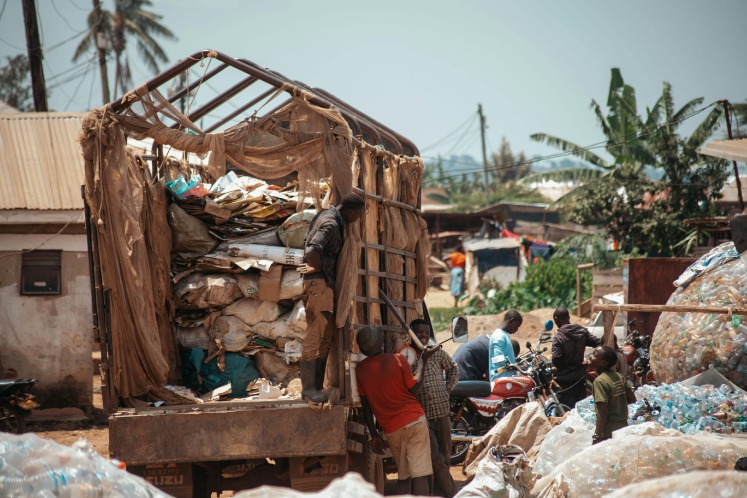
Kenya’s economy has experienced significant growth driven by increased Foreign Direct Investment (FDI) and expanding international trade activities. FDI plays a crucial role in fostering technological advancement, creating jobs, and enhancing infrastructure within the country. The nation’s strategic location, coupled with its efforts to improve the Investment Climate, has made Kenya an attractive destination for foreign investors. Policies aimed at reducing bureaucratic barriers, offering tax incentives, and strengthening legal protections have contributed to a more favorable environment for investment. Additionally, Kenya’s diverse export sectors, including agriculture, textiles, and technology, boost its integration into global markets. Overall, a stable and improving investment climate continues to support Kenya’s economic development and regional trade prominence.
Government Policies Impacting the Economy
Government policies play a crucial role in shaping the economic landscape of Kenya. From taxation and trade regulations to infrastructure development and social programs, all policy decisions influence economic growth, stability, and development. Understanding these policies helps to better grasp the factors driving Kenya’s economic progress and the challenges it faces in achieving sustainable prosperity.
Economic Recovery Strategies
Government policies play a crucial role in shaping the economic landscape of Kenya, especially during periods of economic recovery. Effective policies can stimulate growth, create jobs, and enhance the overall well-being of the population, while poorly implemented measures may hinder progress.
Kenya’s government has adopted various strategies to bolster the economy, particularly in the aftermath of economic downturns and disruptions caused by external shocks. These policies focus on improving infrastructure, fostering innovation, and promoting inclusive growth.
- Enhancement of infrastructure development to facilitate trade and mobility, including expansion of roads, ports, and energy infrastructure.
- Implementation of fiscal stimulus packages aimed at supporting local businesses and reducing unemployment.
- Reforms in the banking and financial sector to improve access to credit for small and medium-sized enterprises.
- Promotion of technological adoption and digital transformation to boost productivity and increase competitiveness.
- Investments in education and workforce skills development to meet evolving economic demands.
- Measures to attract foreign direct investment by offering incentives and improving the ease of doing business.
- Prioritize sustainable development policies that balance economic growth with environmental conservation.
- Strengthen social safety nets to protect vulnerable populations during economic transitions.
- Coordinate monetary and fiscal policies to maintain stability and foster investor confidence.
- Encourage regional trade integration through partnerships and agreements within East Africa and beyond.
- Support innovation and entrepreneurship to diversify the economic base and reduce reliance on traditional sectors.
By strategically implementing these policies, Kenya can accelerate its economic recovery, promote resilience, and achieve sustainable long-term growth.
Tax Reforms and Incentives
Government policies play a crucial role in shaping the economy of Kenya, influencing factors such as growth, stability, and investor confidence. Tax reforms and incentives are vital tools used by the government to stimulate economic activity, attract foreign investment, and promote national development. In recent years, Kenya has implemented various tax measures aimed at broadening the tax base, simplifying tax procedures, and reducing the burden on businesses and individuals. These reforms encourage entrepreneurship and small business growth, which are essential for creating jobs and boosting domestic production. Additionally, the government offers incentives such as tax holidays, duty exemptions, and special economic zones to attract foreign direct investment in key sectors like agriculture, manufacturing, and technology. Overall, well-crafted policies and strategic incentives continue to be instrumental in fostering sustainable economic growth in Kenya, improving living standards, and positioning the country as a competitive player in the regional and global economy.
Business Regulation and Ease of Doing Business
Government policies play a crucial role in shaping the economic environment of Kenya, influencing business operations and the overall ease of doing business in the country. Effective regulation and policy frameworks can foster growth, attract investments, and improve competitiveness, while overly restrictive or inconsistent policies may hinder progress.
- Regulatory Environment: Kenya has implemented various reforms to simplify business registration, licensing, and taxation processes, aiming to reduce bureaucratic hurdles and streamline operations.
- Trade Policies: Policies promoting regional integration and export incentives have enhanced Kenya’s participation in international markets, boosting economic growth.
- Finance and Investment Policies: Government initiatives such as the Kenya Vision 2030 focus on infrastructure development and investor protection, creating a more conducive environment for business development.
- Ease of Doing Business Rankings: Continuous reforms, including digitalizing government services and ensuring transparency, have improved Kenya’s ranking globally, although challenges remain in areas like access to credit and contract enforcement.
- Revenue Collection Policies: Adjustments in tax policies impact business profitability and government revenue, influencing public expenditure on infrastructure and social services.
- Labor and Employment Regulations: Policies related to minimum wages, employment standards, and worker rights shape the labor market’s flexibility and productivity.
- Environmental Regulations: Stricter environmental policies aim to promote sustainable development but may increase compliance costs for businesses.
- Innovation and Technology Policies: Supportive policies encourage the growth of tech startups and digital innovation, vital for Kenya’s economic diversification.
Challenges Facing the Kenyan Economy
The Kenyan economy faces a variety of significant challenges that impact its growth and stability. These include widespread unemployment, inflation, and a dependence on agriculture which is vulnerable to climate change. Additionally, issues such as political instability, corruption, and inadequate infrastructure further hinder sustainable development. Addressing these hurdles is crucial for Kenya to achieve long-term economic prosperity and improve the livelihoods of its citizens.
Poverty and Income Inequality
The Kenyan economy faces several significant challenges, with poverty and income inequality being at the forefront. Despite recent economic growth, a large portion of the population still lives below the poverty line, limiting overall development and human capital potential. Income disparity is widely observed across different regions, with urban areas benefiting from more economic opportunities compared to rural communities, which often lack access to quality education, healthcare, and infrastructure. This inequality hampers social cohesion and hampers efforts to reduce poverty further. Additionally, factors such as unemployment, reliance on agriculture, political instability, and external economic shocks contribute to the persistent hardships faced by many Kenyans. Addressing these issues requires targeted policies that promote inclusive growth, improve access to basic services, and create equal economic opportunities for all citizens.
Corruption and Governance Issues
The Kenyan economy faces several significant challenges that hinder its growth and development. Among these, corruption remains a pervasive issue, undermining public trust, diverting resources, and discouraging foreign investment. Governance issues further exacerbate the situation, leading to inefficiency in public institutions and weak enforcement of laws. These problems create a cycle that slows down economic progress and limits opportunities for the country’s citizens. Addressing these challenges requires strong political will, transparent institutions, and effective anti-corruption measures to foster sustainable economic growth in Kenya.
Infrastructure and Energy Constraints
The Kenyan economy faces several significant challenges that hinder its growth and development. Infrastructure deficits, such as inadequate roads, railways, and port facilities, hamper efficient transportation and logistics, affecting trade and investment. Energy constraints, characterized by unreliable power supply and limited access to electricity in rural areas, further impede industrialization and economic activities. These bottlenecks increase operational costs for businesses and limit overall productivity. Additionally, the high cost of energy and frequent power outages make Kenya less attractive to investors. Addressing these infrastructure and energy constraints is crucial for fostering sustainable economic growth, improving competitiveness, and enhancing the livelihoods of Kenyan citizens.
Climate Change and Environmental Risks
The Kenyan economy faces a variety of challenges that hinder sustainable growth and development. Persistent issues such as unemployment, inflation, and income inequality remain significant obstacles. Additionally, reliance on agriculture makes the country vulnerable to weather fluctuations and climate variability. Climate change exacerbates environmental risks, leading to frequent droughts, floods, and land degradation that disrupt food production and water resources. These environmental challenges threaten Kenya’s economic stability, food security, and overall societal well-being. Addressing these issues requires comprehensive strategies focused on climate resilience, sustainable resource management, and economic diversification.
Future Outlook and Prospects
The future outlook and prospects of Kenya’s economy are characterized by both exciting opportunities and notable challenges. As the nation continues to diversify its industries and embrace technological innovations, it is poised for growth and development. With strategic investments and supportive policies, Kenya aims to strengthen its position as a regional economic hub and promote sustainable progress for its citizens.
Vision 2030 Goals
The future outlook for Kenya’s economy appears promising as the nation aligns its development strategies with Vision 2030 goals. Kenya aims to transform into a newly industrializing, middle-income country providing a high quality of life for all its citizens by 2030. Significant investments are being made in infrastructure, technology, agriculture, and tourism to foster sustainable growth and diversification.
With ongoing efforts to improve governance, enhance skills, and attract foreign investment, Kenya is positioned to leverage its strategic location and youthful population for economic expansion. The Vision 2030 initiative emphasizes industrialization, increased manufacturing capacity, and innovation, all of which are expected to bolster productivity and economic resilience.
As Kenya continues to implement reforms and develop its key sectors, the outlook remains optimistic for achieving higher income levels, reducing poverty, and ensuring social stability. The country’s targeted goals under Vision 2030 serve as a roadmap for sustainable development, aiming to propel Kenya into a competitive and resilient economy by the year 2030.
Emerging Sectors and Innovations
The future outlook and prospects for Kenya’s economy are increasingly optimistic, driven by ongoing structural reforms, technological advancements, and strategic initiatives to diversify sectors. Emerging sectors such as renewable energy, digital technology, and agribusiness are poised to play a crucial role in the nation’s economic growth. Innovations in financial technology, mobile banking, and e-commerce are also transforming the business landscape, making financial services more accessible and fostering entrepreneurial activities across the country.
- Expanding renewable energy projects, particularly solar and wind, to meet increasing energy demands sustainably.
- Adoption of digital technologies to improve efficiency in agriculture, manufacturing, and service industries.
- Growth of the fintech sector, including mobile money platforms like M-Pesa, to enhance financial inclusion.
- Development of infrastructure such as transport, telecommunications, and logistics to boost regional trade and integration.
- Increased investment in education and skill development to support a knowledge-based economy.
Regional Economic Integration
The future outlook for Kenya’s economy appears promising, supported by ongoing regional economic integration efforts and strategic initiatives aimed at enhancing trade, investment, and infrastructure development. As part of the East African Community and other regional partnerships, Kenya stands to benefit from increased market access and collaborative economic policies.
- Enhanced regional trade agreements will likely facilitate the flow of goods and services, boosting Kenya’s export revenues.
- Continued investments in technology, agriculture, and infrastructure are expected to drive sustainable economic growth.
- Regional economic integration is poised to attract more foreign investment, fostering job creation and innovation.
- The diversification of industries and strengthening of regional supply chains will contribute to economic resilience.




0 Comments