
Geography and Climate of Kenya
Kenya, located in East Africa, is a country renowned for its diverse geography and unique climate. From the vast savannahs and dense forests to the Great Rift Valley and coastal regions, Kenya’s landscape is remarkably varied. Its climate ranges from tropical on the coast to arid in the northern regions, creating a rich environment that supports a wide array of wildlife and ecosystems. This geographical diversity plays a vital role in shaping the country’s culture, agriculture, and tourism industries.
Major Landforms and Regions
Kenya, located in East Africa, boasts diverse geography and climate zones that contribute to its unique environment. Its landscapes range from vast savannahs and highland plateaus to arid deserts and lush coastal regions, creating a rich tapestry of ecosystems. The country’s climate varies significantly across regions, with the coastal area experiencing tropical warmth, the highlands enjoying moderate temperatures, and the arid northern regions being hotter and dryer.
- The Great Rift Valley runs through Kenya from the north to the south, creating a dramatic landscape with lakes, volcanoes, and escarpments.
- Major landforms include Mount Kenya, the second-highest peak in Africa, and Lake Victoria, situated at the country’s southwestern border.
- Kenya is divided into several regions, such as the Coastal region, Central Highlands, Rift Valley, and the arid northern deserts.
- The coastal region features sandy beaches, coral reefs, andMangrove swamps, hosting Kenya’s major port cities like Mombasa.
- The central highlands are characterized by fertile land, tea and coffee plantations, and cooler temperatures.
Climate Zones and Weather Patterns
Kenya, located in East Africa, features diverse geography and climate zones that significantly influence its weather patterns. The country stretches from the Indian Ocean coast in the southeast to the Great Rift Valley and the mountainous regions in the west and central parts. Its varied physical features include coastal plains, highlands, savannahs, and mountain ranges such as Mount Kenya, the highest peak in Africa. This diverse landscape creates distinct climate zones throughout the country.
The climate of Kenya can generally be categorized into several zones. The coastal region has a hot, humid climate with high temperatures and significant rainfall, especially during the long rains from April to June and the short rains in November. The central highlands, including Nairobi and the river valleys, experience a mild, temperate climate with moderate rainfall and cooler temperatures owing to their elevation. The arid and semi-arid northern and eastern regions are characterized by hot temperatures and lower rainfall, making them suitable for pastoralism and some types of agriculture. The mountain regions, notably around Mount Kenya, have cooler temperatures and receive high rainfall, supporting lush vegetation and rich ecosystems.
Weather patterns in Kenya are influenced by the Intertropical Convergence Zone (ITCZ), monsoon winds, and geographical features. The country experiences two main rainy seasons: the long rains from March to May and the short rains from October to December. These seasons are vital for agriculture, which is a key part of Kenya’s economy. The dry seasons, from January to March and June to October, tend to be hot and dry, especially in the arid north and eastern regions. These climatic variations contribute to Kenya’s rich biodiversity and diverse ecosystems, from coastal mangroves to savannahs and mountain forests.
History and Cultural Heritage
Kenya, located in the heart of East Africa, boasts a rich history and vibrant cultural heritage that reflect its diverse population and fascinating past. From ancient archaeological sites to traditional customs passed down through generations, Kenya’s heritage offers a unique glimpse into its historical significance and cultural diversity. This vibrant tapestry of history and culture continues to shape the nation’s identity and influence its future.
Pre-colonial History and Indigenous Communities
Kenya’s history and cultural heritage are deeply rooted in its diverse indigenous communities and rich pre-colonial traditions. Before European colonization, the region was home to numerous ancient civilizations and ethnic groups, each with their own unique customs, practices, and social structures. The indigenous communities played a vital role in shaping the nation’s identity through their oral histories, rituals, and art forms, which continue to influence modern Kenyan culture.
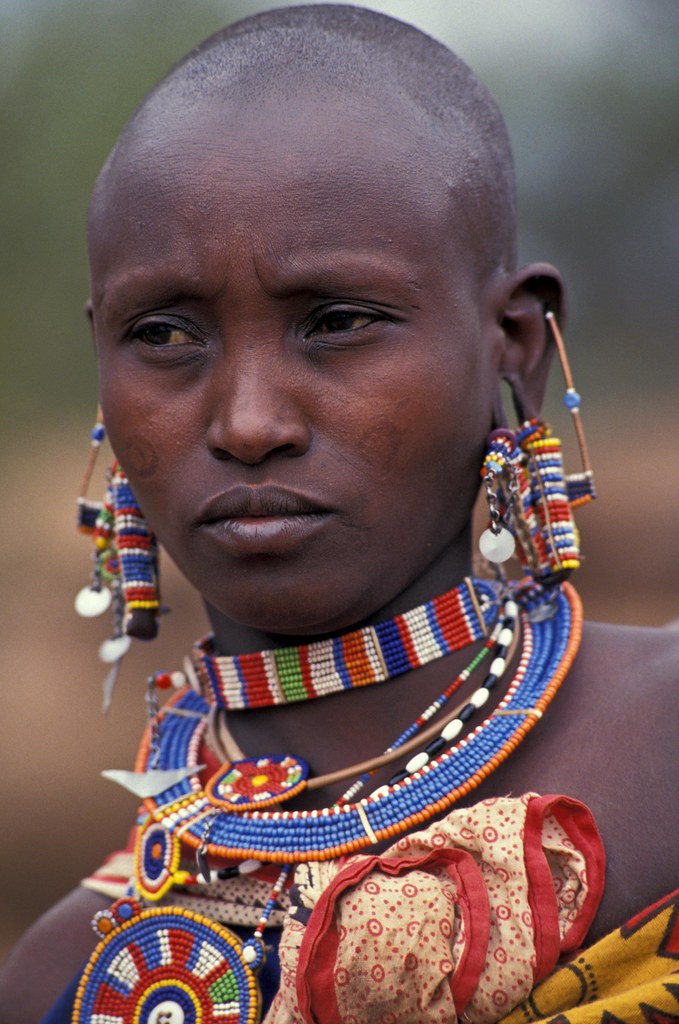
- The Kikuyu, Luo, Maasai, Kalenjin, and Embu are among the prominent ethnic groups contributing to Kenya’s diverse cultural landscape.
- Pre-colonial Kenya was characterized by thriving trade routes, established kingdoms, and complex social organizations, such as the Swahili city-states along the coast.
- Indigenous communities maintained their traditions through storytelling, music, dance, and craft-making, passing down their heritage across generations.
- The arrival of Arab and Portuguese traders introduced new cultural influences, which blended with local practices to create a vibrant, multicultural society.
- Colonial history, particularly British rule, significantly impacted the social fabric and land ownership, shaping contemporary issues around heritage and identity.
Colonial Era and Independence
Kenya, located in East Africa, has a rich history and vibrant cultural heritage shaped by centuries of indigenous traditions and external influences, especially from its colonial past. The colonial era, primarily under British rule, significantly impacted Kenya’s social, political, and economic landscapes, leaving a legacy that still influences the nation today. Kenya gained independence from Britain in 1963, marking a pivotal moment in its history and paving the way for nation-building and cultural revival.
- Pre-Colonial Era: Kenya was home to diverse ethnic groups with unique languages, customs, and governance systems, including the Kikuyu, Luo, Maasai, and Kalenjin communities.
- Colonial Era: The British established control over Kenya in the late 19th century, introducing new administrative structures, economic policies, and infrastructure development, often at the expense of indigenous populations.
- Impact of Colonization: Colonial rule led to land dispossession, social stratification, and the introduction of Western education and Christianity, which transformed traditional ways of life.
- Struggle for Independence: The 1950s and early 1960s saw rising nationalist movements, including the Mau Mau uprising, which played a crucial role in Kenya’s path to self-rule.
- Post-Independence Era: Kenya became a republic in 1964, with Jomo Kenyatta as its first president, emphasizing unity, development, and the preservation of cultural heritage amid modernization efforts.
Post-independence Development
Kenya’s history and cultural heritage are rich and diverse, reflecting a blend of indigenous traditions and influences from its colonial past. Post-independence development has been marked by significant progress in infrastructure, education, and economic growth, while still striving to preserve its unique cultural identity.
Following independence in 1963, Kenya embarked on a journey of nation-building, emphasizing the importance of unity and national pride. The country has invested in various sectors to foster development and reduce poverty, leading to an increasingly resilient economy.
- Preservation of cultural heritage through the promotion of traditional music, dance, and crafts
- Development of modern infrastructure including roads, airports, and telecommunications
- Enhancement of educational opportunities to support a skilled workforce
- Growth of the tourism industry centered around national parks and historical sites
- The introduction of democratic governance and political reforms
- Expansion of healthcare services and social programs
- Innovations in technology and entrepreneurship, particularly in mobile banking and agriculture
- Recognition and celebration of Kenya’s diverse ethnic communities and their contributions
Overall, Kenya continues to advance its development goals while honoring its cultural heritage, aiming for a balanced and inclusive future.
Political Structure and Governance
Kenya, located in East Africa, features a vibrant political structure and governance system that emphasizes democratic principles and decentralization. Its governance framework is designed to promote political stability, representation, and accountability, reflecting its diverse society and rich cultural heritage. Understanding Kenya’s political landscape offers insight into its efforts to foster development and uphold democratic values in the region.
Government System and Administrative Divisions
Kenya’s political structure and governance system are designed to ensure stability, democracy, and effective administration within the country. It operates as a republic with a multi-party political system, where the President is both the head of state and government. The government is divided into three branches: the executive, legislative, and judiciary, each functioning independently to maintain checks and balances. Kenya’s administrative divisions are structured into counties, which serve as local government units, complemented by provinces in historical context. The counties are further divided into sub-counties and wards, facilitating decentralized governance and service delivery across the diverse regions of the country.
Political Parties and Elections
Kenya’s political structure is a unitary republic with a devolved government system, comprising a central government and county governments that are responsible for local administration. The President of Kenya is both the head of state and government, playing a central role in executive authority, supported by the Cabinet and various government agencies. The Parliament of Kenya is bicameral, consisting of the National Assembly and the Senate, which together legislate and oversee government functions.
Political parties in Kenya are diverse, representing various ethnic, regional, and ideological interests. Major parties include the Jubilee Party, Orange Democratic Movement (ODM), and Wiper Democratic Movement, among others. These parties often form coalitions to contest elections and gain majority control of Parliament and the executive branch.
Elections in Kenya are held regularly and are a crucial component of its democratic process. Presidential elections are conducted every five years through a majority runoff system, where a candidate must secure more than 50% of the votes. Parliamentary elections similarly occur every five years, with members elected through a combination of direct voting in constituencies and proportional representation. The Independent Electoral and Boundaries Commission (IEBC) oversees election procedures to ensure transparency and fairness, maintaining Kenya’s commitment to democratic principles.
Recent Political Developments
Kenya’s political structure is a democratic republic characterized by a multi-party system, with executive power vested in the president, who is both head of state and government. The country is divided into counties, each governed by an elected county governor, supporting a decentralized form of governance. The Parliament comprises the National Assembly and the Senate, responsible for legislative functions. Recent political developments in Kenya have focused on electoral reforms, efforts to combat corruption, and initiatives to promote national unity amid upcoming elections. Additionally, there have been significant strides in strengthening institutions and addressing issues related to governance and transparency.
Economy and Natural Resources
Kenya, located in Africa, boasts a diverse economy deeply connected to its abundant natural resources. The country’s rich landscapes provide valuable minerals, agricultural products, and renewable energy sources that play a vital role in its economic development. Understanding the relationship between Kenya’s economy and its natural resources offers insight into the nation’s growth prospects and sustainable development challenges.
Key Sectors: Agriculture, Industry, and Services
Kenya, located in East Africa, boasts a diverse economy driven by its rich natural resources and key sectors including agriculture, industry, and services. Agriculture remains the backbone of the country’s economy, employing a significant portion of the population and producing crops such as tea, coffee, maize, and sugar. The industrial sector has evolved to include manufacturing, processing, and construction activities, supported by Kenya’s strategic trading position and infrastructure development. The services sector continues to expand rapidly, encompassing tourism, financial services, education, and telecommunications, which together contribute substantially to national income. Overall, Kenya’s economy benefits from its natural resources and a dynamic mix of sectors that promote growth and development across the country.
Mining and Minerals
Kenya, located in East Africa, has a diverse economy that benefits from its rich natural resources, including significant mining and mineral sectors. The country possesses a variety of minerals such as soda ash, fluorspar, limestone, diatomite, and titanium minerals, which contribute substantially to its industrial growth. The mining industry in Kenya has been expanding steadily, providing employment opportunities and boosting exports. Natural resources like the minerals and geothermal energy found in the Rift Valley play a crucial role in supporting local development and diversifying the economy. Additionally, efforts to improve mining techniques and environmental management are essential to ensure sustainable exploitation of Kenya’s natural wealth.
Tourism Industry and Key Attractions
The economy of Kenya is primarily driven by agriculture, manufacturing, and services, with tourism playing a vital role. The country is rich in natural resources such as fertile lands, mineral deposits, and water bodies, which support its agricultural and industrial activities. The tourism industry is a major contributor to Kenya’s economy, attracting visitors from around the world to experience its stunning landscapes and diverse wildlife.
Kenya’s key attractions include the world-famous Maasai Mara National Reserve, renowned for its exceptional safari experiences and the Great Migration of wildebeest and zebras. Other notable sites are Amboseli National Park, known for its elephants and views of Mount Kilimanjaro, and Tsavo National Park, one of the largest game reserves in Africa. The coastal city of Mombasa offers beautiful beaches, historic sites, and vibrant culture, making Kenya a popular destination for travelers seeking both adventure and relaxation.
Demographics and Society
Kenya, a vibrant country in Africa, boasts a rich tapestry of demographics shaping its diverse society. Its population includes multiple ethnic groups, languages, and cultures, creating a dynamic social landscape. Understanding the demographics and societal structure of Kenya is essential to appreciating its unique identity and the factors influencing its development and future growth.
Population Size and Growth
Kenya, located in East Africa, boasts a diverse and dynamic population that significantly influences its social and economic landscape. The country’s population size has been steadily increasing over the years, reflecting high birth rates and improvements in healthcare that have lowered mortality rates. This growth presents both opportunities and challenges, such as a burgeoning workforce and increased demand for resources and infrastructure. The demographic profile of Kenya is marked by a youthful population, with a large percentage under the age of 25, which could drive future economic development. However, managing rapid population growth requires effective planning and investment in education, health, and social services to ensure sustainable development and social cohesion across its varied communities.
Ethnic Groups and Languages
Kenya, located in East Africa, is a nation characterized by a diverse range of demographics, ethnic groups, and languages that reflect its rich cultural heritage.
- Kenya is home to over 50 ethnic groups, each contributing to the country’s vibrant cultural tapestry.
- The largest ethnic communities include the Kikuyu, Luo, Luhya, Kalenjin, Maasai, Embu, and Meru people.
- Throughout the country, numerous languages are spoken, with Swahili and English serving as official languages used in government, education, and media.
- Hundreds of indigenous languages are also in use, such as Kikuyu, Luo, Maasai, and Kalenjin, highlighting regional identities and traditions.
- Kenya’s society is a blend of traditional practices and modern influences, with urban areas like Nairobi experiencing rapid growth and diversification.
- Despite differences, Kenyans maintain a sense of national unity, celebrating cultural festivals and shared history to foster social cohesion.
Religion and Cultural Practices
Kenya is a diverse country located in East Africa, characterized by a rich tapestry of demographics and society. The nation is home to numerous ethnic groups, including the Kikuyu, Luo, Luhya, Kalenjin, Maasai, and others, each contributing unique cultural identities. These groups combine to form a vibrant, multicultural society with a blend of traditions, languages, and customs. Kenya’s population is young, with a significant proportion under the age of 25, fostering a dynamic and evolving social landscape.
Religion plays a vital role in Kenyan society, with Christianity being the predominant faith, followed by Islam and traditional indigenous beliefs. Christianity, introduced through missionaries in the 19th century, influences many aspects of social life, including festivals, education, and community activities. Islam is primarily practiced in coastal and northeastern regions, with Islamic festivals and practices integrated into the local culture. Indigenous beliefs are still present in rural areas, often coexisting with other religions, shaping the spiritual fabric of the nation.
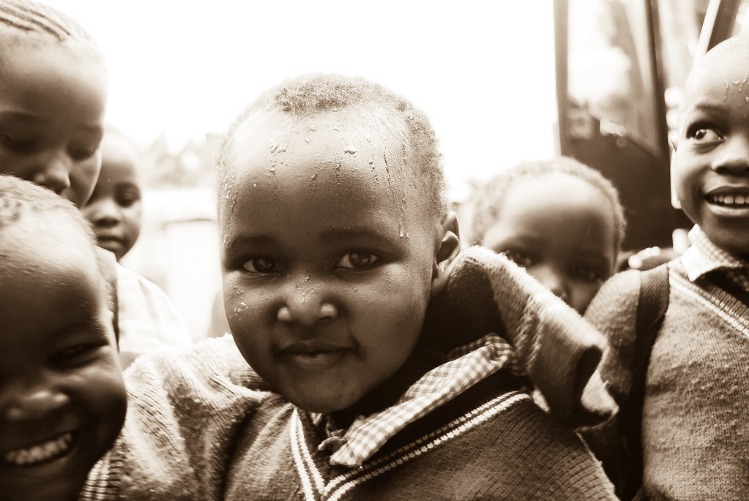
Cultural practices in Kenya are deeply rooted in traditional ceremonies, music, dance, and art. Each ethnic group maintains distinct customs, such as the Maasai’s age-set rituals and the Kikuyu’s initiation ceremonies. Family and community play central roles, with storytelling, communal gatherings, and traditional cuisine serving as essential elements of social life. Despite modernization, many communities continue to uphold their cultural heritage, celebrating their history through festivals and preserving traditional crafts and practices that enrich Kenya’s national identity.
Education and Innovation
Education and innovation are vital drivers of progress in Kenya and across Africa. As the continent seeks sustainable development, embracing innovative teaching methods and modern technologies in education has become essential. Kenya, in particular, has made significant strides in leveraging innovation to improve access to quality education and equip its youth with the skills needed for the future. This dynamic relationship between education and innovation continues to shape a brighter future for Kenya and the wider African continent.
Educational System and Literacy Rates
Kenya’s education and innovation sector plays a crucial role in shaping the country’s future growth and development. The educational system in Kenya is structured into basic education, including primary, secondary, and higher education, aiming to equip students with necessary skills for the workforce. Over the years, Kenya has made significant progress in improving literacy rates, which are now among the highest in Africa.
- The government has invested heavily in expanding access to quality education, especially in rural areas.
- Innovative initiatives like digital learning tools and mobile education platforms have enhanced the reach of educational resources.
- Kenya’s focus on science, technology, engineering, and mathematics (STEM) education has fostered a culture of innovation among youth.
- Literacy rates in Kenya have increased to over 80%, reflecting effective policies and community engagement.
- Continuous curriculum reforms aim to prepare students for a competitive global economy and promote entrepreneurial skills.
Major Educational Institutions
Kenya, located in East Africa, is renowned for its vibrant educational landscape and growing focus on innovation. The country has made significant strides in expanding access to quality education, which serves as the foundation for development and technological progress. Major educational institutions in Kenya include the University of Nairobi, Kenyatta University, Moi University, and Kenyatta University of Agriculture and Technology. These universities are known for their diverse programs, research contributions, and role in fostering a skilled workforce. Kenya’s emphasis on education has also led to advancements in science, technology, engineering, and mathematics (STEM), positioning the country as a hub for innovation in the region. Additionally, initiatives such as the iLab Africa and various tech startups demonstrate Kenya’s commitment to harnessing education as a catalyst for innovation and economic growth.
Technological Advancements and Innovation Hubs
Kenya stands out as a vibrant hub of education and innovation in Africa, fostering an environment that encourages technological advancements and entrepreneurial spirit. The country has invested heavily in its education system, aiming to equip its youth with skills essential for a rapidly changing world, including science, technology, engineering, and mathematics (STEM).
In addition to strengthening education, Kenya has become a leader in technological innovation, notably in mobile banking and digital services, with M-Pesa being a prime example of how financial inclusion can be transformed through technology. These advancements have spurred economic growth and improved access to essential services for millions of Kenyans.
The rise of innovation hubs such as Nairobi’s Silicon Savannah has created a fertile ground for startups, tech entrepreneurs, and research institutions. These hubs provide resources, mentorship, and funding opportunities that foster the development of new ideas and solutions tailored to local and global challenges. Overall, Kenya’s focus on education and technological innovation is positioning it as a key driver of progress in Africa.
Challenges and Opportunities
Kenya, a vibrant nation in Africa, faces a unique set of challenges and opportunities in language development and communication. The country’s diverse linguistic landscape, including Swahili, English, and numerous indigenous languages, reflects its rich cultural heritage. Balancing preservation of local languages with the demands of globalization presents both obstacles and avenues for growth. Embracing multilingualism offers Kenya the chance to foster inclusive education, enhance international cooperation, and celebrate its cultural diversity amid ongoing linguistic transitions.
Environmental and Climate Challenges
Kenya faces a range of environmental and climate challenges that threaten its sustainable development and the well-being of its communities. Rising temperatures, unpredictable rainfall patterns, and prolonged droughts have severely impacted agriculture, which is a vital sector for the country’s economy and food security. Additionally, deforestation and land degradation are exacerbating environmental deterioration, leading to loss of biodiversity and increased vulnerability to climate change.
Despite these challenges, Kenya also presents significant opportunities for environmental innovation and resilience. The country has become a leader in renewable energy, particularly in geothermal and wind power, which can reduce reliance on fossil fuels and decrease greenhouse gas emissions. Community-based conservation initiatives and sustainable farming practices offer pathways to restore degraded ecosystems and promote environmental sustainability. By leveraging its natural resources and investing in climate-adaptive infrastructure, Kenya can turn environmental challenges into opportunities for growth, resilience, and a healthier future for its people and the planet.
Economic Development and Poverty Reduction
Kenya faces a complex mix of challenges and opportunities in its pursuit of economic development and poverty reduction. While the country has experienced significant growth, disparities and structural issues still hinder progress towards inclusive development.
- Rapid population growth and urbanization strain existing infrastructure and services.
- High levels of unemployment, especially among youth, limit income-generating opportunities.
- Dependence on agriculture makes the economy vulnerable to climate change and natural disasters.
- Limited access to quality education and healthcare impairs human capital development.
- Corruption and governance issues can impede effective use of resources and investments.
- Expanding investment in infrastructure, including transportation and energy, can boost economic productivity.
- Promoting diversification of the economy beyond agriculture, into manufacturing and technology sectors, creates new jobs.
- Implementing targeted social programs and financial inclusion strategies can help lift more citizens out of poverty.
- Strengthening governance, transparency, and anti-corruption measures enhances investor confidence.
- Fostering regional trade and integration within Africa opens wider markets for Kenyan products.
Regional Integration and International Relations
Kenya faces a range of challenges and opportunities in regional integration and international relations. The country’s strategic position in East Africa offers significant prospects for economic growth through expanded trade and regional cooperation. However, tensions with neighboring countries, border disputes, and political instability can hinder progress. Diplomatic efforts and participation in regional organizations such as the East African Community (EAC) and the African Union (AU) are crucial in fostering stability and economic development. Opportunities for Kenya lie in strengthening trade ties, attracting foreign investment, and promoting regional infrastructure projects. On the international stage, Kenya’s active engagement in global diplomacy enhances its influence and fosters partnerships that support sustainable development. Balancing regional cooperation with maintaining sovereignty remains a key challenge, but it also opens avenues for collective growth and prosperity across Africa.


0 Comments