
Geography and Location of Kaduna City
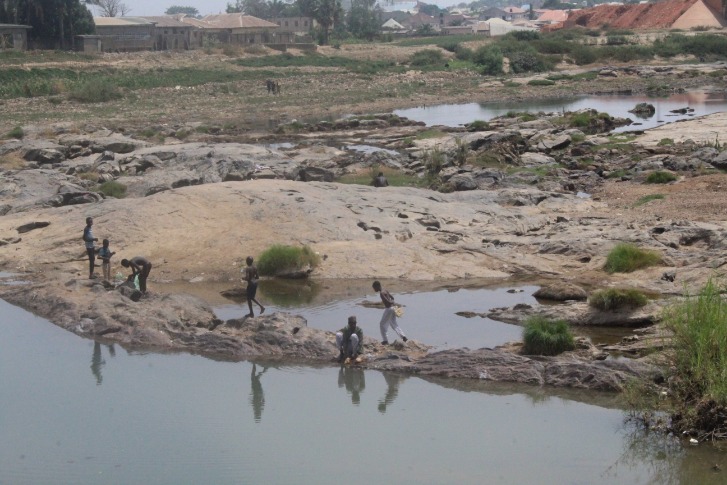
Kaduna City is a major commercial and political center located in northern Nigeria. It is situated in the Kaduna State and serves as a key gateway to the northern region of the country. The city lies on the fertile plains of the Nigerian Plateau, surrounded by lush hills and diverse landscapes. Its strategic position along important transportation routes has contributed to its growth and development over the years.
Geographical Features
Kaduna City is located in the northern region of Nigeria, serving as the capital of Kaduna State. It lies on the fertile plains of the Nigerian Middle Belt, at an approximate latitude of 10.5°N and longitude of 7.4°E. The city is strategically positioned along major transportation routes, including the railway line connecting Nigeria’s northern and southern parts, making it a vital commercial and industrial hub. The landscape surrounding Kaduna is characterized by a mix of rolling hills, savannah, and patches of woodland, contributing to its diverse geographical features. The city is situated near the Kaduna River, a significant waterway that flows through the region, supporting agriculture and providing water resources for the residents. Elevation in Kaduna generally ranges from 600 to 800 meters above sea level, influencing its relatively moderate climate compared to other parts of Northern Nigeria.
Coordinates and Area
Kaduna City is located in the northern part of Nigeria, serving as the capital of Kaduna State. It is situated geographically within the coordinates of approximately 10.31 degrees North latitude and 7.72 degrees East longitude. The city covers an area of roughly 431 square kilometers, making it one of the prominent urban centers in the region. Its strategic location and size contribute significantly to its economic and cultural importance in Nigeria.
Climate and Weather Patterns
Kaduna City is located in the north-central region of Nigeria, serving as the capital of Kaduna State. It is situated on the Kaduna River, which is a tributary of the Niger River, providing it with strategic geographical importance. The city is positioned at an elevation of approximately 600 meters above sea level, giving it a relatively moderate altitude compared to surrounding areas.
The climate of Kaduna City is classified as tropical savannah, characterized by distinct wet and dry seasons. The rainy season typically lasts from April to October, with heavy rainfall occurring during this period, especially in July and August. The dry season extends from November to March, marked by hot temperatures and generally low humidity. The area experiences a dry harmattan wind from the Sahara Desert in the early months of the year, contributing to dustiness and cooler temperatures during that period. Overall, Kaduna’s weather patterns are characterized by high temperatures during the day, often exceeding 30°C, and cooler evenings, creating a warm and semi-arid climate conducive to its agricultural activities and urban lifestyle.
Historical Background of Kaduna City
Kaduna City, located in northern Nigeria, has a rich historical background that dates back several centuries. Originally a Hausa trading post, it grew rapidly during the colonial era due to its strategic position along important trade routes. The city became a vital center for commerce, education, and industry, shaping its diverse cultural landscape. Over the years, Kaduna has transformed into a prominent urban hub, reflecting Nigeria’s historical development and regional significance.
Founding and Early History
Kaduna City, located in northern Nigeria, has a rich historical background that dates back several centuries. Originally inhabited by various indigenous groups, including the Atyap, Ham, and Hausa communities, the area was known for its strategic importance and vibrant trade activities. The founding of Kaduna as a settlement is often traced to the late 19th century, during the period of British colonial expansion in West Africa. The city’s name is believed to have originated from the Hausa word “Kada,” meaning “crocodile,” reflecting the presence of water bodies in the region.
In its early history, Kaduna grew from a small trading post into a regional hub due to its advantageous location along important trade routes. The advent of British administration in the early 20th century accelerated its development, transforming it into a major railway junction connecting Northern Nigeria to Southern ports. This strategic position facilitated economic growth and population influx, laying the foundation for Kaduna’s modern identity as an industrial and educational center in Nigeria. The city’s early history is marked by a blend of indigenous cultures and colonial influences, shaping its diverse and dynamic character today.
Colonial Era and Development
Kaduna City, located in northern Nigeria, has a rich historical background shaped by its strategic position and diverse cultural influences. Its development has been greatly impacted by its colonial past, which laid the foundation for its modern growth and infrastructure.
During the colonial era, Kaduna became an important administrative and transportation hub under British rule. The city was officially established in the early 20th century mainly because of its central location and the expansion of the railway network. The British colonial administration recognized Kaduna’s significance and developed it into a key center for trade, military, and administrative activities. Infrastructure such as railway lines, roads, and colonial government buildings were constructed, transforming the city into a vibrant urban center.
The development of Kaduna during the colonial period set the stage for post-independence growth. The city’s strategic importance led to the establishment of educational institutions, industries, and markets, which contributed to its rapid urbanization. Today, Kaduna remains a vital economic and cultural hub in Nigeria, with its colonial legacy still evident in its architecture and layout.
- Establishment as a colonial administrative center
- Expansion of railway and transportation infrastructure
- Development of markets and industries
- Creation of educational institutions
- Growth into a major urban and economic hub
Post-Independence Growth
Kaduna City, Nigeria, has a rich historical background that dates back to pre-colonial times when it was a trading hub for various ethnic groups in the region. The city’s strategic location along major trade routes contributed to its growth and significance. During British colonial rule, Kaduna was developed into a key administrative and commercial center, benefiting from infrastructure developments such as railways and roads. This laid the foundation for its post-independence expansion and modernization.
After Nigeria gained independence in 1960, Kaduna experienced rapid growth driven by political stability and economic opportunities. The city became an industrial and educational hub, hosting numerous factories, institutions, and government offices. Its diverse population, comprising various ethnic and religious groups, contributed to its dynamic cultural landscape. Throughout the post-independence period, Kaduna continued to expand through urbanization, infrastructural development, and increased investments, establishing itself as a vital center for commerce and industry in northern Nigeria.
Demographics and Population
Kaduna City in Nigeria is a vibrant urban center with a diverse and growing population. Its demographics reflect a rich mix of ethnicities, cultures, and religions, making it an interesting example of Nigeria’s complex social fabric. Understanding the population dynamics of Kaduna is essential for grasping its development, challenges, and opportunities as a key regional hub.
Population Size and Distribution
Kaduna City, located in northern Nigeria, is a vibrant urban center with a diverse demographic composition. The city has experienced significant population growth over the years, driven by rural-urban migration and natural population increase. Its population size is estimated to be over 1.6 million residents, making it one of the major cities in Nigeria. The population is distributed unevenly across various districts, with the central areas being more densely populated due to commercial and administrative activities. Kaduna’s strategic location as a transportation hub contributes to its dynamic demographic landscape, characterized by a mix of ethnic groups, religions, and cultures.
Ethnic Composition
Kaduna City, Nigeria, is a vibrant metropolis characterized by a diverse demographic and ethnic composition. The population includes a mix of ethnic groups such as the Hausa, Yoruba, Igbo, and other smaller communities, contributing to the rich cultural tapestry of the city. The demographic profile features a youthful population with a significant percentage of residents under the age of 30, reflecting Nigeria’s overall youthful demographic trend. Urbanization has led to a steady increase in population size, making Kaduna one of the key commercial and administrative centers in the northern region of Nigeria.
Religious Diversity
Kaduna City in Nigeria is a vibrant metropolis characterized by its diverse demographics and rich population. The city is home to people from various ethnic backgrounds, including Hausa, Yoruba, Igbo, and other smaller groups, reflecting Nigeria’s overall multicultural fabric. With a blend of urban and rural residents, Kaduna’s population continues to grow steadily, contributing to its dynamic social landscape.
Religious diversity is a significant aspect of Kaduna City’s identity. The city hosts a mix of Muslims, Christians, and followers of indigenous beliefs, often living side by side peacefully. This religious plurality influences the cultural events, festivals, and daily life of the inhabitants, making Kaduna a unique example of coexistence and religious harmony in Nigeria.
Economy of Kaduna City
Kaduna City, Nigeria, is a vibrant economic hub known for its diverse industries and strategic location. The city plays a crucial role in the nation’s commerce, with key sectors including manufacturing, trade, and agriculture. Its thriving markets and entrepreneurial spirit contribute significantly to the local and regional economy, making Kaduna a vital center of economic activity in northern Nigeria.
Major Industries and Sectors
Kaduna City, Nigeria, is a vibrant economic hub in the northern region of the country. Its economy is driven by a diverse range of industries and sectors that contribute significantly to its development.
The major industries in Kaduna include agriculture, manufacturing, trade, transportation, and education. Agriculture is prominent, with the cultivation of crops such as millet, maize, and groundnuts, supporting both local consumption and trade. The city also hosts numerous manufacturing companies involved in processing agricultural products, textiles, and building materials.
Trade and commerce are vital sectors, with bustling markets like the Kaduna Central Market serving as important trading centers for goods from across Nigeria and neighboring countries. The transportation sector is well-developed, featuring a network of roads and railways that facilitate the movement of goods and people.
Additionally, Kaduna is home to several educational and research institutions, which further bolster the local economy through employment and innovations. Overall, Kaduna’s economy reflects a blend of traditional and modern industries that continue to foster growth and development in the region.
Trade and Commerce
Kaduna City, Nigeria, is a vibrant economic hub in the northern region of the country, characterized by diverse trade and commerce activities. The city serves as a vital center for agricultural produce, trading of textiles, crafts, and consumer goods, contributing significantly to its local economy. Its strategic location along major transportation routes facilitates the movement of goods and people, fostering both local and regional trade. Kaduna’s markets are bustling with traders and entrepreneurs, reflecting a dynamic business environment that supports small and medium-sized enterprises. The presence of various industries, including manufacturing and processing plants, further boosts economic growth and employment opportunities in the city. Overall, Kaduna City’s economy is driven by its active trade networks, entrepreneurial spirit, and strategic position within Nigeria’s economic landscape.
Urban Development and Infrastructure
Kaduna City, Nigeria, is a significant economic hub in the northern region, renowned for its diverse industries and vibrant commercial activities. The city’s economy is largely driven by sectors such as manufacturing, agriculture, trade, and services, making it a vital center for commerce in the country.
- Industrialization: Kaduna hosts several industries including textile, fertilizer production, and food processing plants, contributing substantially to employment and economic growth.
- Trade and Commerce: The city is a commercial nexus with busy markets like the Kaduna Central Market, facilitating local and regional trade.
- Transportation: Well-developed transportation networks, including railways and roads, enhance economic activities and connectivity within Nigeria and neighboring countries.
Urban development in Kaduna City has seen continuous efforts to modernize its infrastructure. The city features a mix of historical buildings along with modern commercial centers, residential estates, and government institutions. Rapid urbanization has led to the expansion of housing, roads, and public facilities, though challenges such as overcrowding and inadequate urban planning persist.
- Transport Infrastructure: Efforts to upgrade roads, expand public transport systems, and develop Kaduna International Airport have improved mobility and connectivity.
- Utilities: Infrastructure for electricity, water supply, and waste management continues to improve, though some areas still face shortages and service disruptions.
- Urban Planning: Authorities are working on urban renewal initiatives to better accommodate the growing population, focusing on sustainable development and improved living conditions.
Transportation and Accessibility
Transportation and accessibility are vital aspects of urban development that influence the quality of life and economic growth of Kaduna City, Nigeria. Efficient transportation systems facilitate movement within the city, connecting residents to essential services, workplaces, and recreational areas. As Kaduna continues to grow rapidly, improving accessibility becomes increasingly important to ensure sustainable development and enhance the overall livability of the city.
Road Networks and Public Transit
Kaduna City in Nigeria is well-connected through a comprehensive transportation and accessibility network that facilitates movement within the city and to surrounding regions. The road network in Kaduna is extensive, comprising major highways, federal and state roads that link different parts of the city as well as neighboring states, promoting efficient transportation for residents and visitors alike. Public transit services, including shared taxis, buses, and moto-taxis, are widely available, offering affordable and accessible options for daily commuting. Additionally, efforts are ongoing to enhance infrastructure, such as the development of transport corridors and pedestrian pathways, to improve safety and ease of access across the city. These transportation systems play a vital role in supporting Kaduna’s economic activities and urban development.
Railway Systems
Kaduna City in Nigeria boasts a well-developed railway system that plays a vital role in improving transportation and accessibility within the region. The Kaduna Railways, part of Nigeria’s broader railway network, connects the city to other major Nigerian cities such as Abuja, Kano, and Lagos, facilitating efficient movement of passengers and goods. The railway stations in Kaduna are equipped with modern facilities, ensuring comfort and convenience for travelers. The railway system not only enhances regional connectivity but also promotes economic growth by enabling smoother trade and movement of commodities. Additionally, ongoing developments aim to modernize the railway infrastructure, thereby increasing capacity, safety, and accessibility for all users, including persons with disabilities. Overall, the railway system in Kaduna significantly contributes to the city’s transportation network, supporting the socioeconomic development of the region.
Airports and Connectivity
Kaduna City in Nigeria is a vital hub of transportation and accessibility, offering various options for travelers and residents alike. Its strategic location enhances connectivity within Nigeria and beyond, making it an important center for commerce and movement.
- Kaduna Airport: The Nnamdi Azikiwe Airport in Kaduna is the primary airport serving the city. It handles domestic flights and has facilities to support seamless travel for passengers.
- Road Networks: The city is well-connected through a network of paved roads linking it to other major Nigerian cities such as Abuja, Kano, and Lagos. This road infrastructure facilitates the movement of goods and people efficiently.
- Rail Connectivity: Kaduna is an important railway hub, endowed with a railway station that connects it to the Nigerian Railways network. This provides an affordable and reliable means of transport for both freight and passengers.
- Public Transportation: Within the city, public buses and motorcycle taxis (Keke NAPEP) are commonly used for urban transportation, ensuring accessibility for residents and visitors.
- Future Developments: Plans are underway to upgrade Kaduna Airport and improve transportation infrastructure, which will further enhance connectivity and accessibility in the region.
Education and Cultural Institutions
Kaduna City in Nigeria is a vibrant hub of education and cultural institutions that play a vital role in shaping the city’s identity and fostering community development. The city is home to several universities, colleges, and libraries that attract students from across the region. Additionally, Kaduna hosts a rich array of cultural centers, museums, and historical sites that celebrate its diverse heritage and promote cultural exchange among residents and visitors alike.
Universities and Colleges
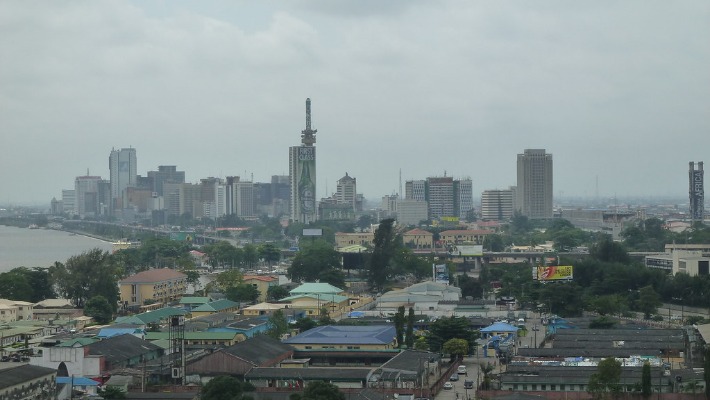
Kaduna City in Nigeria is renowned for its rich educational and cultural institutions that significantly contribute to the region’s development. The city hosts several prominent universities and colleges, making it a hub for academic excellence and learning. Ahmadu Bello University, one of Nigeria’s oldest and most prestigious institutions, attracts students from all over the country and beyond. In addition to higher education, Kaduna is home to numerous cultural institutions and museums that preserve and showcase the diverse history and traditions of the area. These institutions play a vital role in fostering cultural awareness and intellectual growth among residents and visitors alike.
Museums and Cultural Centers
Kaduna City in Nigeria is renowned for its vibrant education and cultural institutions that play a vital role in preserving its rich heritage and fostering learning. The city is home to several prominent museums and cultural centers that showcase its diverse history, traditions, and art forms. Among these, the Kaduna Museum stands out as a key institution, offering insights into the region’s archaeological and historical significance. Additionally, the National Museum of Kaduna provides a platform for exhibiting artifacts, traditional crafts, and storytelling that reflect the cultural diversity of the area.
Educational institutions in Kaduna are also notable, with several universities, colleges, and schools contributing to the intellectual development of the region. Ahmadu Bello University, one of Nigeria’s leading institutions, attracts students from across the country and beyond, fostering academic excellence and research. The city’s commitment to education is complemented by numerous cultural centers, such as the Kaduna Cultural Centre, which hosts performances, workshops, and events aimed at promoting local arts and traditions.
These institutions collectively enhance Kaduna’s status as a hub for cultural preservation and educational growth, making it a vital center for Nigeria’s heritage and learning landscape.
Libraries and Arts Venues
Kaduna city in Nigeria boasts a vibrant array of educational and cultural institutions that play a significant role in its development. The city is home to several prominent universities, including Ahmadu Bello University, which is one of the largest and oldest in West Africa. These institutions attract students from all over Nigeria and beyond, fostering a diverse learning environment. Kaduna also features numerous libraries that serve as important centers for knowledge and literacy, such as the Kaduna State Library, providing access to a wealth of information and resources for residents and visitors alike.
In addition to its educational facilities, Kaduna has a rich cultural scene supported by various arts venues and museums. The Kaduna Museum showcases the history and heritage of the region, while theaters and art galleries promote local artists and performances. The city’s commitment to preserving and celebrating its cultural identity is evident through these institutions, making Kaduna a hub for educational excellence and cultural expression in northern Nigeria.
Tourist Attractions and Landmarks
Kaduna City in Nigeria is a vibrant destination rich in history and culture, offering a variety of tourist attractions and landmarks. Visitors can explore historic sites, bustling markets, and beautiful natural scenery that showcase the city’s diverse heritage. Whether you’re interested in exploring ancient architecture or experiencing local traditions, Kaduna provides a captivating experience for every traveler.
Historical Sites and Monuments
Kaduna city in Nigeria is rich in tourist attractions, historical sites, and monuments that reflect its vibrant culture and storied past. Visitors can explore the Kaduna National Museum, which houses a diverse collection of artifacts, antiquities, and traditional artwork showcasing the region’s heritage. The _Iket area_ features ancient Hausa architecture and bustling markets that offer a glimpse into local life. The Milliken Hill provides panoramic views of the city, making it a popular spot for sightseeing and photography. Additionally, the Emir’s Palace stands as a significant historical landmark, representing the traditional authority and history of the Hausa-Fulani people in Kaduna. Nearby, the Kaduna Central Mosque is an iconic religious monument, drawing both worshippers and tourists interested in Islamic architecture. The site of the old Sarduana Palace also holds historical importance, bearing witness to Kaduna’s colonial history and traditional governance. These attractions make Kaduna a compelling destination for travelers interested in exploring Nigeria’s rich history and cultural diversity.
Natural Attractions
Kaduna City in Nigeria is renowned for its rich blend of tourist attractions, landmarks, and natural beauty. Visitors can explore historic sites such as the Kaduna Museum and the stone pillars at the Zuma Rock, which symbolize the cultural heritage of the region.
The city also boasts vibrant markets like the Kaduna Central Market, offering a glimpse into local life and traditions. For natural attractions, the Kaduna River provides scenic views and recreational activities, while the hills surrounding the city offer opportunities for hiking and sightseeing. Overall, Kaduna combines cultural landmarks with natural landscapes, making it a fascinating destination for travelers.
Religious and Cultural Festivals
Kaduna City in Nigeria is rich in tourist attractions and landmarks that showcase its vibrant history and culture. Visitors can explore the Kaduna Museum, which houses artifacts and exhibits related to the region’s heritage. The Shrines and mosques, such as the Kaduna Central Mosque, reflect the deep religious roots of the city. Additionally, the Jabi Lake offers a serene environment for relaxation and water activities. Kaduna also boasts numerous parks and historical sites that attract both locals and tourists alike.
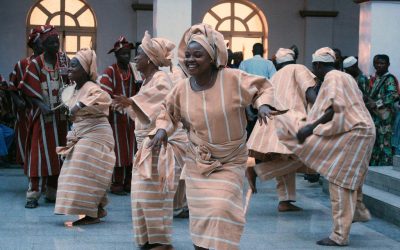
Religious and cultural festivals play a vital role in the social life of Kaduna. The Durbar festival, celebrated during Islamic holidays, features colorful parades, traditional music, and horse riding displays that highlight local customs. The Sallah Festival is another significant event where communities come together to celebrate with prayers, feasting, and communal activities. Cultural festivals like the Kaduna Cultural Festival showcase traditional dances, crafts, and performances, preserving the rich cultural heritage of the area and drawing visitors from across Nigeria and beyond.
Government and Administrative Structure
Kaduna City in Nigeria boasts a well-organized government and administrative structure that plays a vital role in the development and governance of the region. The local government operates through various administrative levels, ensuring effective delivery of public services and maintenance of law and order. This framework is designed to promote stability, transparency, and community participation, reflecting Kaduna’s importance as a key urban center in Nigeria.
Local Government and Leadership
Karuna City in Nigeria operates under a structured government and administrative framework that ensures effective public service delivery and governance. The city is governed by a local government council headed by a chairman who is elected by residents, providing representation and leadership at the grassroots level. The Kaduna State Government oversees the city’s broader administrative functions, policy implementation, and resource allocation, working in tandem with local authorities to promote development and stability.
The local government in Kaduna City is responsible for several key services such as education, health, sanitation, and local economic development. It is structured into various departments and administrative units that facilitate efficient management of these services. Leadership within the local government emphasizes transparency, accountability, and community participation to foster inclusive growth and address residents’ needs effectively.
Furthermore, Kaduna City benefits from active civic engagement and traditional leadership structures that complement formal government institutions. Traditional rulers and community leaders play vital roles in mediating between the government and local communities, promoting social cohesion and cultural preservation. Overall, the combined efforts of government officials and local leaders shape the administrative landscape of Kaduna City, supporting its development and the well-being of its citizens.
Security and Law Enforcement
Kaduna City in Nigeria operates under a structured government and administrative framework that ensures governance at various levels. The city is governed by local government authorities, which oversee urban planning, public services, and community development. Security and law enforcement play a crucial role in maintaining peace and order within Kaduna, especially given its diverse population and historical significance.
- The local government council is responsible for administrative functions and local legislation.
- The Kaduna State Government oversees regional policies and development initiatives affecting the city.
- Law enforcement is primarily managed by the Nigeria Police Force, with specialized units addressing crime and security threats.
- Security measures include community policing, patrols, and intelligence operations aimed at preventing criminal activities.
- Efforts are made to ensure the safety of residents and maintain stability amidst social and political challenges.
Development Projects and Policies
Kaduna City, Nigeria, has a structured government and administrative framework designed to facilitate governance and development within the region. The city is governed by a Local Government Council, headed by an elected Chairman, supported by various councils and administrative bodies that oversee local affairs. The state government of Kaduna State plays a significant role in policy formulation and resource allocation, working in tandem with local authorities to enhance urban management and service delivery.
Development projects in Kaduna City are diverse, focusing on infrastructure, education, health, and transportation. The city has witnessed initiatives such as road construction, urban renewal programs, and the expansion of healthcare facilities to improve the living standards of its residents. Several policies aim to promote sustainable development, attract investment, and boost economic growth, including vocational training programs and technological innovations.
In line with national objectives, Kaduna City continuously adopts policies geared towards urban development, poverty alleviation, and environmental sustainability. The government emphasizes public participation and partnership with private stakeholders to achieve these goals. Overall, Kaduna’s government and development strategies are aimed at transforming the city into a thriving, well-organized urban center that supports the socio-economic aspirations of its people.
Challenges Facing Kaduna City
Kaduna City in Nigeria faces a range of challenges that impact its growth and development. Rapid urbanization has led to overpopulation, straining infrastructure and resources. Additionally, issues such as inadequate housing, traffic congestion, and environmental pollution continue to pose significant problems for residents. Social and economic disparities further complicate efforts to create a harmonious and sustainable urban environment in Kaduna.
Security Concerns and Conflicts
Kaduna City in Nigeria faces several significant challenges related to security concerns and conflicts that impact its social and economic stability. The city has experienced ongoing clashes among different ethnic and religious groups, which often result in loss of life and property damage. These conflicts are fueled by political tensions, resource competition, and historical grievances that continue to undermine peace efforts.
Security concerns in Kaduna are exacerbated by the presence of various militant groups and criminal elements engaging in activities such as kidnapping, insurgency, and vandalism. These threats create an atmosphere of fear among residents and hinder the growth of businesses and educational institutions. The government has implemented various security measures, but persistent threats require more comprehensive strategies to ensure lasting peace and safety.
Additionally, the rapid population growth and urbanization in Kaduna have placed immense pressure on infrastructure, services, and resources, further complicating efforts to maintain stability. Addressing these challenges requires a coordinated approach involving community engagement, effective law enforcement, and sustainable development initiatives to foster unity and resilience within the city.
Urbanization and Population Growth
Kaduna City, Nigeria, faces significant challenges driven by rapid urbanization and population growth. The swift influx of residents, attracted by economic opportunities and educational institutions, has led to increased pressure on infrastructure, housing, and public services. Many informal settlements have emerged due to inadequate planning, resulting in overcrowded living conditions and inadequate sanitation facilities. Traffic congestion has become a common issue, hampering mobility and affecting daily economic activities. Additionally, the demand for water, electricity, and waste management services has surged, straining the city’s resources. The growth also poses environmental challenges, including pollution and deforestation. Addressing these issues requires comprehensive urban planning, investment in infrastructure, and sustainable development strategies to ensure Kaduna’s growth benefits all residents and preserves its environmental health.
Environmental and Infrastructure Issues
Kaduna City in Nigeria faces several environmental and infrastructure challenges that impact its growth and sustainability. Rapid urbanization has led to increased pressure on existing infrastructure, resulting in congestion, inadequate transportation systems, and poor road conditions. Additionally, environmental issues such as air and water pollution, deforestation, and waste management problems have become prominent concerns for residents and city planners. These challenges threaten the health and well-being of the population and hinder economic development in the region. Addressing these issues requires comprehensive planning, investment in sustainable infrastructure, and effective environmental management strategies to ensure Kaduna city’s future resilience and livability.
Future Prospects and Development Plans
Kaduna City, Nigeria, is poised for significant growth and development in the coming years. With its strategic location, expanding infrastructure, and increasing investment opportunities, the city is set to become a major hub for commerce, education, and technology in the region. Future prospects for Kaduna include advancements in transportation, urban development projects, and initiatives aimed at improving the quality of life for its residents, ensuring sustainable growth and prosperity.
Urban Planning and Expansion
Kaduna City in Nigeria is poised for significant growth with ambitious future prospects and development plans aimed at transforming it into a modern urban center. The city’s strategic location and existing infrastructure provide a strong foundation for sustainable expansion, attracting investment across various sectors including transportation, housing, and commerce. Upcoming projects focus on enhancing urban planning processes to ensure organized development, improved public spaces, and efficient land use, promoting a balanced and vibrant city environment.
Development plans include the construction of new roads, urban renewal initiatives, and the expansion of public transportation networks to ease mobility and connect different parts of the city effectively. Efforts are also underway to increase affordable housing and modernize existing infrastructures, aiming to accommodate the city’s growing population comfortably. With a focus on sustainability and inclusivity, Kaduna’s future development endeavors are geared towards creating a more livable, economically vibrant, and environmentally friendly city that can meet the needs of its residents now and in the years to come.
Economic Growth Initiatives
Kaduna City, Nigeria, is poised for significant future prospects and development due to its strategic location and burgeoning industries. The city aims to leverage its diverse economic base to foster sustainable growth, focusing on expanding its manufacturing, agricultural, and transport sectors. Development plans include improving infrastructure, enhancing educational facilities, and promoting technological innovation to create a conducive environment for business and investment. Economic growth initiatives are also centered on attracting both domestic and international investors, with efforts to streamline regulation and facilitate ease of doing business in Kaduna City. These initiatives are expected to bolster employment opportunities, elevate living standards, and position Kaduna as a key economic hub in Nigeria’s northern region. Overall, the city’s future development trajectory looks promising, driven by strategic planning and dedicated initiatives aimed at long-term prosperity.
Investment Opportunities and Challenges
Kaduna City in Nigeria has significant future prospects driven by its strategic location, robust industrial base, and growing population. Development plans focus on improving infrastructure, expanding education and healthcare facilities, and attracting foreign investment to boost economic growth. The city aims to become a regional hub for commerce and manufacturing, leveraging its historical significance and emerging technological sector.
Investment opportunities in Kaduna include sectors such as agriculture, textiles, and agro-processing, as well as real estate development and transportation infrastructure. The government’s initiatives to create industrial zones and special economic zones enhance the attractiveness for investors seeking to capitalize on Nigeria’s expanding consumer market.
However, challenges exist, including security concerns, inconsistent regulatory reforms, and infrastructure deficits that could hinder growth. Addressing these issues through effective governance, policy reforms, and public-private partnerships is essential to realizing Kaduna’s full potential as a key economic center in Nigeria.

0 Comments