
Early Life and Background
Jomo Kenyatta was born in 1897 in Gatundu, Kenya, into a Kikuyu farming family. Growing up in rural Kenya, he experienced the traditional lifestyle and customs of his community, which shaped his early perspectives. His early education and exposure to colonial influences played a significant role in his development, fostering a desire to advocate for independence and the rights of his people.
Birth and Family Heritage
Jomo Kenyatta was born into a Kikuyu family in Kenya, and his early life was shaped by the rich traditions and culture of his community. His background played a significant role in his development as a leader who valued unity and independence for his people.
- Born in 1897 in Gatundu, Kenyatta’s family was part of the Kikuyu ethnic group, one of the largest communities in Kenya.
- He belonged to a well-respected family, which allowed him access to education and community leadership roles from a young age.
- Kenyatta’s heritage was deeply rooted in Kikuyu customs, language, and land, which later influenced his political aspirations and efforts for independence.
- His early encounters with colonial authorities and exposure to European education systems laid the foundation for his future activism and leadership.
Education and Early Influences
Jomo Kenyatta was born in Gatundu, Kenya, around 1897, into a Kikuyu family. His early life was marked by rural living and traditional Kikuyu customs, which influenced his later perspectives on Kenyan society and independence. As a young boy, he was exposed to the customs and oral traditions of his community, nurturing a strong sense of cultural identity.
He received his early education at mission schools, where he learned reading, writing, and basic arithmetic, fostering his interest in learning and leadership. Kenyatta later attended the Kiambu School and the St. Mary’s Yala School, which laid the foundation for his academic pursuits and political consciousness. His exposure to Western education opened his eyes to ideas of freedom, equality, and self-determination.
During his formative years, Kenyatta was greatly influenced by his interactions with Christian missionaries and colonial administrators. These early experiences, combined with his education abroad in Britain, shaped his understanding of global political movements and inspired his commitment to Kenyan independence. His background and formative influences played a crucial role in his development as a prominent leader advocating for his country’s sovereignty.
Migration to East Africa and Early Activism
Jomo Kenyatta was born in 1897 in Gatundu, Kenya, into a Kikuyu family. His early life was shaped by the traditions and struggles of his community, and he received a basic education at local schools. As a young man, Kenyatta moved to Nairobi to pursue further studies, which exposed him to ideas of nationalism and independence. His experiences during this period laid the foundation for his future role as a leader in Kenya’s struggle for freedom.
In the early 1920s, Kenyatta migrated to East Africa, initially settling in Nairobi, where he engaged with the growing movement for African rights. His involvement deepened as he began to participate in cultural and political organizations aimed at advocating for the rights of his people. Kenyatta’s exposure to colonial policies and the injustices faced by Africans galvanized his commitment to activism and eventually propelled him into a prominent leadership position within the Kenya African Union and other nationalist movements.
During this period, Kenyatta’s activism focused on uniting Africans in their quest for independence, promoting cultural pride, and resisting colonial oppression. His efforts gained momentum as he became a key figure in organizing protests, advocating for land rights, and articulating the aspirations of Kenyans for self-governance. These early activities set the stage for his pivotal role in Kenya’s struggle for independence in the subsequent decades.
Political Career and Leadership
Jomo Kenyatta was a prominent political leader and the founding father of Kenya. His leadership in the fight for independence and subsequent role as Kenya’s first President solidified his place in the nation’s history. Kenyatta’s political career was marked by his dedication to unity, development, and national sovereignty, shaping the future of Kenya for generations to come.
Founding of the Kenya African National Union (KANU)
Jomo Kenyatta was a prominent Kenyan politician and leader who played a crucial role in the country’s struggle for independence. His leadership was instrumental in uniting diverse ethnic groups and fostering a sense of national identity among Kenyans. Kenyatta’s political career was marked by his dedication to liberation and his commitment to self-governance for Kenya.
He was the founding president of the Kenya African National Union (KANU), a political party that became the primary vehicle for independence activism in Kenya. Through KANU, Kenyatta led efforts to mobilize support against colonial rule and worked tirelessly to achieve sovereignty for Kenya. His leadership within KANU helped establish a strong political foundation that guided Kenya’s path to independence and shaped its post-independence governance.
Role in Kenya’s Fight for Independence
Jomo Kenyatta played a pivotal role in Kenya’s political career and leadership, especially in the country’s fight for independence from British colonial rule. His leadership qualities and strategic vision made him a central figure in Kenya’s journey towards self-governance.
- Jomo Kenyatta was a prominent nationalist leader who championed the cause of independence and unity among Kenyans.
- He was a founding member of the Kenya African National Union (KANU), which was instrumental in mobilizing resistance against colonial administration.
- Kenyatta advocated for land rights, social justice, and economic development, earning him widespread support among the Kenyan population.
- In 1952, he was detained by the British colonial government, accused of leading the Mau Mau uprising, which many saw as an attempt to curb his influence.
- Following his release, Kenyatta continued his political activism and became the first Prime Minister of independent Kenya in 1963, and later the first President in 1964.
- His leadership laid the groundwork for Kenya’s stability and national unity, guiding the country through critical post-independence challenges.
- Jomo Kenyatta remains a symbol of Kenyan nationalism and a key figure in the country’s struggle for independence and political development.
First Prime Minister of Kenya
Jomo Kenyatta was a prominent political leader and the first Prime Minister of Kenya, playing a crucial role in the country’s path to independence. His leadership was instrumental in uniting diverse ethnic groups and fostering a sense of national identity among Kenyans.
As Prime Minister from 1963 until 1964, Jomo Kenyatta guided Kenya through a critical period of transition from colonial rule to self-governance. His political career was marked by his dedication to the independence movement and his ability to navigate complex political landscapes.
Kenyatta’s leadership style was characterized by his commitment to unity, economic development, and the strengthening of national institutions. His influence laid the foundation for Kenya’s future political stability and growth, making him a central figure in the country’s history.
Consolidation of Power and Political Strategies
Jomo Kenyatta’s political career and leadership significantly shaped the foundation of modern Kenya. As the first President of Kenya, Kenyatta played a pivotal role in the country’s struggle for independence and its subsequent development as a sovereign nation.
- Kenyatta’s leadership began with his involvement in the Kenya African Union (KAU), which later evolved into the Kenya African National Union (KANU), serving as a platform for anti-colonial activism.
- He strategically an alliance with other African nationalist movements, which helped galvanize support for independence from British colonial rule.
- Following independence in 1963, Kenyatta consolidated power through political mechanisms, including the appointment of loyal supporters to key government positions.
- He employed a mixture of political strategies such as promoting a unifying national identity, controlling political opposition, and maintaining a strong central authority.
- Kenyatta used patronage and state resources to secure loyalty from various ethnic groups, which was crucial in maintaining stability and minimizing ethnic tensions.
- His leadership style combined pragmatic diplomacy with a focus on economic development, often emphasizing land reform and rural development to garner popular support.
Through these strategies, Jomo Kenyatta succeeded in establishing a strong, centralized government that laid the groundwork for Kenya’s independence and early nationhood. His ability to navigate complex political landscapes and maintain power was instrumental in shaping Kenya’s political trajectory for decades to come.
Kenya’s Independence and Nation Building
Kenya’s path to independence was a significant chapter in its history, marked by the struggle for sovereignty and self-determination. Under the leadership of Jomo Kenyatta, the nation embarked on a journey of nation building, aiming to unify diverse communities and establish a strong, independent state. His vision and leadership played a crucial role in shaping modern Kenya and fostering a sense of national identity and pride.
Negotiations for Independence
Jomo Kenyatta played a pivotal role in Kenya’s fight for independence and its subsequent nation-building efforts. As a leading nationalist figure, he championed the cause of self-governance and worked tirelessly to unite diverse ethnic groups within Kenya. The negotiations for independence involved complex interactions with British colonial authorities, culminating in the Lancaster House Conferences of the early 1960s. During these talks, Kenyatta and other leaders negotiated terms that led to Kenya becoming an independent nation in 1963. Following independence, Kenyatta focused on consolidating unity, promoting economic development, and establishing a stable government, thereby laying the foundation for modern Kenya’s progress. His leadership remains central to Kenya’s journey from colonization to sovereignty and nationhood.
Transition to Post-Colonial Leadership
Jomo Kenyatta played a pivotal role in Kenya’s struggle for independence and the subsequent nation-building process. As a prominent leader and the first Prime Minister and President of Kenya, Kenyatta dedicated himself to uniting various ethnic groups and fostering a sense of national identity beyond colonial divisions. His leadership marked a significant transition from colonial rule to self-governance, emphasizing the importance of unity, economic development, and political stability.
During the transition to post-colonial leadership, Kenyatta prioritized consolidating independence gained in 1963, implementing policies aimed at modernizing the economy and strengthening national institutions. He faced challenges such as ethnic tensions, land redistribution issues, and the need to create a cohesive national ethos. His approach to leadership was characterized by a focus on Pan-Africanist ideals and efforts to foster unity among diverse communities, which laid the foundation for Kenya’s future development.
Under Kenyatta’s guidance, Kenya transitioned from a colonial outpost to an independent republic with a sense of national pride and sovereignty. His leadership not only shaped the political landscape of Kenya but also set the stage for future generations to build on the foundations of independence, emphasizing patriotism, development, and social cohesion. Kenyatta remains a central figure in Kenya’s history, symbolizing the resilience and aspirations of the Kenyan people for self-determination and progress.
Implementation of Development Policies
Jomo Kenyatta played a pivotal role in Kenya’s struggle for independence and the subsequent nation-building process. As a leading figure in the fight against colonial rule, he mobilized the Kenyan people towards self-determination and sovereignty, culminating in Kenya gaining independence from British colonial rule in 1963. Following independence, Kenyatta focused on unifying diverse ethnic groups and fostering national identity to lay a strong foundation for the country’s development. His leadership emphasized the importance of sovereignty, unity, and economic progress, setting the stage for the nation’s growth through strategic implementation of development policies. Under his guidance, Kenya adopted various policies aimed at advancing agriculture, education, and infrastructure, which were crucial for the country’s overall development. These policies aimed to bridge disparities, promote self-sufficiency, and create a cohesive nation-state, reflecting Kenyatta’s vision of a united and prosperous Kenya. His legacy in nation building and policy implementation remains influential in shaping modern Kenya’s development trajectory.
Economic and Social Policies
Jomo Kenyatta, a prominent figure in Kenya’s history, played a crucial role in shaping the nation’s economic and social policies. His leadership focused on fostering independence, promoting national development, and addressing social disparities. Understanding his approach provides insight into the foundations of Kenya’s modern economic and social landscape.
Agricultural and Land Reforms
Jomo Kenyatta, as a prominent leader in Kenya’s struggle for independence and subsequent nation-building, implemented a variety of economic and social policies aimed at transforming the country. His administration prioritized land reforms to address historical inequalities and promote equitable distribution of land among Kenya’s citizens. These reforms sought to dismantle colonial land ownership patterns and empower small-scale farmers, fostering rural development and agricultural productivity. Kenyatta’s government also focused on agricultural policies that emphasized modernization, diversification, and increased productivity of key crops such as coffee and tea, which became vital for Kenya’s economy. Social policies under his leadership aimed to unify a diverse population, improve healthcare, education, and social services, and promote national identity. Overall, Kenyatta’s approach to economic and land reforms laid the foundation for Kenya’s post-independence economic development, although challenges such as land scarcity and inequality persisted. His policies reflected a strategic effort to balance modernization with social cohesion, shaping the nation’s progress in the decades that followed.
Investment in Education and Healthcare
Jomo Kenyatta’s leadership in Kenya emphasized the importance of robust economic and social policies to foster national development. His administration prioritized investment in education and healthcare as key pillars for creating a skilled workforce and improving public well-being. Significant efforts were made to expand access to primary education, reduce illiteracy, and establish institutions that would support long-term economic growth. Additionally, Kenyatta’s government worked to improve healthcare infrastructure, increase health services, and address challenges such as infectious diseases. These policies aimed to uplift the standard of living for Kenyans and lay the foundation for a more equitable and prosperous society.
Infrastructure Development
Jomo Kenyatta, as a prominent leader of Kenya, prioritized economic and social policies aimed at national development and stability. His administration focused on land reform, promoting agricultural productivity, and encouraging local industries to foster economic growth. Kenyatta’s government also emphasized education and healthcare, striving to improve social services and reduce inequalities.
Infrastructure development was a crucial aspect of Kenyatta’s vision for Kenya. Significant investments were made in transportation networks, including roads, railways, and port facilities, to facilitate trade and mobility. Urban development projects aimed at modernizing cities and expanding access to basic services. These efforts laid the foundation for Kenya’s future economic expansion and integration into regional and global markets.
Foreign Policy and International Relations
Foreign policy and international relations are essential aspects of a nation’s effort to safeguard its interests, build alliances, and contribute to global stability. These diplomatic strategies shape how countries interact with each other, influence economic and security cooperation, and promote national values on the international stage. Understanding Kenya’s foreign policy provides insight into its priorities and role within the global community, especially through the leadership of prominent figures like Jomo Kenyatta.
Pan-Africanist Ideologies and Alliances
Jomo Kenyatta, as a prominent figure in Kenyan history, significantly influenced the country’s foreign policy and international relations through a Pan-Africanist lens. His leadership emphasized the importance of unity among African nations to combat colonialism and neo-colonialism, fostering alliances with neighboring countries and African liberation movements. Kenyatta’s approach to international diplomacy was rooted in promoting African dignity, sovereignty, and economic independence, which aligned with broader Pan-Africanist ideologies. Under his guidance, Kenya supported anti-colonial struggles across the continent, positioning itself as a leader within the Organization of African Unity and advocating for a common African identity.
Relations with Western Countries and the Soviet Union
Jomo Kenyatta’s foreign policy and international relations played a crucial role in shaping Kenya’s position on the global stage. During his leadership, Kenya sought to establish strong ties with Western countries, particularly in areas of economic aid, development assistance, and diplomatic support. Kenyatta aimed to attract foreign investment and foster good relations with Western nations to ensure Kenya’s stability and growth in the post-independence era. At the same time, Kenya maintained a pragmatic and cautious approach toward the Soviet Union, seeking to avoid Cold War tensions while exploring opportunities for non-aligned cooperation. Kenyatta’s foreign policy was characterized by a focus on sovereignty, regional stability, and fostering international partnerships that would benefit Kenya’s national interests.
Role in East African Regional Integration

Jomo Kenyatta, as a prominent Kenyan leader, played a significant role in shaping Kenya’s foreign policy and its engagement in East African regional integration. His leadership emphasized fostering strong diplomatic ties within the East African Community and promoting economic cooperation among neighboring countries. Kenyatta’s approach was rooted in the belief that regional stability and development could be achieved through collective efforts and shared interests. Under his tenure, Kenya worked towards enhancing regional security, trade, and political unity, positioning itself as a key player in the East African diplomatic arena. His efforts contributed to laying the groundwork for ongoing regional integration initiatives and reinforcing the importance of collaboration among East African nations for mutual progress.
Legacy and Impact
Jomo Kenyatta, Kenya’s founding father, left a lasting legacy that shaped the nation’s path toward independence and development. His leadership and vision played a pivotal role in uniting a diverse country and establishing a sense of national identity. The impact of his contributions continues to influence Kenya’s political, social, and economic landscape today, serving as an enduring symbol of resilience and progress.

Contributions to Kenyan National Identity
Jomo Kenyatta, as a founding father of Kenya, played a pivotal role in shaping the nation’s legacy and national identity. His leadership during the struggle for independence fostered a strong sense of unity and pride among Kenyans, emphasizing the importance of cultural heritage and independence. Kenyatta’s efforts in building institutions and promoting education contributed significantly to the development of a cohesive national identity rooted in shared history and aspirations.
His contributions to Kenyan national identity are evident in his advocacy for African unity and self-determination, principles that continue to influence the country’s political and social landscape. Kenyatta’s vision of a united and independent Kenya laid the groundwork for national cohesion, fostering a sense of patriotism and pride among its citizens. His legacy endures in the continued pursuit of development and the celebration of Kenya’s diverse cultural heritage, reinforcing his lasting impact on the country’s national identity.
Controversies and Criticisms
Jomo Kenyatta, as a founding father of Kenya, left a profound legacy that shaped the nation’s independence and development. His leadership fostered the fight against colonial rule, and his efforts laid the groundwork for Kenya’s sovereignty and political institutions. Kenyatta’s impact extended into various sectors, including education, infrastructure, and national unity, establishing a foundation that future leaders built upon. However, his legacy is also intertwined with controversies and criticisms, particularly concerning his political methods and human rights record. Allegations of authoritarian tendencies, suppression of political opposition, and accusations of land redistribution issues have sparked debates among scholars and critics. Despite these criticisms, Kenyatta remains a central figure in Kenya’s history, with his influence still evident in the country’s political and social landscape today.
Enduring Political Influence
Jomo Kenyatta’s legacy and impact on Kenya are profound and enduring, shaping the nation’s political landscape and identity. As a founding father, he played a pivotal role in the struggle for independence from colonial rule, embodying the aspiration for self-determination and national sovereignty.
His leadership established the foundation for modern Kenya’s political institutions, promoting unity among diverse ethnic groups and fostering a sense of national pride. Kenyatta’s influence extended beyond independence; he implemented policies aimed at economic development and social stability, although not without controversy.
Enduring political influence can still be felt today in Kenya’s governance and political culture, where his ideals and leadership style continue to resonate. Through his efforts, Kenyatta not only shaped the country’s independence but also laid the groundwork for future generations to build upon, cementing his place as a pivotal figure in Kenya’s history.
Memorials and Historical Recognitions
Jomo Kenyatta, a prominent Kenyan leader and the founding father of modern Kenya, has left an enduring legacy that continues to shape the nation’s identity and development. His contributions to Kenya’s independence movement and his role in establishing a unified national government are widely recognized and celebrated. Kenyatta’s vision of a prosperous, sovereign Kenya has inspired generations of leaders and citizens alike, making him a central figure in the country’s history.
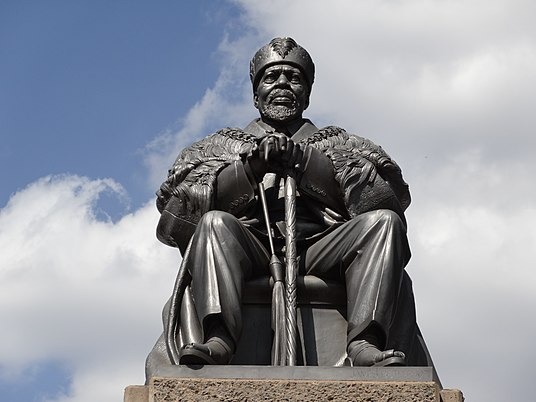
Throughout his lifetime, Kenyatta has been memorialized in various ways to honor his impact. Notable memorials include statues and public spaces named after him, such as Kenyatta International Conference Centre in Nairobi. His image and legacy are embedded in Kenyan education, history curricula, and national celebrations, reinforcing his importance to the nation’s collective memory.
Kenya has also recognized Kenyatta through numerous honors and historical recognitions. He was posthumously awarded national honors for his role in securing independence and building the nation. Several historical museums and archives contain exhibits dedicated to his life and achievements. These memorials and recognitions serve as enduring testaments to his influence and the foundational role he played in shaping modern Kenya.




0 Comments