

Background of Zimbabwe’s Inflation Crisis
Zimbabwe’s inflation crisis has been one of the most severe economic challenges in recent history, marked by hyperinflation that destabilized the country’s economy. This crisis traces its roots to a combination of economic mismanagement, political instability, and excessive money printing, which led to a rapid decline in the value of the Zimbabwean dollar. The situation has had profound effects on everyday life, eroding savings and making basic goods unaffordable for many citizens. Understanding the background of this inflation crisis is essential to grasp the complex economic dynamics that have shaped Zimbabwe’s recent history.
Historical economic context
The inflation crisis in Zimbabwe has deep historical roots that trace back to a series of economic and political challenges the nation faced over the decades. During the colonial period, the economy was largely based on agriculture and mining, with limited industrial development. After independence in 1980, the government initially implemented policies to promote growth, but these were often hampered by mismanagement, corruption, and inconsistent economic reforms. In the late 1990s and early 2000s, Zimbabwe faced a sharp decline in economic stability due to land reform policies, political instability, and hyperinflation. The government resorted to printing money to fund deficits, which exacerbated inflationary pressures. This period marked some of the worst hyperinflation episodes in history, reaching staggering levels that rendered the Zimbabwean dollar almost worthless. The historical economic context is characterized by a cycle of economic mismanagement, political upheaval, and external sanctions, all contributing to the persistent inflationary crisis that the country continues to grapple with today.
Initial causes of hyperinflation
The inflation crisis in Zimbabwe has its roots in a series of economic and political challenges that began in the late 20th century. Initially, the country experienced relatively stable growth post-independence, but this stability was soon disturbed by economic mismanagement and land reform policies. The liberalization of the economy and land redistribution efforts led to decreased agricultural productivity and a decline in exports. As government spending increased to fund social programs and political agendas, there was a growing reliance on printing money, which drastically increased the money supply. This excessive money printing created hyperinflation, eroding the value of the currency and destabilizing the economy. Additionally, declining confidence among citizens and investors further worsened the situation, leading to a vicious cycle of inflation and economic decline.
Impact of political and social factors
The inflation crisis in Zimbabwe has deep roots linked to a combination of political instability, economic mismanagement, and social upheaval. During the early 2000s, the government’s response to economic challenges, including excessive money printing to fund public spending, led to hyperinflation that eroded the value of the currency. Political tensions and a lack of effective governance contributed to decreased investor confidence, further destabilizing the economy. Social factors such as widespread unemployment, poverty, and a decline in public trust also exacerbated the situation, creating a cycle of economic decline and social unrest. The collapse of the formal financial system and drastic depreciation of the Zimbabwean dollar resulted in runaway inflation, profoundly impacting everyday life and economic stability in the country.
Timeline of Inflation in Zimbabwe
The timeline of inflation in Zimbabwe is a significant story of economic volatility and monetary instability. Over the years, the country has experienced some of the highest inflation rates ever recorded, leading to severe economic challenges for its population. This article explores the key events and periods that mark Zimbabwe’s struggles with inflation, highlighting the causes, impacts, and responses to these economic crises.
Early phases of inflation
The early phases of inflation in Zimbabwe began in the late 1990s and early 2000s, characterized by rising price levels and economic instability. Initially, inflation was modest but gradually escalated due to a combination of government policies, fiscal deficits, and economic mismanagement. The situation worsened significantly around 2007, when inflation rates soared exponentially, leading to hyperinflation. During this period, Zimbabwe experienced extreme price hikes, rendering currency practically worthless and disrupting daily life. The government responded by issuing larger denominations and eventually abandoning the Zimbabwean dollar altogether in favor of foreign currencies, marking a critical point in the inflation timeline.
Peak inflation periods
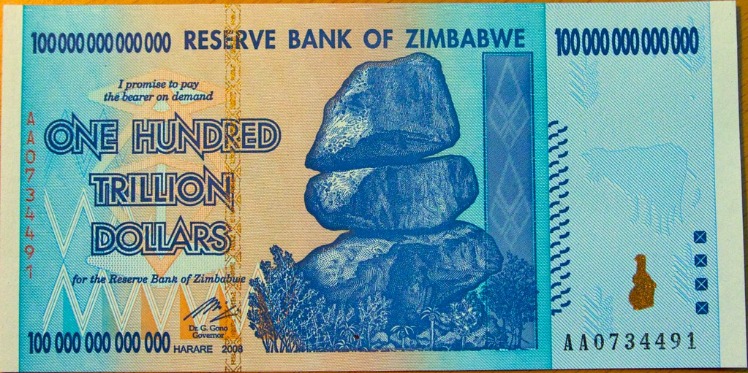
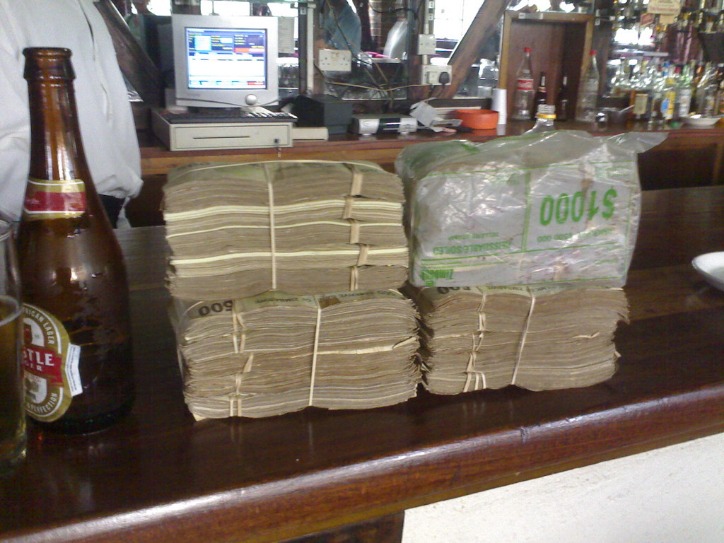
The timeline of inflation in Zimbabwe is marked by several extreme peaks, reflecting economic instability over the past few decades. The most significant period occurred in the late 2000s, particularly around 2008, when hyperinflation reached its zenith. During this period, inflation rates soared to an estimated 79.6 billion percent month-on-month, rendering the Zimbabwean dollar virtually worthless and causing widespread economic hardship. Prior to this peak, inflation was already on an upward trend in the early 2000s, but the crisis intensified as government policies and economic challenges compounded.
The peak hyperinflation period officially ended in 2009, when the Reserve Bank of Zimbabwe abandoned the local currency and adopted multiple foreign currencies such as the US dollar and South African rand for transactions. Since then, Zimbabwe experienced periods of high inflation but without reaching the hyperinflation levels of 2008. In the years following, inflation fluctuated but remained a significant concern, with notable spikes during economic instability or policy shifts, especially around 2019 and 2020. Despite attempts to stabilize the economy and introduce new currency measures, inflation continues to pose challenges for Zimbabwe’s economy.
Recent trends and developments
The timeline of inflation in Zimbabwe has been marked by periods of extreme volatility and economic instability over the past few decades. Since the early 2000s, Zimbabwe experienced hyperinflation, peaking around 2008, when monthly inflation rates soared to astronomical levels, rendering the local currency nearly useless. The government responded by monetizing the economy excessively and printing large sums of money, which exacerbated inflationary pressures. In 2009, Zimbabwe abandoned its own currency and adopted foreign currencies such as the US dollar and South African rand to stabilize prices.
Recent trends indicate a resurgence of inflationary pressures since the late 2010s, driven by economic challenges, currency devaluations, and political factors. Over the past few years, inflation has fluctuated significantly, impacting the cost of living and business operations. The government has occasionally introduced new monetary policies and attempted currency reforms to curb inflation, but with limited success. As of 2023, inflation remains a critical concern, with persistent price increases and currency instability shaping Zimbabwe’s economic landscape.
- 2008: Peak hyperinflation with monthly rates reaching 79.6 billion percent, leading to the abandonment of the Zimbabwean dollar.
- 2009: Adoption of multi-currency system, stabilizing the economy temporarily.
- 2019: Introduction of a new Zimbabwean dollar, marking attempts at monetary reform amidst fluctuating inflation rates.
- 2020-2023: Persistent inflationary pressures driven by political and economic challenges, with inflation rates often in the double digits or higher, affecting consumer purchasing power and investment climate.
Economic Factors Contributing to Inflation
Economic factors play a significant role in driving inflation, especially in countries facing economic instability like Zimbabwe. Understanding these factors is essential to grasp the complexities behind the rising prices and decreasing purchasing power. Various elements such as monetary policy, government spending, and external economic pressures contribute to inflationary trends. In the context of Zimbabwe, these factors often intersect, amplifying the challenges in stabilizing the economy and controlling inflation.
Monetary policy and money supply expansion
Inflation in Zimbabwe has been significantly influenced by economic factors such as monetary policy decisions and the expansion of the money supply. When the government implements expansionary monetary policy, it increases the amount of money in circulation, often aiming to stimulate economic growth. However, excessive money supply growth without corresponding increases in productivity can lead to hyperinflation, eroding the value of the currency. In Zimbabwe, monetary authorities have historically resorted to printing more money to cover budget deficits, which fuels inflationary pressures. This pattern results in a decreased purchasing power for consumers and creates economic instability. Additionally, political uncertainties and fiscal mismanagement further exacerbate inflationary trends, making monetary policy and money supply control critical tools in managing Zimbabwe’s inflationary environment.
Fiscal deficits and government spending
Economic factors such as fiscal deficits and government spending play a significant role in driving inflation in Zimbabwe. When the government increases its expenditure without corresponding revenue, it often resort to borrowing or printing more money, which expands the money supply in the economy. This increase in money supply, if not matched by a rise in goods and services, leads to higher prices and inflation. Additionally, persistent fiscal deficits can undermine investor confidence, causing currency depreciation and further inflationary pressures. In Zimbabwe’s case, expansive government spending, combined with high fiscal deficits, has contributed to hyperinflationary episodes, eroding the value of the local currency and destabilizing the economy. These monetary and fiscal imbalances create a cycle that fuels inflation, affecting everyday life and economic stability.
Decline in agricultural and industrial productivity
Economic factors play a significant role in contributing to inflation, particularly in a context like Zimbabwe where various challenges impact productivity and prices. A decline in agricultural and industrial productivity can lead to rising inflation due to reduced supply of goods and increased production costs.
- Reduced Agricultural Output: Droughts, poor infrastructure, and lack of investment have decreased agricultural yields, leading to shortages of essential commodities and driving up prices.
- Decline in Industrial Productivity: Outdated technology, power outages, and capital shortages hinder industrial production, resulting in decreased supply of manufactured goods and higher costs.
- High Production Costs: Inflationary pressures increase when input costs such as labor, energy, and raw materials escalate, often fueled by currency depreciation and import dependency.
- Supply Chain Disruptions: Inefficiencies and logistical challenges impair the distribution of goods, causing shortages and price hikes.
- Policy and Political Instability: Economic instability discourages investment, reduces productivity, and contributes to a cycle of inflation.
Effects of Inflation on Zimbabwean Economy
Inflation has had a profound impact on the Zimbabwean economy, shaping the financial landscape and affecting the daily lives of its citizens. The persistent rise in prices has led to economic instability, eroding savings, reducing purchasing power, and creating uncertainty for businesses and consumers alike. Understanding the effects of inflation in Zimbabwe is crucial to addressing the challenges it poses and developing effective strategies for economic recovery and stability.
Impact on purchasing power and savings
Inflation in Zimbabwe has had profound effects on the country’s economy, significantly impacting the purchasing power of its citizens and their ability to save. As inflation rates soar, the value of the local currency diminishes rapidly, making everyday goods and services more expensive and reducing consumers’ ability to buy the same amount of products with their income. This erosion of purchasing power forces households to spend more on basic necessities, often leaving less for savings or investment.
Moreover, high inflation discourages savings, as the real value of money held in banks or under Mattress diminishes quickly. People tend to convert their savings into more stable assets or foreign currencies to preserve value, which can undermine the stability of the domestic financial system. The persistent inflationary pressures create economic uncertainty, leading to reduced investment, declining productivity, and further economic instability.
Overall, inflation in Zimbabwe creates a vicious cycle where rising prices reduce living standards, diminish savings and investments, and perpetuate economic hardship for its population. Addressing inflation is crucial for restoring economic stability and improving the financial security of Zimbabweans.
Effects on employment and income distribution
Inflation in Zimbabwe has had profound effects on the economy, particularly influencing employment levels and the distribution of income among its citizens. Rapid and persistent inflation erodes the purchasing power of money, leading to significant economic instability that impacts both workers and employers.
- During periods of high inflation, businesses face increased costs for goods and services, which often results in reduced hiring or layoffs, thus increasing unemployment rates.
- As inflation diminishes the value of wages, many workers see their real income decline, making it difficult to afford basic necessities, thereby worsening income inequality.
- Inflation tends to disproportionately affect low-income households, as they spend a larger share of their income on essential goods and services that see continual price hikes.
- In response to unpredictable price changes, savings diminish in value, discouraging long-term investment and affecting economic growth and job creation.
- Overall, inflation aggravates income disparity and unemployment, creating a cycle of economic hardship for many Zimbabweans and hindering sustainable development.
Disruption to business and investment environment
Inflation in Zimbabwe has had profound effects on the country’s economy, significantly disrupting the business and investment environment. Rapid and unpredictable price increases diminish the real value of money, leading to uncertainty among consumers and entrepreneurs alike. This volatility discourages long-term investment as businesses struggle to forecast costs and revenues, thereby reducing economic growth. Additionally, hyperinflation erodes savings and incomes, increasing poverty levels and reducing disposable income, which in turn depresses demand and further hampers economic stability. The unstable monetary environment discourages both local and foreign investment, as investors seek more stable regions, leading to a decline in capital inflows and hindering economic development. Overall, inflation creates a challenging climate for sustainable economic activities and impairs Zimbabwe’s efforts to attract investment and foster economic growth.
Social and Cultural Impact
The social and cultural impact of inflation in Zimbabwe has deeply influenced the daily lives and societal structure of its people. As inflation soared, it affected economic stability, access to resources, and community cohesion, leading to significant shifts in social behavior and cultural practices. Understanding these impacts provides insight into how economic challenges can shape a nation’s social fabric and cultural identity.
Cost of living and access to basic goods
Inflation in Zimbabwe has had profound social and cultural impacts, significantly affecting the daily lives of its citizens. As prices for goods and services soar, communities face changing social dynamics, altered consumption patterns, and challenges to traditional lifestyles.
- Social cohesion has been strained as economic pressures increase, leading to heightened stress, inequality, and sometimes social unrest.
- Cultural practices that rely on stable economic conditions, such as communal sharing or traditional festivals, are disrupted by inflationary volatility.
- Access to basic goods like food, medicine, and fuel becomes increasingly difficult, resulting in widespread hardships for vulnerable populations.
- The cost of living rises sharply, making it hard for many families to afford necessities and pushing some into poverty.
- Small businesses and informal sector activities struggle to operate effectively under unpredictable price environments, further limiting access to goods and employment opportunities.
Public perception and confidence in the economy
The issue of inflation in Zimbabwe has significantly influenced the social and cultural fabric of the nation, shaping public perceptions and confidence in the economy. Rising inflation rates have led to widespread economic hardship, affecting everyday life and altering social behaviors as citizens struggle to meet basic needs. This economic instability often fosters a sense of uncertainty and mistrust towards government policies and institutions. Public perception of the economy becomes increasingly negative, with many losing confidence in the country’s ability to stabilize prices and provide economic security. These perceptions can result in decreased investment, reduced consumer spending, and a general decline in societal morale, further complicating efforts to achieve economic recovery.
Migration and informal sector growth
The social and cultural impact of inflation in Zimbabwe has been profound, deeply affecting community cohesion, social stability, and cultural practices. Rapid inflation erodes purchasing power, leading families to adapt their lifestyles and traditional consumption patterns, often settling for less or engaging in informal economies. Migration has surged as individuals seek economic stability elsewhere, resulting in diverse diaspora communities and changing demographic compositions within Zimbabwe. The growth of the informal sector has been a direct response to the economic instability caused by hyperinflation, providing means for survival through small businesses, street vending, and unregistered trades. While this sector offers short-term relief, it also undermines formal economic development and government revenue, perpetuating a cycle of economic hardship and social disruption.
Government Measures and Responses
Government measures and responses play a crucial role in addressing economic challenges such as inflation, which can significantly impact a country’s stability and citizens’ livelihoods. In Zimbabwe, recent efforts by the government have focused on implementing policies aimed at controlling inflation rates, stabilizing the currency, and restoring investor confidence. These initiatives are vital in navigating the complex economic landscape and ensuring sustainable growth for the nation.
Currency reforms and introduction of new monetary policies
In response to the persistent inflation crisis in Zimbabwe, the government has implemented a series of measures aimed at stabilizing the economy and restoring confidence in its monetary system. Currency reforms have been central to these efforts, including the redenomination of the Zimbabwean dollar to reduce the excess supply of zeroes and simplify transactions. Additionally, the government introduced new monetary policies to tighten liquidity and curb excessive money printing, which has historically fueled inflation. These policies often involve adjusting interest rates, regulating bank credit, and strengthening the oversight of financial institutions. Such strategies are designed to control inflationary pressures, stabilize prices, and promote sustainable economic growth, though their effectiveness depends on consistent implementation and external economic factors.
Price controls and subsidy programs
In response to the persistent inflation in Zimbabwe, the government has implemented a range of measures to stabilize the economy, including price controls and subsidy programs. Price controls involve setting maximum prices for essential goods and services to prevent excessive increases that could harm consumers. These ceilings aim to make basic commodities affordable amidst hyperinflation. Subsidy programs further support vulnerable populations by providing financial assistance or discounted goods, particularly for essentials like fuel, food, and healthcare. While these interventions can offer immediate relief, they often pose challenges such as market distortions or shortages if not effectively managed. Ultimately, balancing price controls and subsidies with broader economic reforms remains crucial for Zimbabwe to address its inflation crisis sustainably.
International aid and collaboration efforts
In response to the rising inflation in Zimbabwe, the government has implemented a series of measures aimed at stabilizing the economy and restoring public confidence. These include tightening monetary policy, controlling money supply, and introducing price controls on essential goods to curb inflationary pressures. Additionally, efforts have been made to improve fiscal discipline, reduce public debt, and enhance transparency in government spending to foster economic stability.
International aid and collaboration efforts have played a vital role in supporting Zimbabwe’s economic recovery. Institutions such as the International Monetary Fund and the World Bank have provided financial assistance and technical support to implement reform programs. Regional partnerships, including those with the Southern African Development Community, facilitate policy dialogue and resource sharing to address inflationary challenges. Moreover, bilateral aid from countries like South Africa and China has contributed to stabilizing the financial sector and boosting agricultural productivity, which are crucial for tackling inflation and fostering sustainable growth.
Current Strategies for Inflation Control
Controlling inflation remains a critical challenge for Zimbabwe’s economy, as rising prices impact consumers, businesses, and overall economic stability. Current strategies focus on a combination of monetary policies, fiscal measures, and structural reforms designed to curb excessive inflation rates. These efforts aim to restore confidence in the currency, stabilize prices, and foster sustainable economic growth amidst ongoing financial uncertainties.
Monetary tightening and interest rate adjustments
Inflation in Zimbabwe continues to pose significant economic challenges, prompting policymakers to adopt various strategies to control price spirals. One of the primary approaches has been monetary tightening, where the central bank increases interest rates to curb excessive liquidity in the economy. By raising the cost of borrowing, this strategy aims to reduce consumer spending and investment, thereby easing inflationary pressures. Additionally, interest rate adjustments serve as a signal to financial markets about the government’s commitment to maintaining macroeconomic stability.
Zimbabwe’s monetary authorities often implement interest rate hikes in conjunction with other measures such as tightening reserve requirements for banks and implementing stricter credit controls. These tools are used to prevent excessive money printing and to stabilize the exchange rate, which is crucial given the country’s history of hyperinflation and currency devaluation. Moreover, maintaining transparency and communicating the intentions behind monetary policy adjustments help to anchor inflation expectations among businesses and consumers.
While monetary tightening can be effective in reducing inflation, it must be carefully calibrated to avoid stifling economic growth. In Zimbabwe, balancing these policies involves addressing structural issues, such as improving fiscal discipline and restoring confidence in the local currency. Overall, strategic adjustments to interest rates combined with sound monetary policies remain vital in Zimbabwe’s ongoing efforts to tame inflation and promote economic stability.
Structural reforms to boost productivity
Inflation in Zimbabwe has been a persistent challenge, necessitating a combination of current strategies for inflation control and structural reforms aimed at boosting productivity. Effective management requires a multifaceted approach that addresses both immediate monetary concerns and long-term economic growth drivers.
Current strategies for inflation control in Zimbabwe include tightening monetary policy to reduce excessive money supply, stabilizing exchange rates to prevent currency depreciation, and implementing price controls on essential goods. Additionally, efforts to enhance monetary discipline by the Reserve Bank of Zimbabwe and restricting excessive government spending play a crucial role in curbing inflationary pressures.
Structural reforms to boost productivity focus on improving agricultural output, diversifying the economy beyond subsistence farming, and promoting industrial development. These reforms also involve establishing an enabling environment for investment, enhancing infrastructure, and strengthening property rights to encourage private sector growth.
- Implementing sound fiscal policies to reduce budget deficits and control public debt levels.
- Reforming the financial sector to improve access to credit and encourage savings and investment.
- Modernizing agriculture through technology adoption and improved resource management.
- Investing in education and skills development to create a more productive workforce.
- Promoting export diversification to reduce dependence on a limited number of commodities and stabilize foreign exchange earnings.
Technology and innovation in economic management
Controlling inflation in Zimbabwe requires a multifaceted approach that leverages current strategies alongside technological advancements and innovative economic management techniques. As inflation remains a significant challenge, authorities focus on implementing policies that maintain price stability while fostering sustainable growth.
Among the current strategies, monetary policy adjustments play a crucial role. The Reserve Bank of Zimbabwe employs tools such as interest rate modifications and foreign exchange interventions to stabilize the local currency and reduce inflationary pressures. Additionally, fiscal discipline through government expenditure control and revenue enhancement is vital to prevent excessive money supply growth.
Technology and innovation are increasingly integrated into inflation control measures. Digital financial services, mobile banking, and blockchain technology facilitate more transparent and efficient monetary transactions, helping to curb illicit financial flows and reduce inflationary volatility. Data analytics and real-time economic monitoring systems enable policymakers to make informed decisions promptly, adjusting strategies to respond to emerging inflation trends effectively.
Key approaches include:
- Implementing digital currency systems that enhance transaction transparency and reduce cash economies prone to inflationary manipulation.
- Utilizing data-driven platforms to monitor inflation indicators continuously and improve forecasting accuracy.
- Promoting e-government initiatives to streamline tax collection and reduce corruption, increasing government revenue without increasing money supply.
- Encouraging innovation in agricultural productivity and manufacturing to diversify the economy and reduce reliance on imports, which can mitigate inflation caused by exchange rate fluctuations.
- Adopting mobile-based financial products that increase access to financial services, supporting savings and investment amidst inflationary environments.
Future Outlook and Challenges
The future outlook for Zimbabwe’s inflation landscape presents a complex mix of opportunities and challenges. As the country continues to grapple with fluctuating prices and monetary instability, understanding the potential trajectories and obstacles is essential for policymakers, investors, and citizens alike. Addressing the root causes of inflation and implementing sustainable economic strategies will be crucial in shaping Zimbabwe’s economic stability in the coming years.
Potential scenarios for inflation stabilization
Looking ahead, Zimbabwe’s inflation trajectory will largely depend on both domestic policy measures and external economic conditions. Potential scenarios for inflation stabilization include implementing disciplined monetary policies, such as tightening money supply and enhancing fiscal responsibility to restore confidence. Additionally, stabilizing exchange rates and attracting foreign investment could help reduce inflationary pressures. However, ongoing challenges like political instability, liquidity shortages, and external shocks pose significant risks that could undermine stabilization efforts. If these issues are effectively managed, Zimbabwe might see a gradual decline in inflation rates, paving the way for economic recovery. Conversely, failure to control these factors may result in persistent high inflation or hyperinflation, hampering growth and eroding purchasing power further.
Risks to sustained economic recovery
The future outlook for Zimbabwe’s economic recovery remains cautiously optimistic, but several significant challenges and risks could impede sustained growth. Persistent inflationary pressures are a primary concern, as high inflation erodes purchasing power and undermines consumer confidence, making it difficult to stabilize the economy. Structural issues such as reliance on volatile sectors like agriculture and mining pose ongoing risks, emphasizing the need for diversification and economic reform. Political stability and effective governance are crucial to attract investment and implement necessary fiscal policies, yet uncertainties in these areas continue to pose risks. Additionally, external factors such as global commodity price fluctuations and regional economic uncertainties can influence Zimbabwe’s recovery trajectory. To ensure long-term stability, comprehensive reforms that address inflation control, fiscal discipline, and infrastructural development are essential, alongside efforts to improve governance and regional economic integration.
Role of regional and global partnerships
The future outlook for managing inflation in Zimbabwe hinges on strengthening both regional and global partnerships to address underlying economic challenges. Collaborative efforts can facilitate the exchange of best practices, access to financial resources, and stakeholder coordination, which are essential for implementing sustainable inflation control strategies. Regional partnerships, particularly within Southern Africa, can help stabilize currency fluctuations and improve trade relations, thereby reducing inflationary pressures. Simultaneously, global collaborations with institutions like the International Monetary Fund and World Bank can provide technical assistance, policy advice, and financial support to implement reforms. However, these efforts face challenges such as political instability, policy inconsistency, and limited institutional capacity, which may hinder progress. Overcoming these obstacles requires a concerted commitment to transparent governance, sound economic policies, and sustained international cooperation to ensure Zimbabwe’s economic stability and inflation management in the future.




0 Comments