
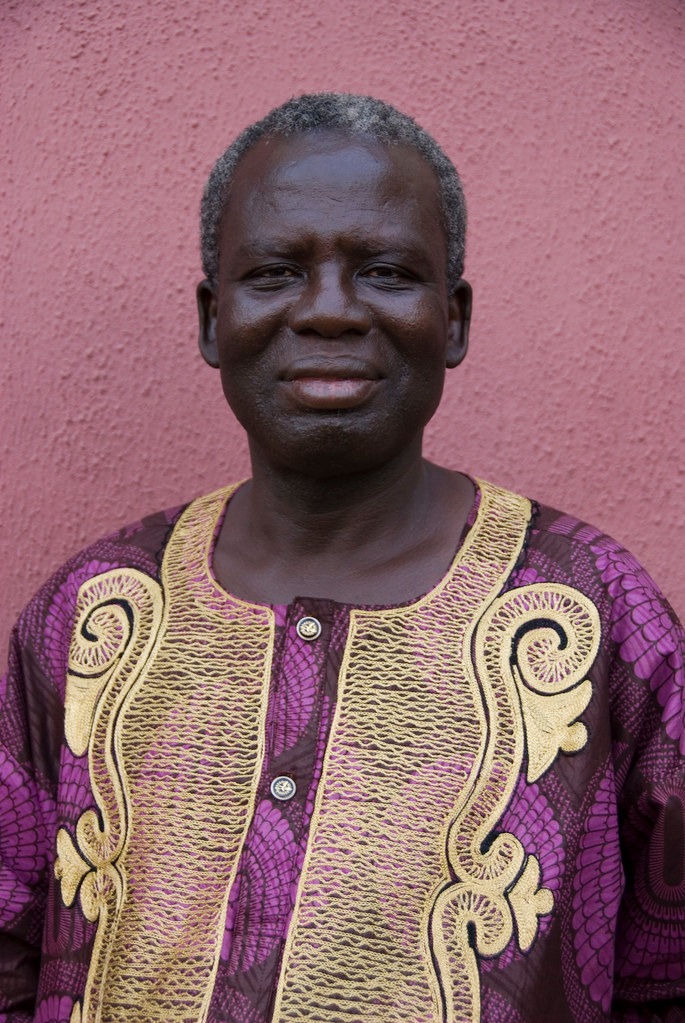
History of the Ghana Kingdom
The Ghana Kingdom, also known as the Wagadou Empire, was one of the earliest and most influential states in West African history. It thrived from around the 6th to the 13th century and was renowned for its wealth, trade, and sophisticated culture. The kingdom played a crucial role in the development of trade routes across the Sahara and laid the foundation for later West African empires such as Mali and Songhai. Its rich history reflects the rise of powerful monarchies and vibrant commerce in the region.
Origins and Early Formation
The Ghana Kingdom, also known as the Wagadou Empire, is considered one of the earliest and most significant states in West African history. Its origins trace back to around the 4th to 5th centuries AD, emerging in the Sahel region between the Sahara Desert and the forests of West Africa.
The early formation of the Ghana Kingdom was influenced by a combination of technological, social, and economic factors, including the development of ironworking, advancements in agriculture, and the growing importance of trade routes. The kingdom’s strategic location allowed it to control the trans-Saharan trade, particularly the trade in gold and salt, which became the foundation of its wealth and power.
The early Ghana rulers established a centralized authority that unified various tribes and chiefdoms in the region. The state was governed by a king known as the “Ghana,” meaning “War Chief,” who held both political and religious authority. The kingdom’s social structure was hierarchical, with a ruling class supported by merchants, artisans, and farmers.
By the 7th and 8th centuries AD, the Ghana Kingdom had become a prominent empire, with its capital at Kumbi Saleh. Its influence extended over a vast region, facilitating economic prosperity and cultural development. The kingdom’s early history laid the groundwork for subsequent West African empires and civilizations, making Ghana a key player in the history of African civilization.
Rise to Power and Expansion
The Ghana Kingdom, also known as the Wagadou Empire, was one of the earliest and most influential West African civilizations, flourishing from approximately the 6th to the 13th century. Its origins trace back to early sub-Saharan societies that gradually unified through trade, military strength, and political organization. The kingdom’s rise to power was significantly boosted by its strategic location along the trans-Saharan trade routes, allowing it to control and tax the flow of gold, salt, and other valuable commodities. This wealth enabled Ghana to develop a sophisticated society with a powerful monarchy, complex administrative systems, and impressive ironworking skills. As traders and merchants from North Africa and beyond converged at Ghana’s trading centers, the kingdom expanded its influence over neighboring regions, establishing dominance in West Africa. The Ghana Empire’s expansion was driven by military prowess and alliances, which helped it maintain control over vast territories and trade networks, fostering economic prosperity and cultural development that left a lasting legacy in African history.
Golden Age of Ghana Empire
The Ghana Kingdom, also known as the Ghana Empire, was a powerful and influential West African state that thrived from approximately the 6th to the 13th century. It was renowned for its wealth, sophisticated political structure, and vibrant trading network. The empire’s origins are rooted in the early Soninke people, who established a formidable empire centered around the region of present-day southeastern Mauritania and western Mali.
The Golden Age of the Ghana Empire occurred between the 9th and 11th centuries, a period marked by immense prosperity and cultural development. During this time, Ghana became a major hub for commerce, particularly in gold and salt, which were highly valued commodities at the time. The empire’s strategic location facilitated trade routes that linked North Africa with the lands south of the Sahara, contributing to Ghana’s wealth and influence.
- The economy of the Ghana Kingdom was primarily based on the control of gold and salt trade, which brought immense wealth to the empire.
- Ghana had a well-organized government with a ruler known as the “Ghana,” who wielded significant political and military power.
- Islam was introduced through trade, and some aspects of Islamic culture influenced the empire’s administrative and social systems.
- The decline of the Ghana Empire began around the 11th century due to internal strife and external pressures, including the rise of neighboring powers like Mali and Sosso.
- Despite its decline, the Ghana Kingdom laid the foundations for subsequent West African empires and left a legacy of trade, culture, and political organization.
Decline and Fall of the Kingdom
The Ghana Kingdom, also known as the Wagadu Empire, was a powerful West African state that flourished between approximately the 6th and 13th centuries. It was renowned for its wealth, particularly from gold trade, and its strategic location facilitated trade routes across the Sahara Desert. The kingdom’s rulers, known as Ghana, exercised control over trade and exerted influence over neighboring regions, establishing a prosperous civilization.
The decline of the Ghana Kingdom began in the 11th century due to a combination of factors including internal conflicts, overexploitation of resources, and external pressures from neighboring states such as the Almoravids. The Almoravid invasions in the late 11th century significantly weakened Ghana’s power, disrupting trade routes and diminishing its influence. Additionally, the rise of neighboring states like Mali and Songhai contributed to the decline by shifting trade routes away from Ghana, further diminishing its wealth and prominence.
The fall of the Ghana Kingdom was also influenced by internal dissent and administrative inefficiencies which eroded centralized power. By the 13th century, the kingdom had fragmented into smaller political entities, and its importance waned. The legacy of Ghana persisted in the cultural and historical memory of West Africa, but its political and economic dominance was effectively ended, paving the way for the rise of successor states such as the Mali Empire.
Political Structure and Leadership
The political structure and leadership of the Ghana Kingdom have a rich history rooted in traditional governance and modern political systems. The kingdom’s leadership is characterized by a hierarchical arrangement of chiefs and elders who uphold cultural values and administer justice. Over time, Ghana has also incorporated contemporary democratic institutions, creating a unique blend of traditional authority and modern governance that shapes the nation’s political landscape today.
King and Royal Council
The political structure of the Ghana Kingdom was traditionally centered around a monarch who served as the supreme ruler and spiritual leader of the kingdom. The king held significant authority, overseeing governance, ceremonies, and justice, often embodying both political and cultural unity for the people.
- The King, also known as the Omanhene or Okyenhene depending on the specific kingdom, was regarded as the divine representative of the ancestors.
- The Royal Council, composed of elders, chiefs, and advisors, played a crucial role in assisting the king in decision-making and administration.
- The council members were selected based on lineage, wisdom, and status, and they helped in resolving disputes, organizing festivals, and managing the kingdom’s affairs.
- Leadership was often hereditary, with the next king chosen from a royal family or lineage within the kingdom.
- In this system, the king’s authority was reinforced by customary laws and traditions, maintaining social order and political stability.
Administrative Divisions
The Ghana Kingdom, historically known as the Kingdom of Ghana, had a well-organized political structure characterized by a central authority led by a king or chief who held significant influence over the region. Leadership within the kingdom was often hereditary, with power passed down through specific lineages, and traditional councils played a vital role in governing and advising the monarch. The political system was composed of various clan-based factions that contributed to decision-making and social stability. Administrative divisions within the Ghana Kingdom were primarily based on ethnic groups and clans, each with localized leaders responsible for managing day-to-day affairs and maintaining order in their respective areas. These divisions facilitated effective governance and helped preserve cultural practices across the diverse population.
Role of Chiefs and Local Leaders
The political structure of the Ghana Kingdom is deeply rooted in its traditional hierarchy, where the Chiefs and local leaders play a vital role in governance and cultural preservation. Chiefs serve as the custodians of custom, tradition, and land, representing the authority of their respective communities. They oversee local disputes, organize customary ceremonies, and ensure the observance of cultural practices, maintaining social cohesion within the kingdom. The leadership of Chiefs is often hereditary, passed down through family lineages, which reinforces continuity and stability. Additionally, Chiefs act as intermediaries between the people and the central government, facilitating development programs and political communication. Their influence extends beyond ceremonial duties to practical governance, ultimately shaping the social, political, and economic landscape of the Ghanaian kingdoms.
Economy and Trade
The economy and trade of the Ghana Kingdom have played a vital role in shaping its rich history and cultural heritage. As a prominent West African empire, Ghana was known for its vast resources and thriving trade routes that connected Africa with other parts of the world. This economic foundation facilitated the exchange of gold, salt, and other commodities, establishing Ghana as a center of wealth and commerce long before modern times. The legacy of these trade practices continues to influence the nation’s economic landscape today.

Gold Resources and Wealth
The Ghana Kingdom, historically renowned for its wealth and prosperity, played a pivotal role in the development of early trade routes across West Africa. Its economy was fundamentally driven by the extensive and lucrative gold resources, which attracted merchants from distant lands and established Ghana as a major trading hub. The control and trade of gold, often referred to as “The Gold Coast,” contributed significantly to the kingdom’s wealth, enabling it to flourish culturally and economically. Wealth in the Ghana Kingdom was not solely derived from gold; it also encompassed other resources such as salt, ivory, and kola nuts, which were exchanged for goods from North Africa and beyond. The kingdom’s strategic location and resource abundance made it a center of commerce and a symbol of prosperity in the region. This wealth facilitated the development of sophisticated societal structures and advancements in arts, architecture, and governance that have left a lasting legacy in West African history.
Trade Routes and Partners
The Ghana Kingdom, historically a powerful state in West Africa, played a significant role in the development of regional and international trade routes. Its strategic location facilitated trade across the Sahara Desert and along trans-Saharan routes, connecting the rich gold mines of the region with North Africa, the Middle East, and Europe. The kingdom’s economy thrived on the export of gold, salt, and other valuable commodities, establishing Ghana as a major trade hub in medieval times.
Ghana’s trade partnerships extended to various regions, including Arab merchants from North Africa, Berbers, and later European traders during the age of exploration. The kingdom’s control over key trade routes allowed it to accumulate wealth and influence, fostering cultural exchanges and political alliances. Its trading network contributed to the prosperity of neighboring states and facilitated the spread of Islam and other cultural elements across West Africa.
Today, the historical legacy of the Ghana Kingdom remains evident in the region’s continued importance as a center for commerce and trade. Modern Ghana’s economy still benefits from the rich mineral resources and its position as a gateway to West Africa, maintaining a vibrant presence in regional and international markets. The enduring trade relationships and historical trade routes continue to shape Ghana’s economic landscape, highlighting its significance in the history of West African commerce.
Traditional Crafts and Industries
The Ghana Kingdom has a rich history rooted in vibrant economy and trade, serving as a pivotal center for commerce in West Africa for centuries. Traditional crafts and industries play a vital role in sustaining the local economy, with artisans creating unique products such as kente cloth, gold jewelry, leather goods, and wood carvings that are renowned worldwide. These crafts not only preserve cultural heritage but also contribute significantly to tourism and export earnings. Historically, Ghana’s strategic location and abundant resources facilitated extensive trade routes, linking regional markets and fostering economic prosperity. Today, the continuation of these traditional industries remains essential for economic resilience and cultural identity within the Ghana Kingdom.
Culture and Society
The Ghana Kingdom, rich in history and tradition, offers a fascinating glimpse into the relationship between culture and society. As one of the earliest and most influential civilizations in West Africa, the Ghana Kingdom’s customs, beliefs, and social structures have shaped the identity of its people. Exploring its cultural practices reveals how society is organized and how traditions are preserved through generations, reflecting the enduring legacy of this historic empire.
Religion and Spiritual Beliefs
The Ghana Kingdom has a rich cultural heritage deeply rooted in its societal and spiritual traditions. Its culture reflects a blend of ancient customs, festivals, and beliefs that have been passed down through generations, shaping the identity of the people. Religion and spiritual beliefs play a central role in the daily lives and governance of the Ghanaian communities, serving as a foundation for social cohesion and cultural continuity.
- Traditional Ancestor Worship: Reverence for ancestors influences social practices and rituals, emphasizing respect and continuity with the past.
- Festivals and Celebrations: Events like Homowo and.FLOAT ceremonies highlight the importance of history, spirituality, and community bonding.
- Role of Spiritual Leaders: Chiefs, priests, anddiviners act as custodians of spiritual wisdom, guiding societal norms and governance.
- Beliefs in supernatural forces: Many Ghanaians believe in spirits and deities that influence daily life, health, and prosperity.
- Integration of Christianity and Islam: These religions co-exist with traditional beliefs, creating a vibrant spiritual landscape.
Customs and Social Organization
The Ghana Kingdom, historically known as the Ghana Empire, was a powerful and influential civilization in West Africa, renowned for its rich culture and sophisticated social organization. This kingdom played a significant role in the development of trade, particularly in gold and salt, which contributed to its wealth and prominence. The society was structured with clearly defined social classes, including nobles, merchants, artisans, and farmers, each contributing to the stability and prosperity of the kingdom. Customs and traditions were deeply rooted in the community’s spiritual beliefs, with religious practices often centered around ancestral worship and the veneration of local deities. Social cohesion was maintained through elaborate ceremonies, festivals, and oral storytelling, which preserved historical narratives and transmitted cultural values across generations. The Ghana Kingdom’s cultural practices influenced neighboring regions and left a lasting legacy in West African history.
Music, Dance, and Festivals
The Ghana Kingdom, with its rich history and vibrant traditions, boasts a diverse culture deeply rooted in music, dance, and festivals that reflect the identity and heritage of its people.
Music in the Ghana Kingdom plays a vital role in celebrations, social gatherings, and spiritual ceremonies. It features a variety of traditional instruments such as drums, xylophones, and stringed instruments, which produce rhythmic and soulful sounds that unite communities.
Dance is an integral part of Ghanaian culture, often used to tell stories, honor ancestors, or celebrate significant events. Traditional dances are performed during festivals and rites of passage, showcasing intricate movements and energetic performances that embody the spirit of the people.
Festivals in the Ghana Kingdom are colorful and lively, serving as occasions for community bonding and cultural expression. They often include elaborate processions, music, dance, and rituals that have been passed down through generations, celebrating harvests, historical victories, or spiritual beliefs.
- Homowo Festival: Celebrates the harvest and the victory over hunger, marked by banquets, traditional drumming, dance, and rituals.
- Fetu Afahye: A festival of the Fante people honoring their ancestors with durbars, drumming, and dancing.
- Ghana Independence Day: Celebrates Ghana’s independence with parades, cultural displays, and commemorative events.
Art and Architecture
The Ghana Kingdom, known for its rich history and cultural heritage, has significantly contributed to the development of art and architecture in West Africa. Its ancient structures and artistic expressions reflect the ingenuity and traditions of its people. Through intricate craftsmanship and innovative design, the Ghana Kingdom’s art and architecture continue to inspire and preserve its legacy for future generations.
Royal Temples and Palaces
The Ghana Kingdom is renowned for its rich artistic and architectural heritage, reflecting the grandeur and cultural sophistication of its ancient civilization. Royal temples and palaces served as important centers of authority, religious practices, and social gatherings, often showcasing elaborate designs and craftsmanship. The architecture of these structures typically features intricate carvings, ceremonial courtyards, and impressive use of materials such as wood and stone. Art played a significant role in expressing royal prestige and spiritual beliefs, with sculptures, masks, and textiles flourishing within the kingdom. These artistic and architectural achievements remain a testament to the Ghana Kingdom’s historical importance and cultural legacy.
Carved Stones and Artifacts
The Ghana Kingdom, also known as the Kingdom of Ghana, is renowned for its rich cultural heritage showcased through exquisite art and architecture. Carved stones and artifacts from this ancient civilization reveal sophisticated craftsmanship and serve as a testament to its historical significance. These artifacts often depict scenes of daily life, royalty, and religious practices, providing insight into the social and spiritual beliefs of the Ghanaian people.
Traditional Ghanaian art is characterized by intricate carvings and sculptures, often created from wood, stone, and metal. The carved stones, especially those found in archaeological sites, include ceremonial objects, tomb markers, and decorative pieces that highlight the skill and artistry of the craftsmen. Such artifacts have been preserved for centuries and remain vital in understanding the cultural evolution of the Ghana Kingdom.
Architecturally, the Ghana Kingdom is noted for its impressive structures such as ancient forts, palaces, and religious sites built with locally sourced materials. These structures often feature detailed carvings and ornamental designs that reflect the artistic expressions of the era. The combination of functional design and aesthetic appeal in these architectural works underscores the civilization’s advanced craftsmanship and cultural identity.
Today, these carved stones and artifacts continue to inspire contemporary Ghanaian artists and serve as important symbols of national heritage. They attract scholars, tourists, and art enthusiasts who seek to appreciate the ancient artistry and architectural ingenuity of the Ghana Kingdom, ensuring that its cultural legacy endures for future generations.
Traditional Clothing and Adornments
The Ghana Kingdom is renowned for its rich cultural heritage, evident in its art, architecture, traditional clothing, and adornments. These elements reflect the history, beliefs, and societal values of the people, showcasing their unique identity and artistic expression.
- Art and Architecture: The Ghana Kingdom boasts exquisite craftsmanship in wood carving, beadwork, and textiles. Traditional mud and later stone structures, such as the iconic palaces and forts along the coast, display impressive architectural techniques. The use of intricate motifs and symbolism is prominent in their art, often depicting historical events, myths, and spiritual beliefs.
- Traditional Clothing: Clothing in Ghana is characterized by vibrant fabrics like Kente, which is woven with multicolored patterns symbolizing various socio-political and spiritual meanings. Other traditional garments include smocks and wraps made from locally sourced materials, often worn during festivals, ceremonies, and important communal events.
- Adornments: Adornments such as beads, jewelry, and body paint play a significant role in Ghanaian culture. Beads are used to signify status, age, and achievements, while elaborate necklaces and earrings are worn during special occasions. Body art and scarifications are also traditional forms of adornment, expressing individual identity and societal belonging.
Legacy of the Ghana Kingdom
The Ghana Kingdom, also known as the Ghana Empire, holds a significant place in West African history as a powerful and influential civilization that thrived from around the 6th to the 13th century. Renowned for its wealth, trade, and sophisticated governance systems, the legacy of the Ghana Kingdom continues to shape the cultural and historical identity of the region today. Its rich heritage is marked by impressive architecture, vibrant traditions, and contributions to the development of trade routes that connected Africa to the wider world.
Influence on Modern Ghana
The Ghana Kingdom, also known as the Ancient Ghana Empire, has left a profound legacy that continues to shape modern Ghana’s cultural and historical identity. Its rich history as a trading empire fostered economic growth, social development, and sophisticated governance systems that influenced subsequent states in West Africa. The kingdom’s tradition of communal leadership, elaborate rituals, and respect for elders have persisted in Ghanaian society today.
The influence of the Ghana Kingdom on modern Ghana is evident in its cultural practices, oral histories, and societal values. Many of the traditional festivals, music, and dance styles trace their origins back to the Ghana Empire’s era, serving as reminders of a shared heritage. Moreover, the historical significance of the Ghana Kingdom provides a sense of pride and national identity for contemporary Ghanaians, highlighting a long-standing legacy of resilience, trade, and cultural innovation.
Historical Significance in West Africa
The Ghana Kingdom, also known as the Kingdom of Wagadu, holds a profound legacy in West African history, serving as one of the earliest and most influential civilizations in the region. Established around the 6th century, it became a major hub for trade, especially in gold, salt, and other valuable commodities, fostering economic prosperity and cultural exchange. The kingdom’s strategic location facilitated its rise as a powerful economic and political entity, shaping the development of subsequent West African states. Its political organization, sophisticated governance, and integration of diverse peoples contributed significantly to regional stability and growth. The Ghana Kingdom’s rich cultural traditions, including its oral history, craftsmanship, and societal structures, have left an enduring imprint on West African identity. Today, its historical significance is recognized for laying the foundations of modern West African civilizations, emphasizing the importance of trade, governance, and cultural heritage in shaping the region’s history.
Preservation of Cultural Heritage
The legacy of the Ghana Kingdom is a testament to its rich history and significant influence in West Africa. It played a crucial role in the development of trade, especially in gold and salt, which contributed to its prosperity and cultural exchange. The Ghana Kingdom’s historical sites, such as ancient forts and archaeological relics, serve as reminders of its glorious past and are vital for understanding the region’s history. Preserving this cultural heritage is essential to maintain the identity and pride of the Ghanaian people, as well as to promote tourism and education about the kingdom’s contributions to African history. Efforts to conserve traditional practices, language, and artifacts ensure that future generations can cherish and learn from their illustrious heritage. Overall, the legacy of the Ghana Kingdom continues to inspire cultural pride and serves as a foundation for national unity and cultural preservation in modern Ghana.



0 Comments