
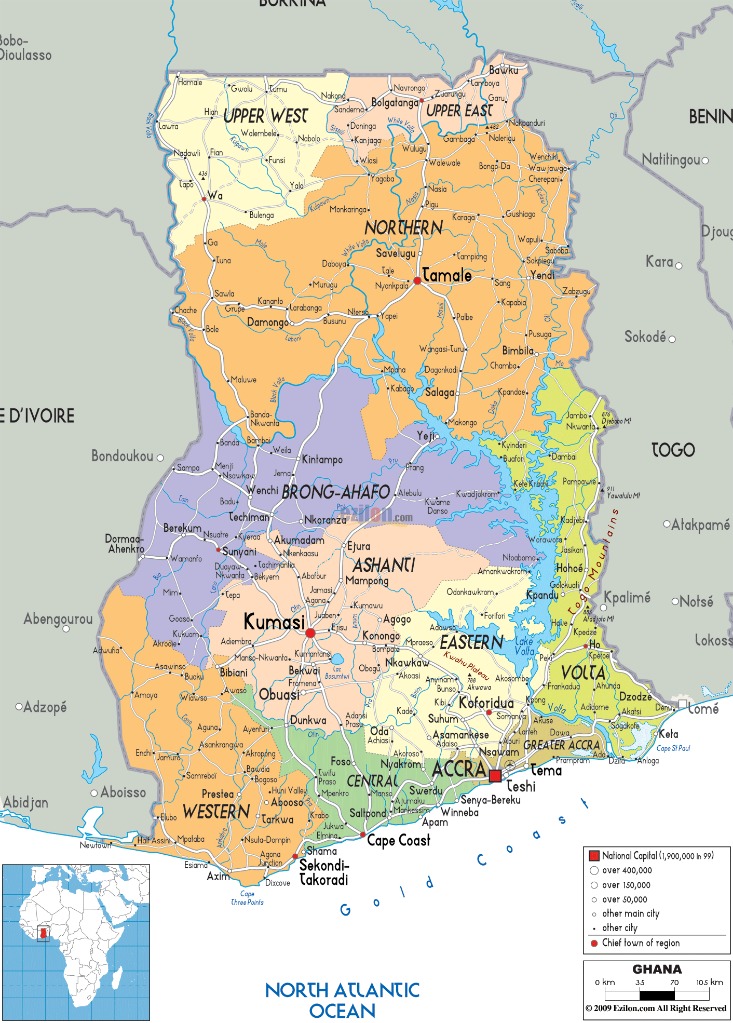
Historical Background of Ghana’s Path to Independence
Ghana’s journey to independence is a remarkable chapter in African history, marked by a long struggle against colonial rule. Originally a British colony known as the Gold Coast, the region experienced increasing political awareness and demands for self-governance in the first half of the 20th century. Influenced by movements across the continent and led by influential leaders like Kwame Nkrumah, the path towards independence gained momentum through protests, political activism, and negotiations. This pivotal period culminated in Ghana proclaiming its independence on March 6, 1957, earning it the distinction of being the first Sub-Saharan African country to do so, inspiring subsequent liberation movements across Africa.
Colonial Rule and Colonial Economy
Ghana’s path to independence is a significant chapter in African history, marked by the struggle against colonial rule. During the late 19th and early 20th centuries, the territory known as the Gold Coast was a British colony, characterized by economic exploitation and political domination. Colonial rule introduced a structured system that prioritized resource extraction, particularly gold, cocoa, and timber, fueling the colonial economy but often neglecting local development and governance. The colonial administration established institutions aimed at consolidating British control, often marginalizing indigenous leadership and suppressing political activism. As the economic benefits for Britain increased, local people began to seek greater political representation and independence, leading to the rise of nationalist movements in the mid-20th century. This growing demand culminated in Ghana becoming the first sub-Saharan African country to gain independence in 1957, marking a pivotal moment in the continent’s decolonization journey and inspiring other nations across Africa to pursue self-rule. Ghana’s independence day is celebrated annually as a testament to the resilience and aspiration for sovereignty among its people, reflecting their struggle for freedom from colonial dominance and their enduring pursuit of progress and unity.
African Nationalist Movements
Ghana’s journey to independence was a pivotal chapter in African history, marked by a blend of colonial resistance and nationalist activism. During the colonial period, the Gold Coast, as Ghana was then known, was governed by the British, with economic exploitation and political marginalization fueling widespread discontent among its people. The rise of African nationalist movements in the mid-20th century sought to challenge colonial authority and promote self-determination. Leaders like Kwame Nkrumah emerged as influential figures, advocating for unity, independence, and social progress. The formation of political parties such as the United Gold Coast Convention (UGCC) and later the Convention People’s Party (CPP) galvanized the populace and intensified the push for independence. These efforts culminated in Ghana becoming the first sub-Saharan African country to gain independence on March 6, 1957, a landmark event celebrated annually as Ghana Independence Day. This revolution not only marked Ghana’s liberation but also inspired other African nations to pursue independence across the continent.
Role of Key Leaders: Kwame Nkrumah and Others
Ghana’s path to independence was a significant journey marked by decades of colonial rule and the struggle for self-determination. Under British colonial administration, Ghana, then known as the Gold Coast, experienced economic exploitation and political marginalization, which fueled the desire for independence among its people. The movement gained momentum in the 1940s and 1950s as local leaders and intellectuals began advocating for political rights and autonomy.
Central to Ghana’s independence was the prominent leader Kwame Nkrumah, who emerged as a unifying figure advocating for Pan-Africanism and self-governance. Nkrumah founded the Convention People’s Party (CPP) in 1949, which mobilized mass support and intensified the push for independence. His leadership, charismatic oratory, and strategic negotiations played a crucial role in Ghana becoming the first African nation south of the Sahara to gain independence in 1957.
Alongside Nkrumah, other key leaders such as Joseph Boakye Danquah, Emmanuel Obetsebi-Lamptey, and Kojo Botsio contributed significantly to the independence movement through activism, political organization, and fostering national unity. Their collective efforts, combined with persistent popular protests and negotiations with colonial authorities, ultimately culminated in Ghana achieving independence on March 6, 1957.
Ghana’s successful transition to independence laid the foundation for decolonization across Africa and marked a new chapter in the continent’s history, symbolizing the end of colonial rule and the beginning of self-determined nationhood.
Major Events Leading Up to Independence
Ghana’s path to independence was shaped by a rich history of colonial rule and a strong desire for self-governance. Initially colonized by the British in the late 19th century, the territories of the Gold Coast experienced growing political awareness and resistance against colonial domination throughout the early 20th century. The formation of various political organizations, such as the United Gold Coast Convention (UGCC) in 1947, marked the beginning of organized efforts towards independence. Major events unfolded as nationalist leaders like Kwame Nkrumah emerged, advocating for self-rule and unity among different ethnic groups.
The 1948 disturbances, also known as the Watson’s Commission disturbances, were pivotal in galvanizing the independence movement, leading to increased pressure on colonial authorities. The formation of the Convention People’s Party (CPP) in 1949, under Nkrumah’s leadership, further intensified demands for independence. Significant political victories followed, culminating in constitutional reforms that gradually transferred powers from Britain to local leaders. These efforts reached a climax when Ghana became the first sub-Saharan African country to gain independence on March 6, 1957, marking a historic milestone in Africa’s decolonization journey and shaping the nation’s future as a sovereign state.
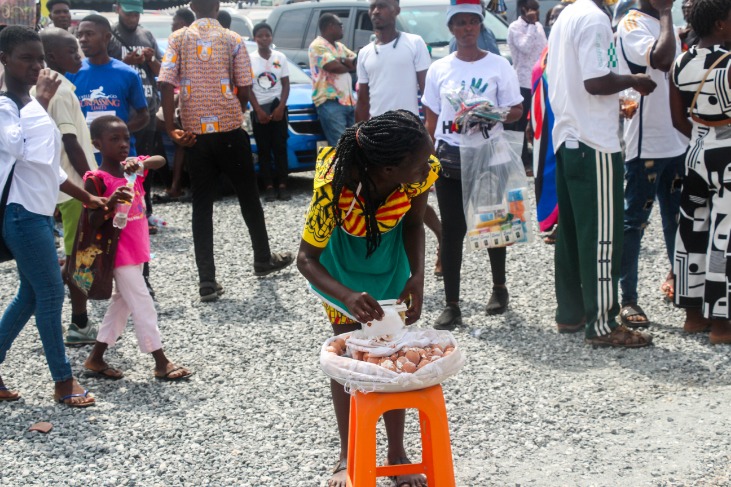
Ghana’s Independence Day: Significance and Celebrations
Ghana Independence Day is a momentous occasion celebrated annually on March 6th, marking the country’s freedom from colonial rule in 1957. It holds deep national significance, symbolizing sovereignty, unity, and the resilience of the Ghanaian people. The celebrations are marked by vibrant parades, cultural displays, speeches, and various festivities that honor the nation’s history and achievements, fostering a sense of pride and patriotism across the country.
Official Declaration of Independence

Ghana’s Independence Day, celebrated on March 6th, marks the nation’s formal liberation from British colonial rule in 1957. It signifies the country’s journey towards sovereignty, self-determination, and national pride, serving as a reminder of the sacrifices made by countless freedom fighters. The day is a symbol of unity, progress, and the resilience of the Ghanaian people in their pursuit of independence.
The official declaration of independence was delivered by Kwame Nkrumah, Ghana’s first Prime Minister and later President, at the Old Parliament House in Accra. This historic moment was a culmination of years of struggle and negotiations, culminating in Ghana becoming the first sub-Saharan African country to gain independence from colonial rule. The event is commemorated annually with parades, cultural performances, and patriotic displays across the country, celebrating Ghana’s rich history and its aspirations for continued development.
National Celebrations and Parades
Ghana’s Independence Day is a significant national holiday that commemorates the country’s liberation from British colonial rule on March 6, 1957. It marks Ghana’s sovereignty and the beginning of self-governance, serving as a reminder of the struggle for freedom and the sacrifices made by national heroes. This day fosters a sense of pride, unity, and patriotism among Ghanaians while celebrating their cultural heritage and democratic progress.
In celebration of this historic day, Ghana hosts a series of vibrant and lively events across the country. These include parades, cultural displays, music performances, and community gatherings that highlight Ghanaian traditions and history. Schools, government institutions, and local communities participate actively, showcasing their talents and patriotic spirit.
National Celebrations and Parades
Ghana’s Independence Day is marked by grand national celebrations that feature elaborate parades and ceremonies. Key highlights include:
- Military and police parades showcasing Ghanaian discipline and strength.
- Performances by traditional dance troupes and cultural groups representing various regions of Ghana.
- Speeches by government leaders emphasizing national achievements and future aspirations.
- Flag-raising ceremonies and singing of the national anthem.
- Community events and festivals celebrating Ghanaian heritage and unity.
Cultural Events and Traditional Ceremonies
Ghana’s Independence Day is a significant national celebration that marks the country’s liberation from colonial rule on March 6, 1957. It symbolizes Ghana’s freedom, sovereignty, and the resilience of its people in their quest for self-determination. The day fosters a sense of pride and unity among Ghanaians, serving as a reminder of their journey toward independence and the importance of national sovereignty.
Throughout the nation, various cultural events and traditional ceremonies take place to honor this historic milestone. These celebrations often include lively parades, music, dance performances, and displays of Ghanaian heritage. People dress in colorful traditional attire, and communities come together to reflect on their heritage and achievements.
- Parades featuring military displays, cultural dance groups, and students showcase Ghanaian pride.
- Traditional drumming and dance performances highlight various ethnic customs across the regions.
- Public speeches and speeches by political leaders emphasize the importance of independence and unity.
- Community feasts and local festivals celebrate Ghanaian cuisine and social bonds.
Overall, Ghana’s Independence Day is a powerful reminder of the country’s journey to freedom and a celebration of its rich cultural diversity. It promotes patriotism, unity, and pride among Ghanaians while honoring the sacrifices made by earlier generations to secure independence.
Public Participation and Community Involvement
Ghana’s Independence Day is a time of national pride and reflection, marking the country’s liberation from colonial rule on March 6, 1957. It signifies the struggle for sovereignty, unity, and the resilience of the Ghanaian people in their pursuit of freedom. The day serves as a reminder of the sacrifices made by past leaders and citizens to establish an independent nation.
Celebrations across Ghana include colorful parades, cultural displays, musical performances, and speeches by political leaders. Many communities host local events, traditional ceremonies, and educational programs to honor Ghana’s history and achievements. These festivities foster a sense of patriotism and reinforce national identity among citizens.
Public participation is vibrant on Ghana’s Independence Day, with citizens participating in community activities, volunteering, and attending nationwide events. Schools, government institutions, and civic organizations actively engage the public through displays of national symbols, dance, and drama, promoting unity and shared pride. This collective involvement strengthens community bonds and encourages a spirited acknowledgment of Ghana’s independence journey.
Impact of Independence on Ghana’s Development
Ghana Independence Day marks a pivotal moment in the nation’s history, symbolizing the end of colonial rule and the beginning of self-governance. This historic event has significantly influenced Ghana’s development, fostering a sense of national identity and inspiring progress across various sectors. The impact of independence is evident in the country’s efforts to build a stable democracy, improve education, and promote economic growth. Celebrating this day reminds Ghanaians of their resilience and the ongoing journey toward a brighter future.
Political Changes and Governance
Ghana’s independence significantly transformed the nation’s development, political landscape, and governance. Achieving independence in 1957 marked the end of colonial rule and paved the way for self-determination, enabling Ghana to chart its own trajectory in economic, social, and political spheres.
Independence ushered in a new era of political change, leading to the establishment of a sovereign government and the development of a unique national identity. Ghana transitioned from colonial administrative structures to democratic governance, laying the foundation for multi-party politics and national institutions aimed at fostering stability and progress.
The impact on Ghana’s development has been profound, with efforts geared towards industrialization, education, and infrastructure. While challenges remain, independence inspired a sense of pride and ownership among Ghanaians, motivating them to pursue policies that promote sustainable growth and inclusive development.
Overall, Ghana’s independence was a pivotal moment that shaped the country’s political, social, and economic destiny, fostering a spirit of patriotism and resilience that continues to influence its development today.
Economic Growth and National Infrastructure
Ghana’s independence day marks a pivotal moment in the nation’s history, symbolizing the end of colonial rule and the beginning of self-governance. This significant event has profoundly impacted Ghana’s development, economic growth, and national infrastructure by fostering a sense of national unity and sovereignty.
- Following independence in 1957, Ghana prioritized building a strong foundation for its economy through agricultural development, resource utilization, and industrialization efforts.
- The country’s newfound independence led to increased investments in education, healthcare, and public services, which contributed to improved living standards and human capital development.
- Ghana’s political stability post-independence paved the way for infrastructural development, including roads, ports, electricity, and communication networks, essential for economic activities.
- Independence empowered Ghana to formulate policies tailored to its unique needs, accelerating growth in sectors like mining, cocoa production, and manufacturing.
- Over time, Ghana has experienced steady economic growth, driven by resource exports and infrastructure improvements that attract foreign investment and promote local industries.
Overall, Ghana’s independence day symbolizes the nation’s journey towards economic self-reliance and the continuous development of its infrastructure, laying a strong foundation for future prosperity.
Social and Cultural Transformation
Ghana’s independence significantly shaped its development, marking a turning point in its history. Following independence in 1957, Ghana embarked on a path toward self-governance, fostering political stability and national unity. This newfound autonomy enabled focused efforts on economic development, expansion of education, and infrastructure, laying the foundation for sustainable growth. Socially, independence inspired a sense of pride and collective identity among Ghanaians, leading to social cohesion and increased participation in nation-building activities. Culturally, independence invigorated Ghanaian traditions and heritage, promoting pride in indigenous languages, arts, and customs. Celebrated annually on Independence Day, this milestone remains a symbol of Ghana’s resilience, sovereignty, and commitment to progress, reflecting its ongoing journey of social and cultural transformation.
Ghana’s Role in Pan-Africanism and African Unity
Ghana’s independence significantly shaped its development trajectory and positioned it as a leading voice in Pan-Africanism and African Unity. Achieving independence from British colonial rule on March 6, 1957, marked a pivotal moment not only for Ghana but also for the broader African continent, inspiring other nations to seek self-governance and sovereignty.
Following independence, Ghana experienced rapid political, social, and economic changes. It laid the foundation for national development by establishing institutions, promoting education, and encouraging local industries. However, the journey also faced challenges such as political instability and economic difficulties, which required sustained efforts for growth and stability.
Ghana played a crucial role in promoting Pan-Africanism, rallying African nations around shared goals of liberation and unity. The country’s first president, Kwame Nkrumah, was a prominent advocate of Pan-African ideals, asserting that unity among African countries was essential for their progress and independence from colonial influence.
- Ghana served as a symbol of hope and inspiration for African liberation movements.
- It hosted significant Pan-African conferences that fostered cooperation among African leaders.
- Ghana’s leadership emphasized the importance of unity, sovereignty, and collective progress.
Overall, Ghana’s independence day not only celebrates the nation’s sovereignty but also underscores its vital contribution to the pursuit of African unity and development. The country’s historical journey continues to motivate efforts toward regional integration and socio-economic growth across Africa.
Contemporary Commemoration of Ghana’s Independence Day
Ghana’s Independence Day is a significant national celebration that marks the country’s liberation from colonial rule and the birth of its sovereignty. In contemporary times, the commemoration of this day involves vibrant ceremonies, cultural displays, and national festivities that foster unity and pride among Ghanaians. These celebrations serve as a powerful reminder of the nation’s journey to independence and its ongoing aspirations for progress and development.
Recent Celebrations and Events
Contemporary commemoration of Ghana’s Independence Day has evolved into vibrant national celebrations that reflect both tradition and modernity. Each year, Ghanaians come together to honor their history, independence, and progress through colorful parades, cultural performances, and civic ceremonies. The event typically takes place on March 6th, marking the day Ghana gained independence from British colonial rule in 1957.
Recent celebrations have highlighted Ghana’s rich cultural diversity, showcasing traditional music, dance, and dress. Prominent landmarks and public spaces are decorated, and national leaders deliver speeches emphasizing unity, development, and patriotism. Many events include youth engagements, exhibitions, and community outreach programs aimed at fostering national pride among younger generations.
In recent years, there has also been a focus on social media to amplify the festivities, allowing Ghanaians worldwide to participate virtually. Notable celebrations include fireworks displays, concerts, and award ceremonies honoring individuals who have contributed significantly to Ghana’s growth. These contemporary events serve as a reminder of Ghana’s journey to independence and its ongoing aspirations for prosperity and unity.
Government Initiatives and Educational Programs
Ghana Independence Day is celebrated annually on March 6th, marking the country’s independence from British colonial rule in 1957. In recent years, there has been a contemporary approach to commemorating this significant national event, blending traditional pride with modern initiatives. The government has undertaken various initiatives, such as organizing national parades, cultural festivals, and public awareness campaigns to foster patriotism among citizens. Educational programs play a crucial role in these celebrations, focusing on teaching Ghanaian history, values of unity, and the importance of independence to students across different levels of the education system. Schools and universities often hold special programs, debates, and exhibitions to encourage young Ghanaians to appreciate their heritage and contribute to national development. These efforts aim to instill a sense of pride and responsibility in the younger generation, ensuring that the legacy of independence endures through active participation and knowledge sharing.
Role of Media and Public Discourse
Ghana’s Independence Day is a significant national celebration that commemorates the country’s liberation from colonial rule on March 6, 1957. In recent years, the contemporary commemoration of this historic event has evolved to include a variety of cultural, educational, and political activities that reflect Ghana’s progress and aspirations. The role of media has become crucial in shaping public perception and fostering national unity during this period. Through television, radio, social media, and online platforms, news outlets and individuals highlight the achievements of Ghanaian independence, honor national heroes, and encourage patriotic discourse.
Media outlets actively promote thematic programs, documentaries, and live coverage of independence celebrations, making the history accessible and engaging for a diverse audience. Public discourse during this time often centers around national development, unity, and the ongoing pursuit of economic and social progress. Social media campaigns and hashtags serve as modern tools for citizens to share their reflections, express pride, and discuss issues facing the nation, thereby fostering a sense of collective identity.
In this context, the media plays a pivotal role in galvanizing patriotic feelings and ensuring that the significance of independence remains relevant to future generations. By shaping narratives and facilitating open discussion, media and public discourse contribute to a vibrant commemoration that both honors the past and inspires future national endeavors.
Challenges and Opportunities in Celebrating Independence Today
Contemporary commemoration of Ghana’s Independence Day reflects a blend of tradition and modernity, emphasizing national pride and unity. Celebrations often include parades, cultural displays, and speeches that honor the country’s journey to independence and its progress since then. However, these events are increasingly complemented by initiatives that foster discussions on development, governance, and social issues, engaging citizens of all ages.
One major challenge in celebrating Ghana’s Independence Day today is maintaining national relevance amid changing societal dynamics. Younger generations may feel disconnected from historical festivities, leading to a need for innovative ways to engage them and instill patriotism. Additionally, logistical and financial constraints can sometimes limit the scale and reach of celebrations, especially in remote areas.
Despite these challenges, there are significant opportunities to make Independence Day more impactful. Leveraging technology and social media can widen participation and awareness, reaching a broader audience both locally and globally. Incorporating contemporary arts, music, and digital storytelling can also make the celebrations more engaging for younger citizens while reinforcing national identity. Overall, a balanced approach that respects tradition while embracing innovation can strengthen Ghana’s national pride and unity in celebrating its independence each year.



0 Comments