
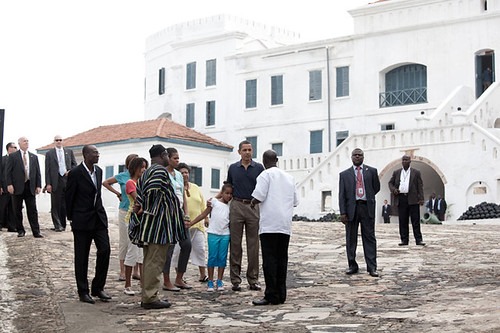
Accra
Accra, the vibrant capital city of Ghana, is a bustling metropolis known for its rich culture, lively markets, and historic landmarks. As the economic and political center of the country, Accra offers a unique blend of modern development and traditional Ghanaian heritage. Visitors and residents alike enjoy its warm hospitality, diverse cuisine, and thriving arts scene, making it a must-visit city in West Africa.
Neighborhoods and Districts
Accra, the capital city of Ghana, is a vibrant metropolis composed of numerous neighborhoods and districts, each with its own unique character and cultural significance. The city serves as the economic and administrative hub of the country, attracting people from all over Ghana and beyond.
Among the prominent neighborhoods in Accra are Osu, known for its lively nightlife, cafes, and markets; Labone, a residential area favored by expatriates and professionals; and Cantonments, which houses many government offices and diplomatic missions. Other notable districts include East Legon, a modern and upscale area with shopping centers and entertainment venues, and Jamestown, famous for its historic lighthouse and colonial architecture.
Accra is divided into several districts that manage various administrative functions. These include the Greater Accra Region, which encompasses the city proper and its suburbs, and the Accra Metropolitan Area, which is the primary urban zone. Each district contributes to the city’s diverse landscape, combining traditional Ghanaian culture with modern urban development. This dynamic mix makes Accra a fascinating city to explore and experience.
Historical Landmarks
Accra, the vibrant capital city of Ghana, is rich in historical landmarks that showcase its diverse cultural heritage. One of the most prominent sites is the Cape Coast Castle, located just outside the city, which played a significant role during the trans-Atlantic slave trade and now serves as a somber museum. Inside Accra, the W.E.B. Du Bois Center honors the legacy of the renowned scholar and civil rights activist, offering insights into Ghana’s Pan-African history. The Independence Square, also known as Black Star Square, is a symbol of Ghana’s independence movement and features impressive statues and monuments celebrating national pride. Additionally, the Jamestown Lighthouse and the Old Faithful Church are notable landmarks that reflect Accra’s colonial past and architectural history. Exploring these sites provides a captivating glimpse into Ghana’s history and cultural evolution.
Cultural Attractions
Accra, the vibrant capital of Ghana, is rich in cultural attractions that showcase the nation’s history and traditions. Visitors can explore the W.E.B. Du Bois Center, which commemorates the influential scholar and civil rights activist. The National Museum of Ghana offers a diverse collection of artifacts spanning Ghanaian history, art, and culture. Artists and craft enthusiasts will enjoy the vibrant Makola Market, where traditional textiles, beadwork, and handcrafted items are available. Additionally, the Labadi Beach serves as a lively spot for both relaxation and cultural festivities. Accra’s lively music scene, including highlife and hiplife, further highlights the city’s cultural vibrancy, making it a must-visit destination for those seeking an authentic Ghanaian experience.
Economic Activities
Accra, the capital city of Ghana, is a vibrant economic hub that plays a significant role in the country’s overall development. The city boasts diverse economic activities, ranging from manufacturing and trade to services and technology. Accra’s bustling markets and commercial districts facilitate intra-city and international trade, making it a key center for commerce in West Africa. The port of Tema, located nearby, enhances import and export operations, supporting industries such as logistics and shipping. Additionally, the city is experiencing growth in the financial sector, with numerous banks, insurance companies, and fintech firms establishing their presence. The expanding technology sector, including startups and innovation hubs, contributes to job creation and economic diversification. Overall, Accra’s multifaceted economy reflects Ghana’s emerging status as a dynamic and growing nation in the region.
Transportation and Infrastructure
Accra, the capital city of Ghana, is a bustling urban center with a growing transportation network and infrastructure development projects. As a key economic and political hub, Accra faces challenges related to traffic congestion and urban planning, but numerous efforts are underway to improve mobility and city services.
- Road Networks: Accra’s road system includes major highways, arterial roads, and local streets that facilitate movement across the city and connect to surrounding regions.
- Public Transportation: The city offers various modes of public transit such as shared taxis, mini-buses, and the Ghana Urban Transport Company buses, although public transport infrastructure continues to evolve.
- Traffic Management: Recent initiatives focus on implementing traffic lights, road signage, and parking facilities to reduce congestion and improve safety.
- Infrastructure Projects: Ongoing developments include the expansion of roads, construction of new bridges, and upgrades to drainage systems to support urban growth and mitigate flooding.
- Future Plans: There are plans to develop a Bus Rapid Transit system and improve integration with rail services to enhance efficient transit options for residents and visitors.
Kumasi
Kumasi, known as the Garden City of Ghana, is the vibrant capital of the Ashanti Region. It is celebrated for its rich history, cultural heritage, and bustling markets. As one of Ghana’s largest cities, Kumasi plays a significant role in the country’s economy and tradition, making it a fascinating destination for both visitors and residents alike.
Asante Cultural Heritage
Kumasi, the capital of the Ashanti Region in Ghana, is renowned for its rich cultural heritage and historical significance. As the cultural heart of the Ashanti people, Kumasi is home to many traditional festivals, artisans, and historic sites that showcase the vibrant Ashanti traditions.
The city is famous for the Manhyia Palace, the seat of the Asantehene, the traditional ruler of the Ashanti. This palace stands as a symbol of the Ashanti monarchy and serves as a center for cultural ceremonies and events. Kumasi also hosts the annual Akwasidae Festival, a colorful celebration that honors ancestors and showcases traditional music, dance, and regalia.
Traditional crafts such as Kente weaving, bead making, and wood carving thrive in Kumasi, preserving ancient art forms and passing them on to future generations. The city’s markets, especially the Kejetia Market, are bustling hubs where locals and visitors alike can experience the vibrant commercial and cultural life of the Ashanti people.
With its blend of history, art, and vibrant traditions, Kumasi stands out as a key city in Ghana that embodies the rich cultural heritage of the Ashanti kingdom and offers a unique glimpse into Ghanaian history and culture.
Kejetia Market
Kumasi, the heart of Ghana’s Ashanti Region, is renowned for its vibrant culture and bustling markets. Among its most famous attractions is the Kejetia Market, which stands as one of the largest open-air markets in West Africa. The market is a hub of economic activity, offering a diverse array of goods from textiles and beads to foodstuffs and handcrafted items. Visitors to Kumasi often explore Kejetia Market to experience the lively atmosphere and to purchase authentic Ghanaian products. The city itself is rich in history, with numerous cultural sites, museums, and traditional festivals that reflect its deep-rooted heritage. Kumasi exemplifies the dynamic nature of Ghana’s urban centers, blending tradition with modern commerce and life.
Tourist Attractions
Kumasi, often referred to as the “Garden City,” is a vibrant city in Ghana known for its rich cultural heritage and historical significance. It is the capital of the Ashanti Region and a hub of tradition and history.
Tourist attractions in Kumasi include the Manhyia Palace, which is the historic seat of the Ashanti king and a museum showcasing Ashanti culture. The Kejetia Market offers a bustling experience of local crafts, textiles, and foods, making it a must-visit for visitors seeking authentic Ghanaian market life. The Kumasi Botanical Gardens provides a tranquil escape with beautiful plant collections and lush greenery. Additionally, the Okomfo Anokye Sword Site is a legendary cultural site linked to Ashanti folklore and history.
Overall, Kumasi presents a unique blend of tradition, history, and vibrant city life, making it a compelling destination for travelers exploring Ghana’s diverse cities.
Educational Institutions
Kumasi, known as the cultural capital of Ghana, is also a prominent educational hub in the country. The city hosts several renowned educational institutions that attract students from across Ghana and beyond. Among these are the Kwame Nkrumah University of Science and Technology, which is one of the leading universities in West Africa, offering a wide range of programs in science, technology, and humanities. Additionally, Kumasi Technical University provides technical and vocational training aimed at enhancing practical skills and workforce development. Other notable institutions include the Wesley Girls’ High School and St. Peter’s School, which are well-regarded secondary schools. These institutions contribute significantly to the development of human capital in Ghana, making Kumasi a vital center for education in the nation.
Cape Coast
Cape Coast, located along the Atlantic coast of Ghana, is a city rich in history and culture. Known for its colonial architecture, historic sites, and vibrant markets, it serves as a significant hub in the country’s southwestern region. The city’s unique blend of heritage and modernity makes it a fascinating destination for visitors and an important center for Ghanaian history.
Historical Significance
Cape Coast is a city of great historical importance in Ghana, known for its rich cultural heritage and colonial history. It served as the political and economic hub during the period of European contact and remained significant during the colonial era. The city’s historical significance is reflected in its well-preserved sites, museums, and architecture that tell the story of Ghana’s past.
- Fort Cape Coast: A UNESCO World Heritage Site, this fort was originally built by the Portuguese in the late 15th century and later expanded by the Swedes and British. It played a central role in the trans-Atlantic slave trade.
- Regional Museum: Offers insights into the history, culture, and artifacts of the region, displaying items related to the colonial period and the slave trade.
- Elmina Castle: Located nearby, it is one of the oldest European building remnants in Sub-Saharan Africa and was a major site of the Atlantic slave trade.
- Architectural Heritage: The city features colonial-era buildings, churches, and markets that highlight its historical past and architectural diversity.
- Historical Events: Cape Coast was a site of significant historical events, including resistance against colonial rulers and efforts in Ghana’s struggle for independence.
Fort William and Cape Coast Castle
Cape Coast is a historic city in Ghana renowned for its rich cultural heritage and colonial history. Among its most notable landmarks are Fort William and Cape Coast Castle, both of which play significant roles in understanding Ghana’s past.
Fort William, built by the British in the late 17th century, served as a strategic fortification and trading post during the colonial period. Its sturdy walls and strategic location provided control over maritime activities and were vital during the colonial struggle for dominance in West Africa.
Cape Coast Castle, also known as “Forts and Castles of Ghana,” is a UNESCO World Heritage Site and one of the most important historical sites in Ghana. Originally built by the Swedes and later expanded by the British and other European powers, it was a central hub in the Atlantic slave trade. Today, the castle serves as a museum that educates visitors about Ghana’s history and the transatlantic slave trade.
Beaches and Tourism
Cape Coast is a vibrant city in Ghana known for its rich history, stunning beaches, and lively tourism scene. It offers visitors a unique blend of cultural heritage and natural beauty, making it a must-visit destination in the country. Beaches in Cape Coast are renowned for their white sands, clear waters, and excellent facilities, attracting both local and international tourists.
- Historical sites including the Cape Coast Castle, a UNESCO World Heritage Site representing Ghana’s colonial past.
- Beautiful beaches like Cape Coast Beach and Anomabo Beach perfect for relaxing, swimming, and water sports.
- Tourism activities such as boat rides, local food markets, and cultural festivals that showcase Ghanaian traditions.
- Affordable accommodations ranging from luxury resorts to cozy guesthouses for all travelers.
- Efforts to promote sustainable tourism and preserve the city’s natural and historical assets.
Cultural Events
Cape Coast is one of Ghana’s culturally rich cities, renowned for its vibrant festivals and historical significance. The city hosts several cultural events throughout the year that attract both locals and tourists, offering a glimpse into Ghanaian traditions and heritage. One of the most notable events is the Cape Coast Festival, which celebrates the history and culture of the Efutu people with drumming, dancing, and colorful processions. Additionally, the annual Fetu Afahye festival is a major celebration marking the end of the harvesting season, featuring rituals, storytelling, and communal feasts. These events play a vital role in preserving the local culture and fostering community spirit in Cape Coast. Visitors can experience traditional music, dance, and crafts, making the city a lively cultural hub in Ghana.
Tamale
Tamale is a vibrant city located in the northern region of Ghana, known for its rich culture and warm hospitality. As one of the key urban centers in the country, Tamale serves as a hub for commerce, education, and traditional Ghanaian festivities. The city seamlessly blends modern development with its deep-rooted cultural heritage, making it a captivating destination for both residents and visitors alike.
Overview and Location
Tamale is a major city in northern Ghana and serves as the capital of the Northern Region. It is known for its vibrant culture, rich history, and rapid development. The city is a hub for commerce, education, and traditional festivals, making it an important center in the northern part of the country.
Located in the heart of the Northern Region, Tamale lies approximately 600 kilometers north of Accra, the capital of Ghana. It is situated near the White Volta River and is surrounded by fertile land suitable for agriculture, which significantly contributes to its economy. Its strategic position makes it a vital gateway for trade and transportation within the northern territories of Ghana.
Traditional Festivals
Tamale, a vibrant city in northern Ghana, is renowned for its rich cultural heritage and lively traditional festivals. These festivals play an essential role in bringing communities together, celebrating history, and preserving customs. One of the most prominent festivals in Tamale is the Damba Festival, which usually takes place in the month of December. This festival commemorates the birth and life of Prophet Mohammed and features colorful parades, traditional drumming, dancing, and elaborate costumes. Visitors from all over Ghana and beyond come to witness these cultural displays, which showcase the deep-rooted traditions of the people of Tamale. Other festivals in the region include the Sakwati Festival and the Kurubi Festival, each highlighting unique aspects of local heritage. These celebrations are not only a display of cultural pride but also serve as important opportunities for social cohesion and economic activity within the city. Tamale’s traditional festivals thus offer a fascinating glimpse into the vibrant cultural tapestry of Ghana’s northern regions.
Local Cuisine
Tamale, located in northern Ghana, is renowned for its vibrant local cuisine that reflects the rich cultural heritage of the region. The city offers a variety of traditional dishes that showcase unique flavors and cooking styles prevalent among the Dagomba people.
- Chorkor: A popular street food made from grilled fish seasoned with spices and served with maize or millet-based dishes.
- 🌰 Tuo Zaafi: A comforting porridge made from millet or maize flour, often served with a flavorful soup made from vegetables and meat or fish.
- Kontomire Stew: A delicious green leafy vegetable stew cooked with palm oil, tomatoes, onions, and often topped with boiled eggs or fish.
- Yam Balls: Deep-fried balls made from mashed yam mixed with spices, often enjoyed as a snack or part of a main meal.
- Fufu and Light Soup: A staple in Tamale, fufu made from cassava or plantains is served with a spicy soup usually containing meat or fish, and is a favorite communal dish.
These dishes highlight the diversity and richness of Tamale’s local cuisine, offering a taste of the region’s culinary traditions that are cherished by both locals and visitors alike.
Key Markets and Economy
Tamale is a vibrant city located in the northern part of Ghana, known for its rich cultural heritage and rapid urban development. It serves as a key economic and administrative hub in the region, with a growing population involved in various sectors.
Key markets in Tamale include the Tamale Central Market, which is one of the busiest commercial centers in northern Ghana. The market offers a wide variety of goods, from traditional crafts and textiles to agricultural products, serving as a vital trading space for locals and traders from surrounding areas.
The economy of Tamale is primarily driven by agriculture, trade, and small-scale industries. The fertile land around the city supports the cultivation of crops such as maize, millet, beans, and yams. Additionally, the city is witnessing growth in sectors like education, healthcare, and transportation, contributing to its increasing role as a regional economic center in Ghana.
Takoradi
Takoradi is a bustling city located in the western part of Ghana, known for its rich history, vibrant culture, and thriving port activities. As one of the major urban centers in the country, Takoradi serves as an economic hub driven by its port, oil industry, and diverse local communities. The city also boasts beautiful beaches, lively markets, and a blend of modern and traditional Ghanaian lifestyles, making it an important city to explore within Ghana’s diverse landscape of urban centers.
Port and Industrial Activities
Takoradi, one of Ghana’s prominent cities, serves as a vital hub for port activities and industrial development. Located along the coast, it is renowned for its bustling port and diverse economic activities that contribute significantly to the country’s economy.
- The Takoradi Port is one of the largest and busiest in Ghana, handling a wide range of cargo including minerals, timber, and manufactured goods.
- The port’s strategic location facilitates trade not only within Ghana but also with neighboring countries in the West African region.
- Industrial activities in Takoradi are diverse, encompassing oil and gas, manufacturing, and processing industries, driven by both local resources and foreign investments.
- The city hosts several industrial parks that attract investors and promote sustainable economic growth.
- Takoradi’s development as an industrial and port city highlights its importance as a key economic center in Ghana.
Tourist Destinations
Takoradi, a vibrant city in Ghana, is renowned for its beautiful beaches, lively markets, and rich history. Visitors can explore the stunning beaches like Sekondi Beach and Queen’s Beach, perfect for relaxation and water activities. The city also offers cultural experiences at local markets where artisans sell handcrafted goods and traditional Ghanaian foods. Takoradi is also close to the Bakoste Forest Reserve, ideal for eco-tourism and nature lovers. Its bustling port and growing metropolis make it a fascinating destination for those interested in Ghanaian urban life and coastal beauty.
Development Projects
Takoradi, a prominent city in Ghana, has experienced significant development in recent years through various infrastructure projects. These initiatives aim to improve transportation, healthcare, education, and urban facilities, fostering economic growth and enhancing the quality of life for residents. Major roads and port facilities have been upgraded to support increased trade and commerce, while new schools and healthcare centers have been established to meet the growing population’s needs. Additionally, urban renewal projects are transforming Takoradi into a modern city with better housing, recreational centers, and public spaces, positioning it as a key hub in Ghana’s development landscape.
Natural Attractions
Takoradi, a vibrant city in Ghana, is renowned for its natural attractions that captivate visitors and locals alike. Surrounded by lush landscapes and scenic coastlines, the city offers a variety of outdoor experiences. The nearby beaches, such as Apowa Beach and Secunde Beach, provide pristine sands and clear waters perfect for relaxation and water activities. Additionally, the Bosumtwi Forest Reserve offers an opportunity to explore Ghana’s rich biodiversity through trekking and wildlife viewing. The MacCarthy Hill, known for its panoramic views of the city and coastline, is also a popular natural landmark. These attractions highlight Takoradi’s natural beauty, making it a must-visit destination for nature lovers in Ghana.
Sunyani
Sunyani, often referred to as the Garden City of Ghana, is a vibrant city located in the Bono Region. Known for its lush greenery, friendly atmosphere, and rich cultural heritage, Sunyani serves as a key administrative and economic hub in western Ghana. The city offers a blend of modern amenities and traditional charm, making it a notable destination among Ghanaian cities.
Administrative Role
Sunyani, the capital city of the Bono Region in Ghana, plays a vital administrative role in the country’s local government system. As an administrative hub, it houses various government offices and institutions responsible for regional development, public administration, and service delivery. The city’s leadership oversees urban planning, resource management, and community welfare, ensuring effective governance and coordinated growth. Sunyani’s strategic importance extends to fostering regional stability and facilitating national development initiatives within Ghana’s broader administrative framework.
Education and Institutions
Sunyani, the capital of the Bono Region in Ghana, is a vibrant city known for its educational and institutional development. The city hosts several notable educational institutions, including the Sunyani Technical University, which offers a range of technical and vocational programs to support local industry and economic growth. Additionally, the University of Energy and Natural Resources has a campus in Sunyani, focusing on sustainable energy solutions and environmental studies. The presence of these institutions fosters a culture of learning and innovation in the city.
Sunyani also boasts various secondary and primary schools that serve the local population, providing quality education to students from different backgrounds. The city’s educational infrastructure continues to expand, attracting students from across the region and contributing to Ghana’s overall development. Moreover, Sunyani is home to several government agencies and financial institutions, which support economic activities and service delivery in the city.
Recreational Sites
Sunyani, a vibrant city in Ghana, offers a variety of recreational sites that attract both locals and tourists. Visitors can explore the beautiful Bui National Park, which is home to diverse wildlife and lush greenery, providing excellent opportunities for nature walks and bird watching. The Sunyani Recreation Park is another popular spot, featuring well-maintained gardens, walking trails, and recreational facilities for families and individuals alike. For those interested in cultural experiences, the Sunyani Cultural Centre hosts events and displays that showcase the rich traditions of the region. Additionally, the Achimota Forest Reserve nearby offers a peaceful retreat with scenic views and opportunities for outdoor activities. Overall, Sunyani’s recreational sites make it a lively and enjoyable city to visit in Ghana.
Community Events
Sunyani, the vibrant capital of the Bono Region in Ghana, is renowned for its lively community events that bring residents together and showcase the rich cultural heritage of the area. Throughout the year, the city hosts various festivals, celebrations, and cultural gatherings that highlight traditional music, dance, and cuisine. These events not only foster community spirit but also attract visitors from across Ghana and beyond, contributing to the local economy.



0 Comments