
Geographical Location of Zimbabwe
Zimbabwe is a landlocked country located in southern Africa, surrounded by Zambia to the north, Mozambique to the east, South Africa to the south, and Botswana to the west. Its geographic position places it within a diverse climate zone, ranging from tropical to subtropical, contributing to a rich variety of habitats and ecosystems. The country’s central location in the region makes it an important cultural and economic hub in the southern African subcontinent.
Bordering Countries
Zimbabwe is a landlocked country located in southern Africa. It is bordered by several countries, including Zambia to the northwest, Mozambique to the northeast, South Africa to the south, and Botswana to the west. The country features diverse landscapes, from savannas and grasslands to mountainous regions. Its geographical position makes it a central part of the Southern African region, with access to both inland and coastal economies through neighboring nations.
Major Landforms and Topography
Zimbabwe is a landlocked country located in Southern Africa, bordered by Zambia to the northwest, Mozambique to the northeast, South Africa to the south, and Botswana to the west. Its geographical position places it within the tropical zone, with a generally moderate climate.
The country features a diverse array of landforms and topographical features. The most prominent landform is the high central plateau, known as the Zimbabwean Plateau, which rises approximately 1,000 to 1,600 meters above sea level. This plateau is dissected by several major rivers and features undulating hills and expansive hillsides.
Notable landforms include the Great Zimbabwe Ruins situated on the high plateau, and the extensive Zambezi River valley, which forms part of the country’s northern border. The Zambezi River powerfully flows over the famous Victoria Falls, one of the largest and most impressive waterfalls in the world.
The Eastern Highlands form a mountainous area along the eastern border, rising sharply and featuring fertile valleys, dense forests, and scenic peaks. To the west and southwest, the terrain descends into low-lying plains that are part of the Kalahari Basin, characterized by arid conditions and sparsely vegetated land.
Overall, Zimbabwe’s topography is characterized by a mixture of high plains, river valleys, mountains, and plateau regions, all contributing to the country’s rich natural landscape and varied climate zones.
Climate and Weather Patterns
Zimbabwe is a landlocked country located in Southern Africa, bordered by Zambia to the northwest, Mozambique to the east, South Africa to the south, and Botswana to the west. Its geographical position places it within the tropical region, with diverse landscapes including highlands, savannas, and woodlands.
The climate of Zimbabwe varies across different regions but is generally characterized by a tropical and subtropical climate with distinct wet and dry seasons. The country experiences warm temperatures year-round, with variations depending on altitude and season, and an annual rainfall that primarily occurs between November and March.
- In the highland regions, the climate is more temperate with cooler temperatures and consistent rainfall, supporting lush vegetation.
- The lowveld and valley areas tend to have warmer temperatures and less rainfall, making them semi-arid and suitable for certain crops and wildlife.
- Rainfall patterns are influenced by the Intertropical Convergence Zone, bringing seasonal rains that are vital for agriculture.
Historical Background of Zimbabwe
Zimbabwe, a landlocked country in southern Africa, has a rich and complex history that dates back thousands of years. It was the site of ancient civilizations, most notably the Kingdom of Zimbabwe, which flourished between the 11th and 15th centuries and is renowned for its impressive stone ruins such as Great Zimbabwe. Over centuries, the region experienced diverse influences, from indigenous cultures to foreign traders and colonizers, shaping its social and political landscape. The country’s modern history is marked by struggles for independence and efforts to build a unified national identity.
Pre-Colonial Kingdoms
The history of Zimbabwe is deeply rooted in its rich cultural and political legacy, dating back thousands of years before colonial influence. In ancient times, the region was home to powerful pre-colonial kingdoms that laid the foundations for its historical development. These kingdoms, such as the Kingdom of Great Zimbabwe, flourished through trade, agriculture, and sophisticated societal organization. The Kingdom of Great Zimbabwe, established around the 11th century, became the center of political and economic power, known for its impressive architecture and extensive trade networks that connected Africa to the Far East and Arabia. Prior to European colonization, other significant states and chiefdoms existed across the area, each contributing to the shaping of cultural identity and societal structure. These pre-colonial kingdoms played a crucial role in fostering social cohesion, technological advancement, and regional influence, setting the stage for the later historical events that would shape modern Zimbabwe.
Colonial Era and Independence Struggles
Zimbabwe has a rich historical background that dates back thousands of years, with early inhabitants establishing sophisticated societies such as Great Zimbabwe, which was a powerful and influential city-state by the 11th century. These ancient civilizations contributed significantly to regional trade and culture, showcasing advanced stone architecture and societal organization.
During the colonial era, Zimbabwe was known as Southern Rhodesia and was subjected to British rule beginning in the late 19th century, following the colonization of Southern Africa by European powers. The British South Africa Company, led by Cecil Rhodes, exploited the region’s resources and implemented policies that marginalized the native populations. White settlers established large-scale agriculture and land ownership, which led to significant social and economic disparities, fueling tensions that would later influence independence movements.
The struggle for independence in Zimbabwe was marked by prolonged resistance against colonial rule, led by figures such as Robert Mugabe and Joshua Nkomo. The liberation war, known as the Zimbabwe War of Liberation or the Second Chimurenga, intensified during the 1960s and 1970s as nationalist movements fought to end racial discrimination and secure sovereignty. This conflict culminated in the Lancaster House Agreement of 1979, which paved the way for recognized independence and the establishment of Zimbabwe as a sovereign nation in 1980.
Modern Political History
Zimbabwe’s historical background is rich and complex, marked by significant cultural, social, and political developments. The region was once home to powerful indigenous kingdoms, most notably Great Zimbabwe, which flourished between the 11th and 15th centuries as a center of trade and civilization. European contact began in the late 15th century, with the Portuguese exploring the coast and establishing trading posts. In the 19th century, British colonization intensified, culminating in the official establishment of Southern Rhodesia as a British colony in 1923. The country gained independence in 1965 as Rhodesia, leading to a prolonged and violent struggle for self-rule.
Modern political history of Zimbabwe is characterized by a series of transformative events. Robert Mugabe emerged as a prominent leader during the fight against colonial rule and became Prime Minister in 1980 when the country gained recognized independence, later serving as President. Mugabe’s tenure was marked by efforts to redistribute land and assert sovereignty, but it was also characterized by political repression, economic decline, and human rights issues. The country experienced a significant political crisis in the early 2000s, with hyperinflation and economic collapse forcing Mugabe’s government to implement controversial policies. In 2017, Mugabe was ousted through a military coup, and Emmerson Mnangagwa assumed the presidency, promising reforms and economic revival. Since then, Zimbabwe has continued to face challenges related to governance, economic stability, and political freedoms, shaping its ongoing journey in the modern era.
Economy of Zimbabwe
The economy of Zimbabwe is characterized by a diverse mix of agriculture, mining, manufacturing, and services sectors, which have played significant roles in the nation’s development. Despite facing numerous challenges such as hyperinflation, political instability, and economic sanctions, Zimbabwe continues to work towards stabilizing and revitalizing its economic landscape. The country is rich in natural resources and has a potential for growth, particularly in sectors like mining and tourism, which remain vital to its economic future.
Key Industries and Sectors
The economy of Zimbabwe is characterized by a diverse range of industries and sectors that play a vital role in the country’s development. Despite facing economic challenges such as inflation and currency instability, Zimbabwe’s key industries continue to contribute significantly to its Gross Domestic Product (GDP) and employment rates.
- Agriculture: Agriculture remains a cornerstone of Zimbabwe’s economy, with maize, tobacco, cotton, and sugarcane being the primary crops. The sector employs a large proportion of the population and provides raw materials for local and export markets.
- Mining: Zimbabwe is rich in mineral resources, including platinum, gold, nickel, chrome, and diamonds. The mining sector is a major contributor to national revenue and foreign exchange earnings.
- Manufacturing: The manufacturing industry includes food processing, textiles, chemicals, and machinery production. Although it faces challenges, it supports domestic consumption and exports.
- Tourism: Zimbabwe’s diverse landscapes, wildlife, and UNESCO World Heritage Sites like Victoria Falls attract both international and domestic tourists, generating substantial revenue for the economy.
- Services: The financial services, retail, and telecommunication sectors are growing, providing essential support for other industries and facilitating economic activities.
Agriculture and Natural Resources
Zimbabwe’s economy is primarily driven by agriculture, mining, and manufacturing sectors. Agriculture plays a vital role, employing a large portion of the population and contributing significantly to GDP. Key crops include maize, tobacco, cotton, and sugar, with tobacco being a major foreign exchange earner. However, the agricultural sector faces challenges such as outdated machinery, land reform disputes, and recurring droughts, which impact productivity. The country is rich in natural resources, including diamonds, platinum, gold, and chrome, making mining a crucial contributor to the economy. Despite its resource wealth, economic instability, inflation, and limited foreign investment hinder growth. Sustainable management of Zimbabwe’s natural resources and revitalization of agriculture are essential for economic stability and development.
Economic Challenges and Reforms
The economy of Zimbabwe has faced significant challenges over recent decades, marked by hyperinflation, unemployment, and a decline in major industries. Historically reliant on agriculture and mining, the country has experienced periods of economic instability driven by political turmoil, land reform policies, and external sanctions. These issues have severely impacted investor confidence and economic growth, leaving many Zimbabweans struggling with poverty and limited access to essential services.
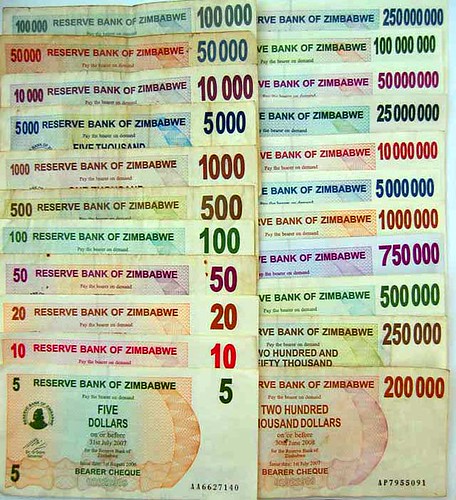
Economic challenges in Zimbabwe include hyperinflation, which peaked in the late 2000s, eroding the value of currency and savings. The country also suffers from a shortage of foreign currency, high public debt, and unreliable electricity supply, all of which limit industrial productivity and economic expansion. Land ownership disputes and inconsistent government policies have further hampered agricultural productivity, the backbone of the economy.
In response, Zimbabwe has undertaken several reforms to stabilize its economy, including dollarization of the currency in 2009, attempts to attract foreign investment, and efforts to improve fiscal discipline. Recent initiatives also focus on diversifying the economy beyond agriculture and mining, promoting sectors like tourism and manufacturing. While these reforms have yielded some positive results, structural issues and political uncertainties continue to pose challenges to sustainable economic development in Zimbabwe.
Culture and Society of Zimbabwe
Zimbabwe’s culture and society are rich and diverse, shaped by a long history of traditional customs, colonial influence, and modern developments. The country is known for its vibrant music, dance, art, and oral traditions that reflect the deep-rooted values and history of its people. Community life and family play central roles, fostering a strong sense of identity and social cohesion across different ethnic groups such as the Shona and Ndebele. As a nation, Zimbabwe continues to blend its ancient cultural heritage with contemporary influences, creating a unique societal fabric.
Languages and Ethnic Groups
Zimbabwe is a country rich in cultural diversity and societal traditions, shaped by its extensive history and numerous ethnic groups. Its culture reflects elements of indigenous customs, colonial influence, and modern developments, creating a vibrant national identity. The society emphasizes community values, respect for elders, and traditional ceremonies that play a vital role in everyday life.
Languages spoken in Zimbabwe encompass several indigenous languages along with English, which is the official language. The most widely spoken indigenous languages include Shona and Ndebele, each associated with major ethnic groups and regional identities. These languages are integral to cultural expression, storytelling, and traditional practices. English is predominantly used in government, business, and education, facilitating communication in an increasingly globalized world.
Zimbabwe is home to diverse ethnic groups, with the Shona and Ndebele being the largest. Other smaller groups, such as the Tonga, Venda, and Manyika, also contribute to the country’s cultural mosaic. Each group has its own unique customs, dress, music, and dance traditions, which enrich Zimbabwe’s cultural landscape. The coexistence of these groups fosters a sense of national unity and cultural pride.
- Shona
- Ndebele
- Tonga
- Venda
- Manyika
Traditions, Festivals, and Art
Zimbabwe boasts a rich and diverse cultural heritage that reflects its history, traditions, and societal values. The society is characterized by a blend of indigenous customs and influences from external cultures, creating a vibrant social fabric. Traditional music, dance, and storytelling play integral roles in community life, serving as means of preserving history and fostering social cohesion.
Traditions in Zimbabwe revolve around ceremonies such as the Shona and Ndebele rites of passage, including initiation and marriage ceremonies that reinforce social bonds and cultural identity. The practices often involve elaborate rituals, traditional attire, and communal participation, emphasizing respect for elders and ancestral spirits.
Festivals in Zimbabwe are colorful and spirited events that showcase its cultural diversity. Notable celebrations include the Mhondoro Festival, which honors ancestral spirits, and the Zimbabwe International Trade Fair, which promotes economic and cultural exchange. These festivals often feature traditional music, dance performances, craft displays, and local cuisine, attracting both locals and visitors.
Zimbabwean art is renowned for its stone sculptures, beadwork, pottery, and textiles. The Shona sculpture movement, in particular, has gained international acclaim for its intricate and expressive stone carvings that often depict themes from mythology, daily life, and nature. Art serves as a vital expression of cultural identity and is commonly showcased in galleries, markets, and cultural festivals across the country.
Overall, Zimbabwe’s culture and society are vibrant, rooted in traditions that celebrate community, creativity, and spirituality, making it a unique and inspiring country in Africa.
Religion and Social Practices
Zimbabwe boasts a rich and diverse cultural landscape shaped by its history, ethnic groups, and traditions. The society is primarily composed of the Shona and Ndebele peoples, each with unique customs, languages, and social practices that reflect their ancestral heritage. Music, dance, and storytelling play vital roles in community life, serving as means to preserve history and pass down values across generations. Traditional ceremonies, such as rain-making rituals and initiation rites, are integral to maintaining social cohesion and cultural identity.
Religion in Zimbabwe is predominantly characterized by a mix of Christianity and traditional indigenous beliefs. Christianity was introduced during colonial times and is widely practiced, with many churches and denominations present throughout the country. Indigenous spiritual practices often blend with Christian worship, creating a unique religious landscape. Ancestor veneration remains an important aspect of traditional beliefs, with rituals performed to honor ancestors and seek their guidance. Social practices also include ceremonies and rites of passage that reinforce community bonds, such as marriage customs, rites of initiation, and festivals that celebrate agricultural cycles and cultural heritage.
Tourism and Landmarks
Zimbabwe is a captivating destination renowned for its rich history, diverse landscapes, and iconic landmarks. Visitors are drawn to its vibrant culture and breathtaking sites that showcase the country’s natural beauty and historical significance. From ancient ruins to pristine wilderness, Zimbabwe offers a memorable experience for all travelers interested in exploring its unique attractions.
Historic Sites and Cultural Attractions
Zimbabwe is a country rich in tourism opportunities, offering an array of landmarks, historic sites, and cultural attractions that captivate visitors from around the world. Among its most famous landmarks are the majestic Victoria Falls, one of the largest and most spectacular waterfalls worldwide, symbolizing the natural beauty of the region. The country is also home to numerous ancient ruins, such as the Great Zimbabwe Complex, which dates back to the 11th century and is a UNESCO World Heritage Site, showcasing impressive stone architecture and historical significance. Visitors can explore vibrant cultural festivals, traditional music, and dance that reflect the diverse heritage of Zimbabwe’s ethnic groups. National parks like Hwange and Mana Pools provide opportunities to observe diverse wildlife, adding to the country’s appeal as a top safari destination. Overall, Zimbabwe offers a unique blend of natural wonders and historical treasures, making it a compelling destination for travelers interested in exploring history, culture, and nature.
Natural Wonders and National Parks
Zimbabwe is a country renowned for its rich cultural heritage and stunning natural landscapes, making it a premier destination for travelers interested in exploring distinctive landmarks and natural wonders. Visitors can immerse themselves in the vibrant history by visiting the ancient stone ruins of Great Zimbabwe, a UNESCO World Heritage Site that showcases impressive ancient architecture and offers insight into Zimbabwe’s early civilization.
Among the country’s natural attractions, Victoria Falls stands out as one of the most breathtaking waterfalls in the world. Known locally as “The Smoke That Thunders,” this magnificent cascade straddles the border between Zimbabwe and Zambia and draws travelers from across the globe for its awe-inspiring beauty and adventurous activities like bungee jumping and white-water rafting.
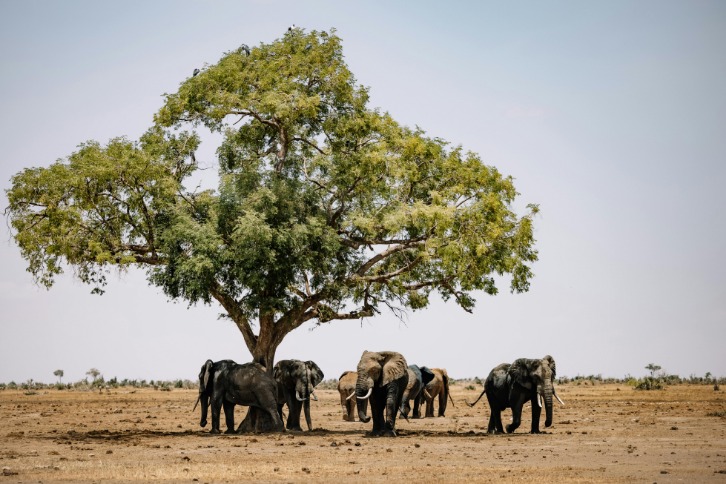
Zimbabwe’s national parks are teeming with diverse wildlife and pristine landscapes. Hwange National Park is home to one of the largest elephant populations in Africa and offers fantastic safari experiences through its expansive plains and dense woodland. Similarly, Mana Pools National Park offers a unique wilderness experience with opportunities for walking safaris and canoeing, allowing visitors to observe elephants, lions, hippos, and countless bird species in their natural habitat.
Overall, Zimbabwe’s blend of historic landmarks, natural wonders, and protected parks provides an unforgettable experience for anyone interested in exploring Africa’s diverse landscapes and cultural heritage.
Tourist Infrastructure and Development
Zimbabwe is a vibrant destination renowned for its rich cultural heritage, stunning landscapes, and historical landmarks. Tourists are drawn to its iconic sites such as Victoria Falls, one of the world’s largest and most awe-inspiring waterfalls, as well as ancient ruins like Great Zimbabwe, a UNESCO World Heritage Site that reflects the country’s glorious past. The nation’s diverse terrain includes national parks teeming with wildlife, offering excellent opportunities for safaris and nature exploration.
To support tourism, Zimbabwe has developed a comprehensive infrastructure that includes modern hotels, lodges, and transportation options. Airports in cities like Harare and Bulawayo facilitate international access, while well-maintained roads and tour operators ensure smooth travel within the country. Efforts continue to enhance tourist facilities, including the expansion of amenities at key attractions and the promotion of eco-tourism to preserve Zimbabwe’s natural environments. Overall, Zimbabwe’s commitment to tourism development contributes to its reputation as a top destination for adventure, cultural discovery, and natural beauty.
Government and Political System
Zimbabwe’s government and political system have experienced significant changes over the years, shaping the country’s development and governance. As a landlocked nation in Southern Africa, Zimbabwe operates under a republic framework with a president as the head of state and government. Its political landscape has been influenced by various historical, social, and economic factors, reflecting the nation’s ongoing journey toward stability and democracy. Understanding Zimbabwe’s government and political system is essential to comprehending its current policies, challenges, and future prospects.
Political Structure and Leadership
Zimbabwe’s government operates as a republic with a presidential system, where executive power is concentrated in the President, who is both the head of state and the head of government. The political structure is characterized by a multi-party system, though the Zimbabwe African National Union – Patriotic Front (ZANU-PF) has maintained dominant control since independence. The Parliament of Zimbabwe consists of two chambers: the House of Assembly and the Senate, which are responsible for lawmaking and oversight. The leadership is typically centered around the President, who is elected by popular vote for a five-year term, with the most recent elections reflecting the country’s complex political landscape. Zimbabwe’s political scene has historically been marked by efforts to balance power among various institutions, but it has also faced issues related to governance, electoral integrity, and political stability.
Legal System and Constitution
Zimbabwe’s government operates as a republic with a presidential form of leadership, where the President serves as both the head of state and government. The political system is characterized by a multi-party structure, though historically, the Zimbabwe African National Union-Patriotic Front (ZANU-PF) has held dominant power. The government is responsible for making and enforcing laws, maintaining order, and representing the nation internationally.
The legal system in Zimbabwe is based on a combination of Roman-Dutch law, common law, and customary law. It features a hierarchy of courts, including the Supreme Court, the High Court, and lower courts such as magistrates’ courts. The judiciary is tasked with interpreting and applying laws, protecting constitutional rights, and ensuring justice is administered fairly across the country.
The Constitution of Zimbabwe is the supreme law of the land, establishing the framework of government, delineating powers among the executive, legislative, and judicial branches, and safeguarding fundamental rights and freedoms. It has undergone several amendments to adapt to political and social changes, emphasizing democratic principles while also reflecting the country’s unique legal and political history.
International Relations and Policies
Zimbabwe is a landlocked country in Southern Africa with a complex government and political system that has significantly influenced its international relations and policies. The nation operates under a republican form of government, with a President serving as both head of state and government, alongside a parliamentary system that supports legislative functions.
The political landscape of Zimbabwe has historically been shaped by the dominance of the Zimbabwe African National Union-Patriotic Front (ZANU-PF), which has maintained power since independence in 1980. The country’s government has faced criticism over issues related to governance, election fairness, and human rights, impacting its diplomatic relations on the global stage.
Zimbabwe’s international relations are influenced by its efforts to balance regional partnerships and economic stabilization. It has maintained historically close ties with countries like China and Russia while engaging in regional cooperation within the Southern African Development Community (SADC). However, sanctions and diplomatic disagreements with Western nations have challenged its foreign policy pursuits.
- Foreign Aid and Investment: Zimbabwe seeks foreign aid and investment to boost its economy, often navigating complex diplomatic relations to attract support.
- Regional Politics: The country actively participates in regional organizations to promote stability and economic integration across Southern Africa.
- Trade Policies: Zimbabwe emphasizes agricultural and mineral exports, forming trade agreements that align with its economic interests.
- Humaniatarian and Development Policies: The government collaborates with international agencies to address issues like poverty, health, and education, although progress is sometimes impeded by political factors.


0 Comments