
Overview of Ghanaian Languages
Ghana is a linguistically diverse country, home to numerous languages spoken across its various regions. These languages reflect the rich cultural heritage and history of the Ghanaian people. From the widely spoken Akan languages to the lesser-known languages of other ethnic groups, Ghana’s linguistic landscape offers a fascinating glimpse into its cultural tapestry. Understanding these languages provides insight into the country’s social and cultural identity.
Major Languages Spoken in Ghana
Ghana is a multilingual country with a rich tapestry of languages spoken across its regions. These languages reflect the diverse ethnic groups and cultures that make up the nation. Understanding the linguistic landscape of Ghana provides insight into its cultural heritage and social dynamics.
There are over 80 languages spoken in Ghana, but the major languages include Akan, Mole-Dagbon, Ewe, Ga-Dangme, and others. Akan is the most widely spoken language, serving as a lingua franca in many parts of the country. It includes dialects such as Twi and Fante, which are used extensively in daily communication, media, and education. Mole-Dagbon languages are spoken mainly in the northern regions and include languages like Dagbani, Mampruli, and Gonja. Ewe, spoken by the Ewe people in the Volta Region, is another prominent language used in both local administration and cultural expressions. Ga-Dangme languages, including Ga and Dangme, are primarily spoken around the Greater Accra Region and are vital to the urban speech community. Understanding these major languages offers a glimpse into Ghana’s cultural diversity and helps in appreciating the country’s linguistic richness.
Language Distribution by Region
Ghana is a linguistically diverse country with a rich tapestry of languages spoken across its various regions. The majority of the population speaks multiple languages, reflecting the cultural complexity and heritage of the nation. Ghanaian languages are broadly classified into several language families, including the Niger-Congo, Nilo-Saharan, and others, with the Niger-Congo family being predominant.
In the Ashanti, Brong-Ahafo, and parts of the Central Region, Twi, a dialect of the Akan language, is widely spoken and serves as a lingua franca. The Ewe language dominates the Volta Region, while Ga is primarily spoken in the Greater Accra Region. Northern regions such as the Northern, Upper East, and Upper West are home to languages like Dagbani, Kusaal, and Dagaare, respectively. Each region’s language distribution reflects historical migration patterns, ethnic compositions, and cultural practices, making Ghana a truly multilingual society.
Number of Speakers and Demographics
Ghana is a linguistically diverse country with a rich tapestry of languages spoken across its regions. The major languages include Akan, Mole-Dagbon, Ewe, and Ga-Dangme, among others, reflecting the country’s ethnic diversity. Akan is the most widely spoken language, serving as a lingua franca in many parts of the country, with its varieties such as Twi and Fante being prominent. The number of speakers for these languages varies, with Akan alone spoken by over 40% of the population. Other languages like Ewe and Mole-Dagbon also have significant speaker bases, each representing different ethnic groups. Demographically, Ghana’s population is spread across urban and rural areas, with language distribution closely aligned with ethnolinguistic groups and regional boundaries. Multilingualism is common, especially in urban centers where individuals often speak multiple languages for commerce, education, and social interactions. Overall, the linguistic landscape of Ghana reflects its vibrant cultural heritage and complex demographic makeup.
Ghana’s Official Language
Ghana’s official language is English, which plays a vital role in the country’s educational, governmental, and official communication systems. It was inherited from the colonial era and continues to serve as a unifying language in a diverse nation with many indigenous languages. English is used in schools, official documents, and media, making it an important tool for national integration and development.
English as the Official Language
Ghana’s official language is English, which is used for government administration, education, and official communication across the country.
Historical Background of English Adoption
Ghana’s official language is English, a legacy of its colonial past. English was introduced during the period of British colonization in the late 19th and early 20th centuries, serving as the administrative and educational language. Following Ghana’s independence in 1957, English was retained as the official language to promote national unity and facilitate communication across different ethnic groups. Over time, it has become a vital tool for government, education, and media, while many indigenous languages are also widely spoken throughout the country.
Current Usage in Education, Government, and Media
Ghana’s official language is English, which plays a vital role in the country’s administration, education, and media. It was inherited from the colonial period when Ghana was a British colony and has since become the lingua franca for official and formal communication.
In education, English is the medium of instruction from the upper primary level onwards, ensuring that students are well-versed in the language to facilitate national integration and international communication. Many schools also teach local languages to promote cultural heritage, but English remains the primary language used in classrooms.
In government, English is used extensively in official documents, legislation, and proceedings. It serves as the language of parliament, courts, and government agencies, ensuring clear communication across different regions and ethnic groups.
Media in Ghana predominantly use English in newspapers, radio, and television broadcasts, allowing for broad reach and understanding across diverse audiences. While some local languages are used in certain media programs, English remains the dominant language in the country’s mass communication landscape.
Major Indigenous Languages
Ghana is a culturally rich country with a diverse linguistic landscape, featuring several major Indigenous languages that reflect its vibrant heritage. These languages play a crucial role in daily communication, cultural identity, and traditional practices across various regions. Recognizing and preserving these languages is vital for maintaining Ghana’s unique cultural legacy and promoting inclusive development within the nation.
Ewe Language
The Ewe language is one of the major indigenous languages spoken in Ghana, particularly in the Volta Region. It is part of the Gbe language family, which includes several languages spoken in West Africa. Ewe is widely used in daily communication, traditional ceremonies, and local media, making it an integral part of the cultural identity of the Ewe people. The language has its own unique tonal system and rich oral traditions, including proverbs, stories, and songs. Efforts to preserve and promote the Ewe language are ongoing, reflecting its importance in Ghana’s diverse linguistic landscape.
Twi Language Dialects
Ghana is a country rich in linguistic diversity, with numerous indigenous languages spoken across its regions. Among these, Twi stands out as one of the most prominent and widely spoken languages. Twi is part of the Akan language family, which includes several dialects that are primarily spoken in the Ashanti, Akuapem, and Akyem areas. The major dialects of Twi include Ashanti Twi, Akuapem Twi, and Akyem Twi, each with unique pronunciation and expressions that reflect local cultural nuances. These dialects serve as important means of communication within their respective communities and play a vital role in preserving Ghanaian history, traditions, and identity. Overall, Twi and its dialects remain integral to Ghana’s linguistic landscape, fostering social cohesion and cultural expression across the nation.
Dagbani Language
Dagbani is one of the major indigenous languages spoken in Ghana, particularly in the Northern Region. It belongs to the Mole-Dagbanja language group within the Gur language family. The language serves as a vital means of communication among the Dagomba people and plays an essential role in preserving their cultural heritage. Dagbani is used in everyday conversation, traditional ceremonies, and local media, contributing to the rich linguistic diversity of Ghana. The language also features a unique tonal system and a complex verb structure, making it an interesting subject of linguistic study. Promoting and preserving Dagbani is crucial for maintaining the cultural identity of the Dagomba people and the broader indigenous linguistic landscape of Ghana.
Dagaara and Gonja Languages
Ghana is a country rich in linguistic diversity, with numerous indigenous languages spoken across its regions. Among these, Dagaara and Gonja are two prominent languages that play vital roles in the cultural identity of their respective communities.
The Dagaara language is primarily spoken by the Dagaaba people in the Upper West Region of Ghana. It belongs to the Gur language family and is known for its tonal features and complex vowel system. Dagaara is an important language for cultural expression, traditional practices, and local communication within its community.
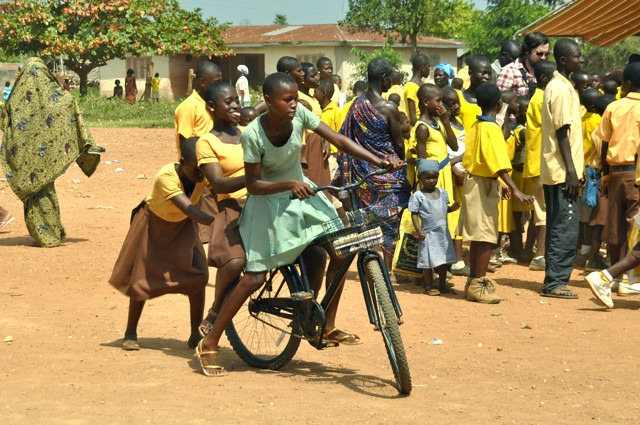
Gonja, on the other hand, is spoken by the Gonja people, mainly in the Northern Region of Ghana. It is part of the Kwa language family and serves as a lingua franca in the northern parts of the country. Gonja has a rich oral tradition and significant cultural importance, showcasing unique linguistic and cultural characteristics.
Both Dagaara and Gonja contribute to Ghana’s multilingual landscape, exemplifying the country’s diverse heritage and the importance of indigenous languages in preserving cultural identity and promoting social cohesion.
Language Families and Classifications
Language families and classifications provide a way to understand the relationships and origins of different languages around the world. In the context of Ghana, the diverse linguistic landscape is a reflection of various language families that have shaped the country’s rich cultural heritage. Exploring these classifications helps us appreciate the connections between Ghanaian languages and their historical development.
Kwa Languages
The Kwa languages are a significant branch of the Niger-Congo language family, predominantly spoken in Ghana and surrounding regions. These languages are known for their distinct phonological and grammatical features, which differentiate them from other Niger-Congo branches. In Ghana, Kwa languages include well-known tongues such as Akan, which comprises several dialects like Twi and Fante, and Ewe. The Akan language serves as a major lingua franca in Ghana and plays a vital role in the country’s cultural and social identity. Understanding the classification of Kwa languages within the broader Niger-Congo family helps in appreciating the linguistic diversity and heritage of Ghana. These languages are important for communication, cultural preservation, and the development of educational resources in the country.
Other Language Families Present in Ghana
Ghana is home to a diverse range of language families, reflecting its rich cultural mosaic. The primary language family in the country is the Niger-Congo family, which includes most of the indigenous languages. Within this family, the most prominent subgroup is the Atlantic-Congo languages, featuring widely spoken languages such as Akan, Ewe, and Mole-Dagbon. The Akan languages, notably Twi and Fante, are some of the most prevalent in Ghana and serve as major regional lingua francas. Besides the Niger-Congo family, Ghana also hosts languages from other families, albeit to a lesser extent. For example, the Ga-Dangme languages, spoken by the Ga and Dangme peoples, also belong to the Niger-Congo family but are classified separately within the group. Additionally, the Gur languages, part of the larger Nilo-Saharan family, are present among some of the smaller ethnic groups. These diverse language families illustrate Ghana’s complex linguistic landscape, showcasing a mixture of longstanding indigenous languages and smaller language groups that contribute to the country’s cultural richness.
Language and Culture
Language and culture are deeply interconnected, shaping the identity and traditions of a community. In Ghana, the myriad of languages reflects the rich diversity of its people and their cultural heritage. These languages not only facilitate communication but also preserve stories, customs, and history passed down through generations. Understanding Ghanaian languages offers a window into the vibrant cultural tapestry that defines the nation.
Language’s Role in Cultural Identity
Language plays a vital role in shaping and expressing cultural identity, especially in a diverse country like Ghana. It serves as a means of preserving traditions, customs, and history, linking generations through shared communication. In Ghana, many indigenous languages such as Akan, Twi, Ewe, and Ga are integral to community life and cultural practices, fostering a sense of belonging and pride among speakers. These languages also help maintain unique cultural practices, stories, and oral traditions that define the various ethnic groups within the nation. As a reflection of Ghana’s rich heritage, language is not only a tool for daily communication but also a powerful symbol of cultural identity and unity among its people, reinforcing their distinct cultural identities amidst modern influences.
Traditional Communication and Oral Literature
Ghana’s rich tapestry of languages and cultures plays a vital role in shaping its identity. Language in Ghana serves not only as a means of communication but also as a vessel for preserving traditional values and cultural heritage. The diverse linguistic landscape includes languages such as Akan, Ewe, Ga, and Mole-Dagbon, each reflecting distinct cultural narratives and histories.
Traditional communication in Ghana often relies on oral transmission, where stories, proverbs, and songs are used to pass down knowledge from generation to generation. This oral tradition is fundamental in maintaining cultural continuity and fostering a sense of community among different ethnic groups.
Oral literature in Ghana is a vibrant aspect of its cultural expression, encompassing folktales, praise songs, riddles, and epic narratives. These forms of storytelling not only entertain but also educate, reinforce social values, and preserve historical accounts. Through these oral practices, Ghanaian communities sustain a deep connection to their past and ensure that their cultural legacy endures through spoken word.
Music, Proverbs, and Oral Traditions
Ghanaian language and culture are rich in diversity, reflecting the country’s many ethnic groups and traditions. Language serves as a vital link to preserve and express cultural identity, history, and values across generations. Music in Ghana is an integral part of celebrations, rituals, and daily life, often accompanied by dance and storytelling that reinforce cultural narratives. Proverbs hold a special place in Ghanaian culture, offering wisdom, moral lessons, and social commentary in concise and poetic forms. Oral traditions, including folk tales, legends, and songs, play a crucial role in transmitting knowledge and cultural heritage without written records.
- Languages in Ghana include Akan, Mole-Dagbon, Ewe, Ga, and many others, each with unique dialects and linguistic features.
- Music styles such as Highlife, Hiplife, and traditional drumming are central to social and religious events.
- Ghanaian proverbs are often used in everyday conversation to convey complex ideas with simplicity and wit.
- Oral traditions encompass storytelling, praise singing, and rituals that strengthen community bonds and cultural continuity.
Language Preservation and Challenges
Language preservation is a vital aspect of maintaining cultural identity and heritage, especially in diverse countries like Ghana. With numerous local languages spoken across the nation, many face the threat of extinction due to globalization and urbanization. Preserving these languages involves overcoming challenges such as limited official recognition, lack of resources, and the dominance of mainstream languages like English. Efforts to protect Ghana’s linguistic diversity are essential to ensure that future generations continue to access and cherish their unique cultural expressions.
Endangerment of Minority Languages
Language preservation is a vital issue in Ghana, where numerous minority languages face significant challenges due to globalization and cultural shifts. Many of these languages, spoken by small communities, are at risk of becoming extinct as younger generations increasingly adopt dominant languages like English or widely spoken local languages such as Akan and Ewe. The endangerment of minority languages in Ghana threatens the rich cultural diversity and oral histories that are unique to each community.
Factors contributing to the language endangerment in Ghana include limited educational resources, lack of official recognition, and urbanization, which encourages the use of more dominant languages for economic and social mobility. Efforts to preserve these languages involve documentation, bilingual education, and community initiatives. However, challenges persist in balancing modernization with the need to maintain linguistic heritage, making language preservation a complex and urgent task in Ghana’s cultural landscape.
Efforts in Language Revitalization
Language preservation and revitalization are vital efforts in maintaining the rich cultural heritage of Ghana, home to diverse linguistic communities. Many indigenous languages in Ghana face challenges due to the dominance of languages like English, which is used in official and educational contexts, leading to the decline of smaller languages. These challenges threaten the cultural identity and oral traditions of various ethnic groups.
In response, numerous efforts have been undertaken to revitalize Ghanaian languages. These include developing written scripts, incorporating local languages into school curricula, and promoting their use in media and community events. Organizations and local governments are actively supporting language preservation projects, recognizing that maintaining linguistic diversity is essential for cultural sustainability and social cohesion in Ghana.
Impact of Urbanization and Modernization
Language preservation in Ghana faces significant challenges due to rapid urbanization and modernization, which often lead to the decline of indigenous languages. As cities grow and more people adopt dominant languages like English for education and economic opportunities, many local languages risk becoming extinct. Urbanization encourages a shift towards more widely spoken languages, reducing the use of traditional Ghanaian languages in daily communication, especially among the youth. Modernization also introduces new technologies and media that favor global languages, further diminishing the use of native tongues. This impact threatens the rich cultural diversity embedded within Ghana’s many languages, risking the loss of unique cultural expressions and knowledge systems. To preserve these languages, efforts must be made to promote their use in education, media, and community activities, ensuring they remain a vital part of Ghana’s cultural heritage amidst ongoing societal changes.


0 Comments