
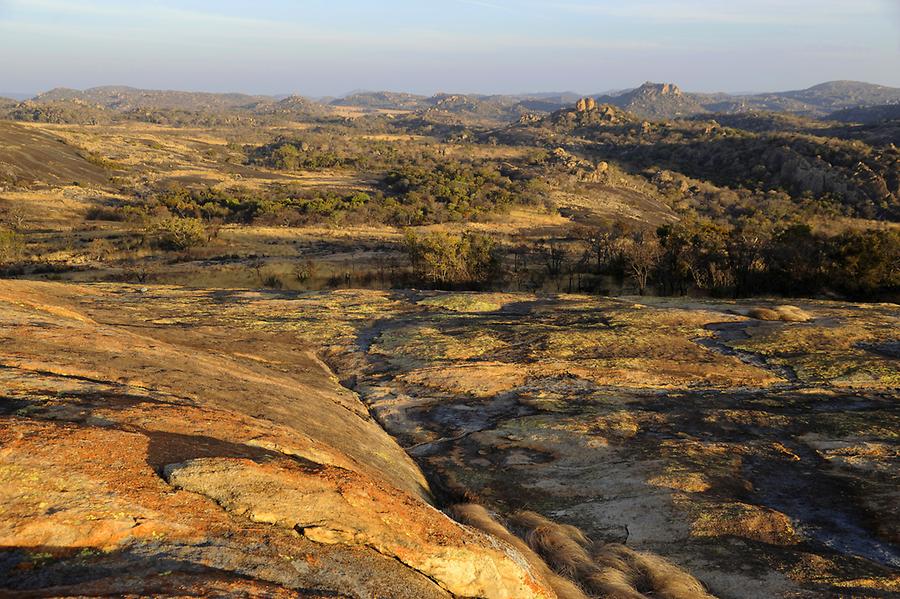
Geographical Overview of Matobo Hills
The Matobo Hills in Zimbabwe are a UNESCO World Heritage Site renowned for their stunning granite formations, rich cultural history, and diverse wildlife. Located in the southwestern part of the country, these hills feature a series of towering granite kopjes and rolling valleys that have been shaped over millions of years. The area is not only a geological marvel but also holds significant archaeological and spiritual importance, making it a vital site for both natural beauty and cultural heritage.
Location and Topography
The Matobo Hills, located in southern Zimbabwe, are a remarkable geological formation known for their unique landscape and rich cultural history. Situated approximately 25 kilometers southwest of Bulawayo, this UNESCO World Heritage Site covers an area of roughly 310 square kilometers. The hills are characterized by a series of towering granite formations, natural granite spires, and balanced rock formations that have been shaped by millions of years of erosion and geological activity. Their distinctive topography includes rounded granite domes, rugged cliffs, and expansive valleys, creating a dramatic and visually stunning landscape. The region’s elevation varies, with the highest point reaching about 1,221 meters above sea level, providing panoramic views of the surrounding plains. The area is also dotted with numerous caves and rock shelters, many of which feature ancient rock art that reflects its significance to the local communities and early inhabitants of the region.
Climate and Environment
The Matobo Hills in Zimbabwe are a stunning geographical feature characterized by a series of granite kopjes, balancing rocks, and rugged valleys that have been shaped over millions of years. Located in the southwestern part of Zimbabwe, near the town of Plumtree, this region covers an area of approximately 360 square kilometers and is renowned for its rich history, diverse wildlife, and distinctive landscape. The hills are part of the Matobo National Park, which is a UNESCO World Heritage Site, highlighting their global significance.
The climate of the Matobo Hills is generally characterized by a semi-arid environment with distinct wet and dry seasons. The wet season occurs from November to March, bringing seasonal rains that support the lush vegetation and water sources within the area. The dry season, from April to October, features cooler temperatures and less rainfall, leading to a more arid landscape but still supporting a variety of plant and animal life. Temperatures can vary widely, with hot summers and cooler winters, especially during nighttime.
The environment of the Matobo Hills is marked by a rich biodiversity that includes both plant species adapted to the semi-arid climate and numerous animal species such as kudus, zebras, and various antelopes. The region’s unique topography provides microhabitats that support a wide array of flora and fauna. Furthermore, the area is ecologically significant for its migratory bird populations and as a habitat for rare and protected species. The combination of its geological features and climate creates a distinctive environment that continues to attract researchers, tourists, and conservationists alike.
Historical and Cultural Significance
The Matobo Hills in Zimbabwe hold a profound historical and cultural significance, serving as a testament to the rich heritage of the region. Renowned for their stunning granite formations and ancient rock art, these hills are deeply intertwined with the history of the local communities and the nation as a whole. They stand as a symbol of indigenous traditions, historical events, and spiritual practices that have been preserved over centuries.
Ancient Rock Art and Cave Paintings
The Matobo Hills in Zimbabwe are renowned for their rich historical and cultural significance, largely due to the ancient rock art and cave paintings found throughout the area. These sites offer a glimpse into the lives, spiritual beliefs, and artistic expressions of the early inhabitants of the region, spanning thousands of years.
- Ancient Rock Art: The hills contain some of the most well-preserved and extensive rock art in Africa, created by San communities over 20,000 years ago. These paintings depict animals, human figures, and abstract symbols, offering insight into hunting practices, rituals, and social life.
- Cultural Heritage: The Matobo Hills are a sacred site for local communities and serve as a link to ancestral spirits. Many caves and rock shelters are still considered sacred and are used for spiritual ceremonies.
- Historical Significance: The area is closely connected to Zimbabwe’s colonial history and the life of Cecil Rhodes, who established his estate here. The rugged landscape also bears evidence of historic battles and migrations.
- UNESCO World Heritage Site: Recognized for its outstanding universal value, the Matobo Hills are a designated UNESCO World Heritage Site, acknowledging their importance for archaeological research, cultural preservation, and natural beauty.
Historical Sites and Monuments
The Matobo Hills in Zimbabwe are renowned for their profound historical and cultural significance, serving as a symbol of the rich heritage of the region. These hills are important to the local communities and are considered a sacred landscape, reflecting centuries of spiritual beliefs shared by indigenous groups. The area is deeply rooted in the history of the Ndebele and Shona peoples, who have inhabited the region for generations. The UNESCO World Heritage Site designation underscores its global importance as a cultural landscape that blends natural beauty with human history.
Numerous historical sites and monuments dot the Matobo Hills, including ancient rock art, burial sites, and stone dwellings. Notably, the grave of Cecil Rhodes is situated here, adding a layer of colonial history to the landscape. The rock paintings, dating back thousands of years, offer invaluable insights into the lives and beliefs of early inhabitants, depicting hunting scenes, animals, and spiritual symbols. Fortresses and caves carved into the rocks served as hideouts and places of worship, reflecting the area’s strategic and spiritual significance.
Role in Zimbabwean Heritage
The Matobo Hills in Zimbabwe hold profound historical and cultural significance, serving as a symbol of the nation’s rich heritage and identity. These ancient granite formations have been inhabited for thousands of years, with archaeological evidence revealing the presence of early human settlements and rock art created by ancestral communities. The hills are considered a sacred site by the indigenous Khasi or Ndebele people, who regard them as a spiritual high place and an integral part of their cultural practices. Additionally, the Matobo Hills are the final resting place of Cecil Rhodes, a notable figure in Zimbabwe’s colonial history, and this association underscores their importance in the country’s historical narrative. Recognized as a UNESCO World Heritage Site, the area not only preserves unique natural landscapes but also embodies the cultural continuity and historical resilience of Zimbabwe’s people.
Natural Features and Biodiversity
The Matobo Hills in Zimbabwe are renowned for their rich natural features and unparalleled biodiversity. This UNESCO World Heritage Site is characterized by striking granite formations, lush valleys, and diverse habitats that support a wide array of plant and animal species. The area’s unique geological landscape creates an important sanctuary for wildlife and preserves a vibrant natural environment that reflects the incredible ecological diversity of the region.
Distinctive Rock Formations
Matobo Hills in Zimbabwe is renowned for its remarkable natural features and rich biodiversity. The landscape is characterized by striking granite rock formations that have been shaped over millions of years, creating a dramatic and distinctive terrain. These unique geological structures include massive boulders, balanced rocks, and intricate cave systems that attract both scientists and tourists alike. The area supports a diverse array of flora and fauna, including rare species such as the black and white rhinoceros, leopard, and various bird species, making it a vital conservation site. The lush forests, grasslands, and water sources within the hills sustain a vibrant ecosystem, emphasizing the importance of preserving this natural heritage for future generations. Overall, Matobo Hills stands out as a region of exceptional natural beauty and ecological significance, reflecting the intertwined marvels of geological history and biodiversity.
Flora and Fauna of the Area
The Matobo Hills in Zimbabwe are renowned for their rich natural features and exceptional biodiversity. These rugged granite formations create a unique landscape that supports a wide variety of plant and animal species. The area is characterized by lush vegetation, including indigenous trees such as baobabs, acacias, and teak, which thrive amid the rocky outcrops and grasslands.
Wildlife in the Matobo Hills is diverse and includes species such as buffalo, giraffes, zebras, and various antelope species. The region is also an important habitat for predators like lions, leopards, and cheetahs, contributing to a balanced ecosystem. Birdlife is abundant, with numerous endemic and migratory species roosting in this area, making it a popular destination for birdwatchers.
The flora and fauna of the Matobo Hills are integral to maintaining the ecological integrity of the region. The area’s biodiversity hotspots are protected within national parks and conservation areas, helping to preserve these natural features for future generations. Overall, the Matobo Hills serve as a vital sanctuary for a wide array of plant and animal life, reflecting the natural wealth of Zimbabwe.
Conservation and Protected Areas
Matobo Hills in Zimbabwe is a UNESCO World Heritage Site renowned for its rich biodiversity and cultural significance. Conservation efforts in this protected area aim to preserve its unique landscape, diverse wildlife, and ancient rock art. These efforts ensure that future generations can appreciate the natural beauty and historical heritage embedded within this remarkable region.
Matobo National Park
Matobo Hills, located in Zimbabwe, is a UNESCO World Heritage Site renowned for its rich cultural heritage and diverse biodiversity. The area encompasses Matobo National Park, which plays a crucial role in conservation efforts and the preservation of unique ecosystems and historical sites.
The park is a sanctuary for numerous species of flora and fauna, including the iconic black and white rhinoceros, leopards, and various antelope species. Conservation initiatives within the park aim to protect these endangered animals and maintain ecological balance. Additionally, Matobo National Park is home to significant archaeological sites, with ancient rock art and tombs that reflect the area’s historic importance.
Protected areas like Matobo National Park are vital for safeguarding biodiversity, promoting sustainable tourism, and preserving cultural heritage. Managed by Zimbabwe Parks and Wildlife Management Authority, the park benefits from conservation policies that emphasize the importance of preserving natural resources while supporting local communities.
Efforts to conserve Matobo Hills involve habitat restoration, anti-poaching measures, and environmental education, ensuring that future generations can continue to experience its natural and cultural wonders. The park exemplifies the importance of protected areas in maintaining ecological integrity and promoting respectful coexistence between humans and nature.
Conservation Challenges and Efforts
Matobo Hills in Zimbabwe is a renowned UNESCO World Heritage Site known for its rich biodiversity, cultural significance, and unique granite formations. Conservation and protected areas play a crucial role in preserving this area’s natural and cultural heritage, ensuring that its diverse flora, fauna, and archaeological sites are maintained for future generations.
However, conservation efforts in Matobo Hills face several challenges. These include illegal poaching of wildlife, deforestation, and the encroachment of land for agriculture and settlements. Climate change also affects the region through altered rainfall patterns and increased desertification, which threaten native species and fragile ecosystems. Additionally, unregulated tourism can lead to habitat degradation if not managed sustainably.
Efforts to overcome these challenges involve a combination of government policies, community participation, and international support. Protected area designations help regulate land use and mitigate human impact. Community-based conservation initiatives encourage local residents to participate in protecting wildlife and natural resources, providing alternative livelihoods that reduce reliance on destructive practices. Education and awareness campaigns further foster a conservation mindset among visitors and residents alike. International collaborations and funding also support research, habitat restoration, and enforcement of anti-poaching laws, contributing to the long-term preservation of Matobo Hills’ unique landscape and cultural heritage.
Tourism and Activities
Matobo Hills in Zimbabwe are a captivating destination that offers a perfect blend of natural beauty and cultural heritage. Known for their striking granite formations and rich history, these hills attract travelers seeking outdoor adventures and insightful cultural experiences. Visitors can enjoy a variety of activities, from exploring ancient rock art and wildlife safaris to hiking scenic trails and discovering local traditions. Whether you’re an adventure enthusiast or a cultural explorer, Matobo Hills provides a unique and memorable travel experience.
Hiking and Rock Climbing
Matobo Hills in Zimbabwe is a renowned destination for outdoor enthusiasts seeking adventure and natural beauty. The area offers a diverse range of activities, making it an ideal spot for tourism focused on exploration and thrill-seeking. Visitors can indulge in hiking trails that wind through the stunning granite formations, ancient rock art sites, and lush landscapes, providing breathtaking views and a sense of connection with history and nature. For those seeking even more excitement, rock climbing is a popular activity, with various routes suitable for both beginners and experienced climbers. The rugged terrain and unique rock features create a perfect playground for climbers looking to challenge themselves while enjoying the serenity and grandeur of the hills. Overall, Matobo Hills provides a memorable outdoor experience that combines cultural heritage, adventure, and scenic beauty.
Wildlife Safaris
Matobo Hills in Zimbabwe is a stunning destination renowned for its rich history, breathtaking landscapes, and abundant wildlife. Visitors can explore the rugged granite kopjes, ancient rock formations, and historical caves that are home to centuries-old Bushman rock art. The area offers a variety of activities for adventure enthusiasts and nature lovers alike, including guided wildlife safaris that reveal diverse species such as rhinoceros, leopard, and antelope within their natural habitat. Birdwatching is also popular, with the hills supporting numerous bird species for avid birders to observe. Additionally, cultural tours provide insight into the local San communities and their traditions, making Matobo Hills a comprehensive destination for immersive experiences in Zimbabwe’s wilderness.
Cultural Tours and Heritage Sites
Matobo Hills in Zimbabwe is a captivating destination renowned for its rich cultural history and breathtaking natural landscapes. Visitors can explore a variety of activities that combine adventure with cultural immersion, making it an ideal spot for travelers seeking meaningful experiences. Guided cultural tours offer insights into the heritage of the region, showcasing ancient rock paintings, traditional rituals, and local legends that have been preserved for centuries.
The area boasts numerous heritage sites, including the iconic Matobo National Park, which is a UNESCO World Heritage Site. Here, travelers can visit ancient caves featuring impressive rock art created by early inhabitants, gaining a sense of the area’s historical significance. Nature enthusiasts can enjoy hiking, wildlife safaris, and bird-watching amidst the stunning granite kopjes and lush scenery. Overall, Matobo Hills provides a unique blend of cultural richness and outdoor adventure, offering memorable experiences for all who visit.
Local Communities and Economy
Local communities around Matobo Hills in Zimbabwe play a vital role in shaping the region’s economy through cultural tourism, agriculture, and artisanal crafts. The rich history and natural beauty of Matobo Hills attract visitors, providing opportunities for community-led initiatives to thrive. Strengthening the connection between local residents and sustainable economic practices helps preserve the area’s cultural heritage while boosting economic development.
Community Involvement in Tourism
Matobo Hills in Zimbabwe is a region where local communities play a vital role in shaping the tourism experience and boosting the economy. The involvement of community members fosters sustainable development while preserving the cultural and natural heritage of the area.
- Community-led tours and cultural performances offer authentic experiences for visitors and generate income for local residents.
- Local artisans produce and sell crafts, souvenirs, and art that showcase the rich history and traditions of the region.
- Community involvement in conservation efforts ensures the protection of wildlife and natural features, which in turn attracts eco-tourists.
- Tourism revenue supports local infrastructure, education, and healthcare, benefiting the broader community.
- Engaging local communities in tourism planning helps ensure that benefits are equitably shared and that cultural integrity is maintained.
Overall, community participation in tourism at Matobo Hills enhances economic growth, promotes cultural preservation, and encourages sustainable practices that benefit both residents and visitors.
Economic Impact on Local Populations
Matobo Hills in Zimbabwe significantly influences the local communities and their economy through a combination of cultural heritage, tourism, and sustainable practices. The region’s rich history and natural beauty attract numerous tourists, which creates employment opportunities and fosters small businesses such as guiding services, craft shops, and accommodations. This influx of visitors boosts the livelihoods of local residents, promoting economic growth and development within the community.
Furthermore, the preservation of cultural sites and natural landscapes in Matobo Hills encourages eco-tourism and heritage tourism, which are vital to the area’s sustainable economic model. The revenue generated from tourism not only supports local infrastructure and conservation efforts but also enhances social services such as education and healthcare. This positive economic impact helps uplift the local population by providing better living standards and community empowerment.
However, reliance on tourism also makes the local economy vulnerable to external factors like political stability and global travel trends. To mitigate this, communities are increasingly focusing on diversifying their economic activities, including agriculture and artisanal crafts, ensuring resilience and long-term prosperity for the residents of Matobo Hills. Overall, the economic impact on local populations in the region highlights the importance of sustainable tourism and community-driven development approaches.
Access and Visitor Information
Welcome to Matobo Hills in Zimbabwe, a site rich in natural beauty and cultural history. Visitors can explore stunning granite formations, ancient rock art, and diverse wildlife while learning about the area’s significance to local communities. Access to the hills is convenient, with well-maintained routes and facilities designed to ensure a memorable and enjoyable experience for all visitors.
Travel Routes and Transportation
Matobo Hills in Zimbabwe is a UNESCO World Heritage Site renowned for its stunning granite formations, rich history, and diverse wildlife. Visitors can access the area through several routes, with the most common entry points being through Bulawayo, approximately 40 kilometers away. From Bulawayo, travelers can take self-drive vehicles, taxis, or organized tours to reach the park. The roads are generally well-maintained, making travel relatively straightforward.
Within the park, visitors can explore various sites via a network of marked trails and pathways. Guided tours are available, offering insight into the cultural significance of the rock art and the natural landscape. For transportation, rental cars are a convenient option for those wishing to explore at their own pace, while local tour operators provide shuttle services and guided excursions. The park also offers parking facilities for personal vehicles, and arrangements can be made for accessible transport for visitors with mobility challenges.
Best Times to Visit
Matobo Hills in Zimbabwe is a stunning UNESCO World Heritage Site renowned for its granite formations, rich history, and diverse wildlife. Visitors can explore ancient rock art, archaeological sites, and picturesque landscapes that showcase the cultural and natural heritage of the area.
Access to Matobo Hills is typically through Zimbabwe’s main cities such as Bulawayo, which is well-connected by road and air. The nearest airport is Bulawayo Airport, about an hour’s drive from the park. Visitors can reach the site by car or organized tours, with well-maintained roads leading to the entrance gates. Infrastructure nearby offers accommodation options ranging from lodges to campsites, making it suitable for different types of travelers.
Visitor information highlights that the best times to visit Matobo Hills are during the dry seasons from May to October, when wildlife viewing is optimal and the weather is cooler and less humid. The rainy season, from November to April, brings lush landscapes and vibrant scenery, though some roads may become challenging to navigate. Always check local conditions and park regulations before planning your trip to ensure a safe and enjoyable experience.
Facilities and Accommodations
Matobo Hills in Zimbabwe offers visitors a unique blend of natural beauty, rich history, and cultural heritage. Access to the site is facilitated through nearby towns with well-maintained roads, and travelers often arrive via road or air, landing at nearby airports and proceeding by car or organized tours. Visitors can explore the area year-round, with the dry season from May to October providing optimal conditions for sightseeing.
Facilities and accommodations in Matobo Hills cater to a range of preferences, from luxury lodges and boutique hotels to rustic campsites and guesthouses. Many accommodations are strategically located within or near the national park, offering convenient access to key sites and enjoyable amenities like guided tours, dining options, and outdoor activities. Visitor centers provide information, maps, and educational materials, ensuring guests have a comprehensive understanding of the area’s significance. Accessibility features are available at some facilities to accommodate travelers with mobility needs, and local guides are available to enhance the experience with expert insights into the region’s geology, wildlife, and history.




0 Comments