
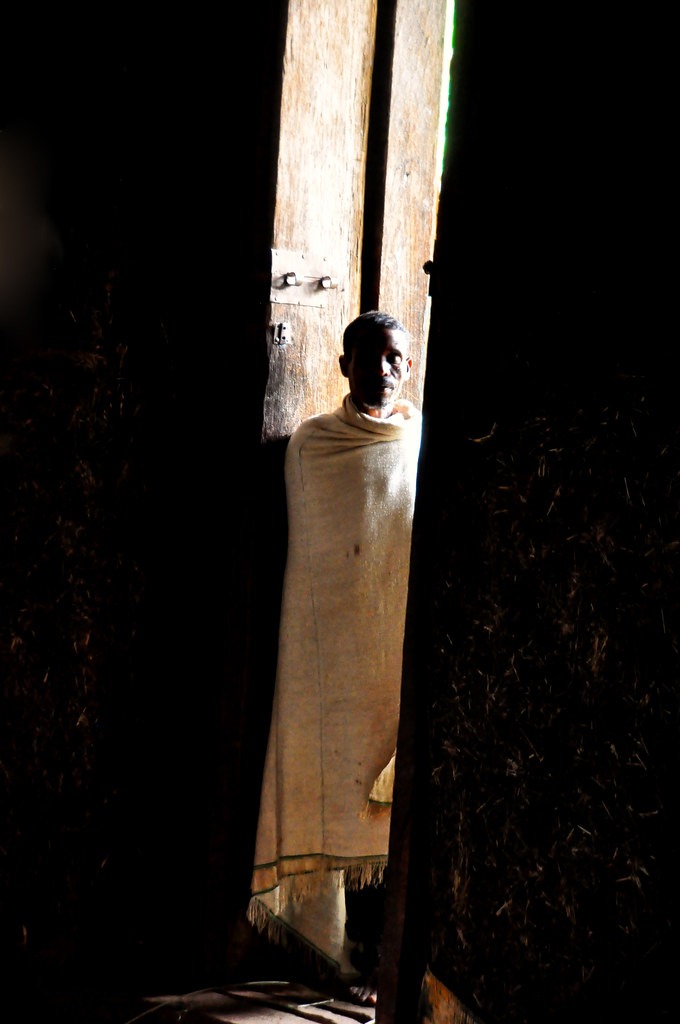
Historical Background of the Ethiopian Church
The Ethiopian Church, one of the oldest Christian communities in the world, has a rich historical background dating back to the early centuries of Christianity. It is traditionally believed to have been established in the 4th century when Christianity was adopted as the state religion under the Emperor Ezana. The Ethiopian Orthodox Tewahedo Church has played a vital role in shaping the cultural, religious, and social landscape of Ethiopia, preserving ancient practices and beliefs that date back over 1,600 years. Throughout centuries, it has endured various challenges and influences, maintaining its unique identity as an integral part of Ethiopia’s heritage.
Origins and Early Development
The Ethiopian Church, also known as the Ethiopian Orthodox Tewahedo Church, has a rich historical background that dates back to ancient times. Its origins are intertwined with the introduction of Christianity to Ethiopia, traditionally believed to have occurred in the 4th century during the reign of King Ezana of Axum. This period marked the official adoption of Christianity as the state religion, making Ethiopia one of the earliest countries to embrace the faith.
Early development of the Ethiopian Church was heavily influenced by the theological and liturgical traditions brought by missionaries from Egypt and Syria. The church established its unique identity through the development of its own liturgical language, Geez, and distinctive practices. During the Aksumite Empire, the church played a vital role in shaping the cultural and political landscape, serving as a unifying institution and a symbol of national identity.
Throughout its early history, the Ethiopian Church maintained a degree of independence from other Christian traditions, particularly due to geographic and political factors. It also preserved many ancient Christian rituals and texts that have since become integral to its faith practice. The church’s early development laid the foundation for its enduring significance in Ethiopian society and its recognition as one of the oldest Christian communities in the world.
Influence of Byzantine Empire
The Ethiopian Church, also known as the Ethiopian Orthodox Tewahedo Church, has a rich historical background deeply intertwined with the broader history of Christianity in Africa. Its origins date back to the early centuries of Christianity, with tradition asserting that the faith was introduced by the Apostle Matthew. Over the centuries, the church developed its unique doctrines and liturgical practices, which distinguish it from other Christian denominations. The Ethiopian Church has played a pivotal role in shaping the country’s cultural and spiritual identity, maintaining its traditions despite external influences.
The influence of the Byzantine Empire on the Ethiopian Church is profound and longstanding. During the medieval period, especially from the 4th century onwards, the Byzantine Empire served as a significant religious and cultural connection. The Byzantine Church’s theological doctrines, ecclesiastical structure, and liturgical rites heavily influenced the Ethiopian Church’s development. The introduction of the Ge’ez liturgical language and ecclesiastical art can be traced back to Byzantine models. Moreover, Byzantine missionaries and scholars contributed to the theological education and liturgical practices that became embedded in Ethiopian Christianity. This enduring relationship helped establish the Ethiopian Church’s distinct identity while also integrating it within the broader Christian world of the Eastern Mediterranean and the Byzantine tradition.
Development Through Middle Ages
The Ethiopian Church, also known as the Ethiopian Orthodox Tewahedo Church, has a rich historical background that dates back to the early centuries of Christianity. It is considered to be one of the oldest Christian denominations in the world, with its roots believed to be established in the 4th century during the reign of King Ezana of Axum, who embraced Christianity as the state religion.
During the Middle Ages, the Ethiopian Church experienced significant development and consolidation. It played a crucial role in shaping the cultural and religious identity of the Ethiopian people. Monasticism flourished, with many monasteries established across the highlands, serving as centers of learning, spiritual practice, and preservation of religious texts.
The church also maintained a strong connection with the Coptic Orthodox Church of Egypt, reinforcing its doctrinal and liturgical traditions. Throughout this period, it faced various challenges, including invasions and political upheavals, but continued to survive and adapt. The Ethiopian Church’s development during the Middle Ages laid a resilient foundation for its modern practices and its role as a cornerstone of Ethiopian national identity.
Major Denominations within the Ethiopian Church
The Ethiopian Church is rich in history and diversity, encompassing several major denominations that have shaped its spiritual landscape. These denominations play a vital role in the religious and cultural life of Ethiopia, reflecting centuries of tradition, faith, and devotion. Understanding the key denominations within the Ethiopian Church provides insight into its unique identity and the profound influence of Christianity in the region.
Ethiopian Orthodox Tewahedo Church
The Ethiopian Orthodox Tewahedo Church is a major Christian denomination in Ethiopia, known for its ancient traditions and unique liturgical practices. It is one of the oldest Christian churches in the world, officially established in the 4th century. Within the Ethiopian Orthodox Tewahedo Church, there are several major denominations and sects that reflect regional and historical differences. The dominant body is the Ethiopian Orthodox Tewahedo Church itself, which is part of the Oriental Orthodox communion. Additionally, there are smaller groups such as the Holy Synod of the Ethiopian Orthodox Church and various local communities. These denominations often coexist within the broader framework of the Ethiopian Orthodox faith, preserving diverse rites, liturgies, and customs. The church’s influence extends deeply into Ethiopian culture, history, and national identity, making it a pivotal religious institution in the country.
Protestant Movements
The Ethiopian Church is rich in diversity, encompassing major denominations and various Protestant movements that have emerged over centuries. These groups reflect the unique spiritual and cultural history of Ethiopia, contributing to the country’s vibrant religious landscape.
Major denominations within the Ethiopian Church include:
- The Ethiopian Orthodox Tewahedo Church: The largest and oldest Christian denomination in Ethiopia, known for its ancient liturgy and religious traditions.
- The Ethiopian Catholic Church: An Eastern Catholic church in full communion with the Pope, maintaining its own liturgical practices while recognizing papal authority.
- The Evangelical and Protestant Churches: Including Baptist, Pentecostal, Anglican, and Lutheran churches that have grown significantly in recent decades, emphasizing personal faith and missionary work.
Protestant movements in Ethiopia have experienced rapid growth and diversification, with some of the notable groups being:
- Evangelical Protestant Churches: Focused on evangelism, Bible teaching, and community outreach.
- Pentecostal Churches: Known for vibrant worship styles, spiritual gifts, and healing ministries.
- Baptist Churches: Emphasizing believer’s baptism and church autonomy.
- Lutheran Churches: Maintaining traditional liturgical practices and teachings based on Scripture.
- Anglican/Episcopal Churches: Practice Anglican rites and operate under the Anglican Communion.
These denominations and movements reflect Ethiopia’s dynamic religious environment, where ancient traditions coexist with modern evangelical and Protestant expressions, shaping the spiritual life of millions across the nation.
Other Christian Denominations
The Ethiopian Church is predominantly represented by the Ethiopian Orthodox Tewahedo Church, which is one of the oldest Christian denominations in the world, with roots dating back to the 4th century. This church holds a unique tradition that combines Jewish, Christian, and local cultural elements, and it is characterized by its distinctive liturgy, saints, and religious customs. Besides the Ethiopian Orthodox Church, there are other Christian denominations present within Ethiopia, including Protestant churches such as Pentecostal, Lutheran, and Baptist communities. These Protestant groups have grown significantly over recent decades, often emphasizing personal faith, evangelism, and modern worship styles. Additionally, the Roman Catholic Church maintains a presence in Ethiopia, particularly through the Ethiopian Catholic Church, which is in communion with the Vatican and follows the Latin Rite while incorporating local liturgical traditions. Overall, Ethiopia’s Christian religious landscape is diverse, reflecting centuries of religious history and cultural evolution.
Theological Foundations and Practices
Theological foundations and practices form the core beliefs and spiritual disciplines that shape the Ethiopian Orthodox Church and its faithful community. These principles guide worship, liturgy, and daily life, reflecting centuries of religious tradition and theological thought. Understanding these theological underpinnings offers insight into the church’s spiritual identity and its role in Ethiopian society and culture.
Core Beliefs and Teachings
The Ethiopian Orthodox Tewahedo Church is one of the oldest Christian traditions, with theological foundations rooted in the ancient traditions of Christianity established in Ethiopia. Its core beliefs emphasize the Holy Trinity, the divinity of Jesus Christ, and the importance of the Holy Spirit. The church practices include intricate liturgical rites, the veneration of saints, and the use of unique religious texts such as the Book of Enoch. Central to their teachings is the concept of monasticism, which plays a vital role in spiritual life and community service. The Ethiopian church also upholds the significance of sacred rituals like baptism, communion, and fasting, which are integral to their spiritual discipline. Overall, the church’s doctrines are deeply intertwined with Ethiopian history and culture, reinforcing their spiritual identity and theological continuity over centuries.
Sacraments and Rituals
The Ethiopian Church, predominantly the Ethiopian Orthodox Tewahedo Church, has a rich theological foundation rooted in ancient Christianity, blending biblical teachings with indigenous traditions. Its practices emphasize the importance of sacraments and rituals as vital expressions of faith and community. Sacraments such as baptism, Eucharist, and confirmation are central to spiritual life, symbolizing purification, unity with Christ, and initiation into the Church. Rituals are deeply embedded in worship, involving elaborate ceremonies, chanting, and the use of sacred objects, which serve to connect the faithful with the divine and preserve the Church’s cultural heritage. These practices reflect the Church’s commitment to maintaining its theological doctrines and cultural identity through centuries of tradition.
Liturgical Traditions
The Ethiopian church has a rich and ancient tradition deeply rooted in its theological foundations and liturgical practices. It is primarily represented by the Ethiopian Orthodox Tewahedo Church, which emphasizes the unity of Christ’s nature and maintains distinctive liturgical customs. Theologically, the Ethiopian Church upholds the doctrines of the Oriental Orthodox communion, focusing on the Christological understanding of the one nature of Christ, which has shaped its worship and doctrine for centuries. Liturgically, the church employs elaborate rituals, including the use of ancient Ge’ez liturgical language, incense, and chant. Its liturgical calendar features numerous fasts, festivals, and processions that mark significant aspects of its faith journey. The practices are characterized by a deep sense of tradition, communal participation, and reverence for sacred texts, making the Ethiopian church a unique custodian of early Christian heritage and liturgical expression.
Architectural Heritage of Ethiopian Churches
The architectural heritage of Ethiopian churches reflects a rich history that dates back centuries, blending unique design elements with deep spiritual significance. These sacred structures are renowned for their distinctive rock-hewn and stone-built methods, showcasing the skilled craftsmanship of ancient Ethiopian architects. As a vital part of Ethiopia’s cultural identity, these churches continue to inspire awe and admiration for their historical and artistic value.
Design and Structural Features
The architectural heritage of Ethiopian churches is a remarkable reflection of the country’s rich cultural and religious history. These churches are renowned for their unique design and structural features, which blend indigenous traditions with early Christian influences. Constructed primarily from stone, brick, and wood, they often showcase intricate carvings and vibrant frescoes that depict biblical stories and saints.
One of the most distinctive features of Ethiopian churches is their monolithic construction, where entire structures are carved out of a single stone or rock. The famous rock-hewn churches of Lalibela exemplify this, with their complex network of tunnels, chapels, and sanctuaries intricately excavated from solid rock. These churches feature distinctive conical or domed roofs, often crowned with crosses, symbolizing both earthly and divine realms.
The interior design of Ethiopian churches typically includes a central nave flanked by aisles, with the sanctuary positioned at the eastern end. Walls are decorated with vivid murals and iconography that serve both aesthetic and didactic purposes. Structural features such as barrel vaults and archways are commonly used, demonstrating advanced engineering techniques adapted to local materials and climate.
Ethiopian church architecture is also characterized by its distinctive use of timber, particularly in roofing and support structures. The churches often incorporate traditional Ethiopian cross designs, which are elaborately carved into wooden doors, screens, and altars. This architectural style not only emphasizes durability and functionality but also embodies the spiritual symbolism deeply rooted in Ethiopian Orthodox Christianity.
Overall, the design and structural features of Ethiopian churches represent a unique fusion of spiritual, artistic, and engineering ingenuity, making them an invaluable part of Ethiopia’s cultural heritage and a testament to its historical devotion to Christianity.
Notable Religious Sites and Monasteries
The architectural heritage of Ethiopian churches reflects a rich tradition that combines unique design elements with deep spiritual significance. These structures often feature rock-hewn construction, intricate carvings, and vibrant frescoes that depict biblical stories and saints, showcasing the craftsmanship of ancient Ethiopian artisans. Notable religious sites and monasteries are scattered throughout the country, serving as both places of worship and cultural landmarks.
The rock-hewn churches of Lalibela are perhaps the most famous, carved entirely out of volcanic rock in the 12th century and designated as a UNESCO World Heritage Site. These churches are interconnected by a complex system of tunnels and trenches, illustrating the ingenuity and devotion of their creators. Similarly, the monasteries of Debre Damo and Debre Libanos hold significant religious and historical importance, featuring ancient manuscripts, religious artifacts, and stunning architecture nestled in scenic landscapes.
Other notable sites include the Tewahedo monasteries of Lake Tana, which offer a glimpse into Ethiopia’s unique Christian tradition that dates back to the early centuries of Christianity. These religious sites are not only places of worship but also centers of learning and preservation of Ethiopia’s cultural identity. Overall, the architectural heritage of Ethiopian churches exemplifies a blend of faith, history, and artistic expression that continues to inspire visitors and believers alike.
Artistic and Iconographic Elements
The architectural heritage of Ethiopian churches is a remarkable testament to the country’s rich historical and cultural past. These sacred structures showcase a unique blend of indigenous design, religious symbolism, and artistic innovation that has been preserved for centuries. Ethiopian churches are renowned for their distinctive construction techniques, interior decor, and the elaborate iconography that adorns their walls and ceilings.
- Distinctive Rock-hewn Structures: Many Ethiopian churches are carved directly into rocky landscapes, such as the famous Lalibela churches, which are monolithic and interconnected through tunnels and narrow passageways.
- Unique Architectural Features: These churches often feature domed roofs, intricate facades, and a central nave surrounded by smaller chapels, reflecting a blend of Byzantine, Coptic, and indigenous influences.
- Religious Iconography: The interior walls are decorated with vibrant frescoes and icons depicting biblical scenes, saints, and religious symbols, serving both as decoration and teaching tools for the faithful.
- Artistic Elements: Ethiopian church art includes elaborate illuminated manuscripts, wooden carvings, and metalwork, all emphasizing religious themes and showcasing skilled craftsmanship.
- Iconostasis and Decorative Motifs: The iconostasis, a screen decorated with icons separating the nave from the sanctuary, is a central artistic element, often adorned with gold leaf and detailed carvings.
- Colorful Murals and Frescoes: The vibrant use of color in murals brings biblical stories to life, aiding worshippers in visualizing religious narratives and enhancing spiritual experience.
Overall, the artistic and iconographic elements of Ethiopian churches reflect a deep religious tradition fused with local artistic practices, making them an invaluable part of Ethiopia’s cultural heritage.
Role and Influence in Ethiopian Society
The Ethiopian Church plays a vital role in shaping the social and cultural landscape of Ethiopian society. It serves not only as a spiritual institution but also as a powerful force that influences social norms, community cohesion, and national identity. Through its traditions, leadership, and historical presence, the church maintains a significant position in the daily lives of Ethiopians and continues to shape the values and perspectives of its people.
Religious and Cultural Identity
The Ethiopian church plays a vital role in shaping the societal, religious, and cultural identity of Ethiopia. It has historically been a cornerstone of national unity and spiritual life, influencing various aspects of daily living and cultural practices.
- The Ethiopian Orthodox Tewahedo Church is one of the oldest Christian traditions in the world, deeply embedded in the history and identity of the nation.
- Religious leaders often hold significant influence in political and social matters, guiding moral values and community decisions.
- The church’s festivals, rituals, and liturgical practices serve as important cultural expressions that reinforce national identity and heritage.
- Religious institutions promote charitable activities, education, and preservation of historical sites, contributing to social cohesion.
- The Ethiopian church maintains unique religious art, music, and architecture that reflect the country’s rich cultural history.
- In Ethiopian society, the church functions as a unifying force, transcending ethnic and regional differences to foster a shared sense of identity.
Social Services and Community Engagement
The Ethiopian church has historically played a central role in shaping societal values, promoting social cohesion, and providing essential services within communities. As a vital institution, it influences not only spiritual life but also addresses societal needs through various social services such as education, health care, and charity work. The church’s deep-rooted presence fosters a sense of community and solidarity, encouraging active participation and engagement among its members. Its influence extends beyond religious practices, impacting social norms, cultural traditions, and community development efforts, thereby shaping the social fabric of Ethiopian society.
Educational and Preservation Efforts
The Ethiopian church has historically played a vital role in shaping societal values and cultural identity within Ethiopia. As one of the oldest Christian communities in the world, the Ethiopian Orthodox Tewahedo Church influences not only religious practices but also social norms, moral standards, and community cohesion. The church’s leaders often serve as moral authorities and cultural custodians, guiding societal development and maintaining traditions that date back centuries. Through its influence, the church fosters a sense of unity and resilience among Ethiopians amidst social and political changes.
In addition to its spiritual leadership, the Ethiopian church is deeply involved in educational initiatives and preservation efforts. It operates numerous schools, monasteries, and religious institutions that provide education rooted in both religious teachings and national history. These efforts help preserve Ethiopia’s unique religious heritage, including ancient manuscripts, sacred sites, and traditional practices. The church actively participates in cultural preservation projects, promoting awareness of Ethiopia’s religious and historical legacy to future generations. By integrating education and preservation, the Ethiopian church remains a central pillar in maintaining the country’s rich cultural heritage and societal stability.
Festivals and Religious Celebrations
Festivals and religious celebrations hold a special place in Ethiopia’s rich cultural and spiritual heritage. These events often bring communities together to honor their faith, history, and traditions through vibrant ceremonies, music, and rituals. In Ethiopia, the church plays a central role in many of these festivities, reflecting the deep-rooted importance of Christianity in the nation’s identity and everyday life.
Timket (Epiphany) Celebrations
Timket, also known as Epiphany, is one of the most significant religious celebrations in Ethiopia, deeply rooted in the Ethiopian Orthodox Church tradition. This festival commemorates the baptism of Jesus Christ in the Jordan River and is celebrated with vibrant processions, elaborate rituals, and colorful displays of faith. During Timket, churches and communities come together to honor this sacred event through prayers, singing, and the ceremonial blessing of water. The celebration usually begins the night before, with priests and clergy adorning themselves in traditional garments and carrying the Tabot, a replica of the Ark of the Covenant, in grand processions to outdoor baptismal pools or rivers. Thousands of faithful gather along the route to witness and participate in these sacred rites, expressing their devotion and renewing their spiritual commitments. The festive atmosphere, combined with historical and spiritual significance, makes Timket one of Ethiopia’s most cherished and culturally rich religious festivals, highlighting the deep connection between faith, community, and tradition in the Ethiopian Orthodox Church.
Meskel Festival
The Meskel Festival is one of the most important religious celebrations in Ethiopia, celebrated by the Ethiopian Orthodox Church. It marks the discovery of the True Cross by Queen Helena (Saint Helena) and is observed annually on September 27th or 28th. During this vibrant festival, communities gather to light large bonfires called “Demera,” symbolizing the flames that revealed the cross. The event includes colorful processions, religious ceremonies, and singing, creating a lively and spiritual atmosphere. Meskel reflects Ethiopia’s rich religious heritage and deepens the faith of its people. The festival not only honors a significant event in Christian history but also reinforces the unity and cultural identity of Ethiopian Orthodox Christians.
Other Celebrations and Rituals
Ethiopia is renowned for its rich religious heritage, which is vividly expressed through numerous festivals, celebrations, and rituals rooted in its strong Christian tradition. The Ethiopian Orthodox Tewahedo Church plays a central role in shaping these events, reflecting centuries of religious devotion and cultural identity.
Major religious festivals such as Timket, which celebrates the baptism of Jesus Christ, and Meskel, commemorating the discovery of the True Cross, are among the most prominent. These celebrations involve colorful processions, elaborate church ceremonies, and vibrant communal gatherings that foster a deep sense of spiritual unity and cultural pride.
Aside from these main festivals, there are numerous other religious celebrations and rituals observed throughout the year. These include saints’ feast days, fasting periods, and pilgrimage events, often marked by prayer, music, and traditional rituals unique to Ethiopian Christianity. Many rituals are performed in ancient churches and monasteries, showcasing Ethiopia’s enduring religious traditions.
In addition to religious events, Ethiopians partake in cultural festivities that blend local customs with religious practices, creating a unique tapestry of celebratory traditions. These events not only serve as religious observances but also as occasions for community bonding, preserving Ethiopia’s diverse cultural heritage.
Challenges and Contemporary Issues
The Ethiopian Church has long played a vital role in the country’s cultural and spiritual identity. However, it faces numerous challenges and contemporary issues that threaten its traditional practices and influence. From social changes to political pressures, understanding these dynamics is essential to appreciating the evolving role of the Ethiopian Church in modern society.
Modernization and Secularism
Modernization and secularism present significant challenges to the Ethiopian church as it navigates a rapidly changing society. As Ethiopia experiences economic development and exposure to global cultural influences, traditional religious practices and beliefs are often questioned or adapted to fit contemporary contexts. This shift can lead to tensions between preserving religious heritage and embracing modern ideologies. Additionally, secular ideas advocating for a separation of religion and state challenge the church’s influence in public life, prompting a reevaluation of its role within Ethiopian society. These issues require the church to find a balance between maintaining spiritual traditions and engaging constructively with modern values, ensuring its relevance and continuity in a secularizing world.
Interfaith Relations and Dialogue
The Ethiopian Church has historically played a vital role in shaping the religious and cultural identity of Ethiopia. However, it faces numerous challenges and contemporary issues, especially in the context of interfaith relations and dialogue. Balancing tradition with modernity, fostering mutual understanding among different faith communities, and addressing social and political tensions are significant concerns that the Ethiopian Church navigates today.
- Religious Tensions: Interfaith relations in Ethiopia can sometimes be strained due to historical disputes, misunderstandings, and competition for influence among different religious groups, including Ethiopian Orthodox Christians, Muslims, and Protestants.
- Interfaith Dialogue Initiatives: Efforts are being made to promote dialogue and cooperation among various faith communities, emphasizing peacebuilding and mutual respect, although progress can be slow and challenging.
- Modern Social Issues: The Ethiopian Church faces challenges related to societal issues such as poverty, political unrest, and modernization, which influence interfaith dynamics and require inclusive approaches.
- Preservation of Tradition: Balancing adherence to traditional religious practices with the need for societal development and modernization continues to be a complex issue for the Ethiopian Church and its relations with other faiths.
- Religious Freedom and Rights: Ensuring religious freedom for minority faiths and safeguarding the rights of different religious communities remain pressing issues in Ethiopia’s diverse society.
Preservation of Heritage and Tradition
The Ethiopian church faces various challenges and contemporary issues in its efforts to preserve its rich heritage and traditions. Rapid modernization, urbanization, and global influences threaten the continuity of unique religious and cultural practices that have been passed down through generations.
- Loss of Traditional Knowledge: Younger generations are less engaged with ancient liturgical customs, chants, and rituals, leading to a decline in the transmission of cultural heritage.
- Structural Damage and Preservation Challenges: Many historic churches and monasteries are vulnerable to deterioration due to inadequate conservation efforts, environmental factors, and limited resources.
- Legal and Administrative Issues: Disputes over land ownership and the management of religious sites can hinder preservation initiatives and lead to neglect or destruction of heritage sites.
- Modernization and Cultural Erosion: The influx of modern lifestyles and Western influences can erode traditional values, practices, and religious symbolism vital to Ethiopian Christianity.
- Tourism Impact: Increased tourism brings economic benefits but also risks of commercialization and damage to sacred sites if not managed sustainably.
To address these issues, there is a need for collaborative efforts among religious leaders, government authorities, and local communities to implement effective preservation strategies while respecting the spiritual significance of Ethiopian churches and monasteries.



0 Comments