
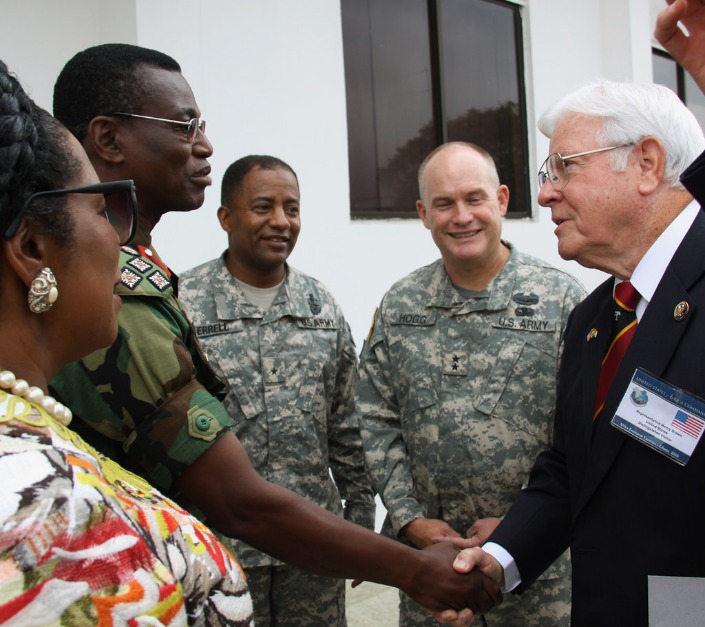
Overview of the Ethiopian Armed Forces
The Ethiopian Armed Forces are the national military organizations responsible for defending Ethiopia’s sovereignty and maintaining internal security. Comprising the Army, Air Force, and Navy, they play a crucial role in the country’s stability and regional peacekeeping efforts. With a rich history and ongoing modernization initiatives, the Ethiopian Armed Forces continue to adapt to new security challenges within the Horn of Africa and beyond.
Historical Background
The Ethiopian Armed Forces constitute the military forces of Ethiopia, playing a crucial role in national defense and security. They are composed of the Ethiopian National Defense Force, which includes the Army, Air Force, and Special Forces, among other units. The armed forces are tasked with safeguarding the sovereignty of the nation, maintaining internal stability, and participating in peacekeeping missions globally.
Historically, the Ethiopian Armed Forces have evolved significantly over the centuries. The modern military’s origins can be traced back to the early 20th century, with significant reforms during Emperor Menelik II’s reign, notably during the Battle of Adwa in 1896, which established Ethiopian independence from Italian colonization. The forces expanded and modernized during the Haile Selassie era, who prioritized military development. The military experienced a major transformation after the overthrow of Haile Selassie in 1974 when a Marxist-Leninist Derg government took power, leading to the establishment of a new military structure focused on revolutionary ideals. Throughout the late 20th century and into the 21st, Ethiopia’s armed forces played a prominent role in regional conflicts and peacekeeping operations, reflecting their longstanding commitment to national sovereignty and regional stability.
Organizational Structure
The Ethiopian Armed Forces are the military forces of Ethiopia, responsible for national defense and security. They comprise the Army, Air Force, and specialized units, working collaboratively to protect the sovereignty of the country.
The organizational structure of the Ethiopian Armed Forces is hierarchical and structured into various divisions and units. The Ethiopian National Defense Force is led by the Chief of Staff, who reports to the Minister of Defense. The Army is the largest branch, consisting of several corps and divisions, including infantry, armored, artillery, and special forces.
The Ethiopian Air Force operates a fleet of combat and transport aircraft, providing air defense and transportation capabilities across the country. The Navy is primarily responsible for Ethiopian waters and maritime security, although its role is limited given Ethiopia’s landlocked geography.
The armed forces also include paramilitary and auxiliary forces that support military operations and internal security. Overall, the organizational structure ensures a coordinated and effective defense strategy to safeguard Ethiopia’s national interests.
Branches of the Military
The Ethiopian Armed Forces comprise the main military organizations responsible for the defense and security of Ethiopia. They play a crucial role in maintaining national sovereignty, contributing to regional stability, and supporting peacekeeping missions. Ethiopia’s military has a long history and has undergone various modernization efforts to enhance its operational capabilities.
The armed forces are divided into several branches, each specializing in different aspects of military operations. The Ethiopian Army is the largest branch, focusing on land-based military operations to defend the country’s territory and interests. The Ethiopian Air Force provides aerial support, surveillance, and transport capabilities, playing a vital role in modern warfare and national security. The Ethiopian Navy is relatively limited in scope due to Ethiopia’s landlocked geography but maintains a small naval force primarily for training and regional cooperation. Additionally, the Ethiopian National Defense Force includes specialized units such as special forces, military police, and logistical support branches to ensure comprehensive defense readiness.
Army (Ethiopian National Defense Force – ENDF)
The Ethiopian National Defense Force (ENDF) is the unified military organization responsible for safeguarding Ethiopia’s sovereignty and maintaining national security. Comprising the Army, Air Force, and special forces, the ENDF plays a crucial role in defending the country’s borders, supporting peacekeeping missions, and responding to internal threats. With a history rooted in Ethiopia’s struggle for independence and sovereignty, the ENDF continues to evolve to meet contemporary security challenges.
Personnel and Recruitment
The Ethiopian National Defense Force (ENDF) is the combined military organization responsible for the defense of Ethiopia. It plays a crucial role in maintaining national sovereignty, contributing to peacekeeping missions, and supporting development efforts within the country.
The ENDF comprises various branches, including the Army, Air Force, and Special Forces, with the Army being the largest component. The personnel strength of the Ethiopian Armed Forces has historically been substantial, reflecting the country’s strategic importance and security needs. Recruitment is primarily conducted through national service and conscription, which aims to ensure a steady supply of trained personnel. The recruitment process involves age verification, physical and medical assessments, and basic training to prepare recruits for their duties. Efforts are made to develop skilled and disciplined personnel to meet evolving defense challenges, while also promoting national unity and patriotic values among recruits.
Inventory and Equipment
The Ethiopian National Defense Force (ENDF) is the military organization responsible for the defense and security of Ethiopia. Its inventory and equipment are designed to support a wide range of military operations, including land, air, and special forces capabilities. Over the years, the ENDF has modernized its arsenal to adapt to emerging threats and regional security challenges.
- Land Equipment:
- Main battle tanks, including T-55 and T-72 models
- Armored personnel carriers and infantry fighting vehicles
- Ammunition and artillery systems, such as howitzers and mortars
- Small arms, including assault rifles, machine guns, and snipers
- Air Equipment:
- Transport aircraft for logistics and troop movement
- Attack helicopters for close air support and reconnaissance
- Surveillance drones to monitor borders and strategic locations
- Utility helicopters for medical evacuation and personnel transport
- Specialist Equipment:
- Communication and radar systems for coordination and surveillance
- Mine detection and clearance equipment
- Military medical supplies and field hospitals
The ENDF continues to seek international partnerships for equipment procurement, training, and modernization programs to enhance the operational capabilities of its forces. This ongoing development aims to ensure Ethiopia’s readiness for regional security challenges and peacekeeping missions.
Operational Capabilities
The Ethiopian National Defense Force (ENDF) possesses significant operational capabilities that enable it to carry out a range of military missions both domestically and internationally. Its capabilities are developed through extensive training, modern equipment, and strategic command structures, making it a versatile force in the region.
- Ground Forces: The ENDF maintains a well-trained and equipped army capable of conventional warfare, counter-insurgency, and peacekeeping missions. It has armored units, artillery, and infantry divisions that enhance its combat readiness.
- Air Force: Ethiopia’s air force is equipped with fighter jets, transport aircraft, and helicopters, providing air support, reconnaissance, and logistical capabilities vital for both national defense and regional operations.
- Special Operations: The ENDF includes specialized units trained for unconventional warfare, counter-terrorism, and hostage rescue, ensuring rapid and strategic responses to emerging threats.
- Logistics and Support: The force has robust logistical and supply chains to sustain prolonged operations, including transportation, medical support, and maintenance infrastructure.
- Peacekeeping and International Missions: Ethiopia has a history of deploying troops in UN peacekeeping missions across Africa, demonstrating operational readiness and diplomatic military engagement.
- Strategic Mobility: The combination of land, air, and logistical assets allows the ENDF to rapidly mobilize and project power across different terrains and distances.
Air Force
The Ethiopia Armed Forces play a vital role in safeguarding the nation’s sovereignty and ensuring national security. Comprising the Ethiopian National Defense Force, which includes the Army, Air Force, and other security units, they are tasked with defending the country’s borders, maintaining peace, and supporting humanitarian efforts. The Air Force, in particular, is a crucial component, providing aerial support and enhancing Ethiopia’s defensive capabilities in a complex regional landscape.
Aircraft Fleet
The Ethiopian Armed Forces maintain a diverse aircraft fleet primarily focused on national defense, reconnaissance, and logistical support. Their aircraft fleet includes fighter jets, transport aircraft, helicopters, and trainer aircraft. The air force has historically relied on various Western and Eastern bloc countries for its fleet, including aircraft from Russia, China, and Western manufacturers. In recent years, Ethiopia has been working to modernize its air force, acquiring newer aircraft to enhance its operational capabilities. The fleet plays a crucial role in safeguarding Ethiopia’s sovereignty, supporting peacekeeping missions, and conducting regional security operations.
Air Defense Systems
The Ethiopian Air Force plays a vital role in the nation’s defense, focusing on air sovereignty, surveillance, and military operations. Equipped with various aircraft, including fighters, transport planes, and helicopters, it is crucial for maintaining security and supporting ground forces. Air defense systems are an integral part of Ethiopia’s military strategy, designed to protect against aerial threats and enhance national security. These systems include surface-to-air missile deployments, radars, and command centers to detect, track, and intercept hostile aircraft. Continuous modernization and regional cooperation are key to strengthening Ethiopia’s air defense capabilities and ensuring the safety of its airspace.
Strategic Roles and Missions
The Ethiopian Air Force plays a crucial role in the country’s national defense and strategic operations. Its primary missions include defending Ethiopian airspace, supporting ground forces, and providing rapid response capabilities in times of crisis. The Air Force also participates in international peacekeeping missions and offers humanitarian assistance during emergencies. With a focus on modernization and strategic development, Ethiopia’s air force aims to enhance its reach, technological capabilities, and operational efficiency to safeguard national Security.
Special Forces and Paramilitary Units
Special Forces and paramilitary units play a crucial role in the Ethiopian armed forces, providing specialized capabilities for national defense and security operations. These elite groups are trained to carry out covert missions, counter-terrorism, and unconventional warfare, making them vital components of Ethiopia’s military strategy. Their expertise and readiness enhance the country’s ability to respond to both internal and external threats effectively.
Elite Units
The Ethiopian Armed Forces consist of various specialized units, including Special Forces and Paramilitary Units, which play a crucial role in national security and military operations. These elite units are trained to conduct complex missions such as counter-terrorism, reconnaissance, hostage rescue, and covert operations, often operating behind enemy lines or in challenging environments. Ethiopia’s Special Forces are known for their rigorous training programs, discipline, and versatility, allowing them to adapt to diverse combat scenarios. Paramilitary units, such as the Federal Police’s Quick Response Units, support the military by maintaining internal security and handling insurgencies. These elite components are essential for safeguarding national interests and maintaining stability within the country.
Training and Deployment
The Ethiopian Armed Forces include specialized units such as Special Forces and Paramilitary Units, which play a crucial role in national security and military operations. These units undergo rigorous training designed to develop advanced combat skills, intelligence gathering, and unconventional warfare tactics. Special Forces in Ethiopia are often tasked with high-risk missions, including counter-terrorism, hostage rescue, and covert operations, requiring both physical endurance and strategic expertise. Paramilitary Units, on the other hand, serve primarily in border security, internal stability, and support roles, often operating alongside conventional military forces. Their training emphasizes discipline, agility, and rapid response capabilities to address diverse threats effectively. Deployment of these units is carefully planned, considering the operational environment and mission objectives, ensuring they maintain readiness for immediate action when needed.
Counter-Terrorism Operations
The Ethiopia Armed Forces include a variety of specialized units such as Special Forces, Paramilitary Units, and Counter-Terrorism Operations teams that play critical roles in national security. These units are trained to handle high-risk missions, including hostage rescue, covert operations, and preventing terrorist activities within and outside the country’s borders. Ethiopia’s Special Forces are known for their rigorous training and versatility, enabling them to operate effectively in diverse environments ranging from urban areas to remote terrains. Paramilitary Units complement these efforts by providing support in border security, internal stability, and counter-insurgency operations. Meanwhile, Counter-Terrorism Operations are a vital component of Ethiopia’s security strategy, tasked with dismantling terrorist networks and preventing attacks in regions susceptible to extremist influences. These combined efforts contribute significantly to Ethiopia’s overall security and stability, especially considering regional threats and internal conflicts. The effectiveness of these units is reinforced by modern equipment, international cooperation, and continuous training aimed at maintaining operational readiness.
Navy and Coastal Defense
The Ethiopian Armed Forces play a crucial role in maintaining national security and sovereignty, with a strong focus on navy and coastal defense. Despite Ethiopia’s landlocked geography, the military invests in strategic capabilities to protect its borders and ensure regional stability. Coastal defense efforts are essential for safeguarding maritime interests in the Horn of Africa, where security challenges require a well-coordinated approach to defense and military readiness.
Maritime Capabilities
The Ethiopian Armed Forces prioritize naval and coastal defense capabilities as vital components of their overall security strategy. Given Ethiopia’s landlocked geography, their focus on maritime capabilities has traditionally been limited, but efforts are underway to strengthen regional maritime cooperation and ensure maritime security in neighboring countries. Coastal defense is essential for safeguarding Ethiopia’s maritime interests and enhancing interoperability with international maritime forces. Modernizing naval resources, including patrol vessels and surveillance systems, is a key aspect of their maritime capability development to protect critical trade routes and prevent illegal activities in regional waters. Overall, Ethiopia aims to bolster its maritime security through strategic partnerships and capacity-building initiatives to support regional stability and maritime law enforcement.
Ports and Naval Bases
The Ethiopian Armed Forces play a crucial role in maintaining the nation’s security, particularly through their navy and coastal defense capabilities. Given Ethiopia’s landlocked status, their focus on maritime security is limited; however, they emphasize the development of coastal defense strategies to counter potential threats from neighboring countries. The nation’s ports, such as Djibouti and others used for trade, are vital for economic stability and strategic access. Ethiopian naval bases are primarily established to support regional peacekeeping operations and to ensure the protection of maritime interests. Overall, Ethiopia invests in enhancing its naval and coastal defense infrastructure to bolster regional security and safeguard its economic interests in the Horn of Africa.
Challenges and Developments
The Ethiopian Armed Forces have primarily focused on land-based operations, yet Coast and Navy capabilities remain limited due to the nation’s geography and strategic priorities. Coastal defense presents unique challenges for Ethiopia, a landlocked country with no direct access to the sea, which impacts its naval strategy and defense planning. Developing effective coastal and maritime security measures requires innovative approaches, often relying on regional cooperation and technology. The Ethiopian military faces difficulties in establishing a robust naval presence and defending against maritime threats, including piracy, smuggling, and regional conflicts. Recent developments have seen increased investment in surveillance technology, border security, and regional alliances to enhance capability against evolving threats. Nonetheless, Ethiopia continues to prioritize land forces while gradually expanding its strategic outlook to include maritime defense through diplomatic and technological means, ensuring national security amid regional instability.
Contemporary Challenges and Security Threats
The Ethiopian Armed Forces face a range of contemporary challenges and security threats that impact national stability and regional security. These issues include internal conflicts, insurgencies, and border disputes, as well as emerging threats from terrorism and political unrest. Addressing these complex challenges requires strategic adaptation and strong security measures to ensure peace and sovereignty within Ethiopia and the broader Horn of Africa region.
Regional Conflicts
The Ethiopian Armed Forces face a range of contemporary challenges and security threats that impact the stability and security of the region. These challenges are complex and require strategic responses to ensure national sovereignty and peace.
- Regional Conflicts: Ethiopia is involved in ongoing conflicts such as the Tigray crisis, which threaten regional stability and have spillover effects on neighboring countries.
- Ethnic Tensions: Internal ethnic conflicts and political unrest pose significant security challenges for the Ethiopian Armed Forces, demanding effective internal security measures.
- Border Disputes: Disagreements with neighboring countries over territorial boundaries increase the risk of escalation and require military readiness and diplomatic efforts.
- Cross-border Threats: The proliferation of militant groups and cross-border insurgencies, including threats from Al-Shabaab, necessitate robust border security and intelligence-sharing.
- Cybersecurity and Modern Warfare: The rapid evolution of technology poses new threats, requiring the Ethiopian Armed Forces to modernize and enhance their cyber defense capabilities.
Internal Security Issues
The Ethiopian Armed Forces face a range of contemporary challenges and security threats that impact the stability and sovereignty of the nation. These issues are complex and multifaceted, requiring strategic responses to ensure national security and peace.
- Internal Conflicts: Ongoing ethnic tensions and insurgencies, particularly in regions such as Tigray, pose significant threats to internal stability and security.
- Political Instability: Political disagreements and governance issues exacerbate security concerns, leading to unrest and destabilization.
- Militant Activities: The presence of armed groups and militant organizations challenges the authority and security operations of the armed forces.
- Border Security: Disputes and tensions with neighboring countries require ongoing vigilance and military readiness.
- Cybersecurity Threats: Emerging cyber threats target military and governmental infrastructure, demanding enhanced cybersecurity measures.
- Regional Instability: Conflicts in neighboring countries and regional conflicts indirectly affect Ethiopia’s security environment.
- Humanitarian Challenges: Addressing refugee flows and internally displaced persons complicates military logistics and operations.
Counter-Insurgency and Peacekeeping Missions
The Ethiopian Armed Forces face numerous contemporary challenges and security threats in the pursuit of maintaining national integrity and stability. These include ongoing internal conflicts, insurgencies, and regional tensions that require strategic counter-insurgency operations. The military’s role extends to peacekeeping missions, where Ethiopian troops have participated in various United Nations and African Union initiatives to promote stability across the continent. Successfully navigating these complex missions demands adapting tactics to asymmetric warfare, addressing ethnic and political divisions, and fostering international cooperation to ensure a secure and peaceful Ethiopia.
International Collaborations and Support
International collaborations and support play a crucial role in strengthening the capabilities of Ethiopia’s armed forces. By engaging with global partners, Ethiopia enhances its defense strategies, acquires advanced technologies, and benefits from shared expertise. These partnerships foster stability and security within the region, enabling Ethiopia to better address both internal and external security challenges.
Training and Equipment Aid
International collaborations and support play a vital role in strengthening the capabilities of Ethiopia’s armed forces. Through various partnerships, Ethiopia gains access to advanced training, modern equipment, and strategic assistance that enhance its defense capacity.
- Joint Training Exercises: Ethiopia collaborates with neighboring countries and international allies to conduct joint military exercises, improving interoperability and operational effectiveness.
- Equipment Aid: Donor nations and international organizations provide Ethiopia with essential military equipment, including vehicles, communication systems, and weaponry, to modernize its forces.
- Capacity Building: Training programs facilitated by foreign military experts help Ethiopian troops develop specialized skills in areas such as counter-terrorism, border security, and peacekeeping operations.
- Logistical Support: International partners assist in establishing logistical frameworks to ensure timely supply of resources and maintenance of military equipment.
- Strategic Advisory: Ethiopia benefits from strategic support and advisory services aimed at strengthening its defense policy and national security strategies.
Peacekeeping Contributions
The Ethiopian Armed Forces have actively engaged in international collaborations and peacekeeping missions to promote stability and peace across various regions. Ethiopia has contributed significant personnel and resources to United Nations and African Union peacekeeping operations, demonstrating its commitment to global security. These efforts not only enhance Ethiopia’s diplomatic relationships but also bolster its reputation as a responsible member of the international community. Through these contributions, Ethiopia aims to support peaceful resolution of conflicts, foster regional stability, and promote sustainable development initiatives.
Regional Alliances
International collaborations and regional alliances play a crucial role in strengthening the capabilities and stability of Ethiopia’s armed forces. These partnerships facilitate the exchange of intelligence, training, and logistical support, which are essential for maintaining national security and regional peace.
- Collaborations with neighboring countries and regional bodies such as the African Union promote joint security initiatives and peacekeeping missions.
- Partnerships with foreign nations provide Ethiopia with military training, technological assistance, and strategic expertise.
- Support from international organizations helps modernize Ethiopia’s armed forces and enhances their ability to respond to internal and external threats.
- Regional alliances bolster collective security efforts, especially in addressing issues like insurgency, border disputes, and humanitarian crises.




0 Comments