

Geography and Topography
Geography and topography play a vital role in shaping the physical landscape of Ethiopia, a country located in the Horn of Africa. Its diverse terrain includes mountains, highlands, valleys, and lowlands, creating a variety of climatic conditions and ecosystems. Understanding Ethiopia’s geographic features is essential to appreciating its cultural diversity, agricultural practices, and natural resources.
Major Landforms and Regions
Ethiopia is a country located in the Horn of Africa, distinguished by its diverse geography and remarkable topography. The nation’s landscape features a mix of highlands, mountains, valleys, and plains, which contribute to its unique environmental and cultural identity.
Major Landforms and Regions of Ethiopia include:
- The Ethiopian Highlands, also known as the Roof of Africa, which dominate much of the eastern part of the country and contain some of Africa’s highest peaks such as Mount Ras Dashen.
- The Great Rift Valley, stretching from the northern to southern parts of Ethiopia, creating fertile lowlands, lakes, and volcanic formations.
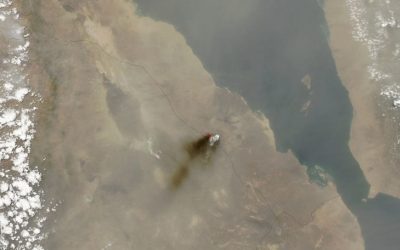
- The Danakil Depression, one of the hottest and lowest places on Earth, located in the northeastern part of the country.
- The Omo Valley, a region characterized by river valleys and diverse ethnic groups.
- The Southern, Central, and Western Plains, which complement the highland areas with extensive flatlands and savannas.
Climate Zones and Variations
Ethiopia is a country distinguished by its diverse geography and topography, which range from rugged mountains to expansive plains and deep valleys. The Ethiopian Highlands, often called the Roof of Africa, dominate much of the country’s landscape, featuring some of the highest peaks in Africa. Below these highlands lie the Great Rift Valley, lakes, and lowland areas that create a varied terrain across the nation. This diverse topography significantly influences the climate zones within Ethiopia. The highland regions typically experience a temperate climate with moderate temperatures and ample rainfall, making them suitable for agriculture. In contrast, the lowland areas tend to have a hotter and drier climate, with semi-arid conditions that affect vegetation and settlement patterns. The country’s varied topography and climate zones contribute to its rich biodiversity and unique ecological systems, shaping the way of life for its people and their agricultural practices.
Natural Resources and Water Bodies
Ethiopia is a landlocked country situated in the Horn of Africa, renowned for its diverse geography and rich natural resources. Its topography is characterized by highlands, mountain ranges, plateaus, and valleys, creating a varied landscape that influences climate and agriculture. The Ethiopian Highlands, often called the “Roof of Africa,” are the most prominent feature, with peaks such as Ras Dashen reaching impressive heights.
The country is endowed with significant natural resources, including gold, platinum, tantalum, and other mineral deposits. Agriculture remains a vital sector, supported by fertile lands and abundant water resources. Ethiopia’s water bodies include major rivers like the Nile, which originates from Lake Tana, the largest lake in the country. Other important lakes include Lake Abaya, Lake Chamo, and Lake Ruiru, which contribute to the ecological diversity and support local livelihoods.
Additionally, Ethiopia’s diverse topography and abundant water bodies create a range of ecosystems that sustain wildlife and promote tourism. The country’s natural landscapes and resources are crucial for its economic development and environmental conservation efforts.
History and Heritage
Ethiopia, a land rich in history and heritage, is one of the oldest countries in the world with a fascinating past that spans thousands of years. Its unique cultural traditions, ancient monuments, and historical sites tell the story of a resilient civilization that has preserved its identity through centuries. Ethiopia’s history is intertwined with legendary figures, ancient kingdoms, and religious significance, making it a captivating place for those interested in exploring human heritage.
Ancient Civilizations and Archaeological Sites
Ethiopia boasts a rich history and vibrant heritage that dates back thousands of years, making it one of the most historically significant countries in Africa. It is often regarded as the cradle of human civilization, with archaeological findings indicating the presence of early hominids such as Australopithecus afarensis, famously exemplified by the “Lucy” skeleton discovered in the Afar Region. The country is home to numerous ancient civilizations that have contributed profoundly to human culture and history. Notably, the Kingdom of Aksum, an ancient empire centered in northern Ethiopia, was a powerful trading nation and is renowned for its impressive obelisks, as well as being one of the earliest states to adopt Christianity as a state religion in the 4th century. Ethiopia’s archaeological sites include the rock-hewn churches of Lalibela, carved out of solid volcanic rock in the 12th century, which are UNESCO World Heritage Sites. These sites exemplify Ethiopia’s unique heritage, blending religious significance with extraordinary architectural achievement. Overall, Ethiopia’s ancient civilizations and archaeological treasures reveal a deep, enduring legacy that continues to attract scholars and tourists alike, underscoring its importance as a repository of human history and cultural heritage.
Kingdoms and Empires of Ethiopia
History and Heritage of Ethiopia are deeply rooted in its rich and ancient past, making it one of the oldest nations in the world. The country is renowned for its unique heritage, which includes early human fossils, ancient script, and religious traditions that date back thousands of years. Ethiopia’s history is marked by the rise and fall of various kingdoms and empires that have shaped its cultural landscape.
The Kingdom of D’mt, believed to date back to around the 10th century BC, is considered one of the earliest known civilizations in Ethiopia. It laid the foundation for subsequent kingdoms by establishing early urban centers and complex societies. During the Aksumite Empire (circa 100 AD to 940 AD), Ethiopia reached its height, becoming a major trading empire known for its impressive obelisks, the development of Christianity, and its own written script, Ge’ez. The Aksumite Kingdom is also notable for its fortified city and as a center of early Christian civilization, which continues to influence Ethiopian culture today.
Following the decline of the Aksumite Empire, various regional kingdoms emerged, including the Zagwe dynasty, famous for constructing the rock-hewn churches of Lalibela, and the Solomonic dynasty, which claimed descent from the biblical King Solomon and the Queen of Sheba. The Solomonic rulers expanded and unified the country, solidifying Christianity’s role as the national religion. Ethiopia maintained its sovereignty through periods of external pressure and conquest, including resistance against Ottoman and Italian invasions.
Throughout its history, Ethiopia has preserved its independence, making it one of the few African nations never colonized. Its heritage is expressed in its ancient monuments, religious sites, and diverse traditions, which continue to contribute to its identity as a nation rich in history, culture, and resilience.
Colonial and Modern History
Ethiopia boasts a rich history and vibrant heritage that span thousands of years, making it one of the oldest nations in the world. Its history is marked by ancient civilizations, including the legendary Kingdom of Aksum, which was a major trading empire and known for its impressive obelisks and early adoption of Christianity. During colonial times, Ethiopia uniquely resisted colonization, maintaining its independence despite pressures from European powers, notably defeating Italy at the Battle of Adwa in 1896. In modern history, Ethiopia has undergone significant political and social transformations, evolving from a monarchy to a republic and experiencing various phases of development and change. Its heritage is preserved through its ancient monasteries, archaeological sites, and diverse cultural traditions, which continue to shape the nation’s identity today.
Political Structure and Governance
Ethiopia’s political structure and governance system are rooted in a complex history of diverse ethnic groups and regional identities. The country operates as a federal parliamentary republic, where power is divided between the federal government and regional states. The government is responsible for national policy-making, while regional states have a degree of autonomy to address local issues. This political framework aims to balance ethnic diversity with national unity, shaping Ethiopia’s governance and political landscape.
Government System and Administrative Divisions
Ethiopia, located in the Horn of Africa, has a complex political structure that combines federalism with ethnolinguistic diversity. Its governance system is designed to balance regional autonomy with centralized authority, fostering stability and development. The administrative divisions are organized to reflect the country’s diverse ethnic groups, facilitating local governance and regional representation.
- Political Structure: Ethiopia operates as a federal parliamentary republic with a multi-party system. The Federal Democratic Republic of Ethiopia is governed by a constitution that defines the roles of federal and regional governments, ensuring representation of various ethnic groups and regions.
- Government System: The executive branch is headed by the Prime Minister, who is the head of government, while the President serves as the ceremonial head of state. The Federal Parliament consists of two chambers: the House of People’s Representatives and the House of Federation, responsible for legislative functions and representing regional states.
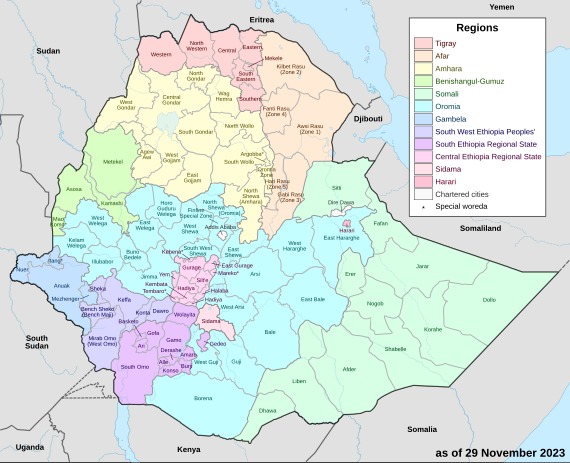
- Administrative Divisions: Ethiopia is subdivided into regional states, including Oromia, Amhara, Tigray, and others, each with its own government and constitution. These regions are further divided into zones, districts (woredas), and kebeles (neighborhoods or wards), which facilitate local administration and service delivery.
Major Political Parties
Ethiopia’s political structure is a federal parliamentary republic, characterized by a multi-ethnic federation with a central government and regional states. The country’s governance system includes an executive branch led by the Prime Minister, a legislative body comprised of two chambers, and an independent judiciary. The Ethiopian People’s Revolutionary Democratic Front (EPRDF) has historically been the dominant political coalition, though recent political developments have introduced new parties and reforms.
- Ethiopia operates as a federal system with nine ethnically-based regional states.
- The President is the head of state, while the Prime Minister is the head of government and holds most executive powers.
- The Federal Parliamentary Assembly consists of the House of People’s Representatives and the House of Federation.
Major political parties in Ethiopia include:
- Ethiopian People’s Revolutionary Democratic Front (EPRDF) – formerly the leading coalition, now replaced by successor parties.
- Prosperity Party – the current ruling party, emerging from the restructuring of the EPRDF.
- Amhara National Democratic Movement (ANDM) – now part of the Prosperity Party.
- Oromo Federalist Democratic Movement (OFDM) – part of the current governing coalition.
- Expression of political diversity continues to evolve with new parties emerging in the political landscape.
Recent Political Developments
Ethiopia’s political structure is a federal parliamentary republic, characterized by a multi-ethnic federation with a constitution that recognizes the diverse nationalities within the country. The governance system comprises an executive branch led by the Prime Minister, a legislative body, and an independent judiciary, all working to maintain stability and national unity.
Recently, Ethiopia has experienced significant political developments, including attempts at national reconciliation, reforms aimed at expanding political freedoms, and efforts to resolve long-standing ethnic conflicts. The government has also undertaken initiatives to improve democratic processes, though challenges related to regional conflicts and political tensions continue to influence the nation’s stability and governance landscape.
Economy and Industry
Ethiopia’s economy and industry are vital pillars of the nation’s development and growth. Over recent years, Ethiopia has experienced significant advancements in various sectors, including agriculture, manufacturing, and services. These industries play a crucial role in shaping the country’s socio-economic landscape, creating employment opportunities, and fostering sustainable development. Understanding Ethiopia’s economic dynamics is essential to appreciate its potential and challenges on the path to becoming a middle-income country.
Agriculture and Livestock
Economy and Industry in Ethiopia are rapidly developing sectors that play a vital role in the country’s growth. The nation has seen significant advancements in manufacturing, construction, and services industries, contributing to its GDP. Agriculture and Livestock remain the backbone of Ethiopia’s economy, providing employment to the majority of the population. The country is one of Africa’s largest producers of coffee, which is a major export commodity. In addition, Ethiopia’s agricultural sector includes the cultivation of crops such as grains, teff, and pulses, alongside extensive livestock farming. These industries are crucial for food security and rural livelihoods, supporting both domestic consumption and export markets, thereby fostering Ethiopia’s economic resilience and development goals.
Manufacturing and Industry Sectors
Ethiopia’s economy is predominantly based on agriculture, which employs the majority of the population and contributes significantly to the country’s GDP. However, in recent years, there has been a strong focus on developing manufacturing and industry sectors to diversify the economy. The manufacturing industry in Ethiopia includes textiles, leather products, food processing, and pharmaceuticals, with many factories established as part of the country’s industrialization efforts. Ethiopia also aims to become a hub for industrial exports by investing in special economic zones and infrastructure development. These initiatives are geared toward increasing industrial output, creating jobs, and promoting sustainable economic growth in the nation.
Foreign Investment and Economic Policies
Ethiopia’s economy is characterized by rapid growth driven largely by agriculture, manufacturing, and services sectors. The country has made significant progress in infrastructure development, including roads, energy, and telecommunication networks, aiming to attract more foreign investment. Foreign investment has been increasingly encouraged through policy reforms, tax incentives, and the establishment of special economic zones to create a more attractive business environment. Ethiopia’s government adopts economic policies focused on sustainable development, poverty reduction, and industrialization, with efforts to diversify the economy and reduce dependence on traditional agriculture. These policies aim to foster economic stability, improve competitiveness, and integrate Ethiopia into regional and global markets.
Culture and Society
Culture and society in Ethiopia are rich and diverse, reflecting the country’s long history and unique ethnic mix. With over 80 different ethnic groups and numerous languages, Ethiopia’s cultural landscape is vibrant and complex. Traditional customs, religious practices, and artistic expressions play a vital role in shaping the social fabric of the nation, making Ethiopia a fascinating example of cultural heritage and societal unity amidst diversity.
Languages and Ethnic Groups
Ethiopia is a country renowned for its rich cultural heritage and diverse society. It is home to a multitude of languages and ethnic groups, making it one of the most culturally diverse nations in Africa. The country’s history dates back thousands of years, reflected in its ancient traditions, customs, and artistic expressions.
Languages spoken in Ethiopia include over 80 different languages, with Amharic serving as the official language. Other major languages include Oromifa, Tigrinya, Somali, and Sidamo, each spoken by various ethnic communities. The linguistic diversity contributes to a vibrant cultural mosaic, where language plays a vital role in identity and social interactions.
Ethnically, Ethiopia is composed of numerous groups such as the Oromo, Amhara, Tigray, Somali, and Sidama, among others. Each group has its own unique traditions, clothing, music, and cuisine, which collectively enrich the country’s cultural landscape. Religious diversity is also prominent, with Ethiopian Orthodox Christianity, Islam, and Protestant Christianity being the most practiced faiths.
Overall, Ethiopia’s culture and society are characterized by a deep respect for traditions, community-oriented values, and a harmonious blend of various ethnic and linguistic identities that continue to shape the nation’s unique identity on the global stage.
Religious Practices and Festivals
Ethiopia boasts a rich and diverse cultural heritage that reflects centuries of history, tradition, and influence. Its society is characterized by a blend of various ethnic groups, each with unique customs, languages, and social practices that contribute to the country’s vibrant cultural mosaic.
Religious practices in Ethiopia are deeply rooted in the nation’s identity, with Christianity and Islam being the predominant faiths. The Ethiopian Orthodox Tewahedo Church, one of the oldest Christian denominations in the world, plays a significant role in societal life, influencing festivals, rituals, and daily routines. Islam also has a substantial presence, especially in regions such as Oromia and Somali, with communities observing traditional Islamic practices.
Festivals in Ethiopia are colorful and elaborate, serving as important occasions for communal celebration and religious observance. The Ethiopian Orthodox Church’s major holidays, such as Timket (Epiphany) and Meskel (Finding of the True Cross), are celebrated with processions, music, dance, and traditional rituals. Islamic festivals like Eid al-Fitr and Eid al-Adha are also widely observed, marked by communal prayers and feasting. These festivities not only strengthen social bonds but also serve as vivid expressions of Ethiopia’s spiritual and cultural diversity.
Traditional Music, Dance, and Cuisine
Ethiopia is a country rich in culture and societal traditions that have been preserved for centuries. Its diverse communities contribute to a vibrant cultural landscape, reflecting unique customs, languages, and beliefs.
Traditional Ethiopian music often features rhythmic drumming, the use of the krar (a type of lyre), and soulful singing that narrates stories and history. These musical styles play a vital role in religious ceremonies, celebrations, and everyday life.
Dance is an integral part of Ethiopian culture, with each region boasting its own distinctive dance forms. The eskista, a popular dance from the Amhara region, involves shoulder movements and lively footwork, often performed during festivals and social gatherings.
Ethiopian cuisine is renowned for its unique flavors and ingredients, with injera, a sourdough flatbread, serving as a staple dish. It is typically accompanied by various spicy stews called wats, made from meat or vegetables, which are shared communally during meals. Coffee also holds a special cultural significance, with traditional coffee ceremonies symbolizing hospitality and community bonding.
Tourism and Destinations
Ethiopia, a captivating country rich in history and culture, offers a unique travel experience for visitors. Known for its diverse landscapes, ancient monuments, and vibrant traditions, Ethiopia is a remarkable destination for those seeking adventure and cultural immersion. From the breathtaking views of the Simien Mountains to the archaeological treasures of Lalibela, the country invites travelers to explore its many secrets and natural wonders.
Historical and Cultural Sites
Ethiopia is a remarkable country filled with rich history and vibrant culture, making it a popular destination for travelers interested in exploring historical and cultural sites. Its diverse landscapes range from highlands to deserts, providing an exceptional backdrop for its countless attractions. Visitors can immerse themselves in the country’s ancient heritage while enjoying modern hospitality and natural beauty.
- Lalibela: Famous for its rock-hewn churches, Lalibela is a UNESCO World Heritage site and an important pilgrimage destination for Ethiopian Orthodox Christians.
- Axum: Once the heart of the ancient Kingdom of Aksum, Axum features obelisks, ancient tombs, and the believed home of the Ark of the Covenant.
- Gondar: Known as the “Camelot of Africa,” Gondar boasts historical castles, churches, and palaces that showcase the country’s medieval history.
- Harar Jugol: Recognized as the fourth holiest city in Islam, Harar is renowned for its ancient walled city, colorful markets, and unique hyena feeding tradition.
- Simien Mountains National Park: A UNESCO site, this park offers breathtaking views, endemic wildlife, and opportunities for trekking and adventure tourism.
- Tiya Stones: An archaeological site featuring mysterious megalithic stelae that provide insights into Ethiopia’s ancient civilization.
- Addis Ababa: The bustling capital city where visitors can explore museums, such as the National Museum of Ethiopia, and cultural landmarks like Holy Trinity Cathedral.
Natural Attractions and National Parks
Ethiopia is a captivating destination known for its diverse landscapes, rich history, and vibrant culture. It offers travelers a unique blend of natural beauty and historical significance that makes it an exceptional tourist destination.
Natural attractions and national parks play a significant role in Ethiopia’s appeal. The country is home to the Simien Mountains, a UNESCO World Heritage site famous for its dramatic cliffs, unique wildlife, and breathtaking vistas. The Bale Mountains National Park is another spectacular destination, known for its endemic species, including the Ethiopian wolf and the mountain nyala. Lake Tana, the largest lake in Ethiopia, boasts beautiful monasteries and floating villages, adding to the country’s natural charm.
In addition to these, the Danakil Depression presents one of the Earth’s most surreal landscapes with its colorful mineral deposits and active volcanoes. The country’s national parks offer diverse ecosystems, from lush forests in the south to arid deserts in the northeast, ensuring that every visitor can find a natural attraction that suits their interests. Ethiopia’s enchanting landscapes and protected areas make it a remarkable destination for nature lovers and adventure seekers alike.
Tourist Infrastructure and Hospitality
Ethiopia, a land of rich history and diverse landscapes, is an emerging tourist destination that offers a variety of attractions for travelers. Its UNESCO World Heritage Sites, such as Lalibela’s rock-hewn churches and the ancient city of Aksum, draw history enthusiasts from around the world. The country’s stunning natural scenery includes the Great Rift Valley, Simien Mountains, and Lake Tana, providing ideal settings for adventure and nature tourism.
Tourist infrastructure in Ethiopia has been progressively developing to accommodate increasing visitors. Major cities like Addis Ababa feature international airports, hotels, and transportation networks that facilitate travel across the country. Efforts are ongoing to improve road connectivity and expand accommodation options in rural and heritage sites to enhance accessibility and comfort for tourists.
Hospitality services in Ethiopia are characterized by a warm cultural tradition of hospitality, with a wide range of establishments from luxury hotels to guesthouses. Ethiopian cuisine, lively local markets, and cultural performances add to the authentic experience for visitors. As investment in tourism infrastructure continues, Ethiopia aims to position itself as a top destination for cultural, ecotourism, and adventure travelers alike.
Education and Healthcare
Education and healthcare are vital sectors that significantly influence the social and economic development of Ethiopia. As a country with diverse Kultures and growing populations, Ethiopia has made strides in improving access to quality education and healthcare services. However, challenges remain in ensuring equitable and widespread coverage to enhance the overall well-being and future prospects of its citizens.
Educational Institutions and Literacy Rates
Education and healthcare are vital sectors in Ethiopia’s development, significantly impacting the country’s social and economic progress. The nation has made considerable strides in expanding access to educational institutions and improving literacy rates, although challenges remain.
- ethiopia has established numerous primary, secondary, and higher education institutions to serve its growing population.
- The literacy rate in Ethiopia has increased over recent decades, with efforts focused on universal primary education.
- Government initiatives aim to improve quality and access, especially in rural and underserved areas.
- Despite progress, disparities in educational attainment and healthcare access still exist between urban and rural populations.
- Investments in teacher training, infrastructure, and health services are ongoing to address these gaps.
Healthcare System and Major Hospitals
Education and healthcare are vital sectors that significantly influence Ethiopia’s social and economic development. The country has made substantial progress in expanding access to education and healthcare services, aiming to improve the overall quality of life for its citizens.
The healthcare system in Ethiopia is primarily government-funded and organized through a decentralized system that includes primary, secondary, and tertiary care facilities. It faces challenges such as limited resources and infrastructure, but efforts are ongoing to enhance service delivery, maternal and child health, and disease prevention programs.
Major hospitals in Ethiopia include the Addis Ababa University Teaching Hospital, one of the largest and most advanced medical centers in the country, and the Ethiopian Public Health Institute, which plays a key role in disease control and health research. Other notable hospitals include the Yekatit 12 Hospital and Gandhi Memorial Hospital in Addis Ababa, which serve as important referral and specialized medical centers.
Challenges and Developments
Education and healthcare in Ethiopia have historically faced numerous challenges, including limited access, inadequate infrastructure, and insufficient funding. Despite these obstacles, the country has made significant progress in recent years, implementing reforms aimed at expanding educational opportunities and improving health services across both urban and rural areas.
In the realm of education, Ethiopia has increased enrollment rates, particularly at the primary level, and has worked to reduce gender disparities. However, quality of education and capacity of educational institutions remain concerns, with efforts ongoing to enhance curriculum standards and teacher training.
Healthcare developments in Ethiopia include the expansion of healthcare facilities, implementation of community-based health programs, and improvements in maternal and child health indicators. Challenges such as shortages of medical supplies, healthcare professionals, and access in remote regions continue to hinder progress, but government initiatives and international partnerships are driving positive change.
Ongoing challenges include tackling communicable diseases, improving health infrastructure, and ensuring equitable access to quality education and healthcare for all citizens. Looking ahead, Ethiopia’s focus on sustainable development and investment in human capital are crucial for overcoming these hurdles and achieving long-term progress in education and health sectors.
Environmental Issues and Conservation
Ethiopia faces numerous environmental challenges that threaten its natural resources and biodiversity. Deforestation, water scarcity, and land degradation are significant issues impacting the country’s ecosystem. However, Ethiopia is also making efforts in conservation to protect its unique wildlife and promote sustainable development. Understanding these environmental issues and the nation’s conservation initiatives is vital for ensuring a healthier future for Ethiopia and its people.
Deforestation and Land Degradation
Ethiopia faces significant environmental challenges, including deforestation and land degradation, which threaten its biodiversity, agricultural productivity, and overall sustainability. These issues are primarily driven by population growth, agricultural expansion, and economic development needs.
- Deforestation in Ethiopia is largely due to the need for firewood, construction materials, and farmland. This loss of forest cover has led to reduced biodiversity and disrupted ecosystems.
- Land degradation results from overgrazing, improper land management, and unsustainable agricultural practices. This causes soil erosion, reduced fertility, and desertification in some regions.
- These environmental issues contribute to reduced crop yields, food insecurity, and increased vulnerability to climate change-related shocks such as droughts and floods.
- Efforts to combat these problems include reforestation projects, promoting sustainable land management, and community-based conservation initiatives.
- Authorities and international organizations are working together to implement policies that protect remaining forests and rehabilitate degraded lands, aiming for a more sustainable future for Ethiopia.
Biodiversity and Protected Areas
Ethiopia, a country rich in biodiversity, faces numerous environmental challenges that threaten its natural resources and ecosystems. Deforestation, land degradation, and climate change significantly impact the country’s flora and fauna, making conservation efforts vital for preserving its unique biodiversity. To address these issues, Ethiopia has established a network of protected areas, including national parks and wildlife reserves, aimed at conserving endangered species and restoring natural habitats.
Biodiversity in Ethiopia is incredibly diverse, with many endemic species found nowhere else on Earth. The Ethiopian Highlands, lowland savannas, and forests host a variety of wildlife, such as the Ethiopian wolf, the Ethiopian lion, and numerous bird species. Protecting these species is essential not only for ecological balance but also for the well-being of local communities reliant on natural resources.
Conservation initiatives in Ethiopia include community-based programs, ecological research, and sustainable land management practices. These efforts seek to balance human development with environmental preservation, ensuring that Ethiopia’s natural heritage is sustained for future generations. Continued commitment to protecting biodiversity and expanding protected areas remains crucial for Ethiopia’s environmental stability.
Climate Change and Sustainability Initiatives
Ethiopia faces significant environmental challenges, including deforestation, land degradation, and water scarcity, which threaten the country’s biodiversity and agricultural productivity. Recognizing these issues, Ethiopia has initiated various conservation efforts to protect its natural resources and promote sustainable development.
- Reforestation programs aimed at restoring degraded land and increasing forest cover, such as the Green Legacy initiative.
- Implementation of sustainable agricultural practices to reduce soil erosion and improve land management.
- Development of hydroelectric projects like the Grand Ethiopian Renaissance Dam to harness renewable energy sources and reduce reliance on fossil fuels.
- Promotion of community-based conservation projects involving local populations to ensure the protection of wildlife and natural habitats.
- Efforts to improve water resource management amidst increasing water scarcity, including watershed management and rainwater harvesting techniques.
- Adress climate change impacts, Ethiopia is investing in renewable energy, particularly hydro, wind, and solar power, to reduce greenhouse gas emissions.
- The government has committed to international climate agreements, aiming to enhance resilience and adapt to changing climate conditions.
- Sustainable tourism practices are being encouraged to promote conservation while providing economic benefits to local communities.
- Education and awareness campaigns are essential components of Ethiopia’s strategy to foster environmentally responsible behavior among its citizens.
- Enhancing policy frameworks and environmental regulations to support sustainable development and environmental protection is also a priority.


0 Comments