
Geography and Climate of Egypt
Egypt, a country located in the northeastern corner of Africa, is renowned for its rich history and cultural heritage. Its geography is characterized by the vast expanses of the Sahara Desert, the fertile Nile River Valley, and a lengthy Mediterranean coastline. The climate of Egypt is primarily desert-like, with hot, dry summers and mild winters, making it one of the hottest regions in the world. This unique geographical and climatic setting has significantly influenced Egypt’s development and way of life throughout history.
Location and Borders
Egypt is a country located in the northeastern corner of Africa, characterized by its rich history and diverse geography. It is bordered by the Mediterranean Sea to the north, which provides it with a strategic maritime connection, and by the Sinai Peninsula to the northeast, which forms a land bridge to Asia. To the south, Egypt shares borders with Sudan, and to the west, it borders Libya. These borders define Egypt’s extensive territorial extent and its position as a crossroad between Africa and the Middle East.
The climate of Egypt is predominantly desert, with hot and dry summers, especially in the interior regions, and mild winters. The coastal areas along the Mediterranean experience more moderate temperatures and higher humidity. The Nile River valley and delta provide a fertile corridor amidst the otherwise arid landscape, supporting agriculture and human settlement. Rainfall is scarce generally, with most precipitation occurring in the northern coastal regions during winter months. Overall, Egypt’s climate is characterized by its extreme temperatures and arid conditions, shaping its environment and way of life.
Major Geographical Features
Egypt is a country located in northeastern Africa, featuring a rich and diverse geography that has shaped its climate and landscape over millennia. Its geography is characterized by vast deserts, fertile lands along the Nile River, and significant historical sites that highlight its ancient civilization. The climate of Egypt primarily falls within the desert category, with hot summers and mild winters, especially in the desert regions, while the Nile Delta maintains a slightly more moderate climate due to its proximity to water sources.
- The Nile River: The life artery of Egypt, flowing from south to north and nourishing the fertile lands of the Nile Delta and the valley.
- The Sahara Desert: Covering much of Egypt, this expansive desert influences the arid climate and dominates the landscape in the eastern and western parts of the country.
- The Nile Delta: A lush, green area in northern Egypt where the Nile fans out into multiple branches, creating a fertile zone critical for agriculture.
- The Eastern Desert and Western Desert: Two vast desert areas that border the Nile Valley, characterized by rugged terrain, mineral resources, and sparse settlements.
- The Sinai Peninsula: A mountainous land bridge connecting Africa to Asia, featuring rugged mountains, valleys, and important archaeological sites.
Climate Zones and Conditions
Egypt, a country located in northeastern Africa, has a diverse geography and climate that significantly influence its environment and way of life. Its landscape is characterized by vast deserts, the Nile River Valley, and Mediterranean and Red Sea coastlines. This geographical diversity contributes to various climate zones and conditions throughout the country.
- Desert Climate: The majority of Egypt is covered by the Sahara Desert, which experiences extremely hot temperatures during the day and cooler temperatures at night. Rainfall is scarce, contributing to arid conditions.
- Mediterranean Climate: Along the northern coast, including cities like Alexandria, the climate is more moderate with mild, wet winters and hot, dry summers. This region receives more rainfall compared to the inland desert areas.
- Red Sea Coastal Climate: The coastal areas along the Red Sea, including Hurghada and Sharm El Sheikh, have a hot desert climate with high temperatures and low rainfall, but the proximity to the sea moderates some temperature extremes.
- Nile Valley and Delta: The Nile River creates a fertile green corridor through the desert, supporting agriculture and human settlements. The climate here is semi-arid, with more moderate temperatures and seasonal variations in rainfall.
Overall, Egypt’s climate is predominantly desert with variations depending on the region, influenced by proximity to the Mediterranean and Red Sea. The arid conditions have shaped the country’s landscapes, agriculture, and settlement patterns.
Historical Overview of Egypt
Egypt, one of the world’s oldest civilizations, has a rich and storied history that dates back thousands of years. Renowned for its monumental architecture, such as the pyramids and temples, Egypt has played a significant role in the development of human culture, religion, and governance. Throughout its long history, Egypt experienced periods of unity and decline, influenced by various dynasties, invasions, and cultural exchanges, shaping it into the historically rich nation it is today.
Ancient Civilizations and Pharaohs
Egypt, a country with a rich and storied history, stands as one of the world’s earliest cradles of civilization. Its ancient civilization, dating back over 5,000 years, is renowned for its remarkable achievements in art, architecture, writing, and governance. The civilization flourished along the banks of the Nile River, which provided a fertile landscape essential for agriculture and societal development.
Ancient Egypt is best known for its organized society governed by powerful rulers known as Pharaohs. These monarchs were considered divine figures, embodying both political authority and religious significance. The period of the Pharaohs includes numerous dynasties, each contributing to Egypt’s cultural and technological advancements. Notable figures such as Khufu, who commissioned the Great Pyramid of Giza, exemplify the grandeur and architectural ingenuity of ancient Egyptian civilization.
Throughout its history, Egypt saw periods of stability and expansion, as well as foreign invasions and rule, including Persians, Greeks, and Romans. Despite these influences, Egypt maintained its unique cultural identity, evident in its art, religious beliefs, and monumental structures. Today, the remnants of Egypt’s ancient civilization continue to attract scholars and tourists from around the world, highlighting the enduring legacy of one of history’s most influential civilizations.
Islamic and Medieval Periods
Egypt’s history is a rich tapestry that spans thousands of years, beginning with one of the world’s earliest civilizations along the Nile River. The Ancient Egyptian period is renowned for its monumental architecture, including the pyramids and temples, as well as advancements in writing, art, and governance. This civilization profoundly influenced the cultural and technological development of the Mediterranean and beyond.
Following the ancient era, Egypt experienced various periods of foreign domination and cultural transformation. The Islamic period began in the 7th century when Arab armies conquered Egypt, introducing Islam and Arab culture. During this time, Cairo emerged as a major center of learning and culture, with flourishing arts, sciences, and architecture, exemplified by landmarks like the Al-Azhar Mosque. The Islamic Golden Age saw advancements in medicine, mathematics, and philosophy, leaving a lasting impact on Egyptian society.
The Medieval Period was marked by the rule of various dynasties and the influence of the Mamluks, who controlled Egypt from the 13th to the 16th centuries. This era was characterized by vibrant trade, architectural achievements, and the development of a unique Islamic art style. Egypt also became a key part of the broader Islamic world during this time. The medieval period laid the foundations for subsequent Ottoman rule and modern Egyptian identity, blending ancient traditions with new cultural and political influences.
Modern History and Independence
Egypt, known for its rich ancient history dating back thousands of years, was a center of civilization with the development of early writing systems, monumental architecture like the pyramids, and advances in science and culture. Throughout its ancient history, it was ruled by pharaohs, unified by various dynasties, and significantly influenced by neighboring cultures. The legacy of ancient Egypt continues to captivate the world and forms a core part of the country’s national identity.
Transitioning into the modern era, Egypt experienced periods of foreign domination and internal reform. The Ottoman Empire controlled Egypt from the 16th to the early 19th century, followed by French occupation under Napoleon Bonaparte and subsequent British control. In the late 19th and early 20th centuries, Egypt was a British protectorate, which significantly impacted its political development. During this time, movements for independence grew increasingly prominent, emphasizing national sovereignty and cultural pride.
The modern history of Egypt is marked by its struggle for independence and subsequent political transformations. Egypt officially gained independence from Britain in 1952, after a revolution led by the Free Officers Movement, resulted in the overthrow of the monarchy and the establishment of a republic. Gamal Abdel Nasser emerged as a key figure, promoting Arab nationalism, land reforms, and modernization efforts. Since independence, Egypt has experienced periods of political upheaval, including wars, military coups, and reform movements, shaping its evolution into a significant regional power.
Culture and Heritage
Egypt, a land rich in history and tradition, boasts a vibrant tapestry of culture and heritage that dates back thousands of years. From ancient monuments to traditional music and cuisine, Egypt’s cultural heritage reflects a unique blend of Pharaonic, Islamic, and modern influences. This deep-rooted cultural identity continues to shape the nation’s way of life and attract visitors from around the world eager to experience its timeless legacy.
Traditional Art and Music
Egypt’s culture and heritage are among the most ancient and rich in the world, deeply rooted in history that dates back thousands of years. Traditional art and music play a vital role in preserving the country’s unique identity, reflecting its historical influences and diverse cultural exchanges over centuries.
- Traditional Art: Egyptian art is renowned for its distinctive style, characterized by symbolic motifs, hieroglyphics, and intricate craftsmanship. Famous art forms include wall paintings in tombs and temples, pottery, jewelry, and papyrus scrolls, each telling stories of Egypt’s rich civilization.
- Music: Egyptian music combines traditional melodies with modern influences, featuring unique instruments like the oud, darbuka, and ney. Genres such as Saharan music, folk tunes, and classical Arabic compositions are widely appreciated, often performed during festivals and cultural celebrations.
- Dance and Festivals: Traditional dances such as belly dance and folkloric performances are integral to Egyptian celebrations. Major festivals like Ramadan and cultural events showcase traditional music and dance, reinforcing community bonds and cultural pride.
- Heritage Preservation: Egypt actively preserves its ancient sites, museums, and cultural practices, ensuring that traditional art and music continue to thrive and inspire future generations amid modern developments.
Religious Influences and Practices
Egypt’s rich culture and heritage are deeply rooted in its long history, reflecting a blend of ancient traditions and modern influences. Religious beliefs have historically played a significant role in shaping the social fabric, arts, and daily life of the Egyptian people. These elements are evident in various practices, festivals, and architectural marvels that continue to define Egypt’s identity.
- The dominant religion in Egypt is Islam, which influences many aspects of life, including prayer times, festivals like Eid, and daily customs. Mosques are prominent landmarks, and religious leaders hold considerable influence within communities.
- Coptic Christianity is the country’s oldest Christian community, with many churches and monasteries showcasing their heritage. Celebrations like Christmas and Easter are observed with great reverence and cultural significance.
- Traditional practices such as Ramadan fasting, the use of religious symbols, and pilgrimages to holy sites are integral to Egyptian spiritual life. These customs often intertwine with cultural events, music, and cuisine, creating a unique religious-cultural mosaic.
- Ancient Egyptian religion, with its deities like Osiris and Isis, still influences modern spiritual expressions and the preservation of archaeological sites. Temples and tombs from the Pharaonic era serve as enduring symbols of Egypt’s religious history.
Cuisine and Festivals
Egypt is a country rich in culture and heritage, renowned for its ancient civilization that has left an indelible mark on history. The timeless pyramids, majestic temples, and hieroglyphic inscriptions reflect the grandeur of Egypt’s past and its contributions to human progress. Egyptian culture is deeply rooted in traditions that have been preserved through generations, blending ancient customs with modern influences.
Egyptian cuisine offers a delightful fusion of flavors, emphasizing fresh ingredients and bold spices. Popular dishes such as koshari, ful medames, and falafel showcase the culinary ingenuity and social importance of food in Egyptian society. Flatbreads like baladi bread accompany most meals, while desserts like baklava and basbousa highlight the sweet side of Egyptian hospitality.
The country is also famous for its vibrant festivals that celebrate religious, historical, and cultural milestones. Ramadan is observed with nightly prayers, special meals, and communal gatherings, while Coptic Christian festivals like Easter are celebrated with unique traditions. Additionally, Egypt’s national holidays, such as Revolution Day and Sinai Liberation Day, are marked with parades, music, and dance, reflecting a society proud of its history and cultural diversity.
Economy and Industry
Egypt’s economy is a blend of ancient traditions and modern industries, making it a vital hub in the Middle East and North Africa. The country boasts a diverse industrial sector that includes manufacturing, agriculture, and services, contributing significantly to its national development. With its strategic location, abundant natural resources, and a growing population, Egypt continues to expand its economic footprint, facing both challenges and opportunities in the global marketplace.
Key Sectors: Agriculture, Tourism, Manufacturing
Egypt’s economy is characterized by a diverse mix of key sectors that contribute significantly to its growth and development. Agriculture remains an important part of the economy, providing employment to a large portion of the population and producing essential crops such as cotton, rice, wheat, and maize. The sector benefits from the Nile River’s fertile lands, supporting rural communities and local food security.
Tourism is one of Egypt’s most vital industries, attracting millions of visitors annually to explore its historic monuments, pyramids, temples, and natural landscapes. The sector plays a crucial role in generating foreign exchange, creating jobs, and promoting cultural exchange. Efforts to diversify tourist attractions and improve infrastructure continue to bolster this industry.
Manufacturing in Egypt encompasses a wide range of activities, including textiles, chemicals, steel, and food processing. The manufacturing sector has seen growth due to government initiatives aimed at industrialization and attracting foreign investment. It supports the broader economy by providing goods for local consumption and export, contributing to economic stability and development.
Major Natural Resources
Egypt’s economy and industry are diverse, with key sectors contributing significantly to its development. Agriculture remains important, with crops like cotton, rice, and wheat being cultivated across the Nile Delta and Valley. The industrial sector has expanded to include manufacturing, textiles, and food processing, bolstered by the country’s strategic location and access to markets.
Major natural resources in Egypt include petroleum and natural gas, which are vital to the national economy, supporting energy needs and exports. The country also has mineral resources such as phosphates and iron ore, although their exploitation is less extensive. Additionally, Egypt’s rich history and cultural sites boost tourism, a crucial industry that generates substantial revenue and employment.
Economic Challenges and Opportunities
Egypt’s economy is characterized by a diverse mix of industries, including agriculture, manufacturing, tourism, and services. The country has historically relied on the Suez Canal and remittances from abroad as vital economic contributors. In recent years, Egypt has undertaken reforms aimed at attracting foreign investment, boosting private sector growth, and diversifying its economic base.
However, Egypt faces significant economic challenges. High inflation rates, unemployment, and public debt create pressures on the economy. Additionally, political stability and security concerns sometimes hinder investment opportunities and economic development. The reliance on imports for many goods also exposes the economy to global market fluctuations.
Despite these challenges, there are substantial opportunities for Egypt’s economic growth. The large young population provides a potential workforce to support expanding industries. Government initiatives focus on infrastructure development, renewable energy projects, and digital transformation, all of which can foster sustainable growth. Tourism, given Egypt’s rich historical heritage, remains a vital sector with considerable potential for revival and expansion.
Tourist Attractions in Egypt
Egypt, a land rich in history and culture, is home to some of the world’s most famous tourist attractions. From the majestic pyramids of Giza to the ancient temples along the Nile, Egypt offers a unique experience for travelers interested in exploring ancient civilizations. Its vibrant markets, historic sites, and breathtaking landscapes make it a must-visit destination for those seeking both adventure and cultural enrichment.
Pyramids of Giza and Sphinx
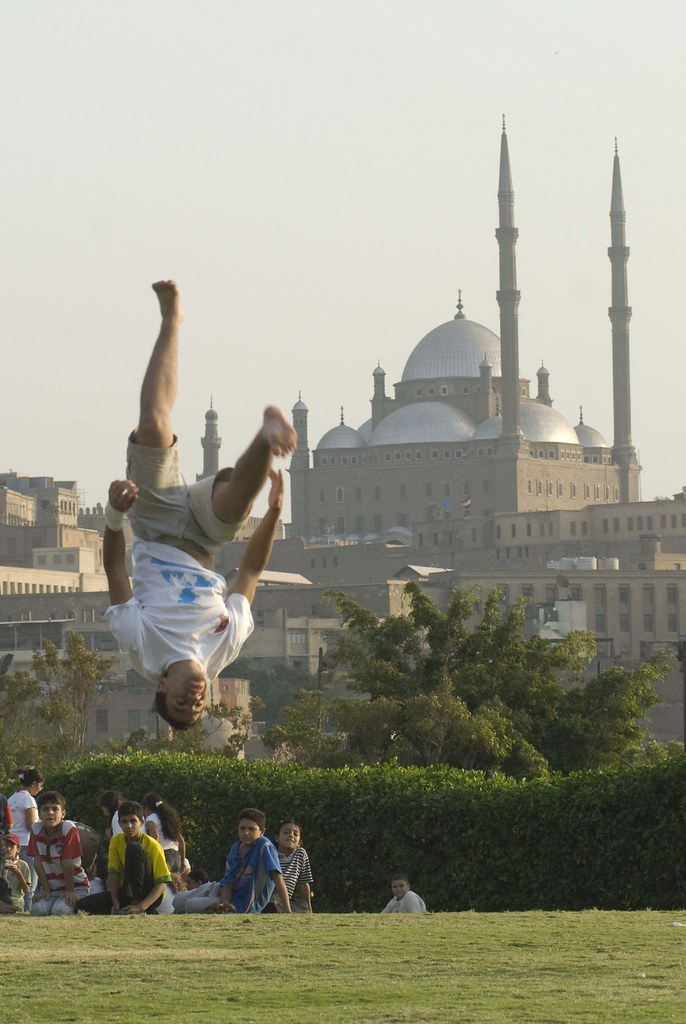
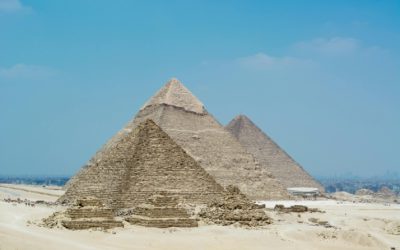
Egypt is renowned for its rich history and magnificent monuments, making it a top destination for travelers worldwide. Among its most famous attractions are the Pyramids of Giza and the Great Sphinx, iconic symbols of ancient Egypt. The Pyramids of Giza are a marvel of engineering, serving as tombs for the Pharaohs of the Old Kingdom and attracting millions of visitors eager to witness their grandeur. The Great Sphinx, with the body of a lion and the head of a Pharaoh, stands as a mysterious guardian overlooking the Giza Plateau. Together, these monuments offer a glimpse into Egypt’s glorious past and continue to captivate tourists with their timeless allure.
Luxor and the Valley of the Kings
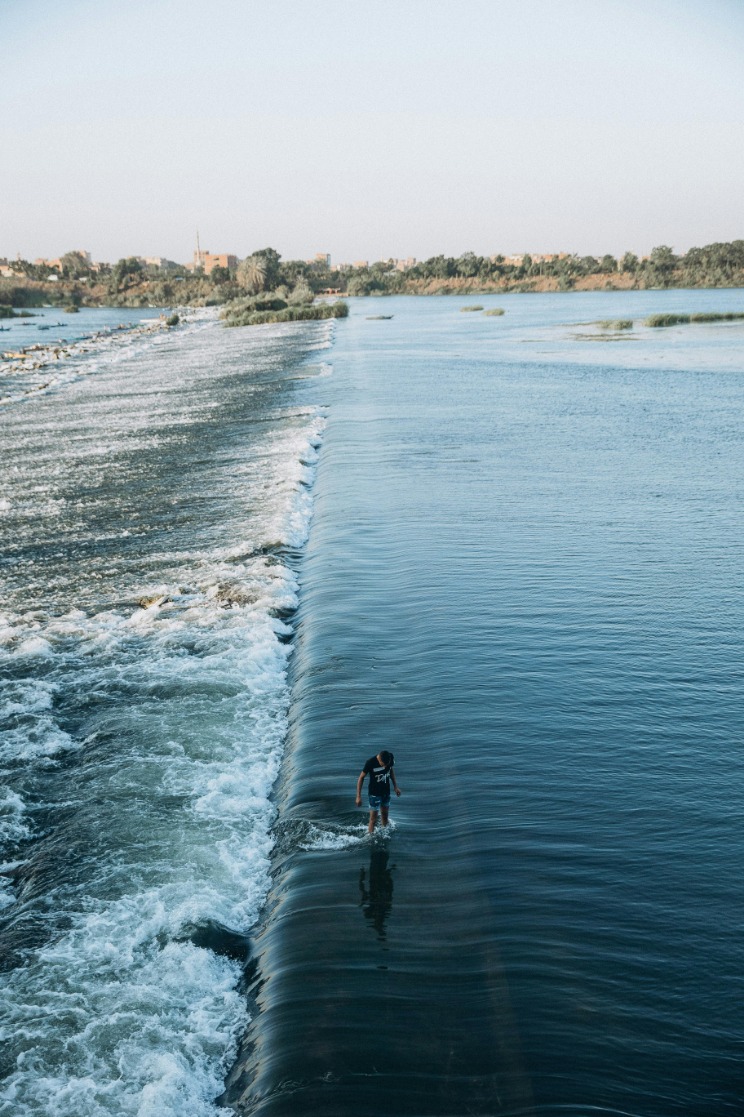
Egypt is renowned for its rich history and stunning archaeological sites, attracting travelers from around the world. Luxor, often referred to as the world’s greatest open-air museum, is a must-visit destination within Egypt. It is home to some of the most spectacular monuments and temples from ancient Egypt’s glorious past.
The Valley of the Kings, located on the west bank of the Nile near Luxor, is one of Egypt’s most famous tourist attractions. It served as the burial site for many Pharaohs of the New Kingdom, including Tutankhamun. Visitors can explore intricately decorated tombs carved into the mountainside, offering a glimpse into ancient Egyptian beliefs and artistry. The Valley of the Kings continues to fascinate history enthusiasts and explorers alike, making it a highlight of any trip to Egypt.
Aswan and the Nile River Cruises
Egypt, a country rich in history and culture, offers some of the most captivating tourist attractions in the world. Aswan, located in the southern part of Egypt, is renowned for its breathtaking landscapes, ancient temples, and vibrant markets. Visitors often explore the iconic Philae Temple, dedicated to the goddess Isis, and the impressive Aswan High Dam, which symbolizes modern Egyptian engineering. The city also provides a charming atmosphere with its Nubian villages and traditional bazaars.
One of the most popular ways to explore Egypt’s natural beauty and historical treasures is through Nile River cruises. These cruises offer a unique experience, allowing travelers to glide along the historic river while enjoying luxurious amenities and breathtaking views. Along the way, cruise ships dock at legendary sites such as Luxor, with its magnificent temples and tombs, and Kom Ombo, home to a distinctive double temple. Nile River cruises not only provide leisurely sightseeing opportunities but also a deeper appreciation of Egypt’s ancient civilization and scenic landscapes.
Government and Politics
Egypt, a nation with a rich historical legacy, plays a vital role in the political landscape of the Middle East and North Africa. Its government structure has evolved over centuries, blending ancient traditions with modern administrative systems. Understanding Egypt’s government and politics offers insight into how the country navigates contemporary challenges and maintains its influence regionally and globally.
Political Structure and Leadership
Egypt’s government operates as a semi-presidential republic, featuring a blend of presidential and parliamentary systems. The President holds significant executive power, serving as the head of state and responsible for national defense, foreign policy, and overall governance. The Parliament, composed of the House of Representatives and the Senate, plays a crucial role in legislative functions and representing the citizens’ interests. Leadership within Egypt is primarily centered around the President, who is elected by popular vote for a renewable term, supported by a Cabinet that manages various ministries and government agencies.
Recent Political Developments
Egypt has experienced several significant political developments in recent months, reflecting its ongoing efforts to stabilize and reform its political landscape. The government has undertaken initiatives to enhance economic stability, address social issues, and strengthen democratic institutions. Recent elections and parliamentary sessions have seen increased participation, signaling a move towards greater political engagement among citizens. Additionally, Egypt continues to navigate regional diplomacy challenges, balancing relations with neighboring countries and global powers. Authorities have also focused on combating corruption and implementing reforms aimed at boosting economic growth and social cohesion. These developments indicate Egypt’s commitment to maintaining stability while pursuing gradual democratic and economic progress.
International Relations and Alliances
Egypt plays a significant role in the political landscape of the Middle East and North Africa, with a rich history of governance and diplomatic engagement. The country’s government is characterized by a semi-presidential system, where power is shared between the president and the parliament, shaping domestic policies and national stability.
International relations are a crucial aspect of Egypt’s foreign policy, as it seeks to maintain regional influence and foster economic development. Egypt is a founding member of the Arab League and actively participates in regional organizations to promote cooperation and peace among neighboring states.
Egypt has historically formed strategic alliances with Western nations, especially the United States, which provides military aid and support for counter-terrorism efforts. Additionally, Egypt maintains important relationships with African nations, aiming to strengthen regional integration and economic partnerships. Its political and diplomatic strategies are focused on balancing regional security concerns with fostering international cooperation.

0 Comments