
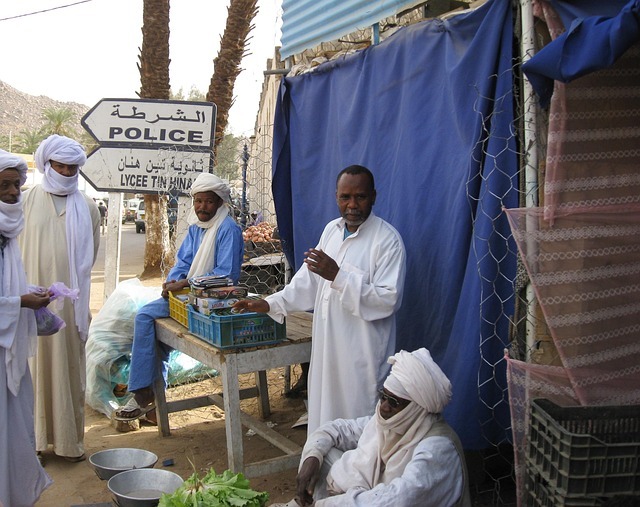
Geographical Features of Kabylie
Kabylie, a culturally rich region in northern Algeria, is renowned for its diverse and stunning geographical features. Characterized by rugged mountains, lush valleys, and picturesque coastal areas, Kabylie offers a unique blend of natural landscapes. The region is part of the Tell Atlas mountain range, with the Tellian Mountains dominating its terrain. Its fertile plains and abundant rivers contribute to its vibrant agriculture and scenic beauty, making Kabylie a distinctive and vital part of Algeria’s geographical landscape.
Mountains and Hills
Kabylie, a culturally rich region in Algeria, is characterized by its diverse geographical features, particularly its mountains and hills. The landscape is dominated by the Atlas Mountains, which run through the region and create a rugged terrain that significantly influences the local climate and lifestyle. These mountains are primarily composed of limestone and granite, forming a dramatic backdrop to the villages and towns scattered across the area.
The dominant mountain range in Kabylie is the Tell Atlas, which extends parallel to the Mediterranean coast. This range is notable for its high peaks, such as Djebel Kara and Djebel Babor, offering breathtaking views and challenging terrains. The mountains are covered with dense forests of cork oak, cedar, and pine, contributing to the region’s lush environment.
In addition to the mountains, Kabylie features numerous hills that add to its picturesque landscape. These hills are often terraced and cultivated, supporting traditional agriculture like olive and fig farming. The hillsides are also dotted with small villages, showcasing the region’s rural charm and historical significance. Overall, the mountainous and hilly terrain of Kabylie creates a unique geographical setting that has shaped its cultural identity and way of life.
Coastal Regions and Beaches
Kabylie, a culturally rich region in northern Algeria, is characterized by its diverse geographical features that include rugged mountains, lush valleys, and beautiful coastal areas. The region is part of the Tell Atlas mountain range, with the Kabylie Mountains offering dramatic landscapes and a temperate Mediterranean climate that supports vibrant flora and fauna. Along its eastern coastline, Kabylie boasts stunning beaches and pristine shores that attract both locals and tourists. These coastal regions feature sandy beaches, crystal-clear waters, and charming fishing villages that enhance the area’s natural beauty. The combination of mountainous terrains and scenic coastlines makes Kabylie a unique and captivating part of Algeria’s geography.
Rivers and Waterways
Kabylie, a cultural region in northern Algeria, is characterized by diverse and striking geographical features. The area is renowned for its rugged mountainous terrain, primarily dominated by the Tell Atlas mountain range, which stretches along the Mediterranean coast. These mountains contribute to the region’s scenic beauty and influence its climate and ecosystem.
The waterways of Kabylie include several important rivers and streams that play a vital role in the local agriculture and daily life. Notable among these are the Soummam River, which flows through the heart of the region and provides water for irrigation and domestic use. Other significant waterways include the Chelif River, the Djurdjura River, and various tributaries that descend from the mountains, contributing to the region’s lush valleys and fertile lands.
The rivers in Kabylie are characterized by their swift flows and clear waters, often originating from the mountains and meandering through rugged terrains before reaching the Mediterranean Sea. These waterways support diverse ecosystems and are integral to the livelihoods of local communities, fostering agriculture, fishing, and tourism activities within the region. The combination of mountainous terrain and abundant waterways makes Kabylie a unique and vibrant part of Algeria’s geographical landscape.
Cultural Heritage of Kabylie
The Cultural Heritage of Kabylie is a vibrant and rich tapestry that reflects the unique history, traditions, and identity of the Kabyle people in Algeria. Known for their distinct language, stunning music, captivating crafts, and deep-rooted customs, Kabylie offers a diverse cultural landscape that has been preserved and celebrated over centuries. This region embodies a strong sense of community and resilience, making its cultural heritage an important part of Algeria’s national identity.
Language and Dialects
The cultural heritage of Kabylie, a region in northern Algeria, is rich and diverse, reflecting a deep history rooted in Berber traditions, craftsmanship, music, and oral literature. This area is known for its unique identity, which has been preserved through generations despite historical influences and modern changes. Traditional festivals, products, and social practices play a vital role in maintaining the cultural fabric of Kabylie.
Languages and dialects in Kabylie are an essential aspect of its cultural identity. The primary language spoken is Tamazight, a Berber language with several dialects specific to the region. Among these, the Kabyle dialect is the most widely used and recognized, serving as a symbol of regional identity. In addition to Tamazight, many inhabitants also speak Arabic, French, and other languages due to historical interactions and educational systems. The linguistic diversity in Kabylie demonstrates the region’s complex history and its people’s resilience in preserving their linguistic heritage amid external influences.
Traditional Music and Dance
The cultural heritage of Kabylie, a region in Algeria, is rich and diverse, reflecting centuries of Berber traditions, history, and customs. Among its most vibrant expressions are traditional music and dance, which play a central role in community gatherings, celebrations, and rituals. These art forms serve as a means of preserving identity, passing down stories, and fostering social cohesion among the Berber people of Kabylie.
Traditional Kabyle music is characterized by the use of unique instruments such as the bendir (a frame drum), the mandole (a string instrument similar to the mandolin), and the ricina (a small percussion instrument). Music often features poetic lyrics that address themes of love, nature, and social issues, sung in the Kabyle language. The melodies are lively and rhythmic, designed to energize audiences and encourage communal participation.
Dance also holds a significant place in Kabylie’s cultural expressions. The famous “Ahellil” dance, performed during festivals and celebrations, involves synchronized movements and singing, often accompanied by percussion instruments. Another popular dance is the “Ras el Aïn,” a traditional dance involving intricate footwork and graceful arm movements, showcasing the agility and artistic spirit of the Berber community.
Overall, the traditional music and dance of Kabylie are vital elements of its cultural identity, embodying the history, resilience, and vibrant spirit of its people. They continue to be cherished and celebrated, ensuring that the heritage of this remarkable region remains alive and appreciated both locally and globally.
Festivals and Celebrations
The cultural heritage of Kabylie, a remarkable region in Algeria, is rich and diverse, reflecting a blend of Berber traditions, history, and social customs. It is renowned for its unique language, music, dance, craftsmanship, and social practices that have been preserved over centuries. Kabylie’s cultural identity is deeply rooted in its ancient Berber origins, which continue to influence daily life and communal celebrations. The region’s folk art, including pottery, weaving, and jewelry-making, showcases the creativity and craftsmanship passed down through generations. These elements collectively form a vibrant cultural mosaic that attracts scholars and tourists alike.
Festivals and celebrations in Kabylie are lively manifestations of its cultural heritage, often featuring traditional music, dance, attire, and culinary delights. One of the most important festivals is Yennayer, the Berber New Year, celebrated with communal gatherings, feasts, and traditional rituals to honor the ancestors and mark the beginning of a new agricultural cycle. Another significant event is the Imzad festival, dedicated to the traditional Berber string instrument, which highlights the region’s musical heritage. The local villages also host various religious and seasonal festivals, where communities come together to celebrate harvests, saint’s days, and other significant dates through processions, storytelling, and festive meals. These festivals serve to reinforce community bonds and keep alive the rich cultural traditions of Kabylie for future generations.
Historical Significance
Algeria Kabylie holds a remarkable place in history as a region rich in cultural heritage and historical significance. Known for its distinct identity, vibrant traditions, and resilient communities, Kabylie has played a vital role in shaping the history of Algeria and North Africa. Its past is marked by resistance, cultural preservation, and contributions to the nation’s development, making it an area of great historical interest and importance.
Ancient Civilizations and Roles
Algeria’s Kabylie region holds a profound historical significance as a center of ancient civilization and cultural resilience. Known for its rich tradition of Berber heritage, Kabylie has been a vital part of North Africa’s history, serving as a hub for early indigenous communities. Ancient civilizations in the area contributed to the development of unique social, linguistic, and cultural identities that continue to influence the region today.
Throughout history, Kabylie has played a crucial role in shaping the broader historical narrative of Algeria and North Africa. It was a key area for prehistoric peoples, with archaeological evidence revealing early human presence. Later, during the classical and medieval periods, it interacted with various empires such as the Phoenicians, Romans, and Byzantines, which left their mark on the region’s architecture, trade routes, and cultural practices.
The role of Kabylie in history extends beyond its ancient roots; it has been a symbol of Berber independence and resistance. The local populations historically maintained their language, customs, and social structures despite external influences and conquests. This resilience highlights the region’s importance as a custodian of indigenous traditions within the broader context of Algerian and North African history.
Colonial History and Resistance
Algeria’s Kabylie region holds a deep historical significance as a center of Berber culture and identity. It has played a crucial role in shaping the country’s history through its resistance against various colonial powers, particularly during French colonization. The resilience of the Kabyle people in maintaining their language, traditions, and social structures highlights their enduring spirit of resistance and cultural preservation.
- The region has a rich history dating back to ancient times, with evidence of Berber kingdoms and civilizations that predate Arab and European influences.
- During the French colonization in the 19th and 20th centuries, Kabylie was a hotbed of resistance, with numerous uprisings and movements advocating for independence and rights.
- The National Liberation Front (FLN) and other resistance groups used Kabylie as a strategic base for organizing anti-colonial struggles, emphasizing the region’s importance in Algeria’s fight for independence.
- Post-independence, Kabylie has continued to demonstrate its distinct identity through cultural expressions and political activism, often advocating for greater autonomy and recognition of Berber language and culture.
- Today, Kabylie remains a symbol of Berber resistance and cultural pride, with its history serving as an inspiration for ongoing struggles for linguistic and political rights.
- The region’s historical resistance has contributed significantly to Algeria’s broader national identity, embodying the enduring quest for self-determination and cultural recognition.
Post-Independence Developments
Post-independence developments in Kabylie, Algeria have played a significant role in shaping the region’s cultural and political identity. Following Algeria’s independence from France in 1962, Kabylie experienced a resurgence of its distinct Berber language and traditions, which had been suppressed under colonial rule. The region became a center for Berber cultural revival, advocating for recognition of its indigenous identity and language.
Political movements in Kabylie have sought greater autonomy and cultural rights, often advocating for the recognition of Amazigh (Berber) language as an official language of Algeria alongside Arabic. This movement gained momentum during the 1980s and 1990s, culminating in the official recognition of Tamazight as a national language in 2002, and later as an official language in 2016.
Economically, Kabylie has undergone development initiatives to improve infrastructure, education, and social services, aiming to uplift local communities. Despite these advancements, tensions between national government policies and local demands for cultural and political autonomy have persisted.
Overall, post-independence developments in Kabylie reflect a dynamic interplay between preserving cultural heritage and seeking political recognition, positioning the region as a vital symbol of Berber identity within the modern Algerian state.
Economic Activities
Economic activities in Kabylie, a region in Algeria, are diverse and play a vital role in the local and national economy. The region is known for its agricultural production, including olive cultivation and fruit farming, as well as its traditional crafts and industries. In addition to agriculture, Kabylie has a growing tourism sector that attracts visitors with its rich cultural heritage and scenic landscapes. These activities contribute to the region’s development and provide livelihoods for many residents. Understanding the economic landscape of Kabylie offers insight into its importance within Algeria’s broader economic framework.
Agriculture and Farming
In Algeria’s Kabylie region, economic activities are predominantly centered around agriculture and farming, which play a vital role in the local economy. The region’s fertile lands and favorable climate favor diverse agricultural practices, including the cultivation of cereals, vegetables, and fruits. Traditional farming methods coexist with modern techniques, supporting a livelihood for many local residents. Livestock rearing is also common, with communities engaged in raising sheep, goats, and cattle, contributing to dairy and meat production. Agriculture in Kabylie not only sustains the local population but also provides goods for markets within Algeria. Additionally, efforts to improve agricultural productivity are ongoing, supported by regional initiatives aimed at enhancing sustainable farming practices. Overall, agriculture remains a cornerstone of Kabylie’s economy, reflecting its longstanding cultural and economic importance to the region.
Handicrafts and Artisan Markets
Algeria’s Kabylie region is renowned for its rich tradition of economic activities centered around handicrafts and artisan markets. Local artisans passionately create a variety of handcrafted products, including intricate jewelry, woven textiles, pottery, and woodwork, reflecting the cultural heritage of the Berber people. These crafts not only serve as a vital source of income but also help preserve centuries-old traditions and skills passed down through generations. Artisan markets, known as souks, are vibrant hubs where locals and tourists alike gather to buy unique, handcrafted items, fostering economic growth and cultural exchange. The thriving craft industry in Kabylie contributes significantly to the region’s economy while promoting artistic expression and cultural identity. The combination of traditional craftsmanship and lively markets sustains local communities and highlights the artistic diversity of the area.
Tourism and Cultural Tourism
Algeria’s Kabylie region is renowned for its vibrant economic activities, rich cultural heritage, and growing tourism industry. The area primarily relies on agriculture, with the cultivation of cereals, vegetables, and fruit, complemented by traditional crafts and small-scale industries that contribute to local livelihoods. Meanwhile, the tourism sector in Kabylie has seen increasing development, attracting visitors with its stunning landscapes, including mountains, lush valleys, and Mediterranean coastline. Cultural tourism is especially significant, as the region boasts a unique Berber heritage, ancient sites, and traditional music and dance festivals that celebrate its identity. Visitors are drawn to the authentic experiences and cultural diversity, making Kabylie a compelling destination for those interested in exploring Algeria’s history and natural beauty.
Social Structure and Community Life
In Kabylie, a region in Algeria renowned for its rich cultural heritage, social structure and community life play a vital role in maintaining traditions and social cohesion. The diverse social fabric is characterized by strong kinship ties, communal gatherings, and a deep sense of identity rooted in Berber customs. Understanding these dynamics offers insight into how the people of Kabylie preserve their unique way of life amidst modern influences.
Traditional Social Organizations
In Kabylie, a region within Algeria known for its rich cultural heritage, social structure and community life are deeply rooted in traditional social organizations that have been maintained over generations. These structures foster strong social bonds and uphold customs that define communal identity. The traditional social organizations serve as the backbone of local governance, conflict resolution, and cultural preservation, ensuring that cultural values are passed down through the ages.
Community life in Kabylie is characterized by close-knit relationships and shared responsibilities. Villages often function as cohesive units where elders and local leaders play a significant role in guiding social norms and mediating disputes. These social organizations are primarily based on kinship, village councils, and tribal affiliations that regulate social conduct and promote mutual aid.
- Kinship Ties: Extended family networks are central to social organization, providing support, security, and social status.
- Village Councils: Comprising elders and respected community members, they oversee local issues, resource management, and community events.
- Tribal Affiliations: Tribal identities influence social roles, leadership positions, and territorial rights within the region.
- Traditional Associations: Groups that preserve cultural practices, language, music, and dances, strengthening community cohesion.
- Religious Roles: Religious leaders and institutions play a vital part in guiding moral conduct and community celebrations.
These traditional social organizations maintain a balance between modern influences and cultural customs, ensuring the resilience of Kabylie’s community life while adapting to changing socio-economic contexts. This structure fosters a sense of collective identity, continuity, and resilience among its inhabitants.
Family and Clan Systems
The social structure and community life in Kabylie, Algeria, are deeply rooted in traditional family and clan systems that have shaped the region for centuries. These systems emphasize strong familial bonds, collective responsibilities, and a sense of loyalty among members. The family unit often serves as the fundamental social institution, providing support and stability, while clan networks reinforce social cohesion and facilitate communal decision-making.
In Kabylie, extended families are common, and kinship ties play a significant role in everyday life. Clans, or “tafra,” function as extended kin groups that maintain social and cultural traditions, resolve disputes, and organize social events. These interconnected clans often form alliances for mutual protection and economic cooperation, fostering a sense of solidarity and identity among their members.
Community life in Kabylie is characterized by mutual aid and participation in communal activities, such as festivals, rituals, and collective labor. Traditional leadership structures, often led by elders or clan leaders, guide social conduct and uphold cultural practices. Despite modern influences and urbanization, many of these social and familial structures continue to influence daily life and preserve the vibrant cultural heritage of the Kabyle people.
Educational and Religious Institutions
In Kabylie, a region in northern Algeria, social structure and community life are deeply rooted in a blend of traditional Berber customs and modern influences. The community is often organized around extended family networks and tribal affiliations, which play a significant role in social interactions and decision-making processes. These networks foster a strong sense of belonging and mutual support among members.
Educational institutions in Kabylie have historically served as vital centers for cultural preservation and social development. Schools often emphasize both standard curricula and the teaching of Kabyle language and traditions, helping to maintain local identity amidst broader national integration. Educational attainment is highly valued, with efforts to improve access and quality continuing to be a priority for local and national authorities.
Religious institutions also hold an important place within Kabylie society. Islam, particularly Sunni Islam, is predominant, and mosques act as key social and spiritual centers. Religious leaders often serve as community arbiters and moral guides, reinforcing cultural values and social cohesion. Festivals and religious events also provide opportunities for community gatherings, reinforcing the close-knit nature of Kabylie life.
Challenges and Contemporary Issues
Kenya’s Kabylie region faces a variety of challenges and contemporary issues that influence its social, cultural, and political landscape. As a region known for its rich Berber heritage and unique identity, Kabylie grapples with issues such as language preservation, economic development, and political representation. These challenges are compounded by broader national and international influences, making it a vital area of study for understanding the complexity of cultural resilience and regional dynamics in Algeria today.

Political Autonomy Movements
The Kabylie region in Algeria has long been a focal point for political autonomy movements, driven by the desire to preserve its unique cultural identity and seek greater self-governance. These movements face several contemporary challenges that hinder their progress and impact the stability of the region and the country as a whole.
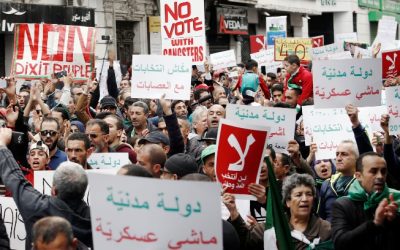
- Cultural and linguistic suppression: Efforts to preserve the Kabyle language and culture often clash with state policies promoting Arabic and Arab cultural unity, leading to tensions and resistance movements.
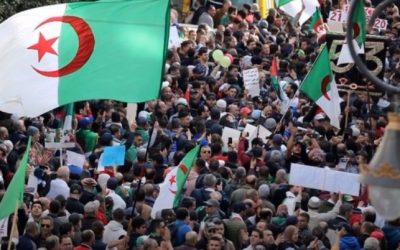
- Political repression: Authorities frequently suppress protests and political activities advocating for autonomy, resulting in arrests, censorship, and limited political space for Kabyle advocates.
- Economic disparities: The region suffers from underdevelopment and economic marginalization, fueling grievances and demands for greater local control over resources and development initiatives.
- Legal and constitutional constraints: The Algerian constitution emphasizes national sovereignty and unity, making legal recognition of autonomy or independence challenging for Kabylie activists.
- Sociopolitical fragmentation: Divergent opinions within the Kabyle community and competing political ideologies complicate unified efforts toward autonomy.
- External influences and regional instability: Geopolitical tensions and influences from neighboring countries sometimes affect local autonomy movements, impacting their strategies and prospects.
Economic Development and Unemployment
Algeria’s Kabylie region faces numerous challenges related to economic development and unemployment, which impact its social and political stability. Despite rich cultural heritage and abundant natural resources, economic opportunities remain limited for many residents, resulting in high unemployment rates, especially among youth. This situation is exacerbated by infrastructural deficiencies, inadequate investment, and a reliance on traditional sectors such as agriculture, which struggle to generate sustainable income. Additionally, political and social issues, including calls for greater autonomy, often hinder coordinated efforts to stimulate economic growth. The region’s development struggles reflect broader national economic concerns but are intensified by regional specificities and demands for more inclusive policies. Addressing these issues requires comprehensive strategies focusing on diversified economic development, improved infrastructure, and social programs aimed at reducing unemployment and fostering stability within Kabylie.
Preservation of Cultural Identity
The preservation of cultural identity in Kabylie, Algeria, faces numerous challenges amid modern societal changes. Rapid urbanization and globalization have introduced Western cultural influences that threaten traditional Kabyle customs, language, and practices. Younger generations, often educated in national or international institutions, may prioritize modern lifestyles over their ancestral heritage, leading to a decline in the use of the Kabyle language and a weakening of unique cultural expressions. Political issues and marginalization also contribute to the erosion of cultural identity, as local traditions and dialects are sometimes overlooked or undervalued in favor of broader national identities. Despite these challenges, many cultural activists and local communities actively work to revive and sustain Kabyle heritage through festivals, language preservation programs, and educational initiatives, emphasizing the importance of maintaining their distinct cultural identity for future generations.


0 Comments