
Geography and Location of Etosha National Park
Etosha National Park, located in the northern part of Namibia, is one of Africa’s premier wildlife reserves. Known for its vast salt pan and rich biodiversity, the park is situated in a semi-arid region that spans approximately 22,270 square kilometers. Its strategic location near the border with Angola makes it a vital area for conservation and tourism, offering visitors a unique glimpse into Namibia’s diverse landscape and abundant wildlife.
Physical Features and Landscape
Etosha National Park is a prominent wildlife reserve located in the northern part of Namibia. It covers an extensive area and is renowned for its unique landscape and diverse ecosystems. The park is situated approximately 430 kilometers northwest of Windhoek, the capital city of Namibia.
The physical features and landscape of Etosha National Park are characterized by a vast salt pan called the Etosha Pan, which dominates the center of the park. This dry, flat salt lake is approximately 125 kilometers long and varies in width, creating dramatic scenery especially during the dry season when it appears as a shimmering, white expanse. Surrounding the pan are savannahs, woodlands, and grasslands that support a wide array of flora and fauna.
- The Etosha Pan is the most distinctive feature of the landscape and plays a crucial role in the park’s ecosystem.
- Bordering the pan are areas with acacia and mopane trees, providing vital habitats for many animals.
- The terrain includes low hills and rocky outcrops, offering varied topography within the park.
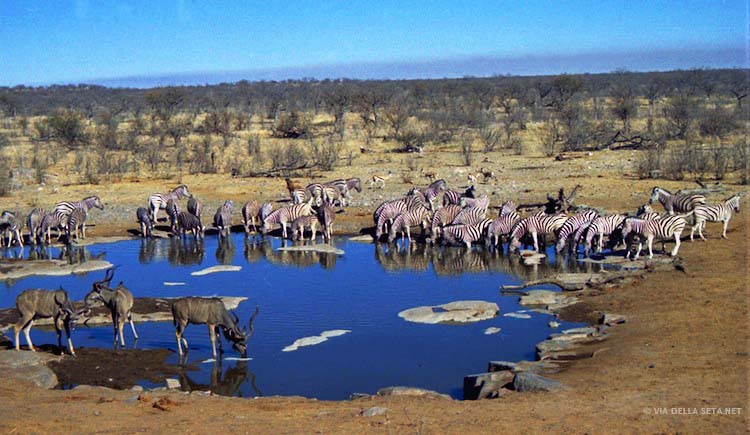
- Waterholes scattered across the park attract numerous wildlife, especially during the dry season.
Surrounding Regions and Access Points
Etosha National Park is located in northern Namibia, covering an area of approximately 22,270 square kilometers. It is situated in the Oshana Region, near the border with Angola, and is renowned for its vast salt pan that creates a stunning and distinctive landscape. The park’s geographic setting lies within the Kalahari Basin, characterized by semi-arid plains, sparse vegetation, and numerous waterholes that attract diverse wildlife.
The surrounding regions include the Oshikoto, Oshana, and Ohangwena regions, which are mostly rural and feature savannah and woodland habitats. The park is accessible via several key routes, with the most common entry points being the Anderson Gate and the Von Lindequist Gate. These access points connect visitors to nearby towns such as Tsumeb and Outjo, which serve as gateways for safari tours and supplies. Additionally, Etosha is connected by well-maintained gravel and paved roads, making it accessible by vehicle from Windhoek, Namibia’s capital, approximately 440 kilometers away.
History and Establishment
Established as a protected area in Namibia, Etosha National Park has a rich history rooted in conservation efforts that date back to the early 20th century. Originally designated as a game reserve, it was officially proclaimed a national park in 1967, reflecting Namibia’s commitment to preserving its unique wildlife and natural landscapes. Over the years, Etosha has evolved into one of Africa’s premier safari destinations, showcasing diverse ecosystems and a legacy of conservation that continues to thrive today.
Founding of the Park
Etosha National Park, located in northern Namibia, was established in 1907 as a game reserve during the German colonial period. It was initially designated to protect the area’s rich wildlife and provide a sanctuary for various species of animals, including elephants, lions, and rhinoceroses. Over the years, the park’s boundaries were expanded and its management improved to enhance conservation efforts. In 1967, Etosha was officially declared a national park, marking its recognition as a significant protected area for both wildlife and ecological preservation. Today, it is celebrated as one of Africa’s premier safari destinations, exemplifying nearly a century of dedication to conservation and natural beauty.
Conservation Milestones
Etosha National Park in Namibia is one of Africa’s most iconic wildlife reserves, renowned for its unique landscape and vast salt pan. The park was established in 1907 during the German colonial administration and has since become a vital sanctuary for numerous species, including elephants, lions, and rhinoceroses. Over the decades, Etosha has played a crucial role in conservation efforts, balancing the preservation of biodiversity with sustainable tourism development. Key milestones include the designation of Etosha as a national park in 1967 and subsequent expansion and management improvements that have helped safeguard its ecosystems. Conservation initiatives, such as anti-poaching measures and habitat restoration projects, have been pivotal in maintaining the park’s ecological integrity. Today, Etosha stands as a symbol of Namibia’s commitment to wildlife conservation and environmental preservation, attracting researchers and travelers worldwide.
Historical Significance in Namibia
Etosha National Park in Namibia holds a rich history and significant importance both environmentally and culturally. Established in 1907 as a game reserve by the German colonial administration, it is one of Africa’s oldest and most renowned conservation areas. Its history reflects a long-standing commitment to wildlife preservation amidst changing political and social landscapes in Namibia.
Throughout the 20th century, the park expanded its boundaries and adapted its management strategies, especially after Namibia gained independence in 1990. The park’s historical significance extends beyond conservation; it played a role in the region’s colonial history and now serves as a symbol of Namibia’s dedication to protecting its natural heritage. Additionally, Etosha National Park is recognized as an important site for research, eco-tourism, and biodiversity conservation.
- The park was originally established as a German colonial game reserve in 1907.
- It expanded significantly during the South African administration, becoming Namibia’s flagship protected area.
- After Namibia’s independence, efforts intensified to restore and manage the park sustainably.
- Etosha’s salt pan and waterholes have been central to its ecological and cultural identity for centuries.
Today, Etosha National Park is a globally recognized conservation success story, home to diverse species including elephants, lions, rhinoceroses, and numerous bird species. Its historical development illustrates Namibia’s evolving approach to wildlife management and the enduring importance of preserving natural heritage for future generations.
Flora and Fauna
Namibia’s Etosha National Park is a world-renowned wildlife sanctuary teeming with diverse flora and fauna. The park’s vast salt pan and surrounding waterholes create a unique environment that supports a wide variety of plant and animal species. Visitors can experience the stunning landscapes filled with resilient flora and encounter many of Africa’s iconic animals, making Etosha a key destination for nature lovers and wildlife enthusiasts alike.
Key Plant Species
Namibia’s Etosha National Park is renowned for its diverse flora and fauna, making it a vital sanctuary for numerous plant and animal species. The park’s landscape features vast salt pans, acacia trees, and mopane bushes, which provide essential habitats for various wildlife. Among key plant species, the formidable thorn acacia and mopane trees dominate the environment, offering shelter and food sources for many animals. These hardy plants are well-adapted to the arid climate, thriving in nutrient-poor soils and drought conditions.
In terms of fauna, Etosha hosts a remarkable array of species, including large mammals such as elephants, lions, black rhinos, and giraffes. Smaller creatures like meerkats, jackals, and cheetahs are also common. Birdlife is abundant, with species like ostriches, flamingos, and various raptors. The availability of water at evaporated salt pans and waterholes supports a rich ecosystem, highlighting the importance of key plant species in sustaining the diverse flora and fauna of Etosha National Park.
Wildlife Diversity
Namibia’s Etosha National Park is renowned for its remarkable wealth of flora and fauna, making it a vital refuge for diverse species of wildlife. The park’s expansive salt pan is surrounded by an array of habitats such as savannahs, grasslands, woodlands, and waterholes, supporting a rich variety of plant life that sustains the region’s animals. The flora includes hardy grasses, acacia trees, and mopane bushes, which provide shelter and nourishment for countless species.
Wildlife in Etosha is incredibly diverse, with over 100 mammal species and numerous bird, reptile, and insect species. Iconic animals such as elephants, lions, cheetahs, and rhinoceroses roam freely, while large herds of springbok, oryx, giraffes, and zebras are commonly observed around water sources. The park’s waterholes act as crucial lifesavers during dry periods, concentrating animals and providing excellent opportunities for wildlife viewing and photography.
Etosha’s biodiversity is an important aspect of Namibia’s natural heritage, ensuring the survival of many endangered and endemic species. Conservation efforts within the park help protect this vibrant ecosystem, promoting the balance between wildlife and their environment. Overall, the park stands as a testament to the resilience and diversity of Namibia’s wilderness, offering an unparalleled experience for nature enthusiasts and conservationists alike.
Endangered and Rare Species
Namibia’s Etosha National Park is renowned for its diverse flora and fauna, offering a habitat for many species, some of which are endangered or rare. The park’s vast salt pans, grassy savannahs, and sparse woodlands create a unique environment supporting an array of wildlife, from large mammals to bird species.
- Black Rhinoceros: Critically endangered due to poaching, populations are protected within Etosha, and conservation efforts are ongoing.
- Desert Elephant: Adapted to arid conditions, these elephants are rare and often sightings are highly prized by visitors.
- Saiga Antelope: Although not native to Namibia, the region hosts other rare antelope species like the Hartmann’s Mountain Zebra, which is near-threatened.
- Angelaar’s Toad: A rare amphibian found in limited specific habitats within the park, making it highly vulnerable.
- Oryx: The gemsbok or oryx is the national animal of Namibia; while not endangered, some local populations are fragile due to habitat loss.
- Flora of Etosha includes thorn bushes, acacia trees, and salt-tolerant plants adapted to the harsh environment, supporting the diverse fauna.
- Many plant species are endemic or rare, vital for sustaining the ecosystem and providing food and shelter for numerous animals.
Major Attractions within the Park
Namibia’s Etosha National Park is renowned for its diverse landscapes and abundant wildlife, making it a must-visit destination for nature enthusiasts. Visitors can experience the vast salt pan, which transforms into a shimmering expanse during the rainy season, as well as lush waterholes teeming with animals. The park offers several major attractions, including spectacular game drives, the unique Etosha Pan, and numerous waterholes where visitors can observe elephants, lions, rhinos, and countless other species in their natural habitat.
Etosha Pan
Etosha Pan, one of Namibia’s premier wildlife destinations, offers a range of major attractions within the park that draw visitors from around the world. The vast salt pan itself is a striking natural feature, covering approximately 23,000 square kilometers and serving as a critical habitat for numerous species. Waterholes scattered throughout the park, such as Okaukuejo, Fischer’s Pan, and Halali, are some of the most popular sites where visitors can observe abundant wildlife including elephants, lions, rhinos, and various antelope species gathering to drink. These waterholes are especially vibrant during the dry season, providing excellent opportunities for game viewing and photography. Other notable attractions within Etosha include the exquisite Namutoni Fort, a historic German fortress offering both cultural insights and panoramic views of the surrounding plains. Birdwatchers will also appreciate the rich diversity of avian life present in the park, making it a haven for bird enthusiasts. Overall, the combination of iconic landscapes, abundant wildlife, and accessible waterholes makes Etosha National Park a must-visit destination for nature lovers and adventure seekers alike.
Waterholes and Birdlife
Etosha National Park in Namibia is renowned for its diverse array of major attractions, including expansive salt pans, lush waterholes, and abundant birdlife. The park’s iconic Etosha Pan, a vast salt desert that stretches across the landscape, is a striking feature and a focal point for visitors. Several waterholes within the park serve as vital gathering spots for wildlife, especially during the dry season, offering excellent opportunities for game viewing and photography. These waterholes attract a wide range of animals, such as elephants, lions, rhinoceroses, and cheetahs, making them key highlights of the park’s ecosystem.
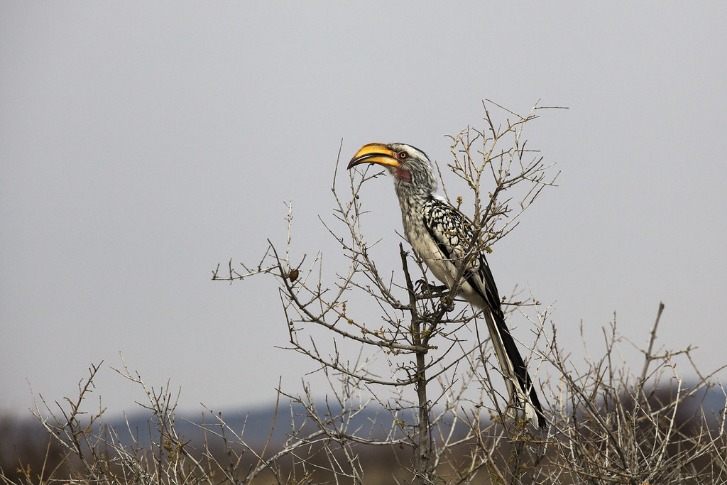
Birdwatchers will find Etosha particularly appealing, as the park is home to over 340 bird species. The waterholes support many aquatic and semi-aquatic birds, including flamingos, pelicans, herons, and storks, providing exceptional opportunities for observing vibrant birdlife in their natural habitat. The diversity and abundance of bird species make Etosha a premier destination for avian enthusiasts. Overall, the combination of stunning geographical features, lively waterholes, and rich birdlife makes Etosha National Park a must-visit location for nature lovers and wildlife photographers alike.
Salt Range and Geological Features
Namibia’s Etosha National Park is renowned for its diverse attractions, expansive salt pans, and unique geological features that draw travelers from around the world. The park offers a captivating blend of natural beauty, wildlife, and geological wonders that make it a must-visit destination.
- Waterholes and Wildlife Viewing: Numerous waterholes within the park serve as prime spots for observing a rich variety of animals including elephants, lions, cheetahs, and rhinoceroses.
- Etosha Salt Pan: The vast, shimmering salt pan is one of the world’s largest salt flats, providing a surreal landscape that can be seen from space during the dry season.
- Anderson Gate and Okaukuejo Waterhole: Popular entrance points featuring accessible waterholes where visitors can enjoy game watching at close range.
- Salt Crystals and Minerals: The salt deposits on the pan highlight its unique geological makeup, formed over millions of years through evaporation processes.
- Manyenje Crater: A volcanic crater offering insight into the region’s volcanic history and providing scenic hiking opportunities.
- Flamingo Lagoon: A seasonal feature that attracts flamingos and other bird species, especially during the rainy season when water accumulates in the pan.
- Geological Formation of the Pan: The salt pan’s geology is characterized by evaporite mineral deposits, such as halite, formed from centuries of mineral-rich water evaporating in the arid climate.
Safari and Tourism Activities
Namibia’s Etosha National Park is a premier destination for safari enthusiasts and nature lovers alike. Renowned for its vast salt pan and diverse wildlife, the park offers an unforgettable experience through various tourism activities. Visitors can enjoy thrilling game drives, guided safaris, birdwatching, and close encounters with majestic animals in their natural habitat. Exploring Etosha provides a unique opportunity to immerse oneself in the stunning landscapes and rich biodiversity of Namibia’s wilderness.
Wildlife Viewing and Game Drives
Namibia’s Etosha National Park is renowned for its exceptional safari and tourism activities, offering an unforgettable experience for wildlife enthusiasts. Visitors can enjoy guided and self-drive game drives across expansive savannahs, where they have the opportunity to observe a diverse array of wildlife including elephants, lions, rhinoceroses, cheetahs, and numerous antelope species.
Wildlife viewing in Etosha is particularly unique due to the park’s abundant waterholes, which become gathering points for animals, especially during the dry season. These natural features provide spectacular opportunities for game viewing and photography as animals congregate around water sources.
In addition to game drives, visitors can partake in walking safaris and bird-watching excursions, exploring the park’s rich biodiversity on foot. Night drives are also available, offering a chance to see nocturnal animals and experience the park’s wildlife activity after sunset. Overall, Etosha National Park offers a diverse range of activities that showcase Namibia’s remarkable wildlife and spectacular landscapes.
Birdwatching Opportunities
Namibia’s Etosha National Park is a premier destination for safari enthusiasts and wildlife lovers. The park spans over 22,000 square kilometers and offers a unique blend of vast salt plains, waterholes, and diverse landscapes that attract a wide variety of animals. Visitors can embark on guided safaris to see elephants, lions, cheetahs, giraffes, and numerous antelope species in their natural habitat. The park’s well-developed infrastructure allows for comfortable overnight stays, making it an ideal location for extended wildlife exploration.
Beyond traditional safaris, Etosha National Park provides excellent birdwatching opportunities. The park is home to over 340 bird species, including raptors, ostriches, flamingos, and storks. Many waterholes act as gathering points for birdlife, especially during the dry season when migratory and resident species come to drink and feed. Birdwatchers can enjoy early morning or late afternoon excursions to observe the vibrant avian diversity, making Etosha a must-visit destination for nature enthusiasts and ornithologists alike.
Guided Tours and Visitor Centers
Namibia’s Etosha National Park is renowned for its exceptional safari experience and diverse wildlife. Visitors can engage in a variety of tourism activities that showcase the park’s natural beauty and ecological richness. Guided tours are available for those who want an in-depth understanding of the park’s fauna and flora, led by experienced guides who offer insights into animal behaviors and conservation efforts. Additionally, visitor centers within the park provide educational resources, interactive displays, and helpful information to enhance the visitor experience.
- Self-drive safaris through well-maintained roads to observe wildlife such as elephants, lions, giraffes, and rhinoceroses.
- Guided game drives led by park rangers to maximize wildlife sightings and learn about the park’s ecosystems.
- Bird watching excursions, as Etosha is home to over 340 bird species.
- Visit to the Etosha Pan, a vast salt lake that serves as a dramatic backdrop for game viewing, especially during the wet season.
- Night drives to spot nocturnal animals that are active after sunset.
- Organized walking safaris for close-up encounters with nature under supervised conditions.
- Photography tours tailored to capture the park’s stunning landscapes and wildlife.
- Educational programs at visitor centers about Namibia’s conservation efforts and ecological importance.
- Participating in cultural visits to nearby Himba communities to learn about local traditions and lifestyles.
Visitor centers, such as the Etosha Wildlife Museum and the Okaukuejo Visitor Center, serve as hubs for information, ensuring travelers make the most of their visit while promoting awareness of wildlife preservation initiatives.
Conservation and Management
Conservation and management are essential for protecting the diverse ecosystems and wildlife found within Namibia’s Etosha National Park. As one of Africa’s premier safari destinations, Etosha plays a vital role in preserving the region’s natural heritage while also supporting local communities and tourism. Effective strategies are implemented to ensure the sustainability of its unique flora and fauna, balancing ecological preservation with responsible human activity.
Park Authority and Policies
Namibia’s Etosha National Park is a vital region for conservation and wildlife management, serving as a premier example of effective park authority and policy implementation. The park’s management focuses on preserving its unique ecosystems, including the diverse array of species such as elephants, lions, and rhinoceroses, while balancing sustainable tourism practices. The Namibia Parks and Wildlife Management Authority oversees the park’s operations, implementing policies that regulate access, anti-poaching measures, and habitat protection to ensure long-term ecological integrity.
Conservation strategies in Etosha include strict anti-poaching laws, community involvement programs, and habitat restoration initiatives aimed at maintaining biodiversity. Management policies emphasize habitat connectivity, water resource management, and scientific research to inform adaptive strategies. The authority also fosters partnerships with local communities, NGOs, and international organizations to promote conservation awareness and sustainable use of resources within the park territory.
Overall, Namibia’s approach to conservation and park management in Etosha exemplifies a commitment to safeguarding nature through comprehensive policies that integrate ecological preservation, community participation, and sustainable development. This holistic management framework is crucial for maintaining the park’s ecological health and ensuring that future generations can enjoy its natural wonders.
Research and Monitoring Programs
Conservation and management of Namibia’s Etosha National Park play a vital role in preserving its unique biodiversity and ecological integrity. Robust research and monitoring programs are essential components that support informed decision-making and adaptive management strategies within the park. These initiatives involve systematic data collection on wildlife populations, habitat health, and environmental changes, allowing conservationists to track trends and identify emerging threats.
Research activities within Etosha focus on understanding species behavior, migratory patterns, and disease dynamics, which are crucial for maintaining healthy populations of elephants, rhinos, cheetahs, and numerous bird species. Continuous monitoring efforts also include aerial surveys, camera trapping, and ecological assessments, providing valuable insights into the effectiveness of conservation measures.
The integration of scientific research and monitoring programs ensures that management practices are responsive to changing conditions and challenges faced by the park. Community involvement and stakeholder collaboration further enhance conservation success, fostering sustainable tourism and habitat stewardship that balances ecological preservation with local economic development.
Community Involvement and Parks’ Sustainability
Namibia’s Etosha National Park exemplifies a comprehensive approach to conservation and management, emphasizing the protection of its unique ecosystems and diverse wildlife. Effective management strategies focus on maintaining ecological balance through strict anti-poaching measures, habitat preservation, and scientific research, ensuring the park’s natural resources are sustained for future generations. Community involvement plays a crucial role in this effort, as local communities are active partners in conservation initiatives, benefiting from eco-tourism and employment opportunities while promoting sustainable practices that reduce human-wildlife conflicts. The park’s sustainability is anchored in eco-friendly infrastructure and visitor management policies that minimize environmental impact, fostering a harmonious relationship between tourism development and environmental preservation. This integrated approach not only safeguards Namibia’s rich biodiversity but also supports local communities’ livelihoods and promotes long-term ecological resilience within Etosha National Park.
Best Time to Visit and Travel Tips
Visiting Etosha National Park in Namibia offers an unforgettable safari experience, but choosing the best time to go can enhance your adventure. Understanding the ideal seasons and essential travel tips helps ensure a smooth and rewarding trip. From wildlife sightings to climate considerations, plan your visit wisely to make the most of this incredible destination.
Seasonal Weather Patterns
Namibia’s Etosha National Park is a remarkable destination that offers unique wildlife viewing experiences, especially during specific times of the year. The best time to visit is during the dry season, from May to October, when the sparse vegetation and limited water sources make animals gather around waterholes, increasing chances of sightings. This period also features pleasant daytime temperatures, though it can get cooler at night. Traveling during these months ensures better visibility and more active wildlife interactions. During the wet season from November to April, the park transforms with lush landscapes and increased bird activity, but many waterholes are filled, and animals tend to spread out, which may make spotting them more challenging. The rainy season is also prone to sudden thunderstorms and muddy roads, so plan accordingly.
Travel tips for Namibia include bringing lightweight, neutral-colored clothing for safaris, plenty of water, and sun protection such as sunscreen and hats. It is advisable to book accommodations and park permits in advance, especially during peak season, to secure availability. Rent a 4×4 vehicle for easier access to remote areas and ensure your vehicle is equipped for rough terrain. Respect park rules and wildlife regulations to ensure a safe and sustainable visit. Engaging a knowledgeable guide can enhance your experience by providing insights into animal behavior and local ecosystems. Overall, visiting Etosha during the recommended dry months offers the most rewarding wildlife encounters, but year-round visits can still provide a memorable adventure with proper planning.”
Wildlife Migration and Viewing Tips
The best time to visit Etosha National Park in Namibia is during the dry winter months from May to October. During this period, water sources become scarce, causing wildlife to gather around remaining waterholes, making sightings more predictable and easier to observe. The weather is also cooler and more comfortable for safaris. Traveling during the shoulder months of April and November can offer fewer visitors and lush scenery, but some waterholes may still be active for wildlife viewing.
Travel tips for visiting Etosha include booking accommodations well in advance, especially during peak season, as lodges and campsites tend to fill up quickly. Renting a 4×4 vehicle provides flexibility and access to more remote areas within the park. Carry plenty of water, sun protection, and binoculars for better wildlife viewing. Respect park regulations and keep a safe distance from animals to ensure safety for both visitors and wildlife.
Wildlife migration and viewing tips involve early morning and late afternoon safaris when animals are most active. Use the park’s waterholes and salt pans as vantage points for observing diverse species, including elephants, lions, giraffes, and rhinos. Be patient and quiet to increase chances of wildlife encounters. Traveling in the dry season enhances the likelihood of spotting a wide variety of animals congregating around water sources, making your safari experience more memorable.
Accommodation Options and Facilities
The best time to visit Etosha National Park in Namibia is during the dry season from May to October, when wildlife viewing is optimal due to the scarcity of water sources, attracting animals to waterholes. During these months, mornings and evenings can be cooler, making game drives more comfortable, while the hot midday hours may be very warm. To enhance your experience, plan early morning or late afternoon safaris to see more active wildlife and avoid the midday heat.
Travel tips include bringing plenty of water, sun protection, and suitable clothing for variable temperatures. It’s advisable to book your safaris and accommodations in advance, especially during peak season. Respect wildlife and follow park regulations to ensure safety and conservation efforts. Consider guided tours for expert insights and tracking expertise, or rent a 4×4 vehicle to explore at your own pace.
Accommodation options within and near Etosha National Park range from luxury lodges and tented camps to self-catering resorts and basic rest camps. Popular lodges like Ongava, Onguma, and Dolomite Camp offer comfortable facilities, guided game drives, and amenities such as swimming pools, restaurants, and spas. Rest camps like Okaukuejo, Halali, and Namutoni provide more budget-friendly options with basic facilities, including restrooms, dining areas, and fuel stations. Staying inside the park enhances your wildlife viewing opportunities, especially during dawn and dusk safaris, but nearby towns also offer additional lodging choices.
Unique Features of Etosha National Park
Etosha National Park in Namibia is renowned for its unique blend of diverse wildlife and striking landscapes. One of its most distinctive features is the vast Etosha Salt Pan, which stretches across the center of the park and becomes a shimmering, reflective expanse during the rainy season. The park’s extensive waterholes attract a wide variety of animals, making it an ideal destination for wildlife viewing. Additionally, Etosha offers a rich array of bird species, including some rare and endemic types, providing bird enthusiasts with exceptional spotting opportunities. The park’s natural environment, combined with its accessibility and well-maintained facilities, makes it a truly exceptional conservation area in Africa.
Salt Pan Ecosystem
Etosha National Park in Namibia is renowned for its unique salt pan ecosystem, which dominates much of the landscape and creates a distinctive environment for wildlife and plant life. The salt pan, one of the largest of its kind in the world, becomes a vast, shimmering white expanse that reflects the sun and draws visitors from around the globe. This unique feature influences the park’s ecology by creating a seasonal environment where water availability fluctuates, leading to a concentration of animals around waterholes during dry periods.
The salt pan’s high salinity levels inhibit the growth of many plant species, resulting in sparse vegetation, which in turn affects the animals that inhabit the area. Despite this, the park supports a remarkable diversity of wildlife, including large herds of elephants, giraffes, and antelope, which are drawn to the waterholes that remain after rains. The mineral-rich soils and saline environment also support specialized flora and fauna adapted to these conditions, making Etosha’s ecosystem particularly distinctive.
Additionally, the salt pan serves as an important migratory stopover for many bird species, particularly flamingos and other waterfowl, which thrive in the seasonal pools that form after rains. This combination of the stark, vast salt flats, seasonal water sources, and resilient wildlife creates a truly unique and dynamic ecosystem in Etosha National Park that is unparalleled anywhere else in the world.
Large Game Concentrations
Etosha National Park in Namibia is renowned for its unique features and abundant wildlife, making it a premier safari destination. The park is centered around the vast Etosha Pan, a large, saline desert that creates a striking landscape visible from space and offers a stunning backdrop for the diverse flora and fauna. One of its distinctive features is the network of waterholes scattered across the park, which draw large concentrations of animals, especially during the dry season, creating dramatic wildlife viewing opportunities.
Etosha’s large game concentrations are among the highest in Africa, with thousands of animals gathering around water sources. This includes some of the continent’s most iconic species, such as elephants, lions, cheetahs, rhinos, and various antelope species. The high density of game makes the park a hotspot for wildlife enthusiasts and researchers alike, providing excellent opportunities for game viewing and photography.
Additionally, Etosha National Park is home to a wide variety of birdlife, with over 340 species recorded, making it a paradise for birdwatchers. The park’s diverse ecosystems and the presence of waterholes support this rich biodiversity, highlighting its status as a unique and vital conservation area in Namibia.
Night Game Viewing
Etosha National Park in Namibia offers a distinctive experience for wildlife enthusiasts, especially during night game viewing excursions. This activity provides a unique opportunity to observe nocturnal animals in their natural habitat, highlighting the park’s rich biodiversity and ecological complexity.
- Guided Night Drives: Visitors can embark on specially arranged night safaris led by experienced guides, allowing them to spot elusive animals such as lions, leopards, hyenas, and African wildcats that are active after dark.
- Use of Spotlighting Techniques: The guided tours utilize spotlights to illuminate animals without disturbing their natural behaviors, providing clear views of predators and prey in the quiet nighttime environment.
- Enhanced Animal Behavior Observation: Night game viewing reveals behaviors that are not visible during daylight hours, offering insights into the hunting, mating, and social practices of Namibia’s wildlife.
- Specialized Equipment and Safety: The park ensures safety and conservation standards with well-equipped vehicles and professional guides, making night safaris both thrilling and responsible.




0 Comments