
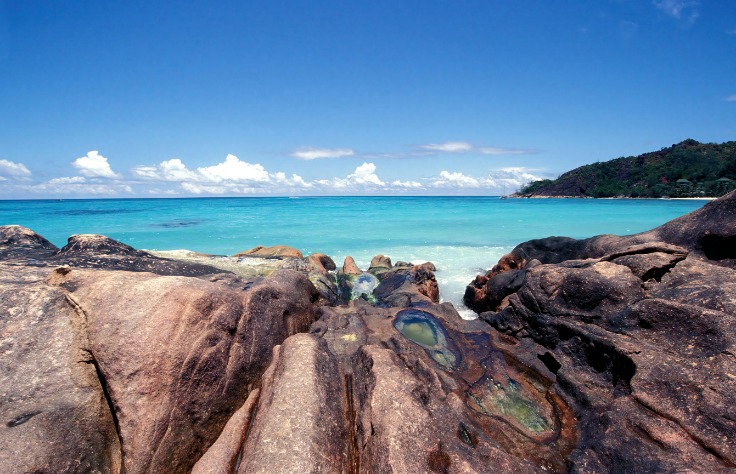
Geography and Location
Le Seychelles is an archipelago located in the Indian Ocean, off the eastern coast of Africa. Its unique geography features beautiful coral reefs, lush tropical forests, and pristine beaches, making it a popular destination for travelers seeking natural beauty. The islands’ strategic location has influenced their climate, culture, and history, contributing to their distinctive identity in the region.
Archipelago Composition
The Seychelles is an island nation located in the Indian Ocean, off the eastern coast of Africa. It is renowned for its stunning natural beauty, including pristine beaches, turquoise waters, and lush green islands. The country is composed of an archipelago that spans hundreds of kilometers, consisting of numerous islands varying in size and geographic features.
- Granite Islands: The main islands such as Mahé, Praslin, and La Digue are characterized by their granite rock formations, lush vegetation, and vibrant ecosystems.
- Coral Islands: Smaller islands like Denis Island and Desroches are primarily coralline in composition, with flat tops and coral-based terrains.
- Atolls and Reef Islands: Some islands in the Seychelles are formed around coral reefs and atolls, providing unique habitats and marine environments.
The archipelago’s diverse composition offers a range of habitats supporting rich biodiversity and making Seychelles a unique destination for nature enthusiasts and travelers seeking pristine natural landscapes.
Geographical Features
Le Seychelles is an archipelago located in the Indian Ocean, northeast of Madagascar and about 1,600 kilometers east of the coast of Africa. Its geographical position places it within the western Indian Ocean and makes it a unique island nation known for its stunning natural beauty.
The country consists of 115 islands, with the majority of the population residing on the main islands of Mahé, Praslin, and La Digue. The islands feature diverse geographical features, including granite formations, white sandy beaches, coral reefs, and lush tropical vegetation.
Le Seychelles is characterized by its rugged terrain, with numerous granite peaks and hilltops, the highest being Morne Seychellois on Mahé, reaching 905 meters. The landscape is dotted with coves, lagoons, and coral atolls, creating a rich and varied natural environment that supports a vibrant biodiversity. The islands are also home to several protected areas and national parks, highlighting their ecological significance.
Climate and Weather Patterns
Le Seychelles is an archipelago located in the Indian Ocean off the eastern coast of Africa. Comprising over 100 islands, it is situated approximately 1,500 kilometers east of mainland Africa, near Madagascar. The region’s geography features lush, tropical islands with granite and coral formations, white sandy beaches, and vibrant coral reefs, creating a stunning natural landscape that attracts many visitors.
The climate in the Seychelles is tropical, characterized by warm temperatures throughout the year and high humidity. Generally, the islands experience two main seasons: the hot, rainy season from November to March and the cooler, dry season from May to September. The transitional months of April and October often see moderate weather and less rainfall. The temperatures typically range from 24°C to 30°C (75°F to 86°F), providing ideal conditions for beach activities and outdoor exploration.
Weather patterns in the Seychelles are influenced by the trade winds and the Indian Ocean monsoon system. The southeastern trade winds bring cooler and drier weather from May to September, resulting in calmer seas and good conditions for sailing and diving. Conversely, the northwest monsoon from November to March brings warmer, humid weather with occasional heavy rains and storms, especially on the windward sides of the islands. These weather patterns create a dynamic climate that supports a rich diversity of marine and terrestrial life, making Seychelles a popular destination for eco-tourism and water sports.
History and Culture
Le Seychelles is a nation rich in history and vibrant cultures, shaped by centuries of diverse influences. From its origins as a trading hub to its independence, the islands boast a unique blend of African, European, and Asian traditions. Exploring Seychelles’ history and culture offers a glimpse into a society that celebrates its heritage through colorful festivals, traditional music, and storytelling rooted in its captivating past.
Colonial Past
The history and culture of Seychelles are deeply influenced by its colonial past, which has shaped the nation’s diverse heritage. Originally inhabited by Polynesian and Malagasy settlers, the islands saw Portuguese and later French and British colonization, leaving a lasting impact on language, religion, and societal structures. French influence is particularly prominent, evident in the Creole language and cultural practices, while British rule introduced elements of common law and governance. The colonial era also brought about the development of plantation economies centered on sugar, which significantly affected social hierarchies and land ownership. Today, Seychelles celebrates a vibrant cultural tapestry that reflects its complex history, with traditional music, dance, cuisine, and festivals blending African, European, and Asian influences, showcasing resilience and the enduring legacy of its colonial past.
Independent Era
The independent era of Seychelles marks a significant chapter in the nation’s history, characterized by the transition from colonial rule to self-governance. Achieved on June 29, 1976, Seychelles gained full independence from the United Kingdom, paving the way for the development of a unique national identity rooted in its diverse history and rich cultural heritage. This period fostered a sense of pride among Seychellois and emphasized the importance of preserving their history, language, and traditions.
During this era, Seychelles experienced both political and social transformation. The nation embraced its multicultural roots, influenced by African, European, and Asian settlers, which is reflected in its vibrant music, dance, and culinary traditions. The independence movement was driven by a desire to protect and promote the island’s unique culture, fostering a sense of unity among its diverse population. Key figures in the independence movement, such as France-Albert Rene and James Mancham, played pivotal roles in shaping the country’s path towards sovereignty.
Today, the culture of Seychelles continues to celebrate its historical struggles and achievements through festivals, art, and everyday life. The nation’s independent era remains a vital part of its identity, symbolizing resilience and the ongoing effort to preserve its unique cultural heritage amid modernization and globalization.
Ethnic and Cultural Diversity
Le Seychelles is an archipelago of 115 islands located in the Indian Ocean, renowned for its rich history and diverse cultural heritage. The islands have been a crossroads of various civilizations, which have shaped their unique cultural landscape today.
- The history of Seychelles dates back to the 18th century when it was first uninhabited before being discovered by Portuguese explorers. Subsequently, it was colonized by the French in the late 18th century and later became a British colony in the 19th century. This colonial past has left a lasting influence on the islands’ architecture, language, and customs.
- Ethnic and cultural diversity in Seychelles is a reflection of its complex history, with communities including Africans, Europeans, and Asians. This blend has fostered a vibrant mix of traditions, religions, and festivals that are celebrated across the islands.
- Languages spoken in Seychelles include Seychellois Creole, English, and French, with Seychellois Creole being the most widely used in daily life. This linguistic diversity showcases the multicultural nature of the country.
- Music and dance play a vital role in Seychellois culture, with genres like Sega and Moutya originating from African roots. These cultural expressions help preserve the islands’ history and provide a sense of identity for the local people.
- Religious diversity is also prominent, with Christianity being the major faith, alongside Hinduism, Islam, and traditional beliefs, contributing to a tolerant and inclusive society.
Tourist Attractions and Destinations
Le Seychelles is a stunning archipelago renowned for its pristine beaches, lush landscapes, and vibrant marine life. As a popular tourist destination, it offers a diverse array of attractions that cater to nature lovers, adventure seekers, and those looking for relaxation. From magnificent coral reefs to charming islands, Seychelles provides a memorable experience for every traveler.
Beaches and Islands
Le Seychelles is a stunning archipelago renowned for its pristine beaches and vibrant island life, making it a premier destination for travelers seeking natural beauty and tranquility. Visitors can explore a variety of attractions ranging from lush national parks to unique geological formations on the islands.
Among the top tourist destinations are Mahe Island, the largest island featuring the capital city Victoria, offering cultural experiences and local markets. Praslin Island, known for its lush landscapes and the Vallée de Mai, a UNESCO World Heritage Site, is perfect for nature enthusiasts. La Digue is famed for its relaxing atmosphere, traditional ox-cart rides, and beautiful beaches.
Le Seychelles boasts some of the world’s most beautiful beaches, such as Anse Lazio and Anse Source d’Argent, renowned for their soft white sands and crystal-clear turquoise waters. The islands are dotted with secluded coves and vibrant coral reefs, ideal for snorkeling and diving adventures. The diverse marine life and unspoiled scenery make Seychelles a true paradise for beach lovers and nature explorers alike.
National Parks and Reserves
Le Seychelles is renowned for its stunning tourist attractions and natural beauty, making it a top destination for travelers seeking pristine environments and exotic landscapes. The islands offer a diverse range of experiences, from relaxing on white sandy beaches to exploring lush forests and vibrant marine ecosystems. Visiting the many attractions such as Anse Lazio, Vallée de Mai, and the giant Aldabra Atoll provides visitors with memorable adventures in a tropical paradise.
National parks and reserves in Seychelles play a vital role in conserving its unique biodiversity. The Vallée de Mai Nature Reserve on Praslin Island is a UNESCO World Heritage Site famous for its coco de mer palms and rare bird species. Morne Seychellois National Park encompasses the highest peak and offers hiking trails through dense rainforests teeming with endemic flora and fauna. These protected areas ensure the preservation of Seychelles’ rich natural heritage while offering eco-friendly activities for eco-conscious travelers.
Historical Sites
Le Seychelles is renowned for its stunning tourist attractions and historical sites that draw visitors from around the world. The archipelago offers pristine beaches with crystal-clear waters, such as Anse Lazio and Anse Source d’Argent, perfect for relaxation and water sports. Nature lovers can explore lush national parks like Vallée de Mai, a UNESCO World Heritage Site known for its unique Coco de Mer palms and diverse wildlife. For those interested in history, Victoria, the capital city, features colonial-era architecture, colorful markets, and the historical Seychelles National Museum that showcases the island’s rich cultural heritage. Additionally, spots like Morne Seychellois National Park provide panoramic views and hiking adventures, making Seychelles a captivating destination for travelers seeking natural beauty and cultural richness.
Economy and Industry
The economy and industry of Seychelles are characterized by their reliance on tourism, marine activities, and agriculture. As an island nation in the Indian Ocean, Seychelles benefits from its stunning natural beauty, which attracts travelers from around the world. The country’s economic development is also supported by fishing, captive breeding, and small-scale manufacturing, making it a vital sector for the nation’s growth and sustainability.
Tourism Sector
The economy of Seychelles is primarily driven by tourism, which is a vital sector contributing significantly to the country’s GDP and employment. The nation’s pristine beaches, rich marine life, and luxury resorts attract travelers from around the world, making tourism the backbone of the economy. Aside from tourism, Seychelles also benefits from fishing, agriculture, and small-scale manufacturing, though these sectors play a less prominent role. The government continues to invest in infrastructure and sustainable practices to maintain the country’s appeal as a premier travel destination while promoting economic diversification.
Agriculture and Fishing
The Seychelles economy is primarily driven by tourism, which accounts for a significant portion of the country’s GDP and employment. With its stunning beaches, luxury resorts, and diverse marine life, it attracts visitors from around the world. In addition to tourism, offshore financial services and real estate also contribute to the economic landscape of the islands.
Industry in Seychelles is relatively limited, with agriculture and fishing playing vital roles in the local economy. The manufacturing sector is small but includes the processing of agricultural products and handicrafts. Efforts are ongoing to diversify industries to reduce dependence on tourism and natural resource exploitation.
Agriculture in Seychelles predominantly focuses on the cultivation of crops such as coconuts, bananas, and sweet potatoes. Despite limited arable land and challenging climatic conditions, subsistence farming remains common among local communities. The country also promotes organic farming and sustainable agriculture practices.
Fishing is an essential industry for Seychelles, leveraging its vast exclusive economic zone rich in tuna, shrimp, and other marine resources. Commercial fishing contributes significantly to exports and provides livelihoods for many coastal communities. Sustainable management and conservation efforts are emphasized to ensure the long-term viability of marine resources.
Emerging Industries
The economy of Seychelles is primarily driven by tourism, fisheries, and agriculture, with recent efforts focusing on developing emerging industries to diversify its economic base. As the nation seeks sustainable growth, new sectors are emerging that hold promise for boosting the country’s economic resilience and providing employment opportunities.
- Renewable Energy: Seychelles is investing in solar and wind power projects to reduce dependence on imported fossil fuels and promote clean energy sources.
- Marine Biotechnology: The country is exploring innovations in marine biotechnology, leveraging its rich marine biodiversity for pharmaceuticals, cosmetics, and other high-value products.
- Aquaculture Expansion: Efforts are underway to develop aquaculture industries, including farming species like shrimp and fish, to enhance seafood production and exports.
- Eco-Tourism and Sustainable Travel: Emphasizing eco-friendly tourism practices and conservation initiatives, Seychelles is aiming to attract environmentally conscious travelers.
- Digital Economy: Investment in digital infrastructure is fostering growth in e-commerce, tech startups, and online services, supporting economic diversification and modernization.
Flora and Fauna

Le Seychelles, an island nation in the Indian Ocean, is renowned for its incredible biodiversity and stunning natural landscapes. The archipelago is home to a diverse range of flora and fauna, many of which are unique to the islands. From vibrant, endemic bird species to lush tropical plants, Seychelles offers a captivating glimpse into the richness of island ecosystems, making it a paradise for nature lovers and ecotourists alike.
Unique Plant Species
Le Seychelles is renowned for its diverse and vibrant flora and fauna, making it a paradise for nature lovers. The archipelago boasts a unique array of plant species, many of which are endemic to the islands, meaning they are found nowhere else in the world. These include the famous Coco de Mer palm, known for producing the largest seed in the plant kingdom, and the rare Virgin Islands skink, which is closely associated with the island’s unique vegetation.
In addition to its remarkable plant life, Seychelles hosts a variety of unique animal species. The Seychelles giant tortoise, once critically endangered, now thrives in conservation areas and plays a vital role in the islands’ ecosystems. Birdlife is equally impressive, with endemic species such as the Seychelles Black Parrot and the White-tailed Tropicbird, both of which attract birdwatchers from around the globe. The islands’ pristine forests and coral reefs contribute to a delicate balance of life, showcasing nature’s extraordinary capacity for adaptation and evolution in isolated environments.
Wildlife Conservation
Le Seychelles, an archipelago in the Indian Ocean, is renowned for its rich and diverse flora and fauna. The islands host unique species, some of which are found nowhere else in the world, making the region a critical area for wildlife conservation. Tropical forests, coral reefs, and sandy beaches provide habitats for an array of plant and animal life, including rare birds, giant tortoises, and vibrant marine species.
Wildlife conservation efforts in Seychelles focus on protecting endangered species and preserving natural habitats. Initiatives include national park management, habitat restoration, and community engagement to promote sustainable tourism. Programs aimed at conserving species like the Aldabra giant tortoise and the Seychelles black parrot are vital to maintaining the ecological balance of the islands.
Efforts also extend to marine conservation, with the establishment of marine protected areas to safeguard coral reefs and marine biodiversity. These initiatives help ensure that Seychelles remains a sanctuary for its unique flora and fauna, supporting both ecological health and the tourism industry that depends on its natural beauty.
Protected Areas and Reserves
Le Seychelles is renowned for its rich biodiversity, encompassing a wide variety of flora and fauna unique to its islands. The islands host numerous endemic plant and animal species, many of which are protected within designated areas to preserve their natural habitats. Protected areas and reserves like the Vallée de Mai, Praslin, and Aldabra Atoll play a crucial role in conservation efforts, ensuring the survival of rare species such as the Seychelles giant tortoise and the coco de mer palm. These preserved regions not only safeguard biodiversity but also contribute to eco-tourism, providing visitors with opportunities to explore ecosystems that are integral to the Seychelles’ natural heritage. The government and conservation organizations actively promote the protection of these areas to maintain the ecological balance and uphold the islands’ unique environment for future generations.
Governance and Infrastructure
Governance and infrastructure play a crucial role in shaping the development and sustainability of Seychelles. Effective governance ensures transparent decision-making, promotes good practices, and supports the country’s social and economic progress. Meanwhile, robust infrastructure provides the foundation for transportation, communication, healthcare, and other essential services, fostering connectivity and improving the quality of life for residents and visitors alike. Together, these elements are vital for Seychelles’ ongoing growth and resilience as a nation.
Political System
Le Seychelles operates under a stable political system characterized by democratic governance and a multi-party republic. The government functions through a separation of powers among the executive, legislature, and judiciary, ensuring checks and balances. The President is the head of state and government, elected through direct elections for a five-year term, and holds significant authority in policymaking and administration.
Its infrastructure development is a key focus, with investments in transport, healthcare, and communication networks to support both tourism and local communities. The country boasts a network of roads, ports, and airports that facilitate movement and trade, while efforts are ongoing to enhance sustainable and resilient infrastructure to withstand environmental challenges.
Overall, Seychelles’ governance and infrastructure systems are designed to promote stability, economic growth, and social development, reflecting the country’s commitment to maintaining a democratic political system and improving the quality of life for its citizens.
Transportation Network
Le Seychelles boasts a well-developed governance and infrastructure framework that supports its transportation network, facilitating movement within and beyond the islands. The government emphasizes sustainable development to enhance connectivity while preserving the natural environment. The transportation network includes an array of services such as domestic flights, ferries, and road networks that connect the main islands and reach remote areas. Ports and airports are modern and efficiently operated, serving both passenger and freight needs, which are vital for tourism and economic growth. Continued investment in infrastructure ensures reliable transportation options, promoting economic development, tourism, and improved quality of life for residents and visitors alike.
Education and Healthcare Facilities
Le Seychelles, an archipelago in the Indian Ocean, boasts a governance structure focused on sustainable development and environmental preservation. The government emphasizes transparent administration, economic diversification, and fostering international partnerships to promote stability and growth. Infrastructure development has been prioritized to support tourism, trade, and local communities, including transportation networks, ports, and communication systems. Education in Seychelles is focused on providing quality primary and secondary schooling, with ongoing efforts to enhance higher education and vocational training to equip citizens with necessary skills. Healthcare facilities are well-established, offering comprehensive medical services, including hospitals, clinics, and specialist care, aimed at ensuring the health and well-being of the population. Overall, Seychelles continually strives to improve its governance, infrastructure, education, and healthcare to achieve sustainable development and improve citizens’ quality of life.



0 Comments