

Traditional Namibia Cuisine
Traditional Namibia cuisine reflects the country’s rich cultural heritage and diverse communities. It features a blend of indigenous ingredients and cooking techniques, highlighting flavorful dishes that have been passed down through generations. From hearty stews to grilled meats and unique locally-sourced produce, Namibia’s food offers a distinctive taste of its history and traditions.
Common Ingredients
Traditional Namibian cuisine reflects a rich blend of indigenous flavors and influences from historical trade routes, utilizing a variety of common ingredients. Staples include maize, which is often used to prepare porridge or bread, and millet that serves as a vital carbohydrate source. Beef and game meats such as oryx and kudu are frequently incorporated into hearty stews and grilled dishes, highlighting Namibia’s pastoral and hunting heritage. Vegetables like pumpkins, carrots, and beans are commonly included, adding nutritional value and diversity to meals. Additionally, peanuts and groundnuts are used in sauces and snacks, providing a nutty flavor that complements many dishes. Fish, particularly along the coast, is also a significant ingredient in Namibian cooking, often prepared simply to highlight its fresh taste. Overall, these ingredients come together to create flavorful, hearty dishes that are an integral part of Namibia’s culinary identity.
Staple Dishes
Traditional Namibian cuisine offers a rich blend of flavors and ingredients that reflect the country’s diverse cultural heritage. Staple dishes often incorporate locally available ingredients such as maize, millet, and various meats, showcasing Namibia’s reliance on pastoral and agricultural resources. Popular traditional dishes include kapana, which is seasoned grilled meat, usually beef or game, enjoyed as street food. Another well-loved dish is potjiekos, a slow-cooked stew prepared in a cast-iron pot with meat, vegetables, and spices, often enjoyed during social gatherings. Omajowa mushrooms, a regional delicacy, are also used in various dishes, highlighting Namibia’s unique foraging ingredients. Additionally, oshifima, a type of porridge made from millet or maize meal, serves as a staple food accompanying many meals. These traditional dishes embody Namibia’s vibrant culinary culture and its reliance on simple yet flavorful ingredients passed down through generations.
Cooking Techniques
Traditional Namibia cuisine reflects the rich cultural heritage and diverse landscape of the country, incorporating a variety of ingredients and cooking techniques passed down through generations. The cuisine is characterized by hearty, flavorful dishes often prepared using traditional methods that emphasize simplicity and resourcefulness.
Cooking techniques in Namibian food typically involve open-fire grilling, stewing, and fermentation, which enhance the natural flavors of local ingredients. These methods are integral to the preparation of many classic dishes and are often rooted in indigenous practices.
- Grilling over an open flame or communal fire, commonly used for preparing meats such as beef, game, and fish.
- Stewing with local herbs, vegetables, and meats to create hearty, filling dishes like potjiekos, a slow-cooked stew cooked in a cast iron pot.
- Fermentation of milk to produce traditional dairy products like “maas” (sour milk) and “elya” (fermented milk drink).
- Baking in clay ovens or using embers, often for bread and traditional snacks.
- Grinding grains and seeds using stone tools to make porridges, breads, and other staple foods.
Popular Namibia Dishes
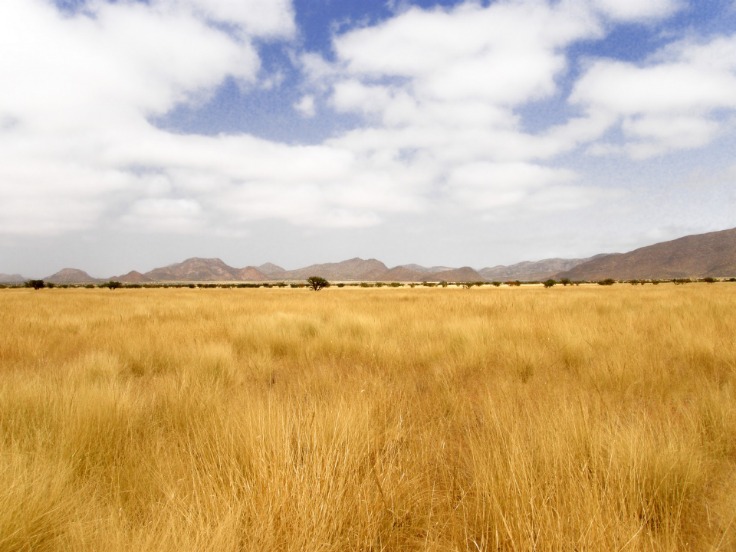
Namibia offers a diverse array of traditional dishes that reflect its rich cultural heritage and local ingredients. From hearty meat-based meals to flavorful stews, Namibian cuisine provides a unique culinary experience. Celebrated for its use of game meats, maize, and fresh vegetables, the country’s food showcases the vibrant flavors and culinary traditions of its people.
Kapana (Grilled Meat)
Namibia boasts a rich culinary tradition that reflects its diverse culture and history. One of the most popular dishes is Kapana, a beloved street food consisting of grilled meat. Traditionally prepared over open flames, Kapana involves seasoning chunks of beef or other meats with local spices before grilling them to perfection. The dish is often enjoyed with sides like bread, onion, and chili, making it a favorite for social gatherings and festivals. With its smoky flavor and tender texture, Kapana captures the essence of Namibian cuisine and is a must-try for visitors exploring the country’s food scene.
Potjiekos (Stew cooked in a pot)
Potjiekos is a popular traditional dish in Namibia, known for its rich flavors and communal cooking style. It is a slow-cooked stew prepared in a cast-iron pot called a “potjie,” usually over an open fire. The dish combines various meats such as beef, lamb, or game, with an assortment of vegetables, herbs, and spices. The cooking process allows the flavors to meld together, resulting in a hearty and aromatic meal enjoyed by locals and visitors alike. Potjiekos is often prepared during social gatherings and festivities, reflecting the warm and hospitable nature of Namibian culture.
Oshifima (Traditional Namibian porridge)
Oshifima is a traditional Namibian dish that holds cultural significance and is enjoyed by many families across the country. This hearty porridge is made from millet or maize meal, cooked slowly until it develops a smooth, thick consistency. Often served as a staple food, Oshifima is typically paired with various relish such as vegetables, beans, or meat stews, making it a versatile and nourishing meal. Its simple yet satisfying flavor reflects the traditional cooking methods and local ingredients used in Namibia. As a beloved dish, Oshifima continues to be a symbol of Namibian cuisine and community gatherings.
Mahangu (Pearl millet porridge)
Mahangu, also known as pearl millet porridge, is a traditional and popular dish in Namibia, especially among the rural communities. Made from mashed or cooked pearl millet, it is a staple food that provides essential nutrients and energy. The porridge is often served as a breakfast food or as a side dish during meals. Its simple preparation involves boiling pearl millet grains until they become soft and creamy, sometimes accompanied by milk, sugar, or honey for added flavor. Mahangu is valued not only for its nutritional benefits but also for its cultural significance, representing a connection to Namibia’s agricultural heritage and traditional cuisine.
Snacks and Street Food
Snacks and street food play a vibrant role in Namibia’s culinary culture, offering a delicious glimpse into the country’s diverse flavors and traditions. From savory to sweet, these quick bites reflect Namibia’s rich history and local ingredients, providing both residents and visitors with an authentic taste of everyday life. Exploring Namibian street food reveals a colorful tapestry of flavors that highlight the nation’s unique food heritage.
Gemsbok Sausages
Snacks and street food are an essential part of Namibia’s vibrant culinary culture, offering a diverse array of flavors that reflect the country’s rich heritage. Among these, Gemsbok Sausages stand out as a popular delicacy, symbolizing the unique mix of local ingredients and traditional recipes. These sausages are typically made from well-seasoned meat, often incorporating game meats like Gemsbok, a type of antelope native to Namibia. They are usually grilled or smoked, delivering a savory taste that is both hearty and distinctive. Tasting Gemsbok Sausages provides an authentic experience of Namibian street food, showcasing the country’s connection to its natural environment and culinary ingenuity. Whether enjoyed at bustling markets or roadside stalls, these sausages reveal the flavor and character of Namibia’s food scene.
Veldt Food Snacks
Veldt food snacks and street food play an important role in Namibia’s culinary scene, offering quick and tasty options for both locals and visitors. These snacks often reflect the rich cultural diversity and traditional flavors of the region, providing a delicious window into Namibian cuisine.
- Kapana: Grilled spicy beef or game meat, typically prepared on the street and served with salt and chili. It’s a popular snack enjoyed by many at markets and festivals.
- Shima: A traditional dish made from millet or maize, often served as a porridge or fried into cakes, enjoyed as a quick street snack or breakfast item.
- Potjiekos Bites: Small portions of the famous Namibian stew cooked in a cast-iron pot, available at street food stalls for an authentic taste of local flavors.
- Vetkoek: Deep-fried bread dough filled with meat, honey, or jam, commonly sold at street markets, providing a satisfying snack on the go.
- Oshifima Tarts: Miniature tartlets filled with traditional millet porridge, offering a sweet or savory snack reflecting rural culinary heritage.
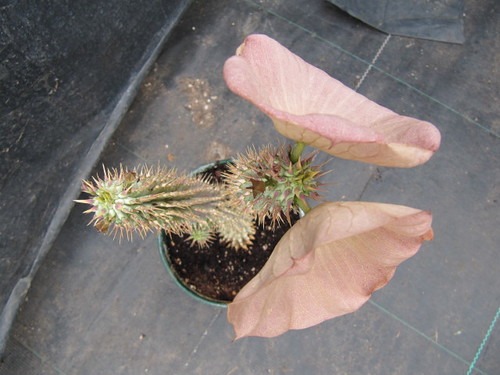
Street food in Namibia, especially in urban centers and rural markets, showcases the vibrant and diverse flavors of veldt food snacks, representing the country’s rich cultural tapestry and outdoor culinary traditions.
Traditional Breads and Pastries
Namibia’s culinary scene offers a delightful array of snacks and street foods that reflect its rich cultural heritage and diverse communities. Popular street foods include vetkoek, which are deep-fried bread often filled with savory or sweet toppings, and braaipap, a traditional maize porridge served as a comforting snack or side dish. Additionally, samosas filled with meat or vegetables are commonly enjoyed by locals and visitors alike. Traditional breads and pastries also play a significant role in Namibian cuisine, with dishes like oshifima, a fermented millet porridge, and kingklip fish pastry offering unique flavors. These foods highlight the blending of indigenous ingredients with colonial influences, creating a vibrant and flavorful culinary landscape that is both accessible and deeply rooted in tradition.
Seafood in Namibia
Seafood is a vital part of Namibia’s culinary heritage, reflecting the country’s rich coastal resources and maritime traditions. With a lengthy Atlantic Ocean coastline, Namibia offers a diverse array of fresh fish and seafood dishes that are cherished by locals and visitors alike. From grilled fish to traditional seafood stews, the nation’s cuisine showcases the bounty of its marine environment and the skilled preparation methods passed down through generations.
Fish Varieties
Seafood plays a significant role in Namibia’s cuisine, benefiting from its extensive Atlantic Ocean coastline. The country is known for its fresh and diverse fish varieties, which are integral to local dishes and culinary traditions. Popular fish varieties include hake, horse mackerel, snoek, and kingklip, each offering unique flavors and textures that are highly prized. Hake is widely consumed for its mild taste and versatility, often prepared grilled, fried, or in stews. Horse mackerel, known locally as “tra,” is enjoyed in various forms, including grilling and smoking. Snoek, a fish native to the region, is traditionally smoked and used in hearty stews or served fresh. Kingklip, a deep-sea fish, is favored for its firm texture and is often pan-fried or baked. Namibia’s sustainable fishing practices help ensure the preservation of these fish varieties, making seafood a vital and sustainable component of the country’s culinary heritage.
Seafood Dishes
Seafood in Namibia offers a delightful array of fresh and flavorful options, thanks to its extensive Atlantic Ocean coastline. The country’s seafood is known for its quality and variety, including fish, crustaceans, and mollusks that are locally caught and prepared in traditional and modern styles. Popular fish species such as Kabeljou, Kingklip, and Cuttlefish are staples in Namibian cuisine, often grilled, baked, or fried to enhance their natural flavors.
Some of the most beloved seafood dishes in Namibia include grilled Kingklip served with vegetables, and fresh oysters from the Atlantic. Seafood can also be incorporated into stews and curries, adding richness and depth to the meal. Additionally, seafood is often paired with local specialties like maize meal or served with tasty sauces and dips, highlighting Namibia’s coastal culinary heritage. Overall, seafood plays a significant role in Namibia’s food culture, celebrated for its freshness and taste.
Fishing Influence on Cuisine
Seafood plays a vital role in Namibia’s cuisine, prominently reflecting the country’s rich maritime heritage and the abundance of marine resources along its Atlantic coastline. The fishing industry has significantly influenced local eating habits, leading to a variety of delicious dishes centered around fresh fish and shellfish. Popular seafood preparations include grilled fish, fish stews, and dried fish, which are often enjoyed by coastal communities and visitors alike. The availability of high-quality seafood has also encouraged the integration of seafood into traditional Namibian meals, blending local flavors with international culinary techniques. Overall, the fishing industry’s impact on Namibian cuisine underscores the country’s deep connection to the sea and its importance in shaping local culinary traditions.
Influences on Namibia Food Culture
Namibia’s food culture is a vibrant reflection of its diverse history and cultural influences. The cuisine has been shaped by indigenous practices, colonial history, and neighboring countries, resulting in a unique blend of flavors and dishes. Traditional ingredients and cooking methods continue to play a significant role, while modern influences contribute to the evolving culinary landscape of Namibia.
German Colonial Impact
Namibia’s food culture has been significantly influenced by its history and colonial past, particularly by German colonial rule. The period of German control introduced new ingredients, culinary techniques, and dishes that integrate seamlessly into traditional Namibian cuisine. This colonial legacy is evident in popular foods such as sausages, like bratwurst and droewors, as well as in bakery items such as German-style bread and cakes. Additionally, the use of hearty stews and pickled vegetables reflects both indigenous methods and German culinary traditions. The fusion of these influences has created a unique culinary scene in Namibia, blending local flavors with European tastes. Festivals and food markets often showcase this blend, highlighting the lasting impact of German colonization on Namibian food culture.
Herero and Himba Food Traditions
Namibia’s food culture is deeply influenced by its diverse ethnic groups, particularly the Herero and Himba communities, whose traditional foods reflect their histories, environment, and customs. The Herero people are known for their hearty, meat-centric dishes, often featuring beef and mutton, which are prepared in stews and accompanied by maize porridge or rice. Their cuisine also incorporates dairy products like sour milk and fermented milk drinks, highlighting their pastoral lifestyle. The Himba community’s food traditions are rooted in their semi-nomadic existence and reliance on cattle. They primarily consume beef, often dried or smoked for preservation, and prepare it in dishes such as ‘Evangadi,’ a thick, maize-based porridge. Both communities emphasize the importance of communal eating and traditional preparation methods, which serve to reinforce social bonds and cultural identity. Their food practices showcase a profound connection to the land and their livestock, shaping Namibia’s overall culinary landscape with unique flavors and customs.
Modern Fusion Foods
Namibia’s food culture has been shaped by a diverse array of influences, including indigenous traditions, colonial history, and contemporary globalization. Traditional Namibian cuisine reflects the rich cultural heritage of various ethnic groups such as the Himba, Herero, and San, who have long relied on locally sourced ingredients like game meats, millet, maize, and root vegetables. European colonial powers, particularly Germans and Afrikaners, introduced new cooking techniques and ingredients, leading to the development of dishes that incorporate baked goods, sausages, and stews. In recent years, modern fusion foods have emerged in Namibia’s culinary scene, blending traditional flavors with international cuisines to cater to evolving tastes. These fusion dishes often combine local herbs and spices with Asian, Mediterranean, and Western ingredients, creating innovative flavors and presentation styles. This dynamic food landscape demonstrates Namibia’s ability to honor its cultural roots while embracing global culinary trends, resulting in a vibrant and continually evolving food culture.
Food Festivals and Culinary Events
Namibia’s vibrant culinary scene comes alive through its diverse food festivals and culinary events, offering a unique glimpse into the nation’s rich cultural heritage and traditional flavors. These gatherings celebrate local ingredients, regional recipes, and the artistry of Namibian chefs, providing both residents and visitors with memorable gastronomic experiences. From lively street food fairs to specialized tasting events, Namibia’s food festivals showcase the country’s authentic tastes and culinary innovations.
Namibia Food Festival
The Namibia Food Festival is a vibrant celebration of the country’s rich culinary heritage, bringing together local chefs, farmers, and food enthusiasts to showcase the diverse flavors of Namibia. This event highlights traditional dishes such as kapana, a flavorful grilled meat, and mahangu porridge, offering visitors a taste of authentic Namibian cuisine. Throughout the festival, attendees can enjoy cooking demonstrations, food stalls, and cultural performances that reflect the unique culinary traditions of different regions within Namibia. The festival also promotes sustainable food practices and supports local producers, making it a significant event for promoting Namibia’s rich culinary identity on both national and international levels.
Local Cooking Competitions
Namibia boasts a vibrant culinary scene highlighted by its diverse food festivals and local cooking competitions that celebrate traditional flavors and modern twists. These events showcase indigenous ingredients such as mopane worms, traditional game meats, and locally sourced vegetables, offering visitors an authentic taste of Namibian cuisine. Food festivals like the Windhoek Food Festival and regional events bring communities together to share their culinary heritage through tastings, cooking demonstrations, and cultural performances. Local cooking competitions further emphasize Namibia’s rich food culture by encouraging chefs and home cooks to create innovative dishes rooted in traditional recipes. These gatherings not only promote Namibia’s unique flavors but also foster tourism and strengthen community identity through food. Participating in these culinary events provides a delicious insight into Namibia’s diverse food traditions and local specialties, making them a must-experience for food enthusiasts and cultural explorers alike.
Traditional Food Celebrations
Namibia boasts a rich culinary heritage celebrated through various food festivals and traditional food celebrations that highlight its diverse cultural influences. These events offer a vibrant display of local flavors, traditional cooking techniques, and communal gatherings that strengthen cultural identity. From the aromatic flavors of Kapana, a popular grilled meat dish, to the hearty stews made with locally sourced ingredients, Namibia’s food festivals attract both locals and tourists eager to experience authentic cuisine.
Traditional food celebrations in Namibia often coincide with cultural festivals, where communities come together to prepare and share traditional dishes such as mahangu porridge, mopane worms, and grilled game meats. These occasions serve as an opportunity to preserve indigenous food practices, pass down recipes, and showcase Namibia’s unique culinary diversity. Food stalls, live cooking demonstrations, and cultural performances are integral elements that enrich these celebrations, making them a memorable experience for all attendees.
Overall, Namibia’s food festivals and traditional food celebrations serve as a flavorful window into the country’s rich cultural tapestry, fostering appreciation for local ingredients and culinary traditions that have been passed down through generations.



0 Comments