
Geography and Climate of Arusha
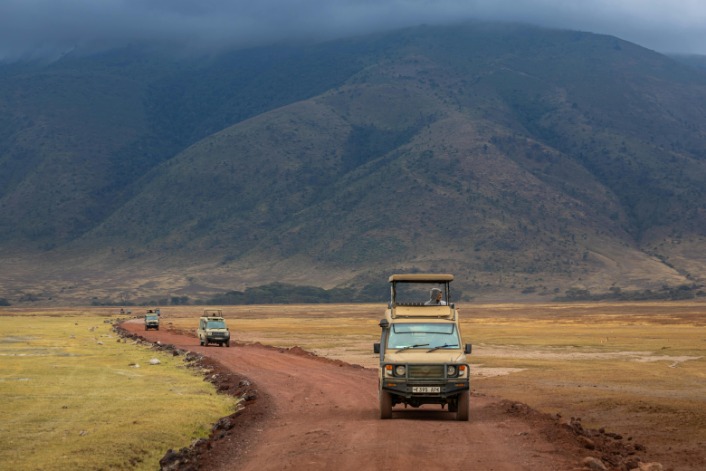
Arusha, located in northern Tanzania, is known for its stunning geography and diverse climate. Surrounded by the Great Rift Valley and volcanic mountains like Mount Meru, the region offers breathtaking landscapes and rich ecological zones. The climate varies from temperate in the highlands to more tropical conditions in the lower areas, making Arusha a unique area with distinct weather patterns that support a wide range of flora and fauna.
Location and Topography
Arusha, located in northern Tanzania, is a city known for its unique geographical features and pleasant climate. Situated at the foothills of Mount Meru, Arusha lies within the Great Rift Valley, providing it with diverse topography that includes plains, highlands, and volcanic mountains. This strategic location enhances its scenic beauty and natural resources.
The city experiences a temperate climate, characterized by moderate temperatures throughout the year. Its altitude of approximately 1,400 meters (4,600 feet) above sea level contributes to its cool and often sunny weather, making it an ideal gateway for travelers heading to national parks like Serengeti and Ngorongoro. The proximity to Mount Meru and the lush highlands influences local weather patterns, supporting rich biodiversity and agriculture in the region.
Climate Conditions
Arusha, located in northern Tanzania, is characterized by a temperate to subtropical climate due to its high elevation in the Great Rift Valley. The region features lush green landscapes, scenic mountains, and expansive savannahs. The area’s geography includes volcanic peaks such as Mount Meru, which influence local weather patterns and contribute to diverse ecological zones.
Climatically, Arusha experiences warm to moderate temperatures year-round, with average highs ranging from 20°C to 30°C (68°F to 86°F). The city has two main rainy seasons: the long rains from March to May and the short rains from November to December. Dry seasons occur from June to October and January to February, offering clear skies and ideal conditions for tourism and outdoor activities. Overall, the climate is generally mild and conducive to agriculture and tourism, with variations depending on altitude and seasonal changes.
Natural Features and Landmarks
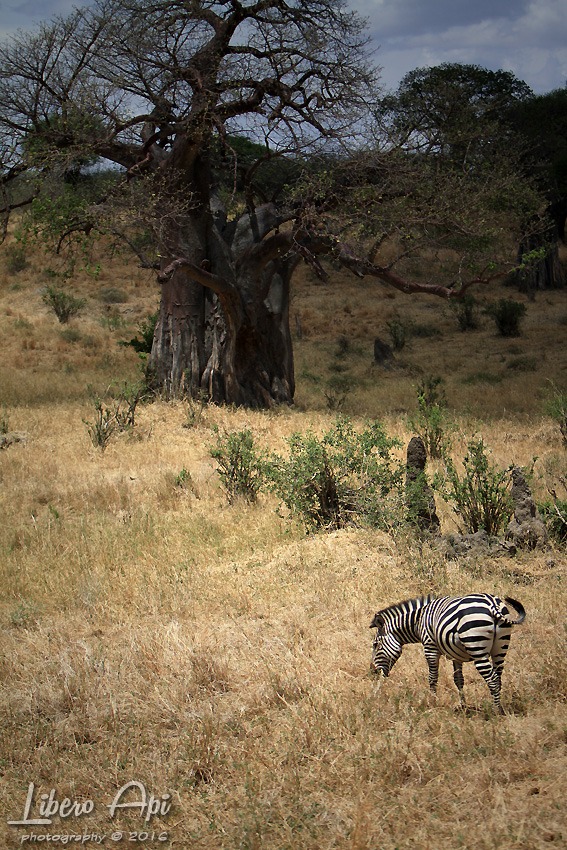
Arusha, located in northern Tanzania, is renowned for its diverse geography and temperate climate. Surrounded by vast savannahs, lush forests, and volcanic hills, the city sits near the slopes of Mount Meru, one of Africa’s prominent volcanoes. Its high-altitude position gives Arusha mild temperatures year-round, making it an ideal base for exploring nearby wildlife reserves and national parks.
The natural features of Arusha include the picturesque Mount Meru, that dominates the skyline and provides stunning views and outdoor adventure opportunities. The Arusha National Park, famous for its rich biodiversity and scenic landscapes, covers a variety of terrains including forests, grasslands, lakes, and volcanic cones. The region is also dotted with lakes such as Lake Duluti, a serene crater lake known for its birdlife and tranquil surroundings.
Landmarks of Arusha encompass the iconic Mount Meru, the nearby Arusha National Park with its diverse ecosystems, and the historic Old Boma Museum that reflects the region’s colonial past. The city serves as a gateway to the Northern Circuit, home to the Serengeti, Ngorongoro Crater, and Tarangire National Park, making its natural features crucial to both tourism and conservation efforts in Tanzania.
History and Cultural Heritage
Arusha, a vibrant city in Tanzania, is rich in history and cultural heritage that reflects its diverse roots and traditions. It serves as a gateway to understanding the nation’s past, from indigenous communities to colonial influences. Exploring Arusha offers a unique glimpse into Tanzania’s historical journey and the cultural practices that have shaped its identity over centuries.
Historical Background
Arusha, a city situated in northern Tanzania, has a rich historical and cultural heritage that reflects the diverse influences of indigenous tribes and colonial history. Historically, it served as a key center for trade and settlement long before the arrival of European explorers. In the colonial era, Arusha became an important administrative hub, which contributed to its development and cosmopolitan character. Over the centuries, it has been a melting pot of various ethnic groups, each contributing to its vibrant cultural landscape. Today, Arusha remains a vital gateway to national parks and conservation areas, symbolizing both its historical significance and its ongoing cultural vibrancy.
Ethnic Groups and Traditions
Arusha, located in northern Tanzania, is a city rich in history and cultural heritage. It has historically served as a vital hub for trade, exploration, and colonial administration, reflecting the diverse influences that have shaped its development over centuries. The city’s history is intertwined with the broader history of Tanzania and East Africa, including the period of German and British colonial rule, which left lasting impacts on its infrastructure and society.
The cultural heritage of Arusha is deeply rooted in the traditions of various ethnic groups, including the Maasai, Meru, and Arusha peoples. These communities maintain distinct customs, oral traditions, music, dance, and crafts that continue to thrive today. The Maasai, in particular, are renowned for their vibrant beadwork, traditional clothing, and ceremonious rites that celebrate age and social status.
Arusha’s ethnic diversity is reflected in its colorful festivals and communal events that showcase traditional dances, music, and storytelling. The city also serves as a melting pot for various tribes and cultures from across Tanzania, fostering a unique blend of customs and practices. This rich cultural fabric makes Arusha a vibrant destination for those interested in exploring East African heritage and multicultural traditions.
Historical Sites and Museums
Arusha, located in northern Tanzania, is a city rich in history and cultural heritage, serving as a gateway to some of the country’s most significant historical sites and museums. The city is renowned for its diverse cultural influences from the Maasai, Meru, and Chaga tribes, which are reflected in its vibrant traditions and local customs.
One of the key historical sites in Arusha is the Arusha Declaration Museum, which commemorates the political history of Tanzania and President Julius Nyerere’s efforts in independence and nation-building. Visitors can explore exhibits that highlight the country’s journey toward independence and its development over the years.
Further, the Maasai Market offers an authentic experience where visitors can learn about the Maasai people’s way of life through their crafts, jewelry, and clothing. The museum of the Mount Meru Cultural Centre showcases the indigenous culture and traditional practices of local communities.
Arusha is also close to several important national parks and reserves, such as the Arusha National Park and the Serengeti, which hold significant ecological and historical value. These areas preserve the natural heritage of Tanzania and attract tourists worldwide, eager to explore the rich wildlife and landscapes.
Overall, Arusha’s historical sites and cultural institutions offer a profound insight into Tanzania’s diverse heritage, making it a vital destination for those interested in history, culture, and the natural environment.
Tourist Attractions in Arusha
Arusha, a vibrant city in northern Tanzania, is renowned for its stunning landscapes, rich cultural heritage, and proximity to some of Africa’s most famous national parks. As a gateway to safaris and wildlife adventures, Arusha offers a diverse range of tourist attractions that cater to nature lovers, history enthusiasts, and adventurers alike. From bustling markets to breathtaking natural sites, this city provides an unforgettable experience for visitors exploring Tanzania’s beauty and culture.
Arusha National Park
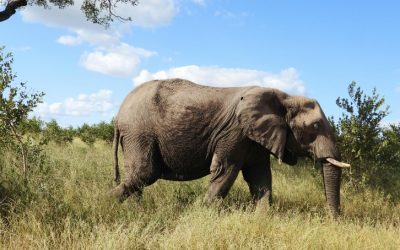
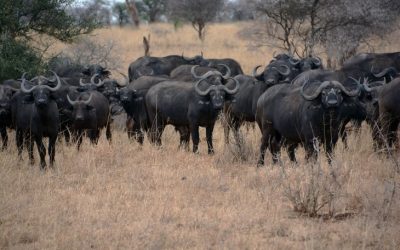
Arusha, Tanzania, is a vibrant city known as the gateway to some of the country’s most stunning wildlife reserves. One of the primary attractions is Arusha National Park, a diverse sanctuary home to an array of wildlife, including elephants, buffalos, giraffes, and zebras. Visitors can enjoy game drives, guided walks, and bird watching amidst breathtaking landscapes of lush forests, swamps, and volcanic craters like Mount Meru. The park also features scenic spots such as the Momella Lakes, renowned for their flamingos and other Waterbirds. Aside from the national park, Arusha offers vibrant markets, cultural centers showcasing local Maasai traditions, and opportunities for adventure tourism such as mountain climbing and canopy walks. The city’s strategic location makes it a perfect starting point for exploring Tanzania’s famous attractions, including Serengeti National Park and Mount Kilimanjaro.
Mount Meru
Arusha, Tanzania, is a vibrant city known as the gateway to some of the most stunning tourist attractions in East Africa. Among its highlights is Mount Meru, a majestic volcano standing at 4,562 meters tall, offering breathtaking views and challenging hiking opportunities for adventure enthusiasts. Visitors to Mount Meru can explore its diverse wildlife, lush forests, and scenic crater rim, making it a popular destination for trekkers and nature lovers alike. Additionally, Arusha is close to the Arusha National Park, known for its rich biodiversity, including elephants, giraffes, and various bird species, providing excellent safari experiences. The city itself features cultural sites, markets, and museums that showcase Tanzania’s rich heritage, making Arusha a must-visit destination for travelers seeking both adventure and culture.
Ngurdoto Crater
Ngurdoto Crater, located near Arusha in Tanzania, is a stunning natural wonder and a must-visit tourist attraction. This volcanic caldera is part of the Arusha National Park and offers visitors a unique experience of lush forests, swamps, and diverse wildlife such as baboons, warthogs, and elephants. The crater’s scenic views and hiking trails make it an ideal destination for nature lovers and adventure seekers alike.
Arusha Cultural Heritage Centre
Arusha, Tanzania, is a vibrant city known for its diverse cultural heritage and stunning natural attractions. One of the must-visit sites in Arusha is the Arusha Cultural Heritage Centre, a hub that celebrates the rich traditions and crafts of Tanzania. Visitors can explore a wide range of local artwork, carvings, jewelry, and textiles that showcase the creativity of Tanzanian artisans. The center also offers insight into the history and customs of various tribes, making it a perfect place for cultural immersion. Besides the Cultural Heritage Centre, Arusha serves as a gateway to exploring the nearby Serengeti National Park and Mount Meru, offering spectacular wildlife safaris and scenic mountain views. Overall, Arusha is a captivating destination that beautifully combines cultural experiences with natural beauty, making it a top attraction in Tanzania.
Economy and Local Industry
Arusha, a vibrant city in Tanzania, plays a vital role in the nation’s economy and local industry. Known for its rich cultural heritage and scenic landscapes, Arusha also serves as a hub for agricultural activities, tourism, and small-scale manufacturing. The city’s economic development is closely tied to its diverse industries and its strategic position as a gateway to the northern safari circuit.
Tourism Sector
The economy and local industry in Arusha, Tanzania, play a vital role in the region’s development, with tourism being a key driver. The city’s economy benefits significantly from its strategic location near national parks and conservation areas, attracting numerous visitors each year.
- The tourism sector in Arusha is one of the most robust industries, with attractions such as Mount Meru, Ngorongoro Crater, and Serengeti National Park drawing many international tourists.
- Local industries include agriculture, crafts, and small-scale manufacturing, which support the community and contribute to the local economy.
- Tourism revenue has led to the growth of hospitality services, lodges, tour operators, and transportation businesses in the area.
- The government and private sector are investing in infrastructure, such as roads and airports, to further boost tourism and local industry growth.
- Efforts are also being made to promote sustainable tourism and boost local community participation in the industry.
Agriculture and Farming
Arusha, a vibrant city in Tanzania, plays a significant role in the country’s economy through its diverse local industries and agricultural activities. The region is known for its rich natural resources and agrarian-based economy, which supports many local farmers and small-scale industries. Agriculture remains the backbone of Arusha’s economy, with key crops such as coffee, maize, beans, and horticultural products cultivated extensively in the surrounding areas. These agricultural activities not only provide food security but also serve as a vital source of income for local communities. Additionally, Arusha benefits from its proximity to national parks and tourism, which complement its economic landscape by fostering the development of hospitality, transport, and craft industries. Overall, the combination of agriculture, local industry, and tourism sustains Arusha’s economic growth and development within Tanzania.
Trade and Commerce
Arusha, a vibrant city in Tanzania, plays a significant role in the country’s economy and local industry. Its strategic location as a gateway to East Africa facilitates active trade and commerce, attracting merchants and entrepreneurs from neighboring countries. The city hosts various markets, including the prominent Arusha Market, which is a hub for the sale of local crafts, agricultural produce, and imported goods.
The local industries in Arusha are diverse, with agriculture being the backbone of the economy. The surrounding regions produce coffee, maize, fruits, and vegetables, supporting both local consumption and export. Additionally, tourism related to national parks and wildlife reserves boosts the service sector, creating jobs and encouraging the development of hospitality and transport businesses.
Trade and commerce in Arusha are further enhanced by its connectivity through road, air, and rail networks, enabling efficient movement of goods and people. Small and medium-sized enterprises (SMEs) play a vital role in the local economy, fostering entrepreneurship and contributing to economic growth. Overall, Arusha’s economy is a dynamic blend of agriculture, trade, tourism, and industry, making it a key economic hub in northern Tanzania.
Transportation and Infrastructure
Transportation and infrastructure play a vital role in shaping the development and connectivity of Tanzania, especially in the vibrant city of Arusha. As a hub for commerce, tourism, and regional trade, Arusha’s infrastructure advancements facilitate smoother movement of people and goods, fostering economic growth and improving residents’ quality of life. Efficient transport networks and modern infrastructure are essential for supporting the city’s expanding needs and integrating it into the broader national and East African community.
Road Network and Accessibility
Arusha, Tanzania, boasts a developing transportation and infrastructure network that plays a vital role in connecting urban and rural areas, facilitating economic growth and mobility. The road network in Arusha is a key component of this infrastructure, providing vital links for trade, tourism, and daily commuting. Accessibility within the region has seen improvements, although challenges remain in extending connectivity to more remote areas. Efforts are ongoing to upgrade roads and expand transportation services to support the region’s growth and integration into national and international markets.
- The primary roads in Arusha include the A104 highway, which connects the city to Moshi and the Kenyan border, facilitating cross-border trade.
- Secondary roads branch out to serve smaller towns and rural communities, enhancing regional accessibility.
- Public transport options consist mainly of dala-dalas (shared minivans), taxis, and bus services, which are widely used by residents and visitors.
- Recent infrastructure developments include road improvements, new bridges, and the expansion of transportation hubs to accommodate increasing traffic demands.
Airports and Travel Options
Arusha, Tanzania, is well-connected through various transportation and infrastructure options that make travel within the region convenient and accessible. The city serves as a major hub for travelers heading to national parks and wildlife reserves, with efficient airport and road networks facilitating smooth transit.
The Kilimanjaro International Airport, located near Arusha, is the primary gateway for international visitors. It offers flights from several major airports around the world, enabling seamless travel to and from the region. From the airport, travelers can access taxis, shuttle services, and private transfers to reach their accommodations or venture further into the surrounding areas.
Within Arusha, a range of transportation options are available, including car rentals, taxis, and local daladala (minibus) services that provide inexpensive travel around the city and nearby attractions. The road infrastructure is generally good, with well-maintained highways connecting Arusha to other significant cities and national parks, such as Ngorongoro and Serengeti, making overland travel a reliable option.
For those seeking to explore more remote or less accessible destinations, organized tours and private drivers are often recommended. Overall, Tanzania Arusha offers a variety of efficient travel options supported by robust infrastructure, making it an ideal starting point for adventures in northern Tanzania’s wildlife and cultural hotspots.
Public Transportation
Public transportation in Arusha, Tanzania, plays a vital role in connecting residents and visitors across the city and surrounding regions. The city primarily relies on dala-dalas (shared minivans), which are an affordable and widely used mode of transit for daily commuting. These vehicles operate on fixed routes, offering a flexible transportation option for many people. Additionally, buses and taxis further supplement the public transit network, providing greater accessibility to different parts of Arusha and neighboring areas. The Tanzanian government has been working on improving transportation infrastructure by enhancing road quality and expanding local transit services to better support economic growth and regional connectivity. Although there are ongoing efforts to upgrade the public transportation system, challenges such as congestion and limited coverage in some outskirts remain. Overall, transportation and infrastructure developments are crucial for fostering development and improving the quality of life for the people of Arusha.
Education and Research Centers
Education and Research Centers in Arusha, Tanzania, play a vital role in fostering academic growth and innovative research within the region. These institutions provide valuable opportunities for students, researchers, and professionals to collaborate, share knowledge, and develop solutions tailored to local and global challenges. As a hub of learning and discovery, Arusha’s centers contribute significantly to the nation’s development and capacity building in various fields.
Universities and Colleges
Arusha, located in Tanzania, is home to a variety of education and research centers, universities, and colleges that play a vital role in the country’s academic and development landscape. These institutions attract students from across Tanzania and neighboring countries, offering diverse programs in sciences, humanities, and technical fields.
- University of Arusha: A prominent higher education institution offering faculties in Business, Law, Education, and Health Sciences.
- Arusha Technical College: Known for vocational and technical training, providing courses in engineering, ICT, and hospitality.
- Kilimanjaro Christian Medical University College: Focused on medical education and research, contributing significantly to healthcare development in Tanzania.
- Mount Meru University: Provides undergraduate and postgraduate programs in various disciplines, including Education, Business, and Theology.
- Arusha Islamic College: Specializes in Islamic studies, as well as offering general education programs to diverse student populations.
Research Institutions
Arusha, Tanzania, is renowned for its vibrant educational and research institutions that contribute significantly to the country’s development. These centers serve as hubs for academic excellence, innovation, and scientific research, attracting students and professionals from across the region. Prominent universities such as the University of Arusha and the College of Business Education provide comprehensive programs in various disciplines, fostering a skilled workforce. Additionally, research institutions like the Tanzania Agricultural Research Institute (TARI) and the Institute of Marine Sciences play a crucial role in addressing local challenges and promoting sustainable development. These centers not only support higher education but also facilitate collaborations with international organizations, enhancing Tanzania’s capacity for scientific inquiry and technological advancement. Overall, the educational and research infrastructure in Arusha is vital for the nation’s progress and its quest to become a knowledge-driven economy.
Educational Programs and Initiatives
In Arusha, Tanzania, education and research centers play a vital role in fostering academic excellence and innovative research. These institutions support local and international students through a variety of programs designed to enhance skills and knowledge in diverse fields such as science, technology, and social sciences.
Educational programs in Arusha include undergraduate and postgraduate degrees offered by prominent universities and colleges, emphasizing sustainable development, environmental studies, and tourism management. These programs aim to equip students with practical skills and a global perspective, preparing them for the dynamic job market.
Research initiatives in the region are strategically focused on issues relevant to Tanzania and sub-Saharan Africa, such as conservation, public health, and agricultural development. Collaboration between local universities, government agencies, and international organizations helps to promote innovation and address critical challenges facing the community.
Local Cuisine and Cultural Events
Arusha, Tanzania, is a vibrant city renowned for its rich local cuisine and lively cultural events that offer a deep insight into the region’s heritage. Visitors can indulge in authentic flavors through traditional dishes, while also experiencing colorful festivals, music, and dance that showcase the diverse cultural tapestry of the area. These experiences reflect the warmth and creativity of Arusha’s community, making it a memorable destination for travelers seeking both culinary and cultural immersion.
Traditional Dishes
Arusha, a vibrant city in Tanzania, offers a rich tapestry of local cuisine and cultural events that reflect its diverse heritage. Visitors can indulge in traditional dishes like Ugali, a maize-based staple often served with nyama choma (grilled meat), and Ugandan Rolex, a popular street snack combining chapati with eggs and vegetables. The city also hosts lively cultural festivals such as the Arusha Cultural Festival, showcasing traditional dance, music, and crafts from various tribes. These events provide a unique opportunity to experience the vibrant customs and flavors that make Arusha a prime destination for cultural exploration.
Festivals and Celebrations
Arusha, Tanzania, offers a vibrant tapestry of local cuisine, cultural events, festivals, and celebrations that reflect its rich heritage and diverse traditions. The city is known for its delicious dishes such as Ugali, a staple maize porridge, and Nyama Choma, flavorful grilled meats often enjoyed with local vegetables. Visitors can savor these authentic flavors at bustling markets and traditional eateries across the city.
Culturally, Arusha is a hub of activity with numerous festivals that showcase the customs and artistry of its indigenous communities. The Arusha International Conference Centre often hosts cultural performances, including traditional Maasai dances and Swahili music concerts. The annual Maasai Cultural Festival attracts visitors from around the world, offering a unique opportunity to experience Maasai dance, attire, and crafts firsthand.
Throughout the year, celebrations such as the Saba Saba Day on July 7th commemorate Tanzania’s independence and cultural identity, featuring parades, music, and community events. These festivities serve to strengthen communal bonds and highlight the city’s cultural diversity. Overall, Arusha’s local cuisine and lively festivals provide an immersive experience into its vibrant cultural landscape, making it a memorable destination for visitors seeking authentic Tanzanian traditions.
Arts and Craft Markets
Arusha, Tanzania, offers a rich tapestry of local cuisine, vibrant cultural events, and bustling arts and craft markets that showcase the region’s unique heritage. Visitors can enjoy traditional dishes such as Ugali, Nyama Choma, and local vegetables cooked with indigenous spices, providing an authentic taste of Tanzanian flavors. Throughout the year, the city hosts various cultural festivals, including the Arusha International Film Festival and Maasai cultural celebrations, which highlight the diverse traditions of local communities. The arts and craft markets in Arusha are lively hubs where artisans sell handcrafted jewelry, textiles, carvings, and paintings that reflect the region’s artistic skills and cultural stories, making it a perfect place for visitors to immerse themselves in the local artistry and take home memorable souvenirs.

0 Comments