
Geography and Climate of Mauritius
Mauritius, an island nation located in the Indian Ocean off the southeastern coast of Africa, boasts a diverse and captivating geography. The island features a volcanic origin with rugged mountains, lush green valleys, and white sandy beaches. Its tropical climate is characterized by warm temperatures year-round, moderated by trade winds and seasonal rainfalls, creating ideal conditions for vibrant ecosystems and extensive tourism activities. This unique combination of geography and climate makes Mauritius a truly exceptional destination within Africa.
Location and Topography
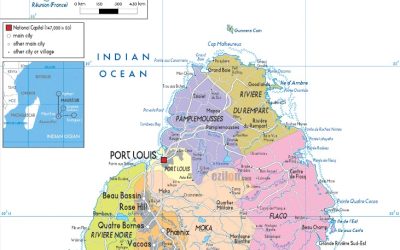
Mauritius is an island nation located in the Indian Ocean, east of the coast of Africa. It is part of the Mascarene Islands, which also include Rodrigues and Reunion. The country is known for its diverse natural beauty, including beaches, coral reefs, and lush forests. The topography of Mauritius is characterized by a central plateau surrounded by volcanic mountains and coastal plains. The highest peak is Le Morne Brabant, reaching about 556 meters above sea level. The island’s landscape features volcanic formations, fertile plains, and numerous rivers, contributing to its rich biodiversity and scenic vistas.
Climate and Weather Patterns
Situated in the southwestern Indian Ocean, Mauritius is an island nation off the eastern coast of Africa. Its geography comprises lush volcanic mountains, rolling plains, and extensive coral reefs that surround the island, making it a picturesque tropical paradise. The island’s diverse landscape influences its climate and weather patterns, creating a warm and humid tropical climate throughout the year.
Mauritius experiences a moderate maritime climate with distinct wet and dry seasons. The summer months, from November to April, are characterized by hot temperatures, high humidity, and increased rainfall, often associated with tropical cyclones and thunderstorms. The cooler, dry season from May to October brings milder temperatures and less rainfall, supported by the southeastern trade winds. Overall, the climate fosters a vibrant ecosystem and supports the island’s thriving tourism and agriculture industries.
History of Mauritius
Situated off the southeastern coast of Africa, Mauritius boasts a rich history that reflects a blend of African, Asian, European, and Middle Eastern influences. Originally uninhabited, the island was first discovered by Portuguese sailors in the 16th century, later becoming a key strategic point for Dutch, French, and British colonial powers. Throughout its history, Mauritius has experienced significant cultural transformations, which have shaped its diverse society today. This fascinating past contributes to the unique identity of Mauritius as a vibrant and multicultural nation in Africa.
Early Inhabitants and Colonial Era
History of Mauritius is a fascinating journey that spans several centuries, beginning with its early inhabitants and leading into the colonial era. The island was originally uninhabited when it was first discovered by Portuguese explorers in the 16th century. The earliest known inhabitants were the East African Dravidian-speaking people, who arrived around the 4th or 5th century AD and are believed to have settled on the island, contributing to its initial human presence.
Throughout the early centuries, Mauritius remained largely uninhabited, with occasional visits by sailors and explorers. It wasn’t until the late 16th century that the Dutch first colonized the island in 1638, establishing a settlement and attempting to develop it economically. However, Dutch settlers abandoned Mauritius in 1710 due to harsh conditions. The French then took control in the 18th century, formally colonizing the island in 1715, and developing it as an important port and sugar-producing colony. The colonial era was marked by significant European influence, the establishment of sugar plantations, the importation of enslaved Africans, and the arrival of Indian laborers later on, shaping Mauritius’s diverse cultural fabric.
Path to Independence
Mauritius, an island nation located in the Indian Ocean off the southeastern coast of Africa, has a rich and complex history that dates back centuries. Originally inhabited by the indigenous Aapravasi, the island saw the influence of Arab traders, Portuguese explorers, and Dutch settlers before becoming a key stop for European powers. In the 18th century, the French took control of Mauritius, establishing it as a valuable colony for sugar production and trade. The British seized the island in 1810 during the Napoleonic Wars, and it remained under British rule until the mid-20th century. The path to independence was marked by growing political awareness, nationalist movements, and negotiations with colonial authorities. Mauritius gradually moved towards self-governance, leading to the achievement of independence on March 12, 1968. Since independence, Mauritius has developed into a stable democracy and one of Africa’s most prosperous nations. The country’s history reflects a blend of cultural influences and a trajectory of liberation and development, making it a significant part of Africa’s post-colonial landscape.
Modern Political Developments
Mauritius, an island nation in the Indian Ocean off the southeastern coast of Africa, has a rich history shaped by various colonial powers including the Dutch, French, and British. Its strategic location made it a key hub for maritime trade, and it gained independence from Britain in 1968, establishing a democratic government. The country transitioned peacefully through several political reforms, fostering stability and economic growth. Its modern political landscape is characterized by a multi-party system, with regular elections and a strong commitment to democracy. Mauritius continues to build on its colonial past while embracing modern governance and sustainable development strategies, positioning itself as a vibrant and politically stable nation in Africa. The nation also plays an influential role in regional organizations and promotes regional integration within Africa.
Culture and Society
Culture and society in Mauritius are vibrant tapestries woven from diverse influences, reflecting the island’s rich history and multicultural identity. As a melting pot of ethnicities, religions, and traditions, Mauritius offers a unique glimpse into how various communities coexist and shape the national identity. The island’s cultural landscape is characterized by festivals, music, dance, and culinary diversity that celebrate its heritage and promote social harmony in Africa.
Languages and Ethnic Groups
Mauritius, located off the southeastern coast of Africa, boasts a rich and diverse culture shaped by its history of various colonizations and migrations. Its society is a vibrant blend of traditions, reflecting influences from African, Asian, European, and Middle Eastern communities. Languages spoken in Mauritius include English, which is the official language, along with French, Creole, and several Asian languages like Hindi and Tamil. This multilingual environment is a testament to the island’s multicultural population. Ethnic groups in Mauritius are equally diverse, comprising Indo-Mauritians, Creoles, Sino-Mauritians, and Franco-Mauritians, each contributing unique customs, festivals, and culinary traditions that make the island a mosaic of cultural expressions. Together, these elements foster a society deeply rooted in harmony and shared heritage, showcasing the dynamic cultural landscape of Mauritius within the African continent.
Festivals and Traditions
Culture and society in Mauritius are a vibrant tapestry of diverse influences, reflecting the island’s history and multicultural heritage. The island is home to a harmonious blend of traditions from Indian, African, European, and Chinese communities, which collectively shape its social fabric. Festivals and traditions play a significant role in maintaining this cultural diversity, with celebrations such as Diwali, Chinese New Year, Eid, and the Sega music festivals being widely observed. Mauritians take pride in their colorful festivals, which are often marked by traditional dances, music, and culinary delights, fostering a sense of unity and cultural pride across the island. These events not only preserve historical customs but also serve as a reminder of the island’s rich, multicultural identity, making Mauritius a unique cultural hub in Africa.
Cuisine and Culinary Heritage
Mauritius, an island nation off the southeastern coast of Africa, boasts a rich and diverse culture shaped by its history of colonialism and migration. Its society is a vibrant mosaic of different ethnicities, including Indo-Mauritians, Creoles, Chinese, and Franco-Mauritians, all contributing to a harmonious multicultural environment. This blend is reflected in everyday life, festivals, and community interactions, fostering a unique social fabric that celebrates unity in diversity.
Cuisine in Mauritius is a flavorful testament to its cultural diversity. Traditional dishes incorporate ingredients and culinary techniques from Indian, African, Chinese, and European origins. Popular dishes such as curry, rougaille, and vindaye exemplify the island’s rich culinary heritage, often featuring fresh seafood, tropical fruits, and aromatic spices. Street food plays a vital role in daily life, offering an array of flavorful bites that showcase the island’s culinary ingenuity.
The culinary heritage of Mauritius is preserved through festivals, cooking traditions, and local markets, making food an integral part of social and cultural identity. Whether celebrating Hindu festivals with elaborate sweets or enjoying a beachside barbecue, Mauritians take pride in their diverse gastronomic traditions, which continue to evolve while maintaining deep roots in history and community life.
Economy and Industry
Mauritius, an island nation in Africa, has experienced significant growth in its economy and industry sectors over the years. Known for its diverse economy, it combines traditional agriculture with modern industries such as textiles, tourism, and financial services. The country’s strategic location and stable political environment have contributed to its emergence as a vital economic hub in the region. This resilience and adaptability have played a key role in shaping Mauritius’s economic landscape on the African continent.
Tourism Sector
Mauritius boasts a diverse economy that has transitioned from traditional agriculture to a more dynamic blend of industry and tourism. The tourism sector is a vital component, accounting for a significant portion of the country’s revenue, thanks to its pristine beaches, luxury resorts, and vibrant cultural festivals. The industry is also supported by a well-developed financial services sector and offshore banking, making Mauritius an attractive hub for international business. Additionally, the island’s strategic location and political stability have fostered growth in sectors such as manufacturing and information technology, positioning Mauritius as a prominent economic player in Africa.
Sugar Industry and Agriculture
In Mauritius, the economy has experienced significant growth driven by diverse sectors including tourism, manufacturing, and agriculture. The sugar industry has historically been the backbone of the economy, shaping the country’s agricultural landscape for centuries. Although its dominance has waned, sugarcane cultivation remains vital for local employment and exports. Modernization efforts have sought to diversify agricultural production, promoting fruits, vegetables, and other cash crops to reduce reliance on sugar. The overall industrial sector continues to evolve, integrating new technologies to boost productivity and meet global market demands, positioning Mauritius as a competitive player within Africa’s economic landscape.
Financial Services and ICT
Mauritius has established a robust economy characterized by a diverse industrial sector, a burgeoning financial services industry, and significant growth in ICT. The island nation’s economy is primarily driven by tourism, manufacturing, and financial services, making it a key financial hub in Africa. Its well-developed banking sector offers a wide range of financial products and services, attracting multinational corporations and investors. The ICT sector is rapidly expanding, with government initiatives promoting digital transformation and innovation, positioning Mauritius as a regional leader in technology and digital services. Overall, these industries contribute to the country’s stable economic growth and its strategic importance in the African continent.
Biodiversity and Natural Resources
Biodiversity and natural resources are vital components of Mauritius’ unique environment, contributing to its ecological richness and sustainability. As an island nation in Africa, Mauritius boasts a diverse array of plant and animal species, many of which are endemic and hold significant ecological importance. Protecting these natural resources is essential for preserving the island’s habitat, supporting local communities, and maintaining the balance of its fragile ecosystems.
Unique Flora and Fauna
Mauritius, an island nation in Africa, is renowned for its rich biodiversity and abundant natural resources. Its unique flora and fauna have evolved in isolation, resulting in species found nowhere else in the world. The island’s lush forests and marine environments are home to a variety of endemic plants and animals that contribute to its ecological significance.
Among its notable flora are the rare endemic trees, such as the Bois de Natte, and a diverse array of orchids that thrive in the island’s tropical climate. The fauna includes the famous Dodo, a flightless bird that became extinct in the 17th century, and various species of chameleons, geckos, and colorful seabirds. These species highlight the island’s unique evolutionary history and highlight the importance of conservation efforts.
Mauritius’s natural resources, including its pristine beaches, coral reefs, and mineral deposits, support both local communities and tourism industries. Protecting its biodiversity is crucial for maintaining ecological balance, supporting sustainable development, and preserving the island’s natural heritage for future generations.
Marine Life and Coral Reefs
Mauritius, located off the southeastern coast of Africa, is renowned for its rich biodiversity and vibrant marine life. The island’s natural resources include lush forests, diverse wildlife, and pristine beaches that attract eco-tourists from around the world. Marine ecosystems surrounding Mauritius are vital to the island’s environment and economy, providing opportunities for fishing, tourism, and conservation efforts.
Coral reefs along the Mauritian coast are among the most significant natural treasures, supporting a wide array of marine species. These reefs act as natural barriers against ocean waves, preventing erosion and protecting coastal communities. However, they face threats from climate change, pollution, and illegal fishing activities. Efforts to preserve and restore these delicate ecosystems are crucial for maintaining biodiversity and ensuring the sustainability of Mauritius’s natural resources.
Conservation Efforts
Mauritius, an island nation in Africa, is renowned for its rich biodiversity and diverse natural resources. The island’s unique flora and fauna are integral to its ecological identity, featuring species found nowhere else in the world. However, increasing human activity, deforestation, and climate change threaten this delicate balance. Conservation efforts on the island are vital to protect its endangered species and natural habitats.
To safeguard its biodiversity, Mauritius has established numerous protected areas, including national parks and nature reserves. These initiatives aim to preserve native forests, coral reefs, and marine ecosystems. The government, along with local and international organizations, promotes sustainable practices such as eco-tourism, habitat restoration, and environmental education programs. These efforts help raise awareness and foster community involvement in conservation.
Moreover, Mauritius is actively engaged in international agreements and frameworks to enhance its conservation initiatives. The nation recognizes the importance of restoring degraded ecosystems and implementing policies to combat illegal hunting, fishing, and trade of wildlife. Through these comprehensive measures, Mauritius seeks to ensure the longevity of its natural resources for future generations, balancing development with environmental preservation.
Tourist Attractions and Activities
Discover the vibrant world of Mauritius, Africa’s enchanting island paradise, renowned for its breathtaking landscapes and diverse attractions. From stunning beaches and lush botanical gardens to historic sites and lively markets, Mauritius offers a wide array of activities for every traveler. Whether you seek relaxation, adventure, or cultural exploration, this island destination promises unforgettable experiences and scenic beauty at every turn.
Beaches and Resorts
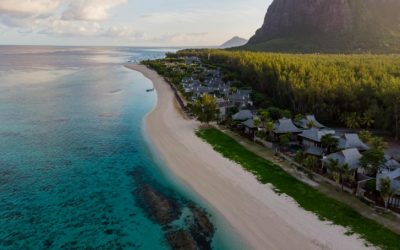
Mauritius, a stunning island nation in Africa, offers a diverse range of tourist attractions and activities that appeal to travelers seeking adventure, relaxation, and cultural experiences. Its pristine beaches and luxurious resorts further enhance its appeal as a top travel destination.
- Beautiful beaches with white sand and turquoise waters, such as Trou aux Biches and Le Morne.
- Snorkeling and scuba diving to explore vibrant coral reefs and marine life.
- Hiking and trekking in scenic locations like Black River Gorges National Park and Le Morne Brabant.
- Visiting historical sites including Aapravasi Ghat and Château de Labourdonnais.
- Experiencing local culture through markets, festivals, and traditional cuisine.
Luxury resorts along the coast provide world-class amenities, spa treatments, and fine dining, making Mauritius an ideal destination for both relaxation and adventure. Whether lounging on the beach, exploring lush landscapes, or discovering cultural heritage, visitors find plenty to enjoy on this enchanting island.
Natural Reserves and Parks
Mauritius, an island nation in Africa, is renowned for its stunning tourist attractions and diverse recreational activities. Visitors can explore pristine beaches with crystal-clear waters, ideal for swimming, snorkeling, and diving. The island also offers vibrant markets, historical sites, and cultural experiences that highlight its rich heritage. For nature lovers, Mauritius boasts numerous natural reserves and parks where you can enjoy hiking, bird-watching, and uncovering exotic flora and fauna. These protected areas, such as Black River Gorges National Park and Île aux Aigrettes, provide a glimpse into the island’s unique ecosystems and are perfect for outdoor adventures and eco-tourism. Whether seeking relaxation or adventure, Mauritius has a wealth of natural beauty and activities to offer every traveler.
Historical Sites and Cultural Landmarks
Mauritius, an island nation in Africa, offers a diverse array of tourist attractions and activities that captivate visitors. From pristine beaches and vibrant coral reefs perfect for snorkeling and diving to lush national parks and hiking trails, there is something for every traveler. Visitors can enjoy water sports, relax at luxurious resorts, or explore the island’s botanical gardens.
Historically, Mauritius boasts several significant sites such as the Aapravasi Ghat, a UNESCO World Heritage site that highlights the island’s indentured labor history. The Citadel Fort Adelaide provides panoramic views and a glimpse into colonial history. The capital, Port Louis, features bustling markets and museums that showcase the island’s heritage.
Cultural landmarks play an essential role in Mauritius, with temples like the Grand Bassin Hindu sacred site and the Eglise Saint-Jacques serving as important spiritual centers. The island’s diverse culture is also reflected in local festivals, traditional dance, music, and cuisine, offering visitors a rich cultural experience that embodies the island’s multicultural identity.
Transport and Infrastructure
Transport and infrastructure are vital components that support the development and connectivity of Mauritius, an island nation in Africa. Efficient transportation networks and modern infrastructure are essential for fostering economic growth, improving living standards, and promoting tourism on the island. As Mauritius continues to evolve, investments in these areas play a crucial role in integrating the country with the global economy and enhancing the quality of life for its residents.
Airports and Airways
Mauritius, an island nation in Africa, has developed a robust transport and infrastructure network to support its growing economy and tourism industry. The country boasts a modern airport, Sir Seewoosagur Ramgoolam International Airport, which serves as the primary gateway for international travelers and freight. The airport is equipped with advanced facilities and airlines connecting Mauritius to major global destinations across Africa, Europe, Asia, and beyond. In addition to air transport, Mauritius has an extensive road network that facilitates efficient movement within the island, connecting cities, resorts, and ports. The government has also invested in improving port infrastructure to boost maritime trade and ensure smooth logistics. These transportation systems are vital for tourism, commerce, and the overall development of Mauritius, positioning it as an important hub in the Indian Ocean region.
Road Networks and Ports
Transport and infrastructure in Mauritius plays a vital role in connecting the island and supporting its economic development. The road network is extensive, facilitating the movement of people and goods across the island’s regions. Ports in Mauritius serve as key hubs for international trade, enabling efficient import and export activities vital for the nation’s economy.
- The road network covers approximately 2,000 kilometers, including main highways, secondary roads, and local streets.
- Public transport mainly consists of buses operated by Mauritius Bus Transport, providing affordable mobility options for residents and visitors.
- Sir Seewoosagur Ramgoolam International Airport serves as the primary gateway for air travel, connecting Mauritius to destinations worldwide.
- The main ports include Port Louis, which handles the majority of cargo and container shipments, and other smaller ports supporting fishing and local trade.
- Continual investments are being made to upgrade infrastructure, improve road safety, and expand port capacity to bolster economic growth.
Challenges and Future Prospects
Mauritius, a vibrant island nation in Africa, faces numerous challenges as it seeks sustainable development and economic growth. From environmental concerns to social inequalities, the country must navigate complex issues to secure a prosperous future. However, with its rich cultural heritage and strategic position, Mauritius also holds promising prospects for innovation, tourism, and regional collaboration. Understanding these challenges and opportunities is essential for shaping a resilient and thriving future for the nation.
Environmental Concerns
Environmental concerns in Mauritius, Africa, primarily revolve around climate change, pollution, and the preservation of natural habitats. The island’s delicate ecosystem faces threats from rising sea levels, which threaten coastal areas and marine biodiversity. Additionally, deforestation and urbanization have led to habitat degradation and loss of biodiversity, posing significant challenges for conservation efforts.
Looking ahead, Mauritius aims to adopt sustainable development practices to balance economic growth with environmental preservation. Investments in renewable energy, waste management, and eco-tourism are expected to play a vital role in addressing environmental challenges. However, continued efforts are necessary to mitigate climate risks and protect the island’s unique natural heritage for future generations.
Economic Diversification
Economic diversification remains a critical challenge and opportunity for Mauritius, a small island nation in Africa seeking sustainable growth. While the country has traditionally relied on tourism, sugar exports, and textiles, overdependence on these sectors exposes the economy to external shocks. Developing new industries such as ICT, financial services, and renewable energy is vital to build resilience and foster long-term prosperity. However, diversifying the economy requires overcoming infrastructural limitations, skill gaps, and access to global markets.
Looking ahead, Mauritius has promising prospects through strategic investments, regional integration, and innovation. The government’s focus on creating a Business Process Outsourcing (BPO) hub and promoting financial technology can attract foreign direct investment and generate employment. Additionally, investing in education and sustainable practices can enhance competitiveness and environmental sustainability. Strengthening governance and policy frameworks will be essential to harness these opportunities and secure a diversified, resilient economy that benefits all citizens.
Development Goals and Sustainability
Mauritius, as a developing nation in Africa, faces several challenges and opportunities in its pursuit of sustainable growth and development. One of the major challenges is economic diversification, as the country heavily relies on tourism, sugar, and textiles. This makes the economy vulnerable to global market fluctuations and environmental impacts. Additionally, environmental sustainability is a concern, especially with climate change threatening coastal areas and agriculture. Infrastructure development must also keep pace with population growth and technological advancements to ensure inclusive growth. However, Mauritius has promising future prospects due to its strategic location, stable political environment, and proactive government policies aimed at attracting foreign investment and promoting innovation.
Development goals for Mauritius include enhancing education and skills to support a diversified economy, improving healthcare services, and increasing access to technology. The country aims to achieve sustainable development by reducing poverty, protecting the environment, and fostering economic resilience. Emphasizing renewable energy sources and sustainable tourism practices are vital components of these goals, helping to minimize ecological footprints and boost long-term prosperity.
Sustainability remains at the core of Mauritius’s development agenda. The nation is committed to adhering to international standards for environmental conservation, such as climate change adaptation and mitigation strategies. Investing in green technologies, promoting circular economy practices, and protecting biodiversity are essential steps towards a sustainable future. By balancing economic growth with environmental stewardship and social inclusion, Mauritius aspires to serve as a model for sustainable development in Africa.

0 Comments