

Natural Wonders of Namibia
Namibia is a land of extraordinary natural beauty, renowned for its striking landscapes and breathtaking scenery. From vast deserts and towering dunes to lush wildlife reserves and rugged mountains, it offers a diverse array of natural wonders. This remarkable country invites adventurers and nature lovers alike to explore its unique and enchanting environments.
Etosha National Park: A Sanctuary for Wildlife
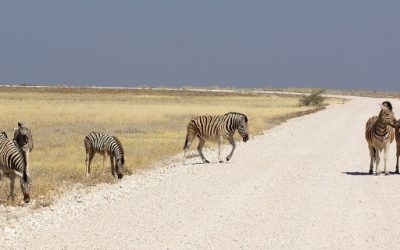
Namibia’s natural beauty is truly captivating, with Etosha National Park standing out as one of its most remarkable treasures. This expansive reserve, renowned for its diverse and abundant wildlife, offers a unique sanctuary where animals roam freely across vast savannahs and salt pans. Visitors can witness spectacular gatherings of elephants, lions, rhinoceroses, zebras, and countless other species, especially around the park’s waterholes that serve as vital life sources during dry seasons. The striking Etosha Pan, a colossal salt flat, creates a surreal landscape that enhances the park’s allure, providing unforgettable vistas and photography opportunities. Overall, Etosha National Park exemplifies Namibia’s commitment to preserving its natural wonders, making it a must-visit destination for those eager to experience the extraordinary beauty and rich biodiversity of the wilderness.
Deadvlei: The Surreal White Sand Dunes and Dead Trees
Namibia’s natural beauty is truly breathtaking, with Deadvlei standing out as one of its most surreal landscapes. Located within the Namib-Naukluft Park, Deadvlei is renowned for its striking contrast between the white clay pan, the fiery red sand dunes, and the ancient, blackened tree skeletons. The white clay surface of Deadvlei creates a stark canvas that accentuates the towering dunes surrounding it, some reaching heights of over 300 meters. The dead trees, preserved by the dry climate, add an otherworldly quality to the scene, resembling sculptures frozen in time. Visitors are often captivated by the haunting beauty and seemingly surreal scenery, making Deadvlei a must-see destination for those exploring Namibia’s remarkable landscapes. This area exemplifies the country’s reputation for breathtaking, untouched natural wonders that evoke awe and wonder at every turn.
Skeleton Coast: Mysterious Shores and Shipwrecks
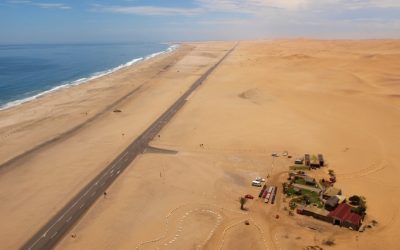
Namibia’s natural beauty is exemplified by the mesmerizing Skeleton Coast, a remote and mystifying shoreline renowned for its hauntingly beautiful landscapes and intriguing shipwrecks. This rugged coastline stretches along the Atlantic Ocean, where shifting sands and foggy weather create an otherworldly atmosphere that has captivated travelers for centuries.
The Skeleton Coast earns its name from the numerous shipwrecks that litter its shores, remnants of treacherous waters and dangerous currents that once challenged maritime navigation. These abandoned vessels, now partially buried in the desert sands, add a mysterious and historic allure to the region, drawing explorers and photographers alike.
The landscape of the Skeleton Coast is a stark contrast of desolate beaches, towering sand dunes, and rugged cliffs, offering a unique testament to Namibia’s diverse and striking natural environment. Despite its harsh conditions, this area is home to unique wildlife such as desert-adapted elephants, lions, and various bird species, making it a fascinating destination for eco-tourism and adventure travelers.
Overall, Namibia’s Skeleton Coast is a stunning showcase of the country’s extraordinary natural wonders, blending mystery, history, and untouched beauty into an unforgettable experience for those who venture to its mysterious shores.
Unique Landscapes and Geological Features
Namibia is renowned for its breathtaking landscapes and extraordinary geological formations that showcase the beauty and diversity of the natural world. From vast deserts to striking rock formations, the country’s unique landscapes provide a captivating glimpse into Earth’s geological history. These remarkable features not only highlight Namibia’s scenic splendor but also attract adventurers and nature enthusiasts from around the globe.
Brandberg Mountain: The “Burning Mountain” and Its Rock Art
Namibia is renowned for its breathtaking landscapes and geological marvels, with Brandberg Mountain standing out as one of the country’s most iconic natural features. Often called the “Burning Mountain” due to its striking appearance at sunrise and sunset, the mountain boasts a distinctive, granite massif that rises dramatically from the surrounding desert plains. Its rocky slopes and rugged terrain create a stunning backdrop for visitors seeking to experience Namibia’s unique natural beauty.
One of the most captivating aspects of Brandberg Mountain is its rich repository of ancient rock art. Over thousands of years, local San hunters and early inhabitants painstakingly etched images into the rock surfaces, depicting animals, human figures, and symbolic designs. These artwork sites serve as a window into Namibia’s ancient cultural history and continue to attract archaeologists and travelers alike. The combination of geological grandeur and cultural heritage makes Brandberg Mountain a highlight of Namibia’s landscape, highlighting the country’s exceptional natural and historical appeal.
Richter Field: The Largest Impact Crater in Africa
Namibia is renowned for its stunning and diverse landscapes, with the Richter Field impact crater standing out as one of the country’s most fascinating geological features. This massive crater offers a rare glimpse into the Earth’s dynamic history and adds to Namibia’s reputation for unique natural wonders.
- The Richter Field impact crater is the largest impact crater in Africa, measuring approximately 18 kilometers in diameter and over 200 meters deep.
- It was formed about 600 million years ago when a meteorite collided with the Earth’s surface, creating a crater that has since been shaped by natural erosion and geological processes.
- The site offers breathtaking views of the surrounding landscapes, including rugged terrain and striking rock formations that tell stories of Earth’s tumultuous past.
- Richter Field is part of Namibia’s broader appeal of pristine wilderness, combining geological marvels with rich biodiversity and scenic beauty.
- Exploring this impact crater provides visitors with a unique opportunity to understand planetary geologic processes and the history of cosmic impacts on Earth.
Paul Kruger National Park: Volcanic Landscapes and Canyons
Paul Kruger National Park, although predominantly known for its vast savannahs and diverse wildlife, also features striking geological formations that contribute to Namibia’s reputation for breathtaking landscapes. Among these geological highlights are volcanic landscapes and deep canyons that reveal the Earth’s dynamic history and natural beauty.
- Volcanic Landscapes: The park is home to ancient volcanic formations, where cooled lava flows and volcanic rocks create a rugged terrain. These formations offer a glimpse into the volcanic activity that shaped the region millions of years ago, adding a unique geological character to the park.
- Canyons: Deep canyons cut through the landscape, formed by erosion over millennia. These rugged gorges harbor additional ecosystems and provide spectacular vistas for visitors. The canyons also serve as natural corridors for wildlife and are often marked by dramatic cliffs and rock formations.
- Unique Geological Features: The combination of volcanic rocks, canyon walls, and sedimentary layers showcases the complex geological processes that have sculpted Namibia’s landscape. These features enhance the park’s natural allure, making it a compelling destination for nature lovers and geology enthusiasts alike.
Namibia’s remarkable geological features, including those found in Paul Kruger National Park, exemplify the country’s reputation for stunning and diverse landscapes. The volcanic formations and canyons stand as a testament to the dynamic Earth processes that have created some of Africa’s most beautiful scenery.
Cultural Heritage and Indigenous Communities
Cultural heritage plays a vital role in shaping the identity and traditions of indigenous communities around the world, including Namibia. These communities preserve unique customs, languages, and practices that reflect their history and connection to the land. Recognizing and honoring their cultural heritage is essential for fostering respect, understanding, and sustainability in a diverse and beautiful country like Namibia.
Himba People: The Nomadic Desert Dwellers
Namibia’s landscape is renowned for its stunning desert scenery, and among its most captivating cultural treasures are the Himba people. The Himba are a nomadic indigenous community known for their rich traditions, vibrant attire, and deep connection to the arid environment of northern Namibia. Their cultural heritage offers a unique glimpse into ancient customs and sustainable living practices that have been preserved for generations.

The Himba people are particularly notable for their distinctive appearance, which includes intricate skin and hair styling, often coated with a mixture of red ochre and butterfat. This not only beautifies but also protects their skin from the harsh desert sun. Their traditional way of life is centered around herding cattle and goats, which are vital for their social and spiritual well-being. Despite modern influences, the Himba maintain their nomadic lifestyle, revering their ancestral traditions and the natural environment of Namibia’s desert regions.
- Preservation of Cultural Identity: The Himba’s customs, attire, and rituals are vital in maintaining their cultural heritage amidst a rapidly changing world.
- Connection to Land and Environment: Their nomadic lifestyle and sustainable practices exemplify harmony with Namibia’s unique desert ecosystem.
- Traditional Practices: They perform age-old rituals, including initiation ceremonies and cattle handling, which reinforce communal bonds and cultural continuity.
- Tourism and Awareness: Visitors to Namibia can experience the Himba culture firsthand, fostering greater appreciation and support for indigenous communities.
Namibia’s beautiful landscapes and its resilient indigenous communities like the Himba together create a rich tapestry of cultural heritage worth celebrating and preserving for future generations.
Herero Community: Traditional Dress and Historical Significance
Namibia’s beauty is deeply reflected in its rich cultural heritage and indigenous communities, such as the Herero community. The Herero people are renowned for their distinctive traditional dress, which holds significant cultural and historical importance. Their women traditionally wear long, flowing dresses with fullness from the waist to the hem, often in vibrant colors and adorned with elaborate headwear known as the “otjiko” or “otjise.” These garments symbolize cultural identity, social status, and respect for ancestors. The traditional attire also serves as a visual record of the Herero people’s resilience and history, highlighting their unique heritage and the importance they place on preserving their customs. Celebrations and ceremonies often feature these traditional garments, emphasizing the community’s pride and the enduring legacy of their cultural practices. Overall, the Herero community’s traditional dress is a powerful symbol of Namibia’s diverse cultural landscape and historical richness, making Namibia a truly beautiful country with a vibrant cultural tapestry.
San Bushmen: Ancient Trackers and Cave Art
Namibia’s landscape is a testament to its rich cultural heritage, with the San Bushmen standing out as ancient trackers and storytellers. These indigenous communities have inhabited the region for thousands of years, preserving unique traditions, knowledge, and skills closely tied to their environment. Their deep understanding of the desert and wilderness has allowed them to excel in tracking animals and navigating harsh terrains, showcasing a profound connection with nature.
The San Bushmen are also renowned for their extraordinary cave art, which offers a window into their past beliefs, practices, and daily life. These vivid paintings, found in caves across Namibia, depict antelopes, human figures, and various symbols, revealing the spiritual and cultural significance of their environment. Preserving this artwork is crucial to maintaining the cultural identity of the San and sharing their stories with future generations.
Namibia’s beautiful landscape, from the towering dunes of Sossusvlei to the wildlife-rich Etosha National Park, provides an inspiring backdrop for the San Bushmen’s cultural traditions. Their ancient knowledge and artistic expressions contribute to Namibia’s reputation as a country of extraordinary heritage and natural beauty, emphasizing the importance of protecting and celebrating indigenous communities and their histories.
Vibrant Cities and Towns
Namibia is home to some of the most vibrant cities and towns in Southern Africa, each offering a unique blend of culture, history, and natural beauty. From bustling urban centers to charming villages, these vibrant settlements showcase the country’s rich heritage and stunning landscapes. Exploring Namibia’s cities and towns provides a captivating glimpse into its diverse traditions and modern developments, making it a must-visit destination for travelers seeking both excitement and authenticity.
Windhoek: The Capital Combining Modernity and Tradition
Windhoek, the vibrant capital of Namibia, exemplifies a harmonious blend of modernity and tradition, making it a captivating destination for visitors and residents alike. As the heart of the country, Windhoek offers a unique atmosphere where contemporary urban development coexists seamlessly with rich cultural heritage.
This bustling city features a mix of stylish architecture, lively markets, and historical sites that reflect Namibia’s diverse history and cultural roots. From the colonial-era buildings to modern shopping centers, Windhoek showcases Namibia’s progress while respecting its traditional customs.
The city’s vibrant streets are filled with local craft shops, cafes, and dining establishments that serve a variety of traditional and international cuisines. Visitors can enjoy exploring the surrounding hills and parks, which provide scenic views and outdoor recreation opportunities. Windhoek’s warm and welcoming community embodies the spirit of Namibia, making it a must-visit destination to experience the country’s natural beauty and cultural richness.
Swakopmund: Coastal Charm and Adventure Hub
Swakopmund, a vibrant city nestled along Namibia’s rugged Atlantic coast, exemplifies the country’s natural beauty and dynamic spirit. Known for its blend of German colonial architecture, modern amenities, and stunning coastal scenery, Swakopmund offers visitors a unique fusion of history, culture, and adventure.
The city’s picturesque beaches, shimmering dunes, and dramatic desert landscapes make it a perfect destination for outdoor activities such as sandboarding, quad biking, and kite surfing. Its charming town center is filled with cafes, shops, and markets that reflect both Namibian charm and a touch of European influence.
Swakopmund also serves as a gateway to the iconic Skeleton Coast and the Namib Desert, inviting explorers to discover Namibia’s diverse and breathtaking natural wonders. Whether relaxing by the sea or embarking on thrilling excursions, visitors to Swakopmund experience the vibrant energy and scenic beauty that make Namibia a truly spectacular destination.
Walvis Bay: The Lagoon and Marine Life
Walvis Bay, a vibrant city in Namibia, is renowned for its stunning lagoon and rich marine life, making it one of the country’s most beautiful destinations. The lagoon attracts a variety of bird species, including flamingos, pelicans, and waders, creating a spectacular sight for visitors. The calm, protected waters provide an ideal habitat for diverse marine creatures such as dolphins, seals, and countless fish species, offering excellent opportunities for eco-tourism and marine excursions. Walvis Bay’s lively atmosphere, combined with its natural beauty and abundant wildlife, highlights Namibia’s reputation for breathtaking landscapes and vibrant urban life. This unique blend of nature and cityscapes makes Walvis Bay a must-visit location for those seeking to experience Namibia’s natural splendor and dynamic culture.
Adventure and Activities
Namibia is a land of breathtaking landscapes and thrilling adventures, offering a perfect destination for outdoor enthusiasts. From vast deserts and towering dunes to rich wildlife and rugged terrains, the country provides countless opportunities for excitement and exploration. Whether you seek adrenaline-pumping activities or peaceful nature experiences, Namibia’s diverse environment promises unforgettable adventures for every traveler.
Sandboarding and Dune Climbing in Sossusvlei
Namibia’s breathtaking landscape offers an exhilarating experience through sandboarding and dune climbing in Sossusvlei. Located within the Namib Desert, Sossusvlei is famous for its towering red sand dunes that rise dramatically from the desert floor, creating a surreal and captivating environment.
Adventure enthusiasts can enjoy the thrill of sandboarding down the immense dunes, an activity similar to snowboarding but on warm, soft sands. The smooth, steep slopes provide perfect conditions for both beginners and experienced riders to glide down with excitement. Dune climbing is equally exhilarating, as visitors trek up the towering dunes to witness panoramic views of the surrounding desert and the iconic Dead Vlei area.
This combination of adrenaline-pumping activities makes Namibia a truly beautiful destination for adventure seekers. The striking contrast of the vivid red sands and expansive blue skies enhances the experience, making it a memorable highlight of any journey to Namibia’s stunning landscapes.
Wildlife Safaris and Bird Watching
Namibia is a stunning destination renowned for its extraordinary adventure opportunities, vibrant wildlife safaris, and captivating bird watching experiences. Its diverse landscapes, from vast deserts to lush jungles, create the perfect backdrop for unforgettable excursions.
Embarking on a wildlife safari in Namibia allows travelers to witness some of Africa’s most iconic species, including elephants, lions, cheetahs, and rhinos, often in their natural habitat. The country’s national parks, such as Etosha, offer expansive game reserves that promise thrilling encounters and remarkable scenery.
Bird watchers will delight in Namibia’s rich avian diversity, with opportunities to observe endemic species and migratory birds in their natural environment. The wetlands, waterholes, and coastal areas support a wide range of birdlife, making Namibia an ideal destination for nature enthusiasts seeking both adventure and tranquility.
Scuba Diving and Marine Tours in Swakopmund
Namibia’s breathtaking landscapes extend beyond its deserts, offering remarkable adventure and activity experiences, especially in Swakopmund. Among the most popular pursuits are scuba diving and marine tours, allowing visitors to explore the vibrant underwater world and coastal ecosystems. Swakopmund’s Atlantic Ocean coastline provides pristine waters teeming with marine life, making it an ideal destination for diving enthusiasts. Participants can discover colorful coral reefs, playful seals, and even encounter dolphins during guided marine excursions. These activities not only deliver adrenaline-pumping fun but also foster a deeper appreciation for Namibia’s diverse natural beauty. Whether venturing beneath the surface or exploring the rugged coastlines, adventure and marine activities in Swakopmund highlight the country’s stunning environment and rich marine biodiversity, showcasing Namibia’s true natural splendor.
Photography and Artistic Inspiration
Photography is a powerful art form that captures moments, emotions, and landscapes, transforming them into lasting impressions. Artistic inspiration often emerges from exploring breathtaking scenes and unique perspectives, fueling creativity and passion. Namibia, with its stunning desert landscapes, vibrant wildlife, and dramatic scenery, serves as a perfect muse for photographers seeking to showcase nature’s beauty through their lens.
Capturing the Golden Dunes at Sunrise
Namibia’s stunning landscapes offer photographers a rare opportunity to capture the beauty of nature at its most breathtaking, especially during sunrise over the golden dunes. The early morning light casts a warm glow across the expansive sandhills, transforming the vast desert into a mesmerizing scene of shadows and shimmering gold. These moments evoke a deep sense of tranquility and inspiration, inviting artists to explore the interplay of light, texture, and form. The shifting hues of dawn create a perfect backdrop for capturing the raw, untouched beauty of Namibia’s desert, inspiring creative expression and a profound appreciation for nature’s artistry.
Exploring Ancient Rock Art and Cultural Symbols
Namibia’s breathtaking landscapes and rich cultural history make it a captivating destination for photography and artistic inspiration. Exploring ancient rock art and cultural symbols reveals a deep connection to the land and its people, offering artists a unique window into humanity’s earliest expressions of creativity.
- Ancient Rock Art: Namibia is home to some of the world’s most remarkable rock engravings and paintings, dating back thousands of years. The Twyfelfontein rock engravings, a UNESCO World Heritage Site, showcase detailed depictions of animals, hunting scenes, and spiritual symbols, providing a profound source of inspiration for artists seeking to connect with ancient traditions.
- Cultural Symbols: Various indigenous communities, such as the Himba and San peoples, use intricate body art, jewelry, and symbolic patterns to express their identity and beliefs. These cultural symbols serve as powerful motifs for artistic projects, unveiling stories of resilience, spirituality, and tradition.
- Capturing Light and Shadow: Namibia’s vast deserts and rugged landscapes offer dramatic lighting conditions that highlight the textures and meanings embedded in rock art and symbols, encouraging photographers to experiment with natural light to evoke emotion and history.
- Inspiration for Modern Art: The timeless beauty and profound symbolism of Namibia’s ancient art forms inspire contemporary artists to forge new interpretations that honor their cultural legacy while exploring innovative techniques.
Photographing the Diverse Wildlife in Etosha
Namibia’s breathtaking landscapes and rich biodiversity make it a perfect destination for photography and artistic inspiration. Among its most remarkable attractions is Etosha National Park, renowned for its diverse wildlife and expansive salt pan. Capturing the essence of Etosha offers photographers a unique opportunity to showcase the majesty of nature through their lens. The variety of animals, from majestic elephants and graceful giraffes to elusive predators like lions and cheetahs, provides a compelling subject for both amateur and professional photographers. The changing light of sunrise and sunset enhances the vivid colors and dramatic shadows, inspiring artists to create compelling visuals that celebrate Namibia’s natural splendor. Ultimately, photographing the wildlife in Etosha serves as a powerful tribute to Namibia’s remarkable beauty and ecological diversity.

0 Comments