
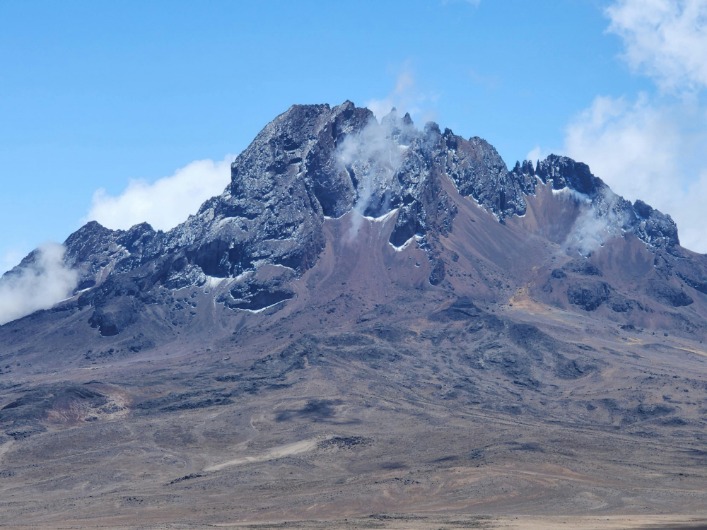
Preparation for Climbing Kilimanjaro
Preparing for a Kilimanjaro climb in Tanzania requires careful planning and physical conditioning to ensure a safe and successful ascent. It is essential to understand the terrain, weather conditions, and necessary gear to make your journey manageable and enjoyable. Proper preparation not only enhances your chances of reaching the summit but also ensures that you experience the stunning beauty and unique challenges of this iconic mountain.
Physical Fitness and Training
Preparing for the climb up Mount Kilimanjaro in Tanzania requires dedicated physical fitness and training to ensure a successful and enjoyable experience. Building endurance through cardiovascular exercises such as hiking, running, or cycling helps your body adapt to the high-altitude conditions. Strengthening your leg muscles, core, and overall stamina is essential to handle the demanding terrain and altitude changes. Incorporating practice hikes on similar terrain can boost confidence and resilience. Additionally, engaging in altitude training or simulating high-elevation conditions can improve your body’s ability to acclimate. Proper preparation, including a balanced diet and staying hydrated, supports optimal performance. Consistent training over weeks or months before your trek will increase your chances of summit success and make the journey safer and more rewarding.
Gear and Equipment
Preparation for climbing Mount Kilimanjaro requires careful planning, physical fitness, and the right gear and equipment to ensure safety and success on this challenging trek. Proper preparation helps climbers adapt to the high altitude and varying weather conditions encountered on the mountain.
Essential gear includes layered clothing such as moisture-wicking base layers, insulating mid-layers, and waterproof outer shells to manage temperature fluctuations. A good quality sleeping bag suited for cold temperatures, trekking boots with good ankle support, and gaiters are vital for comfort and protection. Other important items include a hat, gloves, sunglasses, and sun protection cream to shield yourself from the sun’s strong rays at high altitude.
Technical equipment like trekking poles can improve stability and reduce fatigue, while a headlamp with extra batteries is necessary for moving in low light conditions. A reusable water bottle or hydration system is crucial for staying hydrated, and a small first aid kit can address minor injuries or illnesses. Don’t forget about personal essentials such as energy snacks, a multi-tool, and toiletries. Proper gear preparation, along with physical training and acclimatization plans, will enhance your chances of a successful and enjoyable Kilimanjaro climb.
Permits and Documentation
Preparing for a Kilimanjaro climb in Tanzania involves careful planning to ensure a safe and successful ascent. Securing the necessary permits and documentation is a critical step before embarking on this adventure.
- Obtain a Tanzanian Visa: Most travelers need a visa to enter Tanzania, which can often be acquired upon arrival or through a Tanzanian embassy prior to travel.
- Purchase Climbing Permits: All climbers must obtain a permit issued by the Tanzanian Government Conservation Authority. These permits are usually included in the package offered by tour operators.
- Secure a Tanzanian Entry Permit: Ensure your passport is valid for at least six months beyond your planned stay and has blank pages for stamps.
- Register with Tanzanian Immigration: Upon arrival, register your visa and provide necessary documentation, including proof of onward travel and accommodation details.
- Obtain Necessary Health Certificates and Permits: Carry all required health documents, such as malaria certificates and vaccinations, as some regions or routes may require specific health documentation.
Having all permits and documents in order facilitates smooth entry into Tanzania and complies with local regulations, allowing climbers to focus on their ascent of Mount Kilimanjaro.
Choosing a Tour Operator
Preparing for a Kilimanjaro climb in Tanzania requires careful planning and choosing the right tour operator to ensure a safe and successful adventure. Selecting a reputable company with experienced guides, proper permits, and quality equipment can greatly enhance your experience on the mountain.
When choosing a tour operator, consider their track record, reviews from previous clients, and the services included in their packages. A good operator will provide comprehensive support, including acclimatization strategies, trained guides, porters, and safety measures. Additionally, verify that they follow ethical practices, such as fair treatment of staff and environmental responsibility.
Proper preparation also involves physical training, acquiring necessary gear, and understanding the altitude challenges. By partnering with a reliable tour operator and preparing thoroughly, you increase your chances of reaching Uhuru Peak while enjoying the breathtaking scenery of Tanzania’s iconic mountain.
Route Options to the Summit
When preparing for a climb up Mount Kilimanjaro in Tanzania, exploring various route options to the summit is essential. Each route offers a unique experience, scenery, and level of difficulty, allowing adventurers to select the path that best matches their capability and preferences. Understanding these options helps ensure a safe and memorable journey to Africa’s highest peak.
Marangu Route
The Marangu Route, also known as the Coca-Cola Route, is one of the most popular and traditional paths for climbing Mount Kilimanjaro in Tanzania. It offers a unique experience with its well-established trail and huts, making it suitable for first-time trekkers and those seeking a more comfortable trekking experience.
- Fairly Moderate Difficulty: The Marangu Route is considered one of the easier routes due to its gradual ascent and existing infrastructure, making it accessible for many climbers.
- Sleeping Quarters in Huts: Unlike camping routes, this route provides sleeping in mountain huts, which offer basic amenities and a more comfortable sleeping environment.
- Shorter Duration: The trek typically takes 5 to 6 days, allowing climbers to reach the summit within a shorter timeframe compared to other routes.
- Less Pre-Arrival Acclimatization Needed: The gradual ascent helps with acclimatization, reducing the risk of altitude sickness.
- Scenic Views: The route offers beautiful landscapes, including rainforest, alpine meadows, and stunning views from the crater rim.
- Popular with Guided Tours: Due to its popularity, the Marangu Route is often part of organized tour packages with professional guides and porters.
Machame Route
The Machame Route offers one of the most popular and scenic ways to ascend Mount Kilimanjaro, providing climbers with diverse landscapes and challenging terrain. Known as the “Whiskey Route,” it is favored for its acclimatization benefits and stunning vistas. This route begins at the Machame Gate and takes you through lush rainforests, moorlands, and alpine desert zones, ultimately leading to Uhuru Peak at Uhuru Point.
Climbers can choose from various route options on the Machame Route depending on their fitness and experience levels. The standard itinerary usually involves 6 to 7 days to ensure proper acclimatization, which significantly improves the chances of reaching the summit successfully. Shorter options, such as a 5-day climb, are available but may increase the risk of altitude sickness.
For those looking for a more challenging experience, the Machame Route can be combined with other routes like the Lemosho or Barafu, offering a customized ascent. Proper planning and a flexible schedule allow climbers to enjoy the breathtaking scenery and increase their likelihood of a successful summit climb.
Lemosho Route
The Lemosho Route is one of the most scenic and gradual ascent options for climbing Mount Kilimanjaro in Tanzania. It offers a breathtaking experience with lush rainforests, diverse wildlife, and stunning vistas as you approach the summit. This route is favored for its high success rate, fewer crowds, and spacious camping sites, providing climbers with a more comfortable and rewarding adventure. The climb typically starts from the western side of the mountain and bypasses the busy Marangu route, giving adventurers a more secluded and pristine environment. It also allows for excellent acclimatization prospects due to its longer, more gradual approach, increasing the likelihood of reaching Uhuru Peak successfully. Overall, the Lemosho Route combines natural beauty with safer ascent conditions, making it an ideal choice for many Kilimanjaro climbers touring Tanzania.
Rongai Route
The Rongai Route offers a unique and less crowded option for climbers attempting to reach the summit of Kilimanjaro in Tanzania. It provides a scenic journey through wildlife-rich areas and pristine wilderness, making it an attractive choice for those seeking a more tranquil ascent experience.
- Starting Point: The Rongai Route begins at the northern village of Londorossi Gate, providing a gradual ascent through forested terrain.
- Trail Features: The route offers stunning views of Kibo and Mount Mawenzi, with a quieter atmosphere compared to other routes.
- Camp Sites: Climbers pass through several camps such as Kibo Hut and School Hut, allowing acclimatization and rest along the way.
- Difficulty Level: Considered one of the easier routes due to its gentle incline, making it suitable for beginners with proper acclimatization.
- Duration: Typically takes 5 to 6 days, providing ample time for acclimatization and increasing the chances of reaching Uhuru Peak.
- Return Path: The route loops around Kilimanjaro, and climbers usually descend via the Marangu Route or Umbwe Route, depending on the trekking plan.
Western Breach Route
The Western Breach Route offers a challenging and exhilarating way to reach the summit of Kilimanjaro, providing climbers with stunning views and a sense of adventure. This route starts from the Kibo Hut and involves crossing a narrow, rocky ridge before descending into a glacier bowl and ascending steep rock faces. It is known for its dramatic scenery, including the Barranco Wall and the Lava Tower, making it a popular choice for experienced climbers seeking a more technical ascent. While it offers fewer crowds compared to the Marangu or Machame routes, climbers should be prepared for the physical demands and potential hazards associated with the Western Breach route. Proper preparation and guidance from experienced guides are essential to safely enjoy this adventurous climb to Kilimanjaro’s summit.
Climbing Experience and Daily Trekking
Embarking on a Kilimanjaro climb offers an exhilarating blend of adventure, challenge, and breathtaking scenery. Whether you’re a seasoned climber or a passionate trekker, experiencing the majestic ascent and daily trekking through diverse landscapes provides unforgettable memories. This journey not only tests physical endurance but also allows explorers to connect deeply with nature and witness the stunning beauty of Tanzania’s highest peak.
Day-by-Day Itinerary
Embarking on a Kilimanjaro climb offers an unforgettable adventure filled with breathtaking scenery and personal achievement. Climbers can enjoy diverse landscapes, from lush rainforests at the base to icy glaciers at the summit, gaining valuable experience in high-altitude trekking and overcoming various terrains. The journey encourages a blend of physical endurance, acclimatization, and camaraderie among participants, making each step a memorable milestone.
The daily trekking involves carefully planned acclimatization and rest days to ensure safety and success. Typically, the ascent is broken down into multiple days, starting from the rainforest zone, then progressing through moorland, alpine desert, and finally the snow-capped summit. Each day’s trek is tailored to gradually increase altitude and challenge, with scenic viewpoints and unique ecological zones along the way.
Day 1: Arrival at Kilimanjaro International Airport and transfer to your hotel. Briefing about the climb procedures and equipment check.
Day 2: Drive from Moshi to the Londorosi Gate, then trek through lush rainforest to reach the first campsite. Acclimatization and short hike.
Day 3: Trek from Londorosi to the Forest Camp, passing River Mandara and enjoying views of Kilimanjaro.
Day 4: Move from Forest Camp to the Lava Tower, with a side hike to acclimatize, then descend to Barranco Camp.
Day 5: Explore the Barranco Wall, then trek to Karanga Camp, further acclimatizing at higher altitude.
Day 6: Proceed from Karanga to Barafu Camp, the base for the summit push. Rest and final preparations.
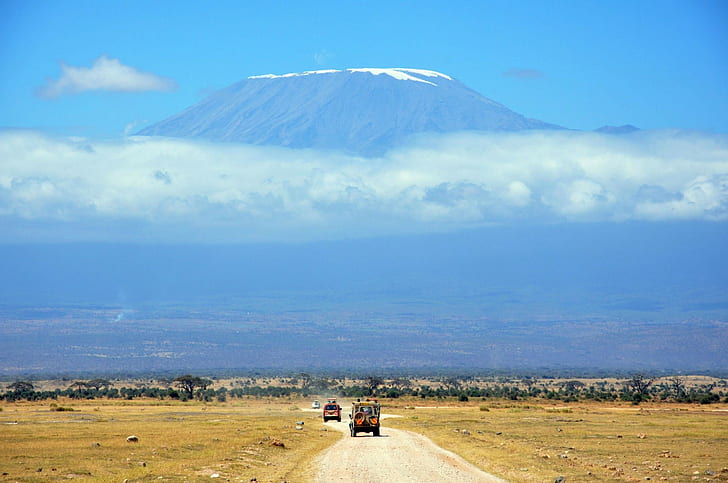
Day 7: Summit attempt around midnight, reaching Uhuru Peak at dawn. Descend to Millennium Camp and then to Mweka Camp.
Day 8: Trek down to Mweka Gate, where climbers receive certificates. Transfer back to Moshi or Arusha.
Altitude Acclimatization
Climbing Kilimanjaro offers a diverse range of experiences, from challenging summit pushes to scenic daily treks through various ecological zones. Each day involves traversing different landscapes, from lush rainforests to arid moorlands and icy glaciers, providing a unique adventure with every step. Proper altitude acclimatization is essential to ensure safety and success, as Kilimanjaro’s high elevation can lead to altitude sickness if not managed correctly. Gradual ascent, adequate rest, and hydration are key strategies used by climbers to adapt to the increasing altitude and avoid complications, making the journey both memorable and safe.
Guided Support and Sherpas
Climbing Kilimanjaro offers an exhilarating experience that attracts adventure enthusiasts from around the world. Trekkers have the opportunity to navigate diverse terrains, from lush rainforests at the base to icy summit glaciers, making each day of the trek uniquely challenging and rewarding. Daily trekking schedules are carefully planned to ensure proper acclimatization and safety, allowing climbers to enjoy the stunning landscape while gradually increasing their altitude.
Guided support is a crucial aspect of a successful climb, providing expert advice, navigation, and encouragement throughout the journey. Experienced guides are familiar with the mountain’s conditions and know how to handle emergencies, ensuring a safe experience for all participants. Sherpas and support staff play a vital role in carrying supplies, setting up camps, and offering invaluable assistance, which greatly enhances the overall trekking experience on Kilimanjaro.
Tips for Maintaining Energy and Morale
Climbing Kilimanjaro is an exhilarating adventure that demands both physical preparation and mental resilience. Daily trekking involves navigating diverse terrains, from lush rainforests to arid scree slopes, which can be challenging yet rewarding. Maintaining your energy and morale throughout the climb is essential for a successful summit. Proper planning and mindset help ensure you enjoy the experience while overcoming obstacles along the way.
- Stay well-hydrated by drinking plenty of water each day to prevent dehydration and maintain energy levels.
- Eat small, frequent meals rich in carbohydrates and proteins to sustain your strength during long treks.
- Take regular rests to avoid exhaustion and allow your body to recover.
- Dress in layers to adapt quickly to changing temperatures and prevent cold-related fatigue.
- Keep a positive attitude and encourage fellow climbers to foster a supportive and motivating environment.
- Use appropriate pacing, walking slowly and steadily to conserve energy for the summit push.
- Practice breathing techniques to improve oxygen intake and reduce fatigue at high altitudes.
- Remember your goal and visualize reaching Uhuru Peak to boost your morale during tough moments.
At the Summit and Descent
Climbing Mount Kilimanjaro is a remarkable adventure that takes you to the highest point in Africa, offering breathtaking views and a profound sense of achievement. The journey consists of two main phases: the ascent to the summit and the descent back down the mountain. These stages are crucial in ensuring a safe and successful climb, allowing adventurers to fully immerse themselves in the stunning natural beauty and unique ecosystems of Kilimanjaro.
Reaching Uhuru Peak
Reaching Uhuru Peak is the ultimate achievement for climbers on the Tanzania Kilimanjaro trek, marking the summit of Africa’s highest mountain. At the summit, adventurers are rewarded with breathtaking views and a sense of accomplishment after a rigorous ascent through diverse ecosystems. The journey to the top involves a series of at-the-summit and descent stages, each presenting unique challenges and stunning scenery.
Safety Tips at High Altitudes
Climbing Mount Kilimanjaro in Tanzania offers an incredible adventure, but safety at high altitudes is essential for a successful ascent and descent. Proper preparation and awareness of potential risks can help climbers enjoy this majestic mountain without incident.
When reaching the summit and during descent, it is vital to ascend gradually to allow your body to acclimate to the decreasing oxygen levels. Listening to your body and not pushing beyond your limits reduces the risk of altitude sickness. Staying well-hydrated and eating enough energy-boosting foods also support your body’s adaptation process.
Take note of the signs of altitude sickness, such as headache, dizziness, nausea, or difficulty breathing. If these symptoms occur, descend immediately and seek assistance if necessary. Using supplemental oxygen equipment if available can help mitigate severe symptoms at higher elevations.
Ensure that you dress appropriately in layers, with moisture-wicking and insulating clothing, to protect against cold temperatures, especially near the summit. Always communicate your plans and progress with your guides and team members, and follow their advice for a safe and enjoyable climb on Mount Kilimanjaro. Proper safety protocols and preparation are the keys to conquering this iconic African mountain safely.
Descent Procedures
The summit and descent procedures are crucial components of a safe and successful Kilimanjaro climb. Proper planning and execution help climbers avoid altitude sickness and ensure a smooth experience from starting the ascent to returning safely. During the ascent, climbers should ascend gradually, stay hydrated, and communicate with guides about any discomfort or symptoms of altitude sickness. Approaching the summit zone requires careful pacing and monitoring of physical condition.
On reaching the summit, it is important to take photographs, enjoy the moment, and begin descending promptly to prevent health risks associated with prolonged exposure to high altitude. Descending should be done slowly and carefully, paying attention to trail conditions to avoid slips or injuries. Climbers should follow the guidance of experienced guides during descent and stay on designated paths. Proper descent procedures are vital in supporting recovery from high altitude effects and ensuring every climber reaches the base safely after their incredible Kilimanjaro journey.
Environmental Conservation and Responsible Tourism
Environmental conservation and responsible tourism are vital aspects of exploring natural wonders like Tanzania’s Kilimanjaro. Preserving the mountain’s fragile ecosystems ensures that future generations can experience its awe-inspiring beauty, while responsible tourism practices help protect local communities and wildlife. Embracing these principles allows adventurers to enjoy an authentic and sustainable journey up Africa’s tallest peak.
Leave No Trace Principles
Climbing Mount Kilimanjaro in Tanzania offers an extraordinary experience, but it also comes with a responsibility to preserve the natural environment. Environmental conservation and responsible tourism are essential to ensure that this iconic mountain remains pristine for future generations. Adhering to the Leave No Trace principles helps minimize our ecological impact, encouraging climbers to leave no waste behind, stay on designated trails, and respect local wildlife and flora. By practicing these principles, adventurers can enjoy the breathtaking scenery of Kilimanjaro while safeguarding its unique ecosystem for ongoing enjoyment and conservation efforts.
Supporting Local Communities
Climbing Mount Kilimanjaro offers adventurers a unique opportunity to experience one of Africa’s most iconic landscapes while promoting environmental conservation and responsible tourism. Ensuring minimal environmental impact is essential to preserve Kilimanjaro’s diverse ecosystems and natural beauty for future generations. Supporting local communities, including guides, porters, and small businesses, helps foster sustainable development and empowers residents economically and socially. By choosing eco-friendly practices and respectful interactions, travelers can contribute to the conservation efforts and ensure that Kilimanjaro remains a breathtaking destination for years to come.
Kilimanjaro Preservation Efforts
Climbing Mount Kilimanjaro in Tanzania offers a unique opportunity to experience one of Africa’s most iconic natural landmarks while emphasizing the importance of environmental conservation and responsible tourism. Efforts to preserve Kilimanjaro’s delicate ecosystems focus on minimizing the ecological footprint of climbers and supporting local communities. Initiatives such as waste management programs, trail maintenance, and anti-litter campaigns are crucial in maintaining the mountain’s pristine condition for future generations. Responsible tourism practices encourage climbers to respect the environment, adhere to park regulations, and support conservation projects, ensuring that Kilimanjaro’s majestic beauty remains intact. By engaging in sustainable tourism activities, visitors contribute to the ongoing preservation efforts and help protect this UNESCO World Heritage Site for years to come.

0 Comments