
Habitat and Geography of Botswana Lions
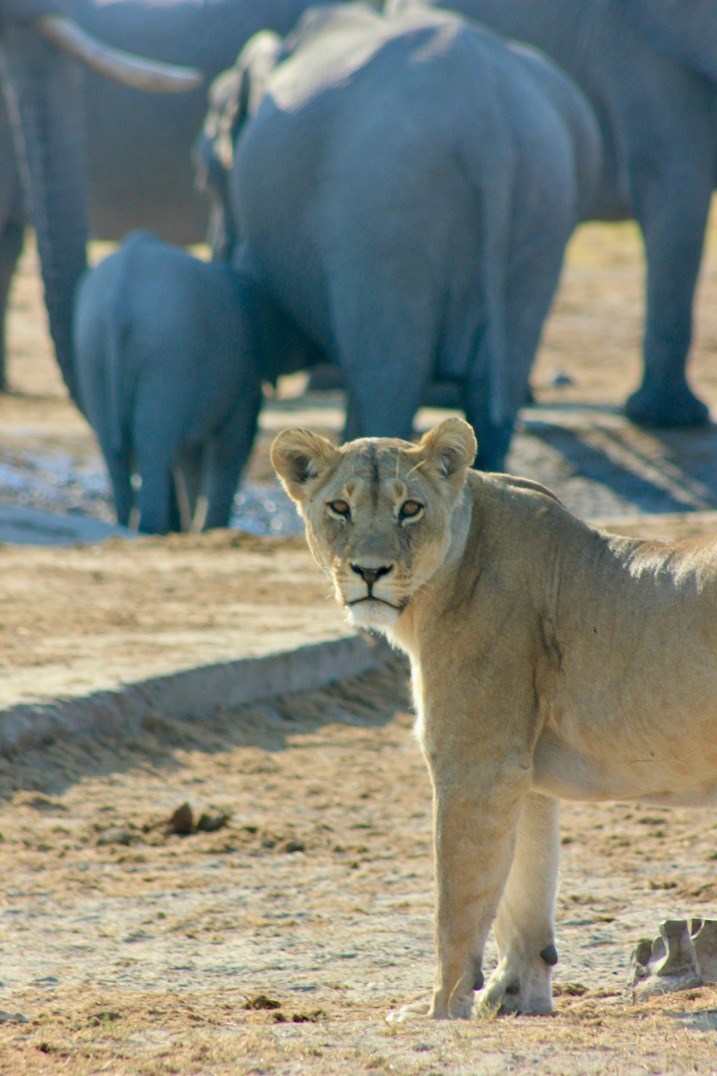
Botswana lions are a remarkable subspecies that thrive in the diverse habitats of Botswana, a country known for its vast wilderness areas. These majestic predators are primarily found in the Okavango Delta, Chobe National Park, and Central Kalahari Desert, where the varying landscapes provide ideal environments for hunting and social interactions. The geography of Botswana offers a mix of floodplains, savannas, and arid regions, supporting a rich array of wildlife and making it a crucial habitat for lions in Africa.
Landscape and Key Lion Territories
Botswana lions inhabit a diverse landscape characterized by expansive grasslands, savannas, and dry woodland areas. The country’s varied habitat provides ideal conditions for lion populations to thrive, offering ample prey and suitable cover for hunting and shelter.
The landscape of Botswana includes the Kalahari Desert, mopane woodlands, and riverine forests along major water sources such as the Okavango Delta and Chobe River. These areas serve as crucial habitats for lions, supporting their needs for food, water, and resting sites.
Key lion territories in Botswana are primarily concentrated within protected areas like the Okavango Delta, Chobe National Park, and Moremi Game Reserve. These regions are renowned for their abundant wildlife and are critical for the conservation of lion populations, offering large, undisturbed spaces where lions can establish territories and hunt effectively.
Climate and Environmental Factors
Botswana lions are primarily found in the country’s extensive plains, savannas, and open woodlands, which provide abundant prey and suitable shelter. These regions are characterized by a diverse landscape that supports a thriving lion population across national parks such as Chobe, Moremi, and the Central Kalahari Game Reserve.
The climate in Botswana is semi-arid, with hot summers and mild winters. Rainfall is sparse and occurs mostly during the summer months, creating seasonal water sources that influence lion movement and hunting patterns. The environment is shaped by vast dry plains, seasonal flooding, and sorre, which collectively support the ecosystem that sustains Botswana lions.
Environmental factors such as droughts, water availability, and prey abundance significantly impact lion populations in Botswana. Human activities, including agriculture and extensive livestock farming, also affect their habitat, but conservation efforts in protected areas help maintain the health and stability of lion communities in the region.
Protected Areas and Reserves
Botswana lions are primarily found in the country’s extensive savannahs and grasslands, which provide them with abundant prey and suitable habitat for hunting and roaming. The diverse geography of Botswana includes the Kalahari Desert, floodplains, and wetlands, offering a variety of environments that support lion populations. Lions in Botswana are well-adapted to both dry and semi-arid regions, thriving in open landscapes where they can utilize their hunting skills effectively.
Many of Botswana’s lions inhabit protected areas and reserves that play a crucial role in conservation efforts. Notable protected areas include the Chobe National Park, renowned for its large lion populations and abundant wildlife, and the Moremi Game Reserve within the Okavango Delta, a UNESCO World Heritage Site. Additional key areas include Nxai Pan National Park and the Central Kalahari Game Reserve, which provide critical sanctuary for lions and other predators.
These protected areas offer safe habitats free from poaching and human encroachment, ensuring the survival of Botswana’s lion populations. The country’s commitment to conservation and ecosystem management fosters a healthy environment where lions can thrive amidst diverse landscapes. Visiting these reserves offers an exceptional opportunity to observe Botswana’s majestic lions in their natural habitat.
Behavior and Social Structure
Understanding the behavior and social structure of lions provides valuable insights into their complex lives and survival strategies. In Botswana, lion populations display fascinating social dynamics that influence their interactions, hunting patterns, and territorial arrangements. Exploring these aspects helps deepen our appreciation for their role within the ecosystem and the importance of their conservation.
Lion Pride Dynamics
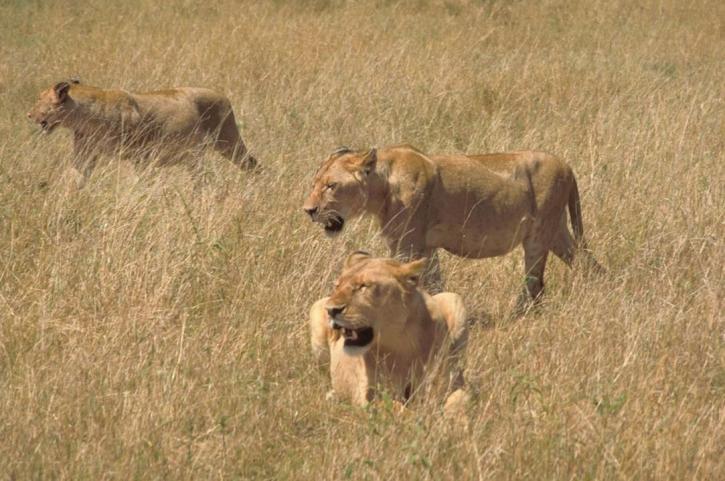
The behavior and social structure of Botswana lions are fascinating aspects of the species, showcasing complex interactions within their prides. Lions in Botswana exhibit a highly organized social system that ensures survival, reproduction, and territory maintenance. The pride dynamics involve a clear hierarchy and cooperative behaviors that are crucial for their success in the wild.
- Prides typically consist of related females, their offspring, and a few dominant males. This matriarchal social structure facilitates cooperative hunting and defense against rival males.
- Males often form coalitions to gain and maintain pride possession. These coalitions can include 2-3 males, working together to establish dominance.
- Male pride takeover is a common event, resulting in fierce battles that lead to new males taking control. Such events can cause infanticide, as new males kill existing cubs to bring females back into estrus.
- Female lions display cooperative behaviors, such as hunting and caring for the young. This cooperation increases hunting success and cub survival rates.
- Territorial behavior plays a vital role in pride stability. Lions mark their territory with scent markings and roar to deter rival prides or males.
Mating and Reproductive Behavior
Botswana lions exhibit complex behavior and social structures that are vital for their survival in the wild. They typically live in prides, which are social groups consisting of related females, their offspring, and a few dominant males. This social organization promotes cooperative hunting and protection against threats. Mating and reproductive behaviors in Botswana lions are characterized by the dominance of males who secure and defend territory, ensuring access to multiple lionesses in the pride. Female lions often have synchronized estrus cycles, facilitating coordinated reproduction. Male lions may engage in fierce competition to establish or maintain pride dominance, and successful males father most of the offspring. These behaviors enhance genetic diversity and species resilience in their natural habitat.
Hunting Strategies and Prey Selection
Botswana lions exhibit complex social behaviors and distinct social structures that are essential for their survival in the wild. They typically live in prides consisting of related females, their offspring, and a coalition of males that defend the pride. This social organization facilitates cooperative hunting and resource sharing, increasing their success rate in capturing prey.
The hunting strategies of Botswana lions are highly coordinated and involve teamwork to corner and overpower prey. They primarily rely on stealth, stamina, and strategic stalking to approach prey closely before launching a swift attack. Lions often hunt during the cooler parts of the day, such as dawn or dusk, to conserve energy and improve their chances of success.
Prey selection by Botswana lions is influenced by prey size, availability, and the hunting group’s strength. Their preferred prey includes large herbivores such as zebras, wildebeest, and impalas, which provide sufficient nourishment for the pride. Lions are opportunistic predators and may also scavenge or target smaller animals when larger prey is scarce, demonstrating adaptability in their hunting behavior.
Physical Characteristics
Georgia Lions are known for their impressive physical characteristics that distinguish them from other big cats. These majestic creatures possess a powerful build, with muscular bodies built for strength and agility. Their striking features include a regal mane in males, sharp claws, and keen eyesight, all of which play a crucial role in their role as apex predators in the Botswana savannas. Understanding these physical traits provides insight into their adaptability and dominance in their natural habitat.
Average Size and Weight
Botswana lions are known for their impressive physical characteristics, which include a muscular build and a majestic mane in males. They possess a tawny, golden coat that helps them blend into the savannah landscape. On average, adult male lions in Botswana measure about 10 feet in length, including the tail, and weigh between 330 to 550 pounds. Females tend to be slightly smaller, averaging around 8 to 9 feet in length and weighing approximately 260 to 400 pounds. These size and weight distinctions contribute to their role as dominant predators within their habitat.
Distinctive Features and Markings
Botswana lions are renowned for their impressive physical characteristics and striking appearance. They typically have a robust and muscular build, with males weighing between 150 to 250 kilograms and females slightly lighter. Their coat is tawny or golden in color, providing effective camouflage in the savannah environment. Males often feature a majestic, thick mane that ranges in color from blond to black, which extends around the neck and chest. Females lack a mane, which helps distinguish them from males at a glance.
Distinctive features of Botswana lions include their powerful jaws and sharp teeth, adapted for hunting large prey. They possess large, expressive eyes that provide excellent night vision, critical for nocturnal hunting. Their large paws are equipped with retractable claws, aiding in catching and holding onto prey. In terms of markings, they generally lack prominent scars or unique patterns, but some lions may have light scars or minor markings that develop over time, adding to their individual uniqueness.
Age and Maturity Indicators
Botswana lions exhibit a range of physical characteristics that distinguish them within their species. They typically have a robust build, with males showcasing a large, muscular mane that varies in color from blonde to dark brown, which signals maturity and dominance. Females tend to be sleeker with less prominent manes. The average age of lions in Botswana can range from 2 to 15 years, with younger lions displaying smaller bodies and less developed features, while older lions are larger and more muscular. Indicators of maturity include a fully developed mane in males, larger body size, and more pronounced hunting skills. Subadult lions often have less defined features and are still in the process of developing their strength and social status within a pride. Overall, physical size, mane development in males, and behavioral maturity are key indicators used to assess the age and maturity of Botswana lions.
Diet and Hunting Patterns
Botswana lions exhibit fascinating dietary and hunting behaviors that are vital to their survival and the balance of their ecosystem. Their feeding patterns are influenced by prey availability, habitat conditions, and social structures within prides. Understanding these patterns provides insight into the ecological role of lions in Botswana and the challenges they face in maintaining sustainable populations.
Prey Species in Botswana
Botswana lions exhibit distinct dietary and hunting patterns that are closely aligned with the abundant prey species found within their natural habitats. Their diet primarily consists of large herbivores such as zebras, wildebeests, and kudu, which are plentiful in regions like the Okavango Delta and Chobe National Park. Lions in Botswana often employ strategic hunting techniques, including cooperative hunting strategies that involve coordinated efforts to ambush and overpower their prey. These hunting behaviors are adapted to the environment, allowing lions to effectively prey on species that are fast and alert, such as impalas and waterbucks, especially during times of drought or scarce resources when prey populations are more vulnerable. The prey species in Botswana support a balanced ecosystem, and the lions’ role as apex predators helps maintain healthy prey populations and ecological stability within these diverse landscapes.
Hunting Techniques
Botswana lions are renowned for their distinctive hunting patterns and techniques that reflect their adaptation to the savannah landscapes of the region. Their diet primarily consists of large herbivores, which they track and hunt using a combination of stealth and teamwork. These predators display remarkable strategic methods to ensure their survival and successful prey capture in the wild.
Hunting techniques employed by Botswana lions include:
- Stalking: Lions quietly approach their prey, minimizing noise and shadows to remain undetected.
- Pursuit: Once close enough, they chase their target at high speeds, utilizing their power and agility.
- Cooperative hunting: Lions often hunt in groups, coordinating their movements to encircle and isolate prey.
- Ambush tactics: They may hide in tall grass or behind natural cover, waiting patiently for the right moment to strike.
The diet of Botswana lions mainly comprises gazelles, wildebeests, zebras, and other medium to large herbivores. Their feeding habits are influenced by prey availability, terrain, and seasonal changes, which drive their hunting behavior and dietary choices. Adaptability in hunting techniques allows Botswana lions to thrive in their environment, ensuring their position at the top of the food chain.
Impact of Seasonality on Diet
The diet and hunting patterns of Botswana lions are closely influenced by seasonal changes, which affect the availability of prey and their hunting strategies. During different times of the year, lions adapt their behavior to maximize their chances of successful hunts, often targeting specific prey species that are more accessible or abundant depending on the season.
- In the dry season, prey animals tend to congregate around limited water sources, making it easier for lions to locate and hunt them.
- During the wet season, the increased vegetation cover and prey mobility can lead to more elusive hunts, with lions employing stealthier tactics.
- Seasonality also impacts the size and type of prey lions target. For example, they may focus on smaller herbivores when larger prey is scarce, or switch to different species based on prey migrations and population shifts.
- Hydration needs and prey movement patterns directly influence hunting times and locations, with lions often hunting during cooler hours to conserve energy.
- Overall, seasonal variations play a crucial role in shaping the dietary choices and hunting strategies of Botswana lions, ensuring their survival amidst changing environmental conditions.
Conservation Status and Threats
The conservation status and threats faced by lions in Botswana are critical to understanding the future of this iconic species. As one of Africa’s last strongholds for wild lions, Botswana’s populations play a vital role in the survival of the species. However, various threats such as habitat loss, human-wildlife conflict, and poaching continue to challenge their existence, emphasizing the need for effective conservation efforts to ensure their survival for generations to come.
Current Population Trends
The conservation status of Botswana lions is generally considered to be vulnerable due to ongoing threats. While they are still relatively numerous within certain protected areas, their populations face significant challenges from habitat loss, human-wildlife conflict, and poaching. These factors have led to a decline in their numbers in some regions, prompting conservation efforts to ensure their survival.
Current population trends indicate a gradual decrease in the number of lions in Botswana, particularly outside of well-established wildlife reserves. Although protected areas such as the Okavango Delta and Chobe National Park support stable lion communities, encroaching human activities and illegal hunting continue to threaten their long-term viability. Efforts to monitor and conserve these populations are ongoing, focusing on mitigating human-wildlife conflict and habitat degradation to promote a sustainable future for Botswana lions.
Human-Wildlife Conflict
Botswana lions are currently classified as vulnerable due to various threats impacting their populations. Habitat loss from agricultural expansion and human settlement encroachment continues to reduce their natural territories. Poaching for trophies and traditional medicine further diminishes their numbers, while illegal wildlife trade poses a significant threat. Climate change also affects prey availability and water sources, indirectly impacting lion survival.
Human-wildlife conflict is a major challenge facing lions in Botswana. As human populations expand into lion habitats, encounters often result in livestock predation, which leads to retaliatory killings by local communities. These conflicts threaten not only the safety of livestock and human lives but also the long-term viability of lion populations. Efforts such as community-based conservation programs and improved livestock management practices are essential to mitigate these conflicts and promote coexistence between humans and lions.
Poaching and Illegal Trade
Botswana lions are currently classified as vulnerable on the conservation status scale, primarily due to ongoing threats from poaching and illegal trade. These majestic animals face significant challenges as their populations decline because of human activities. Poaching for their skins, bones, and other body parts, often driven by black market demand, poses a serious threat to their survival. Additionally, illegal trade contributes to the removal of lions from the wild, disrupting ecosystems and threatening biodiversity. Efforts to combat poaching and regulate trade are essential to ensure the long-term conservation of Botswana lions and maintain ecological balance in their native habitats.
Conservation Efforts and Initiatives
The conservation status of Botswana lions is generally classified as vulnerable due to ongoing threats such as habitat loss, human-wildlife conflict, and poaching. These majestic animals face significant dangers from expanding human settlements and agricultural activities, which reduce their natural habitats and disrupt their populations. Additionally, illegal poaching for lion skins and trophies continues to pose a serious threat to their numbers.
Various conservation efforts and initiatives are in place to protect Botswana lions. These include the establishment of protected areas such as national parks and game reserves, where hunting is strictly regulated or prohibited. Community-based conservation programs aim to involve local communities in lion conservation, promoting coexistence and providing alternative livelihoods. Furthermore, anti-poaching patrols, wildlife monitoring, and research projects help to track lion populations and combat illegal activities. International partnerships and funding also support conservation projects, ensuring that Botswana’s lions receive adequate protection and management for future generations.
Role in Ecosystem and Biodiversity
In the rich ecosystems of Botswana, lions play a crucial role in maintaining the health and balance of biodiversity. As apex predators, they help regulate populations of herbivores, ensuring that plant life remains diverse and abundant. This dynamic contributes to the overall stability of the ecosystem, supporting a wide variety of plants and animals that depend on a balanced environment for survival.
Predator-Prey Relationships
Botswana lions play a crucial role in their ecosystem and contribute significantly to maintaining biodiversity. As apex predators, they help regulate populations of herbivores such as zebras, wildebeests, and buffalo, preventing overgrazing and promoting healthy grasslands. This balance ensures that various plant and animal species thrive, supporting a diverse and resilient ecosystem. Predator-prey relationships involving Botswana lions are fundamental in controlling prey populations, which in turn influences the structure and function of their habitats. These interactions help sustain ecological stability and promote biodiversity by maintaining the natural dynamics within Botswana’s ecosystems.
Ecological Importance of Lions
Botswana lions play a vital role in maintaining the balance of their ecosystems and supporting biodiversity. As apex predators, they help regulate prey populations, preventing overgrazing and ensuring healthy vegetation growth. This, in turn, benefits a wide range of other species, promoting a diverse and resilient ecosystem. Lions also influence the distribution and behavior of other animals, contributing to ecological dynamics that sustain various habitats across Botswana. Their presence is essential for maintaining the integrity of savannas and grasslands, which are crucial ecosystems for numerous plant and animal species.
Interactions with Other Species
Botswana lions play a vital role in their ecosystem by maintaining the balance of prey populations and promoting healthy ecosystems. As apex predators, they regulate herbivore numbers such as zebras, wildebeests, and antelopes, preventing overgrazing and supporting plant diversity. Their interactions with other species include hunting and competing for resources, which influence the structure of the food web. Lions also form symbiotic relationships with scavengers like hyenas and vultures that feed on their leftovers. Furthermore, their presence impacts the behavior and distribution of prey animals, which in turn affects vegetation patterns and the overall biodiversity of the region. Thus, Botswana lions are crucial for the ecological stability and biodiversity of their environment.
Research and Monitoring
Research and monitoring are essential components in conserving Botswana’s majestic lion populations. By studying lion behavior, health, and habitats, conservationists can develop effective strategies to ensure their survival. Continuous monitoring provides valuable data that helps address threats such as poaching, habitat loss, and human-wildlife conflict. These efforts play a crucial role in maintaining the ecological balance and safeguarding Botswana’s iconic lions for future generations.
Tracking and Data Collection Methods
Research and monitoring of Botswana lions involve a variety of methods to gather accurate and comprehensive data on their populations, behavior, and habitats. Tracking techniques such as GPS collaring and radio telemetry are commonly employed to monitor movement patterns and territorial ranges of individual lions. Field observations and camera traps provide valuable insights into their social structures, hunting habits, and interactions within the ecosystem. Data collection methods also include aerial surveys and drone technology to cover large and often inaccessible areas efficiently. Additionally, community-based reporting systems engage local residents in providing sightings and behavioral information, enhancing the overall data pool. These methods collectively contribute to informed conservation strategies aimed at protecting Botswana’s iconic lion populations and maintaining ecological balance.
Recent Studies and Findings
Research and monitoring of Botswana lions have significantly advanced our understanding of their behavior, health, and population dynamics. Recent studies utilize GPS collaring and camera trapping to track movement patterns and habitat use, providing valuable insights into their ecological needs. These efforts are crucial for developing effective conservation strategies, especially in areas facing increasing human-wildlife conflict and habitat encroachment. The findings indicate that Botswana lions exhibit strong territorial behavior and prefer protected areas such as the Okavango Delta and Chobe National Park. Additionally, research reveals a concerning decline in lion numbers due to poaching and resource competition, underscoring the importance of ongoing monitoring. New technological methods, including genetic analysis and drone surveillance, are being employed to enhance data accuracy and coverage. Overall, these recent studies emphasize the importance of integrated conservation efforts to ensure the long-term survival of Botswana’s lion populations.
Challenges in Lion Research
Research and monitoring of lions in Botswana face several significant challenges that hinder effective conservation efforts. One primary issue is the vast and often inaccessible terrain, which makes it difficult for researchers to regularly track and observe lion populations. Additionally, resource limitations such as funding, equipment, and trained personnel restrict the scope and duration of studies. Human-wildlife conflict, poaching, and habitat destruction further complicate monitoring efforts by reducing lion numbers and altering their natural behaviors. Moreover, the use of technology such as GPS collars and camera traps, while useful, can be limited by technical failures and high costs, impacting long-term data collection. Despite these hurdles, ongoing research remains critical for understanding lion dynamics in Botswana and formulating strategies to ensure their survival.
Cultural Significance and Human Interaction
Understanding the cultural significance of lions in Botswana offers a profound insight into the deep connection between local communities and this majestic predator. Human interaction with lions has shaped traditions, beliefs, and conservation efforts, highlighting the importance of respecting and preserving these iconic animals. Exploring this relationship reveals not only the ecological importance of lions but also their role in the cultural identity of Botswana’s people.
Local Communities and Traditions
The lions of Botswana hold a profound cultural significance for many local communities, symbolizing strength, courage, and pride. They are often featured in folklore, stories, and traditional ceremonies, serving as a vital part of cultural identity and heritage. Human interaction with these majestic creatures has historically been respectful and symbiotic, with communities developing a deep understanding of their importance within the ecosystem.
Local traditions frequently emphasize conservation and reverence for wildlife, recognizing the lions as keystone species that maintain ecological balance. Community-led initiatives and eco-tourism efforts have fostered a sense of stewardship, encouraging sustainable coexistence. Such interactions help preserve not only the lions but also the cultural landscape that values and upholds their significance for future generations.
Tourism and Economic Impact
The lions of Botswana hold immense cultural significance for local communities, symbolizing strength, bravery, and natural heritage. They are an iconic part of Botswana’s identity and are often featured in folklore, ceremonies, and traditional stories, reinforcing cultural values across generations. Human interaction with these majestic animals is characterized by a balance of coexistence and conservation efforts, aimed at ensuring the survival of lion populations while respecting local customs and livelihoods.
Tourism plays a vital role in Botswana’s economy, with the country’s renowned wildlife safaris attracting visitors eager to observe lions in their natural habitat. This influx of eco-tourists generates substantial revenue, supporting employment opportunities and local businesses in surrounding communities. The economic impact extends beyond immediate tourism-related earnings, contributing to conservation programs and infrastructure development that benefit both wildlife preservation and community welfare.
Ledger of Respect and Conservation Awareness
The lions of Botswana hold a profound cultural significance, symbolizing strength, bravery, and leadership within many local communities. They are revered as majestic guardians of the savannah and often appear in traditional stories and folklore, reinforcing their role in cultural identity. Human interaction with these magnificent creatures is crucial, as it fosters respect and a sense of stewardship for their conservation. The Ledger of Respect serves as a formal record of the community’s reverence, acknowledging the importance of coexistence and sustainable practices. Moreover, increasing conservation awareness in Botswana emphasizes protecting lion populations through education, anti-poaching initiatives, and habitat preservation, ensuring that future generations can continue to admire and be inspired by these iconic animals.


0 Comments