
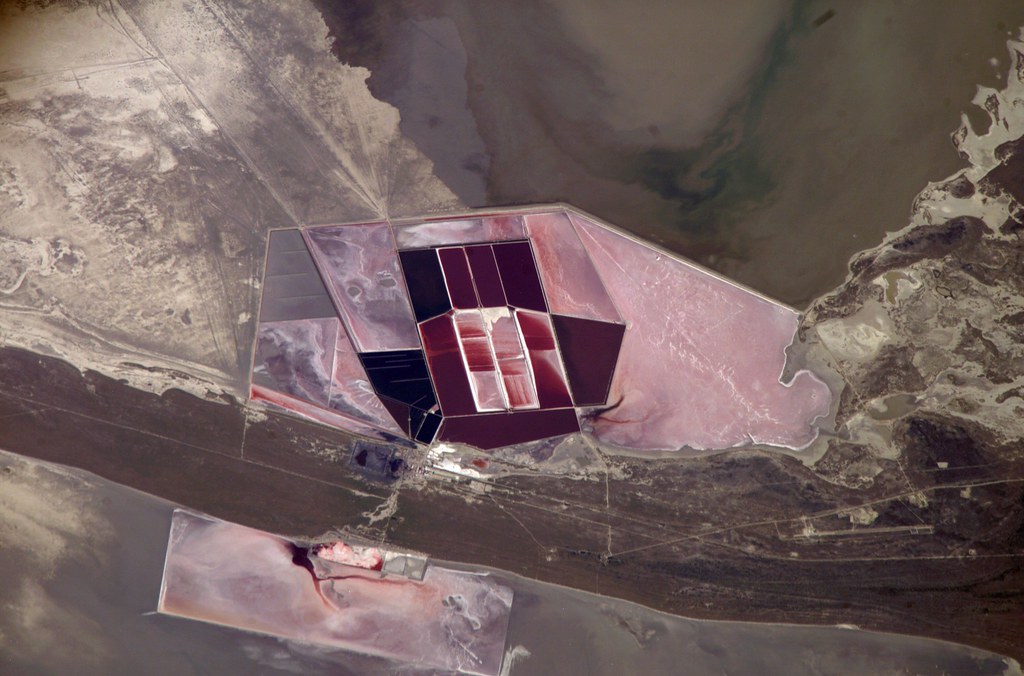
Geography and Climate of Botswana
Botswana, a landlocked country in Southern Africa, is known for its diverse geography and unique climate features. The nation’s landscape includes vast savannahs, expansive deserts, and dense grasslands that support a rich array of wildlife. Its climate is largely semi-arid, characterized by hot summers and mild winters, with rainfall primarily occurring during the summer months. These geographical and climatic conditions play a crucial role in shaping Botswana’s ecosystems and human activities.
Location and Borders
Botswana is a landlocked country located in Southern Africa, known for its diverse geography and climate. It shares borders with several neighboring countries, which influence its geographic and climatic characteristics.
- To the north, Botswana borders Namibia
- To the northeast, it shares a border with Zimbabwe
- To the east, it is bordered by Zambia
- To the south and southwest, it borders South Africa
The country’s terrain is predominantly flat with expansive plateaus, along with the Kalahari Desert covering a large part of its territory. The climate varies across the country, characterized by hot, dry summers and mild winters, with significant variability in rainfall which often leads to drought conditions. The Okavango Delta, one of Botswana’s notable geographic features, is a lush inland delta that supports a rich variety of wildlife and is a UNESCO World Heritage Site.
Physical Features
Botswana is a landlocked country located in Southern Africa, characterized by a diverse geographical landscape and a predominantly semi-arid climate. The country features vast plains, dry savannahs, and significant river systems that support its ecosystems. The Kalahari Desert covers much of Botswana, contributing to its arid conditions and unique environment. The Okavango Delta, one of the world’s largest inland deltas, is a notable physical feature that attracts numerous wildlife species and tourists. Additionally, Botswana’s landscape includes low-lying plateaus and hills such as the Tsodilo Hills, known for their cultural and geological significance.
The climate in Botswana is generally semi-arid, with hot summers and mild winters. Rainfall varies across the country, with the southern regions receiving less precipitation compared to the northern areas, which benefit from occasional seasonal rains. The Okavango Delta floods during the rainy season from November to March, creating a lush habitat for diverse flora and fauna. The country’s climate and physical features work together to influence its agriculture, wildlife, and overall way of life.
Climate and Weather Patterns
Botswana is a landlocked country located in Southern Africa, characterized by vast plains, deserts, and savannahs. Its geography is dominated by the Kalahari Desert in the west and the Okavango Delta in the northwest, which is one of the world’s largest inland deltas. The country features flat to gently rolling terrain with some low plateaus and hills scattered throughout.
The climate of Botswana is primarily semi-arid, with significant variations across regions. The country experiences hot summers with temperatures often exceeding 30°C (86°F), especially in the inland areas. Winters are mild and generally dry, with cooler temperatures, particularly at night. Rainfall is sparse and unreliable, mostly occurring during a single rainy season that typically lasts from November to March, bringing short, intense thunderstorms. The Okavango Delta’s unique wetland ecosystems depend heavily on the seasonal flooding caused by rains originating from Angola and Namibia, which significantly influence the local climate and biodiversity.
Weather patterns in Botswana are characterized by high temperature variability between day and night and seasonal shifts. The northern regions, including the delta, receive more rainfall and have a more humid climate, while the southern and eastern parts tend to be drier and hotter. Droughts are common and can impact agriculture and water resources across the country. Overall, Botswana’s climate plays a crucial role in shaping its ecosystems, wildlife, and human activities, making it a distinctive and resilient environment.
History and Cultural Heritage
Botswana boasts a rich history and vibrant cultural heritage that reflects its diverse communities and ancient roots. From its early settlement by indigenous groups to its journey toward independence, the country possesses a wealth of historical sites and traditions. Preserving this heritage is vital for understanding Botswana’s identity and showcasing its unique contributions to regional and world history.
Ancient Settlements and Archaeological Sites
Botswana boasts a rich history and vibrant cultural heritage, shaped by ancient settlements and archaeological sites that offer a glimpse into its past. These archaeological treasures reveal the story of early inhabitants, their traditions, and how they laid the foundation for modern Botswana.
- Tsodilo Hills: Often called the “Louvre of the Desert,” these hills are a UNESCO World Heritage Site renowned for their rock paintings and archaeological significance, dating back thousands of years.
- Khama Rhino Sanctuary: While primarily a wildlife conservation area, nearby archaeological sites highlight the interactions between early humans and their environment.
- Kgwelege/Nata Basin: An area with ancient tools and artifacts indicating early human settlement and activity.
- Makgadikgadi Pans: Extensive salt flats that housed ancient lakes, attracting early communities and providing fertile grounds for settlements.
- Rock Art and Cave Paintings: Located within Tsodilo Hills and other sites, these artworks depict spiritual beliefs, hunting scenes, and daily life from prehistoric times.
- Ancient Tools and Artifacts: Excavations across Botswana have uncovered stone tools, pottery shards, and remnants of settlements that demonstrate continuous human occupation over millennia.
- Historical Settlements: The city of Botswana, as well as smaller villages, have roots dating back centuries, reflecting a history of trade, migration, and cultural development.
Colonial Era and Independence
Botswana’s history is deeply rooted in its rich cultural heritage and transformative colonial past. The region was originally inhabited by various Tswana tribes who developed vibrant traditions and social structures long before European contact. During the colonial era, Botswana was administered as the British Protectorate of Bechuanaland, a period marked by relatively peaceful relations and strategic importance. The colonial influence introduced new administrative systems and infrastructure that would shape the nation’s development. Gaining independence in 1966, Botswana emerged as a sovereign nation, embracing democratic governance and working to preserve its cultural identity. Today, the country celebrates its heritage through various festivals, museums, and traditions that honor its history and the resilience of its people.
Major Cultural Festivals and Traditions
Botswana boasts a rich history and vibrant cultural heritage that reflect the diverse traditions of its various ethnic groups, including the Tswana, Kalanga, and San peoples. The country’s history is marked by the ancient Great Zimbabwe ruins nearby, as well as a history of strong resistance against colonialism and a successful journey toward independence in 1966. This history has fostered a deep sense of national identity and pride among its citizens. The cultural heritage of Botswana is expressed through music, dance, traditional crafts, and oral storytelling, which continue to be vital parts of community life.
Major cultural festivals and traditions in Botswana play a significant role in preserving and celebrating the country’s heritage. These festivals often feature colorful ceremonies, traditional attire, music, and dance that reflect the diverse cultural makeup of the nation. They serve as an important means of passing down customs and strengthening community bonds.
- Muaka Festival: Celebrated by the Bayei people, it marks the end of the fishing season and involves traditional dances, storytelling, and ceremonies to honor ancestors.
- Ngamiland International Cultural Festival: Showcases the diverse cultures of the Okavango Delta region with traditional performances, craft displays, and culinary experiences.
- Tshiming Festival: A Tswana festival that celebrates the harvest season with traditional dances, singing, and communal feasting.
- Ditshupa tsa Diphatlhwa (Traditional Initiation Ceremonies): Rituals performed during initiation rites for young boys and girls, emphasizing cultural values and societal roles.
These festivals and traditions highlight Botswana’s commitment to preserving its cultural identity and passing down its rich history to future generations.
Political and Administrative Structure
Botswana’s political and administrative structure is characterized by a stable democratic system rooted in the principles of governance and decentralization. The country operates as a parliamentary republic, with elected representatives playing a key role in decision-making processes. The government is organized into various branches, including the executive, legislative, and judiciary, ensuring a balanced and effective administration that promotes development and stability across the nation.
Government System
Botswana has a well-defined political and administrative structure rooted in a democratic government system. It operates as a republic with a parliamentary system, where the President is both the head of state and government. The country’s political framework is characterized by a multi-party system, ensuring democratic elections and representation. The Parliament consists of two chambers: the National Assembly and the House of Chiefs, which work together to pass legislation and manage national affairs.
The President is elected by the National Assembly and holds executive authority, overseeing the government’s operations and implementing policies. The government is supported by various ministries and government departments responsible for different sectors such as health, education, and finance. Botswana’s administrative divisions include districts and local authorities, which facilitate decentralized governance and service delivery at regional and community levels.
The judiciary in Botswana is independent, guaranteeing the rule of law and justice. The Supreme Court is the highest judicial authority, and its decisions uphold constitutional and legal principles. Overall, Botswana’s political and administrative system emphasizes stability, transparency, and democratic governance, making it a model within the region.
Administrative Divisions
Botswana’s political and administrative structure is characterized by a stable democratic system with a constitutional government. The country operates as a republic with a President serving as the head of state and government, elected through universal suffrage. The Parliament consists of the National Assembly and the Council of Chiefs, playing a vital role in legislative processes. Administratively, Botswana is divided into several levels of divisions for effective governance and service delivery. The primary subdivisions are districts, which are further divided into sub-districts, towns, and villages. Each district is headed by a District Commissioner appointed by the central government, responsible for local administration and development activities. These divisions facilitate local governance, enabling the government to implement policies and programs efficiently across the country, ensuring balanced regional development.
Leadership and Political Parties
Botswana has a well-defined political and administrative structure characterized by a democratic system, stable governance, and an active political landscape. The country operates as a unitary republic with a centralized government that oversees various administrative functions across the nation. Leadership in Botswana is typically demonstrated through elected officials who serve in executive, legislative, and judicial branches. The political environment is vibrant, with multiple parties competing for influence and governance.
- The President of Botswana is both the head of state and government, elected directly by the people for a five-year term.
- The Parliament consists of two chambers: the National Assembly and the Senate, responsible for making laws and overseeing the executive branch.
- The civil service and local government authorities facilitate the administrative functions at regional and district levels.
- Transparency and professionalism are core principles in the administration, supported by an independent judiciary.
- Dominant political party: Botswana Democratic Party (BDP), which has been in power since independence in 1966.
- The opposition parties include the Botswana National Front and the Botswana Congress Party, among others, providing a multi-party democratic framework.
- Regular elections are held, maintaining a peaceful political environment and ensuring accountability.
- Leadership emphasizes good governance, economic development, and the promotion of democracy and human rights.
Economy of Botswana
The economy of Botswana is one of the most stable and prosperous in Africa, largely driven by mineral resources, particularly diamonds. With effective governance and a focus on sustaining growth, Botswana has transformed from a low-income country into an upper-middle-income nation. The country also emphasizes tourism, agriculture, and services as important sectors contributing to its overall economic development.

Key Sectors and Industries
Botswana’s economy is one of the most stable and well-managed in Africa, characterized by a strong mining sector and growing diversification efforts. The country has experienced consistent growth driven largely by the diamond industry, which remains its key economic pillar. In recent years, Botswana has also focused on developing other sectors to reduce dependency on diamonds and promote sustainable development.
- Mining and Mineral Resources: Diamonds are the dominant industry, contributing significantly to GDP and export earnings. Other minerals include copper, nickel, and coal.
- Agriculture: Although the sector employs a large portion of the population, it contributes a smaller share to the national economy. Livestock farming and crop production are key activities.
- Tourism: Known for its wildlife and natural reserves, tourism is a vital industry, providing employment and foreign exchange revenue.
- Manufacturing: The manufacturing sector includes food processing, textiles, and building materials, supported by government initiatives to diversify the economy.
- Financial Services: The banking and financial sector has expanded to support business growth and investment.
Mining and Diamonds
Botswana’s economy is primarily driven by the mining sector, which plays a crucial role in the country’s development and growth. The nation is renowned for its abundant mineral resources, especially diamonds, which constitute the backbone of its economic activities.
The diamond industry in Botswana is one of the world’s leading sources of sparkling gemstones, with the country being among the top diamond producers globally. The government has established a strong partnership with De Beers, ensuring that a significant portion of the diamonds mined are processed within the country, boosting local employment and revenue.
Mining activities extend beyond diamonds to include other minerals such as copper, nickel, and soda ash, contributing further to the national economy. The revenues generated from these resources are invested in infrastructure, healthcare, and education, aiming to diversify Botswana’s economy and reduce reliance on mining alone.
Despite its successes, Botswana faces challenges such as resource dependence and the need for economic diversification. Efforts continue to promote sustainable mining practices and develop other sectors like tourism and manufacturing to ensure long-term economic stability.
Agriculture and Tourism
Botswana’s economy is primarily driven by diamond mining, which accounts for a significant portion of its revenue and exports. In addition to diamonds, the country has been diversifying its economy through agriculture and tourism, which play vital roles in employment and economic stability.
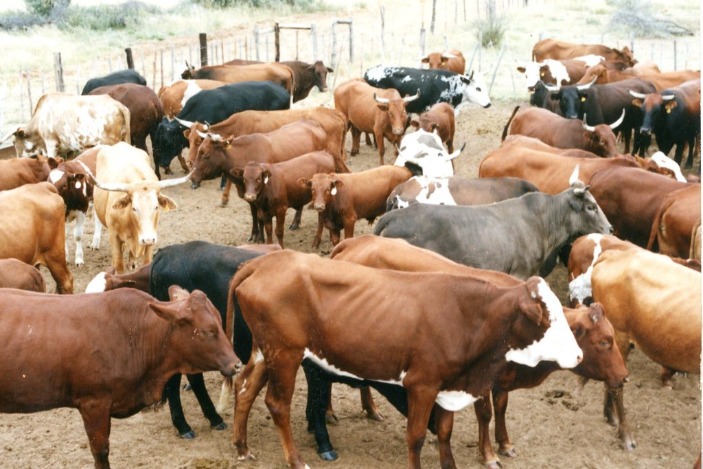
Agriculture in Botswana mainly involves cattle farming, subsistence farming, and crop production. The sector faces challenges such as seasonal droughts and limited arable land, but it remains crucial for rural livelihoods and food security.
Tourism is a growing industry in Botswana, attracted by its rich wildlife, national parks, and UNESCO World Heritage Sites like the Okavango Delta and Chobe National Park. The government promotes eco-tourism and sustainable practices to preserve natural resources while boosting economic growth.
- Diamond mining remains the backbone of Botswana’s economy.
- Agriculture provides livelihoods but faces environmental challenges.
- Tourism is expanding due to Botswana’s unique wildlife and natural attractions.
Wildlife and Natural Resources
Botswana is renowned for its rich wildlife and abundant natural resources that play a vital role in its ecosystem and economy. The country boasts vast savannahs, diverse animal species, and pristine landscapes that attract tourists from around the world. Preserving these natural treasures is essential for maintaining the ecological balance and supporting sustainable development in Botswana.
National Parks and Game Reserves
Botswana is renowned for its diverse wildlife and rich natural resources, making it a top destination for eco-tourism and wildlife conservation. The country boasts a variety of habitats, including savannas, wetlands, and forests, which support an abundant array of flora and fauna. National parks such as Chobe National Park and the Central Kalahari Game Reserve are vital for the preservation of species like elephants, lions, cheetahs, and buffalo. These protected areas play a crucial role in maintaining biodiversity and promoting sustainable tourism. Botswana’s commitment to conservation is evident through its strict policies and community-based approaches, ensuring that natural resources are preserved for future generations while benefiting local populations. The nation’s extensive network of protected areas highlights its dedication to balancing development with environmental stewardship and wildlife preservation.
Endangered Species
Botswana is renowned for its rich wildlife and extensive natural resources, making it a vital destination for conservation efforts and eco-tourism. The country boasts diverse ecosystems, including the Kalahari Desert and the Okavango Delta, home to a wide variety of endangered species that require ongoing protection.
- Black Rhinoceros: Critically endangered due to poaching for rhino horns.
- African Elephant: Although numerous, they face threats from poaching and habitat loss.
- Wild Dog: Endangered because of habitat fragmentation and disease.
- South African Pangolin: Trafficked for its scales, leading to a sharp decline in population.
- Sable Antelope: Although less threatened, their populations are vulnerable due to poaching and habitat encroachment.
Efforts in Botswana focus on anti-poaching measures, community involvement, and habitat preservation to ensure the survival of these endangered species. The country’s national parks, such as Chobe and Moremi, serve as vital refuges that help conserve the unique biodiversity of the region.
Conservation Efforts
Botswana is renowned for its rich wildlife and vast natural resources, making conservation efforts vital to preserving its unique ecosystems. The country boasts a variety of habitats, including savannas, wetlands, and forests, which support diverse flora and fauna. Conservation initiatives are essential to maintain biodiversity and promote sustainable tourism, which is a significant part of Botswana’s economy.
- Protected Areas: Botswana has established numerous national parks and game reserves such as the Chobe National Park and Central Kalahari Game Reserve to safeguard wildlife populations.
- Community-Based Conservation: Initiatives like Community-Based Natural Resource Management (CBNRM) involve local communities in conservation efforts, providing economic incentives to protect wildlife.
- Anti-Poaching Measures: The government uses advanced technology and patrol teams to combat poaching, especially targeting elephants, rhinoceroses, and other endangered species.
- Sustainable Tourism: Botswana promotes eco-tourism and responsible wildlife viewing practices to balance economic growth with conservation.
- Habitat Restoration: Efforts are underway to restore degraded habitats and ensure the survival of native species.
- Research and Monitoring: Continuous scientific research helps track wildlife health and population dynamics, informing management strategies.
- Legislation and Policy: Botswana has enacted laws to protect endangered species and regulate hunting and resource utilization.
- Partnerships: Collaboration with international organizations and NGOs enhances conservation capabilities and funding sources.
Social Aspects and Demographics
Understanding the social aspects and demographics of Botswana is essential for appreciating the country’s cultural diversity and societal dynamics. This includes examining population composition, age distribution, education levels, and social values that shape everyday life. Such insights help in addressing developmental challenges and fostering inclusive growth in Botswana.
Population Statistics
Botswana is a country located in Southern Africa with a diverse demographic profile. The population is approximately 2.4 million people, with a relatively high growth rate driven by natural increase. The majority of the population resides in urban areas, particularly in the capital city, Gaborone, and other key towns such as Francistown and Molepolole. Ethnically, Botswana is predominantly composed of the Tswana people, who make up about 80% of the population, alongside various other groups including Kalanga, Basarwa, and Bakgalagadi. The country has a youthful demographic, with a significant proportion of the population under the age of 15, reflecting high fertility rates. Socially, Botswana is known for its stable political environment and efforts towards improving education and healthcare, which influences demographic trends. The country also faces challenges related to HIV/AIDS prevalence, which impacts population health and dynamics. Overall, Botswana’s population statistics highlight a country with a growing, youthful population experiencing gradual urbanization and social development.
Languages and Ethnic Groups
Botswana is a diverse country with a rich tapestry of social aspects and demographics. The population includes various ethnic groups and languages, reflecting the nation’s cultural heritage. The majority of the population belongs to the Tswana ethnic group, which significantly influences the country’s customs and traditions.
Languages spoken in Botswana include the nationally recognized Setswana, which is widely used across the country. English is also an official language and is commonly used in government, education, and business settings. Other minority languages spoken in different regions include Kalanga, Sekgalagadi, and Shirifana, highlighting the country’s ethnic diversity.
Demographically, Botswana has a relatively young population with a high birth rate, contributing to its vibrant community life. Urban areas like Gaborone are growing rapidly, attracting people from various parts of the country and neighboring nations. Despite modernization, traditional social structures and cultural practices continue to play an important role in the daily lives of Batswana.
Education and Healthcare
Botswana is a country with a diverse social fabric and demographic profile that significantly influences its development. The population is relatively small, with a youthful demographic including a large proportion of children and young adults, which presents both opportunities and challenges for the nation’s growth. Social cohesion and community-based values are strong, contributing to stability and shared cultural traditions.
In terms of education, Botswana has made notable progress over the years, with high literacy rates and widespread access to primary and secondary education. The government emphasizes quality education as a means to empower its citizens and foster economic development, though disparities still exist in rural versus urban areas. Higher education institutions are increasingly collaborating with international partners to enhance research and skill acquisition.
Healthcare in Botswana has seen substantial improvements, with better access to medical services and increased life expectancy. The country has prioritized combating infectious diseases such as HIV/AIDS, which remains a significant public health concern. Healthcare infrastructure continues to expand, with ongoing efforts to improve maternal and child health, ensuring the well-being of its population for sustainable development.
Tourism in Botswana
Tourism in Botswana is a vibrant and growing industry, renowned for its stunning landscapes and diverse wildlife. Visitors from around the world are drawn to its expansive national parks, including the famous Okavango Delta and Chobe National Park, offering exceptional safari experiences. With its rich cultural heritage and commitment to conservation, Botswana provides a unique and memorable destination for nature enthusiasts and adventure seekers alike.
Major Tourist Attractions
Tourism in Botswana is a major industry that attracts travelers from around the world due to its stunning landscapes, diverse wildlife, and rich cultural heritage. The country’s vast wilderness areas offer unique opportunities for safari adventures and eco-tourism, making it a top destination for nature enthusiasts. Botswana’s commitment to conservation ensures the preservation of its natural beauty and wildlife habitats.
Major Tourist Attractions in Botswana include the Okavango Delta, one of the world’s largest inland deltas, renowned for its extraordinary biodiversity and water-based safaris. Chobe National Park is famous for its large elephant herds and game viewing opportunities along the Chobe River. Moremi Game Reserve, located within the Okavango Delta, offers exceptional wildlife sightings and pristine wilderness experiences. Central Kalahari Game Reserve provides a distinctive desert landscape with unique wildlife adapted to arid environments. The Makgadikgadi Salt Pans exemplify vast, surreal landscapes that are home to flamingos and other migratory birds. These attractions, combined with Botswana’s luxurious lodges and eco-friendly accommodations, make it a premier destination for travelers seeking authentic African adventures.
Activities and Adventures
Tourism in Botswana offers a unique blend of natural beauty, wildlife, and adventurous activities, making it an ideal destination for nature enthusiasts and thrill-seekers alike.
Visitors to Botswana can enjoy a wide range of activities and adventures that showcase the country’s rich landscapes and diverse ecosystems.
- Game viewing and safaris in the famous Okavango Delta, one of the world’s largest inland deltas, known for its abundant wildlife.
- Exploring Chobe National Park, renowned for its large elephant herds and river safaris.
- Witnessing the breathtaking Makgadikgadi Salt Pans and engaging in quad biking and camping adventures.
- Participating in walking safaris led by experienced guides to get an up-close experience with wildlife.
- Enjoying birdwatching opportunities across various national parks and reserves, home to numerous bird species.
- Experiencing cultural tours that highlight the traditions and lifestyle of local tribes such as the San people.
- Hot air balloon safaris providing a scenic view of the wilderness from above.
- Fishing in some of Botswana’s pristine waters, famous for tiger fishing and other freshwater species.
Travel Tips and Infrastructure
Tourism in Botswana offers a unique blend of stunning landscapes, diverse wildlife, and rich cultural experiences. Visitors can explore the vast Okavango Delta, one of the world’s largest inland deltas, renowned for its incredible safari opportunities and exceptional birdwatching. Chobe National Park and Moremi Game Reserve are also popular destinations, offering chances to see elephants, lions, leopards, and other iconic African species in their natural habitat.
When traveling in Botswana, it is advisable to plan your trip during the dry season, from May to October, when wildlife viewing is at its peak. Respect local customs and conservation efforts to ensure a sustainable visit. Vaccinations and health precautions, including anti-malarial medication, are recommended depending on the areas visited. Booking safaris and accommodations well in advance can enhance your experience and help secure the best options available.
Botswana’s infrastructure has improved significantly, with well-maintained roads connecting major tourist areas. Many lodges and campsites are accessible by 4×4 vehicles, and guided tours are readily available. International travelers typically arrive via Sir Seretse Khama International Airport in Gaborone, which offers connections to major hubs. Domestic flights and road transportation facilitate travel within the country, allowing visitors to explore remote wilderness areas comfortably. Overall, Botswana provides a relatively accessible destination for wildlife enthusiasts and adventure seekers alike.



0 Comments