
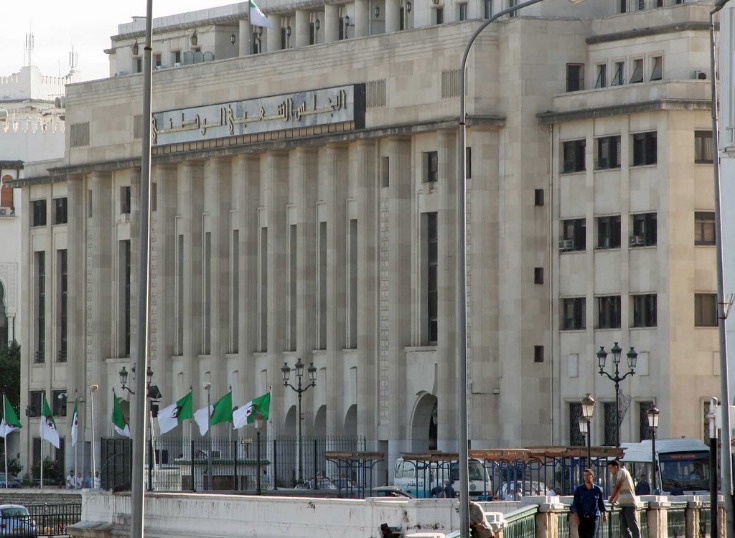
Historical Background of Algerian Politics
The political landscape of Algeria has been shaped by a complex history marked by colonial rule, a struggle for independence, and subsequent efforts to establish stability and governance. From French colonization in the 19th and early 20th centuries to the fight for sovereignty culminating in independence in 1962, Algeria’s political evolution has been deeply influenced by revolutionary movements, nationalist ideologies, and the legacy of colonialism. Over the decades, the nation has experienced periods of political turmoil, civilian uprisings, and attempts at democratization, reflecting its ongoing endeavor to define its identity and governance structure in the modern era.
Colonial Period and Independence Movement
The political history of Algeria is deeply rooted in its colonial past and the struggle for independence, which has significantly shaped its modern political landscape. During the colonial period, Algeria was a French territory, officially incorporated into France in 1830, and it remained under colonial rule for over a century. This period was marked by economic exploitation, cultural suppression, and political marginalization of the indigenous Algerian population. The colonizers implemented policies that favored French settlers while limiting the rights and freedoms of native Algerians, fostering dissatisfaction and resistance among the local population.
The burgeoning desire for independence led to the formation of various nationalist movements, most notably the National Liberation Front (FLN). The fight for independence escalated into a brutal war known as the Algerian War of Independence (1954-1962), which involved guerrilla warfare, acts of terrorism, and widespread civil unrest. Key events include the outbreak of the war on November 1, 1954, and the subsequent extensive insurgency against French colonial forces. The conflict also drew international attention and condemnation, pressuring France to reconsider its colonial policies.
Following years of intense struggle, Algeria achieved independence on July 5, 1962, after the signing of the Évian Accords. The transition to sovereignty was marked by political upheaval, as various factions vied for control, but the FLN soon established a one-party state. Algeria’s post-independence political trajectory has been characterized by efforts to consolidate power, promote Arab nationalism, and pursue socialist policies. The country’s political landscape has continued to evolve through periods of authoritarian rule, military coups, and calls for democratization, all rooted in its complex colonial and revolutionary history.
Post-Independence Political Development
The political landscape of Algeria has been shaped profoundly by its history of colonialism, independence struggles, and subsequent political evolution. Following the end of French colonization in 1962, Algeria rapidly established a one-party state dominated by the National Liberation Front (FLN), which played a central role in the fight for independence. The initial post-independence period was marked by efforts to build a unified national identity and state institutions amid economic challenges and social upheaval.
During the 1960s and 1970s, Algeria experienced a consolidation of power within the FLN, emphasizing socialist policies, land reform, and state-led development initiatives. Political stability was maintained through authoritarian control, and opposition parties were either marginalized or banned. The military also began to play a significant role in political affairs, influencing decision-making processes.
The 1980s saw increasing dissatisfaction with economic conditions and governance, leading to social unrest and demands for political reform. This eventually culminated in the early 1990s when internal pressures and regional shifts prompted the government to introduce multi-party politics. However, the subsequent 1991 elections, in which the Islamic Salvation Front (FIS) garnered significant support, were canceled by the military to prevent an Islamist government from coming to power, sparking a brutal civil conflict that lasted a decade.
Post-civil war, Algeria gradually stabilized but maintained a tightly controlled political environment. The state continued to dominate political life through the FLN and military influence, with occasional reforms aimed at addressing demands for greater political participation. The 21st century has seen efforts to introduce electoral reforms, curb corruption, and open space for civil society, but challenges remain, including issues of corruption, political repression, and the quest for democratic governance.
Transition to Modern Political Structures
The political landscape of Algeria has been profoundly shaped by its history of colonization, independence struggle, and subsequent efforts to establish a stable government. During French colonial rule, which lasted from 1830 to 1962, Algeria was considered an integral part of France, and its native political institutions were suppressed. The fight for independence, led by the National Liberation Front (FLN), culminated in the Algerian War of Independence, a brutal conflict that resulted in Algeria’s independence in 1962. Following independence, Algeria adopted a one-party socialist system under the FLN, which prioritized state control over political and economic life.
Throughout the 1960s and 1970s, Algeria’s political structures remained centralized, with the FLN consolidating power and suppressing opposition. The country’s transition to modern political structures was marked by efforts to diversify political participation, including the introduction of a multi-party system in the late 1980s amidst internal economic and political challenges. These reforms led to the legalization of opposition parties and a brief period of heightened political activity. However, the transition was tumultuous, culminating in civil conflict during the 1990s, as Islamist groups challenged the state’s authority. In subsequent years, Algeria has steadily worked towards stabilizing its political institutions, emphasizing military and security sectors’ roles while gradually opening the political arena to more diverse participation. Today, Algeria continues to evolve its political framework, balancing historical legacies with efforts toward modernization and democratic governance.
Political System and Governance
Algeria’s political system is characterized by its semi-presidential structure, where power is divided between the President and the Parliament. Governance in Algeria has evolved over the years, reflecting a complex mix of democratic institutions and authoritative practices. The country’s political landscape is shaped by its history, national identity, and efforts towards political stability and economic development. Understanding Algeria’s political system provides insight into its governance challenges and the ongoing process of political reform.
Constitution and Legal Framework
Algeria’s political system is a semi-presidential republic characterized by a division of powers between the executive, legislative, and judiciary branches. The President holds significant authority as the head of state, while the Prime Minister acts as the head of government, overseeing day-to-day administration. The Parliament consists of two chambers: the National People’s Assembly and the Council of the Nation, which legislates and debates national policies. Governance in Algeria is further influenced by a strong military presence that plays a key role in national security and political decisions.
The constitution of Algeria, adopted in 2020, establishes the framework for governance, enshrining the principles of sovereignty, secularism, and the rule of law. It defines the roles and responsibilities of the state’s institutions and guarantees fundamental rights and freedoms for citizens. The legal framework is rooted in a civil law system, with laws enacted by the Parliament and interpreted by the judiciary. The judiciary operates independently, with constitutional and ordinary courts overseeing legal matters, although in practice, political influence often extends into judicial proceedings.
Overall, Algeria’s political and legal framework aims to balance authority between various branches of government while maintaining stability and control. However, political pluralism and democratic processes have faced challenges, including protests and calls for reform, reflecting ongoing tensions between the state’s authoritative traditions and aspirations for greater democratization.
Branches of Government
Algeria’s political system is a semi-presidential republic that combines elements of both parliamentary and presidential systems. It is characterized by a separation of powers among the executive, legislative, and judicial branches, which work together to govern the country. The President of Algeria holds significant executive authority, serving as the head of state and government, and is elected by popular vote for a five-year term. The government is also influenced by the Prime Minister, who assists the President in day-to-day administration.
The legislative branch in Algeria consists of two chambers: the People’s National Assembly and the Council of the Nation. Members of the People’s National Assembly are elected directly by the citizens through general elections, while the Council of the Nation members are appointed and elected indirectly. These bodies are responsible for passing laws, overseeing government actions, and representing the interests of the citizens.
The judicial branch in Algeria is independent and tasked with interpreting the Constitution and laws of the country. It includes various courts, with the Supreme Court being the highest judicial authority. The judiciary ensures the rule of law, protects citizens’ rights, and acts as a check on the legislative and executive branches. Overall, Algeria’s governance structure reflects efforts to balance power among its branches within the framework of its political traditions.
Role of the Military in Politics
Algeria’s political system is characterized by a semi-presidential republic, where power is shared between the President, the government, and the parliament. The President holds significant authority, including appointing the Prime Minister and leading the armed forces, which plays a crucial role in maintaining stability. The political landscape is influenced heavily by the military’s involvement in governance, often acting as a key power broker behind the scenes. Historically, the military has been a dominant force in Algerian politics, especially during times of crisis or transition, ensuring control over national security and safeguarding its interests. While civilian institutions exist, the military’s role continues to be a decisive factor shaping Algeria’s political direction, emphasizing a strong link between military and political spheres in the country’s governance structure.
Major Political Parties and Movements
Algeria’s political landscape is characterized by a diverse range of major parties and movements that have played significant roles in shaping the nation’s history and governance. These groups encompass various ideologies, from socialist and nationalist to Islamist and reformist influences, reflecting the country’s complex social and cultural fabric. Understanding these parties and movements is essential to comprehending Algeria’s contemporary political dynamics and its path towards stability and progress.
National Liberation Front (FLN)
The National Liberation Front (FLN) has been a significant political force in Algeria’s history, known for leading the country’s struggle for independence from French colonial rule. Established in 1954, the FLN organized the Algerian War of Independence, which lasted until 1962 and resulted in the country’s liberation. After independence, the FLN became the dominant political party, establishing a one-party system that shaped Algeria’s political landscape for decades. The party promoted Arab nationalism, socialism, and anti-colonialism, guiding the nation through periods of political instability, civil conflict, and economic development. Over the years, the FLN has faced opposition from various political movements and parties pushing for democratic reforms, but it remains a key player in Algeria’s political arena. The party’s influence continues to be significant as it transitions into new political roles within the evolving Algerian democratic process.
Islamist Parties and Movements
Algeria’s political landscape features a range of major political parties and movements, including those rooted in secularism, socialism, and nationalism. Historically, the National Liberation Front (FLN) has been a dominant force, leading the country to independence and maintaining significant influence over the political system. Other notable parties include the National Rally for Democracy (RND) and the Algerian People’s Party (PPA).
In addition to these traditional parties, there are numerous Islamist parties and movements that have played a vital role in Algerian politics. Groups such as the Movement for Society for Peace (MSP), formerly known as the Islamic Salvation Front (FIS), have sought to introduce Sharia law and promote Islamic values within the political framework. The rise of Islamist parties has often been accompanied by social movements advocating for greater Islamic influence in legislation and governance.
While some Islamist parties operate within the boundaries of political legality, others have been associated with opposition and unrest, especially during periods of political transition and unrest in the 1990s. The dynamics between secular and Islamist forces continue to shape Algeria’s political developments, reflecting broader regional trends and internal debates over the role of religion in public life.
Emergence of Opposition Parties
The political landscape of Algeria has been shaped by the emergence of major political parties and movements that reflect the country’s complex history and social dynamics. Historically, the National Liberation Front (FLN) has been the dominant party, leading the fight for independence from France and subsequently maintaining control over the political system for decades. Alongside the FLN, various other parties and movements have played significant roles, advocating for different political ideologies including socialism, liberalism, and Islamism. The rise of opposition parties such as the National Rally for Democracy (RND) and the Islamic Salvation Front (FIS) marked pivotal moments in Algerian politics, offering alternatives to the ruling establishment and challenging the status quo. These opposition groups have often faced repression and political hurdles, yet their emergence reflects the population’s desire for diverse political representation and reform. Over time, the political scene in Algeria has evolved with shifts in public opinion and regional influences, leading to a more fragmented but dynamic arena of political opposition that continues to shape the country’s governance and future trajectory.
Recent Political Developments
Recent political developments in Algeria have garnered significant attention both domestically and internationally. The country has experienced a series of changes, including government reforms, protests, and shifts in leadership, reflecting a dynamic and evolving political landscape. These events are shaping Algeria’s future trajectory and influencing its relationships within the region and beyond.
Protests and Civil Movements
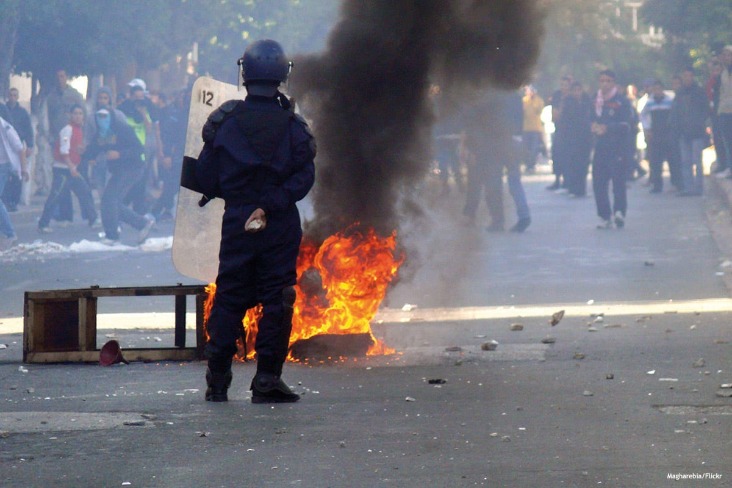
Recent political developments in Algeria have been marked by a surge in protests and civil movements demanding significant reforms and greater democracy. Citizens have expressed frustration over corruption, economic challenges, and the influence of the military in governance. The popular Hirak movement, which began in 2019, continues to play a crucial role in shaping the country’s political landscape, advocating for transparency and the removal of entrenched elites. These protests have often been met with a heavy security presence, yet they demonstrate the enduring desire of Algerians for political change. The government has responded with some constitutional reforms, but many activists feel that genuine progress remains elusive, fueling continued civil discontent.
Presidential Elections and Campaigns
Recent political developments in Algeria have been characterized by a series of significant events shaping the country’s governance and electoral landscape. The presidential elections and ongoing campaigns continue to influence the nation’s political trajectory as efforts to balance reform, stability, and public demands unfold.
- The latest presidential election saw increased participation from multiple political parties, reflecting a tentative move towards broader democratic engagement.
- Many candidates campaigned on platforms emphasizing economic reform, anti-corruption measures, and social stability amidst ongoing economic challenges.
- The electoral process was closely monitored by domestic and international observers to ensure transparency and legitimacy.
- Political campaigns have been marked by increased public debates on national sovereignty, foreign influence, and the need for institutional reforms.
- Recent government initiatives aim to address youth unemployment and promote economic diversification, which are central themes in current political discourse.
- Political parties are strategizing to gain influence ahead of upcoming local and legislative elections.
- The presidential administration continues efforts to implement constitutional reforms initiated earlier to enhance democratic processes.
- Protests and public demonstrations remain a feature of the political landscape, calling for greater transparency and anti-corruption measures.
- Key issues in campaigns include improving healthcare, education reform, and infrastructure development.
- The role of the military and security forces continues to influence political stability and decision-making processes in the country.
Reforms and Policy Changes
Recent political developments in Algeria have been marked by a series of significant reforms aimed at strengthening democratic governance and increasing transparency. The government has undertaken efforts to enhance electoral processes, improve the independence of the judiciary, and decentralize administrative authority to empower local institutions. These changes reflect the country’s commitment to addressing longstanding issues of political centralization and fostering greater public participation in decision-making processes.
In response to widespread protests and demands for reform, authorities have introduced new policies to ensure greater accountability and curb corruption. Key legislative reforms include amendments to electoral laws, the creation of anti-corruption agencies, and the implementation of measures to protect political activists and civil society organizations. Additionally, Algeria has temporarily suspended some controversial laws to foster dialogue among various political factions and civil society representatives.
Policy shifts have also focused on economic reforms aimed at diversifying the economy away from reliance on hydrocarbons. New initiatives promote investment in sectors such as agriculture, tourism, and renewable energy, with a strategic emphasis on sustainable development. These reforms are part of broader efforts to improve economic stability, create jobs, and enhance social welfare, all while maintaining the political stability necessary for ongoing reform processes.
Challenges and Opportunities in Algerian Politics
Algerian politics faces a complex landscape marked by significant challenges and emerging opportunities. As the nation continues to navigate issues such as governance reforms, economic diversification, and social tensions, it also holds potential for political stability and democratic development. Understanding these dynamics is crucial to appreciating the evolving political climate in Algeria and its impact on the region.
Economic and Social Challenges
Algerian politics faces a complex landscape marked by significant challenges and promising opportunities. The country has experienced periods of political unrest and demands for reforms, which highlight the need for greater transparency, democratic governance, and institutional stability. Navigating these issues presents both obstacles and pathways for modernization and development.
Economic and social challenges in Algeria are intertwined with the political environment. The heavy reliance on oil and gas exports makes the economy vulnerable to global market fluctuations, impacting social stability and development efforts. High unemployment rates, especially among youth, socioeconomic disparities, and demands for better public services further complicate the scenario, requiring comprehensive reforms to foster inclusive growth.
- Political Stability and Institutional Reforms: Achieving sustainable political stability through strengthening democratic institutions and promoting citizen participation.
- Economic Diversification: Reducing dependence on fossil fuels by developing sectors such as tourism, agriculture, and manufacturing to ensure resilient economic growth.
- Addressing Unemployment: Implementing policies aimed at creating jobs, especially for young people, to reduce social discontent.
- Social Cohesion: Bridging disparities and ensuring equitable access to education, healthcare, and social services.
- Combating Corruption: Enhancing transparency and accountability within political and economic institutions to foster trust and legitimacy.
Opportunities for Algeria lie in leveraging its strategic geographic position, youthful population, and rich resource base to foster sustainable development. Political reforms, economic innovation, and social inclusion are crucial to capitalize on these opportunities and establish a stable, prosperous future.
Corruption and Governance Issues
Algerian politics faces a complex landscape marked by significant challenges and potential opportunities. Persistent issues such as corruption and governance shortcomings undermine public trust and hinder national development. Corruption remains deeply embedded within various levels of government, affecting economic growth and equitable resource distribution. Additionally, limited transparency and accountability often diminish citizens’ confidence in political institutions. Despite these obstacles, there are opportunities for reform driven by youth engagement, civil society activism, and a growing demand for democratic practices. Efforts to strengthen institutions, enhance legal frameworks, and promote good governance could lead to greater political stability and socio-economic progress in Algeria.
Prospects for Democratic Reform
Algerian politics faces a complex landscape characterized by significant challenges and emerging opportunities. One of the primary challenges is the persistence of authoritarian tendencies and the influence of entrenched elites, which hinder democratic development and limit political pluralism. Additionally, widespread protests and social unrest have revealed deep-seated dissatisfaction with government corruption, economic inequality, and lack of political freedoms. These issues create a fragile political environment that resists rapid change.
Despite these difficulties, there are promising opportunities for democratic reform in Algeria. The recent wave of protests and increased civil society activity demonstrate a growing demand for political participation and transparency. The government has shown some willingness to engage in dialogue, and reforms aimed at decentralizing authority and improving electoral processes are underway. International influence and regional trends toward democratization could further support Algeria’s path toward a more open and participatory political system.
Looking to the future, Algeria’s prospects for democratic reform hinge on the government’s ability to implement meaningful changes that address core issues of governance, economic management, and individual rights. Strengthening institutions, fostering political inclusivity, and ensuring free and fair elections are essential steps toward a more democratic political landscape. With sustained effort and societal engagement, Algeria has the potential to transition toward a more stable and representative democracy.

0 Comments