
Historical and Cultural Context of LGBT in Algeria
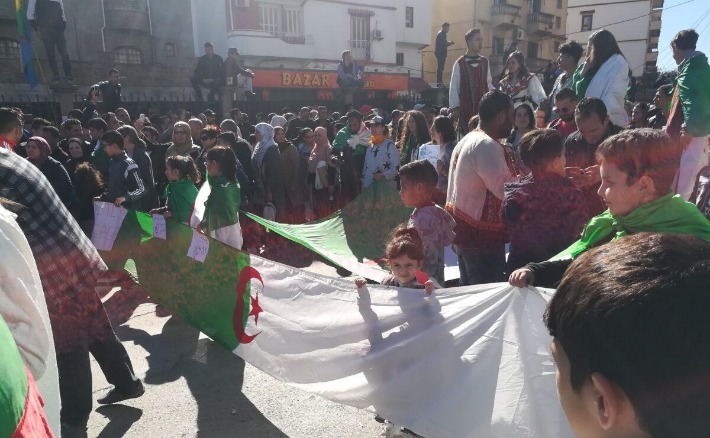
The history and culture of Algeria provide a complex backdrop for understanding the experiences of LGBT individuals within the country. Traditional Islamic values and societal norms have historically shaped attitudes towards sexuality and gender identity, often resulting in social stigmatization and legal challenges for the LGBT community. Despite these obstacles, there are ongoing debates and underground movements seeking greater acceptance and rights, reflecting a nuanced and evolving cultural landscape.
Pre-Colonial Attitudes Toward Gender and Sexuality
Historically, Algeria’s cultural and social attitudes toward gender and sexuality have been influenced by a complex blend of indigenous traditions, Islamic values, and colonial legacies. In pre-colonial times, various Berber and Arab societies exhibited diverse understandings of gender roles and expressions, often allowing for a certain degree of fluidity that contrasted with later stricter interpretations introduced or reinforced by colonial and religious authorities. Understanding this context is essential to grasp the contemporary challenges faced by the LGBT community in Algeria today.
In pre-colonial Algeria, attitudes toward gender and sexuality were largely shaped by local customs and Islamic teachings. While traditional societies often emphasized heteronormative family structures, there are historical records and oral histories indicating that gender roles could be more flexible, with instances of gender-nonconforming individuals or alternative expressions of gender being tolerated or accepted in certain communities. However, these practices were often decentralized and varied significantly across regions.
During the French colonial period, Western influences further complicated local perspectives, introducing stricter legal and social norms based on European standards that generally condemned non-heteronormative behaviors. Post-independence, the influence of Islamic law has intensified, leading to the criminalization and stigmatization of homosexuality and related behaviors. Despite these challenges, traces of pre-colonial gender diversity and acceptance persisted in some cultural expressions, although often marginalized or suppressed by dominant religious and social institutions.
Impact of French Colonial Laws and Legislation
The historical and cultural context of LGBT issues in Algeria is deeply influenced by the country’s colonial past and societal norms. Traditional Algerian society is predominantly conservative, with strong influence from Islamic beliefs that generally oppose homosexuality and non-heteronormative identities. This has historically resulted in social stigma, legal restrictions, and limited visibility for LGBT individuals. During Algeria’s struggle for independence from France, colonial laws regarding morality and sexuality continued to shape the legal landscape, often criminalizing same-sex behaviors.
The impact of French colonial laws on Algeria’s legal framework has been significant. Under French rule, laws criminalizing acts considered immoral or indecent, including same-sex relations, were imposed and often reinforced existing societal taboos. Even after independence in 1962, many of these laws persisted, contributing to the criminalization of LGBT identities. The Penal Code, influenced by colonial legislation, still contains provisions that penalize acts of “indecency” and “sodomy,” leading to arrests, prosecutions, and social marginalization of LGBT individuals. These legal restrictions have hindered progress toward LGBT rights and have perpetuated environments of fear and concealment for those who identify as or are perceived to be part of the LGBT community.
Traditional Perspectives and Societal Norms
The historical and cultural context of LGBT issues in Algeria is deeply influenced by traditional values, religious beliefs, and societal norms that have historically viewed non-heterosexual orientations as taboo. In Algerian society, which is predominantly Muslim, Islamic teachings have historically played a significant role in shaping attitudes toward sexuality, leading to widespread stigmatization and legal restrictions against LGBT individuals. Despite modern influences and some exposure to global human rights discourses, these traditional perspectives have largely persisted, making the social environment challenging for LGBT communities.
Traditional perspectives and societal norms in Algeria generally prioritize family honor, religious conformity, and social cohesion, which often result in the marginalization or invisibility of LGBT individuals. Homosexuality and gender non-conformity are frequently seen as moral or religious transgressions rather than accepted variations of human experience. Consequently, there is considerable social pressure on individuals to conform to heterosexual norms, and open discussion of LGBT issues remains taboo in many circles.
- Legal restrictions criminalize same-sex relationships, with laws that can lead to imprisonment.
- Social stigma fosters fear and silence among LGBT individuals, often forcing them to hide their identities.
- Religious teachings are used to justify the suppression of non-heteronormative behaviors and identities.
- Public attitudes tend to be conservative, viewing LGBT identities as incompatible with traditional Algerian values.
Legal Status of LGBT Individuals in Algeria
The legal status of LGBT individuals in Algeria remains highly restrictive, reflecting the country’s conservative social and religious values. Same-sex relationships are criminalized, and individuals engaging in such activities face severe penalties, including imprisonment. Laws against LGBT identities are strictly enforced, and societal acceptance is minimal, resulting in a challenging environment for those seeking recognition or rights within the country.
Criminalization of Same-Sex Relationships
The legal status of LGBT individuals in Algeria is highly restrictive, with strict laws criminalizing same-sex relationships. Homosexual acts are considered offenses under the Algerian Penal Code, which criminalizes “sodomy” and “public indecency,” often leading to severe penalties including imprisonment. The criminalization of same-sex relationships is rooted in conservative social and religious norms, and enforcement can be harsh, with individuals facing arrest, detention, and social stigmatization. Despite international calls for the decriminalization of homosexuality and greater protections for LGBT rights, Algeria maintains a legal environment that severely limits the rights and freedoms of LGBT persons.
Legal Consequences and Penalties
The legal status of LGBT individuals in Algeria is highly restrictive, with same-sex acts considered criminal offenses under the country’s laws. Homosexuality is criminalized under the Penal Code, which deems acts of “sodomy” and “any other unnatural act” as violations punishable by law. The legal framework reflects societal and cultural attitudes that are largely opposed to LGBT rights, leading to severe penalties for those involved in such activities.
Individuals found engaging in same-sex relations can face criminal charges that carry significant legal consequences. Penalties include hefty fines, imprisonment, and even detention in some cases. The duration of imprisonment can vary, but sentences often range from two years to several years depending on the specifics of the case and the circumstances. Authorities may also impose additional sanctions, such as disciplinary measures or social ostracization, further impacting the lives of LGBT individuals in Algeria.
Recent Legal Reforms or Proposals
The legal status of LGBT individuals in Algeria remains highly restrictive, with consensual same-sex relationships criminalized under the country’s legislation. Homosexual acts are punishable by imprisonment, fines, and even corporal punishment in some cases, reflecting strong societal and religious opposition. Recent years have seen little significant reform toward protecting LGBT rights; instead, the government has maintained its strict stance, often enforcing laws with harsh penalties. There have been few, if any, reforms or proposals aimed at decriminalizing homosexuality or promoting equality, and advocacy for LGBT rights faces significant social and legal barriers. Despite growing awareness and international calls for change, the legal framework continues to categorize LGBT individuals as violators of public morality, reinforcing their vulnerable and marginalized status in Algerian society.
Social Attitudes and Public Perception
Social attitudes and public perception play a crucial role in shaping the experiences of marginalized communities, particularly in countries where cultural norms and legal frameworks vary widely. In the context of Algeria, issues surrounding the LGBTQ+ community are deeply influenced by societal beliefs, religious traditions, and prevailing moral standards. Understanding these perspectives is essential to comprehending the challenges faced by individuals seeking acceptance and rights within this predominantly conservative society.
General Societal Acceptance and Rejection
In Algeria, social attitudes toward the LGBTQ+ community are heavily influenced by traditional cultural values and religious beliefs, leading to widespread societal rejection and stigma. Public perception tends to overlook the rights of LGBTQ+ individuals, often viewing their existence as incompatible with societal norms. This environment results in limited acceptance and a significant risk of discrimination or persecution for those who identify as LGBTQ+.
- Conservative societal norms rooted in Islamic teachings shape negative perceptions about homosexuality and gender non-conformity.
- Public discourse generally condemns LGBTQ+ identities, perceiving them as threats to traditional family structures and moral values.
- Legal frameworks criminalize homosexual acts, reinforcing societal rejection and making any form of public acceptance difficult.
- Instances of societal rejection include social ostracism, harassment, and in some cases, violence against LGBTQ+ individuals.
- Despite this hostile environment, clandestine communities and activists continue to advocate for LGBTQ+ rights, facing significant risks in doing so.
- Overall societal acceptance remains minimal, with most Algerians viewing LGBTQ+ issues as taboo.
- Rejection from families, communities, and the wider society often leads to mental health struggles and social isolation for LGBTQ+ individuals.
- International pressure and human rights organizations advocate for change, but domestic societal attitudes change slowly due to deep-rooted cultural resistance.
Role of Religion and Cultural Beliefs
In Algeria, social attitudes and public perception regarding LGBT individuals are deeply influenced by cultural norms, religious beliefs, and traditional values. These factors often contribute to widespread stigmatization and discrimination against those identifying as LGBT, making it challenging for individuals to openly express their identities. The role of religion, particularly Islam, is significant in shaping societal attitudes, often leading to conservative views that oppose LGBT rights and recognition.
The influence of cultural beliefs further sustains this environment, where heterosexuality is viewed as the norm and deviations are regarded with suspicion or hostility. Public perception is typically shaped by these longstanding beliefs, resulting in a social climate where LGBT individuals frequently face marginalization and even legal risks. Despite the global push towards greater acceptance and human rights, these cultural and religious factors continue to serve as barriers to progress in Algeria.
- Religion, especially Islam, plays a pivotal role in reinforcing conservative attitudes towards LGBT issues, often framing homosexuality as morally unacceptable.
- Cultural values emphasizing traditional family roles and heterosexual marriage contribute to societal resistance to recognizing LGBT rights.
- Public perception is generally negative, with widespread misconceptions and prejudice perpetuating discrimination against LGBT individuals.
- Legal and social restrictions are reinforced by these cultural and religious beliefs, maintaining the status quo and limiting advocacy for LGBT rights.
Influence of Media and Popular Culture
Social attitudes and public perception towards LGBT individuals in Algeria are shaped by a complex interplay of cultural, religious, and legal factors. Traditionally, Algerian society has held conservative views on sexuality and gender roles, which often result in stigmatization and discrimination against LGBT people. These attitudes are reinforced by social norms rooted in Islamic values, making openness about LGBT identity difficult and risky for many individuals. The legal framework in Algeria criminalizes same-sex relations, further suppressing visibility and acceptance within the community.
The influence of media and popular culture plays a significant role in shaping public perceptions. Algerian media often portrays LGBT issues negatively, emphasizing moral and religious objections, which perpetuate stereotypes and discourage acceptance. However, as digital platforms and international media become more accessible, younger generations are increasingly exposed to diverse perspectives from outside Algeria. This exposure can foster dialogue and challenge traditional views, though social and legal pressures often limit open discussions. Popular culture, including music, films, and online communities, can serve as vital platforms for expression and solidarity among LGBT individuals, even in environments where such identities are not publicly acknowledged.
Challenges Faced by LGBT Community in Algeria
The LGBT community in Algeria faces significant challenges rooted in social, legal, and cultural barriers. Deeply ingrained conservative values and strict laws criminalize same-sex relations, leading to widespread discrimination, social exclusion, and the risk of arrest. These obstacles create a hostile environment that hampers efforts toward equality and acceptance, making it difficult for LGBT individuals to live openly and safely in the country.
Privacy Concerns and Social Surveillance
The LGBT community in Algeria faces significant challenges rooted in societal attitudes, legal restrictions, and surveillance efforts. Privacy concerns are paramount, as gender identity and sexual orientation are not openly accepted and can lead to discrimination or persecution. The risk of exposure is high, with many individuals fearing social ostracism, arrest, or violence if their sexuality is discovered. Social surveillance by authorities further amplifies these fears, as online activity, personal communications, and even public behavior can be monitored to identify and target LGBT individuals. Such an environment creates a climate of constant vigilance, discouraging open expression and pushing many members of the community to live in secrecy. The combination of legal barriers and invasive monitoring makes it exceedingly difficult for LGBT individuals to seek support, access resources, or advocate for their rights within Algeria. These ongoing challenges highlight the urgent need for increased awareness, legal reform, and protections for privacy and human rights for the LGBT community in the country.
Risk of Violence, Harassment, and Discrimination
The LGBT community in Algeria faces significant challenges due to widespread social stigma, legal restrictions, and cultural attitudes that condemn non-heteronormative identities. Homosexuality and gender non-conformity are criminalized, often leading to the arrest and imprisonment of individuals suspected of LGBT activities. This legal environment fosters an atmosphere of fear and silence among community members, making it difficult for them to openly express their identities.
Moreover, the community is at constant risk of violence, harassment, and discrimination. Many LGBT individuals experience verbal abuse, social exclusion, and intimidation from family, peers, and society. Discriminatory practices also extend to employment, healthcare, and access to public services, further marginalizing LGBT persons and reducing their opportunities for a safe and fulfilling life. The overall environment in Algeria significantly hampers the community’s ability to organize, advocate for rights, or seek support openly, perpetuating a cycle of invisibility and vulnerability.
Limited Access to Support Systems and Resources
The LGBT community in Algeria faces significant challenges, particularly in accessing support systems and resources. Due to strict societal norms, legal restrictions, and cultural conservatism, many individuals experience difficulties in finding safe spaces for support and affirmation. This lack of accessible resources exacerbates feelings of isolation and vulnerability among LGBT persons.
- Legal Prohibitions: Same-sex relationships are criminalized, leading to fear of arrest, persecution, and imprisonment for openly identifying as LGBT.
- Social Stigma: Strong societal disapproval results in discrimination, harassment, and exclusion from family and community networks.
- Limited Support Services: There are few LGBTQ-friendly organizations or mental health services that provide assistance or counseling without fear of repercussions.
- Fear of Violence: Threats and actual acts of violence against LGBT individuals discourage them from seeking help or coming out publicly.
- Lack of Legal Protections: Absence of anti-discrimination laws leaves LGBT persons vulnerable to unfair treatment in employment, housing, and other areas.
- Information Scarcity: Limited access to reliable information and resources hampers education and awareness about LGBT issues, impeding advocacy efforts.
Activism, Community, and Support Networks
Activism, community, and support networks play vital roles in fostering change and solidarity, especially in contexts where marginalized groups face social challenges. In Algeria, where LGBT rights are still a sensitive issue, these elements become crucial for advocacy and creating safe spaces. By uniting through activism and building strong community networks, individuals can find strength, courage, and hope for a more inclusive future amid ongoing societal pressures.
Underground LGBT Networks and Activities
In Algeria, activism surrounding LGBT rights faces significant challenges due to strict societal norms and legal restrictions. Despite these obstacles, underground LGBT networks and activities have emerged as vital sources of support and community for individuals seeking connection and safety. These networks often operate discreetly to protect members from social stigma and legal repercussions, providing spaces for sharing experiences, organizing events, and advocating for change. Activism within these covert circles helps foster resilience and solidarity among Algerian LGBT individuals, maintaining hope for greater acceptance and legal reforms in the future. Such efforts highlight the importance of community-driven initiatives in environments where open advocacy is limited or forbidden.
Role of International Organizations and Human Rights Groups
Activism, community, and support networks play a crucial role in advocating for LGBT rights in Algeria, where societal norms and legal restrictions pose significant challenges. Local activists often work tirelessly to raise awareness, provide safe spaces, and foster a sense of community among LGBT individuals who face stigma and discrimination. These efforts are essential for empowering individuals and encouraging visibility in a context where homosexuality is criminalized. Support networks, both online and offline, offer critical emotional and legal aid, helping to reduce isolation and facilitate resilience among community members.
International organizations and human rights groups also play a vital role in the struggle for LGBT rights in Algeria. They monitor human rights violations, document abuses, and advocate for policy changes by exerting diplomatic pressure and raising awareness through global platforms. These organizations often provide resources, guidance, and funding to local activists, enabling them to sustain their efforts and expand their reach. Their involvement highlights the importance of global solidarity in challenging oppressive laws and fostering a more inclusive environment for LGBT individuals in Algeria.
Online Platforms and Social Media as Safe Spaces
In Algeria, where LGBTQ+ individuals often face social stigma and legal challenges, online platforms and social media have become vital safe spaces for activism, community building, and support networks. These digital spaces enable members of the LGBTQ+ community to connect securely, share experiences, and access valuable resources without the fear of immediate peril or discrimination. Activists leverage these platforms to raise awareness, advocate for rights, and organize events discreetly, fostering a sense of solidarity despite societal pressures. Community support within these virtual environments offers emotional comfort and practical assistance, helping individuals navigate a complex landscape of acceptance and opposition. Overall, online platforms serve as crucial tools for empowering Algerian LGBTQ+ individuals, strengthening community bonds, and amplifying their voice in environments where physical gathering remains risky or restricted.
International Perspectives and Human Rights Advocacy
International perspectives play a crucial role in shaping the discourse on human rights, especially regarding marginalized communities such as LGBTQ individuals. Advocacy efforts aim to promote equality, protect fundamental freedoms, and challenge discrimination worldwide. In the context of Algeria, where societal and legal challenges persist for the LGBTQ community, understanding global human rights standards and fostering international solidarity are essential steps toward fostering change and promoting dignity for all individuals regardless of their sexual orientation or gender identity.
Global Pressure and Diplomatic Stances
Algeria’s stance on LGBT rights is heavily influenced by international perspectives and human rights advocacy, which have increasingly called for greater acceptance and protection of marginalized groups. Despite growing global consciousness around LGBTQ+ issues, Algeria maintains conservative policies rooted in its cultural and religious values, often resisting pressure to decriminalize homosexuality or recognize related rights. Diplomatic efforts from international nations and organizations frequently pressure Algeria to align its laws with universal human rights standards, highlighting concerns over human dignity and equality. However, the country’s diplomatic stance remains cautious, balancing international expectations with domestic social norms, which results in limited progress and continued challenges for LGBT individuals in Algeria.
Reports by Human Rights Organizations
International perspectives and human rights advocacy play a crucial role in highlighting the ongoing struggles faced by the LGBT community in Algeria. Human rights organizations consistently document violations and advocate for increased recognition and protection of basic rights for all individuals, regardless of their sexual orientation or gender identity.
Reports by organizations such as Human Rights Watch and Amnesty International emphasize the criminalization of same-sex relationships and the societal discrimination that LGBT individuals encounter. These reports often include detailed accounts of arrests, harassment, and lack of access to legal protections, shedding light on the urgent need for policy reforms and societal acceptance.
Key points from recent reports include:
- Algeria’s criminal code criminalizes homosexual acts, leading to arrests and imprisonment of LGBT individuals.
- Societal stigma and cultural norms heavily influence public attitudes, often resulting in violence and discrimination.
- Human rights advocates call for decriminalization and legal recognition of diverse sexual orientations and gender identities.
- International pressure and advocacy aim to support local movements working towards equality and human dignity.
- Documentation efforts seek to raise awareness and encourage reforms at both national and international levels.
Potential for Change and Reform in Algeria
Algeria’s stance on LGBT rights remains largely conservative, with societal norms and legal frameworks often reinforcing discrimination and stigmatization against LGBTQ+ individuals. However, international perspectives increasingly highlight the importance of human rights advocacy as a catalyst for change. Global organizations and foreign governments advocate for greater protections and recognition of LGBTQ+ rights in Algeria, emphasizing that respect for human dignity is a universal standard.
Potential for change and reform in Algeria is rooted in both internal social dynamics and external pressure. Increasing awareness through international human rights campaigns, coupled with the resilience of local activists, creates an environment where incremental reforms could gradually improve the situation for LGBTQ+ people. Nonetheless, progress faces significant hurdles due to entrenched cultural and political resistance, requiring persistent advocacy and diplomatic engagement to foster understanding and promote legal protections for sexual minorities.



0 Comments