
Geographical Overview
Algeria and Mauritania are two nation-states located in the northwestern region of Africa, each with rich geographical landscapes that shape their cultures and economies. Algeria, the largest country on the continent, features vast deserts, towering mountains, and extensive coastlines along the Mediterranean Sea. Mauritania, situated to the southwest of Algeria, is characterized predominantly by the Sahara Desert, with a mix of arid plains and river valleys. Together, their geographical settings influence their climate, biodiversity, and settlement patterns, forming an intriguing area of study within the African continent.
Location and Borders
Algeria and Mauritania are neighboring countries located in the northwestern part of Africa, sharing a significant geographical border. Algeria is situated in the Maghreb region, bordered by the Mediterranean Sea to the north, Tunisia and Libya to the northeast, Niger to the southeast, Mali and Mauritania to the southwest, and Morocco to the west. Mauritania lies to the southwest of Algeria, with its eastern border adjoining Algeria’s western border. It extends southward to the Atlantic Ocean, featuring a diverse landscape that includes desert plains, mountain ranges, and coastal areas. The border between Algeria and Mauritania stretches over approximately 2,457 kilometers (1,526 miles), traversing largely arid and sparsely populated desert regions. This boundary plays a crucial role in regional trade, migration, and security arrangements between the two nations.”
Major Landforms and Topography
Algeria and Mauritania are two countries located in the northwestern part of Africa, each characterized by diverse and distinctive landforms. Algeria features vast deserts, mountain ranges, and coastal plains, shaping its complex topography. The Sahara Desert covers most of Algeria, creating expansive arid landscapes with sand dunes and plateaus. The Tell Atlas mountain range runs parallel to the Mediterranean coast, contributing to varied elevation and fertile valleys. The Saharan region in Algeria also includes the Hoggar Mountains and Tassili n’Ajjer, known for their dramatic sandstone formations and ancient rock art.
Mauritania’s geography is dominated by the vast Sahara Desert, which extends across most of the country, creating an arid and largely uninhabited landscape. The Aoukar Basin and Adrar Plateau are prominent landforms, characterized by rugged highlands, rocky massifs, and expansive sand plains. The Senegal River forms part of Mauritania’s southern boundary, providing a fertile strip of land amidst the otherwise desert terrain. The country’s topography features a mix of deserts, plateaus, and mountain ranges, with the Banc d’Arguin along the Atlantic coast offering a vital ecological and breeding habitat for migratory birds.
Climate and Weather Patterns
Algeria and Mauritania are neighboring countries located in the northwest and southwest regions of Africa, respectively. Algeria features vast expanses of desert, mountain ranges, and fertile plains, while Mauritania is characterized by a predominantly desert landscape known as the Sahara, with some semi-arid regions near its southern borders.
Algeria’s climate varies from Mediterranean along its northern coast to arid and desert-like in its interior and southern regions. The coastal areas experience mild, wet winters and hot, dry summers, whereas the desert interior endures extreme temperatures with very little rainfall. Mauritania’s climate is primarily desert, with scorching summers, mild winters, and very low annual precipitation. Its southern regions, however, transition into semi-arid zones with slightly more rainfall, supporting sparse vegetation.
Both countries are subject to strong weather patterns influenced by the Sahara Desert. Algerian coastal areas enjoy more moderate weather due to the Mediterranean Sea, while the interior and southern deserts face intense heat during summer months, with temperatures often soaring above 40°C (104°F). Rainfall is scarce across much of Mauritania and the Algerian desert interior, leading to arid conditions that shape the agriculture and lifestyle of their populations.
Historical Context
The historical context of Algeria and Mauritania is deeply intertwined with their colonial past, regional conflicts, and cultural exchanges. Both nations have experienced significant shifts influenced by European colonization, struggles for independence, and their strategic locations in North Africa. Understanding their historical development provides valuable insights into their current political, social, and economic landscapes.
Ancient and Pre-Colonial History
Algeria and Mauritania both possess rich historical backgrounds rooted in ancient and pre-colonial times, reflecting diverse cultural influences and significant historical developments. In ancient times, the region that today encompasses Algeria and Mauritania was part of vast Saharan trade networks, with early societies participating in trans-Saharan commerce. The Mauritanian area was inhabited by Berber and later Arab tribes, while Algeria’s territory saw the rise of ancient Berber kingdoms such as Numidia, which interacted with Phoenician, Roman, and later Arab civilizations. These interactions fostered a rich cultural tapestry and facilitated the spread of Islam in the region during the 7th and 8th centuries. The pre-colonial period was marked by the rise of influential Islamic empires, including the Almoravid and Almohad dynasties, which expanded across the western Sahara and North Africa, shaping sociopolitical structures and cultural identities. These societies often thrived through trans-Saharan trade routes, exchanging gold, salt, and other valuable commodities, laying the foundation for the complex history that both nations carry into the modern era.
Colonial Period and Independence Movements
The historical context of Algeria and Mauritania is deeply rooted in the broader narrative of North African colonization and resistance. During the colonial period, both regions experienced European dominance, with France establishing control over Algeria in 1830 and gradually extending influence into Mauritania, which became a French protectorate in the early 20th century. This era was marked by economic exploitation, cultural suppression, and social upheaval as indigenous populations sought to preserve their identity and autonomy. The colonial authorities implemented policies that marginalized local traditions while integrating these territories into the broader French colonial empire.
The fight for independence was fueled by a growing sense of nationalism and desire for self-determination among native inhabitants. In Algeria, a fierce liberation movement emerged, culminating in the Algerian War of Independence (1954-1962), which was characterized by guerrilla warfare, political unrest, and international attention. Mauritania’s path to independence was comparatively less violent but involved significant political activism and negotiations, leading to its independence from France in 1960. Both countries’ independence movements were crucial in redefining their national identities and establishing sovereignty, setting the stage for future political and social development.
Post-Independence Developments
Following their independence, Algeria and Mauritania experienced significant developments that shaped their political and economic landscapes. The post-independence period was marked by efforts to forge national identity, address social challenges, and modernize their economies. Both countries faced internal and external pressures as they transitioned from colonial rule to self-governance.
- In Algeria, independence was achieved in 1962 after a lengthy guerrilla war against French colonial rule. The country’s political landscape was shaped by the struggle for sovereignty, leading to a one-party system under the National Liberation Front (FLN).
- Mauritania gained independence from France in 1960, which was followed by efforts to consolidate national unity among diverse ethnic groups and address economic disparities.
- Both nations focused on land reforms and development projects aimed at improving agriculture and infrastructure to boost economic stability.
- During the 1960s and 1970s, Algeria adopted socialist policies, nationalizing key industries, which significantly impacted its economy and regional influence.
- Mauritania faced internal conflicts and issues related to racial and ethnic divisions, particularly concerning the traditional hierarchies between ruling classes and marginalized communities.
These post-independence efforts laid the foundation for future political and economic trajectories, influencing their respective roles in regional and international affairs.
Political and Administrative Structures
The political and administrative structures of Algeria and Mauritania are key to understanding their governance and development. Both countries, located in North Africa, have distinct systems shaped by their historical, cultural, and socio-political contexts. Examining these structures reveals how each nation manages its political processes, administration, and regional divisions, providing insight into their stability and policymaking processes.
Government Systems and Leadership
Algeria and Mauritania are two countries located in North Africa with distinct political and administrative structures that reflect their historical development and cultural contexts. Algeria operates under a semi-presidential republic system, where authority is divided between the President and the Prime Minister. The Algerian President holds significant executive power, elected by popular vote for a five-year term, and oversees the government along with the Council of Ministers. The legislative branch consists of two chambers: the National People’s Assembly and the Council of the Nation, which participate in lawmaking and national policy oversight. The administrative divisions are organized into provinces (wilayas), each governed by locally appointed officials, facilitating regional governance.
Mauritania, on the other hand, is a presidential republic with a centralized government structure. The President is both the head of state and government, elected directly by the people for a five-year term, with substantial executive powers. The Mauritanian Parliament comprises two chambers: the National Assembly and the Senate, playing roles in legislation and oversight. The country’s administrative organization includes regions (wilayas) and local councils, which are managed by appointed or elected officials to ensure governance at different levels. Leadership in Mauritania has historically been influenced by military and political figures, shaping its governance style and institutional development.
Administrative Divisions and Political Boundaries
Algeria and Mauritania are neighboring countries in North Africa, each with distinct political and administrative structures. Algeria operates as a semi-presidential republic with a centralized administrative framework. Its political divisions include 48 provinces, known as “wilayas,” each headed by a wali appointed by the central government. These wilayas are further subdivided into districts and municipalities, facilitating local governance. The country’s political boundaries are defined by its internationally recognized borders, shaped through historical treaties and colonial history.
Mauritania is a republic characterized by a unitary political system with a concentration of power at the national level. The country is divided into regions called “wilayas,” which are further split into departments or communes. Mauritania has 15 wilayas, each governed by a governor appointed by the central government. Its political boundaries are also based on historically established borders, with some territorial considerations related to tribal and ethnic distributions, as well as regional autonomy movements.
Both countries’ administrative divisions serve to organize governance and resource management efficiently, while their political boundaries are maintained through international agreements, reflecting their historical, cultural, and geographic contexts. Understanding these structures is vital for comprehending their political landscapes and regional interactions.
Economic Landscape
The economic landscape between Algeria and Mauritania is shaped by their diverse natural resources, regional cooperation, and ongoing development initiatives. As neighboring countries in North Africa and West Africa respectively, both nations are working to bolster their economies through strategic investments, trade, and infrastructure projects. Understanding their economic dynamics provides insights into regional stability and future growth opportunities in the area.
Key Industries and Sectors
Algeria and Mauritania are two countries in North Africa with distinct economic landscapes shaped by their natural resources and strategic positions. Both nations rely heavily on specific industries that drive their economic growth, development, and employment opportunities.
Algeria’s economy is primarily centered around its vast hydrocarbon resources, making the oil and natural gas sectors the backbone of its economy. These industries contribute significantly to government revenue and export earnings. Besides hydrocarbons, Algeria has a growing sector in agriculture, manufacturing, and construction, although these are comparatively less developed.
Mauritania’s economy is largely dependent on mineral resources, particularly iron ore, which is a major export product. The country also has ongoing investments in agriculture and fisheries, which are vital for local consumption and employment. In recent years, Mauritania has been exploring sectors like renewable energy and fish processing to diversify its economic base.
- Key industries in Algeria include:
- Oil and natural gas production
- Petrochemical refining
- Agriculture and food processing
- Construction and infrastructure development
- Key industries in Mauritania include:
- Iron ore mining
- Fisheries and fish processing
- Agriculture and livestock
- Emerging sectors like renewable energy and cement production
Trade Relations and Economic Cooperation
Algeria and Mauritania share a strategic geographic location in North-West Africa, which significantly influences their economic landscape and regional trade relations. Both nations are committed to enhancing economic cooperation to foster stability, development, and regional integration. Algeria’s robust oil and gas sector complements Mauritania’s growing mineral and fisheries industries, creating opportunities for mutually beneficial trade exchanges.
Trade relations between Algeria and Mauritania are characterized by a mutual interest in expanding cross-border commerce, infrastructure development, and energy cooperation. Algeria supplies electricity and hydrocarbons to Mauritania, supporting its energy needs, while Mauritania exports minerals and agricultural products to Algeria. These exchanges are bolstered by regional initiatives aimed at improving transportation corridors and integrating economies within the Maghreb and West African regions.
Economic cooperation is further strengthened through joint efforts to attract foreign investment, promote sustainable development, and participate in regional economic communities such as the Arab Maghreb Union and the Economic Community of West African States. Both countries recognize that deepening economic ties can enhance their resilience to external shocks, diversify their economies, and foster shared prosperity.
Challenges and Opportunities
The economic landscape of Algeria and Mauritania presents a combination of emerging opportunities and significant challenges shaped by their unique geographic, natural, and socio-political contexts. Algeria’s economy is heavily reliant on hydrocarbons, particularly oil and natural gas, which account for a substantial portion of its revenue and exports. This dependence makes the country vulnerable to fluctuations in global oil prices, prompting efforts to diversify the economy through sectors such as manufacturing, agriculture, and tourism. Mauritania, on the other hand, has a more diversified resource base that includes minerals like iron ore, gold, and copper, alongside fishing and agriculture. Despite its natural resource wealth, Mauritania faces challenges related to infrastructure development, political stability, and poverty reduction. Both countries recognize the importance of regional integration and economic reforms to unlock their full potential.
Looking forward, opportunities exist for Algeria and Mauritania to leverage renewable energy sources, particularly solar power, given their arid climates. Expanding renewable energy projects could help reduce reliance on fossil fuels and foster sustainable growth. Additionally, investments in infrastructure, education, and technology can spur innovation and improve productivity. Nonetheless, they must address challenges such as political instability, funding constraints, and social inequalities, which can hinder development efforts. Strengthening regional cooperation within the Maghreb and African contexts is crucial for establishing a more resilient and inclusive economic environment for both nations.
Cultural and Social Aspects
The cultural and social aspects of Algeria and Mauritania offer a rich tapestry of traditions, beliefs, and social norms that shape daily life in these neighboring countries. Understanding these elements provides deeper insight into their unique identities and how they influence language, communication, and community interactions. Both nations, deeply rooted in history and diverse ancestral influences, exhibit vibrant cultural practices that reflect their social structures and shared Arab-Berber heritage.
Languages and Ethnic Groups
Algeria and Mauritania are countries rich in cultural diversity, shaped by their history, geography, and interactions with various peoples over centuries. Both nations have distinct traditions and social structures that reflect their unique identities within the broader Arab and African worlds.
In terms of languages, Arabic is the official language in both Algeria and Mauritania and serves as a vital part of cultural identity. Algeria also recognizes Berber languages, such as Tamazight, as national languages, emphasizing the country’s indigenous heritage. Mauritania’s linguistic landscape is primarily Arabic, with significant usage of Pulaar, Soninke, and Wolof among different ethnic groups, highlighting the country’s ethnic diversity.
The ethnic composition of Algeria includes Arabs, Berbers, and smaller communities of Tuareg and others, each contributing to the nation’s multicultural fabric. Mauritania’s population predominantly consists of Moors—of Arab-Berber descent—and various Sub-Saharan ethnic groups like the Wolof, Soninke, and Pulaar. These groups maintain distinct cultural practices, social norms, and traditional forms of expression, which continue to influence daily life and societal interactions in both countries.
Religious Practices and Cultural Traditions
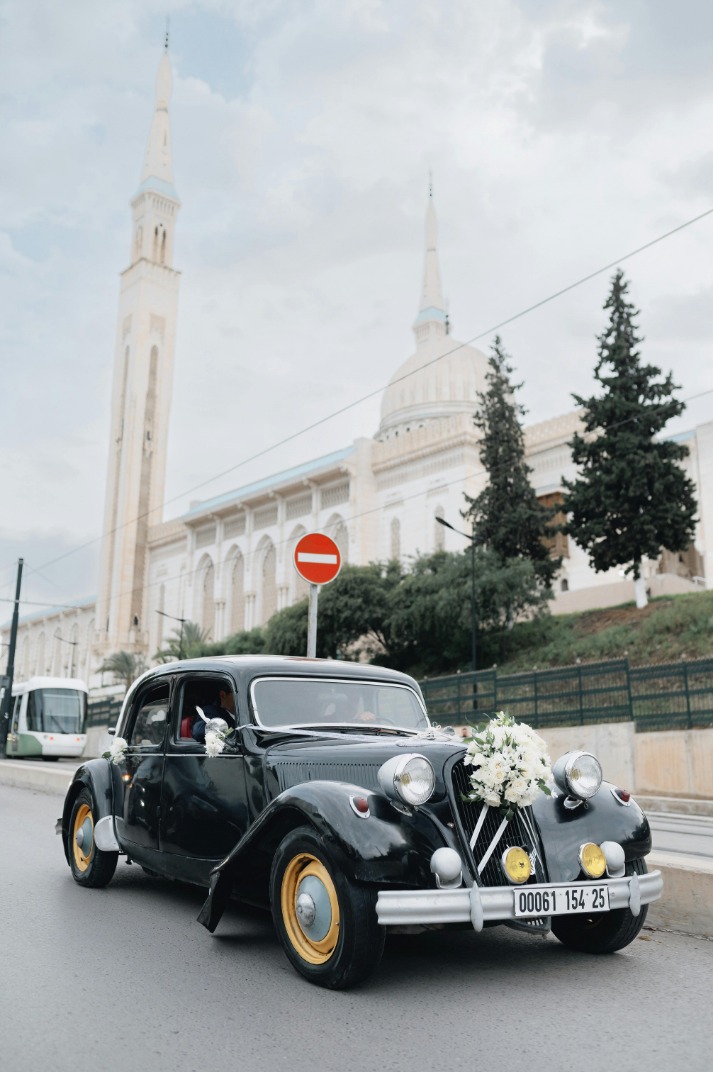
Algeria and Mauritania are countries rich in cultural and social diversity, deeply rooted in their historical and religious traditions. Both nations exhibit vibrant cultural practices that reflect their Bedouin, Berber, Arab, and African influences, shaping their social identities and community life. Music, dance, and storytelling are integral aspects of their cultural heritage, often intertwined with communal celebrations and rites of passage.
Religious practices play a central role in daily life, with Islam being the predominant faith in both countries. Islamic traditions influence various aspects of social conduct, from prayer routines to festivals like Ramadan and Eid celebrations. Religious gatherings and mosques are vital social spaces where community members come together, fostering strong social bonds rooted in faith and shared beliefs.
Cultural traditions in Algeria and Mauritania encompass a variety of customs, including traditional clothing, cuisine, and crafts. For example, intricate textile arts, such as Berber rugs and Arab embroidery, highlight their rich artisan heritage. Family and community play pivotal roles in maintaining cultural continuity, with storytelling and oral histories passing through generations, preserving their unique identities within the broader Islamic context.
Educational and Social Development
The cultural and social aspects of Algeria and Mauritania reflect rich histories and diverse traditions that shape their national identities. Both countries possess vibrant customs, traditional music, and unique art forms that highlight their cultural heritage. Socially, they face common challenges and opportunities related to community cohesion, gender roles, and the integration of modern influences with indigenous practices. Education plays a crucial role in fostering social development, with efforts aimed at increasing literacy rates, improving access to quality schooling, and promoting knowledge that supports economic growth. In both nations, educational initiatives are closely linked to societal progress, helping shape future generations capable of contributing to their countries’ stability and prosperity. These processes underpin ongoing efforts to enhance social cohesion, preserve cultural identities, and advance sustainable development in Algeria and Mauritania.
Diplomatic and International Relations
Diplomatic and international relations play a vital role in shaping the interactions between countries, fostering cooperation, stability, and peace. These relationships are built on diplomatic efforts, treaties, and mutual interests that influence regional and global affairs. Examining the diplomatic ties between Algeria and Mauritania reveals the significance of their cooperation in promoting economic development, security, and cultural exchange in North Africa.
Bilateral Relations
Diplomatic and international relations between Algeria and Mauritania are characterized by strong historical ties, mutual interests, and regional cooperation. As neighboring countries in North Africa, both nations share borders, cultural similarities, and a commitment to regional stability. They collaborate on various issues, including security, trade, and migration, to enhance their bilateral relationship.
Algeria and Mauritania have maintained consistent diplomatic engagement, including the exchange of ambassadors, participation in joint initiatives, and involvement in regional organizations such as the Arab Maghreb Union and the African Union. These platforms facilitate dialogue and cooperation on broader issues affecting the continent.
Economic relations between the two countries focus on trade, infrastructure projects, and resource development. Mauritania benefits from Algerian investments, while Algeria sees opportunities to strengthen economic ties through cross-border trade and joint ventures. Diplomatic efforts also aim to address common challenges such as combating terrorism and ensuring maritime security in the region.
Overall, the bilateral relations between Algeria and Mauritania exemplify a collaborative partnership grounded in shared borders, regional interests, and a mutual desire to promote stability and development within North Africa.
Regional and International Organizations
Algeria and Mauritania, located in the Maghreb and Sahel regions respectively, maintain a strategic diplomatic relationship rooted in shared borders, cultural ties, and mutual interests. Both countries participate actively in regional and international organizations to promote stability, economic development, and security in North Africa and beyond. Algeria is a founding member of the African Union and plays a significant role in its Bougainville Process, aimed at promoting peace and reconciliation across the continent. Mauritania is also a member of the African Union and is part of the Arab League, collaborating on issues such as counter-terrorism, migration, and economic integration.
The bilateral relations between Algeria and Mauritania are characterized by cooperation in areas such as border security, trade, and diplomatic support within regional platforms. These interactions are strengthened through diplomatic missions, joint initiatives, and participation in multilateral forums. Both nations recognize the importance of regional organizations like the Arab Maghreb Union, which aims to facilitate economic and political integration among North African countries, although challenges continue to hinder full implementation.
International relations between Algeria and Mauritania are also influenced by broader geopolitical factors, including their roles within the African Union, the Arab League, and the United Nations. They often collaborate on peacekeeping missions and development projects aimed at tackling issues like desertification, poverty, and insecurity. Through their engagement in regional and international institutions, both countries seek to enhance stability and prosperity in their immediate neighborhood and contribute to wider global efforts for peace and sustainable development.
Recent Diplomatic Initiatives
Recent diplomatic initiatives between Algeria and Mauritania have focused on strengthening bilateral relations through heightened cooperation and regional stability efforts. Both countries have engaged in high-level talks to enhance trade, border security, and cultural exchange, emphasizing mutual interests in combating terrorism and fostering economic development. Initiatives include joint infrastructure projects, such as cross-border transportation networks, and coordinated efforts within regional organizations like the Arab Maghreb Union to promote integration and peace. These diplomatic endeavors aim to deepen diplomatic ties, address shared challenges, and contribute positively to the stability and prosperity of the Maghreb region. Such efforts highlight a mutual commitment to fostering a partnership grounded in collaboration and regional solidarity.
Natural Resources and Environmental Issues
Algeria and Mauritania are two North African countries rich in natural resources, yet facing significant environmental challenges. Their landscapes include vast deserts, fertile plains, and abundant mineral deposits, all of which play a crucial role in their economies. However, rapid development, desertification, and water scarcity are pressing issues that threaten their natural ecosystems and sustainable growth. Understanding the balance between resource utilization and environmental preservation is essential for the future of both nations.
Natural Resource Reserves
Algeria and Mauritania are two countries in North-West Africa with rich natural resources and diverse environments. Algeria is known for its vast oil and natural gas reserves, making it one of the leading oil producers in Africa. These resources significantly contribute to the country’s economy, but they also raise concerns about sustainable management and environmental impacts. Mauritania, on the other hand, has substantial mineral resources including iron ore, gold, and copper, which are vital for its economic development. However, both countries face environmental challenges such as desertification, water scarcity, and the need for conservation of their natural habitats. Protecting their natural resource reserves is crucial to ensure long-term sustainability and environmental health, particularly given the impacts of climate change and overexploitation. They are working toward balancing resource extraction with environmental preservation to promote economic growth while safeguarding their unique ecosystems.
Environmental Challenges and Conservation Efforts
Algeria and Mauritania face significant environmental challenges stemming from their vast deserts, limited water resources, and increasing human activity. Both nations are heavily reliant on their natural resources, which are under threat due to climate change, desertification, and improper land management. Efforts to conserve these vital resources are crucial to ensure sustainable development and environmental stability in the region.
- Desertification is a major concern, affecting agricultural productivity and leading to the loss of arable land. Initiatives such as reforestation projects and the promotion of sustainable grazing practices are being implemented to combat this issue.
- Water scarcity is another pressing problem, especially in Mauritania where rainfall is sparse. Desalination and improved water management systems are key strategies to address this challenge.
- Both countries are involved in conservation projects aimed at protecting their unique biodiversity, including efforts to preserve the Sahara’s fragile ecosystems and prevent the extinction of native species.
- Renewable energy development, notably solar power, is promoted to reduce dependence on fossil fuels and lower environmental pollution.
- Regional cooperation between Algeria and Mauritania is essential for managing cross-border natural resources and sharing environmental best practices.
In conclusion, Algeria and Mauritania are actively working to address their environmental issues through various conservation efforts, sustainable resource management, and regional collaboration. These actions are vital to ensuring a healthier environment and a sustainable future for their populations and ecosystems.

0 Comments