
Geography of Kenya
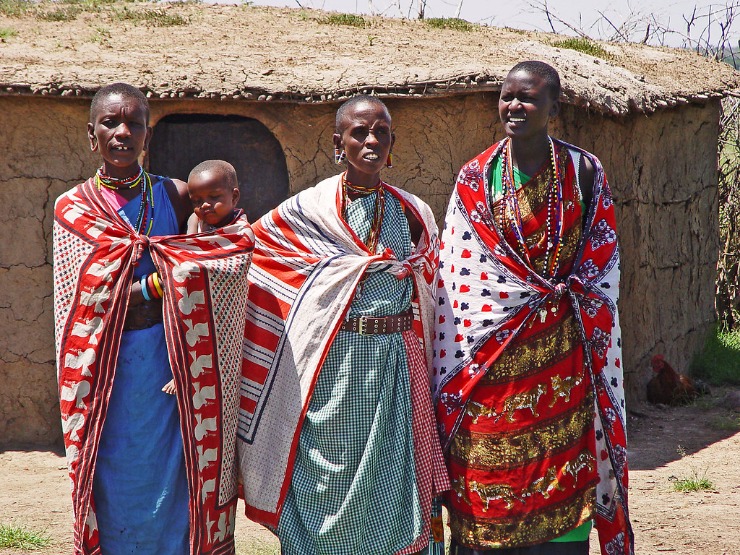
Kenya is a country located in East Africa, known for its diverse and scenic landscapes. It features vast savannahs, mountain highlands, lakes, and coastal regions along the Indian Ocean. The geography of Kenya plays a significant role in its rich wildlife and vibrant cultures, making it a fascinating destination for nature lovers and explorers alike.
Location and Borders
Kenya is a country located in East Africa, known for its diverse landscapes and rich cultural heritage. It is situated along the equator and borders the Indian Ocean to the southeast. Kenya shares land borders with five countries: Ethiopia to the north, Somalia to the east, Tanzania to the south, Uganda to the west, and South Sudan to the northwest. The country’s strategic location gives it a unique position as a gateway between Africa and the Middle East. Kenya’s varied geography includes savannahs, mountains, lakes, and coastal regions, making it a prominent destination for wildlife safaris and tourism.
Major Landforms
Kenya is a country located in East Africa, known for its diverse and stunning landforms. The geography of Kenya features a variety of major landforms including mountains, savannahs, lakes, and rift valleys. The Great Rift Valley runs through the country from north to south, creating a series of dramatic landscapes and lakes such as Lake Naivasha and Lake Bogoria. Kenya’s highest point is Mount Kenya, which is the second highest peak in Africa, standing at 5,199 meters (17,057 feet). The country also has vast plains and open savannahs that support extensive wildlife and are home to famous national parks like Maasai Mara. The coastal region along the Indian Ocean features sandy beaches and coral reefs, adding to the country’s geographical diversity.
Climate Zones
Kenya is a country located in East Africa, known for its diverse geography and rich landscapes. It features a variety of physical features including mountains, plains, and coastlines. The Great Rift Valley runs through the country, creating a unique landscape and fertile lands. Kenya’s terrain includes highlands in central and central-western regions, low-lying coastal areas, and deserts in the northern part.
The climate zones in Kenya vary significantly due to its diverse geography. The coastal region experiences a humid tropical climate with warm temperatures and high humidity throughout the year. The central highlands have a temperate climate with cooler temperatures, especially at higher elevations. The arid and semi-arid regions in the north and northeastern parts of the country have hot temperatures with low rainfall. Additionally, the mountain areas, such as Mount Kenya, have alpine conditions with colder temperatures and snowfall at higher altitudes. These varied climate zones support a wide range of flora and fauna, making Kenya a unique and vibrant country in terms of natural environment.
Population and Demographics
Kenya is a country known for its diverse population and rich demographic landscape. With a mix of different ethnic groups, age distributions, and migration patterns, the population of Kenya reflects a vibrant and dynamic society. Understanding the demographics of Kenya provides valuable insights into its social structure, economic development, and cultural heritage.
Population Size and Growth
Kenya’s population and demographics play a significant role in shaping the country’s social and economic landscape. With a diverse population comprising various ethnic groups, languages, and cultures, Kenya embodies a rich tapestry of human diversity. The population size of Kenya is approximately 54 million people, making it one of the most populous countries in East Africa. The population has been experiencing rapid growth due to high birth rates and improvements in healthcare, resulting in an annual growth rate of around 2.3%. This steady increase in population size presents both opportunities and challenges, including the need for expanded infrastructure, education, and healthcare services to meet the demands of its expanding communities. As the population continues to grow, Kenya’s demographics are becoming increasingly youthful, with a majority of its citizens under the age of 25, which has significant implications for the country’s future development and economic prospects.
Ethnic Groups
Kenya is a nation known for its diverse population and vibrant multicultural society. The country has a population of over 54 million people, making it one of the most populous in Africa. Kenya’s demographics are characterized by a young population, with a significant percentage under the age of 25. This youthful demographic contributes to the country’s dynamic social and economic activities.
Kenya is home to numerous ethnic groups, each with unique languages, cultures, and traditions. The major ethnic communities include the Kikuyu, Luo, Luhya, Kalenjin, Maasai, Turkana, and Kamba, among others. These groups coexist peacefully, fostering a rich cultural mosaic that is visible in the nation’s music, dance, cuisine, and festivals. Swahili and English are the official languages, facilitating communication across different ethnic groups. The diverse population and ethnic composition are essential components of Kenya’s national identity and societal development.
Languages Spoken
Kenya is a diverse country with a rich tapestry of population and demographics. It has a population that exceeds 50 million people, comprising numerous ethnic groups, each with unique cultural identities. The country experiences a youthful demographic, with a significant percentage of its population under the age of 25. Urbanization is steadily increasing, particularly in cities like Nairobi and Mombasa, which are bustling economic hubs. Kenya’s demographic landscape reflects a blend of traditions and modern influences, making it a vibrant society.
Languages spoken in Kenya are equally diverse. The official languages are English and Swahili, both of which are used in government, education, and media. In addition to these, there are over 60 indigenous languages spoken across different regions, including Kikuyu, Luo, Luhya, Kalenjin, Maasai, and others. Many Kenyans are bilingual or multilingual, often speaking their local language alongside Swahili and English, which facilitates communication across the country’s varied ethnic groups.
Economy of Kenya
The economy of Kenya is a diverse and rapidly growing sector that plays a vital role in the country’s development. With agriculture, manufacturing, services, and tourism as key industries, Kenya has established itself as an important economic hub in East Africa. The nation leverages its natural resources, strategic location, and a young, dynamic population to foster economic progress and attract international investments.
Major Industries
Kenya’s economy is one of the most dynamic in East Africa, driven by diverse industries and natural resources. It has experienced steady growth over the years, contributing significantly to the region’s development and stability.
- Agriculture: The backbone of Kenya’s economy, involving crops like tea, coffee, maize, and sugarcane.
- Tourism: Known for its national parks and wildlife reserves such as Maasai Mara and Amboseli, attracting tourists worldwide.
- Manufacturing: Includes processing agricultural products, textiles, and concrete production.
- Financial services: Nairobi is a financial hub with a thriving banking and mobile money industry like M-Pesa.
- Mining: The country has deposits of soda ash, fluorspar, and diatomite, among other minerals.
These industries collectively contribute to Kenya’s economic resilience and ongoing development as a key player in the region.
Agricultural Products
Kenya’s economy is primarily driven by agriculture, which employs a large portion of the population and contributes significantly to the country’s GDP. The main agricultural products include tea, coffee, maize, sugarcane, and horticultural products such as flowers and vegetables. Coffee and tea are major export commodities, earning vital foreign exchange for Kenya. Additionally, livestock farming plays an essential role, providing meat, milk, and other animal products. The country’s diverse climate and fertile lands support the cultivation of a variety of crops, making agriculture a cornerstone of Kenya’s economic growth and development.
Key Export Commodities
Kenya’s economy is one of the leading economies in East Africa, characterized by a diverse range of industries including agriculture, manufacturing, and services. The country has experienced steady growth over the years, driven by urbanization, technological advancements, and a strategic location.
Key export commodities of Kenya include tea and coffee, which are among the most significant earners from international markets. Other major exports include horticultural products such as flowers and vegetables, as well as minerals like soda ash. The tourism sector also plays a vital role in generating foreign exchange, making Kenya a popular destination for safaris and nature tourism.
Culture and Heritage
Kenya is a country rich in culture and heritage, reflecting a diverse blend of traditions, languages, and history. Its vibrant communities and historical sites offer a unique glimpse into the nation’s past and present. Exploring Kenya’s cultural heritage reveals the importance of preserving customs and stories that define its identity in the modern world.
Traditional Music and Dance
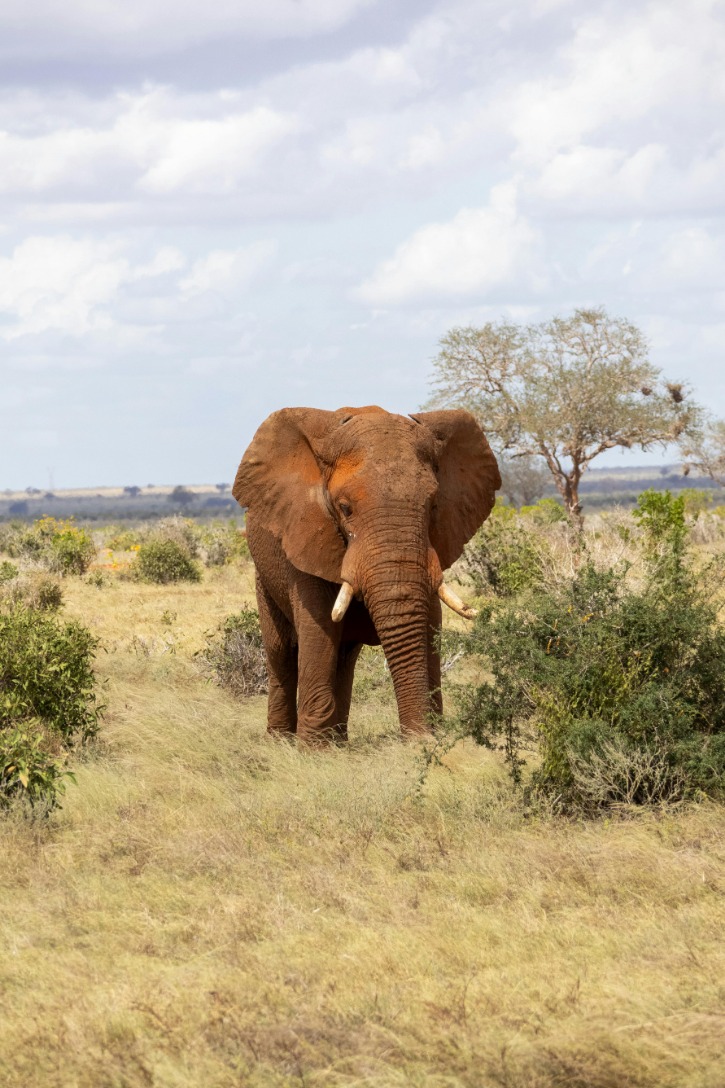
Kenya boasts a rich cultural heritage that is deeply rooted in its diverse communities and traditions. This vibrant tapestry is reflected in its traditional music and dance, which play a vital role in social gatherings, ceremonies, and celebrations. Different ethnic groups, such as the Maasai, Kikuyu, Luo, and Kalenjin, each have unique musical styles and dances that showcase their history, values, and stories. Instruments like drums, flutes, and stringed instruments are commonly used to produce lively rhythms that animate communal events. These artistic expressions not only preserve the heritage of Kenya but also foster unity and pride among its people, making traditional music and dance essential elements of the country’s cultural identity.
Festivals and Celebrations
Kenya is a country rich in culture and heritage, reflecting the diverse traditions of its numerous ethnic groups. The nation celebrates its vibrant history through colorful festivals and lively celebrations that showcase music, dance, and traditional customs. Events such as the Maasai Mara festival and Lamu Cultural Festival highlight the unique identities of local communities. These festivities not only serve as a means of preserving cultural practices but also promote unity and understanding among the people. Kenya’s heritage is also preserved through ancient sites, traditional crafts, and oral storytelling, which continue to be an integral part of its national identity.
Historical Sites
Kenya is a country rich in culture and heritage, reflecting a diverse blend of ethnic groups and traditions. Its historical sites offer a glimpse into its vibrant past, showcasing ancient civilizations and colonial influences. From the awe-inspiring Maasai Mara reserve to the archaeological site of Lamu Old Town, Kenya’s cultural landmarks highlight the nation’s deep-rooted history. These sites not only attract tourists but also serve as important symbols of Kenya’s identity and enduring legacy.
Wildlife and National Parks
Kenya is renowned for its stunning wildlife and expansive national parks, making it a top destination for nature enthusiasts. The country’s diverse landscapes, from savannahs to forests, provide a pristine habitat for a wide variety of animals. National parks such as Maasai Mara, Amboseli, and Tsavo are vital for conservation and offer unforgettable safaris that showcase Kenya’s rich natural heritage and commitment to preserving its unique ecosystems.
Famous National Parks
Kenya is renowned for its diverse wildlife and stunning national parks, making it a premier destination for nature enthusiasts and safari lovers. The country boasts a rich variety of flora and fauna, protected within expansive reserves that ensure the conservation of its natural heritage. Kenyan national parks are renowned for their breathtaking landscapes and abundant wildlife, including the famous “Big Five” animals: elephants, lions, leopards, buffaloes, and rhinoceroses.
- Maasai Mara National Reserve: Perhaps the most famous park in Kenya, known for its incredible wildlife migrations, especially the annual wildebeest migration.
- Amboseli National Park: Famous for its large herds of elephants and views of Mount Kilimanjaro.
- Samburu National Reserve: Known for unique wildlife species like the Grevy’s zebra, Somali ostrich, and Reticulated giraffe.
- Sagana Bay National Reserve: A lesser-known but beautiful reserve with rich birdlife and wildlife viewing options.
- Tsavo National Parks: Divided into Tsavo East and Tsavo West, these parks are among the largest and are home to diverse ecosystems and wildlife.
Endangered Species
Kenya is renowned for its rich wildlife and extensive national parks, making it a top destination for nature lovers and wildlife enthusiasts. The country is home to diverse ecosystems that host a variety of animals, including elephants, lions, giraffes, and rhinoceroses.
Kenya’s national parks, such as Maasai Mara, Amboseli, and Tsavo, provide sanctuary to many endangered species. Efforts to conserve these animals are crucial, as some species like the black rhinoceros and the African wild dog face threats from poaching and habitat loss.
Endangered species in Kenya require ongoing protection through anti-poaching initiatives, habitat preservation, and community engagement. Conservation organizations and the government work together to ensure that these unique animals continue to thrive in their natural habitats for generations to come.
Conservation Efforts
Kenya is renowned for its rich biodiversity and vast wildlife reserves that attract tourists from around the world. The country’s national parks and conservancies play a vital role in protecting endangered species and maintaining ecological balance. Conservation efforts in Kenya have been successful in preserving iconic animals such as elephants, lions, rhinoceroses, and cheetahs, ensuring they thrive for future generations.
- The Maasai Mara National Reserve is famous for the annual wildebeest migration, a spectacular natural event that supports numerous predators and herbivores.
- Kenya established several national parks, including Amboseli, Tsavo, and Samburu, to safeguard its diverse ecosystems.
- Community conservation programs actively involve local communities in wildlife management, promoting sustainable tourism and reducing human-wildlife conflict.
- Conservation organizations like the Kenya Wildlife Service work tirelessly to combat poaching and illegal wildlife trade.
- Efforts to restore degraded habitats and establish corridors help maintain genetic diversity and allow animals to migrate safely across regions.
Education and Technology
Education and technology are transforming the way learners access knowledge in Kenya. With advancements in digital tools and internet connectivity, students now have greater opportunities for interactive learning and skill development. These innovations are playing a vital role in expanding educational access and improving the quality of education across the country. Exploring Kenya’s educational landscape reveals how technology is shaping a brighter future for its youth.
Educational System
Kenya’s education system has made significant progress over recent years, integrating advanced technology to enhance learning experiences. Technology plays a crucial role in providing access to quality education, especially in remote areas where traditional infrastructure may be limited. The government has invested in digital classrooms, online learning platforms, and mobile education tools to bridge educational gaps. Kenya’s emphasis on education and technology aims to equip students with essential skills for the modern world, fostering innovation and economic growth. This combination of traditional and digital approaches continues to shape a resilient and inclusive educational system in the country.
Technological Innovations
Kenya has experienced significant advancements in education through the integration of technology, transforming traditional learning environments into modern, digital classrooms. Innovative technological solutions such as e-learning platforms, mobile apps, and digital libraries have increased access to quality education, especially in remote areas. Kenya’s focus on technological innovations has led to the development of affordable devices and internet connectivity initiatives, enabling students and teachers to engage with global resources and collaborate effectively. These advancements have not only improved literacy and numeracy skills but also fostered critical thinking, creativity, and entrepreneurship among Kenyan youth, paving the way for sustained national development.
Government and Politics
Government and politics play a crucial role in shaping the development and stability of a nation. In Kenya, the political landscape is dynamic and reflects the diverse culture and history of the country. Understanding the government structure and political processes provides valuable insights into Kenya’s journey towards democracy and progress.
Political Structure
Kenya’s government operates as a unitary presidential system, where the President is both the head of state and government. The political structure is divided into three main branches: the Executive, the Legislature, and the Judiciary. The President is elected through a popular vote and serves a five-year term, with the possibility of re-election. The Parliament consists of the National Assembly and the Senate, responsible for making laws, representing the people, and overseeing the executive. Kenya’s political landscape is characterized by a multi-party system, which encourages diverse representation and democratic competition. The judiciary is independent and tasked with upholding the rule of law, ensuring justice and constitutional adherence. Overall, Kenya’s political framework aims to foster democratic governance, promote stability, and support development across the nation.
Major Political Parties
Kenya has a vibrant political landscape characterized by multiple major political parties that play a crucial role in its governance and elections. These parties often represent diverse ethnic, regional, and ideological interests, reflecting the country’s complex social fabric.
- Jubilee Party: Founded in 2016, it is one of Kenya’s leading political parties, with a focus on economic development and national unity.
- Orange Democratic Movement: Established in 2005, this party advocates for social justice, devolution, and democratic reforms.
- Kenya African National Union: One of the oldest parties, it has historically played a significant role in Kenya’s independence movement.
Kenya’s political environment is also characterized by alliances and coalitions, which are essential for gaining majority power in Parliament and in presidential elections. Understanding these parties provides insight into Kenya’s democratic processes and its ongoing political development.
Recent Elections
Kenya’s recent elections have garnered significant attention both locally and internationally, highlighting the democratic process in East Africa’s largest economy. The electoral process involved the selection of key national leaders, including the president, members of parliament, and local government officials. Voters faced a tense but largely peaceful environment, with electoral commissions implementing measures to ensure transparent and credible results. Kenya’s political landscape continues to evolve as new leaders emerge, reflecting the diverse interests and aspirations of its population. These elections are a crucial step in strengthening governance, promoting political stability, and fostering development across the country.
Tourism in Kenya
Kenya is renowned for its diverse landscapes, rich wildlife, and vibrant culture, making it a popular destination for tourists from around the world. From the iconic Maasai Mara reserve to the stunning beaches of the Indian Ocean, the country offers a unique blend of adventure and relaxation. Tourism plays a vital role in Kenya’s economy, attracting visitors eager to experience its natural beauty and vibrant traditions.
Popular Tourist Attractions
Kenya is a renowned travel destination known for its stunning landscapes, diverse wildlife, and vibrant cultures. Visitors come from around the world to experience its unique natural beauty and adventurous activities.
Popular tourist attractions in Kenya include the Maasai Mara National Reserve, famous for the Great Migration of wildebeest and zebras. Amboseli National Park offers breathtaking views of Mount Kilimanjaro and abundant elephants. Lake Naivasha is a beautiful freshwater lake teeming with birdlife and boat tours. Tsavo National Park is one of the largest game reserves in Africa, home to a wide variety of wildlife including lions, elephants, and giraffes. The coastal city of Mombasa features historic sites, pristine beaches, and vibrant markets, making it a must-visit for those seeking both relaxation and cultural experiences.
Travel Tips and Safety
Kenya is renowned for its diverse landscapes, rich wildlife, and vibrant culture, making it a popular destination for travelers worldwide. Visitors can explore iconic national parks like Maasai Mara, Amboseli, and Tsavo, where they can witness the Great Migration and encounter the “Big Five.” To ensure a smooth and enjoyable trip, it’s important to follow essential travel tips and prioritize safety during your visit.
When traveling in Kenya, always stay hydrated, respect local customs, and use reputable tour operators for safaris and excursions. It is advisable to carry photocopies of your travel documents and avoid displaying valuable items in public. In urban areas, use registered taxis or ride-hailing services, and be cautious at night. Prioritize health precautions such as vaccinations and insect repellent to prevent illnesses like malaria. By staying informed and alert, travelers can enjoy the beauty of Kenya safely and comfortably.
Kenya’s Challenges and Opportunities
Kenya, a vibrant and diverse country in East Africa, faces numerous challenges such as economic inequality, political stability, and infrastructure development. However, it also possesses significant opportunities stemming from its rich natural resources, growing technology sectors, and a youthful population eager for progress. Understanding these dynamics is essential to grasp the complex landscape of Kenya’s journey towards sustainable growth and development.
Environmental Issues
Kenya faces several challenges and opportunities related to environmental issues. Rapid population growth and urbanization have put pressure on natural resources, leading to habitat loss and deforestation. Climate change has exacerbated droughts and flooding, affecting agriculture and water availability. Despite these challenges, Kenya has opportunities to harness renewable energy sources like geothermal, wind, and solar power to reduce reliance on fossil fuels. Conservation efforts and sustainable practices can protect biodiversity and promote eco-tourism, contributing to economic growth. Addressing environmental issues is crucial for Kenya’s long-term development and the well-being of its citizens.
Economic Development Opportunities
Kenya, a vibrant country in East Africa, faces several challenges and opportunities that shape its economic development. Despite its rich natural resources and diverse culture, issues such as political instability, corruption, and inequality hinder progress. Environmental concerns like droughts and land degradation also impact agriculture, a key sector of the economy. However, Kenya’s growing technology sector, especially in mobile communications and fintech, presents significant opportunities for innovation and economic growth. The country’s strategic location as a hub for trade and tourism further enhances its potential for development. Investment in infrastructure, education, and good governance can unlock Kenya’s full economic potential and improve the quality of life for its citizens.



0 Comments