

Historical Significance of Egypt’s Landmarks
Egypt’s landmarks are enduring symbols of its rich historical legacy and cultural heritage. These iconic sites, from the majestic pyramids to ancient temples, offer a glimpse into the civilization that once flourished along the Nile River. Their historical significance lies not only in their architectural grandeur but also in the stories they tell about Egypt’s fascinating past, making Egypt pictures a treasure trove for history enthusiasts and travelers alike.
Ancient Egyptian Pyramids
Egypt’s landmarks, especially the ancient Egyptian pyramids, hold immense historical significance as they represent the ingenuity, religious beliefs, and social organization of one of the world’s earliest civilizations. The pyramids, including the Great Pyramid of Giza, serve as enduring symbols of ancient Egypt’s architectural prowess and cultural achievements. They were constructed as tombs for pharaohs, reflecting the Egyptians’ beliefs in the afterlife and the divine status of their rulers. These structures also provide valuable insights into the technological advancements and craftsmanship of the ancient Egyptians, showcasing their ability to mobilize and organize large-scale labor forces. Today, the pyramids continue to be a testament to Egypt’s rich history and remain an essential part of world heritage, attracting millions of visitors and scholars eager to explore the mysteries of this ancient civilization.
The Sphinx of Giza
The Sphinx of Giza is one of the most iconic symbols of ancient Egypt and holds great historical significance. Carved from limestone, it represents a mythical creature with the body of a lion and the head of a pharaoh, symbolizing strength and wisdom. Its construction is believed to date back to around 2500 BC during the reign of Pharaoh Khafre. The Sphinx not only served as a guardian of the nearby pyramids but also embodied the divine power of the Egyptian rulers. Its enduring mystery and impressive craftsmanship make it a key attraction for those exploring Egypt pictures, offering a glimpse into the grandeur of ancient Egyptian civilization.
Luxor’s Karnak Temple Complex
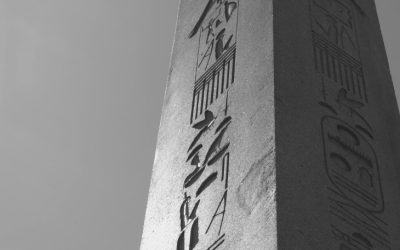
The Luxor’s Karnak Temple Complex holds immense historical significance as one of the largest and most elaborate religious sites in ancient Egypt. It served as a central place of worship dedicated to Amun, his consort Mut, and their son Khonsu, reflecting the religious beliefs and political power of Thebes during the New Kingdom. The complex showcases remarkable architectural achievements, including massive pylons, obelisks, and intricate hieroglyphic carvings that provide valuable insights into Egypt’s art, culture, and religious practices. As a symbol of Egypt’s spiritual and political grandeur, Karnak remains a vital piece of the country’s heritage, illustrating the sophistication and divine authority attributed to pharaohs. Its extensive history and breathtaking monuments make it a key subject in Egypt pictures, attracting historians, archaeologists, and tourists eager to explore Egypt’s ancient civilization.
The Valley of the Kings
The Valley of the Kings holds immense historical significance as one of Egypt’s most renowned archaeological sites. This area served as the burial ground for pharaohs and powerful nobles of the New Kingdom period, reflecting Egypt’s rich cultural and religious beliefs centered around the afterlife. The elaborate tombs and their intricate wall paintings provide invaluable insights into ancient Egyptian civilization, their beliefs, customs, and artistic achievements.
- It is the resting place of some of Egypt’s most famous pharaohs, including Tutankhamun, whose tomb discovery revolutionized Egyptology.
- The tombs feature elaborate carvings and paintings that depict religious texts, gods, and the journey to the afterlife, illustrating ancient Egyptian spirituality.
- The site underscores the importance of royal tomb construction and the development of funerary practices over centuries.
- Artifacts and hieroglyphs found within the tombs have contributed significantly to understanding Egypt’s political history and cultural evolution.
- The Valley of the Kings remains a symbol of Egypt’s ancient imperial power and religious beliefs, making it a major attraction for Egypt pictures and historical studies.
Natural Landscapes and Scenery
Egypt’s natural landscapes and scenery showcase a striking blend of desert vistas, lush riverbanks, and awe-inspiring geological formations. From the vast sands of the Sahara to the tranquil waters of the Nile, the country’s diverse terrain offers a captivating array of picturesque scenes. These landscapes not only define Egypt’s natural beauty but also complement its rich historical heritage, providing a stunning backdrop for memorable photographs.
Nil River and its Surroundings
The Nil River, also known as the Nile, is one of the most iconic natural landscapes in Egypt, renowned for its breathtaking scenery and historical significance. Flowing majestically through the heart of Egypt, the Nile’s surrounding landscapes feature lush green banks, fertile delta regions, and picturesque vistas that have inspired artists and travelers for centuries. The river’s banks are dotted with ancient temples, bustling markets, and traditional villages, creating a vibrant contrast against the tranquil waters. The scenery along the Nile offers a glimpse into Egypt’s rich cultural heritage and natural beauty, making it a must-see destination for visitors exploring Egyptian pictures and landscapes.
Desert Landscapes: Sahara and Western Desert
Egypt’s diverse scenery showcases an incredible range of natural landscapes, with the deserts being some of the most iconic features. Among these, the Sahara and Western Desert stand out for their vastness and striking beauty, offering breathtaking views and unique geological formations. The Sahara Desert, the world’s largest hot desert, stretches across northern Africa and is characterized by endless sand dunes, rugged mountains, and scattered oases that provide vital water sources. Its golden dunes create mesmerizing patterns that shift with the wind, forming a surreal landscape that has fascinated travelers and photographers alike.
The Western Desert, part of the greater Sahara, extends into Egypt and is renowned for its rugged terrain, ancient tombs, and archaeological sites. Its expansive emptiness is punctuated by towering rocky plates, deep valleys, and salt lakes, giving it an otherworldly appearance. These desert landscapes are not only scenic but also hold historical significance, as they contain remnants of Egypt’s ancient civilization intertwined with natural beauty. Capturing images of these desert regions reveals a stark, majestic beauty that epitomizes Egypt’s natural scenery and enduring wilderness.
Oases and Green Terrains
Egypt’s landscapes are a blend of awe-inspiring natural scenery, from vast deserts and dramatic mountain ranges to lush oases that offer a stark contrast to the surrounding arid regions. The country’s oases, such as Siwa and Bahariya, serve as green sanctuaries amid the endless sands, providing vital water sources and lush vegetation that support unique ecosystems. These green terrains create picturesque scenes that capture the eye and offer a glimpse into the region’s hidden pockets of life. The natural scenery in Egypt also includes the majestic Nile River, whose riverbanks are lined with verdant fields and orchards, transforming the landscape into a flourishing green corridor amid desert surroundings. Overall, these landscapes, with their contrasting elements of stark dryness and vibrant greenery, contribute to the stunning visual tapestry that makes Egypt a fascinating destination for nature lovers and photographers alike.
Modern Egypt: Urban Life and Architecture
Modern Egypt showcases a vibrant blend of urban life and innovative architecture that reflects the country’s rich history and dynamic present. From bustling city streets to towering skyscrapers, Egyptian cities such as Cairo and Alexandria celebrate a unique architectural identity that combines ancient influences with contemporary design. This article explores the striking visuals of Egyptian urban landscapes, capturing the essence of modernity intertwined with cultural heritage. Dive into a visual journey through Egypt’s evolving cityscapes, revealing the diverse and captivating images of its modern architecture and lively streets.
Cairo’s Iconic Skylines
Modern Egypt showcases a vibrant tapestry of urban life and innovative architecture, particularly evident in Cairo’s striking skylines. The city blending ancient history with contemporary design offers a unique visual experience, highlighting its rapid development and cultural richness. Iconic skyscrapers, modern residential towers, and corporate buildings dominate the horizon, reflecting Egypt’s economic growth and global integration. These architectural landmarks not only serve functional purposes but also symbolize the city’s aspiration to merge its historic roots with modern sophistication, making Cairo a captivating destination for photography and exploration of Egyptian urban evolution.
Historic Cairo: Old City and Islamic Landmarks
Modern Egypt presents a fascinating juxtaposition of vibrant urban life and rich historical heritage, particularly evident in Cairo. The city’s contemporary architecture blends modern skyscrapers with traditional Islamic design elements, reflecting its dynamic cultural evolution. Streets are bustling with activity, showcasing a lively mix of markets, cafes, and modern amenities against the backdrop of ancient structures.
Historic Cairo, also known as Old Cairo or Islamic Cairo, is a treasure trove of historic landmarks and religious sites. This area is characterized by narrow winding streets, centuries-old mosques, madrasas, and palaces that exemplify Islamic art and architecture. Iconic monuments like the Mosque of Al-Azhar, Khan El Khalili bazaar, and the Citadel offer a glimpse into Cairo’s medieval past. The intricate details of minarets, domes, and ornate tile work highlight the city’s enduring architectural legacy, making it a captivating destination for history and architecture enthusiasts.
New Administrative Cities and Developments
Modern Egypt reflects a dynamic blend of traditional and contemporary urban landscapes, showcasing innovative architecture and ambitious development projects. The design of new administrative cities aims to decongest Cairo, providing state-of-the-art infrastructure and modern living spaces that support Egypt’s economic growth. These cities feature sustainable designs, smart technology integrations, and expansive public spaces, representing Egypt’s vision for future urban development. As a result, Egypt’s urban life is evolving, creating vibrant environments that attract residents, businesses, and tourists, and illustrating the country’s progress through striking architecture and urban planning innovations.
Cultural and Religious Sites
Egypt is a land rich in history and spirituality, home to numerous cultural and religious sites that showcase its ancient civilizations and enduring faiths. These remarkable landmarks attract visitors from around the world, offering a glimpse into Egypt’s diverse cultural heritage. Exploring these sites provides a deeper understanding of the country’s historical significance and religious traditions.
Islamic Mosques and Cathedrals
Egypt is rich in cultural and religious heritage, showcasing a remarkable array of mosques and cathedrals that reflect its diverse history. Islamic mosques such as the Mosque of Muhammad Ali, with its grand domes and minarets, exemplify Islamic architecture and serve as important centers of worship and community gathering. Additionally, Christian sites like the Coptic Orthodox Church of St. George and the Basilica of Our Lady of Egypt highlight the deep roots of Christianity in the region. These sites not only hold spiritual significance but also attract visitors interested in exploring Egypt’s multifaceted religious history. Their stunning architecture, intricate interior designs, and historical importance make them prominent features in many Egyptian pictures, capturing the essence of the country’s religious and cultural identity.
Coptic Christian Heritage Sites
Egypt, a land rich in history and spirituality, is home to numerous cultural and religious sites that reflect its diverse heritage. Among these, Coptic Christian heritage sites hold a special significance, showcasing the ancient Christian presence in Egypt. These sites include historic churches, monasteries, and relics that date back to the early centuries of Christianity in the region.
One of the most notable Coptic sites is the Hanging Church in Cairo, known for its stunning architecture and centuries-old icons. The Saint Virgin Mary Monastery in Wadi El Natroun and the Monastery of Saint Antony are also prominent destinations for visitors interested in religious history. These sites not only serve as places of worship but also as repositories of ancient art and manuscripts, preserving Egypt’s Christian legacy.
Exploring these sites offers a glimpse into the spiritual and cultural tapestry of Egypt, where ancient traditions continue to thrive alongside modern life. Combined with the country’s famous pyramids and temples, Coptic Christian heritage sites contribute to Egypt’s status as a treasure trove of historical and religious symbolism.
Markets and Streets: Colorful Bazaars
Egypt is renowned for its vibrant cultural and religious sites, bustling markets, and colorful bazaars that offer an authentic glimpse into its rich heritage. These lively markets, often called souks, are filled with an array of spices, textiles, handcrafted jewelry, and traditional crafts, creating a sensory overload of colors, sounds, and smells. Streets lined with small shops and vendors showcase the artistic diversity of Egyptian culture, from intricate carpets to aromatic foods. Visitors can immerse themselves in the vibrant atmosphere, experiencing the blend of history and modern life that makes Egypt’s streets and markets truly unique. Exploring these colorful bazaars provides a perfect opportunity to photograph the lively spirit and enduring traditions of Egypt.
Egyptian Coastlines and Resorts
Egypt’s coastlines and resorts offer a stunning blend of natural beauty and luxurious amenities, making them some of the most popular destinations for travelers seeking relaxation and adventure. From the pristine beaches of the Red Sea to the Mediterranean shores, visitors can enjoy vibrant marine life, historic sites, and world-class accommodations. These scenic coastal areas are perfect for capturing breathtaking pictures that showcase Egypt’s diverse and captivating landscapes.
Red Sea Resorts: Sharm El Sheikh and Hurghada
Egypt’s coastlines and resorts along the Red Sea are renowned for their stunning beauty and vibrant marine life, attracting travelers from around the world. The clear turquoise waters and pristine beaches create an ideal setting for relaxation and water activities. Sharm El Sheikh and Hurghada stand out as premier destinations, offering a perfect blend of natural beauty and modern amenities.
Sharm El Sheikh, located at the southern tip of the Sinai Peninsula, is famous for its lively atmosphere, world-class diving sites, and breathtaking coral reefs. Visitors can explore underwater marvels or enjoy a variety of recreational activities such as snorkeling, boating, and desert safaris. The resort town also boasts luxury hotels, vibrant nightlife, and cultural attractions, making it a popular choice for tourists.
Hurghada, situated on Egypt’s mainland, is known for its extensive beaches, abundant marine life, and a wide range of water sports. The city has developed into a bustling resort hub with numerous resorts, shops, and restaurants, catering to tourists seeking both adventure and relaxation. Its scenic coastlines and warm climate make it a year-round destination for sunseekers and adventure enthusiasts alike.
Together, these Red Sea resorts offer a picturesque glimpse into Egypt’s natural beauty, making them highlights of any journey exploring Egyptian pictures. Their vibrant underwater ecosystems and inviting shores showcase Egypt’s rich coastal diversity and appeal to those seeking unforgettable seaside experiences.
Nile Delta Coastal Areas

Egypt boasts a stunning array of coastlines and resort destinations along its Mediterranean and Red Sea borders, offering diverse scenery and luxury experiences. The Nile Delta coastal areas are rich in history and natural beauty, blending traditional Egyptian culture with modern tourism amenities, making them a popular choice for travelers seeking both relaxation and exploration.
- Red Sea Resorts: Known for their vibrant coral reefs and clear waters, resorts like Sharm El Sheikh, Hurghada, and Marsa Alam attract snorkeling and diving enthusiasts from around the world.
- Mediterranean Coast: Alexandria and Damietta provide a more temperate climate with historic sites and lively beachfront promenades, perfect for cultural tourism and leisure.
- Nile Delta: This fertile region features charming coastal towns such as Rosetta and Baltim, where visitors can enjoy serene beaches, fresh seafood, and picturesque views of the Nile River Delta.
- Luxury Hotels and Resorts: Egypt’s coastlines are dotted with world-class hotels offering amenities ranging from spa treatments to private beaches, enhancing the overall appeal for visitors.
- Natural and Cultural Attractions: The combination of natural beauty along the coastlines and proximity to ancient sites makes Egypt an ideal destination for diverse interests, captured vividly in countless pictures of its scenic vistas.
Blue Flag Beaches and Marine Life
Egypt’s coastline offers a stunning array of beaches, resorts, and vibrant marine life that attract travelers worldwide. Known for its crystal-clear waters and warm climate, the Egyptian coastlines are ideal destinations for relaxation and adventure. Many resorts along the Red Sea and Mediterranean are equipped with facilities that cater to all types of visitors, from families to diving enthusiasts.
Blue Flag beaches along Egypt’s coasts demonstrate the country’s commitment to environmental sustainability and high standards of water quality, safety, and amenities. These beaches provide pristine environments for swimmers, snorkelers, and sunbathers alike. The rich marine life found beneath the surface is a major draw, featuring colorful corals, exotic fish, and other marine creatures that make Egypt a premier diving and snorkeling destination.
- Egypt features numerous picturesque beaches and luxurious resorts along the Red Sea and Mediterranean coasts.
- Many beaches are awarded the Blue Flag certification, ensuring cleanliness, safety, and eco-friendly practices.
- The diverse marine ecosystems host vibrant coral reefs and a wide variety of marine life, perfect for diving and snorkeling adventures.
- These natural assets contribute to Egypt’s reputation as a top picture-worthy destination for beach lovers and marine enthusiasts.
Wildlife and Fauna in Egypt
Egypt is a land rich in diverse wildlife and unique fauna that reflect its vast history and varied landscapes. From the majestic desert habitats to lush Nile river ecosystems, the country hosts a wide array of species, including rare birds, reptiles, and mammals. Exploring Egypt’s wildlife offers a fascinating glimpse into the natural heritage that complements its iconic historical sites, making it a captivating subject for captivating photographs.
Bird Watching Spots
Egypt offers a diverse array of wildlife and fauna, making it a fascinating destination for bird watchers and nature enthusiasts. Its unique landscapes, from the Nile River and wetlands to deserts and coastal areas, host numerous bird species, many of which are migratory and seasonal visitors. Capturing pictures of these creatures provides a vivid glimpse into Egypt’s rich natural heritage.
- Wadi El Rayan Wildlife Reserve: Known for its lakes and desert landscapes, it is home to various waterbirds, including herons and kingfishers.
- Nubian Village in Aswan: A great spot for observing local bird species and traditional life along the Nile.
- El Fayoum Depression: A key migratory stop with abundant birdlife such as flamingos, pelicans, and storks.
- Red Sea Reefs and Coastal Areas: Ideal for photographing vibrant marine fauna and coastal bird species like sandpipers and terns.
- Lake Qarun: Famous for its diverse bird populations, especially during migration seasons, providing excellent photo opportunities.
Desert and Oasis Wildlife
Egypt’s diverse habitats support a rich variety of wildlife and fauna, reflecting the country’s unique natural landscape. In the deserts, creatures like the Sinai rose-finches, addax antelopes, and Nubian ibex thrive, adapting to harsh conditions with specialized survival skills. The deserts are also home to various reptiles such as lizards and snakes, which are well-suited to extreme temperatures.
Oasis areas in Egypt serve as vital sanctuary for numerous species, providing water and vegetation in otherwise arid surroundings. Here, you can find animals like herons, kingfishers, and amphibians that depend on the freshwater sources. Camels are a prominent presence in desert and oasis regions, vital for transportation and livelihood.
The diverse fauna in Egypt’s ecosystems demonstrates resilience and adaptation, offering a fascinating glimpse into survival strategies in extreme environments. Photography capturing these animals and their habitats highlights Egypt’s natural beauty and ecological significance, emphasizing the importance of conservation efforts in preserving this unique wildlife.
Marine Life and Coral Reefs
Egypt is renowned for its diverse and unique wildlife and fauna, both on land and in its surrounding waters. The country’s rich natural habitats support a variety of species, from desert-adapted animals to marine life thriving along its extensive coastlines. Marine ecosystems, especially coral reefs, play a vital role in sustaining the region’s biodiversity and attract many visitors who seek vibrant underwater scenery. Capturing images of Egypt’s wildlife and marine environments offers a glimpse into the country’s natural beauty and ecological richness.
Wildlife and Fauna in Egypt
- The Sahara Desert hosts animals such as foxes, hyenas, and variousrodents adapted to arid conditions.
- The Nile River is home to aquatic species including crocodiles, otters, and a variety of freshwater fish.
- Bird species like flamingos, herons, and kingfishers are commonly seen in wetlands and lakes.
Marine Life and Coral Reefs
- The Red Sea coast boasts vibrant coral reefs teeming with colorful fish, sea turtles, and macro-invertebrates.
- Reef systems attract divers and snorkelers eager to capture images of clownfish, angelfish, and many other marine creatures.
- Coral reefs in Egypt are among the most well-preserved in the world, showcasing stunning underwater landscapes perfect for photography.
Best Seasons and Times for Photography
Capturing the stunning landscapes and historical sites of Egypt requires choosing the right time of year to photograph. The best seasons and times for photography in Egypt vary depending on weather conditions, lighting, and the cultural atmosphere, allowing photographers to highlight the country’s timeless beauty and vibrant scenes. Understanding these optimal periods ensures breathtaking images that showcase Egypt’s iconic pyramids, bustling markets, and majestic deserts in their best light.
Sunrise and Sunset Views
Egypt offers stunning opportunities for photography throughout the year, with specific seasons and times enhancing the beauty of sunrise and sunset views. The ideal seasons for capturing breathtaking images are during the cooler months from fall to early spring, typically between October and April, when the weather is more favorable and landscapes are vibrant. During these months, early mornings and late evenings provide the perfect lighting conditions to capture Egypt’s iconic monuments, desert landscapes, and Nile vistas in their most dramatic and colorful forms. Sunrise photography in Egypt is especially captivating along the Nile River, where soft golden hues illuminate ancient temples and lush waters. Sunset views over the desert regions or the Pyramids of Giza create a magical atmosphere, with rich reds and oranges painting the sky and highlighting the desert’s vastness. These times of day offer optimal conditions for capturing the unique interplay of shadows and light, making them the best for memorable and striking photographs of Egypt’s timeless scenery.
Festivals and Cultural Events
Egypt offers a diverse array of opportunities for photographers throughout the year, with each season bringing unique scenes and events that are perfect for capturing stunning images. Understanding the best times to visit can help maximize your photographic experience and ensure you catch the country’s vibrant festivals and cultural events.
Spring (March to May) is one of the most favorable times for photography in Egypt. The weather is warm but not overly hot, and the landscape begins to bloom, especially in regions like the Nile Delta and oases. This season also hosts several cultural festivals, providing great opportunities to photograph traditional ceremonies and local life.
Autumn (September to November) is equally ideal for capturing Egypt’s lively street scenes, historical sites, and outdoor festivals. The climate remains warm, yet more comfortable than the scorching summer months, making it perfect for exploring iconic locations like the Pyramids of Giza, Luxor, and Aswan.
Top festivals and cultural events to photograph in Egypt include:
Egyptian Independence Day – Celebrated on February 28, showcasing parades and patriotic displays.
Coptic Christmas and Easter – Religious celebrations held in various churches across the country.
Ramadan and Eid al-Fitr – Night markets and religious gatherings that create vibrant, colorful scenes.
Sham El-Nessim – A spring festival with picnics, traditional foods, and lively outdoor activities.
Sun Festival at Abu Simbel – When the sun’s rays illuminate the inner sanctum of the temples, a spectacular view captured by photographers.
Winter (December to February) is cooler and suitable for exploring Egypt’s archaeological sites, although some desert areas can be chilly. This season often features fewer tourists, making it easier to photograph popular landmarks without crowds.
Optimal Lighting for Landscape Shots
For capturing stunning Egyptian landscapes, the best seasons to photograph are during the spring (March to May) and fall (September to November), when the weather is mild and skies are often clear. These periods provide optimal conditions for vibrant colors and crisp details. The early morning and late afternoon, known as the golden hours, offer the most flattering natural light, casting warm tones and long shadows that enhance the textures of iconic sites like the pyramids, temples, and deserts. When shooting landscape shots in Egypt, aim for soft, diffused light during these times to reduce harsh contrasts and highlight the natural beauty of the scenery. Overcast days can also be beneficial, providing even lighting that is perfect for capturing intricate details without glare. Overall, timing your shoots with favorable weather and the golden hours will result in captivating and high-quality Egyptian landscape photographs.



0 Comments