
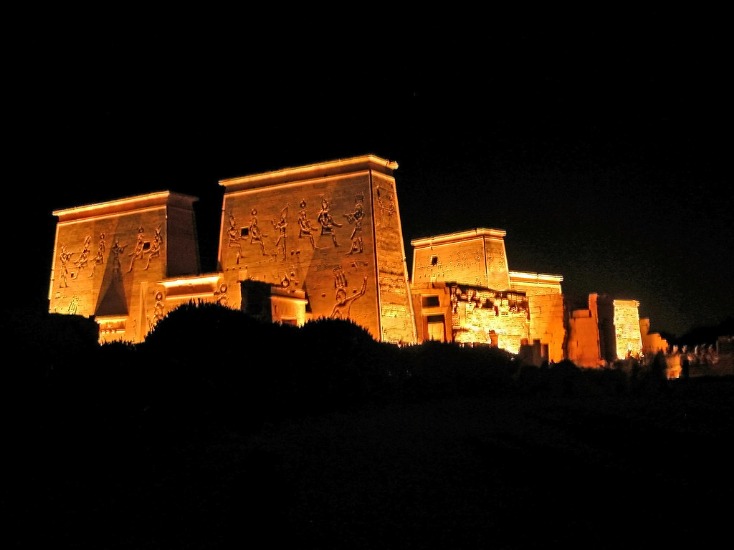
Historical Significance of Philae Temple
The Philae Temple, an extraordinary testament to ancient Egyptian civilization, holds profound historical significance as a symbol of religious devotion and architectural ingenuity. Located on Agilkia Island in Lake Nasser, this monument dedicated to the goddess Isis played a vital role in the spiritual and cultural life of Egypt. Its intricate carvings, majestic structures, and enduring legacy offer valuable insights into the civilization’s religious practices, artistic achievements, and historical developments over millennia.
Origins and Construction
The Philae Temple holds immense historical significance as a remarkable example of ancient Egyptian architecture and religious devotion. Situated on Agilkia Island in the Nile River, the temple complex was dedicated primarily to the goddess Isis, one of the most important deities in Egyptian mythology. Its strategic location and architectural grandeur reflect the religious and cultural importance of the Isis cult during the Greco-Roman period in Egypt.
The origins of the Philae Temple date back to around the 4th century BCE, although its construction and expansion spanned several centuries. Originally, the site featured a series of smaller temples and shrines dedicated to Isis, evolving into a complex that included massive pylons, courtyards, and sanctuaries. The temple was extensively reconstructed and expanded during the Ptolemaic dynasty (roughly 305-30 BCE) and later under Roman rule, indicative of its continued religious significance across different periods.
The construction of the temple involved intricate stone carving and innovative architectural techniques characteristic of Egyptian craftsmanship. The temple’s dramatic design, with its hypostyle halls and ornate hieroglyphic inscriptions, exemplifies the artistic and engineering prowess of the ancient Egyptians. The temple’s location and design also facilitated important religious festivals and rituals dedicated to Isis, reinforcing its role as a vital spiritual hub in ancient Egypt.
Religious Importance in Ancient Egypt
The Philae Temple holds immense historical significance as a remarkable testament to ancient Egyptian architecture and religious practices. Situated on the island of Philae in the Nile River, it was primarily dedicated to the goddess Isis, one of the most revered deities in Egyptian mythology. The temple complex was a major cultural and spiritual center that reflected the devotion to Isis and the importance of her worship in ancient Egyptian society.
Religiously, Philae Temple was a vital sanctuary for the worship of Isis, serving as a pilgrimage site for devotees from across Egypt and beyond. The temple’s intricate inscriptions, statues, and rituals underscored its role as a spiritual hub focused on themes of fertility, protection, and the afterlife. Its construction and preservation over centuries reveal the enduring significance of Isis worship, especially during periods of religious transition, such as the spread of Christianity when the sanctuary’s function shifted but its religious importance persisted.
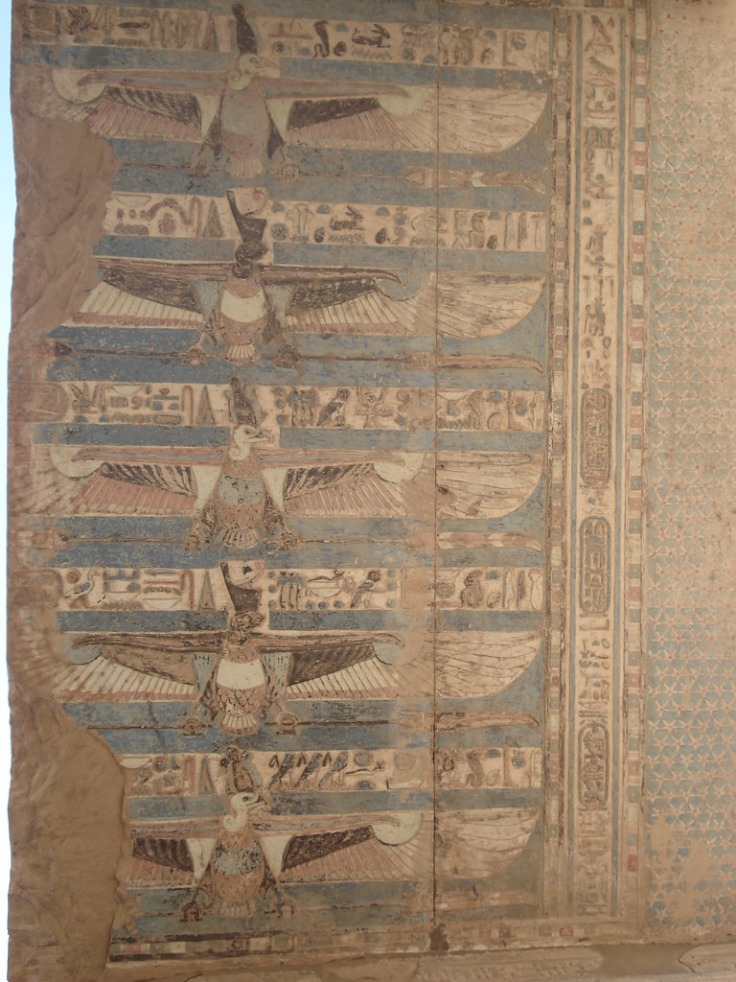
Overall, the Philae Temple is a symbol of Egypt’s rich religious heritage and its historical role in shaping beliefs and practices that influenced the wider Mediterranean world. Its archaeological remains continue to provide valuable insights into ancient Egyptian religious life, architecture, and cultural continuity.
Role in the Worship of Isis
The Philae Temple holds immense historical significance as a key religious site dedicated to the goddess Isis, one of the most revered deities in ancient Egypt. Located on Agilkia Island in the Nile, this temple complex became a major center for the worship of Isis, symbolizing the goddess’s importance throughout Egyptian history.
As a prominent religious center, the Philae Temple played a vital role in the propagation and continuity of the Isis cult, especially during the Greco-Roman period when the worship of Isis expanded beyond Egypt into the wider Mediterranean world. The temple’s architecture, inscriptions, and statues reflect the profound devotion to Isis and the integration of her worship into daily life and state ceremonies.
The temple also served as a religious hub where festivals, rituals, and ceremonies honoring Isis were held, reinforcing her role as a protector, healer, and goddess of magic. Its survival through various historical phases highlights the enduring significance of Isis worship in Egyptian spirituality and cultural identity.
In addition to its religious function, the Philae Temple is a testament to Egypt’s artistic and architectural achievements, showcasing elaborate carvings and inscriptions dedicated to Isis and other deities. Its preservation and subsequent relocation in the 20th century have helped modern audiences appreciate the ancient practices and spiritual legacy associated with Isis, reinforcing the temple’s role as a symbol of Egypt’s rich religious history.
Architectural Features of Philae Temple
The Philae Temple, located on the island of Philae in Egypt, is a remarkable example of ancient Egyptian architecture. Renowned for its stunning combination of religious and artistic elements, the temple showcases intricate carvings, grand pylon gateways, and beautifully decorated courtyards. Its unique design reflects the religious significance of the site and highlights the skilled craftsmanship of the ancient builders who constructed it during the Ptolemaic period. The temple’s architectural features draw visitors into a world of ancient symbolism and divine reverence.
Design and Layout
The Philae Temple complex is a remarkable example of ancient Egyptian architecture, celebrated for its harmonious integration with the natural landscape of the Nile River. Its design reflects religious significance and artistic excellence, with a layout that guides visitors through a series of sacred spaces. The main temple is dedicated to the goddess Isis and features a central approach leading to a grand colonnaded courtyard. The entrance is marked by a large pylon, which serves as a prominent gateway and symbolizes the transition from the secular to the sacred. Inside, a hypostyle hall with massive columns creates a sense of grandeur and awe, while richly decorated walls and ceilings depict mythological scenes and deities. The temple’s orientation and layout emphasize its spiritual purpose, with smaller subsidiary temples and chapels arranged around the main structure to accommodate various rituals and offerings. The architectural features of Philae Temple showcase sophisticated craftsmanship, with detailed carvings, hieroglyphic inscriptions, and beautifully proportioned elements that highlight its religious and cultural significance during the Ptolemaic and Roman periods. Its design not only served religious functions but also demonstrated the architectural innovation and artistic mastery of ancient Egypt.
Key Structures and Monuments
The Philae Temple complex, located on Agilkia Island in Egypt, is renowned for its exquisite architectural features and historical significance. The temple was primarily dedicated to the goddess Isis and showcases remarkable ancient Egyptian craftsmanship. Its architecture reflects a harmonious blend of religious symbolism and regal grandeur, designed to honor the deities and serve as a spiritual hub.
Key structures within the Philae Temple include the Main Temple, which features a massive pylon gateway adorned with intricate hieroglyphic inscriptions and impressive relief carvings. Adjacent to the main temple are subsidiary structures such as the Kiosks of Nectanebo and Antoninus Pius, which are celebrated for their detailed columns and lavishly decorated walls. The Hypostyle Hall, with its soaring columns and ceiling carvings, exemplifies the grandeur of ancient Egyptian religious architecture.
The sanctuary of the temple complex is a focal point, housing a sacred altar and statues of the deities, especially Isis. The temple’s exterior is characterized by finely carved façades, obelisks, and courtyards that emphasize the importance of rituals and ceremonies. Additionally, the Umm el-Qaab Sacred Lake surrounding the temple served both ritualistic and practical purposes, enhancing the spiritual ambiance of the entire complex.
Use of Columns and Statues
The Philae Temple, situated on the island of Agilkia in Egypt, is renowned for its remarkable architectural features that reflect the grandeur of ancient Egyptian design. Central to its structure are the tall, elegantly carved columns that support the temple’s roof and create a majestic interior space. These columns often feature intricate hieroglyphic inscriptions and painted decorations, highlighting the artistic craftsmanship of the period. The use of columns not only provided structural stability but also contributed to the aesthetic harmony of the temple, emphasizing verticality and grandeur.
Statues play a significant role in the architectural ensemble of Philae Temple, serving both decorative and religious purposes. Large statues of gods, such as Isis, Horus, and Hathor, are positioned within pavilions and courtyards, illustrating the divine presence that the temple aimed to evoke. These statues are typically made of stone and display detailed carvings, with some depicting deities seated on thrones or standing in commanding poses. Throughout the temple complex, statues functioned as protective symbols, offerings, and visual representations of the divine, enhancing the spiritual atmosphere and emphasizing the temple’s sacred significance.
Relocation and Preservation Efforts
The Philae Temple in Egypt stands as a remarkable testament to ancient Egyptian civilization, drawing widespread interest for its historical and cultural significance. Efforts to relocate and preserve this iconic site have become crucial in safeguarding its legacy amid environmental challenges and rising water levels. These initiatives aim to ensure that future generations can continue to marvel at the architectural marvels and intricate carvings that narrate the rich history of ancient Egypt.
ASWAN High Dam and the Threat to Philae
The Philae Temple complex in Egypt, renowned for its historical and cultural significance, faces ongoing threats due to relocation and preservation efforts influenced by the construction of the Aswan High Dam. The dam, completed in the 1970s, created Lake Nasser, which submerged many archaeological sites, including parts of Philae. To protect the temple from rising waters and potential damage, UNESCO and Egyptian authorities initiated a massive relocation project. This effort involved meticulously dismantling and moving the temple structures to higher ground on Agilkia Island, ensuring their preservation for future generations. However, the relocation process posed challenges related to maintaining the authenticity, integrity, and original context of the site. The construction of the Aswan High Dam also triggered concerns about the environmental and structural threats to other ancient monuments in the region, prompting significant preservation efforts. Overall, these initiatives highlight the delicate balance between modern infrastructural development and the safeguarding of Egypt’s invaluable archaeological heritage, exemplified by the ongoing preservation efforts at Philae Temple.
UNESCO’s Campaign for Preservation
The Philae Temple complex in Egypt is a remarkable example of ancient Egyptian architecture and religious history, making its preservation a priority for UNESCO’s campaign for heritage conservation. Efforts to relocate and protect the site gained momentum particularly during the 1960s when the rising waters of Lake Nasser threatened to submerge it following the construction of the Aswan High Dam. UNESCO initiated an international project to meticulously extract, disassemble, and transplant the temple complex to higher ground on Agilkia Island, ensuring its longevity for future generations. This campaign exemplifies global collaboration in cultural heritage preservation, demonstrating the importance of coordinated efforts to safeguard historically significant sites against environmental and human-made threats. The successful relocation and ongoing conservation of the Philae Temple highlight UNESCO’s commitment to preserving Egypt’s rich archaeological legacy amidst changing ecological conditions.
Relocation Process and Challenges
The Philae Temple complex in Egypt is a remarkable example of ancient Egyptian architecture and cultural heritage, which has faced significant challenges due to environmental and human factors. Preservation efforts have aimed to protect this historical site from deterioration caused by the rising waters of Lake Nasser, a consequence of the construction of the Aswan High Dam. To safeguard the temple, a major relocation project was initiated in the 1960s, involving the carefully planned dismantling and movement of the entire site to higher ground. This process was complex, requiring meticulous documentation, numbering of each stone, and coordination among archaeologists and engineers to ensure accurate reassembly. Despite its success, relocating the Philae Temple posed numerous challenges, including the risk of damage during dismantling, the logistical difficulties of transporting large structures, and the complexities of restoring the site in its new location while preserving its historical integrity. Today, ongoing preservation efforts continue to monitor and maintain the temple to ensure its survival for future generations, demonstrating the importance of balancing heritage conservation with modern engineering solutions.
Tourist Attractions and Visiting Tips
The Philae Temple in Egypt is a stunning historical site that draws visitors from around the world eager to explore its ancient beauty. Nestled on Agilkia Island, this beautifully preserved temple complex offers a glimpse into Egypt’s rich cultural heritage and architectural grandeur. To make the most of your visit, it’s helpful to know some key tips, such as the best times to visit, how to reach the island, and what to prioritize during your tour. Embarking on this journey promises an unforgettable experience immersed in history and scenic beauty.
Best Time to Visit
The Philae Temple in Egypt is a stunning ancient site dedicated to the goddess Isis, located on Agilkia Island in the Nile River. It is renowned for its impressive architecture, intricate hieroglyphics, and picturesque setting, making it a must-visit destination for history enthusiasts and travelers seeking unique cultural experiences.
When visiting the Philae Temple, it is advisable to arrive early in the morning to avoid crowds and enjoy cooler temperatures. Wearing comfortable footwear is recommended, as exploring the site involves a fair amount of walking and climbing. Bringing sun protection such as hats, sunglasses, and sunscreen is also important due to the outdoor exposure. Taking a guided tour can enhance the experience by providing insights into the temple’s history and significance.
The best time to visit the Philae Temple is during the cooler months from October to April, when the weather is mild and more comfortable for sightseeing. Avoid the peak summer months of June through August, as temperatures can soar significantly, making daytime exploration uncomfortable. Visiting during sunrise or sunset can provide breathtaking views and excellent photography opportunities, adding a memorable dimension to your trip.
Guided Tours and Highlights
The Philae Temple in Egypt is a breathtaking historical site that offers visitors a glimpse into ancient Egyptian civilization. Located on Agilkia Island in Lake Nasser, it is renowned for its stunning architecture and well-preserved hieroglyphic carvings. To make the most of your visit, consider taking guided tours that provide rich insights into the temple’s history, significance, and the various gods worshipped there. These tours often include visits to key highlights such as the Hypostyle Hall, the Oracle Temple of Isis, and the Kiosk of Trajan, offering a comprehensive understanding of the complex.
When planning your trip, it’s best to visit early in the morning or late in the afternoon to avoid crowds and harsh sunlight. Wear comfortable clothing, sun protection, and bring essentials like water and a camera. Don’t forget to respect the site—refrain from touching the carvings and follow the guidance of your tour guide to preserve this UNESCO World Heritage site for future visitors.
Highlights of the Philae Temple include its impressive collection of statues, intricate carvings depicting mythological scenes, and the beautiful reflection of the temple structures on the calm waters nearby. A boat trip to the island adds to the mystical experience, allowing visitors to enjoy the serene surroundings. The site is especially captivating at sunset, when the golden hues amplify the temple’s beauty, making it a memorable destination for history enthusiasts and travelers alike.
Accessibility and Visitor Facilities
Philae Temple in Egypt is a stunning archaeological site situated on Agilkia Island, dedicated primarily to the goddess Isis. As one of Egypt’s most iconic temples, it offers visitors a glimpse into the rich history and religious practices of ancient Egypt. The temple’s remarkable architecture, intricate carvings, and historical significance make it a must-visit destination for travelers interested in antiquity.
When visiting Philae Temple, it is advisable to plan your trip early in the day to avoid large crowds and the midday heat. Comfortable walking shoes are recommended as the site involves a bit of walking and exploring along uneven surfaces. Guided tours are available and can enrich your understanding of the temple’s history and symbolism, making your visit more meaningful. Don’t forget to bring sunscreen, water, and a hat for sun protection, especially during summer months.
The site is accessible by boat from Aswan, with regular ferry services that operate throughout the day. Visitors with mobility challenges should inform the tour operators in advance to arrange suitable transportation options, as some paths and areas may be uneven or have steps. Facilities at the site include designated visitor centers with restrooms and shaded areas for relaxation. Accessibility features are gradually being improved, but it’s advisable to check in advance for specific assistance needs.
UNESCO World Heritage Site Status
The Philae Temple complex in Egypt is recognized as a UNESCO World Heritage Site, celebrated for its historical and architectural significance. This renowned archaeological site offers a glimpse into ancient Egyptian religion and culture, attracting visitors and scholars from around the world. Its preservation as a World Heritage Site underscores the importance of safeguarding this cultural treasure for future generations.
Designation and Criteria
The Philae Temple complex in Egypt has been designated as a UNESCO World Heritage Site due to its remarkable cultural and historical significance. It was inscribed on the list because of its outstanding universal value, representing a remarkable example of ancient Egyptian religious architecture and art. The site exemplifies the criteria set by UNESCO for cultural heritage, including its importance as a symbol of religious practices and its architectural ingenuity.
To qualify for World Heritage status, sites must meet at least one of ten criteria established by UNESCO, such as exhibiting exceptional cultural significance, being a masterpiece of human creative genius, or having an important association with events or living traditions. The Philae Temple meets multiple criteria, notably its artistic achievement and historical importance, which highlight its importance as a cultural treasure.
The designation as a UNESCO World Heritage Site aims to preserve and protect the temple’s intricate carvings, structures, and religious relics from threats such as environmental changes and modern development. This status not only recognizes its value but also encourages international cooperation for its conservation and ensures it remains an enduring symbol of Egypt’s rich ancient history.
Impact on Conservation
The UNESCO World Heritage Site status of the Philae Temple in Egypt has significantly contributed to the conservation and preservation of this historic monument. Recognized for its cultural and historical importance, the designation has attracted international attention and funding efforts aimed at safeguarding the site from environmental and human-made threats. Efforts to stabilize the temple structures, manage tourist access, and restore damaged areas have been enhanced through UNESCO’s support, ensuring that future generations can appreciate its architectural grandeur and historical significance. Overall, the designation has played a crucial role in fostering a sustainable approach to conserving Egypt’s rich heritage, transforming Philae Temple into a symbol of cultural pride and historical continuity.
Ongoing Preservation Initiatives
The Philae Temple complex in Egypt has been recognized as a UNESCO World Heritage Site, highlighting its cultural and historical significance. This designation helps ensure international recognition and support for its preservation, safeguarding the site for future generations.
Ongoing preservation initiatives for the Philae Temple include structural restoration to repair damage caused by natural elements and previous conservation efforts. Efforts are also focused on protecting the site from rising water levels and environmental threats, with technologies such as advanced drainage systems and protective barriers implemented. Additionally, local and international collaborations aim to raise awareness, promote responsible tourism, and secure funding for ongoing preservation, ensuring that the Philae Temple remains a symbol of Egypt’s rich heritage.




0 Comments