
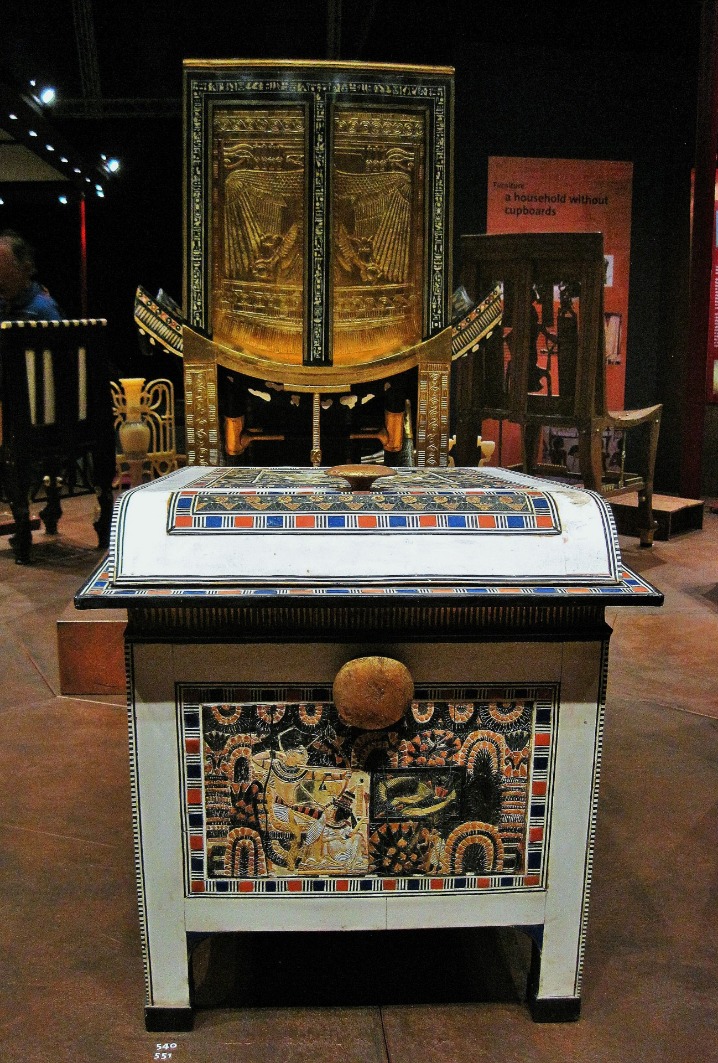
The Discovery of Tutankhamun’s Tomb
The discovery of Tutankhamun’s tomb is one of the most significant archaeological finds in Egypt’s history. Uncovered in 1922 by British archaeologist Howard Carter, the tomb in the Valley of the Kings revealed a wealth of treasures and insights into ancient Egyptian civilization. This remarkable discovery sparked worldwide fascination and prompted stories of a mysterious curse associated with the tomb, fueling intrigue and speculation about the ancient pharaoh’s resting place.
The Archaeological Expedition
The discovery of Tutankhamun’s tomb by the archaeological expedition in 1922 marked a monumental milestone in Egyptology, unveiling one of the most intact and richly decorated tombs from ancient Egypt. Led by British archaeologist Howard Carter, the expedition uncovered the nearly undisturbed burial chamber in the Valley of the Kings, offering invaluable insights into Egypt’s 18th Dynasty and royal burial practices. The excavation process was meticulous and documented, capturing worldwide attention and igniting fascination with Egypt’s history and mysteries.
The Unveiling of the Sarcophagus
The discovery of Tutankhamun’s tomb remains one of the most significant archaeological finds in Egypt’s history, capturing the world’s imagination. When British archaeologist Howard Carter uncovered the tomb in the Valley of the Kings in 1922, it was largely intact, offering an unprecedented glimpse into ancient Egyptian burial practices. The unearthing of the tomb’s entrance marked the beginning of an extraordinary exploration filled with excitement and mystery.
The highlight of the excavation was the unveiling of the sarcophagus, a magnificent stone container designed to house the king’s embalmed body. Carefully removed from its burial chamber, the sarcophagus revealed intricate hieroglyphs and exquisite craftsmanship, showcasing the artistry of ancient Egypt. Inside, the nested coffins, richly decorated with gold and precious stones, protected Tutankhamun’s mummified remains and symbolized his divine status.
This discovery sparked widespread fascination but also fueled the legend of the “Curse of Tutankhamun.” Many believed that disturbing the tomb would invoke supernatural retribution. Numerous misfortunes and deaths among those involved in the excavation seemed to lend credence to the myth. The uncovering and unveiling of the sarcophagus not only revealed a treasure trove of history but also ignited fears and stories that persist to this day about curses and divine wrath associated with ancient Egyptian tombs.
Initial Reactions and Significance
The discovery of Tutankhamun’s tomb in 1922 by Howard Carter marked a monumental milestone in Egyptology and sparked worldwide fascination, primarily due to the tomb’s nearly intact state and the artifacts it contained. The initial reactions were a mixture of awe and excitement among archaeologists and the public alike, as the tomb provided unprecedented insight into ancient Egyptian civilization and burial practices. The finding revealed a wealth of treasures, including the iconic gold mask, that highlighted the artistry and wealth of the New Kingdom period.
This discovery also fueled the legend of the “Curse of Tutankhamun,” which suggested that those involved in the tomb’s excavation would suffer ill fates or death. While many believe the curse originated from widespread fear and sensationalism, it contributed to the mystique surrounding Egypt’s ancient mysteries and heightened global interest in Egyptology. The significance of the tomb extends beyond its archaeological value; it opened new avenues for understanding Egyptian culture and history, while also inspiring a lasting cultural fascination with curses, archaeology, and the allure of hidden tombs beneath the sands of Egypt.
The Legend of the Curse
The Legend of the Curse surrounding Tutankhamun’s tomb is one of the most famous and intriguing stories in the history of archaeology. Discovered in 1922 by Howard Carter, the tomb of the young Egyptian pharaoh is shrouded in mystery and tales of mysterious deaths and misfortune. This legend has captivated the imaginations of historians, explorers, and thrill-seekers alike, fueling speculation about curses hidden within ancient treasures.
Origins of the Curse Myth
The legend of the curse of Tutankhamun originates from the mysterious events and believed supernatural consequences associated with the discovery of his tomb in Egypt. This myth has captivated the imagination for over a century, fueling fears that those who disturb the resting places of ancient pharaohs might invoke curses upon themselves or others. The curse’s origins can be traced back to the early 20th century when archaeologists, most notably Howard Carter, uncovered the nearly intact tomb of the young king in the Valley of the Kings. Upon opening the tomb, a series of untimely deaths and misfortunes among those involved fueled rumors that a curse had been unleashed. This story was further amplified by sensationalist media, which associated any death or misfortune with the supposed supernatural power guarding Tutankhamun’s remains. Although modern scholars largely regard the curse as a mixture of coincidence, sensationalism, and cultural myth, it remains an enduring part of the story surrounding Egypt’s ancient tombs and the mysterious allure of the pharaohs’ legacy.
The First Alleged Victims
The Legend of the Curse of Tutankhamun revolves around the mysterious deaths and misfortunes believed to have beenfalling those who disturbed the tomb of the young Egyptian pharaoh. The first alleged victims are often considered to be a series of individuals associated with the excavation of Tutankhamun’s tomb in 1922, whose deaths spurred widespread rumors of a deadly curse.
The initial victims linked to the curse include:
- Lord Carnarvon – The British financier of the excavation, who died shortly after opening the tomb due to an infected mosquito bite.
- Howard Carter – The archaeologist who discovered the tomb, who lived for nearly a decade after the opening, sparking debate about whether he was truly affected by the curse.
- George Jay Gould – A prominent American financier who reportedly expressed concerns about the curse and later faced various misfortunes, though not directly linked to death.
- Other members of the excavation team and their relatives, some of whom died under mysterious circumstances decades later, contributing to the myth’s spread.
These events fueled public fascination with the curse and cemented the idea that disturbing the tomb of Tutankhamun could bring deadly consequences. Over time, numerous other deaths and unexplained occurrences have been associated with the tomb, but many researchers argue that these stories are the result of coincidence, superstition, and sensationalism.
Media Propagation and Popularity
The Legend of the Curse of Tutankhamun has become an enduring myth in popular culture, illustrating how media propagation can amplify historical mysteries into global phenomena. This curse, supposedly linked to the desecration of the young pharaoh’s tomb, gained widespread attention following the discovery of Tutankhamun’s tomb in 1922 by Howard Carter. Media outlets at the time sensationalized stories of mysterious deaths and misfortunes among those involved, fueling public intrigue and suspicion.
The role of modern media has significantly contributed to the legend’s popularity, as stories were circulated through newspapers, books, and later, films and documentaries. These portrayals often exaggerated or fabricated elements of the curse, turning it into a compelling narrative that transcended academic scrutiny. The media’s emphasis on mysterious phenomena helped embed the curse into popular imagination, transforming it into a symbol of ancient Egyptian mystique and danger.
This widespread propagation influenced public perception and cultural references, with the curse becoming a recurring theme in literature, theater, and cinema. The myth also influenced tourism to Egypt, with some believing that the curse would bring misfortune or disaster to those who disturbed the tombs. Overall, the media’s role in propagating the legend highlights how storytelling, sensationalism, and popular culture can shape the perception of historical events, elevating them into legendary status that persists across generations.
Reported Incidents and Illnesses
Reported incidents and illnesses related to the discovery of the tomb of Tutankhamun have fascinated historians and archeologists alike. These events often involve mysterious illnesses, supposed curses, and unforeseen consequences that have traditionally been linked to the ancient Egyptian tomb. Exploring these incidents provides insight into the lingering myth and intrigue surrounding the legendary discovery in Egypt.
Howard Carter and Team Members
The discovery of Tutankhamun’s tomb by Howard Carter and his team was a monumental event in archaeology, but it also came with reports of incidents and illnesses among the team members. Many of those involved in the excavation experienced mysterious ailments and strange occurrences, fueling rumors of curses associated with the tomb. These incidents heightened the intrigue and fear surrounding the site, contributing to the legend of the curse of Tutankhamun.
- Several team members, including Howard Carter himself, reported symptoms such as fever, fatigue, and headaches during and after the excavation.
- Some workers fell ill with more severe illnesses, which were often attributed to exposure to unknown mists or toxins from the tomb artifacts.
- There were incidents of sudden deaths among some of the team members and nearby individuals, leading to speculation about a curse or supernatural cause.
- Supposedly, a series of misfortunes struck those involved in the excavation, including equipment failures, accidents, and unexplained illnesses, fueling the myth of a vengeful curse.
- Despite scientific explanations linking many illnesses to exposure to mold, bacteria, or other environmental factors, the stories persisted, cementing the tomb’s ominous reputation.
Subsequent Visitors and Scholars
The discovery of the tomb of Tutankhamun in Egypt has been accompanied by numerous reported incidents and illnesses among those involved in its excavation and study, fueling myths and fears about a supposed curse. Subsequent visitors and scholars have documented a series of mysterious events, illnesses, and accidents that some attribute to the curse, adding to the legend surrounding the ancient pharaoh’s tomb.
- Several archaeologists and workers associated with the tomb reportedly fell ill or experienced unexplained health issues after opening the burial chamber.
- Deaths of individuals closely linked to the excavation have often been linked to the curse, with some dying under circumstances seen as suspicious or sudden.
- Some visitors to the tomb have reported feelings of dread, misfortune, or hallucinations while exploring the site, reinforcing the supernatural narrative.
- Throughout history, subsequent scholars and researchers who studied the tomb have occasionally encountered accidents or encountered difficulties that have been popularly attributed to the curse.
Despite scientific skepticism, the tales of incidents and illnesses continue to attract public interest, contributing to the myth that the tomb of Tutankhamun is cursed and that those who disturb its resting place may face dire consequences.
Patterns and Clarifications
The reported incidents and illnesses associated with the discovery of Tutankhamun’s tomb have sparked numerous patterns and clarifications over the years. Many explorers and researchers claimed to experience mysterious ailments, such as respiratory issues, skin irritations, and alleged curses, after entering the tomb. These reports generated widespread fear and speculation about a “curse” guarding the tomb of the young pharaoh. However, scientific investigations have pointed towards more plausible explanations, including exposure to mold, bacteria, or volatile substances released from the ancient artifacts and burial chambers. Analyzing these incidents reveals a pattern of health problems primarily affecting those who handled or visited the tomb shortly after its unsealing, which could be attributed to poor air quality, dust, or decay. Clarifications emphasize that while stories of a supernatural curse are compelling, they are largely exaggerated; many illnesses could be explained by environmental factors and the emotional stress surrounding such an important archaeological discovery.

Scientific Explanations for the Curse
The Curse of Tutankhamun has captivated global imagination for decades, blending mystery with scientific inquiry. In exploring this enigmatic phenomenon, researchers have turned to scientific explanations that aim to demystify the perceived supernatural effects associated with the ancient Egyptian tomb. Through the analysis of environmental factors, biological agents, and archaeological conditions, scientists seek to understand whether the so-called curse has any basis in reality or if it is a product of modern myth-making. This article delves into the scientific perspectives that shed light on the enduring intrigue surrounding Tutankhamun’s tomb and its supposed curse.
Environmental Factors and Toxic Fungi
The curse of Tutankhamun has long been associated with mysterious deaths and misfortunes surrounding those who disturbed his tomb, but scientific explanations suggest environmental factors and toxic fungi may have played a significant role. When the tomb was opened, ancient microbes and molds that had remained dormant for thousands of years could have been released into the air, posing health risks to visitors. These fungi, thriving in the humid and sealed environment of the tomb, may have produced toxins harmful to humans, leading to symptoms such as respiratory issues, illnesses, or even death. Additionally, the presence of toxic molds and bacteria found in tombs from similar ancient sites indicates that exposure to these microorganisms could be dangerous. Environmental factors like poor ventilation, high humidity, and the accumulation of organic materials in the tomb created ideal conditions for the growth of pathogenic fungi. Scientific investigations have identified certain genera of molds, such as Aspergillus, which produce mycotoxins capable of affecting human health. Therefore, the so-called “curse” might be explained by the biological hazards posed by ancient, preserved microorganisms released during excavation, highlighting the importance of understanding environmental conditions and microbial risks when uncovering ancient tombs.
Presence of Bacteria and Contaminants
The presence of bacteria and contaminants in the context of the Curse of Tutankhamun is often explained through scientific investigation into the conditions inside the tomb. When mummies and ancient artifacts are disturbed or reopened, they can release pathogenic microorganisms that have survived for thousands of years. These microbes, including bacteria and mold spores, may become airborne or contaminate nearby surfaces, posing health risks to those who enter the tomb. Additionally, the accumulation of organic materials such as human remains, dust, and debris creates an environment conducive to microbial growth, especially if the tomb’s conditions are disturbed or climate-controlled measures are not maintained. Scientific studies have identified various bacteria in tombs and ancient mummies, indicating that the microbial presence is a natural result of preservation processes, microbial survival strategies, and the site’s environment. The idea of a “curse” often overlaps with these biological explanations, as exposure to these microorganisms can cause illness, but these infections are generally attributed to biological contamination rather than supernatural phenomena.
Psychological and Cultural Influences
The curse of Tutankhamun has fascinated many for decades, often being attributed not only to supernatural beliefs but also to psychological and cultural influences. In ancient Egypt, the idea of divine wrath and curses was deeply embedded in their worldview, making the tomb’s desecration or disturbance fearsome to the population. This cultural context contributed to the longstanding belief that opening the tomb could trigger a curse upon those involved.
From a psychological perspective, the phenomenon can be explained by the power of suggestion and confirmation bias. When unfortunate events befell those connected to the excavation—such as deaths, illnesses, or accidents—people attributed these to the curse. The media further amplified this effect, reinforcing the idea that the tomb was cursed and creating a self-fulfilling prophecy among believers and skeptics alike.
Scientific explanations also point to the presence of toxic substances like mold, fungi, or chemical residues within the tomb as potential causes of illness or death. For example, exposure to mold spores or low levels of radon gas could have contributed to health issues, providing a tangible, natural explanation that aligns with the fears associated with the curse. These physiological factors, combined with cultural narratives and psychological suggestibility, fueled the legend of Tutankhamun’s curse, blending science, belief, and perception into a compelling historical lore.
Ancient Egyptian Beliefs and Tomb Practices
Ancient Egyptian beliefs and tomb practices were deeply rooted in their religion and view of the afterlife. The Egyptians believed that preserving the body and providing the necessary offerings in tombs ensured a successful journey to the afterworld. These rituals reflected their desire for eternal life and the importance of ensuring the deceased’s well-being in the next world. The excavation of tombs, especially that of Pharaoh Tutankhamun, uncovered not only wealth and artistry but also the mysterious perceptions surrounding curses and divine protection.
Rituals for Protecting the Dead
The ancient Egyptians held a profound belief in the afterlife, viewing death as a transition to eternal life. They believed that preserving the body through mummification was essential to ensuring the deceased’s continued existence and well-being in the afterworld. Tombs were constructed with great care, decorated with inscriptions, spells, and images to guide and protect the soul on its journey. Rituals played a crucial role in safeguarding the dead, involving offerings, prayers, and offerings of food and goods to provide for them in the afterlife.
In the context of the curse of Tutankhamun, it is believed that the ancient Egyptian practices for protecting the dead included powerful spells and symbolic amulets designed to ward off evil spirits. The tombs contained various protective charms and sculptures, intended to deter curses and malevolent forces. These rituals reflected their intense desire to secure the safe passage of the deceased and prevent any harm or divine retribution that might be invoked by disturbing the sacred tombs.
Religious Significance of Tombs and Mummies
Ancient Egyptian beliefs held that death was not an end but a transition to a new stage of existence, making tombs and mummies central to their spiritual practices. They believed that preserving the body through mummification was essential for the soul’s journey in the afterlife, allowing it to recognize itself and reunite with its spirit. Tombs were constructed as elaborate sanctuaries to house the deceased, filled with possessions, offerings, and inscriptions to guide and support the soul on its voyage. The religious significance of these tombs was tied to the concept of eternal life, with the hope that the deceased would attain paradise and continue to enjoy existence beyond death. Mummies, in particular, were considered sacred vessels that maintained the individual’s identity and essence, serving as a focal point for worship and rituals. The reverence for the afterlife was deeply ingrained in Egyptian culture, reflecting their conviction that proper burial practices and protective spells were vital to securing everlasting life, a belief that plays a crucial role in understanding the allure and mystery surrounding the tomb of Tutankhamun and the so-called curse associated with it.
Symbolism Associated with Tutankhamun
The ancient Egyptians held a profound belief in the afterlife, viewing death as a continuation of life in a realm where the deceased required nourishment, protection, and guidance. Tomb practices were meticulously designed to ensure a safe passage and eternal repose for the pharaohs and nobles, often involving elaborate rituals, sacred texts like the Book of the Dead, and the placement of valuable goods within burial chambers. These practices reflected their conviction that the deceased’s spirit, or Ka, needed sustenance and protection from malevolent forces.
Tutankhamun’s tomb is one of the most famous and symbolically rich archaeological finds, filled with artifacts that embody Egyptian religious beliefs. The relics and decorations associated with Tutankhamun display symbols such as the scarab beetle, representing rebirth and transformation, and the ankh, signifying eternal life. The imagery of gods and protective deities underscored the importance of divine safeguarding in the journey to the afterlife.
The fascination surrounding Tutankhamun is also entwined with the notion of a curse, which arose from the belief that disturbing the tomb could invoke divine wrath and bring misfortune or death to intruders. This superstitious aspect contributed to the enduring mystique of Tutankhamun’s tomb, emphasizing the deeply rooted Egyptian concept that the afterlife was sacred and protected by powerful spiritual forces. The symbolism and legends surrounding Tutankhamun continue to captivate the imagination, illustrating the profound religious and cultural significance of his burial practices.
Impact on Tourism and Cultural Heritage
The discovery of Tutankhamun’s tomb has significantly influenced tourism and cultural heritage in Egypt, drawing global attention to its ancient treasures and history. This event sparked a surge of interest in Egypt’s archaeological sites, transforming the country into a major tourist destination. However, it also raised concerns about the preservation of invaluable cultural heritage amidst increasing visitor numbers. Understanding the impact of these developments is essential to balance tourism growth with the protection of Egypt’s rich archaeological legacy.
Tourist Interest and Museum Exhibits
The discovery of Tutankhamun’s tomb has significantly impacted Egypt’s tourism industry and cultural heritage preservation efforts. The allure of the ancient pharaoh and the mysteries surrounding his tomb continue to attract millions of visitors every year, fueling economic growth through travel, hospitality, and related sectors. Tourist interest is heightened by the exhibit of the legendary artifacts, including the famous burial mask, which symbolizes Egypt’s rich historical legacy.
Museum exhibits dedicated to Tutankhamun draw immense attention from both scholars and tourists, allowing a wider audience to engage with Egypt’s ancient civilization. These exhibits not only serve as educational platforms but also help preserve invaluable artifacts, ensuring their protection for future generations. The fascination with Tutankhamun’s story underscores the importance of balancing archaeological exploration with responsible tourism, safeguarding Egypt’s cultural heritage while promoting a global appreciation of its ancient history.
Protective Measures and Regulations
The discovery of the tomb of Tutankhamun has significantly impacted tourism and cultural heritage in Egypt, drawing millions of visitors from around the world eager to experience its ancient history firsthand. This influx of tourists has boosted the economy but also posed challenges to the preservation of fragile archaeological sites and artifacts. Recognizing these issues, Egypt has implemented a range of protective measures and regulations to safeguard its rich cultural heritage. These include stricter controls on the excavation, handling, and display of national treasures, as well as enhanced security and surveillance within archaeological sites and museums. Additionally, international collaborations and UNESCO guidelines are actively followed to ensure the preservation of Egypt’s historical treasures for future generations. These efforts aim to balance the promotion of tourism with the necessity of protecting Egypt’s invaluable cultural legacy, ensuring that the allure of the tomb of Tutankhamun continues to inspire admiration and respect worldwide.
Legacy in Egyptology
The discovery of the tomb of Tutankhamun, often referred to as the “curse of Tutankhamun,” has had a profound impact on Egypt’s tourism and cultural heritage. This legendary event drew worldwide attention and significantly increased interest in Egypt’s ancient history, temples, and archaeological sites.
- Boosted Tourism: The thrill of uncovering the tomb led to a surge in tourists visiting Egypt, eager to witness the riches of ancient Egypt and the famed burial site.
- Preservation Challenges: The increased influx of tourists has posed challenges to preserving Egypt’s archaeological sites, necessitating enhanced conservation efforts.
- Global Fame and Cultural Legacy: The story of the curse and the tomb’s treasures solidified Egypt’s reputation as a center of archaeological mystery, fostering a lasting legacy in Egyptology and cultural heritage studies.
- Research and Excavation: The discovery spurred further archaeological expeditions, enriching our understanding of Egypt’s ancient civilization.
- Tourism Industry Growth: Local economies benefited from increased visitor numbers, leading to improved infrastructure and tourism services.
- Educational Impact: The story of Tutankhamun has become a symbol of Egypt’s ancient past, inspiring generations of scholars and enthusiasts, ensuring the enduring legacy of Egyptology.



0 Comments