
Prehistoric Egypt and Early Civilizations
Prehistoric Egypt and early civilizations mark the fascinating origins of one of the world’s most legendary ancient cultures. These early societies laid the foundation for the development of advanced advancements in writing, art, and governance that would influence the course of history. Understanding the timeline of ancient Egypt provides insight into how this remarkable civilization evolved from small settlements to a powerful and influential nation.
Prehistoric Era and Nomadic Cultures
The ancient history of Egypt begins with the Prehistoric Era, a period characterized by the development of early human communities that lived along the Nile River. During this time, small nomadic groups relied on hunting and gathering, gradually transitioning into settled farming communities as they learned to cultivate crops and domesticate animals. These early societies laid the foundation for the complex civilizations that would emerge later in Egyptian history. Nomadic cultures played a crucial role in this era, moving across the landscape in search of resources and establishing basic social structures. Over time, as climate and environmental conditions stabilized, these groups began to build permanent settlements, paving the way for the rise of Egypt’s first villages and eventually, the formation of the early dynastic states that mark the beginning of recorded history in ancient Egypt.
Development of Agriculture along the Nile
Prehistoric Egypt and early civilizations laid the foundation for one of the most remarkable cultures in human history. These ancient peoples gradually developed from small nomadic groups into organized societies along the fertile banks of the Nile River. The development of agriculture was crucial to this transformation, allowing communities to establish permanent settlements and increase food production.
The Nile River, with its annual flooding, created rich, arable land that was ideal for farming. Early inhabitants learned to cultivate crops such as barley and wheat, which became staples of their diet. They also domesticated animals like cattle, goats, and sheep, further supporting their survival and economic stability. The reliable water source and fertile soil enabled the growth of villages that eventually grew into complex societies.
This period saw the emergence of vital innovations, including irrigation techniques and storage methods, which enhanced agricultural productivity. The development of these agricultural practices not only supported population growth but also allowed for the specialization of labor and the development of social hierarchies. Over time, these advancements led to the formation of the early Egyptian civilization, characterized by distinctive cultural and technological achievements that would influence history for millennia.
Formation of Small Villages and Early Settlements
Prehistoric Egypt and early civilizations mark the beginning of the rich cultural and societal development along the Nile River. During this period, small villages and settlements formed as groups of people transitioned from a nomadic way of life to more permanent dwellings, laying the foundation for ancient Egyptian civilization. These early communities relied on fishing, hunting, and early agriculture to sustain themselves, taking advantage of the fertile Nile floodplains.
The formation of small villages was a crucial step in societal organization, enabling inhabitants to develop agriculture, craft tools, and establish social hierarchies. Over time, these settlements grew larger and more complex, leading to the rise of early towns and eventually the sophisticated society of ancient Egypt. Understanding this transition helps in tracing the timeline of Egypt’s rise as one of the world’s earliest and most influential civilizations.
- The earliest evidence of human activity in Egypt dates back to around 700,000 years ago with primitive tools and cave paintings.
- By approximately 5500 BCE, small rural villages began to appear along the Nile, signifying a shift towards settled life.
- Agriculture blossomed with the cultivation of crops such as wheat and barley, supporting population growth.
- Communities established basic social structures and religious practices, setting the stage for more complex societal developments.
- These early settlements eventually evolved into the prominent city-states and dynasties of ancient Egypt, beginning with the Pre-dynastic period around 3100 BCE.
The Predynastic Period and Early Dynastic Period
The Predynastic Period and Early Dynastic Period mark the foundational stages of ancient Egyptian civilization, spanning from roughly 6000 to 2686 BCE. These periods witnessed the development of early settlements, cultural practices, and political structures that laid the groundwork for the iconic dynasties of ancient Egypt. Through advances in agriculture, craft specialization, and social organization, these eras set the stage for the rise of one of the world’s most enduring and influential civilizations.
Unification of Upper and Lower Egypt
The Predynastic Period and Early Dynastic Period mark crucial phases in the ancient Egyptian timeline, characterized by the development of complex society and political organization. During the Predynastic Period, early settlements along the Nile began to flourish, with advances in agriculture, pottery, and social structures that laid the groundwork for unified rule. The Early Dynastic Period followed, approximately from 3100 to 2686 BCE, when Egypt saw the rise of the first pharaohs and the establishment of a centralized government. A significant event during this time was the unification of Upper and Lower Egypt under a single ruler, traditionally identified as Narmer or Menes. This unification created a cohesive cultural and political entity, setting the stage for the many dynasties that would shape Egypt’s history. The achievement of unification symbolizes the beginning of Egypt’s iconic civilization, characterized by monumental architecture, hieroglyphic writing, and a divine kingship that endured for millennia. This era laid the foundation for Egypt’s cultural identity and its influence on subsequent civilizations.
Formation of Early Kingdoms and Local Rulers
The Predynastic Period and Early Dynastic Period mark significant phases in the formation of ancient Egypt, laying the foundation for its future civilization. During the Predynastic Period, which lasted until around 3100 BCE, various small settlements along the Nile gradually developed into more complex communities. These early societies began practicing agriculture, establishing trade routes, and creating distinctive pottery and tools, demonstrating growing social organization.
As these communities expanded, the Early Dynastic Period emerged, characterized by the unification of Upper and Lower Egypt under a central authority. This unification is traditionally attributed to Narmer (or Menes), who is considered Egypt’s first pharaoh. The establishment of a centralized government facilitated the development of early administrative structures, monumental architecture, and a formalized writing system known as hieroglyphics. During this time, local rulers or regional leaders, who held authority over specific areas, gradually consolidated power, contributing to the emergence of the early kingdoms that would define ancient Egypt’s history.
Development of Writing Systems (Hieroglyphs)
The Predynastic Period and Early Dynastic Period mark crucial stages in the development of ancient Egypt, laying the foundation for its remarkable civilization. During the Predynastic Period, which dates from approximately 6000 to 3100 BCE, early tribal communities began to settle along the Nile River, developing distinct cultures and social structures. This era saw the emergence of pottery, agriculture, and early forms of governance, setting the stage for a unified state. The Early Dynastic Period (c. 3100–2686 BCE) followed the unification of Upper and Lower Egypt under the first Pharaoh, Narmer (also known as Menes). It was characterized by the establishment of centralized authority, the construction of the first monumental architecture, and the standardization of religious practices.
One of the most significant advancements during this period was the development of writing systems, particularly hieroglyphs. Hieroglyphic writing evolved from simple pictorial symbols used for record-keeping and religious texts to a complex script capable of conveying sophisticated ideas. The earliest hieroglyphs appeared on seal impressions and ceremonial objects, gradually becoming more standardized and formalized. This development played a vital role in administration, religious rituals, and monumental inscriptions, ensuring the preservation of historical events and cultural knowledge. The emergence of hieroglyphs marked a turning point in Egyptian civilization, enabling the ancient Egyptians to communicate across generations and solidify their cultural identity for thousands of years.
The Old Kingdom (2686–2181 BC)
The Old Kingdom of ancient Egypt, spanning from approximately 2686 to 2181 BC, is often regarded as the age of pyramid-building and the establishment of Egypt’s centralized state. This period saw the rise of powerful pharaohs who unified the land, commissioned impressive architectural projects, and laid the foundations for Egyptian culture and religion. It is a defining era in Egypt’s history, marked by remarkable achievements that continue to captivate historians and archaeologists today.
Construction of the Pyramids of Giza
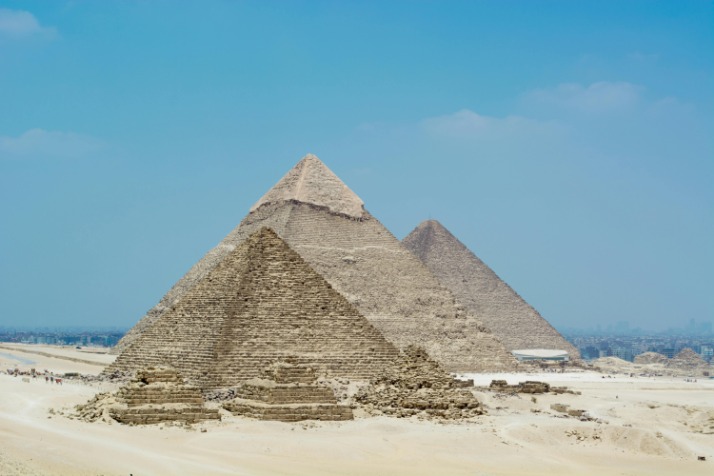
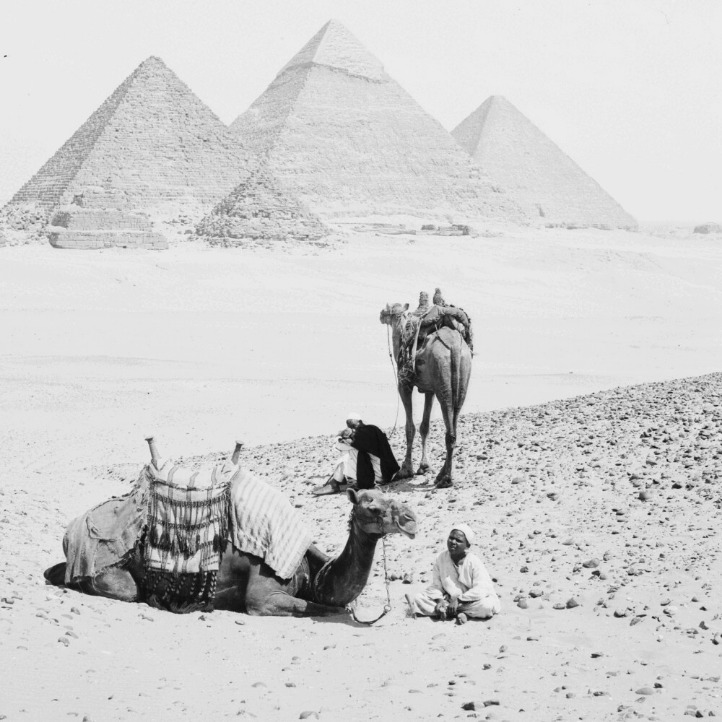
The Old Kingdom of Egypt, spanning from 2686 to 2181 BC, is renowned for its remarkable achievements in architecture and engineering, most notably the construction of the Pyramids of Giza. During this period, Egypt experienced political stability and strong centralized authority, which facilitated large-scale projects that have stood the test of time. The Pyramids of Giza, including the Great Pyramid built for Pharaoh Khufu, exemplify the advanced engineering skills and organizational capabilities of the ancient Egyptians. These monumental structures served as tombs for the pharaohs and demonstrated their divine authority. The construction of the pyramids involved vast workforce mobilization, innovative techniques in stone cutting and transportation, and meticulous planning. The legacy of the Old Kingdom’s pyramid construction not only shaped Egyptian culture and religion but also influenced architectural development for centuries to come, leaving an enduring mark on Egypt’s ancient timeline.
Establishment of Centralized Bureaucracy
The Old Kingdom of Egypt, spanning from 2686 to 2181 BC, marks a significant period in ancient Egyptian history characterized by the establishment of a strong centralized bureaucracy. During this era, the pharaohs wielded immense political and religious authority, effectively unifying the different regions of Egypt under a single government. The centralization of power led to the development of a complex administrative system responsible for resource management, construction projects, and law enforcement. This period saw the construction of the iconic pyramids, including the Great Pyramid of Giza, which demonstrated the高度 organizational capabilities of the state. The establishment of a centralized bureaucracy laid the foundation for the stability and prosperity that defined the Old Kingdom era, enabling Egypt to become one of the most influential civilizations of the ancient world.
Major Pharaohs of the Old Kingdom
The Old Kingdom of Egypt, spanning from approximately 2686 to 2181 BC, is considered the era of the earliest and most iconic Pharaohs who established the foundation of ancient Egyptian civilization. This period is renowned for the construction of the famous pyramids, especially the Pyramids of Giza, and for the centralized power of the Pharaohs who were regarded as divine rulers.
Major Pharaohs of the Old Kingdom include Narmer, who is credited with uniting Upper and Lower Egypt and founding the First Dynasty. During the Fourth Dynasty, Pharaohs such as Snefru, Khufu, Khafre, and Menkaure ruled, with Khufu being the builder of the Great Pyramid at Giza. These rulers emphasized architectural innovation and political stability.
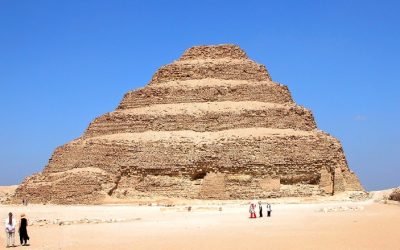
Other notable Pharaohs include Djoser of the Third Dynasty, famous for commissioning the Step Pyramid at Saqqara, which marked the beginning of large-scale pyramid construction. The Old Kingdom ultimately declined due to a combination of political instability, economic issues, and power struggles, leading to the subsequent First Intermediate Period.
The First Intermediate Period (2181–2055 BC)
The First Intermediate Period of ancient Egypt (2181–2055 BC) was a time of political instability and decentralization following the decline of the Old Kingdom. During this era, central authority weakened, leading to the rise of local rulers and regional power struggles. Despite the chaos, it laid the groundwork for future developments in Egyptian history and culture.
Decentralization and Political Fragmentation
The First Intermediate Period in ancient Egypt, spanning from 2181 to 2055 BC, was characterized by significant decentralization and political fragmentation. Following the decline of the Old Kingdom’s centralized authority, Egypt experienced a collapse of the bureaucracy that had previously unified the state, leading to the rise of local rulers or nomarchs who governed their regions independently. This period saw rival factions vying for power, resulting in diminished central control and increased local autonomy. The political landscape was marked by a series of conflicts and shifting alliances, which contributed to the fragmented state of Egypt during these centuries. Despite the chaos, this era ultimately set the stage for the subsequent reunification under the Middle Kingdom, marking a return to centralized authority and stability in Egyptian history.
Challenges to Central Authority
The First Intermediate Period (2181–2055 BC) was a time of political fragmentation and instability in ancient Egypt, marking a significant challenge to central authority established by the Old Kingdom. During this period, the centralized power that had once unified Egypt weakened due to internal strife, drought, and a decline in the power of the pharaohs. Local governors and nomarchs gained more independence, leading to a decentralization of governance and frequent conflicts between different regions.
This era was characterized by a breakdown in the administrative and political structures, causing a loss of control over resources and diminishing the authority of the palace in Memphis. As a result, rival factions and regional leaders often held sway over their territories, which contributed to chaos and decline in cultural and economic activities. The erosion of central authority also facilitated the rise of local cults and practices, leading to diverse regional identities and traditions.
Despite these challenges, the period eventually set the stage for the reunification and revival of Egypt under the Middle Kingdom. The culmination of efforts by the Theban rulers to unify Egypt reestablished central authority, ending the First Intermediate Period and ushering in a new era of stability and cultural development.
Cultural and Economic Decline
The First Intermediate Period in ancient Egypt, spanning from 2181 to 2055 BC, was characterized by significant cultural and economic decline following the collapse of the centralized Old Kingdom authority. During this era, political fragmentation led to the weakening of central governance, with local rulers and nomarchs gaining more power and independence. This decentralization caused a disruption in the administrative and economic stability that had previously unified Egypt.
Economically, the decline was marked by a drop in agricultural productivity, contributing to widespread famine and hardship for the populace. The decline in trade and the deterioration of political institutions further compounded economic instability, resulting in reduced wealth and resources for the state and its citizens. Culturally, this period saw a slowdown in monumental construction projects, artistic expression, and literacy, as resources were scarce and social order was fragmented. Despite these challenges, some cultural continuity persisted, setting the foundation for future revival during the Middle Kingdom.
The Middle Kingdom (2055–1650 BC)
The Middle Kingdom of Egypt, spanning from approximately 2055 to 1650 BC, was a period of reunification, stability, and artistic achievement following the chaos of the First Intermediate Period. This era saw the strengthening of central authority, extensive construction projects, and advancements in literature, art, and architecture that left a lasting legacy. It is regarded as a golden age in ancient Egyptian history, characterized by political consolidation and cultural flourishing.
reunification under Mentuhotep II
The Middle Kingdom of Egypt, spanning from approximately 2055 to 1650 BC, marks a period of reunification and stability following a time of disunity. This era began with the rise of Mentuhotep II, who successfully ended the First Intermediate Period by reuniting Upper and Lower Egypt. His reign established the 11th dynasty and laid the foundation for a centralized government, restoring prosperity and cultural activity throughout the Nile Valley. The Middle Kingdom is characterized by significant achievements in art, architecture, and literature, as well as expanded trade and military campaigns. Mentuhotep II’s efforts to unify Egypt not only ended a period of chaos but also set the stage for future advancements, making this a pivotal chapter in Egypt’s ancient history.
Expansion and Prosperity
The Middle Kingdom of ancient Egypt, spanning from approximately 2055 to 1650 BC, was a period marked by significant expansion and prosperity. This era followed the reunification of Egypt after a period of political instability, bringing stability and strength to the civilization. During this time, Egypt experienced a flourishing of art, culture, and infrastructure, solidifying its influence in the region.
One of the notable features of the Middle Kingdom was the expansion of Egyptian territory into Nubia, which contributed to increased resources such as gold, ebony, and ivory. This territorial growth helped to enhance Egypt’s wealth and power. Additionally, the Middle Kingdom saw advances in architecture, including the construction of notable pyramids, tombs, and fortresses that demonstrated the growing sophistication of Egyptian society.
Furthermore, the period was characterized by extensive trade networks that extended into the Near East and the Mediterranean, promoting economic growth and cultural exchange. The Middle Kingdom also marked a time of internal stability, with strong centralized government and reforms in administration that improved the quality of life for many Egyptians. Overall, this era was a foundational period that set the stage for future prosperity and influence of ancient Egypt.
- Expansion into Nubia and surrounding regions
- Development of art, literature, and architecture
- Enhancement of trade routes and economic prosperity
- Achievements in engineering and construction
- Strengthening of political stability and centralized governance
Advancements in Arts, Literature, and Warfare
The Middle Kingdom of Egypt, spanning from 2055 to 1650 BC, was a period of significant cultural and military development. During this era, Egyptian arts flourished with the creation of intricate jewelry, statuary, and elaborate tomb decorations that reflected sophisticated craftsmanship and religious beliefs. Literature also advanced notably, with the emergence of wisdom texts, poetry, and instructional writings that emphasized morality and practical knowledge, offering insights into the values of the time. In terms of warfare, the Middle Kingdom saw innovations in military tactics and the expansion of Egypt’s borders through successful campaigns into Nubia and the Levant. Fortifications and improved weaponry contributed to establishing Egypt’s influence and stability, laying the groundwork for future prosperity and cultural achievements in ancient Egypt.
The Second Intermediate Period (1650–1550 BC)
The Second Intermediate Period (1650–1550 BC) was a tumultuous and dynamic era in ancient Egyptian history characterized by political fragmentation and foreign influence. During this time, Egypt experienced a decline in centralized authority, leading to the rise of regional powers and the invasion of the Hyksos rulers. This period laid the groundwork for subsequent reunification and the resurgence of Egypt as a powerful and unified empire.
Hyksos Invasion and Rule
The Second Intermediate Period of ancient Egypt, spanning from approximately 1650 to 1550 BC, was a time of political fragmentation and foreign influence. During this era, Egypt was divided into multiple smaller kingdoms, with the most significant foreign presence being the Hyksos, a group of mixed Semitic Asiatic rulers who established control over parts of northern Egypt.
The Hyksos initially entered Egypt as traders and settlers but gradually gained power, eventually founding their own dynasties. Their rule is marked by the adoption of many Egyptian customs and technologies, including advancements in weaponry and chariot warfare, which they introduced to Egypt. The Hyksos capital was located at Avaris in the Nile Delta, and their dominance challenged native Egyptian rulers in Thebes and elsewhere.
The Hyksos invasion and subsequent rule had a profound impact on Egypt, leading to a period of cultural exchange and military innovation. It also set the stage for the eventual resurgence of native Egyptian power, culminating in the New Kingdom’s formation, as Egyptian rulers sought to expel the Hyksos and reunify the country under a centralized authority. The end of the Hyksos period around 1550 BC marked the beginning of a new chapter of Egyptian imperial expansion and stability.
Impact on Egyptian Societies
The Second Intermediate Period (1650–1550 BC) was a tumultuous era in ancient Egyptian history characterized by political fragmentation and foreign influence. During this time, Egypt was divided into smaller, rival kingdoms, which led to a decline in centralized authority and stability. The period saw the rise of the Hyksos, a foreign Semitic-speaking people, who gradually gained control over northern Egypt and introduced new technologies such as the horse-drawn chariot and advanced weaponry. These innovations significantly impacted Egyptian warfare, administration, and military strategy, allowing the Hyksos to dominate their adversaries.
The influence of the Hyksos also extended into Egyptian society, prompting adaptations in art, religion, and daily life to accommodate and incorporate foreign elements. Despite the political disunity, some cultural continuity persisted, and the period set the stage for subsequent reunification under the New Kingdom.Overall, the Second Intermediate Period profoundly affected Egyptian society by highlighting vulnerabilities, fostering new technological and cultural exchanges, and ultimately inspiring efforts to restore stronger centralized rule in later dynasties.
Military Innovations and Cultural Exchange
The Second Intermediate Period of ancient Egypt, spanning from 1650 to 1550 BC, was a time marked by significant military innovations and extensive cultural exchange. During this era, Egypt experienced external threats and internal fragmentation, which prompted advancements in warfare and fostered interactions with neighboring civilizations.
Militarily, the period saw the introduction of new weapons and tactics that changed Egyptian combat strategies. The use of bronze weapons, including spears, swords, and chariots, became more sophisticated, enhancing battlefield mobility and effectiveness. The Hyksos, a foreign people who took control of parts of Egypt, introduced the horse-drawn chariot, which revolutionized Egyptian warfare and gave them a tactical advantage over traditional foot soldiers.
Culturally, this period was characterized by extensive exchanges with Near Eastern and Levantine peoples. Art, technology, and religious ideas flowed into Egypt, influencing local customs and practices. These interactions contributed to the development of new artistic styles and religious syncretism, enriching Egyptian culture and laying groundwork for future innovations.
- Introduction of the horse-drawn chariot, which transformed military tactics.
- Adoption of bronze weaponry, increasing combat efficiency and lethality.
- Expansion of trade networks with neighboring regions, facilitating cultural and technological exchange.
- Influence of Hyksos rulers, who integrated foreign elements into Egyptian society and military.
- Artistic and religious syncretism resulting from interactions with Levantine cultures.
The New Kingdom (1550–1070 BC)
The New Kingdom, spanning from 1550 to 1070 BC, marks a pivotal era in ancient Egyptian history characterized by significant political stability, expansive empire-building, and remarkable cultural achievements. This period is known for the rise of powerful pharaohs, impressive architectural projects, and military conquests that extended Egypt’s influence beyond its traditional borders. As a defining chapter in the Egypt timeline, the New Kingdom laid the foundation for some of the greatest accomplishments of ancient Egyptian civilization.
Expulsion of Hyksos and Reassertion of Power
The New Kingdom of Egypt (1550–1070 BC) marks a period of national resurgence and imperial expansion following the expulsion of the Hyksos, who had previously occupied parts of Egypt and disrupted its sovereignty. This era is characterized by strong pharaohs who reasserted Egyptian dominance over their territory and beyond, establishing a vast empire that extended into Nubia, the Levant, and beyond. The expulsion of the Hyksos, a foreign Semitic people, was a pivotal event, led by powerful rulers like Ahmose I, who successfully drove them out and restored Egypt’s independence. This victory not only reestablished traditional authority but also set the stage for a golden age of cultural, military, and economic achievements. Throughout the New Kingdom, Egypt experienced unprecedented prosperity, monumental architecture such as temples and tombs, and influential figures like Hatshepsut, Thutmose III, and Ramses II who expanded the empire’s reach and strengthened centralized authority. Ultimately, this period solidified Egypt’s status as a dominant power in the ancient world, leaving a lasting legacy in history and archaeology.
Pharaohs like Hatshepsut, Akhenaten, and Ramses II
The New Kingdom of Egypt, spanning from 1550 to 1070 BC, represents a period of great power, wealth, and cultural achievement in ancient Egyptian history. During this era, Egypt experienced significant territorial expansion, extensive building projects, and notable developments in art and religion. Prominent pharaohs such as Hatshepsut, Akhenaten, and Ramses II played crucial roles in shaping the legacy of this period.
Hatshepsut, who reigned around 1479–1458 BC, is celebrated as one of Egypt’s most successful female pharaohs. She is known for her impressive temple at Deir el-Bahri and her efforts to establish trade routes, which boosted Egypt’s wealth and influence. Her reign was marked by stability and architectural achievements that demonstrated her authority and dedication to restoring Egypt’s grandeur.
Akhenaten, ruling approximately from 1353–1336 BC, is famous for promoting a radical religious shift by emphasizing the worship of the sun disk, Aten. His reign saw the temporary shift from traditional polytheism to monotheism, which led to significant religious upheaval. Akhenaten also undertook major changes in art and architecture, reflecting his unique religious beliefs and personal vision.
Ramses II, also known as Ramses the Great, reigned around 1279–1213 BC and is often regarded as Egypt’s greatest and most powerful pharaoh. His extensive building programs included the construction of iconic monuments such as the temples at Abu Simbel. Ramses II’s military campaigns expanded Egypt’s borders, and his long reign was marked by prosperity, stability, and a flourishing of culture and arts. His legacy endures through numerous inscriptions, temples, and statues that highlight his accomplishments.
Architectural Achievements and Empire Expansion
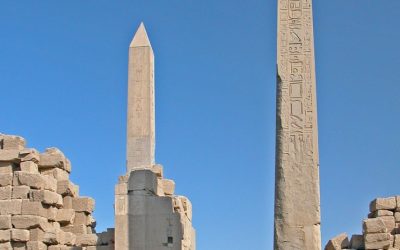
The New Kingdom of Egypt, spanning from approximately 1550 to 1070 BC, marks a period of remarkable architectural achievements and extensive empire expansion. During this era, Egypt experienced a resurgence of power, wealth, and cultural development, leading to the construction of some of its most iconic monuments. Notable structures include the grandeur of temples such as Karnak and Luxor, as well as elaborate tombs in the Valley of the Kings, which exemplify advancements in mortuary architecture and artistry. The period also saw the erection of monumental statues and obelisks that symbolized the strength and divine authority of the pharaohs.
Empire expansion during the New Kingdom was characterized by military campaigns that extended Egypt’s borders into Nubia, the Levant, and parts of the Near East. Pharaohs like Thutmose III, Amenhotep III, and Ramesses II led military expeditions, securing resource-rich territories and establishing Egypt as the dominant power in the region. This expansion facilitated the influx of wealth, imported artistic influences, and new ideas, which were reflected in the architectural grandeur and cultural achievements of the period. The New Kingdom thus represents a pinnacle of ancient Egyptian civilization, marked by impressive constructions and a vast empire that reached its zenith in political, military, and cultural influence.
The Third Intermediate Period (1070–664 BC)
The Third Intermediate Period (1070–664 BC) in ancient Egypt marks a time of political fragmentation and decentralization following the decline of the New Kingdom. During this era, Egypt was divided into multiple rivaling dynasties and regions, leading to a period characterized by internal strife, regional power struggles, and a decline in centralized authority. Despite the chaos, this period also saw cultural and religious developments that would influence Egypt’s history in the centuries to come.
Political Fragmentation and Foreign Influence
The Third Intermediate Period (1070–664 BC) in ancient Egypt was marked by significant political fragmentation and external influence, leading to a time of decentralization and internal instability. During this era, Egypt was divided into multiple regions governed by various local rulers, including the rise of the 21st and 22nd Dynasties, which often operated independently from one another. This division weakened the centralized authority that had previously characterized Egypt’s New Kingdom period.
Foreign influence became increasingly prominent during this time, particularly from Libyan tribes, who settled in parts of Egypt and established their own dynasties. The Libyans, along with other groups such as the Nubians, exerted considerable control over Egyptian territories, further contributing to political division. Additionally, Assyrian and Persian incursions introduced new pressures and influences that affected Egyptian sovereignty and culture.
This period saw the rise of local priesthoods and regional capitals, which gained in prominence as the central authority waned. Despite the political fragmentation, Egyptian culture persisted, and some pharaohs from the South, like the 25th Dynasty originating from Nubia, aimed to restore unity and strengthen national identity. Overall, the Third Intermediate Period was a complex era characterized by regionalism, foreign domination, and evolving political power dynamics within ancient Egypt.
Libyan and Nubian Dynasties
The Third Intermediate Period of Egypt, spanning from approximately 1070 to 664 BC, was marked by significant political fragmentation and internal strife following the collapse of the New Kingdom. During this era, Egypt was divided, with power often concentrated in a few key regions and rulers, including both Libyan and Nubian dynasties, claiming authority over the land.
The Libyan Dynasties, also known as the Meshwesh or Libu, gained prominence during this period, establishing their rule primarily in the western Nile Delta. They introduced new political structures and often worked alongside or alongside native Egyptian rulers. Their influence led to cultural exchanges and shifts, blending Libyan customs with traditional Egyptian practices.
Simultaneously, the Nubian Dynasty, also called the 25th Dynasty, emerged from the Kingdom of Kush in Nubia, located to the south of Egypt. Initially a subordinate kingdom, Kushite rulers eventually seized control of Egypt, establishing a line of pharaohs who united the two regions. This Nubian rule revitalized many Egyptian traditions and access to wealth, restoring stability and fostering a renaissance in arts, architecture, and religious practices.
Both the Libyan and Nubian dynasties played pivotal roles in shaping Egypt’s history during this period. Their coexistence reflects a time of diverse leadership and cultural synthesis that ultimately set the stage for the subsequent reunification under the 26th Dynasty. This era exemplifies Egypt’s resilience and adaptability amidst political upheavals.
Decline of Central Authority
The Third Intermediate Period (1070–664 BC) in ancient Egypt was marked by a significant decline in central authority and political stability. Following the end of the New Kingdom, Egypt fragmented into smaller, semi-autonomous regions often governed by local rulers and foreign powers, such as the Libyans and Nubians. This decentralization weakened the power of the pharaohs and led to a period of political disunity and internal conflict. Different regions operated under their own leadership, reducing the influence of the traditional Egyptian monarchy and the centralized bureaucracy. Despite periods of internal stability, the authority of pharaohs was greatly diminished compared to previous eras, and Egypt was increasingly subject to foreign domination and influence. This decline in unified rule ultimately set the stage for later foreign occupations, including the Assyrians and Persians, and contributed to Egypt’s diminished political and cultural prominence during this tumultuous period.
Late Period (664–332 BC)
The Late Period of ancient Egypt, spanning from 664 to 332 BC, marks a time of significant change and cultural revival following the tumultuous periods of foreign invasion and internal decline. During this era, Egypt experienced a resurgence of artistic achievement, religious practices, and political stability, despite being periodically ruled by foreign powers such as the Assyrians and Persians. This period ultimately concluded with the arrival of Alexander the Great, ushering in the Hellenistic influence that would shape Egypt’s history for centuries to come.
Revivals under Native Dynasties
The Late Period of Egypt, spanning from 664 to 332 BC, was a time of significant transition and cultural revival under native dynasties after a period of foreign domination. During this era, Egypt experienced a resurgence of local art, religion, and political stability, which helped preserve its ancient traditions despite external influences. Native pharaohs such as the 26th Dynasty sought to restore Egypt’s former glory, emphasizing religious reform and the revitalization of monumental building projects. This period also saw the re-establishment of the priesthood’s authority and a renewed emphasis on traditional Egyptian values. The Late Period ultimately culminated in the conquest by Alexander the Great, marking the end of native rule and ushering in the Hellenistic era, but the native dynasties’ revivals played a crucial role in maintaining Egyptian identity through centuries of foreign rule.
Persian Conquest and Control
During the Late Period of ancient Egypt, spanning from 664 to 332 BC, the region experienced significant political and military upheaval, including the Persian Conquest and subsequent control. This era began with the decline of native Egyptian power and the rise of foreign influences, notably the Saite Renaissance, which temporarily restored stability and prosperity to Egypt. However, the arrival of the Persian Empire marked a major turning point in Egyptian history.
The Persian Conquest began in 525 BC when Pharaoh Psamtik III was defeated by Persian forces led by Cambyses II, leading to Egypt falling under Achaemenid Persian rule. This period was characterized by repeated Persian interventions and attempts to consolidate control over Egypt, often met with resistance from Egyptian nationalists seeking independence. Despite this, the Persians maintained influence over Egypt for nearly two centuries, ruling through satraps and integrating Egyptian governance into their vast empire.
Persian control over Egypt was marked by a mixture of administrative reforms and cultural exchanges, but also by periods of rebellion and unrest. Native Egyptian dynasts occasionally regained some autonomy, yet overall, the Persian presence diminished the independence of Egyptian institutions. The conquest ended with Alexander the Great’s arrival, who defeated the Persian forces in Egypt and established Greek dominance over the region, leading to the Ptolemaic period. The Persian occupation significantly influenced Egypt’s political landscape and left a lasting impact on its history during this tumultuous era.
Cultural Renaissance
The Late Period of ancient Egypt, spanning from 664 to 332 BC, was a time of significant cultural renaissance and renewed artistic achievement. This era followed the Islamic conquest and marked a resurgence of traditional Egyptian culture, identity, and craftsmanship. During the Late Period, there was a revival of monumental architecture, sculpture, and painted art, often drawing inspiration from earlier dynastic styles. Temples and tombs were adorned with intricate hieroglyphs and detailed reliefs, reflecting both artistic ingenuity and spiritual expression. Additionally, this period saw increased interactions with other civilizations, which influenced Egyptian art and religious practices, leading to a vibrant cultural exchange. The Late Period ultimately ended with the conquest by Alexander the Great, yet it remains a remarkable chapter in Egypt’s rich historical timeline, emblematic of a renaissance that sought to preserve and celebrate Egypt’s ancient traditions amidst external pressures.
Greek and Roman Rule
Greek and Roman rule significantly shaped the course of Egypt’s ancient history, leaving enduring cultural and political legacies. Following the conquests of Alexander the Great, Egypt became a Hellenistic kingdom under the Ptolemaic dynasty, blending Greek traditions with native Egyptian customs. Later, the Romans took control, integrating Egypt into the vast Roman Empire and influencing its administration, architecture, and societal structure. These periods marked pivotal transitions that contributed to Egypt’s rich historical tapestry and its importance in the ancient world.
Alexander the Great’s Conquest and the Ptolemaic Dynasty
Ancient Egypt experienced significant periods of rule under both Greek and Roman control, which influenced its culture and history. Greek dominance began after the conquest of Alexander the Great in 332 BCE, when Egypt was incorporated into the Hellenistic world. Following Alexander’s death, his general Ptolemy established the Ptolemaic Dynasty, ruling Egypt as a Greek-Macedonian kingdom. The Ptolemaic rulers preserved Egyptian traditions while also fostering Greek culture, resulting in a unique blend of civilizations that lasted until Egypt fell to the Romans in 30 BCE. Under Roman rule, Egypt became a crucial province of the empire, contributing to its political and economic importance in the Mediterranean region. This period marked a significant chapter in Egypt’s history, shaping its cultural landscape and historical trajectory in the ancient world.
Integration into the Roman Empire
Greek and Roman rule significantly shaped the history of Egypt, especially during the period of Hellenistic and Roman dominance. After the conquest of Egypt by Alexander the Great in 332 BCE, the region was integrated into the Macedonian Empire, establishing the Ptolemaic Dynasty which blended Greek and Egyptian cultures. This era saw the rise of Alexandria as a major center of learning, commerce, and culture. When Egypt became a Roman province in 30 BCE following the defeat of Queen Cleopatra VII and Mark Antony, it was fully incorporated into the expanding Roman Empire. Under Roman rule, Egypt continued to be a vital economic hub, especially for grain production, while also experiencing cultural and administrative changes. The integration into the Roman Empire marked a significant transition from Hellenistic to Roman control, influencing Egypt’s societal structure, infrastructure, and cultural landscape for centuries to come, playing a crucial role in shaping the ancient Egyptian timeline.”
Transition to Byzantine Rule
The period of Greek and Roman rule in Egypt marks a significant chapter in its ancient history, characterized by political upheaval and cultural transformation. Following the conquest of Egypt by Alexander the Great in 332 BCE, Egypt became a part of the Hellenistic world under the Ptolemaic Kingdom, which integrated Greek culture with local traditions. This era saw the flourishing of Hellenistic art, architecture, and science, especially in cities like Alexandria, which became a major center of learning and commerce.
As Roman influence expanded, Egypt was incorporated into the Roman Empire in 30 BCE after the defeat of the last Ptolemaic ruler, Cleopatra VII. Under Roman rule, Egypt was a vital province, known for its grain production and strategic importance. The governance brought Roman administrative practices and infrastructure, but also led to a gradual decline in native Egyptian institutions and culture. Despite this, Egypt remained a melting pot of Greek, Egyptian, and Roman elements, contributing to a rich cultural tapestry.
The transition to Byzantine rule occurred when the Eastern Roman Empire, or Byzantine Empire, took control of Egypt following the division of the Roman Empire in the late 3rd and early 4th centuries CE. This period saw the Christianization of Egypt, with Christianity becoming dominant and the rise of important religious centers. Byzantine rule continued until the Arab Islamic conquest in the 7th century CE, which profoundly altered the political, cultural, and religious landscape of Egypt. Throughout this transition, Egypt remained a crucial hub for trade, religious activities, and cultural exchange, shaping its enduring historical significance.


0 Comments