
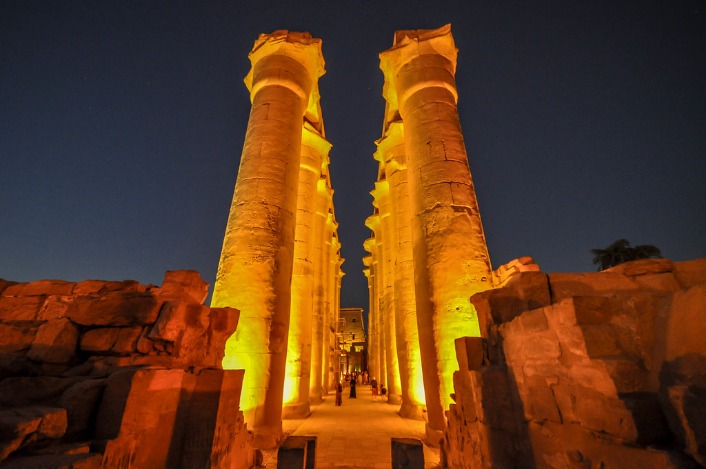
Overview of Egypt’s New Capital
The Egypt New Capital is a groundbreaking urban development project aimed at creating a modern, sustainable city to alleviate congestion in Cairo. Designed to serve as the administrative and financial hub of the country, it features state-of-the-art infrastructure, green spaces, and innovative architecture. This ambitious initiative reflects Egypt’s vision for future growth, economic development, and improved quality of life for its citizens.
Purpose and Objectives
The Egypt New Capital is a major development project aimed at creating a modern, sustainable, and efficient administrative and financial hub for the country. Located east of Cairo, this new city seeks to alleviate congestion, promote economic growth, and serve as a catalyst for urban expansion.
- Relieve Pressure on Cairo: To reduce the overpopulation and congestion in the existing capital.
- Enhance Economic Development: To attract investments and foster business opportunities in a well-planned environment.
- Improve Urban Infrastructure: To provide updated infrastructure, including transportation, utilities, and public services.
- Modernize Government Operations: To relocate government ministries and agencies into a centralized, smart city environment.
- Promote Sustainable Growth: To incorporate green spaces, eco-friendly designs, and renewable energy sources.
- Encourage Regional Development: To stimulate growth in other parts of Egypt by creating a new urban center.
Strategic Significance
The New Administrative Capital of Egypt is a major urban development project designed to alleviate congestion in Cairo and foster economic growth. Located east of Cairo, it spans approximately 700 square kilometers, featuring government offices, residential areas, commercial zones, and green spaces. The city aims to serve as a political and economic hub, supporting Egypt’s vision for sustainable development and modernization.
Strategically, Egypt’s New Capital enhances national security by decentralizing administrative functions and reducing pressure on Cairo. It also improves infrastructure connectivity with new roads, an international airport, and planned metro lines, facilitating efficient movement and trade. The city’s design emphasizes smart city features, sustainability, and innovative technology, positioning Egypt as a regional leader in urban development and attracting foreign investment.
Main Features and Features Overview
The New Administrative Capital of Egypt is a visionary urban development project designed to alleviate congestion in Cairo and foster economic growth. Located east of Cairo, it aims to serve as the future administrative and financial hub for the country, showcasing modern infrastructure and sustainable urban planning.
Main features of the new capital include a state-of-the-art government district, which houses ministries, government offices, and the presidential palace. The city also features a central business district with skyscrapers and commercial spaces, alongside residential neighborhoods equipped with modern amenities. Additionally, the project includes expansive green spaces, parks, and lakes that enhance the city’s environment and offer recreational opportunities for residents.
Features overview of Egypt’s New Capital also comprises advanced transportation networks such as a high-speed rail link connecting it to Cairo and other cities. The city is designed to be environmentally sustainable with renewable energy sources like solar power, along with smart city technologies that improve urban living and efficiency. Facilities like international universities, healthcare centers, and cultural landmarks are integrated into the development to promote a vibrant, modern metropolis that caters to both residents and visitors.
Location and Infrastructure
The location and infrastructure of Egypt’s new capital are crucial factors shaping its development and strategic importance. Situated east of Cairo, the new city is planned to serve as a modern administrative and financial hub, designed to alleviate congestion and foster economic growth. With advanced infrastructure including state-of-the-art transportation networks, utility systems, and sustainable features, the project aims to create a resilient and efficient urban environment that meets the needs of the future population.
Geographical Position
The new administrative capital of Egypt is strategically situated to support the country’s growth and development. It is located approximately 45 kilometers east of Cairo, near the Suez Canal region, which positions it favorably for economic and logistical advantages. The city’s geographical placement aims to alleviate congestion in Cairo and foster a modern urban environment. The infrastructure of the new capital is being developed with advanced transportation networks, including highways, a high-speed rail link, and an international airport, ensuring efficient connectivity. Moreover, the city is designed with sustainable principles, incorporating green spaces, smart city technologies, and modern amenities to create a functional and comfortable environment for residents and businesses alike.
Connectivity and Transportation Networks
The New Administrative Capital of Egypt is strategically designed to enhance connectivity and transportation networks, positioning it as a vital hub in the region. Located east of Cairo, the city integrates modern infrastructure to support efficient movement of people and goods. The development includes comprehensive road networks, highways, and a metro system that connects the capital to existing urban centers, ensuring seamless accessibility across the country. Additionally, the city is planned to be accessible via dedicated rail links and an international airport, facilitating international and domestic travel. The integration of advanced transportation systems aims to reduce congestion in Cairo, promote economic growth, and support sustainable urban development, making the New Capital a key player in Egypt’s future infrastructure landscape.
Urban Planning and Zoning
The New Administrative Capital of Egypt is strategically designed to serve as a modern hub for government and business activities, with careful attention to location and infrastructure. Situated east of Cairo, it aims to alleviate congestion in the existing capital while providing a more sustainable urban environment. The city is planned to incorporate advanced transportation networks, including roads, metro systems, and airports, to facilitate efficient movement within and beyond the city. Robust infrastructure development ensures reliable utilities, water supply, and power distribution, supporting both residential and commercial zones.
Urban planning and zoning play a pivotal role in shaping the New Capital’s growth. The city is divided into designated districts, each tailored for specific functions such as governmental administration, residential communities, commercial centers, and recreational areas. Green spaces and public parks are incorporated throughout to enhance quality of life and environmental sustainability. Strict zoning regulations are implemented to control building heights, land use, and density, ensuring orderly development and aesthetic harmony. These planning efforts aim to create a modern, accessible, and environmentally friendly city that meets the needs of its future residents and users.
Design and Architecture
The design and architecture of Egypt’s new capital represent a bold vision for the future, combining modern innovation with the country’s rich cultural heritage. This ambitious development aims to create a sustainable, smart city that meets the needs of a growing population while showcasing advanced urban planning and aesthetic excellence. Through innovative structural designs and environmentally conscious strategies, the new capital seeks to set a new standard for urban living in the region.
Architectural Themes and Inspirations
The architectural design of Egypt’s new capital is a bold expression of modernity intertwined with cultural heritage, reflecting a vision to create a futuristic metropolis rooted in Egyptian identity. The city’s layout incorporates innovative urban planning principles aimed at sustainability, efficiency, and aesthetic appeal, serving as a symbol of progress and development for the nation. Central to its architectural themes are motifs inspired by Egypt’s ancient civilization, blended with contemporary styles that emphasize openness, natural light, and green spaces. These inspirations foster a unique dialogue between the past and the future, resulting in structures that honor Egypt’s rich history while advancing modern architectural trends. The designs are characterized by monumental scale, sleek lines, and the integration of technological advancements, creating a cohesive and iconic cityscape that aims to elevate Egypt’s global standing and urban experience.
Key Landmarks and Iconic Structures
The Egypt New Capital is a visionary urban development project that aims to create a modern, sustainable, and thriving administrative and financial center away from Cairo. Its design and architecture blend contemporary innovation with cultural elements, reflecting Egypt’s rich history while embracing future-forward concepts. Key landmarks and iconic structures within the new capital serve as symbols of progress and national pride. These include the iconic Administrative Capital Tower, which will house government offices and serve as a prominent skyline feature, and the Convention Center, designed with a futuristic aesthetic to host international events. Additionally, the Presidential Palace and the Islamic Culture and Arts Center embody the fusion of tradition and modernity, showcasing Egypt’s diverse heritage through innovative architectural techniques. Green spaces, such as expansive parks and landscaped avenues, are integrated into the city’s layout to promote sustainability and quality of life. Overall, the design and architecture of the Egypt New Capital aim to establish a forward-looking metropolis that balances functionality, aesthetics, and cultural identity.
Green Spaces and Sustainability Features
The design and architecture of Egypt’s new capital focus on creating a modern, sustainable city that reflects a blend of innovative planning and cultural heritage. Emphasizing futuristic and environmentally conscious structures, the city incorporates advanced engineering techniques to promote energy efficiency and resilience. Green spaces are integrated throughout the urban landscape, providing residents with recreational areas, parks, and landscaped corridors that enhance biodiversity and improve air quality. Sustainability features include renewable energy sources, efficient water management systems, and eco-friendly building materials, all aimed at reducing the ecological footprint of the city and fostering a healthier, more livable environment for future generations.
Development Phases and Timeline
The development phases and timeline of Egypt’s new capital are essential to understanding its transformation into a modern urban hub. This ambitious project involves multiple stages, from planning and design to construction and operational readiness, ensuring the city is built efficiently and sustainably. Carefully structured timelines guide the progress, reflecting Egypt’s vision to create a smart, sustainable, and innovative metropolis that will alleviate congestion and foster economic growth. Tracking these phases provides insight into the project’s scope, milestones, and overall development trajectory.
Initial Planning and Approvals
The development phases and timeline for Egypt’s new capital involve a structured approach to ensure orderly growth and efficient implementation. Initial planning and approvals are crucial steps that set the foundation for the entire project, requiring thorough feasibility studies, environmental assessments, and stakeholder consultations. Once these approvals are secured, the project progresses through various phases, including design, construction, and infrastructure development. The timeline typically spans several years, with key milestones such as the completion of government buildings, residential areas, and transport links outlined to achieve the new capital’s comprehensive development goal. Coordinated efforts among government bodies, private partners, and international agencies are essential to adhere to the proposed schedule and successfully establish a modern administrative and cultural hub for Egypt.
Construction Milestones
The development of Egypt’s new capital involves several key phases and a carefully planned timeline to ensure successful completion. The initial planning and design phase focus on creating detailed blueprints, securing approvals, and establishing project scope. This is followed by infrastructure development, which includes laying out roads, utilities, and foundational services essential for supporting the city’s growth. The construction phase then progresses through various milestones, such as the completion of government buildings, residential zones, commercial centers, and public amenities. Each milestone represents significant progress, including the completion of major landmarks, transportation hubs, and sustainable infrastructure. The timeline spans several years, with specific deadlines set to advance from infrastructure groundwork in the early stages to full operational readiness of key sectors in subsequent phases. This structured approach aims to deliver Egypt’s new capital as a modern, sustainable metropolis by the targeted completion date.
Projected Completion Dates
The development of Egypt’s new capital is structured into several key phases, each with specific objectives to ensure the project’s success. The initial planning and design phase focused on defining the master plan, layout, and infrastructure requirements. This was followed by the implementation phase, which involves the construction of essential facilities such as government buildings, residential areas, transportation networks, and utilities. The final phase emphasizes finishing touches and operational readiness, including sustainability features and technological integrations. The overall timeline for the project is estimated to span approximately 10 to 15 years, with phased completion dates set to ensure steady progress.
Projected completion dates vary across different sections of the new capital. The first phase, which includes critical infrastructure and government headquarters, is targeted for completion within 5 years. Residential neighborhoods and commercial zones are expected to be operational within 7 to 8 years. Full realization of the entire city, including cultural centers, educational institutions, and public amenities, is projected to be achieved within 12 to 15 years, making the new capital fully functional and ready to host its expected population and activities.
Economic and Social Impact
The development of Egypt’s new capital represents a significant transformation with far-reaching economic and social implications. This ambitious project aims to boost the country’s economic growth, create numerous job opportunities, and modernize urban infrastructure. Additionally, it is poised to reshape social dynamics by improving living conditions and fostering a more sustainable and innovative urban environment for Egypt’s future generations.
Investment and Funding
The development of Egypt’s new administrative capital has significant economic and social implications, attracting substantial investments and funding from both government and private sectors. This ambitious project aims to diversify the economy, create numerous job opportunities, and alleviate congestion in Cairo, fostering long-term economic growth. Investment inflows are bolstered by international partnerships and attractive incentives for developers, which facilitate infrastructure development, utilities, and residential projects. The funding for this megaproject includes governmental budget allocations and contributions from foreign investors, reflecting confidence in the nation’s economic potential. Socially, the new capital is expected to improve living standards, enhance urban planning, and promote sustainable development, ultimately shaping Egypt’s economic landscape and societal structure for future generations.
Job Creation and Economic Growth
The development of Egypt’s new capital is poised to have significant economic and social impacts, fostering job creation and stimulating economic growth. This ambitious project aims to modernize the country’s infrastructure, attract foreign investment, and diversify the economy beyond traditional sectors. The construction phase generates numerous employment opportunities across various industries such as construction, engineering, and services, providing a substantial boost to local employment rates. Additionally, the new capital is expected to serve as a catalyst for future commercial and industrial development, encouraging entrepreneurship and attracting international businesses. As a result, the project is likely to contribute to sustained economic growth, increase national productivity, and improve living standards for Egyptians. The long-term benefits include enhanced urban planning, better public services, and a more competitive economy aligned with global standards, ultimately elevating Egypt’s position on the regional and international stages.
Expected Benefits for Residents and Businesses
The development of Egypt’s new capital is poised to bring significant economic and social impacts that will benefit residents and businesses alike. This ambitious project aims to create a modern urban environment that attracts investments, stimulates economic growth, and enhances overall productivity. The new capital is expected to generate numerous job opportunities during and after construction, supporting local employment and increasing income levels for residents.
For businesses, the new capital offers a strategic location with advanced infrastructure, which can lead to increased commercial activities and ease of logistics. Improved transportation networks and modern utilities will facilitate smoother operations, encouraging both new startups and established companies to expand their presence. Additionally, the influx of residents and visitors will boost local markets, retail, hospitality, and service industries.
Residents of the new capital will benefit from improved living standards through better healthcare, education, and public services. The city’s modern planning emphasizes sustainability and quality of life, providing green spaces, efficient transport, and technological amenities. Overall, the development aims to foster a vibrant, resilient community where economic growth goes hand in hand with social well-being, contributing to Egypt’s long-term national progress.
Environmental and Sustainability Aspects
The development of Egypt’s new capital city presents a significant opportunity to prioritize environmental and sustainability considerations. As urban expansion continues, implementing eco-friendly designs and sustainable infrastructure becomes essential to minimize environmental impact. This approach aims to create a modern, efficient city that harmonizes with Egypt’s natural resources while promoting long-term ecological stability and improved quality of life for its residents.
Eco-Friendly Building Practices
The development of Egypt’s new capital emphasizes environmental and sustainability considerations through eco-friendly building practices. These initiatives focus on minimizing energy consumption, reducing carbon footprints, and promoting the use of sustainable materials in construction. Incorporating renewable energy sources such as solar and wind power aims to make the city more energy-efficient and environmentally responsible. The planning also prioritizes green spaces, water conservation, and waste management systems that reduce environmental impact. Overall, the focus on eco-friendly building practices in the new capital reflects a commitment to creating a sustainable urban environment that supports both economic growth and ecological health.
Renewable Energy Initiatives
The development of Egypt’s new capital incorporates a strong focus on environmental sustainability and renewable energy initiatives to promote eco-friendly growth. The urban planning emphasizes reducing carbon emissions by integrating green spaces, energy-efficient infrastructure, and sustainable transportation systems. Renewable energy sources such as solar and wind power are central to the project’s vision, with extensive solar parks and wind farms planned to supply clean electricity to the city and surrounding regions. These initiatives aim to decrease reliance on fossil fuels, reduce greenhouse gas emissions, and contribute to Egypt’s broader environmental goals. By prioritizing renewable energy and sustainable urban development, the new capital aspires to serve as a model for environmentally conscious growth in the region, fostering a healthier, more resilient urban environment for future generations.
Water and Waste Management
The development of Egypt’s new administrative capital places significant emphasis on environmental sustainability and effective water and waste management strategies. Incorporating eco-friendly infrastructure and green building practices aims to reduce the carbon footprint of the urban environment, supporting Egypt’s broader commitment to sustainable development. Advanced water conservation techniques, including recycled water use and efficient irrigation systems, are integral to ensuring the new city minimizes strain on the country’s limited water resources. Additionally, comprehensive waste management systems are being implemented to promote recycling, reduce landfill dependence, and encourage waste minimization, fostering a cleaner and healthier urban space for future inhabitants.
Challenges and Controversies
The development of Egypt’s new capital has sparked numerous challenges and controversies that highlight the complexities of such an ambitious project. From environmental concerns to financial sustainability and urban planning issues, stakeholders grapple with balancing modernization efforts while addressing social and political implications. Exploring these debates offers insight into the broader implications of transforming a nation’s urban landscape.
Financial and Political Concerns
The development of Egypt’s new capital city has sparked a range of challenges and controversies, particularly concerning financial and political aspects. The project requires enormous investment, raising concerns about the country’s already strained finances and the sustainability of such a costly undertaking amidst economic instability. Critics argue that the funds might be better allocated to improving existing infrastructure and addressing pressing social issues. Politically, the initiative has faced scrutiny over transparency, governance, and potential displacement of communities. Some question whether the project aligns with the country’s long-term strategic goals or serves the interests of specific elites. Additionally, there are concerns about environmental impacts and the social implications of relocating government functions and population centers far from Cairo. These complexities highlight the delicate balance between ambitious nation-building efforts and practical, fiscally responsible development.
Relocation and Displacement Issues
The development of Egypt’s new capital has brought several challenges and controversies related to relocation and displacement. One of the primary issues involves the displacement of local communities and farmers who have traditionally inhabited the land designated for the new city. These individuals face the loss of their homes, livelihoods, and cultural heritage, raising concerns about social justice and fair compensation. Additionally, there are environmental concerns linked to large-scale construction projects, including the impact on surrounding ecosystems and water resources. Controversies also arise over the transparency and fairness of compensation policies, as some residents feel they are not adequately compensated or informed about the process. Moreover, the social fabric of existing neighborhoods is affected as communities are uprooted, creating tension and uncertainty about the long-term social and economic implications of the relocation efforts. These challenges highlight the complex balance between urban development and the rights of affected communities in Egypt’s ambitious capital project.
Environmental Impact and Risks
The development of Egypt’s new capital city presents several challenges and controversies, particularly concerning its environmental impact and associated risks. As a large-scale infrastructure project, it has prompted debate over sustainable development, resource use, and long-term ecological consequences.
Challenges and Controversies include:
- Displacement of Local Communities: The relocation of residents and traditional communities raises social and cultural concerns.
- Financial Costs: The significant investment required may strain national budgets and lead to questions about fiscal responsibility.
- Urban Planning and Infrastructure: Ensuring the new city is resilient, well-connected, and sustainable remains a complex task.
- Environmental Sustainability: Balancing development with conservation efforts is critical to prevent ecological degradation.
- Controversy Over Environmental Impact: The construction process can disturb local ecosystems, wildlife habitats, and water resources.
Environmental Impact and Risks associated with the project encompass:
- Deforestation and Land Use Changes: Large-scale land clearing can lead to loss of biodiversity and soil erosion.
- Water Resource Strain: The project demands substantial water, potentially impacting the Nile and surrounding environments.
- Air and Noise Pollution: Construction activities contribute to local air quality deterioration and noise disturbances.
- Waste Management Challenges: Managing construction debris and future urban waste requires careful planning to prevent pollution.
- Climate Change Resilience: Ensuring the new city can withstand climate-related risks such as flooding or heatwaves remains imperative.
Future Developments and Expansion
The development of Egypt’s new administrative capital represents a significant step toward the country’s modernization and economic expansion. As part of future developments, this ambitious project aims to create a sustainable, smart city that can accommodate the growth of Egypt’s population and enhance its infrastructure. The expansion plans focus on integrating innovative technologies, improving urban living standards, and positioning the new capital as a regional hub for business and culture.
Smart City Technologies
The development of Egypt’s new administrative capital promises significant advancements in smart city technologies, shaping a modern urban environment integrated with innovative digital solutions. Future developments are focused on deploying IoT sensors, AI-driven traffic management systems, and sustainable energy sources to enhance efficiency and residents’ quality of life. Expansion plans include additional smart infrastructure, such as automated public transport, intelligent waste management, and interconnected security networks, establishing the city as a model for sustainable urban growth. These advancements aim to position Egypt’s new capital as a leading example of smart city innovation in the region, fostering economic growth and improved urban living standards for future generations.
Additional Infrastructure Projects
The development of Egypt’s new capital marks a significant step toward modernizing the country’s infrastructure and expanding urban capabilities. Future developments focus on integrating smart city technologies, sustainable design, and advanced transportation networks to ensure the city’s long-term growth and efficiency.
Additional infrastructure projects are planned to support the new capital’s expansion, including the construction of high-speed rail links, new airports, industrial zones, and residential complexes. These projects aim to improve connectivity both within the city and with other major regions, fostering economic growth and attracting investment.
Efforts are also underway to enhance public services, such as healthcare, education, and governmental offices, to create a comprehensive urban environment that meets the needs of its residents and businesses. With ongoing investments and innovative planning, the new capital aspires to become a regional hub for politics, business, and tourism.
Long-term Urban Development Plans
The future developments and expansion plans for Egypt’s New Capital aim to establish it as a sustainable, modern, and technologically advanced urban center that addresses the nation’s growing population and economic needs. These long-term urban development initiatives focus on creating a smart city with efficient infrastructure, green spaces, and innovative transportation networks to enhance the quality of life for residents and attract international investments.
- Completion of the administrative and government buildings to house national institutions, reducing congestion in Cairo.
- Development of residential districts designed to accommodate a diverse population, emphasizing affordable and high-end housing options.
- Implementation of a comprehensive transportation system, including a monorail, metro, and smart traffic management, to ensure seamless connectivity within the city and beyond.
- Establishment of educational and research institutions to foster innovation and growth in various sectors.
- Integration of green spaces, parks, and eco-friendly infrastructure to promote sustainability and enhance urban aesthetics.
- Expansion of commercial zones and business districts to support modern commerce, retail, and service industries.
- Phase-wise expansion plans over the next decade to gradually increase the city’s capacity and infrastructure capabilities.
- Incorporation of renewable energy sources, including solar and wind, to ensure the city operates sustainably and reduces its carbon footprint.
- Development of cultural and recreational facilities to promote tourism and enhance the social fabric of the community.
- Utilization of smart city technologies, such as IoT and data analytics, to optimize urban services and enhance security.
These long-term urban development plans aim to transform Egypt’s New Capital into a flagship example of modern urban planning, positioning it as a global city of the future while supporting national economic growth and social development initiatives.



0 Comments