
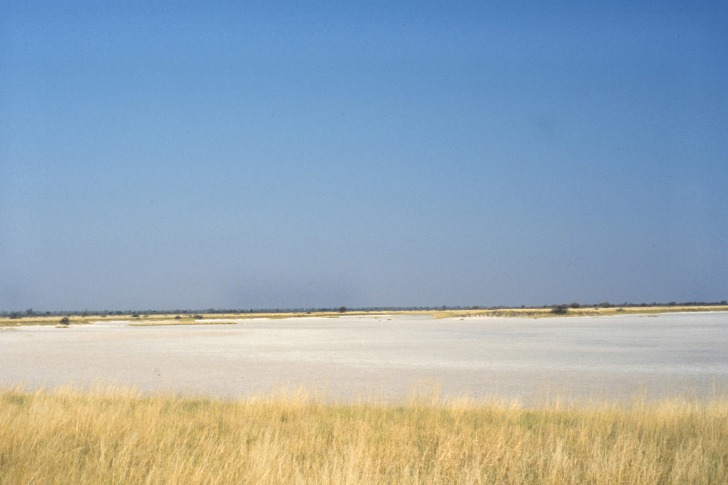
Overview of the Botswana Salt Pan
The Botswana Salt Pan, also known as the Makgadikgadi Pan, is one of the largest salt flats in the world, offering a surreal and expansive landscape in the heart of Botswana. This vast salt pan is a remnant of an ancient lake and covers thousands of square kilometers, attracting travelers and wildlife enthusiasts alike. Its unique environment provides a vital habitat for a variety of species and serves as a striking natural wonder steeped in ecological and cultural significance.
Location and Geographical Significance
The Botswana Salt Pan, also known as the Makgadikgadi Pan, is one of the largest salt flats in the world, covering an area of approximately 12,000 square kilometers. It is located in the northeastern part of Botswana, within the Central Kalahari Game Reserve. The salt pan is a remnant of the ancient Lake Makgadikgadi, which once covered much of the region, leaving behind vast, flat, and reflective salt deposits. Its geographical significance lies in its unique landscape, which provides vital habitats for migratory animals and supports a rich diversity of wildlife. Additionally, the expansive salt flats contribute to the region’s ecological balance and are an important feature for scientific research and eco-tourism in Botswana.
Formation and Geological Background
The Botswana Salt Pan, part of the Makgadikgadi Pan complex, is one of the largest salt flats in the world, covering an extensive area of approximately 12,000 square kilometers. It is a flat, arid, and featureless landscape that has been shaped by millions of years of geological processes. The pan’s formation is linked to the remnants of an ancient lake, Lake Makgadikgadi, which existed during the late Miocene to early Pleistocene epochs.
Geologically, the salt pan is a product of evaporative processes that concentrated salts and minerals as the basin dried out over time. The underlying geology consists mainly of salt and clay deposits, which are overlain by a crust of salt crust and mud flats. These deposits are derived from the mineral-rich waters of the former lake that, through evaporation, deposited large quantities of halite, gypsum, and other evaporite minerals. The region’s geological history is marked by tectonic stability with minimal volcanic activity, allowing the salt deposits to accumulate undisturbed over millennia.
The formation of the salt pan was greatly influenced by climatic changes, especially the shift towards a semi-arid climate during the Pleistocene epoch. This climate shift led to the repeated cycles of lake expansion and contraction, resulting in the extensive salt flats seen today. The salt pan serves as a significant geological record, offering insights into ancient climatic conditions, paleoenvironmental changes, and the evolution of the African landscape. Its unique geological background and formation processes make it a site of considerable scientific interest and ecological importance.
Physical Characteristics and Extent
The Botswana Salt Pan, also known as the Makgadikgadi Pan, is a vast expanse of salt flats located in the central part of Botswana. It is one of the largest salt flats in the world and forms part of the larger Makgadikgadi Salt Pans, which are remnants of an ancient lake that once covered the region.
Physically, the salt pan is characterized by a flat, featureless landscape covered with a crust of salt that reflects the sun, creating a dazzling white surface. The pan has a relatively low elevation and is largely dry, except during periods of seasonal rain, when shallow pools of water can form. The surface varies from smooth and cracked to rugged and salt-encrusted, shaped by wind and weather conditions.
The extent of the Botswana Salt Pan spans approximately 12,000 to 13,000 square kilometers, making it a significant geographical feature of the region. It stretches across several districts, including the Central District and the Kalahari Basin, and is surrounded by semi-arid desert and grassland ecosystems. Its vastness is a key aspect of its ecological and geological importance, contributing to its role as a habitat for migratory birds and a unique natural phenomenon in Botswana.
Ecology and Wildlife of the Salt Pan
The Botswana salt pan, a vast and arid landscape, is a unique ecosystem that supports diverse wildlife and specialized ecological communities. This expansive salt flat, formed by ancient lakebeds, creates challenging conditions for plants and animals, resulting in a remarkable adaptation of species. Despite its harsh environment, the salt pan attracts a variety of migratory birds, insects, and resilient plant species, making it an important habitat for biodiversity. Exploring the ecology and wildlife of this area reveals the incredible resilience of life in extreme conditions and the vital ecological role of the salt pan in the region.
Flora Adaptations to Saline Conditions
The Botswana salt pan is a unique ecosystem that hosts a diverse array of flora adapted to extreme saline conditions. These plants have evolved specialized strategies to survive and thrive in the harsh environment characterized by high salinity, intense sunlight, and limited freshwater availability.
- Halophytes: Many plants in the salt pan are halophytes, which are naturally adapted to grow in saline soils. These include species like saltbush and glasswort, which have salt-excluding or salt-secretory mechanisms.
- Succulence: Some plants develop thick, fleshy tissues that store water, enabling them to withstand periods of drought and high salinity. Examples include certain succulent species that can tolerate the osmotic stress caused by salt.
- Salt Excretion: Certain flora, such as saltwort, possess specialized glands that excrete excess salt, allowing the plant to maintain its internal osmotic balance.
- Root Adaptations: Many salt-tolerant plants have deep or complex root systems that reach below the salty surface layers to access less saline water sources.
- Crassulacean Acid Metabolism (CAM): Some species utilize CAM photosynthesis, which allows them to fix carbon dioxide at night, reducing water loss in the extreme daytime heat and salinity conditions.
Fauna Typical of the Salt Pan Ecosystem
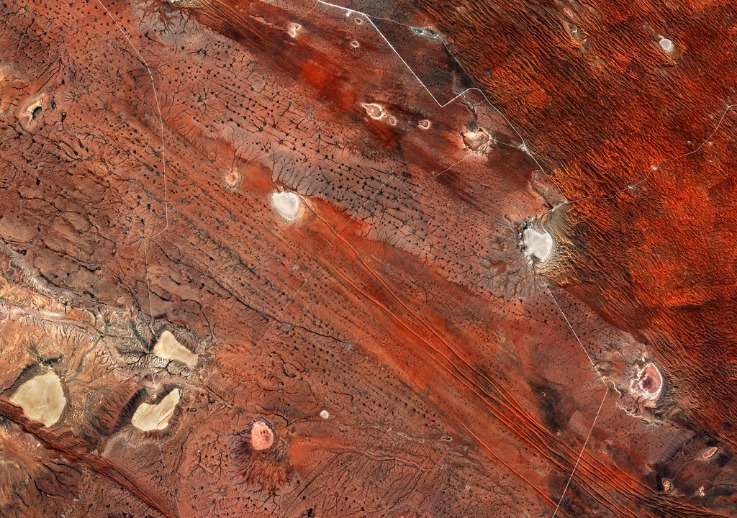
The Salt Pans of Botswana represent a unique and dynamic ecosystem characterized by extreme environmental conditions and specialized flora and fauna. These expansive salt flats, such as the Makgadikgadi and Nxai Pan, support a distinctive array of wildlife adapted to harsh, saline environments. The ecosystem is marked by periods of intense dryness interspersed with seasonal flooding, creating temporary wetlands that attract a variety of species. The flora in these areas includes halophyte plants that can tolerate high salinity levels, supporting the food chain within this arid landscape.
The fauna typical of the Botswana Salt Pan ecosystem is remarkably diverse, with species specially adapted to survive the extreme conditions. Notable among the fauna are migratory birds such as flamingos, pelicans, and other waterfowl, which flock to the pans during seasonal rains and flooding. The pans also host various insects, especially brine flies and crustaceans, which are crucial for the food web. Mammals like the springbok, gemsbok, and predators such as cheetahs and jackals are also found in the surrounding areas, often relying on the transient water sources. Additionally, the salt-tolerant frogs and other amphibians contribute to the ecological complexity of the region. Overall, the Botswana Salt Pan ecosystem exemplifies resilience and adaptation, supporting a unique mix of flora and fauna that thrive despite challenging environmental conditions.
Birdlife and Migratory Species
The Botswana Salt Pan is a vital ecological habitat supporting a diverse array of wildlife and bird species. Its expansive, saline landscape provides unique conditions that influence the local ecosystem and support specialized flora and fauna. The salt pan serves as an important breeding and feeding ground for many migratory bird species, especially during the wet season when water availability increases. This habitat is crucial for waterbirds such as flamingos, pelicans, and storks, which thrive in the brackish waters. The region’s ecological significance is heightened by its role in maintaining biodiversity, offering refuge to various species that are adapted to live in extreme saline environments. Moreover, the salt pan’s seasonal changes attract migratory birds from across Africa and beyond, making it a key site for bird conservation and ecological research. Protecting this delicate environment ensures the survival of numerous species and preserves the ecological balance of the region. Ultimately, the Botswana Salt Pan exemplifies the interconnectedness of ecosystems, wildlife, and migration patterns within the African continent.
Climate and Environmental Factors
The Botswana Salt Pan, a vast and striking landscape, is significantly influenced by various climate and environmental factors. These elements shape the unique ecosystems, weather patterns, and geological features of the area. Understanding these factors is essential for appreciating the salt pan’s ecological importance and the challenges it faces in a changing environment.
Temperature Ranges and Precipitation Patterns
Botwana Salt Pan’s climate is characterized by extreme temperature ranges and distinctive precipitation patterns that influence the region’s unique environment. During summer months, temperatures can soar above 40°C, creating some of the hottest conditions in southern Africa, while winters experience milder temperatures around 10°C to 20°C. Precipitation in the area is sparse and irregular, generally occurring during the summer rainy season from November to March, often in the form of sudden, intense thunderstorms. This climate contributes to the salt pan’s vast, arid landscape, with high evaporation rates that lead to the formation of salt deposits. The environment’s harsh temperature fluctuations and limited rainfall shape the ecosystem, supporting specialized flora and fauna adapted to such extreme conditions.
Salinity Levels and Variability
The Botswana Salt Pan is a vast, arid environment where climate and environmental factors significantly influence salinity levels and their variability. The region’s extreme temperatures, low rainfall, and high evaporation rates create conditions conducive to the accumulation of salts, shaping the unique ecosystem of the salt pan.
Salinity levels in the Botswana Salt Pan are subject to fluctuations driven by seasonal and climatic changes. During dry periods, high evaporation concentrates salts on the surface, leading to increased salinity. Conversely, occasional rainfall can dilute surface salts, temporarily reducing salinity levels.
- Extreme Climate Conditions: The hot and arid climate accelerates evaporation, enhancing salinity build-up.
- Rainfall Variability: Unpredictable rainfall patterns influence the dilution and concentration cycles of salts.
- Temperature Fluctuations: Large temperature swings impact evaporation rates and salt precipitation.
- Environmental Stressors: Human activities and climate change exacerbate salinity fluctuations and affect local biodiversity.
Impact of Climate Change on the Ecosystem
The Botswana Salt Pan, part of the Makgadikgadi Salt Pans, is highly sensitive to climate and environmental factors that influence its ecosystem. Climate change has led to increased variability in rainfall and temperature, significantly impacting the unique habitats within this region. These changes affect the delicate balance of the ecosystem, threatening both flora and fauna that rely on the salt pan for survival.
- Rising temperatures accelerate evaporation rates, leading to the expansion or shrinkage of salt flats and affecting the availability of water sources.
- Altered rainfall patterns result in unpredictable flooding or prolonged droughts, disrupting traditional seasonal breeding cycles of animals like flamingos and wildebeests.
- Climate change contributes to habitat loss for migratory birds, which depend on the salt pans for feeding and nesting grounds.
- Increased salinity from evaporation can threaten the growth of specialized microorganisms and plants, reducing biodiversity in the area.
- Extreme weather events may cause erosion and destabilize the salt pan landscape, further impacting the ecosystem’s resilience.
Human Interaction and Cultural Significance
The Botswana Salt Pan, a vast and striking natural expanse, highlights the profound ways in which human interaction shapes and is shaped by cultural significance. Across generations, local communities have relied on this unique landscape for livelihood, ceremonial practices, and cultural identity. Understanding the relationship between people and the salt pan offers insight into how natural environments influence social customs and collective heritage in Botswana.
Historical Use of Salt and Resources
The Botswana Salt Pan holds a prominent place in the region’s history and cultural heritage, serving as both a natural resource and a symbol of human ingenuity. Historically, local communities have relied on the salt deposits of the pan for their daily needs, preserving traditional methods of extraction that have been passed down through generations. This interaction with the land has fostered a deep connection between people and their environment, emphasizing the importance of sustainable resource use. Additionally, the salt pan has played a vital role in social and economic exchanges, facilitating trade and fostering community bonds. Its cultural significance is reflected in local rituals and folklore, which highlight the pan’s role in shaping identity and heritage. The continued use and reverence for this natural resource underscore its enduring importance in Botswana’s history and cultural landscape.
Current Human Activities and Tourism
The Botswana Salt Pan is a fascinating site that highlights the profound connection between human interaction and cultural significance. For centuries, local communities have relied on the salt pan for salt extraction, which has become an integral part of their traditions and livelihoods. The salt pan also holds spiritual value for indigenous groups, symbolizing their relationship with the land and water sources.
Today, human activities in the Botswana Salt Pan include salt harvesting, scientific research, and eco-tourism efforts. Visitors come to witness the unique landscapes, observe migratory birds, and learn about traditional practices. Tourism has become a vital economic activity, helping to promote cultural heritage, raise awareness about environmental conservation, and support local communities. Efforts to balance human engagement with sustainability are crucial to preserving the salt pan’s natural and cultural integrity for future generations.
Local Communities and Cultural Heritage
The Botswana Salt Pan is a vital part of the region’s cultural heritage, serving as more than just a natural landscape; it is a symbol of the local communities’ history and traditions. Human interaction with the salt pan has shaped local livelihoods, especially through traditional salt harvesting practices that have been passed down through generations. This ongoing relationship emphasizes the importance of the salt pan in preserving cultural identity and promoting community cohesion.
For many local communities, the salt pan is intertwined with cultural rituals and stories, reflecting their connection to the land and environment. The site also attracts tourism, which offers economic opportunities but requires careful management to respect cultural values. Preserving the salt pan’s natural and cultural significance is essential for maintaining the unique heritage of Botswana and ensuring that future generations continue to cherish their ancestral ties to this remarkable landscape.
Conservation and Threats
The Botswana Salt Pan is a unique and delicate ecosystem that plays a vital role in the region’s biodiversity. Conservation efforts are essential to preserve this natural habitat, which supports a variety of plant and animal species. However, the salt pan faces numerous threats including climate change, improper land use, and human activities that threaten its fragile environment.
Protected Areas and Conservation Efforts
The Botswana Salt Pan, a vital natural habitat, plays a significant role in supporting diverse wildlife and maintaining ecological balance. However, this unique ecosystem faces numerous threats, including overgrazing, illegal mining, and climate change, which lead to habitat degradation and water scarcity. Conservation efforts are essential to preserve this delicate environment, involving government initiatives, community participation, and international partnerships. Protected areas, such as the Makgadikgadi Pans National Park, have been established to safeguard the salt pan and its biodiversity. These areas facilitate sustainable tourism, research, and habitat restoration, ensuring the long-term conservation of this vital landscape for future generations.
Environmental Threats: Mining, Pollution, and Overuse
The Botswana Salt Pan, a significant ecological habitat, faces numerous conservation challenges due to environmental threats such as mining, pollution, and overuse. These activities disrupt the delicate balance of the ecosystem, threatening the diverse species that rely on this habitat for survival.
Mining activities in and around the salt pan can lead to habitat destruction and soil degradation, which in turn affect the flora and fauna indigenous to the area. Pollution from nearby industrial and agricultural sources introduces harmful chemicals into the environment, contaminating water sources and harming wildlife.
Overuse of water resources for agriculture, tourism, or other human activities can lead to the drying up of the salt pan, reducing its ecological value and impacting the species that depend on it. Protecting this unique environment requires implementing sustainable practices and enforcing regulations to mitigate these threats.
Conservation efforts are vital to preserve the Botswana Salt Pan’s natural beauty and biodiversity, ensuring it remains a vital ecological site for future generations.
Strategies for Sustainable Management
The Botswana Salt Pan is a vital ecological habitat that hosts a diverse range of species and supports local communities. Conservation efforts aim to preserve its unique environment while addressing the threats it faces. Key threats include habitat degradation caused by overgrazing, mineral extraction, and climate change, which leads to altered water levels and salinity. Pollution from nearby activities and invasive species further threaten its delicate ecosystem. To ensure its sustainability, strategies such as establishing protected areas, promoting responsible tourism, and involving local communities in conservation initiatives are essential. Implementing sustainable water management practices and restoring degraded areas help maintain the ecological balance. Education and awareness programs are crucial for fostering community participation and long-term conservation success, securing the Botswana Salt Pan’s future for generations to come.
Research and Scientific Studies
The Botswana Salt Pan is a fascinating natural landscape that has garnered significant scientific interest due to its unique ecological and geological features. Research and scientific studies in this region help us understand its formation, biodiversity, and the environmental processes that shape this iconic landscape. These investigations provide valuable insights into desert ecosystems and contribute to the broader knowledge of climate change and environmental sustainability.
Ongoing Research Projects
Research and scientific studies related to the Botswana Salt Pan focus on understanding the geological formation, mineral composition, and ecological significance of this unique environment. Ongoing research projects aim to analyze the salt pan’s potential for mineral extraction, assess its impact on local biodiversity, and explore its role in climate change studies. Scientists are also investigating the hydrology and evaporation processes that sustain the salt pan, providing insights into similar arid environments across Africa. These efforts contribute to sustainable management practices and promote conservation of this important ecological and economic resource.
Findings on Salinity and Ecosystem Dynamics
Research and scientific studies on the Botswana salt pan have extensively explored the effects of salinity on ecosystem dynamics, highlighting the intricate balance between mineral concentrations and biological diversity. The salt pan’s unique environment provides valuable insights into how salinity influences various ecological processes and species adaptation.
- Studies indicate that high salinity levels in the Botswana salt pan limit terrestrial and aquatic species that can survive, leading to specialized but limited biodiversity.
- Research reveals that salt-tolerant microorganisms, such as halophilic bacteria and archaea, dominate the microbial communities, playing essential roles in nutrient cycling within the ecosystem.
- Findings suggest that seasonal fluctuations in salinity caused by rainfall and evaporation significantly impact the spatial distribution and productivity of biotic components.
- Scientific investigations show that increased salinity can inhibit plant growth, affecting sediment stability and overall habitat structure in the region.
- Climate change projections indicate that rising temperatures and changing precipitation patterns could further alter salinity levels, potentially leading to shifts in ecosystem resilience and function.
Future Research Directions
The Botswana Salt Pan is a unique natural phenomenon that has garnered significant interest within the scientific community, particularly in the fields of geology, ecology, and climate studies. Research on this salt pan has provided insights into mineral deposits, evaporation processes, and the adaptive behaviors of local flora and fauna in extreme environments. Scientific studies have also explored the impacts of climate variability and human activity on the salt pan’s ecosystem, contributing to broader understanding of desertification and environmental resilience.
Future research directions should focus on the detailed ecological interactions within the salt pan, including microbial communities that thrive in hypersaline conditions. Advances in remote sensing and geospatial technologies can enhance monitoring efforts, enabling real-time assessment of environmental changes. Additionally, interdisciplinary studies integrating climate science, biology, and geology are essential to predict long-term impacts and develop sustainable management strategies. Exploring potential economic applications, such as mineral extraction and renewable energy, could also be valuable for local development while ensuring ecological preservation.


0 Comments