
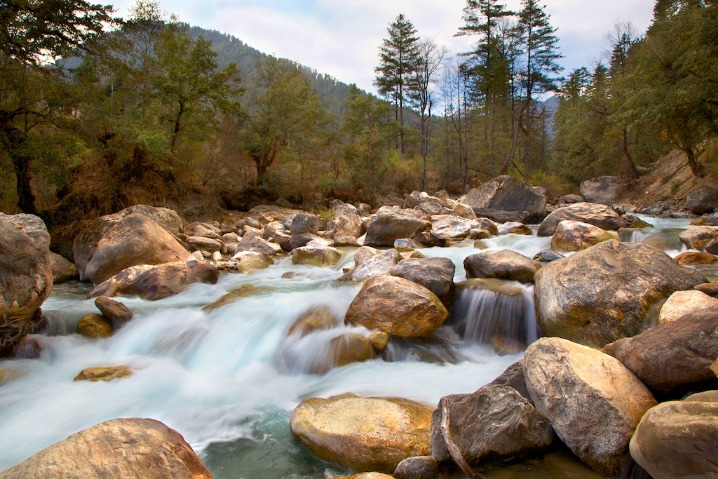
Major Rivers of Botswana
Botswana is characterized by several significant rivers that play a vital role in the country’s ecosystem and economy. These major rivers provide water for agriculture, support diverse wildlife, and contribute to the region’s scenic beauty. Understanding these rivers is essential to appreciating Botswana’s natural landscape and resources.
Okavango River
The Okavango River is one of the major rivers in Botswana, renowned for shaping the unique ecosystem of the Okavango Delta. It originates from the Angolan highlands and flows southeastward into Botswana, creating one of the world’s largest inland deltas. This river plays a crucial role in supporting diverse wildlife and sustaining local communities through agriculture and fishing. The Okavango River’s annual floodwaters are vital for maintaining the health of the delta, making it a UNESCO World Heritage Site and a significant natural feature of Botswana. Along with other rivers in the region, it contributes to Botswana’s rich aquatic environment and ecological importance.
Chobe River
Botswana is home to several major rivers, with the Chobe River being one of the most significant. The Chobe River flows along the northern border of Botswana, separating it from Namibia and Zimbabwe, and is renowned for its abundant wildlife and vibrant ecosystems. It is a vital water source for many animals and supports numerous activities such as fishing, boating, and safaris. The river’s rich biodiversity makes it a key feature of Botswana’s natural landscape and contributes greatly to the region’s tourism industry.
Linyanti River
The Linyanti River is one of the major rivers in Botswana, renowned for its vibrant wildlife and scenic landscapes. Flowing through the northern part of the country, it plays a crucial role in supporting the region’s rich ecosystem, especially around the Linyanti and Chobe areas. The river is a vital water source for numerous species of animals and plants, making it a popular destination for safaris and eco-tourism. Its seasonal flooding creates unique habitats that attract a diverse array of fauna, including elephants, hippos, crocodiles, and various bird species. The Linyanti River, along with other major rivers in Botswana, such as the Okavango and Chobe rivers, highlights the importance of water bodies in sustaining the country’s biodiversity and natural heritage.
Cuando River
Botswana is home to several major rivers that play a vital role in its ecosystem and geography. Among these, the Cuando River is one of the most significant. It originates in Namibia and flows eastward into Botswana, creating a vital water source for agriculture and wildlife in the region. The Cuando River also marks part of the border between Namibia and Botswana, contributing to the natural boundary and supporting diverse habitats along its course. Its seasonal flow varies, influencing local ecosystems and human activities. Overall, the Cuando River is essential for sustaining life and maintaining the environmental balance in Botswana.
Botswana’s Tributaries and Seasonal Streams
Botswana is characterized by a network of major rivers, tributaries, and seasonal streams that sustain its ecosystems and support local communities. The Okavango River is the most significant, flowing from Angola into Botswana’s Okavango Delta, creating one of the world’s largest inland wetlands. The Limpopo River forms part of Botswana’s southern border, providing vital water resources and supporting agriculture. The Chobe River, a major tributary of the Zambezi, flows through the northern part of the country, renowned for its rich biodiversity and wildlife habitat. Other important rivers include the Boteti River, which is a critical tributary of the Makgadikgadi Salt Pans, and the Shashe River, which flows through the eastern regions of Botswana.
Tributaries in Botswana augment the flow of these major rivers, contributing to the overall water volume, especially during the rainy season. The Nxai River and the Nata River are notable tributaries that feed into the Makgadikgadi and Sua Pan salt flats, providing seasonal waterflows that are vital during drought periods. Many of Botswana’s smaller streams and streams are seasonal, appearing during the rainy season and disappearing during dry periods. These ephemeral streams are essential for recharging groundwater sources, supporting local wildlife, and maintaining the ecological balance of arid regions.
Geographical Features of Botswana Rivers
Botswana is a country characterized by a diverse array of rivers that shape its landscape and support its ecosystems. These rivers play a crucial role in providing water resources, facilitating agriculture, and sustaining wildlife. The geographical features of Botswana’s rivers vary from wide, expansive channels to narrower tributaries, each contributing to the rich natural environment of the region.
River Basins and Drainage Patterns
Botswana is characterized by diverse geographical features related to its rivers, river basins, and drainage patterns. The country is predominantly arid or semi-arid, with many rivers flowing intermittently or seasonally. The major river basin in Botswana is the Okavango River Basin, which feeds into the famous Okavango Delta, a UNESCO World Heritage Site. This delta is one of the world’s largest inland deltas and is fed by seasonal rains from Angola, creating a unique floodplain ecosystem. The Limpopo River also forms part of Botswana’s southern border, serving as an important water source and drainage outlet. Drainage patterns in Botswana largely follow a trellis or dendritic pattern, influenced by the underlying geology and terrain. Many rivers in Botswana exhibit a radial drainage pattern, especially around prominent landforms like the Tswapong Hills. Overall, Botswana’s rivers and drainage systems are integral to its ecological balance, supporting agriculture, wildlife, and human settlements in an otherwise dry landscape.
Floodplains and Wetlands
Botswana is renowned for its diverse geographical features, especially its rivers, floodplains, and wetlands, which play a crucial role in the country’s ecosystem and economy.
- The Okavango River is one of Botswana’s most significant rivers, originating from Angola and flowing into the Okavango Delta, creating one of the world’s largest inland deltas.
- The Limpopo River forms the southern border of Botswana, providing vital water resources for agriculture and wildlife.
- The Boteti River, a major tributary of the Makgala River, often experiences seasonal flow, contributing to the floodplains of the Makgadikgadi Salt Pans.
- The Chobe River, located in northern Botswana, supports one of the richest concentrations of wildlife and is essential for maintaining the ecological balance of the Chobe National Park.
Floodplains and wetlands in Botswana, such as the Okavango Delta, are critical habitats for numerous species, supporting biodiversity and serving as vital water sources during dry seasons. These features also attract tourism and are integral to local livelihoods.
Canals and Waterways for Irrigation
Botswana is characterized by a variety of geographical features related to its rivers, canals, and waterways that play a crucial role in irrigation and agriculture. The main rivers in Botswana include the Okavango River, which forms the iconic Okavango Delta, a UNESCO World Heritage Site renowned for its lush wetlands and diverse ecosystems. The Changane River is another significant waterway, contributing to the Sabie River system. These rivers are vital sources of water for irrigation, especially in the arid and semi-arid regions of the country. Canals and artificial waterways have been developed to channel water from these rivers to agricultural lands, enhancing productivity and supporting the local communities. The waterways often traverse plains and low-lying areas, facilitating the distribution of water for crop cultivation. Overall, Botswana’s rivers and waterways are integral to its water management strategies, ensuring water availability for irrigation amidst its generally dry climate.
Natural vs. Human-Made Waterways
Botswana is predominantly characterized by its diverse geographical features of rivers, which play a crucial role in the country’s ecosystem and economy. The natural waterways, such as the Okavango River, Shashe River, and Boteti River, are vital for providing water resources, supporting wildlife, and enabling agriculture. These rivers often flow through the arid landscape, creating lush delta regions and supporting biodiversity. In contrast, human-made waterways, including canals and irrigation systems, have been developed to enhance water management and agricultural productivity. While natural rivers are shaped by geological and climatic factors, human-made waterways are constructed for specific purposes, often influencing natural river flow and environment. Together, they form an intricate network that sustains life and promotes development within Botswana, highlighting the importance of both natural and engineered water courses in the country’s geography.
Ecological Significance of Rivers
Rivers in Botswana play a vital role in maintaining ecological balance and supporting biodiversity in the region. They serve as essential water sources for wildlife and human communities, fostering lush habitats and sustaining various plant and animal species. The ecological significance of these rivers underscores their importance in preserving the natural ecosystem and promoting sustainable development in Botswana.
Habitats for Wildlife
Botswana rivers play a crucial role in maintaining the ecological balance of the region by providing vital habitats for diverse wildlife species. These waterways support a wide range of aquatic plants, fish, and other organisms that form the foundation of local ecosystems. They also serve as important migration routes for many bird species and mammals, ensuring genetic diversity and population stability. Additionally, rivers in Botswana help sustain surrounding habitats such as wetlands and floodplains, which are essential for breeding and feeding grounds for numerous species. The ecological significance of these rivers underscores their importance in preserving the natural heritage and biodiversity of Botswana.
Support for Fish Populations
Rivers in Botswana play a crucial role in supporting fish populations, which are vital for both local ecosystems and communities. They provide essential habitats such as spawning grounds and nursery areas that sustain diverse fish species. These rivers also contribute to maintaining water quality by facilitating nutrient cycling and sediment transport, which creates a balanced environment conducive to aquatic life. Additionally, Botswana’s rivers serve as a source of food, livelihoods, and cultural significance for many local populations, reinforcing the importance of conserving their ecological health for the sustainability of fish populations and overall biodiversity.
Vegetation Along Riverbanks
Rivers in Botswana play a crucial role in maintaining the ecological balance of the region. They provide vital habitats for diverse aquatic and terrestrial species, supporting the biodiversity of the area. The vegetation along riverbanks acts as a natural filter, preventing soil erosion and improving water quality by trapping sediments and pollutants. These riparian zones also serve as important breeding and feeding grounds for various wildlife, including birds, fish, and mammals. Moreover, rivers and their surrounding vegetation contribute to the local climate regulation and sustain the livelihoods of communities dependent on water resources for agriculture, fishing, and daily needs. Protecting these river ecosystems is essential for preserving Botswana’s unique biodiversity and ensuring sustainable environmental health.
Role in Biodiversity Conservation
Rivers in Botswana play a crucial role in supporting the ecological balance and maintaining biodiversity in the region. They provide essential habitats for numerous aquatic and terrestrial species, contributing to the overall health of ecosystems. These waterways facilitate the migration, breeding, and feeding of various plants and animals, ensuring their survival and genetic diversity.
Botswana’s rivers, such as the Okavango Delta and Chobe River, are vital for conserving biodiversity by offering refuge to endangered species like elephants, lions, and numerous bird species. The intricate river systems support wetlands, which are among the most productive and diverse ecosystems, promoting the conservation of many endemic and rare species.
Furthermore, rivers in Botswana serve as natural corridors that connect different habitats, allowing species to move safely across landscapes, which is essential for genetic exchange and resilience against environmental changes. Protecting these river ecosystems is fundamental for sustaining biodiversity and ensuring ecological stability in Botswana.
Hydrological Characteristics
Botswana is home to a diverse array of rivers that play a crucial role in supporting its ecosystems and communities. The hydrological characteristics of these rivers, including flow patterns, seasonal variations, and water quality, are vital for understanding how they sustain both wildlife and human activities. Analyzing these features helps in managing water resources effectively and preserving the natural balance within the region.
Flow Regimes and Variability
Botswana’s rivers exhibit a diverse range of hydrological characteristics, driven largely by the region’s semi-arid climate and seasonal rainfall patterns. These rivers typically experience fluctuating flow regimes that are strongly influenced by seasonal rainfalls, with most rivers flowing predominantly during the wet season from November to April. The flow regimes are characterized by episodic high flows followed by extended periods of low or negligible flow during the dry season. Variability in flow is a prominent feature, affected by interannual climate variability such as droughts and floods, which can significantly alter river discharge patterns. These dynamics influence the ecological health of the river systems, impacting biodiversity, water availability, and livelihoods dependent on these water resources. Understanding these hydrological features is crucial for effective water management and sustainable development in Botswana.
Seasonal Flooding and Droughts
Botswana’s rivers exhibit diverse hydrological characteristics that are vital for the country’s ecosystems and human activities. The main rivers, including the Okavango, Limpopo, and Chobe, experience seasonal variations in flow, heavily influenced by regional rainfall patterns. During the rainy season, typically from November to March, these rivers swell significantly, leading to extensive flooding in floodplain areas, notably the Okavango Delta, which is one of the world’s largest inland deltas. This seasonal flooding supports rich biodiversity and sustains agricultural activities. Conversely, during the dry season, water levels drop considerably, resulting in drought conditions that can impact water availability for communities and wildlife. Droughts are common in periods of below-average rainfall, especially in years marked by climate variability, which exacerbate water scarcity issues and threaten both ecological systems and rural livelihoods. Effective management of Botswana’s water resources requires understanding these hydrological patterns to mitigate the adverse effects of seasonal flooding and droughts on the population and environment.
Water Quality and Salinity
Botswana’s rivers exhibit diverse hydrological characteristics influenced by the region’s semi-arid climate and seasonal rainfall. The main rivers, such as the Okavango, Limpopo, and Chobe, experience variable flow patterns with significant fluctuations between wet and dry seasons. Water availability is often unpredictable, affecting local ecosystems and communities.
Water quality in Botswana’s rivers varies depending on the source and proximity to human activity. While natural waters are generally of good quality, areas impacted by agriculture, urbanization, and industrial activities may experience pollution from sediments, nutrients, and contaminants. Efforts to monitor and improve water quality are crucial for sustaining aquatic life and human uses.
Salinity levels in Botswana’s rivers are typically low; however, certain regions, especially in arid zones or near salt pans, may have elevated salinity. High salinity can pose challenges for freshwater species and agricultural productivity. Managing salinity involves controlling upstream pollution and implementing water conservation measures to preserve the ecological balance of Botswana’s vital river systems.
Impact of Climate Change on River Flows
Botswana’s rivers exhibit unique hydrological characteristics influenced by the region’s semi-arid climate, characterized by seasonal variations in water flow and relatively low annual rainfall. These rivers, including the Okavango, Chobe, and Limpopo, play a vital role in supporting biodiversity, agriculture, and local communities. However, their flow patterns are highly sensitive to climatic fluctuations, making them vulnerable to the impacts of climate change.
Climate change has led to altered precipitation patterns, increased temperatures, and more frequent droughts in Botswana, significantly impacting river flows. Reduced rainfall and higher evaporation rates cause decreased water availability, leading to diminished river discharge and affecting ecosystems and livelihoods dependent on these water resources. Additionally, changes in the timing and volume of flood events can disrupt the ecological balance and compromise agricultural activities reliant on predictable river levels.
The consequences of these hydrological changes include threats to biodiversity, increased water scarcity, and challenges to sustainable development in Botswana. Mitigating these impacts requires effective water management strategies, climate adaptation measures, and ongoing monitoring of river flow patterns to ensure the resilience of Botswana’s vital water resources in the face of a changing climate.
Human Activities and Impact on Rivers
Human activities have significantly impacted the rivers of Botswana, affecting their health and ecosystems. Agriculture, mining, and urban development have contributed to pollution, water extraction, and habitat destruction. These activities threaten the delicate balance of Botswana’s river systems, which are vital for supporting biodiversity and providing water resources for local communities. Understanding the impact of human actions is essential for protecting these vital waterways for future generations.
Irrigation and Agriculture
Botswana’s rivers play a vital role in supporting the country’s agriculture and daily life, but human activities have significantly impacted these water bodies. Over-extraction of water for irrigation and domestic use has led to reduced river flow, affecting aquatic ecosystems and the communities dependent on them. Additionally, agriculture practices often introduce pollutants such as fertilizers and pesticides into river systems, which can cause water quality deterioration and harm wildlife. The construction of dams and canals for irrigation purposes can alter natural river courses, disrupt habitats, and lead to erosion. These activities, while essential for local economic development and food production, pose challenges to sustainable water management. To mitigate these impacts, Botswana needs to adopt integrated water resource planning, promote water conservation, and implement environmentally friendly agricultural practices. This approach will help preserve the health of rivers and ensure their continued support for agriculture and livelihoods in Botswana.
Urban Development and Pollution
Human activities have significantly impacted the rivers of Botswana, especially through urban development and pollution. As cities and towns expand rapidly, the increase in construction and infrastructure often leads to the disruption of natural river flows and habitats. Urbanization results in the release of pollutants such as sewage, chemicals, and debris into rivers, deteriorating water quality and harming aquatic life. Additionally, improper waste management and industrial discharges contribute to the pollution of rivers, posing risks to both the environment and local communities. These activities threaten the ecological balance of Botswana’s rivers and diminish their ability to support biodiversity and provide vital resources for human use.
Construction of Dams and Reservoirs
Human activities have significantly impacted the rivers of Botswana, particularly through the construction of dams and reservoirs. These developments are aimed at meeting the increasing demands for water supply, irrigation, and hydroelectric power, but they also bring several ecological and environmental challenges.
- The construction of dams in Botswana rivers, such as the Gaborone Dam and Mohale Dam, has altered the natural flow of water, affecting aquatic habitats and biodiversity.
- Reservoirs created by these dams often lead to the displacement of local communities and alteration of surrounding ecosystems.
- Changes in water flow can result in reduced sediment transport downstream, impacting agriculture and the fertility of floodplains.
- Water quality may decline due to the stagnation of water in reservoirs, promoting the growth of algae and other pollutants.
- These activities can also increase the risk of erosion and siltation in other parts of the river systems.
- While dams provide benefits such as water storage, hydroelectric power, and flood control, they must be managed carefully to minimize their environmental footprint.
- Efforts are needed to balance human needs with ecological conservation to sustain Botswana’s river systems for future generations.
Tourism and Commercial Uses
Botswana’s rivers are vital natural resources that support various human activities, including tourism and commercial use. These rivers provide water for domestic and industrial purposes, sustain aquatic ecosystems, and serve as scenic attractions that draw tourists from around the world. Tourism centered around Botswana’s rivers, such as the Okavango Delta and the Boteti River, contributes significantly to the local economy through activities like safaris, boat tours, and bird watching, promoting eco-friendly practices that aim to preserve these waterways. However, human activities such as dam construction, water extraction, and sedimentation can negatively impact river health, leading to reduced biodiversity and water quality. Commercial activities, including fishing and agriculture, also place pressure on river systems, often resulting in overuse and pollution. It is essential to balance economic development with sustainable management to ensure that Botswana’s rivers continue to flourish for future generations and maintain their ecological and aesthetic value.
Conservation and Management Efforts
Conservation and management efforts in Botswana’s rivers are vital for preserving the region’s rich biodiversity and ensuring sustainable water resources. These initiatives aim to protect aquatic ecosystems, promote responsible water use, and restore degraded habitats. By implementing strategic policies and community involvement, Botswana is working to maintain the health and vitality of its rivers for future generations.
Protected Areas and Reserves
Conservation and management efforts for Botswana’s rivers are vital to preserve the country’s rich aquatic ecosystems and ensure sustainable use of water resources. These initiatives include the establishment of protected areas and reserves that serve to safeguard critical river habitats from over-extraction, pollution, and habitat destruction. Various government agencies, in collaboration with international organizations, have implemented policies to regulate water usage, promote riparian habitat conservation, and restore degraded river environments. Protected areas such as the Okavango Delta and Chobe River Sanctuary are designated to maintain biodiversity, support local communities, and promote eco-tourism. These efforts are crucial for maintaining the ecological health of Botswana’s rivers, supporting wildlife populations, and ensuring the long-term availability of water for future generations.
Transboundary Water Agreements
Efforts to conserve and manage Botswana rivers have become increasingly important due to rising water demands and environmental challenges. Transboundary water agreements play a crucial role in ensuring the sustainable use of shared water resources among neighboring countries, fostering cooperation and conflict resolution. Botswana’s rivers, such as the Okavango and Limpopo, are vital for its ecosystems, agriculture, and local communities, making effective management strategies essential for long-term sustainability.
- Establishment of bilateral and regional agreements to promote equitable water sharing.
- Implementation of integrated water resource management (IWRM) practices to optimize conservation efforts.
- Development of water infrastructure projects, including dams and irrigation schemes, to enhance water storage and distribution.
- Monitoring and evaluation programs to track water quality and quantity, ensuring compliance with agreements.
- Promotion of community involvement and awareness campaigns to support sustainable water use.
Community-Based Water Management
Community-based water management plays a vital role in the conservation and sustainable use of Botswana’s rivers. By involving local communities, these initiatives foster a sense of ownership and responsibility for water resources, ensuring their protection and efficient utilization.
- Engaging local communities in water monitoring and data collection helps detect pollution sources and water table changes early.
- Community-led water management committees are established to oversee water distribution, reduce wastage, and maintain water infrastructure.
- Educational programs increase awareness about the importance of river conservation and promote water-saving practices among residents.
- Traditional knowledge is integrated with modern techniques to create culturally appropriate and effective water management strategies.
- Collaborative efforts between government agencies and local communities enhance the enforcement of water regulations and sustainable practices.
Strategies for Sustainable Use
Conservation and management efforts for Botswana’s rivers are essential to preserve their ecological integrity and support sustainable use by local communities and industries. These initiatives focus on balancing human needs with environmental protection to ensure the long-term health of river ecosystems across the country.
- Implementation of integrated water resource management plans that coordinate the use and conservation of river water among different stakeholders.
- Establishment of protected areas and riparian buffers along key rivers to prevent pollution, deforestation, and habitat destruction.
- Promotion of community-based conservation programs that empower local populations to participate in sustainable resource use and monitoring.
- Development of policies for efficient water use, including the use of modern irrigation techniques and water-saving technologies.
- Restoration projects aimed at rehabilitating degraded riverbanks, wetlands, and catchment areas to enhance biodiversity and water quality.
- Monitoring and regulation of water extraction to prevent overuse and ensure equitable distribution among agriculture, industry, and households.
- Public awareness campaigns to educate communities and visitors about the importance of conserving Botswana’s rivers and their ecosystems.



0 Comments