
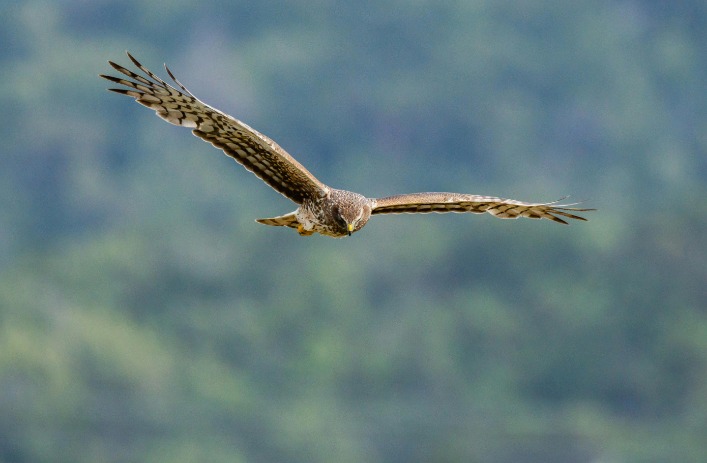
Overview of Botswana Hunting
Botswana is renowned for its exceptional hunting opportunities, offering a unique blend of pristine wilderness and diverse wildlife. The country’s strict conservation policies and sustainable hunting practices ensure the preservation of its natural resources while providing memorable experiences for hunters. With its vast landscapes and abundant game, Botswana remains a premier destination for hunters seeking both adventure and responsible tourism.
Geographical and Environmental Features
Botswana is renowned for its rich hunting opportunities, attracting adventure seekers from around the world. The country offers a unique blend of pristine wilderness and diverse wildlife, making it an exceptional destination for hunting enthusiasts. Its carefully managed hunting industry emphasizes conservation and sustainable practices, ensuring the preservation of natural resources for future generations.
Geographically, Botswana is situated in Southern Africa, characterized by its vast, flat plains, rolling hills, and expansive savannahs. The Kalahari Desert covers a significant portion of the country, contributing to its distinctive landscape and arid climate. The Okavango Delta, one of the world’s largest inland deltas, provides a lush, water-rich environment teeming with wildlife, while the Chobe River region supports large populations of elephants, buffalo, and other game species.
Environmentally, Botswana boasts a variety of ecosystems, including semi-arid deserts, floodplains, woodlands, and riverine habitats. Its diverse environment supports a wide array of flora and fauna, making it a prime location for both big-game hunting and conservation efforts. The country’s commitment to sustainable hunting practices ensures that its natural beauty and wildlife populations remain robust, offering hunters an authentic and eco-conscious experience.
Types of Hunting Experiences Offered
Botswana hunting offers a unique and authentic experience for outdoor enthusiasts and wildlife aficionados. Known for its pristine wilderness areas and rich biodiversity, Botswana provides a variety of hunting opportunities that showcase the country’s natural beauty and ecological significance.
The types of hunting experiences available in Botswana include traditional big game hunting, which targets species such as elephants, buffalo, lion, leopard, and elephant, among others. This form of hunting is typically conducted through carefully regulated safaris that emphasize sustainability and conservation. Additionally, hunting safaris can be customized to include aerial hunting, walking safaris, and photographic safaris, allowing visitors to enjoy the wilderness in diverse ways. Hunting in Botswana is often complemented by luxurious lodges and eco-friendly accommodations, making it a comprehensive experience that combines adventure, conservation, and comfort.
Legal and Regulatory Framework
The legal and regulatory framework surrounding Botswana hunting is designed to promote sustainable and responsible practices that protect the country’s rich wildlife heritage. It establishes guidelines for hunting activities, licensing, and conservation efforts to ensure the natural resources are preserved for future generations. Understanding these laws is essential for both hunters and conservationists committed to balancing human interests with ecological sustainability in Botswana.
Hunting Laws and Regulations
Botswana has a well-established legal and regulatory framework governing hunting activities to ensure sustainable utilization of wildlife resources. These laws aim to balance conservation efforts with the economic benefits derived from hunting tourism, while also protecting biodiversity and habitat integrity.
- Hunting Permits and Licenses: All hunting activities in Botswana require proper permits issued by the Department of Wildlife and National Parks. Hunters must apply for and obtain licenses that specify the species, hunting season, and area.
- Conservation and Sustainable Use: Regulations emphasize sustainable hunting practices, including quotas and restrictions to prevent overharvesting of species.
- Protected Species: Certain species are fully protected and cannot be hunted under any circumstances, with penalties for illegal hunting or poaching.
- Hunting Seasons and Areas: Specific hunting seasons are designated to align with wildlife breeding and migratory patterns, and hunting is permitted only in defined areas.
- Marxan and Anti-Poaching Laws: Botswana enforces strict anti-poaching laws, with penalties including fines and imprisonment for violators, supported by patrols and surveillance to combat illegal hunting.
Permits and Licensing Requirements
In Botswana, the legal and regulatory framework governing hunting activities is designed to promote sustainable use of wildlife resources while ensuring conservation. The country oversees hunting operations through a comprehensive system of permits and licenses issued by the Department of Wildlife and National Parks (DWNP). Prospective hunters and operators must obtain relevant permits, which include hunting licenses, permits for specific species, and land access authorizations. These permits are issued following strict health, safety, and conservation standards to prevent illegal hunting and poaching. Additionally, Botswana adheres to international treaties and conventions, such as the Convention on International Trade in Endangered Species of Wild Fauna and Flora (CITES), which regulate the trade and hunting of protected species. The licensing process involves rigorous review and compliance checks, and often includes the engagement of licensed professional hunters and accredited safari operators to ensure ethical and sustainable hunting practices. It is essential for all hunting activities to align with national conservation goals, legal provisions, and licensing regulations to preserve Botswana’s rich wildlife heritage.
Protected Species and Conservation Policies
Botswana’s legal and regulatory framework for hunting emphasizes sustainable use and conservation of wildlife resources. The country implements strict laws to regulate trophy hunting, ensuring that activities do not threaten the viability of wildlife populations. Protected species under these regulations include elephants, rhinos, and certain predator species, which are subject to specific permits and quotas to prevent overharvesting.
Conservation policies in Botswana prioritize habitat preservation, anti-poaching measures, and community involvement to promote sustainable hunting practices. The Botswana Predator Conservation Trust and other initiatives work to monitor and protect vulnerable species, integrating scientific research into policymaking. These frameworks aim to balance economic benefits from hunting with the imperative of conserving the nation’s rich biodiversity for future generations.
Popular Hunting Destinations in Botswana
Botswana is renowned for its exceptional hunting experiences, attracting adventurers from around the world. With vast plains, lush riverine environments, and abundant wildlife, the country offers some of the most popular hunting destinations in Africa. From the expansive Central Kalahari Game Reserve to the pristine waterways of the Okavango Delta, Botswana provides a diverse and unforgettable hunting landscape for enthusiasts seeking both big game and unique wilderness adventures.
Chobe National Park
Chobe National Park is one of the most renowned hunting destinations in Botswana, attracting hunters from around the world with its abundant game and stunning landscapes. Located in the northern part of the country, it is famous for its large herds of elephants, lion, buffalo, and various antelope species. The park offers a unique combination of lush waterways and savannahs, providing excellent opportunities for both big game and bird hunting. Visitors can enjoy guided hunts that emphasize sustainable and ethical practices, ensuring the preservation of Botswana’s rich wildlife heritage. Chobe’s diverse ecosystems make it a premier destination for hunting enthusiasts seeking an authentic African wilderness experience.
Okavango Delta
Botswana is renowned for its exceptional hunting opportunities, attracting hunting enthusiasts from around the world. Among its top destinations is the Okavango Delta, a UNESCO World Heritage Site famous for its diverse wildlife and pristine wilderness. This unique ecosystem offers outstanding big game hunting, including species like elephant, buffalo, lion, leopard, and various antelope species. The Okavango Delta provides a combination of water-based and land-based hunting that creates a truly memorable experience. With strict conservation policies and sustainable hunting practices, Botswana ensures that hunting remains a responsible and rewarding activity, contributing to the preservation of its incredible natural habitats.
Kalahari Desert Region
Botswana is renowned for its exceptional hunting opportunities, particularly within the vast and rugged Kalahari Desert Region. This area offers a unique wilderness experience, combining breathtaking landscapes with abundant wildlife. Hunters can encounter a diverse array of game including oryx, springbok, gemsbok, and occasionally, larger predators such as lions and leopards. The Kalahari’s remote and pristine environment provides an ideal setting for ethical and sustainable hunting pursuits. Many hunting safaris in Botswana are conducted in private reserves and concessions, ensuring a controlled and respectful approach to wildlife management. Visitors to this region not only enjoy thrilling hunts but also contribute to conservation efforts and local communities. The combination of wildlife richness, scenic beauty, and responsible management makes the Kalahari Desert one of the top hunting destinations in Botswana.
Types of Game Available for Hunting
Hunting in Botswana offers a diverse array of game for enthusiasts seeking an authentic Wilderness experience. From majestic big game such as elephants and lions to smaller game like antelope and game birds, Botswana provides opportunities for both trophy hunting and sport shooting. Understanding the different types of game available is essential for planning a successful hunting adventure in this remarkable region.
Big Game Species
In Botswana, hunting offers a diverse range of game types tailored to different interests and skill levels. Big game species such as elephant, lion, buffalo, leopard, and rhinoceros are among the most sought-after targets for experienced hunters seeking a thrilling and challenging experience. Additionally, hunters can pursue medium-sized game like kudu, gemsbok, wildebeest, and zebra, which provide exciting hunts without the same level of complexity as the larger species. Small game and bird hunting, including species like francolin, guinea fowl, and waterfowl, are also prevalent, catering to a broader range of hunting enthusiasts. Each game type requires specific skills, equipment, and strategies, making Botswana a versatile destination for diverse hunting adventures.
Small Game and Bird Species
Hunting in Botswana offers a diverse range of game types, catering to enthusiasts interested in both big and small game species. Small game typically includes animals such as hares, small antelopes, and birds, which are often pursued with lightweight firearms or bird hunting equipment. Bird species commonly hunted in Botswana encompass doves, dunnocks, and waterfowl, providing excellent opportunities for bird watchers turned hunters. Larger game in Botswana includes species like elephant, lion, buffalo, and leopard, which require specialized hunting methods, permits, and weapons. The variety of game available ensures a comprehensive hunting experience, appealing to a wide range of hunters seeking both challenging and rewarding pursuits.
Cultural and Trophy Hunting Opportunities
Botswana offers a diverse range of hunting opportunities, catering to enthusiasts interested in various types of game and hunting experiences. The country is renowned for its rich wildlife and pristine landscapes, making it an ideal destination for hunters seeking both traditional and trophy hunts.
Types of game available for hunting in Botswana include big game species such as elephant, lion, leopard, buffalo, and rhinoceros. Additionally, hunters can pursue smaller game like kudu, impala, springbok, and warthog, which offer exciting challenges across different terrains.
Cultural hunting opportunities in Botswana provide a unique window into indigenous traditions and local conservation practices. These hunts often involve local communities, offering a chance to learn about traditional methods and support sustainable hunting initiatives that benefit local populations.
Trophy hunting is a prominent aspect of Botswana’s hunting experience, attracting enthusiasts eager to hunt impressive wildlife specimens for their mounts and conservation value. The country’s well-managed hunting sectors ensure that trophy hunting remains sustainable, providing economic benefits and promoting habitat preservation.
Overall, Botswana’s varied game options and cultural hunting experiences make it a premier destination for hunters seeking adventure, contribution to conservation, and a deeper understanding of the country’s natural heritage.
Hunting Methods and Equipment
Hunting in Botswana offers a unique blend of tradition and modern techniques, utilizing a diverse range of methods and equipment to ensure a successful experience. From traditional track and stalk approaches to contemporary guided hunts, hunters can explore various strategies tailored to the region’s rich wildlife. The right equipment plays a crucial role in this pursuit, combining safety, precision, and respect for the environment. Understanding these methods and tools is essential for an ethical and effective hunting adventure in Botswana’s pristine wilderness.
Traditional Hunting Techniques
Hunting in Botswana involves a variety of traditional techniques and equipment that have been passed down through generations. Hunters often utilize bows and arrows, spears, and tracking skills to pursue game such as antelope, kudu, and larger wildlife. These methods require patience, deep knowledge of animal behavior, and mastery of silent stalking to approach prey effectively. Traditional hunting techniques emphasize minimal disturbance to the environment, aligning with sustainable practices cherished by local communities.
Modern Hunting Equipment
Modern hunting methods and equipment in Botswana have significantly advanced, making the experience safer and more efficient for hunters. Employing techniques such as stalking, blind hunting, and drive hunts, hunters can adapt based on the terrain and game species. Modern equipment includes high-precision rifles, binoculars, and GPS technology, which help in locating and tracking wildlife with greater accuracy. Additionally, sophisticated camouflage gear and scent controls enhance the hunter’s stealth, while electronic game calls and LED headlamps provide tactical advantages during night hunts. These innovations ensure responsible and sustainable hunting practices, respecting Botswana’s rich wildlife and natural habitats.
Hunting Season and Best Times to Visit
Hunting season in Botswana offers an exceptional opportunity for adventurous travelers seeking to experience the country’s diverse wildlife and pristine landscapes. Understanding the best times to visit is crucial for a successful hunting trip, as it ensures optimal game activity and favorable weather conditions. Whether you’re a seasoned hunter or a first-time visitor, planning your trip during the right season can greatly enhance your chances of a memorable and rewarding experience in Botswana’s renowned wilderness areas.
Peak Hunting Seasons
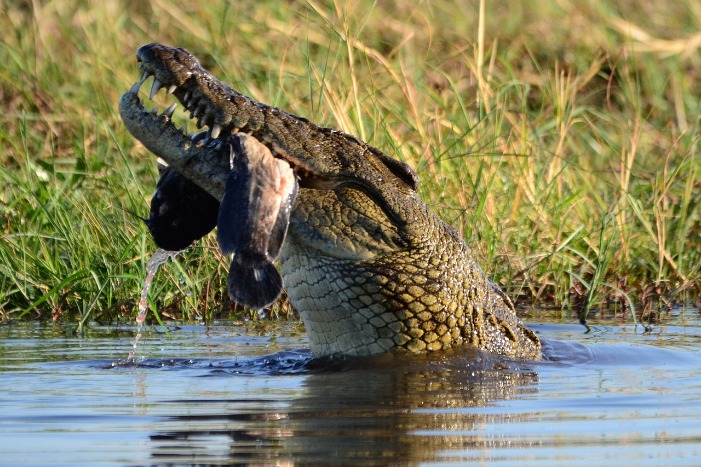
Hunting season in Botswana varies depending on the game and region, with specific periods designated to ensure sustainable management of wildlife populations. Typically, the best times to visit for hunting are during the dry season, from May to October, when animals tend to congregate around water sources, making them easier to locate. Peak hunting seasons are generally during the winter months, especially between July and September, when hunting conditions are optimal due to better animal visibility and opposed to the heavy rains of the wet season. It is important for hunters to check local regulations and specific game calendars, as restrictions may differ among conservancies and national parks, to ensure a legal and successful hunt.
Climate Considerations
Hunting season in Botswana typically peaks during the dry winter months from May to October, when game is most concentrated around water sources, making it the ideal time for safaris and hunting expeditions. The best times to visit are from June to September, offering cooler temperatures and optimal wildlife viewing conditions. During this period, the weather is generally dry and clear, providing excellent visibility for hunters and photographers alike. It’s important to consider climate conditions, as the hot summer months from November to March can be extremely warm with high temperatures, heavy rains, and increased humidity, which may impact travel plans and hunting experiences. Planning your trip during the dry season ensures better game sightings and more comfortable weather for an unforgettable Botswana hunting adventure.
Ecotourism and Sustainable Hunting
Ecotourism and sustainable hunting are vital approaches to preserving Botswana’s rich natural heritage while supporting local communities. These practices promote responsible interaction with wildlife, ensuring that tourism benefits both the environment and the economy. In Botswana, carefully managed hunting activities are integrated into conservation efforts, helping to maintain ecosystems and provide funding for wildlife protection.
Conservation Efforts and Initiatives
Botswana is renowned for its commitment to ecotourism and sustainable hunting practices that promote conservation and local community development. The country’s approach balances wildlife preservation with economic benefits, ensuring that hunting activities are regulated and environmentally responsible. Sustainable hunting in Botswana generates revenue that supports anti-poaching efforts, habitat restoration, and community empowerment programs, fostering a harmonious relationship between humans and nature.
Conservation efforts in Botswana are bolstered by government policies, protected area networks, and partnerships with international organizations. Initiatives such as community-based natural resource management empower local populations to participate actively in wildlife conservation, ensuring long-term sustainability. These programs not only help protect iconic species like elephants and lions but also promote eco-friendly tourism activities that contribute to the local economy.
Through targeted conservation initiatives, Botswana strives to maintain its rich biodiversity while offering ethical hunting experiences that contribute to ecosystem health. By integrating eco-tourism and sustainable hunting, the nation exemplifies how responsible wildlife management can support ecological integrity, local livelihoods, and global conservation goals. This balanced approach underscores Botswana’s leadership in innovative conservation and sustainable resource use.
Community Involvement and Benefits
Ecotourism and sustainable hunting in Botswana offer a unique opportunity to balance conservation efforts with economic development. Through responsible hunting practices, communities become active participants in preserving their natural heritage while deriving financial benefits that support local livelihoods and conservation initiatives.
- Community involvement in hunting creates employment opportunities and spurs local entrepreneurship.
- Sustainable hunting generates revenue that is reinvested into wildlife management and ecosystem protection.
- Local communities gain a sense of stewardship and pride in conserving their natural resources.
- Revenue from hunting fees often supports community projects such as schools, healthcare, and infrastructure improvements.
- Participating communities are incentivized to maintain healthy populations of game animals, ensuring long-term ecological balance.
In Botswana, efforts to integrate ecotourism with sustainable hunting promote a harmonious relationship between humans and wildlife, securing the sustainability of the country’s rich natural heritage for future generations.
Preparing for a Hunting Trip in Botswana
Embarking on a hunting trip in Botswana offers an unparalleled adventure into one of Africa’s most renowned wildlife destinations. Proper preparation is essential to ensure a successful and enjoyable experience, from understanding local regulations to packing the right gear. Familiarizing yourself with the terrain, wildlife, and cultural considerations will help you make the most of your Botswana hunting expedition while respecting the environment and local communities.
Necessary Documentation and Vaccinations
Preparing for a hunting trip in Botswana requires careful planning to ensure a smooth and successful experience. One of the first steps is to gather the necessary documentation and vaccinations to comply with local regulations and protect your health. Visitors should obtain a valid passport with at least six months of validity beyond the intended stay. A Botswana hunting permit and license are essential and must be arranged through a licensed outfitter before arrival. Additionally, a letter of invitation from your hunting operator may be required. Vaccinations for yellow fever, typhoid, hepatitis A and B, and tetanus are highly recommended, and proof of yellow fever vaccination may be required upon entry if arriving from a yellow fever endemic country. It is also advisable to check with health authorities or travel clinics for any updated health advisories. Proper documentation and vaccinations not only facilitate the immigration process but also safeguard your health in this remote destination, ensuring an enjoyable hunting trip in Botswana.
Packing and Equipment Tips
Preparing for a hunting trip in Botswana requires careful planning to ensure safety, success, and enjoyment. Proper packing and equipment are essential components of a successful expedition in this exceptional wildlife destination.
Start by packing appropriate clothing, including lightweight, breathable clothing for daytime, and warmer layers for early mornings and evenings. Neutral colors such as khaki or beige help you blend into the environment. Don’t forget a wide-brimmed hat, sunglasses, and sunscreen to protect against the sun.
Essential hunting gear includes a reliable rifle and ammunition suitable for the game species you intend to pursue. Ensure your firearm is cleaned and in good working order. Bring binoculars with sufficient zoom, a spotting scope, and a sturdy, comfortable pair of hiking boots for traversing diverse terrains.
Safety and navigation equipment should not be overlooked. Pack a GPS device, a detailed map of the area, a compass, and a first aid kit. A multi-tool or pocket knife, flashlight or headlamp with extra batteries, and insect repellent are also important.
For camping and outdoor living, include a durable tent, sleeping bag suitable for the climate, portable stove or cooking equipment, and sufficient water and food supplies. Remember to carry environmentally friendly supplies to minimize your impact on Botswana’s pristine wilderness.
Lastly, ensure you have all necessary permits, licenses, and documentation for legal hunting in Botswana. Proper preparation and the right gear will enhance your adventure and increase your chances of a memorable hunting experience.
Travel Arrangements and Accommodations
Preparing for a hunting trip in Botswana requires careful planning of travel arrangements and accommodations to ensure a successful and enjoyable experience. Travel to Botswana typically involves booking flights to major international airports such as Gaborone, Maun, or Kasane, with most travelers arriving through connecting flights from regional hubs. Once in Botswana, arranging for local transportation, such as private transfers or rental vehicles, is essential to reach hunting concessions and lodges seamlessly.
Accommodations in Botswana range from luxury lodges and tented camps to more rustic safari tents, designed to provide comfort while maintaining an authentic wilderness experience. Many hunting operators include accommodations that are equipped with necessary amenities, allowing hunters to relax after a day of hunting. It is advisable to reserve accommodations well in advance, especially during peak hunting seasons, to secure your preferred options. Proper planning of travel and lodging ensures a smooth, enjoyable hunting trip immersed in the beauty of Botswana’s breathtaking landscape.


0 Comments