
Geographical Overview
Botswana and Nigeria are two diverse African nations with distinct geographical features that shape their landscapes, climates, and lifestyles. Botswana, located in Southern Africa, is known for its vast, arid deserts and rich wildlife reserves, making it a prominent destination for safaris. Nigeria, situated in West Africa, boasts a varied terrain that includes rainforests, savannahs, and coastal areas, reflecting its diverse ecosystems. Understanding their geographical contexts provides valuable insights into their development, natural resources, and cultural differences.
Location and Size of Botswana
Botswana is a landlocked country situated in Southern Africa, renowned for its vast landscapes and rich wildlife. It shares borders with Namibia to the west and north, Zimbabwe to the northeast, Zambia to the north, and South Africa to the south and southeast. The country covers an area of approximately 581,730 square kilometers, making it one of the larger nations in the region. Its geographical features include the Kalahari Desert, which dominates much of its interior, along with rivers such as the Okavango and Chobe. In comparison to Nigeria, which is located in West Africa and is significantly larger at about 923,768 square kilometers, Botswana’s size is more moderate, but it boasts a diverse environment that supports a thriving tourism industry centered around its national parks and game reserves.
Location and Size of Nigeria
Nigeria is a West African country known for its diverse geography and large landmass. It is located along the Gulf of Guinea and shares borders with Benin, Niger, Chad, Cameroon, and the Atlantic Ocean. Covering an area of approximately 923,768 square kilometers, Nigeria is the most populous country in Africa, with over 200 million people. Its vast size includes a variety of landscapes, from sprawling savannas and dense rainforests to semi-arid regions in the north. This geographical diversity greatly influences the country’s climate, culture, and economic activities, setting it apart from countries like Botswana.
Climate and Environment Differences
Botswana and Nigeria are two African nations with distinct geographical features, climates, and environmental conditions. Botswana is a landlocked country situated in Southern Africa, characterized by vast deserts, semi-arid plains, and the Kalahari Desert, which covers most of its territory. Nigeria, located in West Africa, boasts diverse landscapes including coastal plains, mangroves, rainforests, and savannahs, with the Niger River delta playing a significant role in its geography. The varying topographies influence the climate and environmental conditions across both countries.
Botswana experiences a semi-arid climate with hot summers and cooler winters, with much of its rainfall concentrated in the summer months. Its environment faces challenges related to desertification and water scarcity, highlighting the arid nature of the region. In contrast, Nigeria’s climate ranges from tropical in the south to semi-arid or dry in the northern regions. Nigeria’s environment is marked by diverse ecosystems such as rainforests, wetlands, and savannahs, supporting rich biodiversity but also exposing it to issues like deforestation and habitat loss. Overall, Botswana’s environment is more arid and less ecologically diverse compared to Nigeria’s varied and lush landscapes, driven by their differing geographical locations and climate zones.
Political and Administrative Structure
The political and administrative structures of Botswana and Nigeria differ significantly, shaping their governance and development trajectories. Botswana is known for its stable and efficient government system, characterized by a parliamentary democracy with transparent institutions. In contrast, Nigeria has a federal system with complex political dynamics, marked by diverse ethnic groups and regional authorities. Understanding these structures provides insight into how each country manages governance, policy implementation, and administrative functions.
Government System in Botswana
Botswana has a stable political and administrative structure characterized by a democratic government system. It operates as a parliamentary republic with a multi-party system, where the President is both the head of state and government. The government is supported by an elected National Assembly, with elected representatives serving at various levels of governance. The country places a strong emphasis on transparency, good governance, and democratic processes, which have contributed to its political stability.
In contrast, Nigeria has a federal system of government comprising a president as the head of state and government, with a multi-tiered structure that includes federal, state, and local governments. Nigeria’s political atmosphere is marked by a presidential system with an elected president, a bicameral National Assembly, and diverse political parties. While Nigeria has made significant progress in establishing democratic institutions, its political and administrative structures are often challenged by issues such as corruption, regional tensions, and security concerns, which impact governance and stability.
Government System in Nigeria
The political and administrative structure of Nigeria is a federal system comprising three tiers of government: the federal government, state governments, and local government councils. Nigeria operates a presidential system where the President is both the head of state and government, elected through a democratic process. The country is divided into 36 states and one Federal Capital Territory, each with its own government and administrative framework. The Nigerian government system is designed to ensure a separation of powers among the executive, legislative, and judicial branches. The National Assembly, consisting of the Senate and the House of Representatives, makes legislative decisions, while the judiciary, headed by the Supreme Court, interprets the law. In comparison to Botswana, which has a parliamentary republic with a unitary system, Nigeria’s federal structure offers a more decentralized form of governance, allowing states greater autonomy in managing local affairs.”
Administrative Divisions and Governance
Both Botswana and Nigeria have distinct political and administrative structures that shape their governance. Botswana operates as a parliamentary republic with a stable political system characterized by transparent institutions and a strong emphasis on democratic principles. Its administrative divisions are organized into districts, each governed by local councils that facilitate decentralized decision-making and service delivery. Nigeria, on the other hand, is a federal republic comprising 36 states and the Federal Capital Territory, with a complex governance framework involving federal, state, and local governments. Nigeria’s administrative divisions support a multi-layered governance system, although challenges such as corruption, political instability, and regional disparities impact effective governance. Overall, while Botswana maintains a centralized yet democratic governance approach with streamlined administrative divisions, Nigeria’s federal system reflects a more decentralized structure with diverse and often competing political interests across its regions.
Economic Comparisons
Economic comparisons between countries provide valuable insights into their development, strengths, and challenges. When examining Botswana and Nigeria, two nations in Africa with distinct economic landscapes, it becomes evident how factors such as resource management, industrial growth, and population influence overall economic performance. Understanding these differences helps to highlight opportunities for growth and areas that need improvement in each country.
Overview of Botswana’s Economy
Botswana and Nigeria represent two distinct economic landscapes in Africa, each with unique characteristics and challenges. Botswana is known for its stable and resource-driven economy, primarily reliant on diamond mining, while Nigeria boasts one of Africa’s largest economies, driven by oil, agriculture, and services. Despite their differences, both countries are striving for economic diversification and growth to improve living standards.
- Botswana’s economy is relatively stable, with consistent growth supported by the diamond industry, tourism, and a sound financial sector. It has a lower inflation rate and a higher GDP per capita compared to Nigeria.
- Nigeria’s economy is the largest in Africa in terms of GDP, heavily reliant on oil exports which makes it susceptible to global oil price fluctuations. It faces challenges such as inflation, corruption, and infrastructural deficits.
- Botswana demonstrates a lower unemployment rate and better income distribution, whereas Nigeria struggles with higher unemployment and income inequality.
- Both countries are working towards economic diversification; Botswana is investing in tourism and manufacturing, while Nigeria aims to develop its agriculture, manufacturing, and technology sectors.
Overview of Nigeria’s Economy
Nigeria’s economy is one of the largest in Africa, characterized by its diverse sectors, including oil and gas, agriculture, telecommunications, and services. It has a rapidly growing population which fuels domestic markets, yet faces challenges such as infrastructural deficits, political instability, and economic dependence on oil exports. In contrast, Botswana’s economy is more stable and less resource-dependent, primarily driven by diamond mining, tourism, and agriculture. While Nigeria boasts a larger gross domestic product (GDP), Botswana’s economy is more sustainable and exhibits higher levels of economic stability and governance. When comparing the two, Nigeria presents greater growth potential due to its vast markets, but it also contends with significant economic volatility. Botswana, on the other hand, offers a more secure economic environment but with limited scale and diversification. Overall, Nigeria’s economic prospects are promising, provided it can address its structural challenges, whereas Botswana exemplifies relative economic stability and prudent resource management.
Key Industries and Natural Resources
Botswana and Nigeria exhibit significant differences in their economic landscapes, key industries, and natural resources. Botswana’s economy is primarily driven by diamond mining, which accounts for a substantial portion of its GDP and exports. The country also invests in tourism and agriculture, with a stable political environment fostering steady growth. In contrast, Nigeria relies heavily on oil and gas exports, making its economy highly dependent on global oil prices. Nigeria’s key industries include petroleum, agriculture, telecommunications, and services, but it faces challenges such as corruption and infrastructure deficits. Natural resources play a vital role in both countries; Botswana is rich in diamonds and other minerals, while Nigeria boasts vast reserves of oil, natural gas, and agricultural land. These resource endowments shape their economic structures and development prospects significantly.
Economic Challenges and Opportunities
Comparing the economies of Botswana and Nigeria reveals distinct opportunities and challenges that shape their development paths. Botswana, known for its stable governance and resource management, has a modest but steadily growing economy primarily driven by diamond exports. Nigeria, on the other hand, boasts Africa’s largest economy with vast oil reserves, but faces significant challenges related to diversification, corruption, and infrastructure.
In terms of economic opportunities, Botswana benefits from a transparent business environment and policies that attract foreign investment, especially in mining and tourism sectors. Nigeria’s large population offers a substantial labor force and domestic market potential, which can be harnessed for industrial growth and diversification away from oil reliance.
However, both countries face notable economic challenges. Botswana’s economy is vulnerable to fluctuations in global commodity prices, particularly diamonds. Nigeria struggles with economic instability caused by fluctuating oil prices, corruption, and inadequate infrastructure, which hinder economic diversification and growth. Addressing these issues can open new avenues for sustainable development and improved living standards in both nations.
Demographics and Population
The demographics and population of a country play a vital role in shaping its social, economic, and cultural landscape. Comparing Botswana and Nigeria reveals significant differences in population size, growth rates, age distribution, and urbanization patterns. Understanding these demographic factors provides insights into the development challenges and opportunities each country faces as they strive for progress and stability.
Population Size and Density
Both Botswana and Nigeria have distinct demographic profiles that significantly influence their social and economic landscapes. Botswana, with a smaller population, has a population size of approximately 2.4 million people, leading to lower population density and less urban crowding. In contrast, Nigeria, as Africa’s most populous country, boasts a population of over 200 million, resulting in high population density, especially in major cities like Lagos and Abuja. This disparity impacts various aspects such as resource allocation, infrastructure development, and public services, shaping each nation’s growth and development trajectory.
Ethnic Composition
Lesotho and Nigeria are two diverse African countries with unique demographics and ethnic compositions. Understanding these differences provides insight into their cultural and social structures.
- Lesotho has a relatively small population, with approximately 2.1 million residents, predominantly consisting of the Bantu-speaking Basotho people.
- Nigeria, on the other hand, is the most populous country in Africa, with over 200 million people from a multitude of ethnic groups.
- The main ethnic groups in Lesotho are the Basotho, who constitute the majority of the population, alongside smaller communities of Zulus and other Bantu groups.
- Nigeria’s ethnic landscape is highly diverse, including major groups such as the Hausa, Yoruba, and Igbo, among hundreds of other smaller groups.
- In Lesotho, the population is largely homogeneous ethnically, which influences a shared language and cultural practices.
- In contrast, Nigeria’s multi-ethnic composition leads to a rich variety of languages, traditions, and religious practices, making it one of the most culturally diverse countries in Africa.
Languages Spoken
Both Botswana and Nigeria have distinct demographic profiles and linguistic landscapes. Botswana, with a population of approximately 2.4 million, is relatively less populous, characterized by a predominantly Tswana-speaking population that constitutes the official language. The country exhibits a youthful demographic with a median age around 24 years and low population growth rates. In contrast, Nigeria, Africa’s most populous country with over 200 million people, features a diverse demographic with multiple ethnic groups. The primary language spoken is Yoruba, Igbo, Hausa, and English, which is the official language used in government, education, and business. Nigeria’s population is also notably young, with a median age around 18 years and rapid growth due to high birth rates, leading to a dynamic and diverse linguistic environment. Overall, Botswana’s population is smaller and more homogenous linguistically, while Nigeria’s demographic diversity is reflected in its multiple languages and large, growing population.
Population Growth Trends
Botswana and Nigeria exhibit vastly different demographic profiles and population growth trends. Botswana, with a relatively small population, has experienced steady growth due to effective healthcare and family planning initiatives. Its population is characterized by a youthful demographic, but growth rates are moderate, contributing to gradual demographic shifts. In contrast, Nigeria, the most populous country in Africa, has a rapidly increasing population driven by high birth rates and lower mortality rates. This rapid growth presents challenges related to resource management, urbanization, and economic development. While Botswana’s population growth is stable, Nigeria’s trend indicates ongoing demographic expansion that is shaping the country’s social and economic landscape.
Cultural and Social Aspects
Understanding the cultural and social aspects of a country provides valuable insights into its identity and societal norms. When comparing Botswana and Nigeria, it becomes evident that each nation has unique traditions, values, and social structures that influence language use and communication styles. Exploring these differences helps to foster greater appreciation and understanding of the diverse ways in which people express themselves and interact within these societies.
Major Cultural Groups
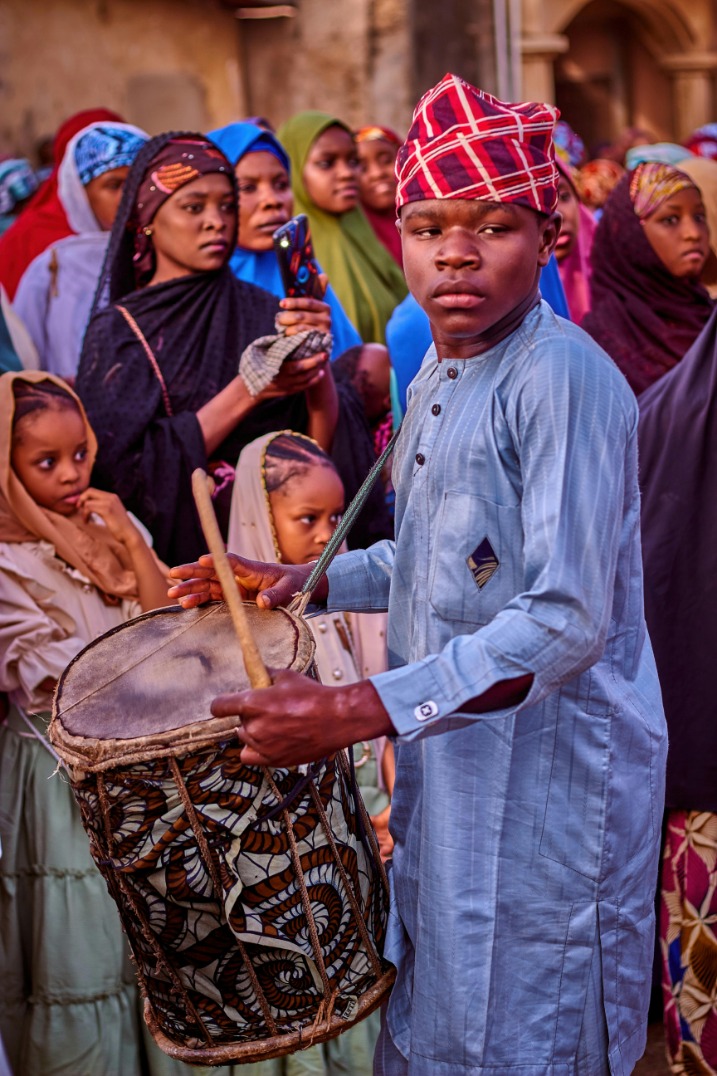
Both Botswana and Nigeria boast rich and diverse cultural and social landscapes shaped by their unique histories and populations. Botswana, with its predominantly Tswana-speaking population, emphasizes traditional customs, communal values, and respect for elders. The society values unity, hospitality, and strong cultural ceremonies such as the dikgadi and initiation rites. In contrast, Nigeria’s cultural fabric is incredibly diverse, comprising hundreds of ethnic groups including the Hausa, Yoruba, Igbo, and many others, each with distinct languages, traditions, and festivals. Nigerian culture is renowned for its vibrant music, dance, and attire, reflecting a lively and dynamic social environment. While Botswana tends to have a more cohesive cultural identity centered around Tswana traditions, Nigeria’s social landscape is characterized by its multiplicity, which fosters both rich intercultural interactions and complex social dynamics.
Traditional Customs and Practices
When comparing Botswana and Nigeria, their cultural and social aspects, including traditional customs and practices, reveal distinct differences shaped by history, geography, and ethnicity. Botswana is known for its relatively homogenous Tswana culture, which emphasizes community cohesion, respect for elders, and traditional ceremonies like the Sechuana dances. Nigeria, on the other hand, is highly diverse, comprising over 250 ethnic groups such as the Yoruba, Igbo, and Hausa, each with unique customs, languages, and rituals that influence social interactions and cultural practices.
- In Botswana, traditional ceremonies like Kgesta (initiation rites) and dikgafela (royal ceremonies) play a significant role in maintaining social harmony and cultural identity.
- In Nigeria, vibrant festivals like the Yoruba Osun-Osogbo and the Igbo New Yam Festival showcase their rich cultural heritage and serve as important social events that reinforce community bonds.
- Respect for elders is a common value in both countries, though expressed differently; Botswana emphasizes elders’ wisdom through respectful speech, while in Nigeria, elders often hold influential roles in decision-making and conflict resolution.
- Traditional attire, such as Botswana’s bogosi (clothing) and Nigeria’s diverse regional dresses like the Yoruba agbada and the Hausa babariga, reflect cultural identity and social status.
- Music and dance are integral, with Botswana celebrating tribal songs like the Motswana dance, and Nigeria known worldwide for Afrobeat, highlife, and traditional drumming, which are integral to social gatherings and rituals.
Religion and Beliefs
Both Botswana and Nigeria have rich cultural and social traditions that significantly influence their societies. These aspects shape daily life, social interactions, and community values, while religion and beliefs play a vital role in guiding moral frameworks and customs.
- In Botswana, community cohesion and respect for elders are deeply rooted in Tswana traditions, emphasizing humility and social harmony.
- Nigeria is characterized by a diverse array of ethnic groups, each with unique cultural practices, including the Yoruba, Hausa, and Igbo, contributing to a vibrant cultural mosaic.
- Religion in Botswana is predominantly Christianity, with traditional beliefs also playing a role in cultural rituals and ceremonies.
- Nigeria is religiously diverse, with Islam and Christianity being the major religions, alongside numerous indigenous belief systems, often influencing social and political life.
- Cultural festivals, such as the Botswana Cultural Festival and Nigeria’s Argungu Fishing Festival, reflect the importance of tradition in societal identity.
Festivals and Celebrations
Both Botswana and Nigeria boast rich cultural heritages, reflected in their vibrant festivals and celebrations. In Botswana, traditional ceremonies like the Maun Festival celebrate music, dance, and local customs, emphasizing community bonding and unity. Nigerian festivities, such as the Argungu Fishing Festival and the Eyo Festival, showcase colorful processions, elaborate costumes, and age-old rituals that highlight the diversity of its ethnic groups. These celebrations serve as important occasions to preserve cultural identity, foster social cohesion, and promote tourism. While Botswana’s events tend to focus on indigenous traditions and wildlife conservation, Nigeria’s festivals are renowned for their lively performances, intricate artistry, and historical significance, illustrating the distinctive social fabric of each nation.
Education and Literacy
Education and literacy are fundamental pillars for national development, shaping the social and economic progress of a country. In comparing Botswana and Nigeria, it becomes evident that both nations have made significant strides in improving access to education and literacy rates, yet face distinct challenges and opportunities. Understanding the disparities and similarities in their education systems provides valuable insight into their overall development trajectories.
Educational System Overview
Education and literacy are vital indicators of a country’s development, reflecting its commitment to fostering knowledge and skills among its population. In comparing Botswana and Nigeria, these nations exhibit significant differences in their educational systems and literacy rates. Botswana has made substantial progress in education, achieving high literacy rates and focusing on accessible primary and secondary education. The country’s educational system emphasizes quality and infrastructure development, ensuring broad access to learning opportunities for its citizens. Conversely, Nigeria faces challenges such as unequal access to education, especially in rural areas, and lower literacy rates, partly due to its larger population and diverse socio-economic factors. While Nigeria has extensive educational institutions, issues related to funding, teacher training, and infrastructure hinder consistent quality. Overall, Botswana demonstrates a more effective educational system with higher literacy levels, whereas Nigeria continues to work towards overcoming obstacles to improve its educational outcomes.
Literacy Rates and Educational Attainment
Education and literacy are critical indicators of socioeconomic development, and comparing Botswana and Nigeria reveals significant differences in literacy rates and educational attainment. Botswana has made substantial progress in expanding access to quality education, resulting in higher literacy rates, particularly among the youth and working-age populations. The country’s emphasis on universal primary education has contributed to improved literacy levels and a more educated workforce. Conversely, Nigeria faces challenges related to disparities in educational access, especially in rural areas, which impact overall literacy rates and attainment levels. While Nigeria has a large and young population with potential for growth, issues such as inadequate funding, infrastructure deficits, and regional conflicts hinder widespread educational development. Overall, Botswana’s focused approach to education has yielded higher literacy rates and better educational attainment compared to Nigeria, where ongoing efforts are needed to address existing barriers and foster equitable educational opportunities.
Challenges in Education
Education and literacy are vital indicators of a country’s development, and comparing Botswana and Nigeria reveals significant differences in their educational challenges. Botswana has prioritized education, achieving higher literacy rates and more accessible schooling, but still faces issues like resource allocation and ensuring quality education across rural areas. Nigeria, on the other hand, struggles with low literacy rates due to factors such as large population size, inadequate infrastructure, and socioeconomic disparities, which hinder widespread access to quality education. Both countries face unique challenges in providing inclusive and effective education systems, impacting their overall development and socioeconomic progress.
Health and Healthcare System
Health and healthcare systems are vital components of any nation’s development, ensuring the well-being and productivity of its population. Comparing the healthcare systems of Botswana and Nigeria reveals differences in accessibility, infrastructure, and healthcare quality, reflecting broader economic and social factors. Understanding these disparities helps highlight the challenges and opportunities each country faces in improving health outcomes for their citizens.
Healthcare Infrastructure
The healthcare systems in Botswana and Nigeria differ significantly in terms of infrastructure, access, and quality of services. Botswana has made considerable progress in expanding healthcare infrastructure, particularly in rural areas, through government initiatives and international support. Its facilities tend to be better equipped and more evenly distributed across the country. In contrast, Nigeria faces challenges with its healthcare infrastructure due to rapid population growth, urban-rural disparities, and limited funding. Many clinics and hospitals in Nigeria are under-resourced, impacting the quality of care provided. Both countries are working towards improving their healthcare systems, but Botswana’s focused strategies have yielded more positive outcomes in terms of infrastructure development and healthcare accessibility.
Public Health Challenges
Health and healthcare systems in Botswana and Nigeria face unique challenges influenced by their economic capacities, infrastructure, and population dynamics. Botswana, a relatively small and middle-income country, benefits from a more stable healthcare system with better access to basic health services and a focus on HIV/AIDS management, which has improved life expectancy. Conversely, Nigeria, with its larger population and lower income levels, struggles with inadequate healthcare infrastructure, high maternal and infant mortality rates, and widespread infectious diseases, exacerbated by rapid urbanization and socioeconomic disparities. Both countries encounter public health challenges such as disease prevention, healthcare access, and health education, but the scale and intensity differ significantly, requiring tailored strategies to improve health outcomes.
Life Expectancy and Health Indicators
Comparing the health and healthcare systems of Botswana and Nigeria reveals significant differences in life expectancy and health indicators. Botswana has made notable progress in healthcare, with a robust focus on HIV/AIDS treatment and prevention, leading to improved health outcomes. As a result, the country’s life expectancy has increased over the years. Nigeria, on the other hand, faces challenges such as inadequate healthcare infrastructure, higher maternal and child mortality rates, and a lower overall life expectancy. Despite Nigeria’s large population and economic potential, health indicators such as infant mortality rate and access to quality healthcare remain concerns. Both countries continue to work towards strengthening their healthcare systems, but Botswana has demonstrated greater success in achieving better health indicators and higher life expectancy levels.
Infrastructure and Development
Infrastructure and development play a crucial role in shaping the economic growth and social progress of a country. While both Botswana and Nigeria are working to enhance their infrastructure, their approaches and levels of development differ significantly. Understanding these differences provides insight into how each nation is striving to improve living standards and attract investments, ultimately influencing their future growth trajectories.
Transport and Connectivity
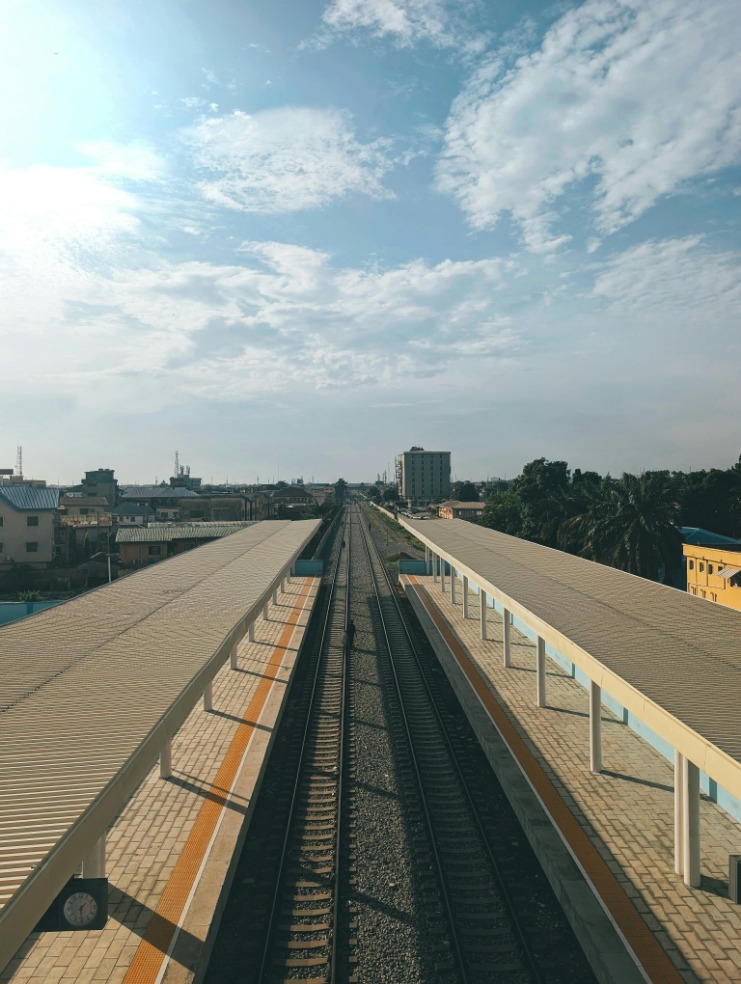
Infrastructure and development, along with transport and connectivity, play crucial roles in shaping the economic growth and social progress of countries like Botswana and Nigeria. Botswana has made significant strides in developing its infrastructure, focusing on sustainable and efficient systems to support its diamond-driven economy. Its transportation networks are well-maintained, facilitating the movement of goods and people across the country, which boosts trade and mobility. In contrast, Nigeria, as Africa’s largest economy, faces challenges in infrastructure development. Despite recent investments, there are gaps in transport networks, power supply, and connectivity, which hinder economic activities and access to services. Nigeria’s vast size and population demand comprehensive infrastructural improvements to unlock its full potential. Overall, Botswana’s targeted infrastructure development has fostered steady growth, whereas Nigeria’s ongoing efforts aim to address its sprawling infrastructural deficits to improve connectivity and development outcomes.
Urban Development and Housing
Infrastructure and development play a crucial role in shaping the economic growth and quality of life in nations like Botswana and Nigeria. Botswana has made commendable progress in maintaining stable infrastructure, focusing on sectors such as transportation, water supply, and electricity, which have contributed to steady urban development. Conversely, Nigeria faces significant challenges, including inadequate infrastructure that hampers urban expansion and economic activities. Urban development in Botswana tends to be more organized, with planned residential areas and efficient public services, whereas Nigeria often struggles with rapid, unplanned urbanization leading to housing shortages and overcrowded cities. In terms of housing, Botswana’s government has prioritized affordable and sustainable housing projects to improve living conditions, while Nigeria’s housing sector remains affected by congestion, informal settlements, and insufficient affordable options. Overall, Botswana showcases a more balanced approach to infrastructure and urban development, while Nigeria continues to work towards overcoming infrastructural deficits to support its growing population.
Utilities and Public Services
Infrastructure and development are crucial indicators of a country’s progress, and when comparing Botswana and Nigeria, distinct differences emerge. Botswana has invested steadily in infrastructure, focusing on sustainable development, which includes expanding transportation networks, improving healthcare facilities, and enhancing educational institutions. Conversely, Nigeria faces significant challenges in infrastructure development due to its larger population and economic disparities, often resulting in inadequate transportation, inconsistent electricity supply, and underdeveloped public utilities.
Utilities such as electricity, water supply, and telecommunications play vital roles in supporting economic activities and improving quality of life. Botswana benefits from a relatively stable electricity grid, thanks to its focus on renewable energy sources like solar power, and maintains good water management systems. Nigeria, however, struggles with frequent power outages, limited access to clean water in rural areas, and underdeveloped telecommunication infrastructure, which hampers both economic growth and social well-being.
Public services including healthcare, education, and sanitation are essential for societal development. Botswana has made notable progress in universal healthcare and literacy rates, driven by government policies and international support. Nigeria, despite its vast resources, faces challenges in providing adequate public services to its rapidly growing population, with disparities between urban and rural regions often leading to unequal access and opportunities. Overall, Botswana’s strategic investments in infrastructure and utilities foster a more stable environment for sustainable development compared to Nigeria’s ongoing struggles with infrastructural deficits and public service delivery.
International Relations and Diplomacy
International relations and diplomacy play a crucial role in shaping the interactions between nations, fostering cooperation, resolving conflicts, and promoting mutual understanding. These diplomatic efforts help countries navigate complex global issues and build strategic partnerships. In this context, examining the relationship between Botswana and Nigeria provides insight into their diplomatic strategies and cultural connections, highlighting how nations with diverse backgrounds engage on the international stage.
Botswana’s Foreign Policy and Alliances
In the realm of International Relations and Diplomacy, Botswana and Nigeria exemplify distinct approaches shaped by their respective historical, economic, and geopolitical contexts. Botswana has established a reputation for its stable and prudent foreign policy, emphasizing regional integration within Southern Africa and maintaining strong diplomatic ties with neighboring countries. It promotes peace, good governance, and sustainable development, positioning itself as a reliable partner in international forums.
On the other hand, Nigeria, as Africa’s leading economy and a key regional power, adopts a more proactive diplomatic stance aimed at asserting its influence across the continent and beyond. Nigeria’s foreign policy often focuses on fostering economic partnerships, promoting cultural diplomacy, and engaging in peacekeeping missions. Nigeria’s alliances are characterized by a strategic mix of regional organizations like ECOWAS and global partnerships with major powers, reflecting its aspirations for regional leadership and economic growth.
While Botswana emphasizes stability, good governance, and regional cooperation, Nigeria prioritizes economic diplomacy, regional influence, and international engagement. Both countries’ foreign policies demonstrate their unique national interests and aspirations, shaping their roles within Africa and in the broader global arena.
Nigeria’s Foreign Policy and Diplomatic Relations
In the realm of international relations and diplomacy, Nigeria’s foreign policy plays a pivotal role in shaping its diplomatic relations with countries like Botswana. Nigeria, as a leading African nation, pursues a foreign policy centered on regional integration, economic cooperation, and promoting peace and stability on the continent. Its diplomatic relations with Botswana are characterized by mutual interests in trade, cultural exchange, and regional security. Despite differences in scale and economic development, Nigeria and Botswana have maintained a cooperative relationship within regional organizations such as the African Union and ECOWAS, working together to address common challenges like poverty, unemployment, and political stability. This partnership highlights Nigeria’s commitment to fostering strong diplomatic ties within Southern Africa and promoting Africa’s integration and development.
Participation in Regional and Global Organizations
Both Botswana and Nigeria play significant roles in regional and global organizations, shaping their diplomatic relations and international presence. Botswana is known for its stable governance and active participation in organizations like the Southern African Development Community (SADC) and the African Union (AU), promoting regional integration and peace. Nigeria, as Africa’s most populous country and economic powerhouse, is a key member of the Economic Community of West African States (ECOWAS), the African Union, and the United Nations, leveraging its influence to address regional security, economic development, and social issues. The diplomatic engagement of both nations reflects their strategic priorities and commitment to fostering stability, cooperation, and development on regional and global levels.



0 Comments