
Overview of Botswana’s Wildlife Ecosystems
Botswana is renowned for its rich and diverse wildlife ecosystems that support a wide variety of plant and animal species. From expansive savannahs and lush floodplains to unique desert landscapes, the country’s ecosystems play a vital role in maintaining ecological balance. These habitats not only attract tourists and wildlife enthusiasts but also sustain the livelihoods of local communities, making Botswana a crucial region for conservation and ecological preservation.
Geographical Diversity and Habitat Types
Botswana is renowned for its rich and diverse wildlife ecosystems that span across a variety of habitat types. The country’s geographical diversity includes vast plains, wetlands, delta regions, and savannahs, each supporting different ecosystems. The Okavango Delta, one of the largest inland deltas in the world, provides a crucial habitat for numerous bird, mammal, and aquatic species. The Kalahari Desert covers a significant portion of Botswana, offering a unique arid environment home to specialized flora and fauna adapted to extreme conditions. In the northwest, the wildlife-rich Chobe National Park boasts dense concentrations of elephants, buffalo, and predators, while the Central Kalahari Game Reserve sustains resilient desert-adapted species. Overall, Botswana’s ecosystems offer a striking array of habitats that sustain its extraordinary biodiversity and make it a premier destination for wildlife conservation and ecotourism.
Climate Influence on Wildlife Distribution
Botswana’s wildlife ecosystems are diverse and vibrant, depicting a rich tapestry of flora and fauna that thrive across various terrains. The country is predominantly characterized by savannahs, grasslands, and wetlands, which serve as habitats for numerous species, including elephants, lions, cheetahs, zebras, and numerous bird species. These ecosystems play a crucial role in sustaining Botswana’s unique biodiversity and are vital for both ecological balance and tourism.
Climate significantly influences the distribution and behavior of wildlife in Botswana. The country experiences a semi-arid climate with a distinct wet season and dry season. During the wet months, water sources are abundant, supporting lush vegetation growth and attracting herbivores to water-rich areas, which in turn draws predators. Conversely, in the dry season, water becomes scarce, leading to concentrated wildlife around remaining waterholes and rivers. This seasonal fluctuation impacts migration patterns, breeding cycles, and overall ecosystem health, making climate a vital factor in shaping Botswana’s wildlife distribution.
Conservation Areas and Protected Regions
Botswana is renowned for its rich and diverse wildlife ecosystems, which are home to a wide variety of flora and fauna. The country’s landscapes range from sprawling savannas and wetlands to dense forests and river systems, creating ideal habitats for many species. Conservation efforts in Botswana focus on protecting these vital ecosystems and ensuring the sustainability of its wildlife populations.
- Chobe National Park: Known for its large concentration of elephants, it is one of Botswana’s most famous wildlife areas, featuring floodplains and riverine forests.
- Moremi Game Reserve: Located within the Okavango Delta, it offers diverse habitats and is a haven for big cats, elephants, and numerous bird species.
- Central Kalahari Game Reserve: Covering a significant part of the Kalahari Desert, it supports unique desert-adapted wildlife including oryx, springbok, and the black-maned Kalahari lion.
- Okavango Delta: A UNESCO World Heritage site, it is one of the world’s largest inland deltas, renowned for its abundant wildlife and intricate waterways.
- Mashatu National Park: Known for its rocky landscapes and diverse ecosystems, it provides refuge for species such as mountain elephants, lions, and cheetahs.
Protected regions and conservation areas play a crucial role in maintaining Botswana’s wildlife heritage. The government, along with international organizations, actively promotes sustainable tourism and anti-poaching initiatives to preserve the country’s natural environment for future generations.
Major Wildlife Species in Botswana
Botswana is renowned for its rich and diverse wildlife, making it a premier destination for nature enthusiasts and conservationists alike. The country boasts a wide variety of major species that thrive in its protected parks and wilderness areas, showcasing the vibrant biodiversity of the region. From majestic elephants to elusive predators, Botswana’s wildlife plays a vital role in maintaining the ecological balance and cultural heritage of the nation.
Big Cats: Lions, Leopards, Cheetahs, and Jaguars
Botswana is renowned for its rich and diverse wildlife, including some of the most majestic big cats in Africa. Among these, lions, leopards, cheetahs, and jaguars are particularly noteworthy, each playing a vital role in the ecosystem of the region’s protected areas such as the Okavango Delta, Chobe National Park, and Moremi Game Reserve.
Lions in Botswana are often called the “king of the jungle” and are a major attraction for safari visitors. They roam vast savannahs and watersides, forming prides that are emblematic of the country’s wildlife heritage. These formidable predators sustain the balance of their ecosystems by controlling herbivore populations.
Leopards are highly adaptable and skilled climbers, often observed in trees or hiding in thick bush. In Botswana, they are commonly seen in the Moremi Game Reserve and the Okavango Delta, where their elusive nature and striking spotted coats make them a fascinating subject for wildlife enthusiasts.
Cheetahs are the fastest land animals on Earth and are mainly found in open plains and grasslands across Botswana. They are known for their incredible speed and agility, hunting during the day. Efforts are underway to protect cheetah populations amidst habitat loss and human-wildlife conflict.
Jaguars, although primarily found in the Americas, are often confused with leopards in discussions about big cats. In the context of Botswana, leopards are the prominent panther species, whereas jaguars do not inhabit this region. The focus remains on conserving indigenous big cats such as lions, leopards, and cheetahs, which are vital to Botswana’s wilderness and tourism industry.
Herbivores: Elephants, Giraffes, Zebras, and Antelopes
Botswana is renowned for its diverse and abundant wildlife, particularly its major herbivore species. Elephants are perhaps the most iconic inhabitants, with large herds roaming the country’s savannahs and waterways, especially within Chobe National Park. Giraffes are easily recognizable with their tall, spotted frames and are commonly seen browsing on acacia trees across Botswana’s plains. Zebras contribute to the stunning tapestry of the wild, their distinctive black and white stripes making them a favorite among visitors and researchers alike. Antelopes, including species such as springboks, impalas, and kudus, thrive in Botswana’s grasslands and offer essential prey for predators like lions and hyenas. These herbivores play vital roles in maintaining the ecological balance and support Botswana’s reputation as a premier safari destination for wildlife enthusiasts.
Bird Diversity and Notable Species
Botswana is renowned for its rich and diverse wildlife, which includes a variety of major species across different habitats. The country is home to iconic animals such as elephants, buffaloes, lions, leopards, and rhinos, primarily found within its numerous national parks and game reserves. These species play a vital role in maintaining ecological balance and attract tourists from around the world seeking authentic safari experiences.
Bird diversity in Botswana is exceptional, with over 600 bird species recorded across various ecosystems. The country’s wetlands, river systems, and grasslands provide ideal habitats for both resident and migratory birds. Notable bird species include the African fish eagle, herons, kingfishers, storks, and vultures. The Okavango Delta, in particular, is a UNESCO World Heritage Site renowned for its bird-watching opportunities.
Among the notable species in Botswana are the majestic African elephants, the largest land animals, and the elusive big cats such as the leopard and cheetah. The black and white rhinoceros are critically important yet face threats from poaching. Unique species like the meerkat and wild dogs add to the country’s ecological diversity. Overall, Botswana’s wildlife heritage is a vital component of its natural beauty and conservation efforts.
Reptiles and Amphibians
Botswana is renowned for its rich and diverse wildlife, including a variety of major species such as elephants, lions, leopards, cheetahs, and buffalo that roam across its vast savannahs and national parks. These iconic animals form the backbone of Botswana’s thriving ecosystems and attract eco-tourists from around the globe.
In addition to the majestic mammals, Botswana is home to an impressive array of reptiles and amphibians. Reptiles such as crocodiles, various species of snakes like pythons and venomous cobras, as well as lizards including monitors and agamas, are common inhabitants of the region. Amphibian species like frogs and toads can be found in wetlands and water bodies, playing vital roles in maintaining ecological balance and serving as indicators of environmental health.
Significant Wildlife Reserves and National Parks
Botswana is renowned for its stunning wildlife reserves and national parks that protect some of Africa’s most iconic animals. These areas serve as vital habitats for diverse species such as elephants, lions, cheetahs, and rhinoceroses, offering incredible opportunities for eco-tourism and conservation. Exploring Botswana’s wilderness provides a unique glimpse into the rich biodiversity and natural beauty that define the country’s commitment to preserving its wildlife heritage.
Chobe National Park
Chobe National Park is one of the most significant wildlife reserves in Botswana, renowned for its diverse and abundant animal populations. Covering approximately 11,700 square kilometers, it is famous for its large herds of elephants, as well as buffalo, lions, leopards, and aquatic species such as crocodiles and hippopotamuses. Established in 1961, Chobe is a vital conservation area that plays a crucial role in protecting Botswana’s rich biodiversity. Visitors to the park can enjoy game drives, river safaris, and bird watching, offering a unique experience to witness the spectacular wildlife in their natural habitat. Chobe National Park is also part of the UNESCO World Heritage Site and serves as a key location for ecological research and conservation efforts, highlighting Botswana’s commitment to preserving its incredible wildlife.”
Moremi Game Reserve
Moremi Game Reserve is one of the most renowned wildlife reserves in Botswana, offering a rich diversity of flora and fauna. Located in the heart of the Okavango Delta, it is considered a vital protected area that sustains numerous species of mammals, birds, and reptiles. The reserve provides a pristine environment for wildlife observation, safaris, and eco-tourism, making it a significant part of Botswana’s commitment to conservation. Its extensive waterways, vast grasslands, and marshlands support a vibrant ecosystem that is both unique and vital for maintaining regional biodiversity.
Central Kalahari Game Reserve
Botswana is renowned for its incredible commitment to wildlife conservation, hosting some of Africa’s most significant wildlife reserves and national parks. Among these, the Central Kalahari Game Reserve stands out as one of the largest and most iconic protected areas in the country. Covering an expansive 52,800 square kilometers, it provides a vital habitat for a diverse range of species, including the famous Meerkats, wild dogs, cheetahs, and gemsboks. The reserve’s unique ecosystem, characterized by vast deserts, sparse vegetation, and seasonal water sources, supports a rich array of wildlife adapted to its arid environment. Visitors to Central Kalahari experience a pristine wilderness where they can observe animals in their natural habitat, contributing to Botswana’s reputation as a premier safari destination. Conservation efforts in these protected areas are essential for preserving Botswana’s extraordinary biodiversity for future generations.
Nxai Pan National Park
Botswana is renowned for its exceptional wildlife reserves and national parks, offering some of the most pristine and diverse ecosystems in Africa. Nxai Pan National Park is a significant part of this network, distinguished by its vast salt pans and rich biodiversity. Covering an area of approximately 2,200 square kilometers, Nxai Pan is famous for its dramatic landscapes and seasonal waterholes that attract a wide array of wildlife, including elephants, lions, cheetahs, and numerous bird species. The park is also part of the broader Makgadikgadi Pans ecosystem, which once formed part of the ancient Lake Makgadikgadi, making it a key habitat for both resident and migratory animals. Visitors to Nxai Pan enjoy game drives, bird watching, and the chance to experience the unique stark beauty of the pans filled with water during the rainy season. Protecting these areas is crucial for maintaining Botswana’s reputation as a premier safari destination and for conserving the diverse species that call these parks home.
Wildlife Conservation Efforts in Botswana
Botswana is renowned for its rich and diverse wildlife, making it a vital destination for conservation efforts. The country actively implements various initiatives to protect its unique ecosystems and endangered species. Through government programs, community involvement, and international partnerships, Botswana strives to ensure the sustainability of its wildlife for future generations.
Community-Based Natural Resource Management (CBNRM)
Wildlife conservation efforts in Botswana have gained international recognition for their success in protecting the country’s rich biodiversity and maintaining healthy ecosystems. A key component of these efforts is the Community-Based Natural Resource Management (CBNRM) program, which empowers local communities to actively participate in conservation initiatives. Through CBNRM, communities manage and benefit from wildlife resources, fostering a sense of ownership and responsibility. This approach has led to increased wildlife populations, improved livelihoods, and the sustainable use of natural resources. By involving local inhabitants in conservation activities, Botswana has created a model where both wildlife preservation and community development progress hand in hand.
Anti-Poaching Measures and Challenges
Wildlife conservation efforts in Botswana are vital for preserving its rich biodiversity, including iconic species like elephants, lions, and rhinoceroses. The country has implemented various strategies to protect its wildlife and ensure sustainable ecotourism development, which is a significant economic driver. Botswana’s conservation initiatives are supported by government policies, international partnerships, and local community involvement, all aiming to maintain the ecological balance and prevent species decline.
Anti-poaching measures in Botswana are comprehensive and include a range of tactics such as increased patrols, use of technology, and legal enforcement. The country employs modern surveillance techniques like drone technology, camera traps, and satellite monitoring to track poachers and illegal activities. Additionally, anti-poaching units are trained extensively to handle dangerous situations, and strict penalties are enforced to deter wildlife crimes.
However, challenges persist in the fight against poaching and illegal wildlife trade. These include porous borders, organized criminal networks, insufficient resources for law enforcement, and demand for ivory and rhino horn in international markets. Despite these obstacles, Botswana continues to strengthen its conservation measures, fostering regional cooperation and community involvement to combat wildlife crime effectively.
International Support and Collaborations
Wildlife conservation efforts in Botswana have been at the forefront of protecting its rich biodiversity, especially renowned for safeguarding species such as elephants, lion, cheetahs, and rhinoceroses. The country has implemented numerous national parks and reserves, including the Okavango Delta and Chobe National Park, which serve as vital habitats and promote eco-tourism as a sustainable conservation method.
International support and collaborations play a crucial role in bolstering Botswana’s wildlife conservation initiatives. Globally, organizations like the World Wildlife Fund (WWF), the African Wildlife Foundation, and the Convention on International Trade in Endangered Species (CITES) provide technical assistance, funding, and policy guidance. Additionally, partnerships with neighboring countries facilitate transboundary conservation programs and anti-poaching collaborations, which are essential for protecting migratory species such as elephants and zebras.
These international efforts have led to increased funding for anti-poaching units, wildlife research, and community-based conservation programs. Collaborative projects often involve sharing expertise in habitat management and law enforcement, which significantly enhances Botswana’s capacity to combat illegal wildlife trade and poaching. Overall, international support and collaborations are vital in ensuring the sustainable preservation of Botswana’s iconic wildlife for future generations.
Sustainable Tourism and Wildlife Preservation
Botswana is renowned for its dedicated wildlife conservation efforts that have significantly contributed to the preservation of its rich biodiversity. The country has established numerous national parks and reserves, such as Chobe National Park and Moremi Game Reserve, which serve as vital habitats for a variety of species including elephants, lions, and rhinoceroses. These initiatives are supported by strict anti-poaching laws and community-based conservation programs that involve local populations in protecting wildlife.
Sustainable tourism is a key component of Botswana’s approach to wildlife preservation. By promoting responsible tourism practices, the country ensures that visitor activities do not damage natural habitats or disrupt wildlife. Eco-friendly lodges, guided safaris, and regulated boat tours help create economic benefits for local communities while maintaining ecological balance. This approach encourages tourists to appreciate Botswana’s natural beauty while actively contributing to its preservation efforts.
Overall, Botswana’s focus on integrating wildlife conservation with sustainable tourism exemplifies a balanced strategy that safeguards its unique ecosystems for future generations. Such efforts not only protect iconic species but also promote environmental awareness and socio-economic development within the region.
Wildlife Interactions with Human Communities
Wildlife interactions with human communities in Botswana are a vital aspect of the country’s rich natural heritage. As one of Africa’s most renowned conservation destinations, Botswana’s diverse ecosystems foster a unique relationship between local communities and the abundant wildlife. These interactions have significant implications for conservation efforts, local livelihoods, and cultural traditions, highlighting the importance of sustainable coexistence in preserving the country’s remarkable biodiversity.
Human-Wildlife Conflict
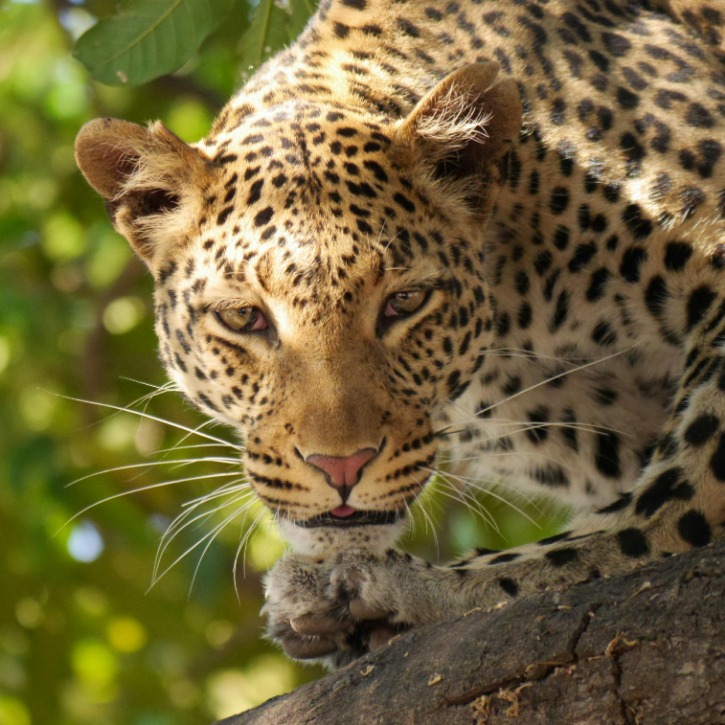
Wildlife interactions with human communities in Botswana are a vital aspect of the country’s rich natural heritage. The diverse ecosystems, including savannas, wetlands, and delta regions, support a wide range of species such as elephants, lions, and rhinoceroses, which often come into contact with local populations. While these interactions can promote tourism and ecological awareness, they sometimes lead to human-wildlife conflicts. These conflicts typically occur when animals damage crops, threaten livestock, or pose safety risks to residents. Efforts to mitigate such conflicts include community-based conservation initiatives, improved animal management practices, and education programs aimed at fostering coexistence. Balancing wildlife preservation with human welfare remains a key challenge for Botswana as it seeks sustainable solutions for both its people and its animals.
Ecotourism and Livelihoods
Wildlife interactions with human communities in Botswana play a vital role in shaping the country’s approach to conservation and sustainable development. Local communities often coexist with diverse ecosystems, benefiting from the rich biodiversity that characterizes regions such as the Okavango Delta and Chobe National Park. Ecotourism has emerged as a key industry, offering opportunities for visitors to experience Botswana’s unique wildlife while promoting environmental awareness. This form of sustainable tourism provides significant livelihoods for many residents through employment in guiding, hospitality, and conservation efforts. By fostering responsible tourism practices, Botswana ensures that its wildlife remains protected and that local communities gain economic incentives to support conservation initiatives, creating a harmonious balance between human needs and biodiversity preservation.
Educational Programs and Awareness Campaigns
Wildlife interactions with human communities in Botswana play a crucial role in conservation efforts and ecological sustainability. Local communities often coexist with diverse species such as elephants, lions, and rhinoceroses, which can sometimes lead to conflicts but also offers opportunities for community-led conservation initiatives. Educational programs in Botswana aim to raise awareness about the importance of protecting native wildlife and their habitats, fostering a sense of stewardship among residents and visitors alike.
Awareness campaigns are vital in addressing issues such as poaching, habitat destruction, and human-wildlife conflict. By promoting sustainable practices and community engagement, these campaigns help to improve coexistence and ensure the long-term survival of Botswana’s rich biodiversity. Schools, local organizations, and national parks regularly host workshops, guided tours, and media outreach to educate the public about wildlife conservation, emphasizing the ecological and economic benefits of preserving Botswana’s unique wildlife heritage.
Endangered and Vulnerable Species in Botswana
Botswana is renowned for its rich and diverse wildlife, which includes numerous species that are facing threats to their survival. Endangered and vulnerable species in Botswana play a vital role in maintaining the ecological balance of the region’s unique habitats. Conservation efforts are crucial to protect these animals from threats such as poaching, habitat loss, and climate change, ensuring that future generations can continue to enjoy Botswana’s incredible wildlife heritage.
Black Rhinoceros
Botswana is home to a rich array of wildlife, including several species that are classified as endangered or vulnerable. The Black Rhinoceros is one of the most critically threatened species within the country’s diverse ecosystems. Due to poaching and illegal wildlife trade, the population of Black Rhinoceros has significantly declined over recent decades. Conservation efforts in Botswana play a crucial role in protecting these majestic creatures, with initiatives such as protected reserves, anti-poaching patrols, and community engagement programs. Preserving the Black Rhinoceros is vital not only for maintaining ecological balance but also for ensuring the continuation of Botswana’s renowned wildlife heritage.
Wild Dog (Painted Wolf)
Botswana is renowned for its rich and diverse wildlife, including several species that are classified as endangered or vulnerable. Among these, the wild dog, also known as the painted wolf, stands out as a highly social and charismatic species facing significant conservation challenges. These animals are native to sub-Saharan Africa and are known for their distinctive mottled coat, which provides excellent camouflage in the wilderness.
Wild dogs in Botswana are primarily found in the northern regions, including the Okavango Delta and Chobe National Park. Despite their adaptability, their populations have been declining due to habitat loss, human-wildlife conflict, and disease such as canine distemper and rabies. Conservation efforts in Botswana aim to protect these elusive animals through protected areas, anti-poaching measures, and community-based initiatives.
Being listed as endangered by the IUCN, the painted wolf’s survival in Botswana relies heavily on these conservation programs, combined with public awareness and habitat preservation. Protecting this species not only ensures the survival of the wild dog but also maintains the ecological balance within Botswana’s wilderness areas, reinforcing the country’s commitment to conserving its unique and vital biodiversity.
Saola and Other Rare Species
Botswana is renowned for its rich biodiversity and is home to various endangered and vulnerable species, highlighting the importance of conservation efforts in the region. The country’s national parks and reserves provide sanctuary to species such as the African elephant, black rhino, and African wild dog, many of which face threats from poaching and habitat loss. Additionally, Botswana hosts rare species like the Saola, often called the “Asian unicorn,” although it is primarily found in Southeast Asia and not in Botswana, making it a symbol of the world’s elusive and critically threatened wildlife. Other rare species in Botswana include the pangolin, African rock python, and the aardvark, which are increasingly vulnerable due to human activities. Protecting these species is crucial for maintaining ecological balance and preserving Botswana’s unique natural heritage.
Research and Monitoring of Botswana Wildlife
Research and monitoring of Botswana’s wildlife are vital activities that help conserve the country’s rich biodiversity. These efforts provide essential data on animal populations, habitats, and ecological changes, ensuring informed decision-making for sustainable management. By studying wildlife patterns and implementing effective monitoring techniques, Botswana aims to protect its iconic species and preserve its natural heritage for future generations.
Tracking Technologies and Methods
Research and monitoring of Botswana wildlife play a crucial role in conserving its rich biodiversity and ensuring sustainable management of natural resources. Through advanced tracking technologies and innovative methods, researchers can gather critical data on animal behavior, migration patterns, and population dynamics. GPS collars, for instance, are widely used to monitor large mammals such as elephants, lions, and rhinos, providing precise location data over extended periods. Satellite imagery complements ground-based efforts by offering large-scale observations of habitat changes and animal movements across vast landscapes. Additionally, drone technology enables non-intrusive monitoring of hard-to-reach areas, helping to detect poaching activities and assess ecological health. Camera traps are another essential tool, capturing images and videos that aid in species identification and behavioral studies. These technologies combined facilitate a comprehensive understanding of Botswana’s wildlife, enabling effective policy making and targeted conservation initiatives to protect its iconic species for future generations.
Research Institutions and Programs
Research and monitoring of Botswana wildlife are vital for conserving its rich biodiversity and ensuring sustainable management of natural resources. These efforts help in understanding species populations, habitat conditions, and ecological dynamics, which are crucial for informed decision-making and policy development.
Several research institutions and programs are dedicated to studying Botswana’s wildlife. The Botswana404Wildlife Research Institute, for example, plays a key role in scientific investigations, wildlife surveys, and monitoring projects across the country. Additionally, organizations like the Okavango Research Institute focus on research related to the unique ecosystems of the Okavango Delta, one of Botswana’s most iconic wildlife areas.
International collaborations also support Botswana’s wildlife research initiatives, including programs by the World Wildlife Fund and the Convention on Biological Diversity. These programs focus on conservation strategies, species tracking, and habitat preservation efforts. Moreover, Botswana’s government agencies, such as the Department of Wildlife and National Parks, implement ongoing monitoring initiatives to oversee wildlife health, migration patterns, and human-wildlife conflict mitigation.
Overall, research and monitoring endeavors in Botswana are integral to safeguarding its diverse species, from elephants and lions to rhinos and migratory birds, ensuring the preservation of this remarkable wilderness for future generations.
Wildlife Census and Data Collection
The research and monitoring of Botswana wildlife are essential for understanding and conserving the nation’s rich biodiversity. Through systematic wildlife census and data collection efforts, scientists and conservationists gather vital information on population sizes, distribution, and health of various species. These activities help in assessing the effectiveness of conservation strategies, detecting potential threats, and guiding policy decisions to ensure sustainable coexistence between humans and wildlife. Advanced technologies such as GPS tracking, aerial surveys, camera traps, and satellite imagery play a significant role in enhancing data accuracy and coverage. Continuous monitoring allows Botswana to maintain its reputation as a global leader in wildlife conservation, particularly for iconic species like elephants, lions, and rhinoceroses. Ultimately, these efforts support the preservation of Botswana’s unique ecosystems and contribute to the global understanding of wildlife dynamics.

0 Comments