
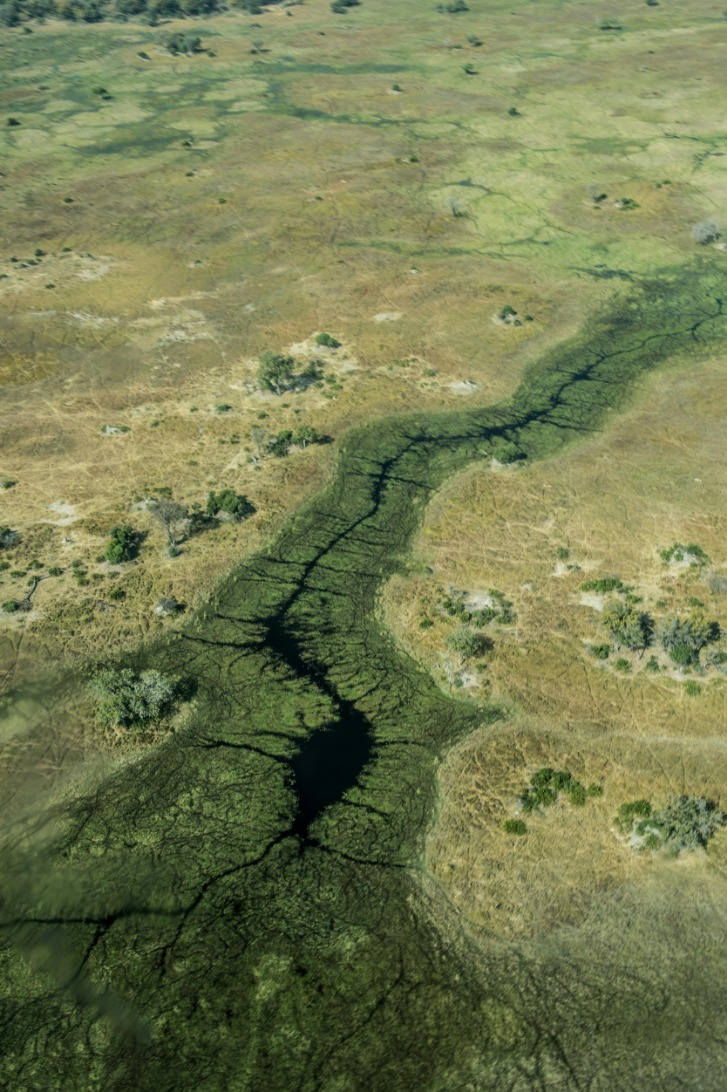
Overview of the Okavango Delta
The Okavango Delta in Botswana is a stunning inland delta renowned for its diverse ecosystems and rich wildlife. Often referred to as one of the world’s last remaining pristine wilderness areas, it offers a unique blend of lush waterways, grasslands, and swamps. This UNESCO World Heritage Site attracts travelers from around the globe seeking exceptional safari experiences and close encounters with nature’s beauty.
Geographical Location and Size
The Okavango Delta is one of the world’s most remarkable and largest inland wetlands, located in Botswana. It is renowned for its rich biodiversity and unique ecosystem, attracting numerous wildlife and visitors each year.
- Geographical Location: The delta is situated in the northwestern part of Botswana, spilling into the Kalahari Desert. It is bordered by Namibia to the west and Zambia to the northeast.
- Size: The Okavango Delta covers approximately 15,000 to 22,000 square kilometers, depending on seasonal flooding, making it one of the largest inland deltas globally.
- Coordinates: Around 20°30′S latitude and 22°00′E longitude.
Formation and Geological Features
The Okavango Delta in Botswana is a unique and expansive inland delta renowned for its rich biodiversity and stunning landscapes. It is one of the world’s largest inland wetlands, attracting numerous wildlife species and offering a vital habitat. The delta’s formation and geological features are a result of complex natural processes that have shaped its distinctive landscape over thousands of years.
- The delta forms when the Okavango River flows into a large basin, flooding the surrounding plains during the rainy season.
- The flooding creates a mosaic of channels, lagoons, and islands, supporting diverse ecosystems.
- Geologically, the delta is situated within a trough of the Kalahari Basin, formed by tectonic activity and sediment deposition.
- The landscape features sandy soils, alluvial deposits, and extensive marshlands that fluctuate with seasonal water levels.
- Its formation is driven by rainfall patterns, topography, and the natural flow of the Okavango River, making it a remarkable example of inland delta genesis.
Climate and Rainfall Patterns
The Okavango Delta in Botswana is one of the world’s most spectacular inland deltas, renowned for its lush landscapes, diverse wildlife, and unique ecological features. This vast inland water system is created by the seasonal floodwaters that originate from the Angolan highlands, covering an area that fluctuates between 6,000 and 15,000 square kilometers during the peak flood season.
The climate of the Okavango Delta is characterized by a semi-arid to arid environment, with distinct wet and dry seasons. The region experiences hot summers with temperatures often exceeding 30°C (86°F), while winters tend to be mild and dry. The climate plays a crucial role in shaping the unique hydrological cycles that sustain the delta’s rich biodiversity.
Rainfall patterns in the area are highly seasonal and variable, with most of the annual rainfall occurring between November and March during the summer months. Rainfall amounts can range from around 450 mm to over 600 mm per year, but they are often sporadic and dependent on the year’s meteorological conditions. The timing and intensity of the rains significantly influence the flood levels and, consequently, the thriving ecosystems of the Okavango Delta.
Ecology and Biodiversity
The Okavango Delta in Botswana is a remarkable example of ecological diversity and natural beauty. This unique inland delta supports a wide range of plant and animal species, making it a vital area for biodiversity. Protecting its delicate ecosystems is essential for maintaining the health of the environment and supporting the rich life that depends on it.
Unique Ecosystems and Habitats
The Okavango Delta in Botswana is one of the world’s most extraordinary and unique ecosystems, renowned for its rich biodiversity and vibrant habitats. This inland delta, formed by the seasonal flooding of the Kalahari Desert, creates a dynamic landscape teeming with life, supporting a diverse array of flora and fauna. The delta’s intricate network of channels, lagoons, and islands provides essential breeding and feeding grounds for numerous species, making it a vital ecological haven in the region. Its wetlands serve as critical habitats for iconic wildlife such as elephants, lions, leopards, and countless bird species, some of which are migratory and rely exclusively on this habitat. The delicate balance of water levels and the pristine environment of the Okavango Delta contribute significantly to the preservation of biodiversity, highlighting its importance as a unique and priceless ecosystem that requires ongoing conservation efforts to sustain its ecological integrity.
Flora of the Okavango Delta
The Okavango Delta in Botswana is one of the world’s most extraordinary ecosystems, renowned for its rich biodiversity and diverse flora. This inland delta supports a vast array of plant species that thrive in its seasonal floodplains, woodlands, and wetlands, creating a vibrant habitat for countless animals and insects. The lush vegetation, including papyrus reeds, sedges, and water lilies, plays a crucial role in maintaining ecological balance by filtering water, stabilizing the soil, and providing food and shelter for wildlife. The flora of the Okavango Delta is adapted to the seasonal inundations, with many plants flourishing during the flood season and shedding leaves during drier periods, demonstrating their resilience and ecological significance. Protecting this diverse plant life is essential for sustaining the delta’s overall health and supporting its abundant biodiversity. The complex interplay between flora, fauna, and water resources underscores the ecological importance of the Okavango Delta in Botswana.
Fauna of the Okavango Delta
The Okavango Delta in Botswana is a UNESCO World Heritage Site renowned for its exceptional biodiversity and rich ecology. It serves as a vital habitat for numerous species of flora and fauna, making it one of Africa’s most unique and pristine wilderness areas.
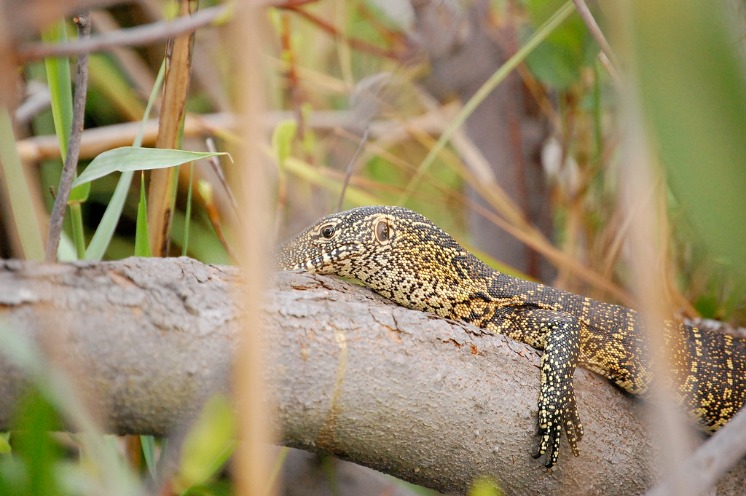
The fauna of the Okavango Delta is diverse and abundant, supporting a wide array of wildlife throughout the year. The delta’s seasonal floodwaters create a lush environment that sustains various animal populations, including large mammals, birds, fish, and invertebrates.
- Large mammals such as elephants, lions, leopards, cheetahs, and buffaloes are commonly seen in the delta and its surrounding areas.
- Herbivores like hippopotamuses, crocodiles, zebras, and wildebeests thrive in the water and on the floodplains.
- The birdlife is particularly impressive, with over 400 species including pelicans, storks, herons, kingfishers, and bee-eaters.
- Numerous fish species populate the waterways, supporting both wildlife and local communities.
- Invertebrates such as insects, mollusks, and crustaceans play essential roles in maintaining ecological balance.
The ecological balance in the Okavango Delta depends heavily on seasonal flood pulses, which replenish nutrients and sustain the intricate relationships among species. This dynamic system not only supports an incredible diversity of life but also contributes significantly to Botswana’s eco-tourism and conservation efforts.
Bird Species and Migratory Patterns
The Botswana Okavango Delta is a vital ecological region renowned for its rich biodiversity and diverse bird species. This unique inland delta supports a wide variety of habitats, including grasslands, woodlands, and aquatic environments, making it an essential refuge for many migratory bird species. The Delta’s seasonal flooding creates ideal conditions for bird breeding, feeding, and resting during migration, attracting ornithologists and eco-tourists from around the world.
- The Okavango Delta hosts over 400 bird species, including iconic birds such as the African fish eagle, malachite kingfisher, and the definitive pelican species.
- Hundreds of migratory bird species travel to the Delta during different seasons, particularly in the dry winter months, seeking refuge in its abundant water bodies.
- Bird migration patterns in the region are influenced by rainfall and flooding cycles, which determine the availability of food and nesting sites.
- Protection of these migratory routes is crucial to maintaining the ecological balance of the Delta and supporting global bird biodiversity.
- Spring and autumn are peak migration periods when vast flocks arrive and depart, taking advantage of the Delta’s resources.
- Various conservation initiatives aim to sustain the Delta’s ecosystems and ensure the longevity of migratory pathways for birds.
- Ecotourism centered around birdwatching plays a significant role in raising awareness and funding conservation efforts within the region.
Conservation and Protected Areas
The Okavango Delta in Botswana is a UNESCO World Heritage Site renowned for its rich biodiversity and stunning landscapes. Conservation and protected areas play a vital role in preserving this delicate ecosystem, ensuring the survival of numerous species of plants, animals, and birdlife. Efforts to maintain and safeguard the delta’s natural habitats are essential for both ecological balance and the sustainable tourism that supports local communities.
Legal Status and Protection Efforts
The Okavango Delta in Botswana is a UNESCO World Heritage Site renowned for its unique ecosystem and rich biodiversity. Conservation efforts are crucial in maintaining the health and sustainability of this vital wetland environment. Protected areas within the delta are designated to safeguard various species of flora and fauna, including elephants, lions, and numerous bird species, ensuring their survival for future generations.
The legal status of the Okavango Delta includes national legislation that recognizes it as a protected area, along with international designations that emphasize its global importance. Botswana’s government has implemented strict regulations to prevent habitat destruction, illegal poaching, and overdevelopment. These measures are reinforced by collaborative efforts between local communities, conservation organizations, and government agencies.
Protection efforts in the region encompass a range of strategies, such as eco-tourism, environmental monitoring, and community-based conservation programs. These initiatives not only promote sustainable tourism but also involve local residents in conservation activities, fostering a sense of stewardship. Continuous enforcement of laws and increased awareness are essential to preserve the delta’s ecological integrity and ensure its protection for generations to come.
Major National Parks and Reserves
The Botswana Okavango Delta is one of the world’s most remarkable natural ecosystems, renowned for its rich biodiversity and stunning landscapes. Conservation efforts in this region are vital to preserve its unique flora and fauna, which include elephants, lions, hippos, and countless bird species. Protected areas within the delta, such as the Moremi Game Reserve, play a crucial role in safeguarding this delicate environment. Major national parks and reserves in Botswana, including Chobe National Park and Central Kalahari Game Reserve, contribute significantly to conservation initiatives, offering sanctuary to numerous endangered species and promoting eco-tourism. These protected areas are essential for maintaining ecological balance, supporting local communities, and fostering sustainable tourism, ensuring that the natural beauty of the Okavango Delta and surrounding regions is preserved for future generations.
Threats to the Ecosystem
The Okavango Delta in Botswana is one of the world’s most unique and important ecosystems, renowned for its rich biodiversity and stunning landscapes. Conservation efforts in this region are crucial to preserving its diverse flora and fauna, including species such as elephants, lions, and numerous bird species. Protected areas like wildlife reserves and national parks play a vital role in safeguarding this fragile environment from human activities and environmental threats.
However, the ecosystem faces numerous threats that jeopardize its integrity. Poaching and illegal wildlife trade threaten iconic species, while overgrazing and land conversion for agriculture can lead to habitat loss. Climate change also poses a significant risk by causing irregular rainfall patterns and water shortages, which directly impact the Delta’s delicate hydrological balance. Additionally, increased tourism, if not managed sustainably, can lead to pollution and habitat disturbance, further endangering the ecosystem’s health.
Efforts to conserve the Okavango Delta involve a combination of community engagement, strict enforcement of wildlife protection laws, and international partnerships. It is essential to continue promoting eco-friendly tourism, habitat restoration, and research initiatives to ensure the long-term sustainability of this vital ecosystem for future generations.
Conservation Initiatives and Organizations
The Okavango Delta in Botswana is one of the world’s most unique and vital ecosystems, renowned for its rich biodiversity and stunning landscape. Conservation and protected areas play a critical role in safeguarding this natural treasure for future generations, supporting both wildlife and local communities. Numerous conservation initiatives and organizations work tirelessly to preserve the Delta’s fragile environment and promote sustainable practices.
- Mankwe Wildlife Trust: Focuses on community-based conservation projects that involve local residents in protecting wildlife and promoting eco-tourism.
- Botswana Predator Conservation Trust: Works to conserve large carnivores like lions, leopards, and hyenas in the Delta region, ensuring their populations remain stable.
- Okavango Delta Ramsar Site: Recognized as a Wetland of International Importance, this designation helps promote conservation policies and international cooperation.
- Botswana Department of Wildlife and National Parks: The primary government body responsible for managing protected areas, implementing conservation strategies, and enforcing regulations.
- Wildlife Conservation Society (WCS): Performs research and advocacy efforts to protect the Delta’s ecosystems and species, collaborating with local communities and authorities.
- Community-Based Natural Resource Management (CBNRM): An initiative that empowers local communities to participate actively in conservation activities while benefiting economically.
- Eco-tourism Development: Promotes sustainable tourism practices that fund conservation efforts and generate income for local residents.
- Research and Monitoring Programs: Continuous scientific research helps track the health of ecosystems and informs adaptive management strategies.
- Environmental Education: Raising awareness among local populations and visitors about the importance of protecting the Delta’s unique environment.
- Partnerships with International Organizations: Collaborations with entities such as the World Wide Fund for Nature (WWF) bolster conservation funding and expertise.
Tourism and Cultural Significance
The Okavango Delta in Botswana is a UNESCO World Heritage Site renowned for its breathtaking landscapes and rich cultural heritage. As one of Africa’s most unique inland deltas, it attracts travelers from around the world who seek to experience its stunning wildlife, diverse ecosystems, and vibrant local cultures. Tourism here plays a crucial role in preserving the area’s natural beauty while also promoting awareness and appreciation of Botswana’s cultural significance.
Wildlife Safaris and Eco-Tourism Activities
The Okavango Delta in Botswana is a premier destination renowned for its rich cultural heritage, stunning wildlife safaris, and eco-tourism activities that emphasize sustainability and conservation. Visitors can immerse themselves in the local traditions and history of the indigenous communities, experiencing authentic cultural practices, traditional music, and crafts that highlight Botswana’s vibrant heritage.
The delta offers extraordinary wildlife safaris, providing opportunities to see a diverse range of animals such as elephants, lions, leopards, and hippos in their natural habitat. Guided game drives, mokoro rides (traditional dugout canoe excursions), and walking safaris allow tourists to explore the unique ecosystem and observe wildlife up close, fostering a deeper appreciation for conservation efforts.
Eco-tourism activities in the Okavango Delta promote environmental awareness and responsible travel. Visitors can participate in community-based projects, stay in eco-lodges built with sustainable materials, and enjoy nature walks and birdwatching that highlight the delta’s incredible biodiversity. These activities support local communities and help preserve the delicate ecological balance of this UNESCO World Heritage Site for future generations.
Community Involvement and Cultural Heritage
The Okavango Delta in Botswana is renowned for its unique blend of tourism and cultural significance, offering visitors an extraordinary experience immersed in nature and tradition. This UNESCO World Heritage Site attracts nature enthusiasts and adventurers alike, eager to explore its diverse ecosystems, abundant wildlife, and pristine landscapes. The delta holds deep cultural importance for the local communities, who have coexisted with this wetland for generations, maintaining their traditional practices and ways of life.
Community involvement is a vital aspect of preserving the Okavango Delta, with local populations actively participating in eco-tourism initiatives and conservation efforts. These communities benefit economically from sustainable tourism, which encourages them to protect their natural environment and cultural heritage. This collaboration fosters a sense of pride and ownership among residents, ensuring that the delta’s ecological and cultural treasures are safeguarded for future generations.
Cultural heritage in the Okavango Delta is reflected through the traditions, stories, and practices of the indigenous peoples, such as the Bayei, Hambukushu, and Wayeyi tribes. Their livelihoods, customs, and spiritual beliefs remain intertwined with the land and water, enriching the visitor experience and fostering awareness of the importance of preserving both the natural environment and cultural identity. Overall, the Okavango Delta stands as a testament to the harmony between tourism, community involvement, and cultural heritage, offering a compelling example of sustainable coexistence.
Impact of Tourism on the Ecosystem
The Okavango Delta in Botswana is renowned for its rich cultural heritage and stunning natural beauty, making it a major attraction for tourists worldwide. Visitors come to experience the unique ecosystems and diverse wildlife, which are deeply intertwined with the local culture and traditions of the indigenous communities. Tourism in this region not only boosts the local economy but also promotes awareness and conservation of its cultural and natural resources.
- Economic boost through tourism generates revenue that supports local communities and conservation efforts.
- Promotes cultural exchange and preserves traditional customs and practices of the indigenous peoples.
- Provides employment opportunities in hospitality, guiding, and conservation sectors.
- Encourages investment in infrastructure and sustainable tourism practices.
- Increased foot traffic can lead to habitat disturbance and fragmentation, negatively impacting wildlife and plant species.
- Unregulated tourism may cause pollution, including water contamination and littering, threatening the ecosystem’s health.
- Construction of infrastructure like lodges and roads can disrupt natural habitats and affect migration patterns.
- Tourism activities such as boat safaris and game drives can disturb animal behavior and stress wildlife populations if not managed responsibly.
Economic Importance of the Okavango Delta
The Okavango Delta in Botswana is renowned for its significant economic contributions to the country. As one of Africa’s most vital wetland ecosystems, it attracts a substantial number of tourists, generating revenue through eco-tourism and safari activities. Additionally, the delta supports local communities by providing resources such as fish and water, which are essential for their livelihoods. Its ecological richness also plays a key role in Botswana’s overall economic stability and environmental sustainability.
Livelihoods and Local Economies
The Okavango Delta in Botswana holds significant economic importance, serving as a vital resource for local livelihoods and contributing substantially to the national economy. Its unique ecosystem attracts a large number of tourists each year, generating revenue through safaris, lodges, and related tourism services. This influx of visitors creates employment opportunities for local communities and stimulates small businesses in surrounding areas. Additionally, the sustainable use of the delta’s natural resources supports traditional livelihoods such as fishing, agriculture, and craft-making, which are crucial for the sustenance of many residents. The conservation and management of the delta thus play a critical role in maintaining its economic benefits and promoting sustainable development for Botswana’s local economies.
Role in Botswana’s Economy
The Okavango Delta holds significant economic importance for Botswana, serving as a vital resource for tourism, agriculture, and employment. Its unique ecosystem attracts numerous tourists annually, contributing substantially to the nation’s revenue. The delta also supports local communities through fishing and small-scale farming, fostering sustainable development. Additionally, the conservation of the Delta enhances Botswana’s reputation as an eco-tourism destination, further boosting the economy.
- Tourism Revenue: The delta attracts thousands of tourists each year, generating income through safaris, lodges, and tours.
- Job Creation: The tourism sector offers employment opportunities for local residents, from guides to hospitality staff.
- Foreign Exchange: Tourism brings in valuable foreign currency, supporting the national economy.
- Biodiversity Conservation: Protecting the delta aids in maintaining a healthy ecosystem, which underpins sustainable tourism.
- Agriculture and Fishing: Local farmers and fishermen benefit from the delta’s resources, providing food and income.
Sustainable Development Challenges
The Okavango Delta in Botswana holds significant economic importance due to its role as a major tourism destination, attracting visitors from around the world who come to experience its unique wildlife and pristine environment. This influx of tourists generates substantial revenue, supports local businesses, and creates employment opportunities for communities living in and around the delta. Additionally, the delta’s rich biodiversity contributes to eco-tourism activities such as safaris, bird watching, and conservation programs, which further bolster Botswana’s economy.
Despite its economic benefits, the Okavango Delta faces numerous sustainable development challenges. Over-tourism can lead to environmental degradation, habitat loss, and pollution, threatening the delicate ecosystems that support local wildlife and communities. Water management issues, including the impacts of climate change and upstream water usage, pose risks to the delta’s flow and health. Balancing economic growth with conservation efforts remains crucial, as local communities and policymakers work to develop sustainable strategies that preserve the delta’s ecological integrity while promoting economic development.
Research and Scientific Studies
The Okavango Delta in Botswana is a remarkable natural wonder that draws the attention of researchers and scientists worldwide. Scientific studies focused on this unique ecosystem aim to understand its diverse wildlife, intricate water systems, and the impacts of climate change. Through ongoing research, experts seek to preserve the delta’s vibrant biodiversity while promoting sustainable management practices for this iconic habitat.
Ongoing Research Projects
The Okavango Delta in Botswana is a unique and vital ecosystem that has attracted extensive research and scientific studies aiming to understand its ecological dynamics, biodiversity, and conservation challenges. Researchers are focusing on the delta’s complex hydrological patterns, the interactions between water and wildlife, and the impact of climate change on this UNESCO World Heritage site. Ongoing projects include monitoring water levels, studying animal migration routes, and assessing the health of its wetlands. Collaborative efforts involve international organizations, local governments, and conservation groups working to develop sustainable management strategies. Scientific studies also explore the effects of human activities such as tourism and agriculture to ensure the preservation of this globally significant habitat for future generations.
Climate Change Impacts and Adaptation Strategies
The Okavango Delta in Botswana is a remarkable ecosystem that has been the focus of numerous research and scientific studies, especially regarding its response to climate change. Researchers have documented the increasing variability in seasonal flood patterns, which threatens the delicate balance of this UNESCO World Heritage Site. Climate change impacts, such as prolonged droughts and unpredictable rainfall, have led to reduced water levels, affecting biodiversity and local livelihoods. Scientific studies emphasize the importance of ongoing monitoring and data collection to understand these changes and develop effective adaptation strategies. In response, Botswana has implemented measures like improved water management, conservation programs, and community engagement initiatives. These strategies aim to bolster the resilience of the delta’s ecosystem, ensuring its sustainability and the well-being of communities dependent on its resources for generations to come.
Technological Advances in Monitoring Biodiversity
The Okavango Delta in Botswana is one of the most vital ecosystems supporting diverse flora and fauna, making effective biodiversity monitoring essential for conservation efforts. Recent research and scientific studies focus on utilizing advanced technologies to track and analyze species populations, habitat changes, and ecological health within this unique environment. Innovations such as remote sensing, drone surveillance, and camera traps provide detailed spatial and temporal data, enhancing our understanding of the delta’s dynamic ecosystem.
Technological advances have significantly improved monitoring capabilities in the Okavango Delta. Satellite imagery enables large-scale habitat assessments and detection of land use changes, while machine learning algorithms assist in processing vast datasets for species identification and trend analysis. Additionally, bioacoustic sensors monitor animal calls, providing insights into species distribution and activity patterns without disturbing wildlife. Together, these technologies facilitate more accurate, cost-effective, and real-time biodiversity assessments.
These scientific developments support conservation strategies by enabling early detection of threats such as illegal poaching or habitat degradation. They also promote collaborative efforts among researchers, conservationists, and local communities to implement adaptive management practices tailored to the delta’s unique ecological context. As technology continues to evolve, its integration into biodiversity monitoring promises to safeguard the rich biodiversity of the Okavango Delta for future generations.




0 Comments