
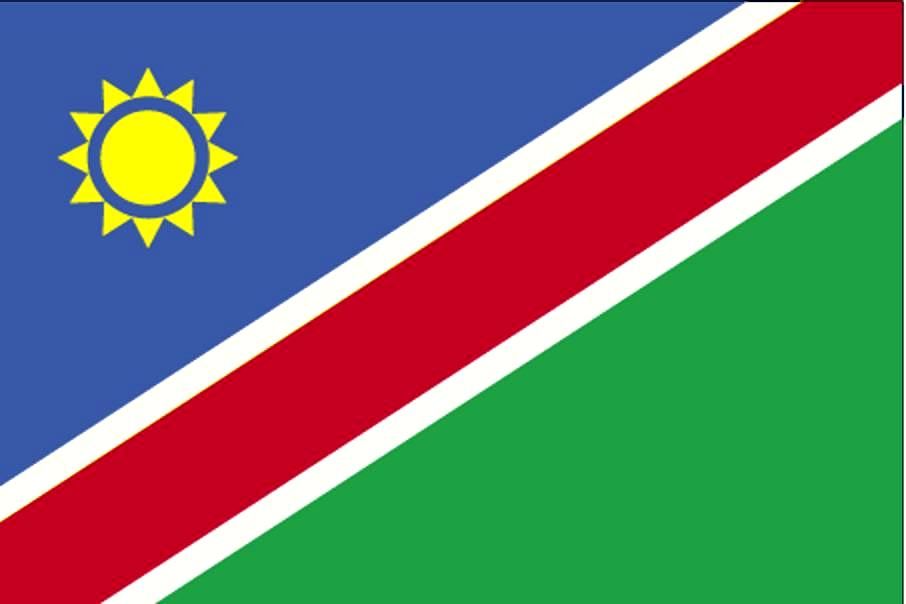
Official Language of Namibia
The official language of Namibia is English. It was adopted as the official language after independence to promote unity and facilitate communication across diverse linguistic communities. English is used in government, education, and official documents, playing a central role in the country’s administration.
- English is used in all government proceedings and official communications.
- English serves as the medium of instruction in schools across Namibia.
- Despite the official status of English, many Namibians speak indigenous languages such as Oshiwambo, Herero, and Nama.
- Language policies aim to preserve and promote Namibia’s diverse cultural heritage while ensuring national cohesion.
Overview of Language Policy in Namibia
Namibia’s language policy reflects its diverse cultural heritage and commitment to multilingualism. The country recognizes multiple languages to promote inclusivity and preserve indigenous identities while also emphasizing the use of English as the official language for government and education. This approach aims to balance local linguistic traditions with the demands of national unity and international communication.
Founding Principles of Language Policy
Namibia’s language policy reflects a commitment to promoting linguistic diversity and respecting the multilingual reality of the country. It recognizes the importance of maintaining indigenous languages while also supporting official and colonial languages to facilitate communication, education, and administration.
The founding principles of Namibia’s language policy emphasize inclusivity, cultural preservation, and national unity. The policy aims to uphold the rights of all linguistic communities, ensuring that their languages are used in public domains, education, and media. English was adopted as the official language to serve as a neutral medium that unites the diverse population, promote economic development, and integrate Namibia into the global community.
Role of Language in Government and Education
Namibia’s language policy is designed to promote multilingualism while establishing English as the official language. The country recognizes a diverse array of indigenous languages, but English is prioritized for government, administration, and education to facilitate national unity and international communication.
The role of language in Namibia’s government and education system is significant in shaping national identity and ensuring effective governance. English serves as the medium of instruction in schools and is used in government proceedings, legal systems, and official documentation. This linguistic choice aims to foster cohesion among Namibia’s multilingual population while providing access to global opportunities.
- English is the sole official language of Namibia, promoting standardized communication in government and education.
- Indigenous languages such as Oshiwambo, Herero, Khoekhoe, and others are officially recognized and used informally and in local community settings.
- The government encourages the preservation of indigenous languages alongside the promotion of English literacy and proficiency.
- Educational policies prioritize teaching in English to prepare students for participation in the global economy.
- There are ongoing efforts to balance language preservation with the practical needs of national unity and development.
Multilingual Nature of Namibia
Namibia’s language policy reflects its rich cultural diversity and commitment to multilingualism. The country recognizes multiple languages to ensure inclusive communication and respect for various ethnic groups. English is designated as the official language and is used in government, education, and formal communication, promoting national unity and international collaboration. In addition to English, Namibia is home to a wide array of indigenous languages spoken by different communities, including Oshiwambo, Herero, Nama, Damara, and others. These languages are vital to cultural preservation and are often used in local settings, media, and traditional ceremonies. The multilingual nature of Namibia highlights its commitment to respecting linguistic diversity and fostering social cohesion among its people.
Official Language Designation
Namibia, a country known for its diverse cultures and rich history, officially designates multiple languages to reflect its multicultural identity. The official language designation in Namibia plays a crucial role in fostering unity and ensuring effective communication across different communities. Understanding the official languages helps to appreciate the nation’s commitment to inclusivity and cultural preservation.
English as the Official Language
Namibia recognizes English as its official language, serving as a unifying medium for government, education, and administrative communication. This designation reflects the country’s effort to promote unity among its diverse linguistic communities and facilitate international cooperation.
- English was adopted as the official language in 1990 following independence from South Africa.
- Its use aims to support national development and ensure accessibility across different ethnic groups.
- English is the primary language used in government documents, legislation, and formal education.
- Despite English being official, many Namibians communicate in indigenous languages such as Oshiwambo, Nama, and Herero.
- The adoption of English as the official language has helped Namibia to participate more effectively in global affairs and trade.
Historical Background Leading to English Adoption
Namibia officially recognizes English as its sole official language, a designation that reflects its efforts to unify a diverse population comprising various indigenous languages and colonial influences. The historical background leading to the adoption of English as the official language stems from Namibia’s colonial past, particularly during the German and South African administrations. After German colonization in the late 19th century and subsequent South African rule, English was introduced primarily through educational and administrative reforms. With Namibia gaining independence in 1990, the government chose English to serve as a neutral, unifying language that could facilitate communication across different ethnic groups and promote national integration. This decision aimed to strengthen nationhood and international diplomacy, positioning Namibia within the global community while acknowledging its colonial history.
Legal Framework Supporting English Status
Namibia recognizes English as its official language, serving as the primary medium of communication in government, education, and official documentation. The legal framework supporting English status is established through Constitution provisions and national legislation, ensuring its prominence across various sectors. The Namibian Constitution explicitly designates English as the official language, promoting unity and facilitating effective governance amidst the country’s diverse linguistic landscape. This legal designation aims to foster national integration and facilitate international cooperation while supporting the development of a cohesive national identity.
Languages Recognized in Namibia
Namibia is a multilingual country with a rich linguistic diversity, reflecting its varied cultural heritage. The official language of Namibia is English, serving as the primary language for government, education, and official communication. In addition to English, the country recognizes several indigenous languages, including Oshiwambo, Herero, Nama, Damara, and Khoekhoe, among others. This linguistic variety highlights Namibia’s commitment to acknowledging its indigenous cultures while promoting unity under a common official language.
Major Indigenous Languages
Namibia recognizes several languages officially and promotes linguistic diversity within the country. English is the sole official language of Namibia, serving as the language of government, education, and commerce. It was adopted as the official language after independence to unify the diverse population and facilitate communication across different ethnic groups.
In addition to English, Namibia has a rich tapestry of major indigenous languages spoken by various communities. These include Oshiwambo, which is the most widely spoken language and serves as a lingua franca in northern Namibia. Other significant indigenous languages include Herero, Nama, Damara, Ronga, Tswana, and Otjiherero. Many of these languages are recognized and cherished as an integral part of Namibia’s cultural heritage, with efforts made to preserve and promote them alongside the official English language.
Other Official Languages and Recognized Languages
Namibia recognizes several languages officially and through cultural acknowledgment. The primary official language of the country is English, serving as the language of government, education, and official communication. In addition to English, Namibia recognizes other official languages such as Oshiwambo, Khoekhoe, Otjiherero, and German, among others. These languages reflect the diverse ethnic groups and cultural heritage within the country. Beyond the official languages, Namibia also acknowledges various recognized languages, including indigenous languages like Herero, Damara, and Nama, which hold cultural significance and are used in everyday life by their respective communities. This multilingual landscape underscores Namibia’s commitment to preserving its rich linguistic and cultural diversity.
Language Diversity and Demographics
Namibia recognizes multiple languages as part of its rich cultural diversity, reflecting the country’s diverse demographics. The official language of Namibia is English, which is used in government, education, and official communication. Beyond English, Namibia is home to a variety of indigenous languages, including Oshiwambo, Herero, Nama, Damara, and others, spoken by various ethnic groups across the nation. The language landscape demonstrates a high degree of linguistic diversity, with over 30 languages spoken throughout the country. This multilingual environment highlights Namibia’s efforts to preserve its cultural heritage while promoting a common official language to facilitate national unity and international communication.
Implementation of English as Official Language
The implementation of English as the official language in Namibia plays a crucial role in shaping the nation’s identity and governance. As a lingua franca, English facilitates communication across diverse linguistic groups, fostering unity and efficient administration. This policy reflects Namibia’s commitment to promoting inclusivity and international integration within its multilingual society.
Educational System and Language Use
Namibia’s implementation of English as the official language plays a central role in its educational system and overall language use within the country. As the official language, English is used in government, legal affairs, and formal communication, fostering national unity and facilitating international relations. In the educational system, English is the medium of instruction from primary to higher education, which aims to standardize learning and enhance students’ global competitiveness. This policy encourages students to develop proficiency in English, enabling better access to international resources and opportunities. However, it also presents challenges, particularly in integrating students from diverse linguistic backgrounds who may speak indigenous languages at home. To address this, efforts are made to incorporate local languages in early education and promote bilingual proficiency, ensuring that cultural identity is preserved while maintaining the benefits of English as the official lingua franca. Overall, Namibia’s approach reflects a balance between promoting national cohesion through English and respecting its rich linguistic diversity.”
Government Communication and Official Documents
Namibia, as an African nation with a diverse linguistic landscape, has considered the implementation of English as its official language to facilitate government communication and official documentation. The adoption of English aims to promote unity, enhance administrative efficiency, and support international engagement.
- English was designated as the sole official language in Namibia’s constitution in 1990, reflecting the country’s commitment to creating a common linguistic platform.
- Government communication primarily utilizes English in official documents, legislation, and public notices to ensure clarity and consistency across agencies.
- Official documents, including legal texts, administrative correspondence, and governmental reports, are drafted and maintained in English to uphold standardization and accessibility.
- The use of English in official contexts also facilitates Namibia’s diplomatic relations and participation in international organizations where English is a primary language.
- Efforts continue to promote proficiency in English among citizens to improve access to government services and participation in civic processes.
Media and Public Discourse
Namibia’s decision to implement English as its official language has significantly influenced its media and public discourse. As the primary language of government, education, and business, English serves as a unifying medium in a linguistically diverse country, fostering national identity and administrative efficiency. Media outlets predominantly use English to communicate news, entertainment, and public information, ensuring broad accessibility across different communities. This widespread usage of English in public discourse encourages a more cohesive national dialogue, enabling citizens from various linguistic backgrounds to participate actively in civic and political discussions. However, it also raises concerns about the marginalization of indigenous languages and cultures, prompting ongoing debates about balancing linguistic inclusivity with national unity in Namibia’s media and public spheres.
Impact of the Official Language Policy
The official language policy in Namibia has significantly influenced the country’s socio-cultural and educational landscape. By establishing English as the sole official language, Namibia aimed to promote unity among diverse linguistic groups and facilitate international communication. This policy has impacted language use in government, media, and education, shaping national identity and influencing cultural preservation across the nation.
Promoting National Unity
The official language policy of Namibia has played a significant role in promoting national unity by fostering inclusive communication across diverse ethnic and linguistic groups. By designating certain languages as official, the government provides a common platform for administrative, educational, and political activities, helping to bridge cultural divides. This approach encourages mutual understanding and respect among Namibia’s varied communities, strengthening social cohesion. Moreover, the recognition of multiple languages in official contexts reflects the country’s commitment to cultural diversity, ensuring that different groups feel represented and valued. Ultimately, Namibia’s language policy aims to create an environment where unity is achieved through shared linguistic identity, while still honoring its rich cultural heritage.
Challenges and Criticisms
The official language policy in Namibia has significant implications for national identity, education, communication, and social cohesion. By designating specific languages as official, the government aims to promote unity while also respecting linguistic diversity. However, this policy also presents various challenges and criticisms that influence its effectiveness and acceptance across different segments of society.
- The recognition of multiple languages, including English, Oshiwambo, Herero, Nama, and others, seeks to preserve Namibia’s rich cultural heritage. However, English being the sole official language often dominates government, education, and business sectors, which may marginalize indigenous languages.
- One of the main challenges is ensuring equitable access to education and government services for speakers of various languages. Often, children from rural or minority language communities may find it difficult to succeed in an English-based education system, leading to disparities.
- Critics argue that the emphasis on English contributes to the erosion of indigenous languages and cultures, potentially resulting in cultural homogenization over time. This raises concerns about linguistic imperialism and the loss of indigenous identity.
- The policy’s implementation also faces practical issues such as insufficient multilingual resources, trained personnel, and infrastructure to support language diversity effectively in official contexts.
- Balancing the promotion of English for global integration with the preservation of local languages remains a persistent challenge for policymakers in Namibia.
Language Preservation and Cultural Identity
The official language policy in Namibia, which designates English as the sole official language, has significant implications for language preservation and cultural identity. This policy aims to unify diverse ethnic groups under a common medium of communication, fostering national cohesion and international engagement. However, it also raises concerns about the marginalization of indigenous languages, many of which are at risk of extinction, thereby threatening the preservation of unique cultural heritages. While English facilitates access to global opportunities and education, it can inadvertently diminish the cultural significance of indigenous languages and traditions, leading to a potential erosion of cultural identities. Balancing the benefits of a unified official language with efforts to preserve indigenous languages and cultural expressions remains a key challenge for Namibia’s language policy.




0 Comments