
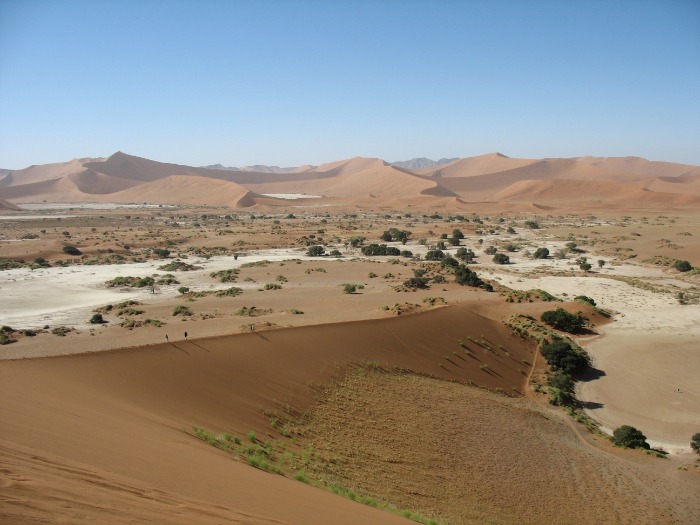
Overview of Namibia’s Economy
Namibia’s economy is characterized by a diverse mix of industries, including mining, agriculture, tourism, and manufacturing. As one of the most stable economies in Southern Africa, it has experienced steady growth driven by its rich natural resources and strategic geographic location. While the country faces challenges such as unemployment and economic inequality, its focus on sustainable development and resource management continues to shape its economic landscape.
Historical Economic Development
Namibia’s economy is classified as an upper-middle-income nation, characterized by its rich natural resources and a diverse economic structure. Over the years, Namibia has experienced periods of growth driven by its mining sector, agriculture, and tourism industries. The country’s GDP reflects its resource-based economy, with significant contributions from minerals such as diamonds, uranium, and gold. Despite its resource wealth, Namibia faces challenges related to economic diversification, unemployment, and income inequality.
Historically, Namibia’s economic development has been shaped by its colonial past and recent efforts toward modernization. Initially reliant on agriculture and fishing, the economy shifted with the discovery of minerally rich deposits, particularly after independence in 1990. The government has implemented policies aimed at attracting investment and expanding industrial capacity, but growth remains sensitive to fluctuations in commodity prices and global demand.
- During the 20th century, Namibia’s economy was heavily influenced by colonial governance, with economic activities concentrated in mining and agriculture.
- Post-independence, the nation focused on developing infrastructure, education, and social services to foster sustainable growth.
- In the early 2000s, Namibia experienced steady GDP growth driven by diamond and uranium mining, as well as tourism.
- Recent years have seen efforts to diversify the economy, including investments in renewable energy and manufacturing sectors.
- Despite these advancements, Namibia continues to face economic vulnerabilities, such as dependence on commodity exports and high unemployment rates.
Current Economic Landscape
Namibia’s economy is classified as an upper-middle-income economy with significant reliance on natural resources such as minerals, uranium, and diamonds. Over recent years, it has experienced fluctuations influenced by global commodity prices, particularly in mining, which is a cornerstone of the nation’s GDP. The country also has a growing tourism sector, leveraging its unique landscapes and wildlife to attract visitors, contributing to economic diversification. Despite these strengths, Namibia faces challenges including unemployment, economic inequality, and dependency on mineral exports.
- Mineral Resources: Mining accounts for a large share of Namibia’s GDP, with uranium, diamonds, and gold being the primary commodities.
- Agriculture and Fishing: These sectors provide employment and contribute to local consumption, though their impact on GDP is moderate.
- Tourism: A growing sector that generates foreign exchange and supports employment, driven by Namibia’s rich biodiversity and scenic landscapes.
- Economic Challenges: High unemployment rates, particularly among youth, and income inequality remain critical issues.
- Economic Diversification: Efforts are underway to diversify the economy beyond mining and resource extraction to ensure sustainable growth.
Gross Domestic Product (GDP) Overview
Gross Domestic Product (GDP) is a key indicator used to measure the economic performance of a country, reflecting the total value of all goods and services produced within its borders over a specific period. In the context of Namibia, GDP provides insights into the nation’s economic health, growth trends, and the impact of various industries such as mining, agriculture, and services on its overall economy. Understanding Namibia’s GDP offers a clearer picture of its development progress and economic potential.
GDP Growth Trends (2010-2023)
Namibia’s Gross Domestic Product (GDP) serves as a key indicator of the country’s economic health and overall performance. It reflects the total value of all goods and services produced within Namibia over a specific period, providing insights into its economic strength and development trajectory.
From 2010 to 2023, Namibia experienced fluctuations in GDP growth. The period saw steady growth in the early years, driven by investments in mining, agriculture, and services sectors. However, the economy faced challenges such as global commodity price volatility, droughts affecting agricultural output, and the impacts of the COVID-19 pandemic. Despite these hurdles, Namibia’s GDP demonstrated resilience, with some years showing slower or negative growth rates, particularly around 2020 and 2021 due to pandemic-related disruptions.
In recent years, Namibia has been working towards diversifying its economy beyond mining, focusing on sectors like tourism, manufacturing, and renewable energy. The GDP growth trend from 2010 to 2023 illustrates an evolving economy that, while impacted by external shocks, maintains the potential for recovery and sustainable development. Overall, Namibia’s GDP growth trends reflect a cautious yet progressing economic landscape, influenced by both internal reforms and global economic conditions.
Recent GDP Figures and Statistics
Namibia’s Gross Domestic Product (GDP) provides a comprehensive measure of the country’s economic performance, reflecting the total value of all goods and services produced within its borders. As a developing nation, Namibia’s economy is largely driven by mining, agriculture, fishing, and manufacturing sectors, with a growing emphasis on tourism and renewable energy. Understanding its GDP trends offers insights into the country’s economic health and development trajectory.
Recent GDP figures indicate that Namibia’s economy experienced modest growth in the past year, with the GDP reaching approximately $13 billion USD. This represents a growth rate of around 2.5%, reflecting gradual economic recovery and resilience despite global economic challenges. The minerals sector, particularly diamond and uranium mining, remains a significant contributor to GDP, while sectors like agriculture and tourism are showing signs of steady expansion.
Statistics reveal that the per capita GDP of Namibia stands at roughly $7,200 USD, underscoring income disparities but also highlighting areas for potential economic improvement. The government continues to implement policies aimed at diversifying the economy, boosting investment, and enhancing sustainable development efforts to foster higher GDP growth rates in the coming years. These recent figures and trends emphasize Namibia’s ongoing efforts to strengthen its economic foundation and improve living standards.
Main Contributors to Namibia’s GDP
Namibia’s gross domestic product (GDP) is driven by several key sectors that play a crucial role in the country’s economic stability and growth. The mining industry, particularly the extraction of minerals such as diamonds, uranium, and gold, stands out as a significant contributor. Additionally, the agriculture sector, including livestock and crop production, supports employment and local markets. The tourism industry also plays a vital part, attracting visitors with Namibia’s unique landscapes and wildlife. Together, these main contributors shape the economic landscape of Namibia and influence its overall GDP performance.
Mining Sector
The mining sector is a vital component of Namibia’s economy, significantly contributing to the country’s Gross Domestic Product (GDP). Key minerals such as uranium, diamonds, zinc, copper, gold, and increasingly rare earth minerals play an essential role in driving economic growth. Diamonds are particularly prominent, with Namibia being one of the world’s leading producers, especially in the offshore diamond industry. The uranium industry is also notable, as Namibia is one of the top uranium producers globally, supporting both domestic energy needs and export revenues. In addition to minerals, other main contributors to Namibia’s GDP include agriculture, fishing, manufacturing, and services sectors, but mining remains a primary economic pillar that generates substantial foreign currency earnings and employment opportunities.
Agriculture and Livestock
The main contributors to Namibia’s GDP include mining, agriculture, industry, and services sectors. Among these, agriculture and livestock play significant roles, especially in rural communities, providing employment and income for a large portion of the population. Agriculture in Namibia primarily encompasses crop farming and livestock rearing, which are vital for food security and rural development. Livestock farming, including cattle, goats, and sheep, not only supports local diets but also contributes to Namibia’s export earnings. The sector faces challenges such as drought, limited arable land, and environmental pressures, but remains a crucial component of the nation’s economic structure and overall GDP contribution.
Manufacturing and Industry
Namibia’s GDP is primarily driven by the manufacturing and industry sector, which plays a significant role in the country’s economy. The main contributors within this sector include mining, manufacturing, and construction activities. Mining is one of Namibia’s most vital industries, with significant deposits of minerals such as diamonds, uranium, copper, and zinc, which generate substantial revenue through exports. The manufacturing industry supports the economy by processing minerals, producing building materials, and manufacturing consumer goods. Additionally, the construction industry contributes to GDP growth through infrastructure development, urbanization projects, and housing initiatives. Together, these sectors form the backbone of Namibia’s industrial growth and economic stability.
Services Sector (Tourism, Finance, etc.)
The services sector is a significant contributor to Namibia’s GDP, playing a vital role in the country’s economic stability and growth. This sector includes diverse industries such as tourism, finance, telecommunications, and retail, which collectively drive economic activity and employment. Tourism is particularly important due to Namibia’s rich natural resources, national parks, and wildlife, attracting visitors from around the world and generating substantial foreign exchange earnings. The finance industry also contributes significantly, supporting business operations, investment, and economic development through banking, insurance, and other financial services. Additionally, telecommunications and retail sectors further bolster the services industry by facilitating communication, commerce, and consumer spending, making them crucial components of Namibia’s economic landscape. Overall, the services sector’s robustness helps diversify Namibia’s economy, reducing reliance on primary resource exports and fostering sustainable growth.
Sector-wise Analysis of GDP Contributions
The sector-wise analysis of GDP contributions provides valuable insights into the economic structure and development priorities of Namibia. By examining the relative contributions of agriculture, industry, and services sectors, stakeholders can better understand the strengths and vulnerabilities of the nation’s economy. This analysis helps identify key growth drivers and informs policy decisions aimed at fostering sustainable development and economic resilience in Namibia.
Mining Sector Performance
The sector-wise analysis of Namibia’s GDP contributions provides a comprehensive understanding of the country’s economic structure and growth dynamics. The mining sector, in particular, plays a pivotal role in Namibia’s economy, contributing significantly to national income and export revenues. This sector primarily includes the extraction of minerals such as diamonds, uranium, copper, and zinc, which are vital for both domestic industries and international trade.
In recent years, the mining sector has demonstrated resilience despite global economic fluctuations. It has experienced steady growth driven by increased demand for minerals, technological advancements, and government policies aimed at attracting investment. The performance of Namibia’s mining industry is often reflected in the nation’s GDP figures, highlighting its importance as a cornerstone of economic development.
Overall, the mining sector’s robust performance continues to bolster Namibia’s GDP, supporting employment, infrastructure development, and foreign exchange earnings. Understanding the sector-wise contributions provides insight into the strengths and challenges facing Namibia’s economy, guiding future policy and investment decisions for sustainable growth.
Agricultural Sector Dynamics
Namibia’s GDP contributions are divided across various sectors, with the agricultural sector playing a crucial role in the country’s overall economic stability and development. Analyzing sector-wise contributions provides insight into economic priorities and growth potentials in Namibia.
The agricultural sector in Namibia is characterized by its reliance on livestock farming, crop cultivation, and fisheries. It serves as a vital source of livelihood for a significant portion of the population, especially in rural areas. Despite its importance, the sector faces numerous challenges including climate variability, limited access to modern technology, and infrastructure constraints.
Key aspects of Namibia’s agricultural sector dynamics include:
- Dependence on Rain-Fed Agriculture: Most farming activities are rain-dependent, making agricultural output vulnerable to droughts and irregular rainfall patterns.
- Livestock Farming Dominance: Livestock is a primary agricultural product, contributing substantially to both domestic consumption and exports like beef and meat products.
- Limited Crop Diversity: The focus remains on a few staple crops, which hampers diversification and resilience against pests or weather fluctuations.
- Government Initiatives: Various programs aim to enhance productivity through irrigation projects, improved seed varieties, and support for smallholder farmers.
In the broader context of Namibia’s GDP, while the agricultural sector’s contribution has seen fluctuations due to environmental factors, it remains a significant component, underpinning rural incomes and food security. Sustained investments and climate adaptation strategies are essential for fostering more resilient agricultural growth, which in turn can positively influence the country’s overall economic trajectory.
Tourism Industry Impact
Namibia’s Gross Domestic Product (GDP) is significantly influenced by various sectors, with the tourism industry playing a vital role in its economic landscape. The sector-wise analysis reveals that while mining and agriculture contribute substantially to the GDP, the tourism industry has emerged as a key driver of foreign exchange earnings and employment. Tourism’s impact is particularly notable in regions with rich wildlife and natural attractions, contributing to both local communities and national revenue. The diversification of the economy, including investments in sectors like manufacturing and services, continues to shape Namibia’s economic growth trajectory.
Financial and Banking Services
In Namibia, the financial and banking services sector plays a crucial role in contributing to the overall GDP, reflecting the country’s economic stability and development. This sector primarily includes banking operations, insurance services, and other financial institutions that facilitate economic activities across various industries. A sector-wise analysis reveals that financial services constitute a significant portion of Namibia’s GDP, driven by increasing demand for financial products and the modernization of banking infrastructure.
Historically, the banking and financial sector has experienced steady growth, supported by government initiatives to expand financial inclusion and improve banking accessibility. This growth has positively impacted other sectors such as retail, real estate, and manufacturing, which rely heavily on financial services for funding and investment.
Additionally, Namibia’s efforts to strengthen its financial regulatory framework and promote digital banking have contributed to the sector’s expanding contribution to the GDP. As the sector continues to evolve with technological advancements, its role in supporting economic diversification and sustainable development remains vital.
Overall, the sector-wise contribution of financial and banking services to Namibia’s GDP underscores its importance as a backbone for economic activity and a driver for future growth opportunities in the country.
Factors Influencing Namibia’s GDP
Namibia’s Gross Domestic Product (GDP) is shaped by a variety of factors that reflect its economic structure and development priorities. Key influences include natural resources such as minerals and wildlife, government policies, infrastructure development, and regional trade dynamics. Understanding these factors provides insight into the country’s economic performance and growth potential.
Commodity Prices and Export Markets
The Gross Domestic Product (GDP) of Namibia is shaped by a variety of factors, including commodity prices and export markets, which are crucial for the nation’s economic stability and growth prospects.
Key factors influencing Namibia’s GDP include:
- Commodity Prices: Namibia’s economy is heavily reliant on the export of minerals such as uranium, diamonds, and other natural resources. Fluctuations in global commodity prices directly impact revenue and economic performance.
- Global Demand for Commodities: Changes in international demand, particularly from major trading partners, affect export volumes and prices, influencing GDP growth.
- Export Markets: The stability and size of Namibia’s import and export markets determine the inflow of foreign currency and investment, affecting overall economic activity.
- Global Economic Conditions: Economic downturns or booms worldwide can influence commodity demand and prices, subsequently impacting Namibia’s GDP.
- Currency Exchange Rates: Fluctuations in the Namibian dollar’s value relative to other currencies can affect export competitiveness and profit margins.
- Government Policies and Economic Diversification: Policies aimed at diversification reduce dependence on a few commodities and can influence economic resilience and GDP growth.
Foreign Investment Trends
Namibia’s GDP is shaped by a variety of factors, including its natural resources, economic diversification efforts, and global market conditions. The country’s rich mineral deposits, such as diamonds, uranium, and gold, significantly contribute to its economic output. Additionally, Namibia’s focus on developing sectors like tourism, fisheries, and agriculture helps diversify its economy and reduce dependence on mineral exports. Foreign investment trends play a crucial role in influencing Namibia’s GDP, as increased foreign direct investment (FDI) in sectors like mining, tourism, and infrastructure can stimulate economic growth. Global demand for natural resources, geopolitical stability, and government policies also impact foreign investment inflows and, consequently, the country’s overall economic performance. Furthermore, Namibia’s strategic positioning and participation in regional trade agreements encourage foreign investors to engage with its economy, aiding in sustainable growth and expansion of its GDP.
Government Policies and Economic Reforms
Several factors influence Namibia’s GDP, including natural resource availability, diversification of economic activities, and infrastructural development. The country’s economy heavily depends on mineral exports such as diamonds, uranium, and gold, which significantly contribute to overall GDP. Government policies play a vital role in shaping economic growth by promoting investment, improving governance, and implementing fiscal discipline. Economic reforms aimed at diversifying the economy beyond mineral dependence, such as developing agriculture, tourism, and manufacturing sectors, are crucial for sustainable growth. Additionally, efforts to enhance education, healthcare, and infrastructure are essential to creating a conducive environment for economic expansion. The government’s focus on creating a stable macroeconomic framework and attracting foreign direct investment further influences Namibia’s GDP trajectory, ensuring long-term economic stability and growth.
Environmental Factors and Climate Change
Namibia’s GDP is significantly influenced by a variety of environmental factors and the impacts of climate change. As a country with a largely arid landscape and limited freshwater resources, Namibia’s economic activities, especially agriculture and mining, are directly affected by environmental conditions. Droughts and irregular rainfall patterns can reduce agricultural productivity, leading to decreased income and employment in rural areas. Additionally, climate change poses long-term risks by increasing the frequency and severity of droughts, which can further compromise water availability and crop yields. The reliance on natural resource extraction, such as mining, makes Namibia vulnerable to environmental degradation and fluctuations in global commodity prices. Overall, the interplay of environmental factors and climate change plays a crucial role in shaping Namibia’s economic stability and growth prospects.
Challenges Facing Namibia’s Economy
Namibia’s economy faces a range of challenges that impact its overall growth and stability. Despite its rich natural resources and potential for development, the country struggles with high unemployment rates, limited diversification, and economic inequality. Additionally, external factors such as fluctuating global commodity prices and climate change pose significant risks to Namibia’s GDP and long-term economic prospects.
Unemployment and Income Inequality
Namibia’s economy faces significant challenges including high unemployment rates and widening income inequality, which impact overall economic growth and social stability. Despite having a relatively stable macroeconomic environment and rich natural resources, the country struggles to create enough jobs for its growing population, leading to persistent unemployment, especially among young people. Income disparity remains a major concern, as wealth is often concentrated in urban areas and among certain sectors, leaving rural communities and marginalized groups behind. These issues hinder sustainable development and economic diversification efforts, making it difficult for Namibia to fully leverage its GDP potential. Addressing these challenges requires focused policies on job creation, education, and equitable distribution of resources to foster inclusive growth and improve living standards across the country.
Dependence on Commodities
Namibia’s economy faces significant challenges primarily due to its heavy dependence on commodities. The country relies heavily on the extraction and export of natural resources such as uranium, diamonds, and other minerals, making its GDP highly sensitive to fluctuations in global commodity prices. This dependence exposes Namibia to economic volatility and external shocks, which can hinder sustainable growth.
Additionally, the concentration on resource-based industries often limits diversification efforts within the economy. This results in a lack of resilience against commodity price downturns, impacting government revenues, employment rates, and overall economic stability. The limited diversification further constrains Namibia’s ability to develop other sectors like manufacturing and services, which are essential for long-term economic growth.
Other challenges include infrastructural deficits, high unemployment rates, and income inequality, which are exacerbated by reliance on commodity exports. To enhance its GDP stability and growth prospects, Namibia needs to diversify its economy, invest in human capital, and develop more resilient sectors that are less vulnerable to global commodity market fluctuations.
Infrastructure and Logistics Limitations
Namibia’s economy faces several significant challenges related to infrastructure and logistics that impact its overall growth and development. Limited transportation networks and outdated infrastructure hinder the efficient movement of goods and services across the country, affecting trade and industrial productivity. The country’s vast territory and sparse population distribution further complicate the development of comprehensive infrastructure, leading to high costs and logistical inefficiencies. Additionally, reliance on a narrow resource base, primarily minerals and mining, makes the economy vulnerable to global commodity price fluctuations, which are compounded by infrastructural constraints. These limitations restrict Namibia’s ability to fully leverage its economic potential, deter foreign investment, and slow down improvements in living standards.
Future Economic Outlook
The future economic outlook of Namibia presents a landscape shaped by evolving global market trends, government policies, and local development initiatives. As the country seeks to diversify its economy beyond traditional sectors, there are promising opportunities for sustained growth and stability. Understanding Namibia’s GDP trajectory is essential to gauge the nation’s potential for social progress and economic resilience in the coming years.
Growth Projections and Statements
Namibia’s future economic outlook appears cautiously optimistic, supported by ongoing initiatives to diversify its economy and attract foreign investment. Growth projections for the coming years indicate modest but steady expansion, estimated to range between 3% and 4% annually, driven primarily by sectors such as mining, agriculture, and tourism. The government is implementing reforms to improve infrastructure, enhance the business climate, and develop renewable energy sources, which are expected to bolster economic resilience.
Analysts highlight that Namibia’s strategic position and rich natural resources provide significant potential for sustained growth. However, challenges such as economic dependency on commodity exports, unemployment, and social inequalities remain pertinent. Policymakers emphasize the importance of sustainable development, fiscal discipline, and inclusive growth to ensure long-term stability. Overall, Namibia’s GDP trajectory is projected to gradually improve, reflecting cautious confidence in its economic reforms and global market conditions.
Potential Growth Sectors
The future economic outlook of Namibia is poised for gradual growth, driven by several potential sectors that hold promise for accelerating development. As global economic conditions evolve, Namibia’s strategic focus on diversifying its economy and investing in key industries could enhance its GDP performance in the coming years.
One of the most promising sectors is mining and minerals, given Namibia’s rich natural resources including uranium, diamonds, and other valuable minerals. Expanding sustainable mining practices and adding value through processing can boost exports and revenue.]
The renewable energy sector presents another significant opportunity, particularly in solar and wind energy. Namibia’s abundant sunlight and wind resources could transform it into a regional energy hub, attracting investments and fostering energy exports.
Agriculture also has potential for growth, especially with modernized farming techniques and value-added processing. This can improve food security, create jobs, and increase exports of agricultural products.
The tourism industry remains a vital sector, with Namibia’s unique landscapes and wildlife providing a foundation for eco-tourism and adventure tourism. Investing in infrastructure and sustainable practices can sustain this sector’s contribution to GDP.
Emerging technology and innovation sectors, including digital services and information technology, may also contribute to future economic growth, especially as the global economy becomes more digital and knowledge-driven.
Overall, Namibia’s future economic trajectory depends on effective resource management, investment in infrastructure, and creating an enabling environment for diverse industries to flourish, which together can drive sustainable growth and increase its GDP.
Risks and Opportunities
The future economic outlook for Namibia’s GDP presents a mix of promising opportunities and notable risks. As the country seeks to diversify its economy beyond mining and mineral exports, there is significant potential for growth in sectors such as tourism, agriculture, and renewable energy. Investments in infrastructure and technology can further bolster economic resilience and attract foreign direct investment. However, Namibia faces challenges including global market fluctuations, dependence on commodity prices, and domestic issues such as unemployment and inequality, which could hinder sustained economic progress.
Opportunities for Namibia’s GDP growth include leveraging its rich natural resources to develop sustainable industries and implementing reforms that improve the business climate. Advances in renewable energy, especially solar power, hold promise for not only meeting domestic energy needs but also becoming an export commodity. Enhancing education, skills training, and innovation can further support a diversified economy. Nonetheless, risks such as global economic downturns, regional instability, and climate change impacts require careful management to avoid setbacks.

0 Comments