
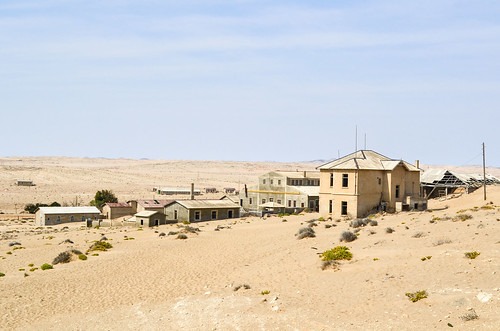
Overview of Namibia Ghost Towns
Namibia’s ghost towns offer a fascinating glimpse into the country’s rich history and the shifting tides of economic fortunes. Once bustling hubs of mining and settlement, these abandoned sites now stand silent, embodying stories of boom and bust. Exploring Namibia’s ghost towns reveals remnants of a bygone era, attracting adventurers and history enthusiasts alike who are eager to uncover these mysterious relics of the past.
Definition and Significance
Namibia ghost towns are abandoned settlements that once thrived during periods of economic activity, often linked to mineral mining or colonial settlement. These towns hold historical significance as remnants of Namibia’s past, offering insights into the country’s development, economic shifts, and colonial history. Many ghost towns, such as Kolmanskop and Elizabeth Bay, were established during the diamond rush and later deserted when resources were depleted or economic circumstances changed. They serve as intriguing destinations for tourists and historians alike, providing a glimpse into Namibia’s rich and complex history while highlighting the transient nature of human settlement based on resource exploitation.
Historical Context
Namibia ghost towns are remnants of its rich and complex history, reflecting periods of prosperity, decline, and abandonment. These towns, scattered across the Namibian landscape, often originated during the diamond rush, colonial settlement, or apartheid era, serving as hubs of economic activity before being deserted due to resource depletion, economic shifts, or political changes. Their preserved structures offer a glimpse into Namibia’s past, illustrating the impact of economic booms and busts on local communities.
Many of these ghost towns, such as Kolmanskop and Elizabeth Bay, were once thriving centers of diamond mining and trading. The discovery of valuable minerals attracted settlers and investors, leading to rapid development with infrastructure like schools, hospitals, and entertainment facilities. However, as mineral deposits exhausted and global markets shifted, these towns declined swiftly, leaving behind deserted buildings now overtaken by sand and time.
The historical context of Namibia’s ghost towns is deeply intertwined with its colonial history, notably under German rule from 1884 to 1915, which influenced the establishment of many mining settlements. Post-independence, economic transitions and the decline of mining industry activity contributed to the abandonment of these areas. Today, Namibia’s ghost towns serve as important cultural and historical sites, attracting tourists and researchers interested in exploring the country’s dynamic past.
Notable Ghost Towns in Namibia
Namibia’s ghost towns offer a fascinating glimpse into the country’s rich history and the impact of economic shifts. These abandoned settlements tell stories of former prosperity, settlement booms, and the remnants of bygone eras. Exploring these ghost towns provides a unique perspective on Namibia’s past and the legacy of its colonial and mining heritage.
Klein-Aus Vista
Namibia is home to several intriguing ghost towns that tell stories of its rich history and former gold and mining booms. Among these, Klein-Aus Vista stands out not only for its historical significance but also for its stunning landscapes and preserved ruins, making it a popular destination for explorers and history enthusiasts alike.
- Klein-Aus Vista:
- This ghost town is located in the southern part of Namibia, near the Aus Mountains. Originally established in the early 20th century during the copper and uranium mining booms, Klein-Aus Vista now serves as a historical site and a beautiful scenic area. Visitors can explore abandoned buildings, old mining equipment, and enjoy panoramic views of the Namibian desert. The area offers a unique blend of history and natural beauty, making it a notable ghost town in Namibia.
- Keetmanshoop Ruins:
- Once a bustling railway hub, Keetmanshoop is now a quiet town with ancient ruins and historical buildings that reflect Namibia’s colonial past. Nearby attractions include the Quiver Tree Forest and Giant’s Playground.
- Kolmanskop:
- Located in the Namib Desert, Kolmanskop was once a thriving diamond mining town in the early 20th century. Today, it stands as a hauntingly beautiful ghost town with sand-filled streets and abandoned buildings, offering a captivating glimpse into Namibia’s diamond rush era.
Kolmanskop
Namibia is home to several intriguing ghost towns that offer a glimpse into its rich history and the remnants of past prosperity. One of the most notable is Kolmanskop, located near the coast of the Namib Desert. Once a thriving diamond mining town in the early 20th century, Kolmanskop was abandoned after the diamond resources became scarce. Today, it stands as a fascinating ghost town with decaying buildings and shifting sands, creating a surreal atmosphere that attracts photographers and explorers alike. The town’s abandoned houses, hospital, and casino provide a captivating glimpse into Namibia’s colonial past and the transient nature of human settlement in harsh environments.
Elizabeth Bay
Elizabeth Bay is one of the notable ghost towns in Namibia, located in the remote and desolate region of the Namib Desert. Once a thriving mining settlement during the early 20th century, it was primarily established for the extraction of copper and other minerals. Over time, the decline of mineral deposits and shifting economic circumstances led to its abandonment, leaving behind rusted machinery, old buildings, and a barren landscape that tells the story of its past prosperity. Today, Elizabeth Bay stands as a silent reminder of Namibia’s rich mining history and the transient nature of boomtowns in harsh environments. Visitors to Namibia often explore ghost towns like Elizabeth Bay for their eerie beauty and historical significance, offering a glimpse into the country’s colonial and industrial heritage.
Daweb
Daweb is one of the notable ghost towns in Namibia, offering a glimpse into the country’s rich history of mining and settlement. Located in the Otjozondjupa Region, Daweb was once a thriving diamond mining town during the early 20th century. However, after the mineral deposits were depleted and economic activities declined, the town was abandoned, leaving behind rusting structures and remnants of its former prosperity. Today, Daweb stands as a quiet reminder of Namibia’s boom and bust mining era, attracting history enthusiasts and explorers interested in uncovering its ghostly remnants. Such ghost towns provide insight into Namibia’s past economic booms, as well as the challenges faced by settlements in remote regions of Africa.
History and Causes of Desertion
Desertion has been a significant aspect of history, often stemming from economic decline, resource depletion, or environmental hardships. In Namibia, many ghost towns serve as remnants of past boom periods, such as the diamond rush or colonial settlements, which were abandoned when their industries dwindled or conditions became unsustainable. Understanding the causes of desertion provides insight into the socio-economic shifts that shaped these abandoned settlements and offers a glimpse into Namibia’s historical landscape. These ghost towns stand as silent witnesses to the cycles of prosperity and decline that have influenced the region over time.
Mineral and Resource Booms and Busts
Namibia’s ghost towns, such as Kolmanskop and Lüderitz, offer a fascinating glimpse into the country’s history of resource exploration and economic cycles. These towns once thrived during mineral and resource booms but faced decline when those resources were exhausted or became less profitable, leading to mass desertion. Understanding the causes of desertion and resource fluctuations provides insight into Namibia’s historical development and the impact of resource-driven economies.
The history of desertion in Namibia’s ghost towns is closely linked to global and local economic factors. During the early 20th century, the discovery of valuable minerals like diamonds and copper spurred rapid development, attracting settlers, workers, and entrepreneurs. However, as these resources were mined out or became economically unviable due to falling prices, many towns faced decline, resulting in deserted landscapes. Additionally, shifts in political control and environmental challenges further contributed to the abandonment of some settlements.
Mineral and resource booms and busts in Namibia are typically driven by international market demand, technological advancements in mining, and resource depletion. During a boom, investment floods in, infrastructure develops, and populations surge, transforming remote areas into bustling centers. Conversely, when resource extraction diminishes or becomes unprofitable, economic activity wanes, leading to layoffs, migration, and overall decline of these towns. These cyclical patterns reflect the volatile nature of resource-dependent economies.
- Discovery of valuable minerals like diamonds and copper
- Initial economic growth and population influx
- Depletion of resources or falling commodity prices
- Decline in employment opportunities and infrastructure
- Mass migration away from the town, leading to abandonment
- Environmental challenges and political factors that may accelerate desertion
Economic Shifts and Decline
Namibia’s ghost towns provide a stark reflection of historical upheavals, economic shifts, and decline that contributed to desertion in the region. Many of these abandoned settlements, such as Kolmanskop, were once thriving centers of mining activity, particularly during the diamond rush in the early 20th century. As resource deposits were exhausted or became unprofitable, towns rapidly declined, leading to widespread desertion. Economic shifts, including the depletion of natural resources and changes in global commodity markets, forced inhabitants to abandon these areas in search of better opportunities elsewhere. Additionally, political upheavals and social transformations, such as the impacts of colonialism and apartheid policies, destabilized local communities, further accelerating desertion. The decline of these towns is also closely linked to modern economic developments, where urbanization and industrialization drew populations away from remote settlements. Together, these factors illustrate how historical, economic, and social changes have shaped Namibia’s landscape of ghost towns, serving as silent witnesses to a complex past of prosperity and decline.
Environmental Factors and Harsh Climates
The history and causes of desertion in Namibia’s ghost towns are closely tied to environmental factors and harsh climates that have historically impacted settlement patterns. Many ghost towns in Namibia, such as Kolmanskop and Barmersdorp, originally thrived during periods of mineral exploration and extraction but were eventually abandoned due to a combination of environmental challenges and resource depletion.
Environmental factors have played a significant role in the desertion of these settlements. Namibia’s climate is characterized by arid and semi-arid conditions, with limited rainfall and extreme temperatures. These harsh environmental conditions often made sustaining life and profitable industries difficult, leading to the decline or abandonment of towns once resources ran out or became unviable to extract.
Harsh climates, including intense heat, dust storms, and scarce water resources, have contributed to the decline of these settlements. The severe weather conditions not only hindered agriculture and daily living but also made maintaining infrastructure challenging. Over time, economic shifts such as the decline of mining activities, combined with environmental hardships, caused inhabitants to relocate to more favorable areas, leaving behind abandoned towns that now stand as ghostly remnants of a bygone era.
Impact of Colonial and Post-Colonial Policies
Namibia’s ghost towns, such as Kolmanskop and Elizabeth Bay, are remnants of a bygone era marked by rapid economic shifts and colonial influences. The history of desertion in these towns is closely tied to the discovery of valuable minerals like diamonds and copper, which initially attracted settlers but eventually led to abandonment when resources were depleted or economic viability waned. Colonial policies often prioritized resource extraction and infrastructure development for the benefit of colonial powers, neglecting sustainable community planning and local needs. Post-colonial policies, on the other hand, sometimes failed to reinstate economic stability in these areas, resulting in depopulation and the creation of ghost towns. These policies’ impacts include the fragmentation of local economies, displacement of communities, and the loss of social structures, which continue to influence Namibia’s landscape and cultural heritage today. The ghost towns stand as poignant symbols of Namibia’s complex colonial past and the lasting effects of both colonial and post-colonial economic and social strategies.
Current State of Ghost Towns
Namibia’s ghost towns offer a fascinating glimpse into the country’s past, revealing abandoned settlements that once thrived during periods of prosperity and exploration. These deserted places tell stories of resilience, economic shifts, and historical events that led to their decline. Today, they stand silent, attracting explorers, historians, and tourists eager to uncover the secrets left behind in Namibia’s hauntingly beautiful landscape.
Preservation and Tourism
Namibia is home to several ghost towns that serve as a window into its historical past and the legacy of the diamond and mineral booms. These abandoned settlements, once bustling with activity, now attract tourists interested in history, exploration, and photography. Preservation efforts vary, with some sites maintaining their original structures to showcase the architectural style and history, while others are left largely in their natural state due to limited resources. Tourism related to Namibia’s ghost towns has been steadily growing, supported by local initiatives and the country’s broader adventure tourism industry. Visitors often explore these towns to gain insights into Namibia’s economic shifts, colonial influence, and the resilient communities that once thrived there, making ghost towns an intriguing facet of Namibia’s cultural and historical landscape.
Challenges in Conservation
Ghost towns in Namibia, remnants of the country’s colonial past and mining booms, represent fascinating yet fragile landscapes that attract tourists and historians alike. These abandoned settlements, such as Kolmanskop and Elizabeth Bay, offer a glimpse into Namibia’s rich history of diamond and mineral extraction. However, many of these sites face escalating challenges that threaten their preservation and accessibility.
One of the primary challenges in conserving Namibian ghost towns is environmental degradation. Harsh desert climates, including extreme temperatures and shifting sands, accelerate deterioration of structures and artifacts. Additionally, graffiti, vandalism, and theft pose significant threats to their historical integrity. Limited funding and resources further hinder proper conservation efforts, leaving many sites at risk of further decay.
Another concern is balancing tourism with preservation. While ghost towns can boost local economies through tourism, increased foot traffic can cause damage to fragile structures. Managing visitor access and ensuring sustainable tourism practices are essential to maintaining the sites’ historical value without harming them.
Moreover, political and logistical issues can complicate conservation efforts. Remote locations pose accessibility challenges, and a lack of comprehensive policies or international cooperation can slow down preservation initiatives. Addressing these challenges requires coordinated efforts among government agencies, preservation organizations, and local communities to develop sustainable strategies that safeguard Namibia’s ghost towns for future generations.
Legal and Ownership Issues
Namibia’s ghost towns present a fascinating glimpse into the country’s history of rapid economic change and abandonment. Many of these towns, such as Kolmanskop and Elizabeth Bay, were once thriving centers of diamond mining during the early 20th century. Today, they stand as remnants of a bygone era, attracting tourists and history enthusiasts alike. However, issues surrounding legal ownership and property rights complicate their preservation and management. Ownership of these sites often remains unclear due to colonial legacy land claims, lack of formal documentation, and disputes among private owners, government authorities, and local communities. These legal ambiguities hinder efforts to restore or conserve the sites, and they raise questions about land use rights and heritage protection. Efforts are underway to establish clearer legal frameworks for managing ghost towns in Namibia, aiming to balance preservation with economic development and respect for historical significance. Overall, the current state of Namibia’s ghost towns reflects a complex interplay of heritage conservation challenges and evolving legal landscapes, which are crucial to their future preservation and cultural importance.
Tourism and Cultural Significance
Namibia’s ghost towns offer a fascinating glimpse into its rich history and cultural heritage. These abandoned settlements, once thriving centers of commerce and industry, now serve as intriguing sites that reflect the nation’s past struggles and successes. Exploring these towns provides insight into Namibia’s diverse cultural influences and the stories of communities that once called these places home.
Popular Tourist Destinations
Namibia’s ghost towns offer a fascinating glimpse into its rich history and the enduring cultural significance of its past settlements. These abandoned sites, often remnants of the diamond rush era and colonial days, attract tourists interested in exploring Namibia’s unique heritage. Visiting these ghost towns provides insight into the lives of early miners, settlers, and the socio-economic shifts that led to their decline. Such destinations serve as popular tourist attractions, blending history, adventure, and cultural storytelling.
Role in Namibia’s Heritage and Identity
Namibia’s ghost towns hold a profound cultural significance as remnants of the country’s historical narrative, reflecting its colonial past and the economic shifts that have shaped its identity. These abandoned settlements, such as Kolmanskop and Elizabeth Bay, serve as silent witnesses to the era of mining booms driven by diamond and mineral exploration, offering a glimpse into the lifestyle and ambitions of early settlers. Their preservation and exploration have become an integral part of Namibia’s tourism, attracting visitors fascinated by the eerie beauty, historical intrigue, and the stories embedded within these abandoned landscapes. As cultural landmarks, ghost towns contribute to Namibia’s heritage by fostering a deeper understanding of its past, while also playing a vital role in promoting sustainable tourism that respects and celebrates the country’s diverse history and identity.
Guided Tours and Experience Opportunities
Namibia’s ghost towns offer a captivating glimpse into a bygone era, attracting tourists eager to explore its unique history and cultural significance. These abandoned settlements, often remnants of mining booms or colonial endeavors, provide visitors with a tangible connection to the past and an understanding of Namibia’s diverse heritage.
Guided tours through Namibia’s ghost towns enhance the experience by offering expert insights into their historical context and significance. Knowledgeable guides lead visitors through abandoned streets, old buildings, and mining sites, enriching their understanding of the stories that shaped these towns and the lives of those who once called them home.
Beyond sightseeing, these sites present numerous experience opportunities such as photography, archaeology, and storytelling sessions. Tourists can immerse themselves in the eerie beauty of deserted landscapes, participate in cultural exchanges, and gain a deeper appreciation for Namibia’s resilient history, making their visit both educational and memorable.
Future Outlook and Development
As Namibia continues to evolve, its historic ghost towns offer a unique glimpse into the country’s past and potential future developments. These abandoned sites, remnants of Namibia’s rich mining history, stand as intriguing symbols of economic shifts and regional transformation. Exploring the future outlook for Namibia’s ghost towns highlights opportunities for heritage tourism, preservation efforts, and sustainable development that can invigorate local communities and attract visitors from around the world.
Potential for Rehabilitation
The future outlook for Namibia’s ghost towns presents significant opportunities for development and revitalization. These abandoned settlements, rich in history and cultural significance, hold potential for tourism, heritage preservation, and educational projects that can stimulate local economies. Advances in infrastructure and sustainable tourism practices could transform these ghost towns into intriguing destinations that attract visitors seeking to explore Namibia’s historic landscapes.
Potential for rehabilitation of Namibia’s ghost towns lies in their capacity to be restored and repurposed thoughtfully, balancing preservation with modern needs. Efforts involving community participation, government support, and private investment can foster eco-tourism and cultural initiatives that generate employment and foster pride among local communities. This transformation not only conserves the historical essence of these sites but also offers a pathway for economic development and social revitalization, highlighting a promising future for Namibia’s ghost towns.
Risks of Over-Tourism
The future outlook for Namibia’s ghost towns presents both opportunities and challenges as tourism continues to evolve. These historical sites have the potential to attract interest from cultural and adventure tourists seeking unique experiences, which can stimulate local economies and promote heritage preservation. However, careful planning is necessary to ensure sustainable development that respects the integrity of these sites and the surrounding environment.
One of the main risks associated with increased tourism is over-tourism, which can lead to environmental degradation, cultural erosion, and deterioration of the ghost towns. Excessive visitor numbers may strain fragile infrastructure and cause irreversible damage to historical structures. Additionally, over-tourism can diminish the authentic experience for visitors and negatively impact the local communities that depend on these sites.
To mitigate these risks, Namibia should focus on implementing sustainable tourism practices, such as regulating visitor flow, promoting responsible tourism, and involving local communities in preservation efforts. By balancing development with conservation, the country can ensure that its ghost towns remain valuable cultural assets for future generations while contributing to a resilient and responsible tourism industry.
Community Involvement and Sustainable Practices
The future outlook for Namibia’s ghost towns presents a promising opportunity for sustainable development and community involvement, ensuring that these historical sites are preserved while contributing to local economic growth. Emphasizing eco-friendly practices and inclusive initiatives can transform these abandoned areas into valuable cultural and tourism assets.
Community involvement is essential in revitalizing Namibia’s ghost towns. Engaging local residents through heritage projects, tourism initiatives, and employment opportunities fosters a sense of ownership and ensures that preservation efforts align with community interests. Collaborative efforts between government agencies and local groups can enhance the sustainable development of these sites.
Sustainable practices should be at the core of development strategies for ghost towns in Namibia. This includes implementing environmentally responsible restoration techniques, promoting eco-tourism, and using renewable energy sources. Protecting the natural and cultural heritage while fostering economic benefits ensures these ghost towns can serve as educational and cultural landmarks for future generations.
- Develop eco-tourism projects that highlight Namibia’s historical significance while preserving the environment.
- Involve local communities in decision-making processes to support sustainable economic activities.
- Utilize renewable energy and eco-friendly materials in restoration and development efforts.
- Create educational programs to raise awareness of Namibia’s historical and cultural heritage.
- Establish partnerships with international organizations to share expertise and secure funding for preservation initiatives.



0 Comments