
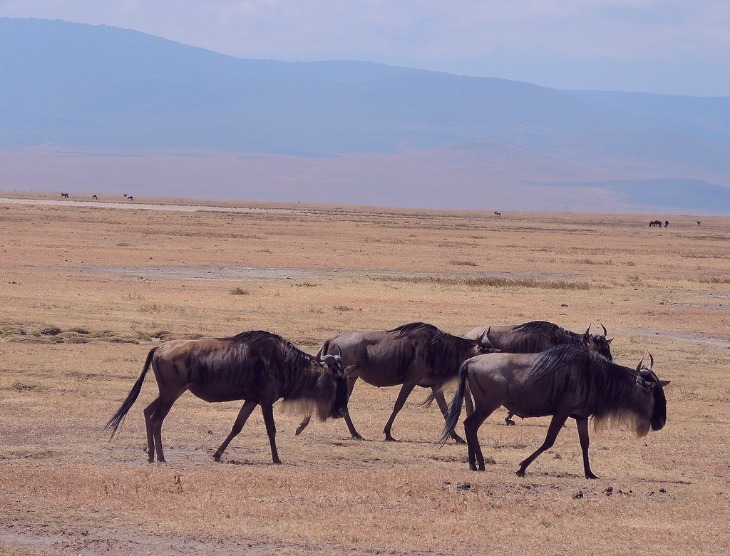
Geographical Location and Landscape of Ngorongoro
The Ngorongoro Conservation Area, located in northern Tanzania, is renowned for its breathtaking landscape and diverse geographical features. Nestled within the Great Rift Valley, this UNESCO World Heritage Site boasts a striking volcanic crater, expansive savannahs, lush forests, and freshwater lakes. The rugged terrain and unique topography create a stunning natural environment, making Ngorongoro a vital ecological and tourist destination in Tanzania.
Position within Tanzania
The Ngorongoro Conservation Area is located in northern Tanzania, within the Arusha Region. It is situated at the eastern edge of the Great Rift Valley, offering a stunning landscape characterized by vast volcanic plains, dense forests, and the iconic Ngorongoro Crater, a caldera formed by a collapsed volcano. The region is approximately 180 kilometers southwest of Arusha city, making it accessible for visitors exploring northern Tanzania. Its strategic position near other famous sites like Serengeti National Park enhances its significance as a prime destination for wildlife and ecological tourism.
The Crater and Surrounding Area
The Ngorongoro Conservation Area in Tanzania is renowned for its stunning geographical features and diverse landscape. Situated in the volcanic highlands of Northern Tanzania, it encompasses the Ngorongoro Crater, one of the world’s most famous volcanic calderas, as well as surrounding plains, forests, and mountains.
- The Ngorongoro Crater itself is a massive caldera formed approximately 2 to 3 million years ago after a volcano eruption collapsed inward, creating a natural bowl roughly 20 kilometers across.
- The crater floor covers about 260 square kilometers and features a rich variety of ecosystems, including savannah, forests, and water bodies, supporting diverse wildlife populations.
- The surrounding highlands and the Rift Valley escarpment provide dramatic scenic views and additional habitats for wildlife and birds.
- The landscape is characterized by fertile grasslands, acacia trees, and scattered woodland areas that support a variety of fauna and flora.
- Elevation in the area varies from about 1,600 meters at the crater floor to over 3,200 meters at the surrounding mountainous regions, contributing to the area’s unique climate and biodiversity.
Climate and Vegetation
The Ngorongoro Conservation Area is located in northern Tanzania, situated within the Great Rift Valley. It features a diverse and spectacular landscape that includes the Ngorongoro Crater, open plains, mountain highlands, forests, and lakes, offering a rich variety of habitats and breathtaking scenery. The crater itself is a volcanic caldera, approximately 20 kilometers wide, surrounded by lush, undulating terrain and fertile farmland at its edges.
The climate in Ngorongoro varies with altitude and season. It experiences a temperate climate with relatively stable temperatures, but the area can become quite cool at higher elevations, especially in the evenings. Rainfall is seasonal, with the long rains occurring from March to May and the short rains from November to December, contributing to the area’s lush vegetation. The dry season, from June to October, is characterized by clear skies and hot daytime temperatures.
The vegetation in Ngorongoro is diverse, ranging from lush grasslands and savannas on the crater floor to dense forests on the surrounding highlands. The region supports a variety of plant species that provide sustenance for abundant wildlife, including acacia trees, wetlands, and wildebeest grasslands. Overall, the landscape and vegetation of Ngorongoro create an ideal environment for a wide range of wildlife and make it a vital conservation area in Tanzania.
Natural Features and Wildlife
Ngorongoro is a breathtaking volcanic caldera located in Tanzania, renowned for its incredible natural features and diverse wildlife. This UNESCO World Heritage Site offers a stunning landscape where lush grasslands, dense forests, and rugged craters provide a vital habitat for an array of species. Visitors to Ngorongoro can experience the awe-inspiring beauty of untouched nature and observe an abundant variety of wildlife in their natural environment, making it a must-visit destination for nature enthusiasts and adventure seekers alike.
Ngorongoro Crater: A UNESCO World Heritage Site
The Ngorongoro Crater in Tanzania is a breathtaking natural feature renowned for its stunning landscape and diverse wildlife. This UNESCO World Heritage Site is a massive volcanic caldera formed thousands of years ago, creating a natural amphitheater that is home to an array of ecosystems. The crater’s floor contains grasslands, forests, and lakes, providing a rich habitat for a wide variety of flora and fauna. Wildlife enthusiasts can observe large herds of elephants, lions, rhinos, buffalo, and flamingos in their natural environment, making it one of the best safari destinations in Africa. The crater’s unique ecological makeup supports many species, some of which are endangered, highlighting its importance for conservation. Visitors are captivated by the vibrant wildlife and the pristine, unspoiled beauty of this extraordinary region in Tanzania.
Flora and Fauna Diversity
The Ngorongoro Conservation Area in Tanzania is renowned for its incredible natural features and rich biodiversity. The region’s diverse landscape includes the famous Ngorongoro Crater, lush highland forests, grassy plains, and acacia woodlands. These varied habitats support a wide array of wildlife and plant life, making it a sanctuary for numerous species.
Flora in the Ngorongoro area includes grasses, shrubs, and trees such as acacias, flowering plants, and native bushes. These plants provide essential food sources and shelter for the diverse animal populations present there. The fertile volcanic soil and favorable climate contribute to the thriving vegetation cover.
The fauna of Ngorongoro is exceptionally diverse. It is one of the best places in Africa to observe wildlife, including the Big Five—lion, elephant, buffalo, leopard, and rhinoceros. The crater’s ecosystem supports vast herds of wildebeest, zebras, gazelles, hyenas, and various bird species. Migratory birds also visit seasonally, adding to the region’s ecological richness. The protected environment plays a crucial role in conserving these species and maintaining the area’s natural balance.
Predators and Large Mammals
The Ngorongoro Conservation Area in Tanzania is renowned for its stunning natural features and diverse wildlife. The crater itself is a massive volcanic caldera, rich in lush grasslands, dense forests, and freshwater lakes, providing a perfect habitat for a wide array of species. Visitors can observe many unique ecosystems within the area, making it one of the most biodiverse regions in Africa.
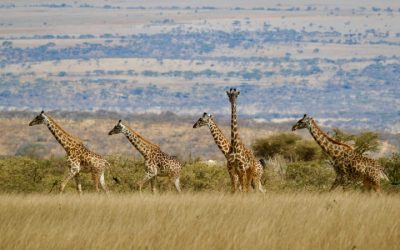
The region is home to a vast array of wildlife, including large mammals such as elephants, buffalo, giraffes, and zebras. The lush environment also supports numerous bird species, making it a haven for birdwatchers. The fertile grounds and abundant water sources sustain this incredible variety of wildlife throughout the year.
Predators play a vital role in maintaining the ecological balance of the Ngorongoro ecosystem. Lions, cheetahs, leopards, hyenas, and jackals are some of the prominent predators found within the area. Lions are particularly common in the crater, where they hunt large herbivores like wildebeest and zebra. The presence of these predators indicates a healthy and balanced environment, vital for the area’s conservation efforts.
Ecological Significance
The Ngorongoro Conservation Area in Tanzania holds immense ecological significance as a vital habitat for diverse flora and fauna. Its unique volcanic caldera and surrounding landscapes support a rich mosaic of ecosystems, playing a crucial role in biodiversity conservation. The area’s natural resources not only sustain countless species but also contribute to ecological balance, making Ngorongoro an important region for environmental stability and wildlife preservation.
Conservation Efforts and Protected Areas
The Ngorongoro Conservation Area in Tanzania holds immense ecological significance as it hosts a diverse range of habitats, including forests, grasslands, and wetlands, which support a rich variety of wildlife such as elephants, lions, rhinoceroses, and numerous bird species. This diverse ecosystem plays a vital role in maintaining environmental balance and supporting biodiversity in the region. Conservation efforts in Ngorongoro aim to preserve this unique habitat through sustainable management practices and community involvement, ensuring that both wildlife and local populations benefit. The area is protected under national and international frameworks, with designated protected zones that restrict activities harmful to the environment, thus promoting ecological integrity and facilitating wildlife conservation. These initiatives are crucial for safeguarding the area’s natural resources for future generations and ensuring the resilience of its ecosystems amidst challenges like poaching and climate change.
Ecological Balance and Biodiversity
The Ngorongoro Conservation Area in Tanzania holds immense ecological significance as it serves as a vital habitat for a diverse range of flora and fauna. It acts as a natural sanctuary that sustains the ecological balance of the region by supporting predators, herbivores, and various plant species, maintaining a complex web of interdependent relationships. The area’s rich biodiversity, including the famous Ngorongoro Crater, provides critical opportunities for ecological research and conservation efforts. Preserving this delicate balance helps ensure the resilience of the ecosystem against external threats such as climate change and human encroachment, making Ngorongoro a key area for global biodiversity and ecological stability.
Endangered Species in Ngorongoro
The Ngorongoro Conservation Area in Tanzania holds immense ecological significance due to its diverse habitats, including savannas, forests, and wetlands, which support a wide variety of plant and animal species. This region acts as a crucial habitat for many species, contributing to the conservation of Tanzania’s rich biodiversity. Among the notable species found here are the endangered black rhinoceros and the African wild dog, both of which face threats from poaching and habitat loss. The conservation efforts within Ngorongoro aim to protect these vulnerable species and maintain the ecological balance of the area. Preserving this unique ecosystem is vital for sustaining the region’s biological diversity and for future ecological stability.
Cultural and Archaeological Heritage
The Ngorongoro Conservation Area in Tanzania is a UNESCO World Heritage site renowned for its rich cultural and archaeological heritage. This region not only offers stunning landscapes and diverse wildlife but also provides valuable insights into ancient human history. The area’s archaeological sites reveal evidence of early human ancestors, making it a significant location for understanding human evolution and cultural development in East Africa. Preserving this heritage is essential for appreciating the profound connection between history, culture, and the natural environment.
Maasai Communities and Their Traditions
The Ngorongoro Conservation Area in Tanzania is a UNESCO World Heritage Site renowned for its rich cultural and archaeological heritage, particularly connected to the Maasai communities. The Maasai, a semi-nomadic ethnic group, have inhabited the region for centuries, maintaining a vibrant tradition of pastoralism, dance, music, and social practices that reflect their deep connection to the land. Their customs, such as age-set ceremonies and initiation rites, play a vital role in preserving their identity and social structure. Archaeologically, the area has yielded significant findings, including ancient tools and fossils that trace human evolution, illustrating the profound historical significance of Ngorongoro. Today, the Maasai are known for their distinctive attire, beadwork, and rituals, which continue to be integral aspects of their cultural heritage and serve as a living testament to their enduring traditions in the face of modern challenges.
Historical and Archaeological Sites
The Ngorongoro Conservation Area in Tanzania is a UNESCO World Heritage Site renowned for its rich cultural and archaeological heritage. This extraordinary region encompasses the Ngorongoro Crater, a massive volcanic caldera, as well as archaeological sites that provide insights into early human history. The area is home to ancient fossils, rock art, and remnants of early human settlements, making it a vital site for understanding human evolution. Visitors can explore a range of archaeological sites where evidence of prehistoric life has been preserved, illustrating the long-standing relationship between humans and this unique landscape. Additionally, the cultural heritage of the Maasai people living in the region adds to its significance, offering a living connection to traditional African culture. The combination of natural beauty with historical and archaeological treasures makes Ngorongoro a unique destination for heritage exploration and discovery.
Traditional Practices and Conservation
The Ngorongoro Conservation Area in Tanzania is a UNESCO World Heritage Site renowned for its exceptional cultural and archaeological heritage, as well as its rich traditional practices. This area encompasses not only the stunning Ngorongoro Crater but also ancient archaeological sites that provide valuable insights into early human history and ancestral traditions. Local Maasai communities have preserved their traditional practices, including pastoralism, ceremonial rituals, and social customs, which are integral to the region’s cultural identity. Conservation efforts in Ngorongoro focus on balancing the preservation of its unique natural landscape with the protection of these cultural traditions and archaeological treasures. By supporting sustainable tourism and community engagement, Tanzania ensures that its heritage remains vibrant and resilient for future generations.
Tourism in Ngorongoro
Ngorongoro in Tanzania is a world-renowned destination celebrated for its stunning natural beauty and abundant wildlife. Nestled within the Ngorongoro Conservation Area, this UNESCO World Heritage site offers visitors an unparalleled safari experience, showcasing the awe-inspiring Ngorongoro Crater and its diverse ecosystem. Tourism here provides a unique opportunity to witness spectacular landscapes and wildlife in their natural habitat, making it a must-visit for nature enthusiasts and adventure seekers alike.
Safari Experiences and Activities
Ngorongoro in Tanzania is one of the most remarkable destinations for tourism and safari experiences. Known for its stunning crater and diverse wildlife, it attracts travelers from around the world seeking unforgettable adventures in nature.
Safari Experiences and Activities in Ngorongoro
- Game Drives: Explore the vast Ngorongoro Crater Floor and witness legendary wildlife such as lions, elephants, rhinos, and cheetahs in their natural habitat.
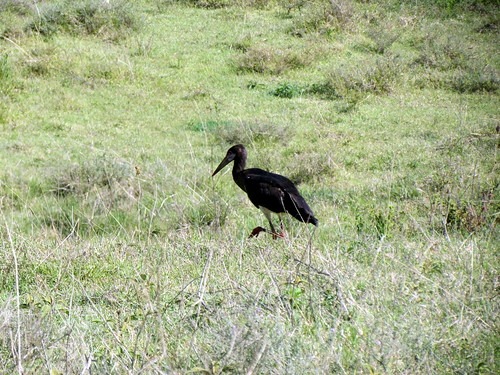
- Bird Watching: The area is home to over 500 bird species, making it ideal for bird enthusiasts aiming to spot flamingos, vultures, and various migratory birds.
- Cultural Tours: Visit the Maasai villages around the crater to learn about their traditional way of life and customs.
- Conservation Tours: Discover ongoing conservation efforts and the importance of protecting this UNESCO World Heritage Site.
- Photography Excursions: Capture breathtaking images of wildlife and landscape, with opportunities for sunrise and sunset photography.
Ngorongoro offers a unique blend of wildlife safaris, cultural experiences, and stunning scenery, making it a top destination for travelers seeking adventure and nature in Tanzania.
Accommodation Options
Tourism in Ngorongoro offers visitors an unmatched experience of wildlife, nature, and cultural heritage within Tanzania. The Ngorongoro Conservation Area is renowned for its stunning volcanic crater, diverse animal populations, and breathtaking landscapes, making it a top destination for safari enthusiasts and nature lovers alike.
Accommodation options in Ngorongoro vary from luxury lodges and tented camps to more budget-friendly guesthouses. Many upscale lodges are situated on the crater rim, providing spectacular views and luxurious amenities. Tented camps offer a more immersive experience, allowing visitors to feel closer to the wilderness. There are also several basic accommodations and eco-friendly options catering to budget travelers, ensuring that all visitors can enjoy the natural beauty of the area comfortably.
Tourist Guidelines and Best Practices
Tourism in Ngorongoro is one of Tanzania’s most popular attractions, offering visitors the chance to experience breathtaking wildlife, stunning landscapes, and rich cultural heritage. The Ngorongoro Conservation Area is renowned for its impressive volcanic crater, which serves as a natural sanctuary for diverse species including lions, elephants, and rhinoceroses. To ensure a safe and enjoyable visit, tourists should adhere to established guidelines and best practices.
Tourist guidelines in Ngorongoro emphasize respecting wildlife and maintaining a safe distance at all times. Visitors are advised to follow designated pathways and avoid littering to preserve the area’s natural beauty. It is also essential to engage with licensed guides who are knowledgeable about the region’s ecology and cultural history. Respecting local communities and supporting sustainable tourism practices help ensure the conservation of this unique environment for future generations.
Best practices for tourists in Ngorongoro include dressing appropriately with neutral-colored clothing to blend into the environment and minimize disturbance to animals. Visitors should carry adequate supplies of water, sun protection, and necessary permits or entry tickets. Early morning game drives offer the best wildlife viewing experiences, and visitors should remain alert and attentive during these excursions. By following these guidelines, tourists can contribute to the conservation efforts while enjoying the unparalleled beauty of Ngorongoro.
Challenges and Future Conservation Plans
The Ngorongoro Conservation Area in Tanzania faces numerous challenges that threaten its rich biodiversity and ecological balance. Overpopulation, poaching, and habitat destruction are critical issues impacting the region’s wildlife and natural resources. Despite these obstacles, conservation efforts are increasingly focusing on sustainable practices, community involvement, and international collaboration to ensure the protection and preservation of Ngorongoro’s unique environment for future generations.
Environmental Threats and Human Impact
The Ngorongoro Conservation Area in Tanzania faces numerous challenges and is at a pivotal point for future conservation efforts. Balancing the needs of wildlife preservation with human activities remains a complex issue, compounded by various environmental threats and the impacts of human development.
- Poaching and illegal wildlife trade threaten the health of populations of elephants, lions, and other species native to Ngorongoro.
- Habitat degradation caused by agricultural expansion and overgrazing reduces the natural ecosystems essential for biodiversity.
- Climate change leads to altered rainfall patterns and increased drought frequency, adversely affecting water availability and flora vitality.
- Human encroachment for settlement and tourism infrastructure puts pressure on the fragile environment.
- Pollution from nearby human settlements and tourism activities poses risks to water quality and animal health.
- Enhancing anti-poaching initiatives through advanced technology and community involvement.
- Implementing sustainable land use practices that balance local livelihoods with conservation goals.
- Creating awareness programs to educate local communities and visitors about the importance of preserving the ecosystem.
- Expanding protected areas and improving ecological corridors to ensure wildlife mobility and genetic diversity.
- Investing in research and monitoring to inform adaptive management strategies that respond to environmental changes.
Protection Policies and Management Strategies
The Ngorongoro Conservation Area in Tanzania faces several challenges that threaten its unique ecosystem and biodiversity. These include increasing human population pressures, poaching and illegal wildlife trade, land degradation, and the impact of climate change which affects water availability and habitat stability. Balancing human needs with conservation efforts remains a significant obstacle, especially as local communities depend on natural resources for their livelihoods. Future conservation plans focus on integrating community-based approaches, promoting sustainable tourism, and strengthening anti-poaching initiatives. Protection policies emphasize strict regulation of land use, habitat preservation, and wildlife protection laws. Management strategies involve collaborative efforts between government authorities, local communities, and international organizations to ensure sustainable resource use, enhance environmental education, and promote eco-friendly economic activities. Continuous research and adaptive management are essential to address emerging threats and ensure the long-term preservation of the Ngorongoro Crater’s natural heritage for future generations.
Community Involvement in Conservation
Ngorongoro in Tanzania faces numerous challenges in its conservation efforts, including habitat degradation, poaching, human-wildlife conflict, and the impacts of climate change. These threats threaten the delicate balance of the ecosystem and the survival of many species endemic to the area.
Future conservation plans emphasize strengthening anti-poaching initiatives, expanding protected areas, and promoting sustainable tourism practices that benefit local communities. There is also a focus on scientific research and habitat restoration to ensure the long-term health of the Ngorongoro ecosystem.
Community involvement plays a vital role in the success of conservation efforts in Ngorongoro. Local communities are increasingly engaged through awareness programs, eco-tourism initiatives, and benefit-sharing schemes that provide economic incentives for conservation. This collaborative approach fosters a sense of ownership and responsibility among locals, ensuring the preservation of Ngorongoro’s rich biodiversity for future generations.


0 Comments