
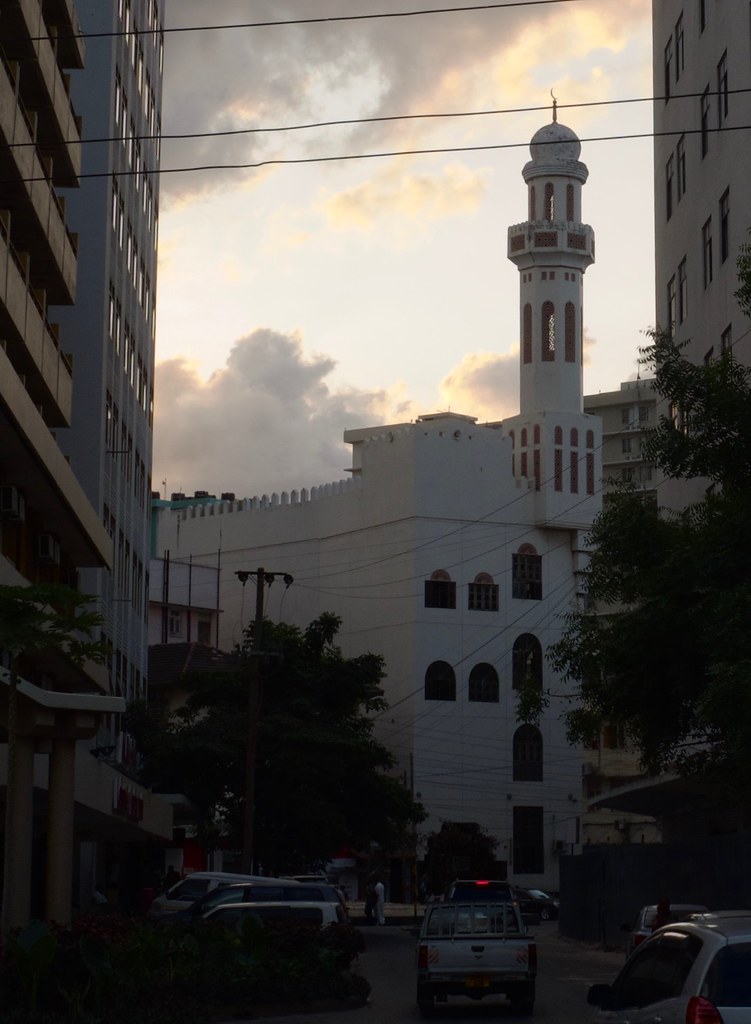
Geography and Location of Dar es Salaam
Dar es Salaam is Tanzania’s largest city and a major economic hub located along the eastern coast of Africa. Situated on the Indian Ocean, it boasts a strategic position that connects it to various international trade routes. The city lies in the coastal region of Tanzania, approximately 1,000 kilometers south of the equator, offering a warm tropical climate. Its location makes it a key gateway for maritime commerce and cultural exchange in the region.
Geographical Features and Landscape
Dar es Salaam, the largest city and commercial hub of Tanzania, is located along the eastern coast of the country, situated on the Indian Ocean. Its strategic position provides it with a natural harbor, making it a vital port for maritime trade and transportation. The city lies on a coastal plain characterized by gentle slopes and is part of the larger East African Rift Valley region.
Geographically, Dar es Salaam features diverse landscapes including coastal beaches, mangrove swamps, and small islands nearby. The landscape is predominantly flat with some low-lying hills and rocky outcrops, which add to the city’s scenic beauty. The surrounding area is rich in waterways, with numerous rivers and creeks feeding into the ocean, contributing to the region’s lush environment. Overall, Dar es Salaam’s geographical features and landscape make it a vibrant urban center with a unique coastal charm.
Position on the Indian Ocean Coast
Dar es Salaam is a major city located in eastern Tanzania, serving as its largest city and economic hub. Situated along the Indian Ocean coast, it has a strategic position that enhances its importance as a port and commercial center. The city’s proximity to the Indian Ocean provides it with a picturesque coastline and significant maritime access, contributing to its role in trade and transportation. Dar es Salaam’s geographical location makes it a key gateway for international shipping and regional connectivity in East Africa.
Climate and Weather Patterns
Dar es Salaam is the largest city and economic hub of Tanzania, located along the eastern coast of the country near the Indian Ocean. It sits at approximately 6.8 degrees south latitude and 39.2 degrees east longitude, offering it a prime coastal position that influences its climate and environment.
The city experiences a tropical climate characterized by warm temperatures throughout the year. Its proximity to the ocean results in high humidity and relatively stable weather patterns. Dar es Salaam generally has a long wet season from March to May and a shorter rainy period in November, with dry months from June to October. The temperature typically ranges from 22°C to 31°C, making it warm and humid, especially during the rainy months. This climate supports lush vegetation and diverse marine life, contributing to the city’s vibrant atmosphere and coastal biodiversity.
Historical Overview
Tanzania’s history is a rich tapestry woven with diverse cultures, colonial influences, and significant milestones. As a coastal city, Dar es Salaam has played a vital role in the nation’s development, serving as a center of commerce, politics, and cultural exchange. Understanding the historical overview of this vibrant city offers insights into Tanzania’s journey from pre-colonial times through to its independence and beyond.
Founding and Early History
Tanzania’s history begins with its rich indigenous cultures and early settlements along the coast of East Africa. The region that is now Dar es Salaam was originally inhabited by various Bantu-speaking communities, who established agricultural and trading societies. In the late 19th century, it became part of the German East Africa colony, marking the start of formal colonial influence. After World War I, control shifted to the British, and the city, then known as Dar es Salaam, grew rapidly as a major port and administrative center. The founding of Dar es Salaam as the capital of German and later British colonial administrations laid the groundwork for its development into a key economic and political hub of Tanzania. The city played a pivotal role in the country’s independence movement, leading to its status as the original political capital when Tanzania gained independence in 1961, and later, in 1973, it was replaced by Dodoma as the official capital. Nonetheless, Dar es Salaam remains the commercial capital and one of the most important historic cities in Tanzania, reflecting a blend of diverse cultural influences and historical evolutions.
Colonial Era Developments
The colonial era significantly shaped the development of what is now Tanzania, particularly in the region of Dar es Salaam. During the late 19th and early 20th centuries, German colonization established the groundwork for urban growth, with Dar es Salaam serving as the administrative and commercial hub of German East Africa. Following World War I, the territory came under British control, further influencing its infrastructure, economy, and social structures. The British administration focused on developing the port city to facilitate trade and enhance maritime connections, laying the foundation for its future importance as a major port in East Africa. Throughout this period, colonial policies introduced new technologies, educational systems, and economic pursuits, leaving a lasting impact on the city’s urban landscape and demographic makeup. These developments set the stage for Dar es Salaam’s evolution into a key center of political, economic, and cultural activity in the subsequent independence era.
Post-Independence Growth
Following independence in 1961, Dar es Salaam emerged as a vital economic and cultural hub for Tanzania. The city experienced rapid growth driven by urbanization, infrastructure development, and national efforts to modernize the economy. Over the decades, it transformed from a small coastal port into a bustling metropolis, supporting key industries such as commerce, transportation, and administration.
Post-independence growth was characterized by significant government initiatives aimed at expanding the city’s infrastructure, including road networks, educational institutions, and public services. Dar es Salaam became the administrative center of the country, hosting key government offices and foreign embassies, which further fueled its development. The city also saw an increase in population due to rural-urban migration, contributing to its vibrant and diverse community.
Economically, Dar es Salaam played a crucial role in Tanzania’s overall development, acting as the primary port for imports and exports. The city’s growth has been sustained through continued investments in transport, industry, and services, positioning it as an essential economic artery within East Africa. Despite challenges such as rapid population growth and infrastructural strain, Dar es Salaam remains a focal point of the nation’s ongoing development efforts.
Demographics and Culture
Tanzania’s largest city, Dar es Salaam, is a vibrant hub of diverse demographics and rich cultural heritage. It is home to a mixture of ethnic groups, languages, and traditions that reflect the country’s colorful history and social fabric. Understanding the demographics and cultural dynamics of Dar es Salaam provides insights into its growth, development, and the daily lives of its residents.
Population Statistics
Dar es Salaam, the largest city in Tanzania, is a vibrant metropolis characterized by a diverse demographic and rich cultural heritage. The population of Dar es Salaam reflects a mix of ethnic groups, languages, and traditions, making it a melting pot of cultures within East Africa.
- The city has an estimated population of over 4.4 million residents, making it the most populous city in Tanzania.
- Dar es Salaam’s population is growing rapidly due to rural-urban migration and economic opportunities.
- The majority of inhabitants belong to various ethnic groups, with the Warunde, Zaramo, and Makonde being some of the prominent indigenous communities.
- Swahili is the dominant language spoken, serving as a unifying linguistic medium, alongside English used in business and education.
- The city embraces a diverse cultural scene, featuring traditional music, dance, art, and culinary traditions from across Tanzania and beyond.
- Religious beliefs in Dar es Salaam include Islam, Christianity, and indigenous faiths, reflecting the city’s multicultural fabric.
Ethnic Diversity
Dar es Salaam, the largest city in Tanzania, is a vibrant hub of ethnic diversity and rich cultural heritage. The population comprises numerous ethnic groups, with the Swahili-speaking coastal communities being predominant, alongside groups such as the Zaramo, Chagga, and Maasai. This melting pot of cultures contributes to the city’s dynamic social fabric, reflected in its languages, traditions, and festivals.
The widespread use of Swahili as the national language fosters unity among diverse ethnic communities, while English is also commonly spoken, especially in education and business sectors. The blend of traditional and modern landscapes in Dar es Salaam showcases the city’s cultural richness, from historic sites and local markets to contemporary art and music scenes. Overall, the city’s demographics and cultural multiplicity make it a fascinating center of ethnic harmony and cultural expression.
Languages Spoken
Tanzania’s largest city, Dar es Salaam, is known for its diverse demographics and rich cultural heritage. The city reflects a blend of ethnic groups, traditions, and modern influences that shape its unique identity.
- Population: Over 6 million residents, with a mix of ethnic backgrounds including Zaramo, Sukuma, and Swahili communities.
- Languages Spoken:
- Swahili (Kiswahili) – the national language and most widely spoken throughout the city.
- English – used in business, government, and education sectors.
- Other languages such as Arabic, Hindi, and various African dialects are also present due to the city’s diverse community.
- Cultural Influences: A combination of indigenous Tanzanian cultures, Arab influences from historical trade routes, and modern urban development.
Major Cultural Events and Festivals
Dar es Salaam, the largest city in Tanzania, is a vibrant melting pot of diverse demographics and rich cultural heritage. Its population comprises various ethnic groups, including the Swahili, Zaramo, and Chadema, alongside a growing number of expatriates and migrants. This diverse demographic fabric contributes to the city’s lively cultural scene, blending traditional practices with modern influences. Dar es Salaam’s culture is deeply rooted in Swahili traditions, which emphasize community, music, dance, and cuisine. The city is known for its warm hospitality and colorful markets that showcase local crafts and foods.
Major cultural events and festivals in Dar es Salaam include the Zanzibar International Film Festival, which celebrates African cinema and arts, and the Sauti za Busara music festival held in nearby Zanzibar, attracting artists from across Africa. The Mwaka Kokoni festival marks the Islamic New Year with prayers, music, and community gatherings. Additionally, the Dawali festival, observed by the Muslim community, features religious processions, traditional dances, and feasts. These festivals and events showcase Tanzania’s cultural diversity, fostering community spirit and preserving traditional arts and customs for future generations.
Economy and Industry
Economy and industry in Tanzania, particularly in Dar es Salaam, serve as vital pillars for the nation’s development. As the largest city and economic hub, Dar es Salaam hosts a diverse range of industries including manufacturing, trade, transportation, and services. The city’s strategic location along the coast facilitates international trade, fostering growth and investment opportunities. With ongoing efforts to diversify its economy, Tanzania continues to strengthen its industrial sector, driving sustainable progress and improving the standard of living for its citizens.
Key Economic Sectors
Economy and Industry in Tanzania’s Es Salaam play a vital role in the nation’s overall development. As the largest city and commercial hub, Es Salaam hosts a diverse range of economic activities that drive the country’s growth. The port of Es Salaam is a key gateway for imports and exports, supporting trade and logistics industries that are crucial for economic stability.
Key economic sectors in Es Salaam include manufacturing, agriculture, trade, and services. The manufacturing sector, with industries such as textiles, foods, and beverages, contributes significantly to employment and local production. Agriculture remains vital, providing raw materials for industries and supporting rural livelihoods. The trade sector benefits from the busy port and vibrant markets, facilitating regional and international commerce. Additionally, the services sector, including finance, telecommunications, and tourism, continues to expand, fostering a dynamic and resilient economy in Es Salaam.
Trade and Commerce
Economy and Industry in Tanzania, particularly in its commercial hub, Dar es Salaam, play a vital role in the nation’s development. Dar es Salaam serves as the economic backbone of Tanzania, hosting the majority of the country’s industries, financial institutions, and trade activities.
The city boasts a diverse industrial sector including manufacturing, textiles, and food processing, which contribute significantly to the local and national economy. Additionally, Dar es Salaam benefits from its strategic coastal location, facilitating robust trade and commerce through its busy port, which is one of the largest in East Africa.
Trade in Dar es Salaam is dynamic, with active markets, import-export businesses, and shipping services connecting Tanzania to international markets. The city’s economy is supported by a growing services sector, advancing infrastructure, and investment in economic zones, aiming to diversify beyond traditional industries.
Overall, Dar es Salaam exemplifies Tanzania’s ambition for economic growth through industrial expansion and increased trade, positioning itself as a crucial center for commerce in the East African region.
Tourism and Hospitality Industry
Tanzania’s economy and industry in Dar es Salaam are vital drivers of the country’s growth, with a diverse mix of manufacturing, trade, and services contributing to its development. The city serves as a major commercial hub, facilitating import and export activities through its busy port, which is one of the largest in East Africa. The industrial sector includes processing industries, construction, and telecommunications, supporting both local and regional markets.
The tourism and hospitality industry in Dar es Salaam is expanding rapidly, attracted by the city’s vibrant culture, history, and proximity to natural attractions. Tourists visit historical sites such as the Karimjee Jinjiang Holdings and the Askari Monument, along with nearby beaches and national parks. The hospitality sector, comprising hotels, lodges, and restaurants, continues to grow, catering to international visitors and conferences. This vibrant industry not only boosts the economy but also creates employment opportunities for locals, contributing to sustainable development in the region.
Transportation and Infrastructure
Tanzania’s transportation and infrastructure network plays a vital role in the development and connection of its economic hubs, especially in the vibrant city of Dar es Salaam. As the country’s largest city and commercial center, Dar es Salaam benefits from a growing network of roads, ports, railways, and airports that facilitate trade, movement of people, and economic growth. Continued investments in infrastructure are essential for enhancing connectivity and supporting Tanzania’s vision of becoming a regional economic hub.
Dar es Salaam Port
Dar es Salaam Port is Tanzania’s principal gateway for maritime trade and plays a vital role in the country’s transportation and infrastructure sector. Located along the Indian Ocean coast, it serves as a hub for both cargo and passenger movement, facilitating regional and international trade.
The port’s strategic location and extensive facilities make it one of the busiest ports in East Africa. Over the years, significant investments have been made to upgrade its infrastructure, including the expansion of berth facilities, modernized cargo handling equipment, and improved logistics services. These developments aim to increase capacity, enhance efficiency, and reduce shipping times.
Dar es Salaam Port is also a critical point for the transportation network within Tanzania, linking to a network of roads, railways, and inland waterways that connect the port to various parts of the country. The Tanzanian government has prioritized infrastructure development around the port to promote economic growth, attract investment, and support the region’s integration into global trade routes.
Overall, the port’s robust infrastructure and strategic importance underpin Tanzania’s economic development, making Dar es Salaam a key maritime and transportation hub in East Africa.
Public Transport Systems
Transportation and infrastructure in Tanzania’s largest city, Dar es Salaam, are vital for the region’s economic growth and urban development. The city faces challenges related to rapid urbanization, which has put pressure on existing transport systems. Public transport systems primarily consist of dala dala (minibuses), taxis, and commuter buses that provide essential mobility for residents. In recent years, there have been efforts to improve infrastructure with new roads, bridges, and the expansion of the port to support trade. Despite multiple initiatives, the public transport system still experiences congestion and accessibility issues. The government is also exploring sustainable transportation options, including bus rapid transit (BRT) systems, to enhance efficiency and reduce traffic congestion. Developing an integrated and reliable transportation network remains a priority to meet the growing needs of Dar es Salaam’s population and economy.
Roads and Highway Networks
Transportation and infrastructure play a vital role in the development of Dar es Salaam, Tanzania’s largest city. The road and highway networks in the region are essential for facilitating trade, mobility, and economic growth. Dar es Salaam’s road system includes a mix of paved and unpaved roads that connect various neighborhoods, commercial centers, and industrial zones. Major highways, such as the Julius Nyerere Road and Msasani Road, serve as key arteries for traffic flow within the city and linking it to other parts of the country. Efforts have been made to expand and improve the road infrastructure to accommodate increasing urbanization and vehicle ownership. Additionally, projects focusing on upgrading road quality and traffic management are ongoing to reduce congestion and enhance safety. Overall, a well-developed road network is crucial for supporting Dar es Salaam’s role as a commercial hub and improving the quality of life for its residents.
Airports and Connectivity
Tanzania’s Dar es Salaam serves as a vital hub for transportation and infrastructure in East Africa. The city boasts a well-established network of roads, ports, and airports that facilitate both domestic and international connectivity. Julius Nyerere International Airport is the primary gateway for air travel, connecting Dar es Salaam to major global destinations. The port of Dar es Salaam is one of the largest in the region, playing a crucial role in trade and logistics not only for Tanzania but also for neighboring landlocked countries. Efforts are underway to improve and expand transportation infrastructure, aiming to enhance economic growth, ease mobility, and support the increasing demand for freight and passenger services. Additionally, plans to develop modern commuter and bus systems aim to reduce congestion and provide efficient urban transit options for residents and visitors alike.
Education and Institutions
Education and institutions play a vital role in shaping the development of Tanzania, especially in the bustling city of Dar es Salaam. As the economic hub of the country, Dar es Salaam hosts a wide range of educational facilities and institutions dedicated to fostering knowledge, skills, and innovation. These centers of learning are essential for empowering communities and contributing to the nation’s progress.
Higher Education Institutions
In Tanzania, particularly in Dar es Salaam, higher education institutions play a vital role in shaping the country’s future. These institutions provide advanced learning opportunities in diverse fields such as science, technology, arts, and social sciences. Notable universities include the University of Dar es Salaam, Ardhi University, and the Hubert Kairuki Memorial University, among others. These institutions are committed to offering quality education, fostering research, and promoting innovation to support Tanzania’s social and economic development. They also serve as centers for cultural exchange and community engagement, contributing significantly to the growth of the region.
Primary and Secondary Education
In Dar es Salaam, Tanzania, the education system is structured to provide accessible primary and secondary education to its diverse population. The government emphasizes the importance of these levels as foundational stages for developing skills, knowledge, and civic awareness among students.
- Primary education in Tanzania typically covers six years, starting at age six, and aims to build basic literacy, numeracy, and life skills.
- Secondary education follows, usually spanning four years, preparing students for higher education or vocational training.
- To promote inclusivity, efforts have been made to expand access to rural and underprivileged communities within Dar es Salaam and beyond.
- The curriculum at both levels focuses on core subjects like mathematics, science, social studies, and languages, with an increasing emphasis on technological literacy.
- Many schools in Dar es Salaam are government-funded, although private institutions also play a significant role in offering alternative educational options.
- Government initiatives aim to improve infrastructure, teacher training, and learning materials to ensure quality education at all levels.
- Challenges remain, such as overcrowding, disparities in educational quality, and resource limitations, which the government continues to address.
- Education in Dar es Salaam is seen as a vital tool for social mobility and economic development within Tanzania.
Research and Development Centers
In Tanzania, especially in the vibrant city of Dar es Salaam, Education and Institutions play a crucial role in shaping the nation’s future. The city hosts a variety of educational institutions ranging from primary schools to universities, fostering learning and skill development among diverse communities. Research and Development Centers in Dar es Salaam support innovation, technological advancement, and socio-economic progress, collaborating with government agencies and private sectors to address local and global challenges. These centers are pivotal in promoting scientific research, entrepreneurship, and sustainable development, making Dar es Salaam a hub of knowledge and innovation in East Africa.
Tourist Attractions and Landmarks
Tanzania’s capital city, Dar es Salaam, is a vibrant hub full of fascinating tourist attractions and landmarks. Visitors can explore a diverse mix of cultural sites, historic buildings, and scenic spots that showcase the city’s rich heritage and natural beauty. From bustling markets to serene beaches, Dar es Salaam offers a unique blend of urban excitement and tranquil retreat, making it a must-visit destination for travelers seeking an authentic Tanzanian experience.
Beaches and Coastal Resorts
Dar es Salaam, Tanzania’s vibrant capital, offers a variety of tourist attractions and landmarks that showcase its rich history and cultural diversity. Visitors can explore the National Museum, which highlights Tanzania’s archaeological and cultural heritage, or visit the Askari Monument, a symbol of the country’s struggle for independence. The city is also known for its bustling markets, such as the Kariakoo Market, where visitors can experience local life. Although Dar es Salaam is more known for its urban attractions, it provides access to stunning beaches and coastal resorts that offer a perfect escape for relaxation and leisure.
Some of the most popular beaches in Dar es Salaam include Coco Beach, known for its lively atmosphere and dining options, and kalanka Beach, which offers serene surroundings for swimming and sunbathing. These beaches are ideal destinations for both locals and tourists seeking to enjoy the warm Tanzanian sun and crystal-clear waters. Coastal resorts in the area provide comfortable accommodations and attractions such as water sports, boat trips, and seaside cafes, making them perfect places to unwind and experience the beauty of Tanzania’s coastline.
National Museums and Cultural Sites
Dar es Salaam, the vibrant coastal city of Tanzania, offers a rich tapestry of tourist attractions and cultural landmarks that captivate visitors. The National Museum and House of Culture provide a deep insight into Tanzania’s history, archaeology, and local art, making them essential stops for history enthusiasts. For those interested in religious architecture, theSt. Joseph’s Cathedral boasts stunning design and a peaceful atmosphere. Visitors can also explore the Village Museum, which showcases traditional Maasai, Chaga, and Zaramo dwellings, offering a glimpse into the country’s diverse cultural heritage. Additionally, the vibrant Kariakoo Market provides a lively shopping experience, reflecting the city’s bustling daily life. For nature lovers, Bongoyo Island, just off the coast, offers pristine beaches and excellent snorkeling opportunities, perfect for relaxing and enjoying the natural beauty of Tanzania’s coastline.
Natural Parks and Reserves
Tanzania’s Es Salaam is a vibrant port city that offers a mix of cultural heritage and modern attractions. Visitors can explore the bustling markets, historic architecture, and lively neighborhoods that showcase the city’s dynamic spirit. For nature enthusiasts, the city serves as a gateway to some of Tanzania’s most renowned natural parks and reserves.
One of the most famous landmarks near Es Salaam is the National Museum and House of Culture, which provides insight into Tanzania’s rich history and heritage. The nearby Askari Monument and the Palm Tree-lined streets add to the city’s unique character.
Natural parks and reserves in the region include the nearby Mikumi National Park, known for its diverse wildlife, including elephants, lions, and giraffes, making it a popular safari destination. The Bongwe Forest Reserve and the Dar es Salaam Botanical Gardens offer peaceful retreats with lush greenery and a variety of flora and fauna, perfect for nature walks and relaxation.
Challenges and Development Goals
In Tanzania’s bustling city of Dar es Salaam, balancing rapid development with ongoing challenges remains a critical focus. As the economic hub of the country, Dar es Salaam faces issues such as infrastructure growth, urbanization, and social equity. Tackling these challenges aligns with the nation’s broader development goals aimed at improving living standards, promoting sustainable growth, and fostering inclusive progress. Understanding these dynamics is essential to shaping a brighter future for the city and its residents.
Urbanization and Infrastructure Development
Urbanization and infrastructure development in Dar es Salaam, Tanzania’s largest city, present both significant opportunities and challenges. Rapid population growth driven by rural-to-urban migration has led to increased demand for housing, transportation, and public services. This growth strains existing infrastructure, resulting in congestion, inadequate sanitation, and access disparities. To address these issues, development goals focus on sustainable urban planning, improving transportation networks, and expanding access to basic services. Efforts are also aimed at modernizing utilities, promoting environmentally friendly infrastructure, and fostering economic growth that benefits all residents. Achieving these objectives requires coordinated policies, increased investment, and community engagement to ensure that Dar es Salaam develops into a resilient and inclusive urban center.
Environmental Sustainability
In Tanzania’s Dar es Salaam, environmental sustainability faces numerous challenges alongside ongoing development efforts. Rapid urbanization, deforestation, pollution, and inadequate waste management threaten the city’s ecological balance, impacting both public health and natural resources. Addressing these issues is crucial for sustainable growth and improving residents’ quality of life.
- Promoting renewable energy sources such as solar and wind to reduce reliance on fossil fuels.
- Implementing effective waste management systems to minimize pollution and encourage recycling.
- Protecting and restoring natural habitats to preserve biodiversity and combat deforestation.
- Enhancing urban planning to promote green spaces and sustainable infrastructure development.
- Raising public awareness and community participation in environmental conservation initiatives.
Development goals in Dar es Salaam focus on balancing economic growth with environmental stewardship. Efforts include improving transportation systems to reduce emissions, expanding access to clean water and sanitation, and fostering policies that prioritize sustainable development. Achieving these goals is essential for building a resilient city capable of thriving in harmony with its environment.
Social and Economic Challenges
In Dar es Salaam, Tanzania, the city faces a range of social and economic challenges that impact its development trajectory. Rapid urbanization has led to increased pressure on infrastructure, housing, and public services, often resulting in inadequate access to education, healthcare, and sanitation for many residents. Addressing these issues is critical for sustainable growth and improving quality of life for the population.
- High population growth and urban overcrowding
- Limited access to quality education and healthcare facilities
- Unemployment and informal sector vulnerabilities
- Poor infrastructure development, especially in transportation and water supply
- Environmental degradation due to unsustainable urban expansion
- Income inequality and poverty among vulnerable groups
Development goals in Dar es Salaam focus on overcoming these challenges by enhancing infrastructure, promoting economic diversification, and ensuring social inclusion. Efforts include improving transportation networks, expanding access to education, and implementing policies to create job opportunities. Achieving these goals will require coordinated initiatives between government, private sector, and communities to foster sustainable urban development.
- Strengthen urban planning and infrastructure development
- Enhance social services and access to healthcare and education
- Promote inclusive economic growth and job creation
- Implement environmental conservation measures
- Encourage community participation in urban planning and development


0 Comments